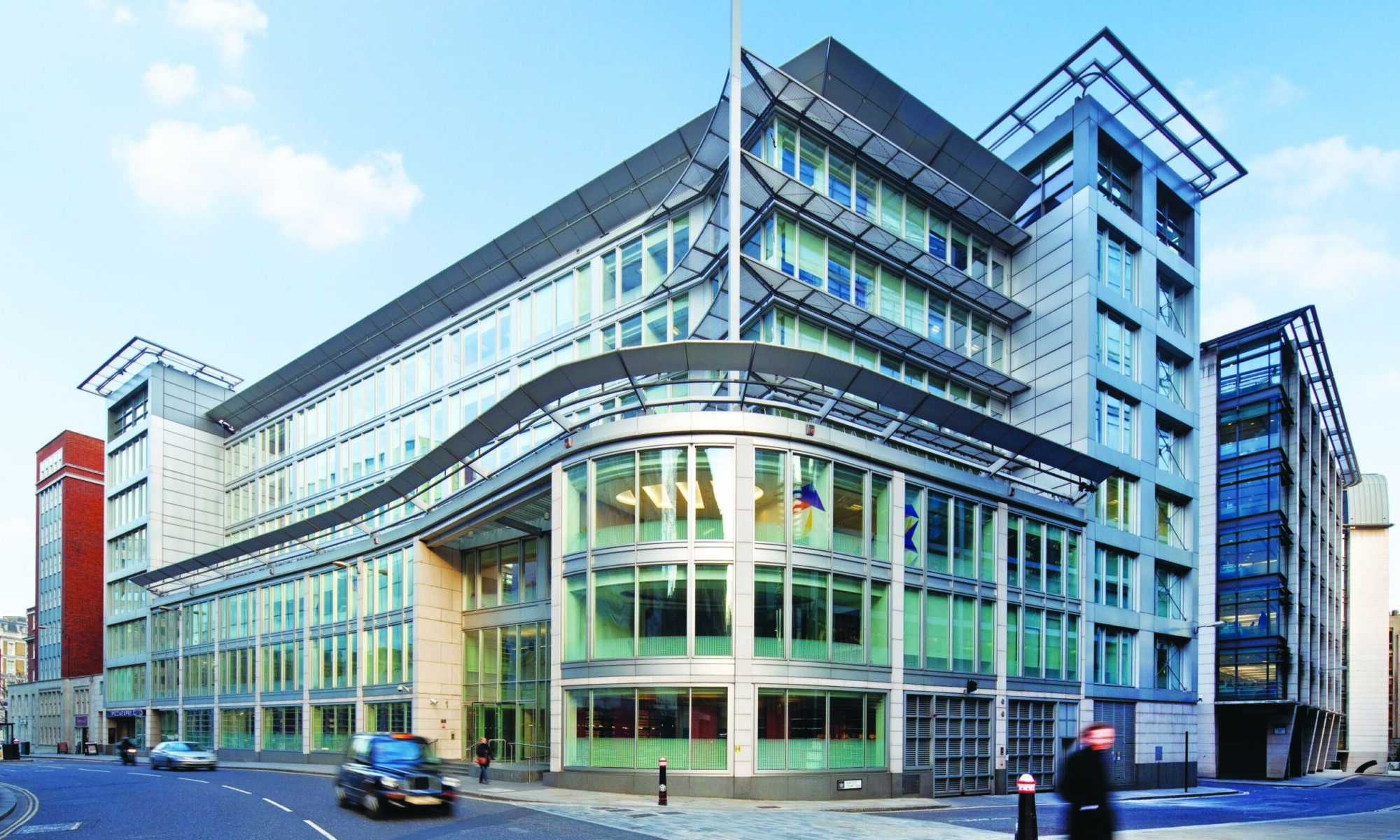
Last month, Simpson Thacher became the latest firm to open an office in Singapore, relaunching in the city-state after closing there over two decades ago.
The firm’s re-entry into the market reflects a resurging interest, driven in large part by high levels of private equity investment.
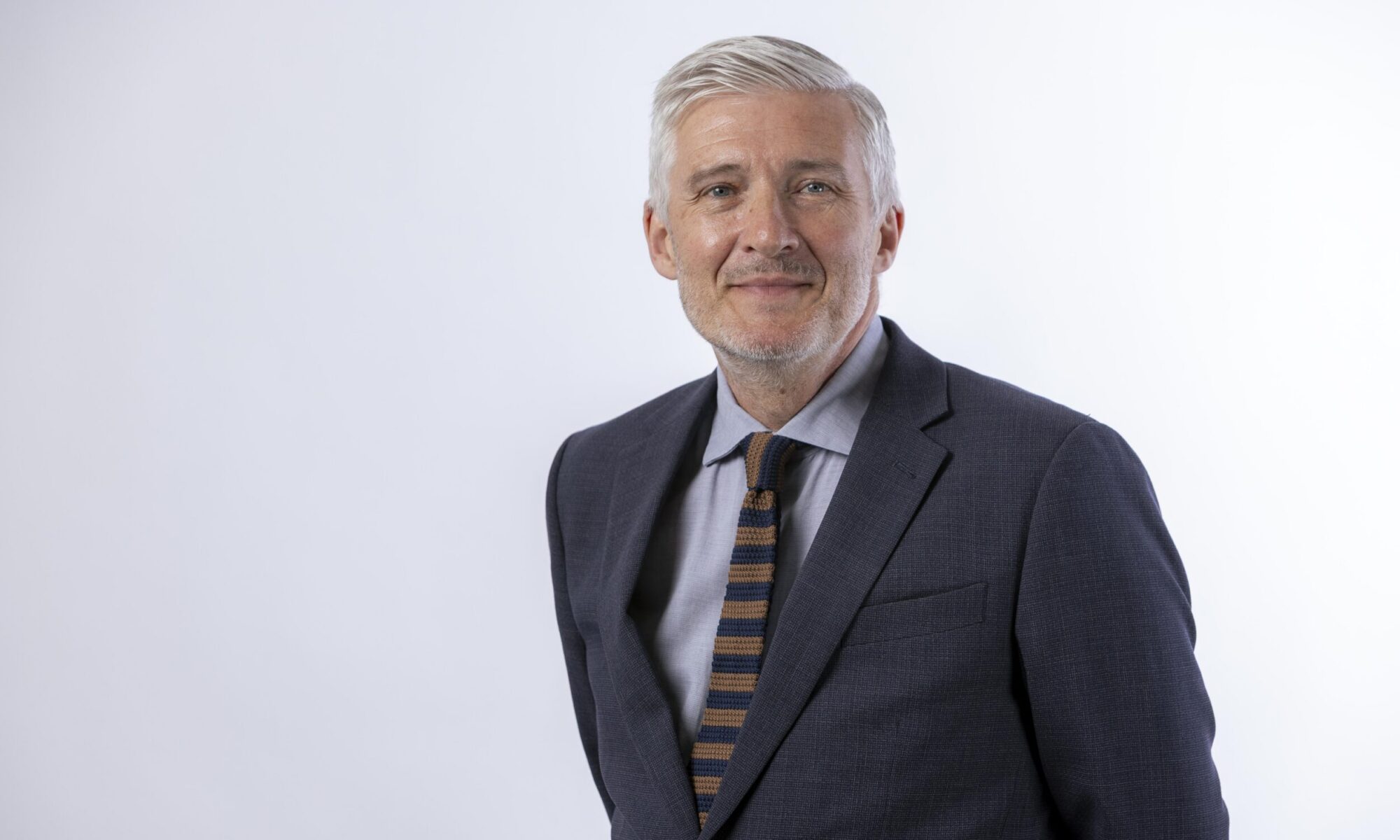
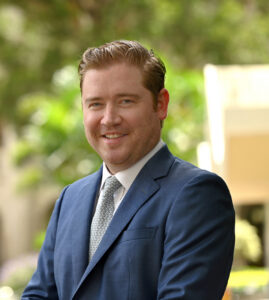
 ‘Our clients have gone from having a small number of people on the ground in the mid-2000s (when we established a dedicated PE M&A team in Asia) to now having hundreds,’ says Ian Ho (pictured right), co-head of Simpson Thacher’s Asia offices and its Asia private equity group, who is relocating from Hong Kong to Singapore to launch the office.
‘Private equity in Asia Pacific has transformed into a thriving sector, from a nascent market into what it is today,’ Ho continues.
Since 2020, at least ten other international firms have opened an office in Singapore, including Ropes & Gray and Quinn Emanuel in 2024, Baker Botts and Goodwin in 2022, and Orrick and Cooley in 2021.
The market has also seen a spate of notable lateral hires. Greenberg, which launched in Singapore in 2023, brought on a six-lawyer team last October, including Legal 500 investment funds leading partner Jek-Aun Long from Simmons & Simmons, as well as energy and natural resources partner Stella Bae from Ashurst, and M&A partner Kyle Oh from White & Case. The firm continued to expand with its hires of Goodwin M&A partner Chi Pan and Baker McKenzie APAC capital markets head, Ashok Lalwani.
Also making additions to its Singapore corporate teams last year was Sidley Austin, which hired M&A partner Alun Evans from A&O last May, and Baker McKenzie, which hired equity capital markets partner Alexander Stathopoulos.
Other notable moves include Hogan Lovells‘ hire of a three partner private equity team from Dechert in December 2024, which included Siew Kam Boon, who joined as head of private equity for the firm’s APAC offices, Thomas Kim, who now heads the firm’s investment funds practice in Singapore, and Timothy Goh.
‘Some international firms have found operating in Asia difficult. Firms would bring international lawyers over, but that model was discredited.’
Singapore’s political and economic stability have made it an attractive hub for investors, and since its launch in 1991 the Singapore International Arbitration Centre has been a strong centre for global dispute resolution.
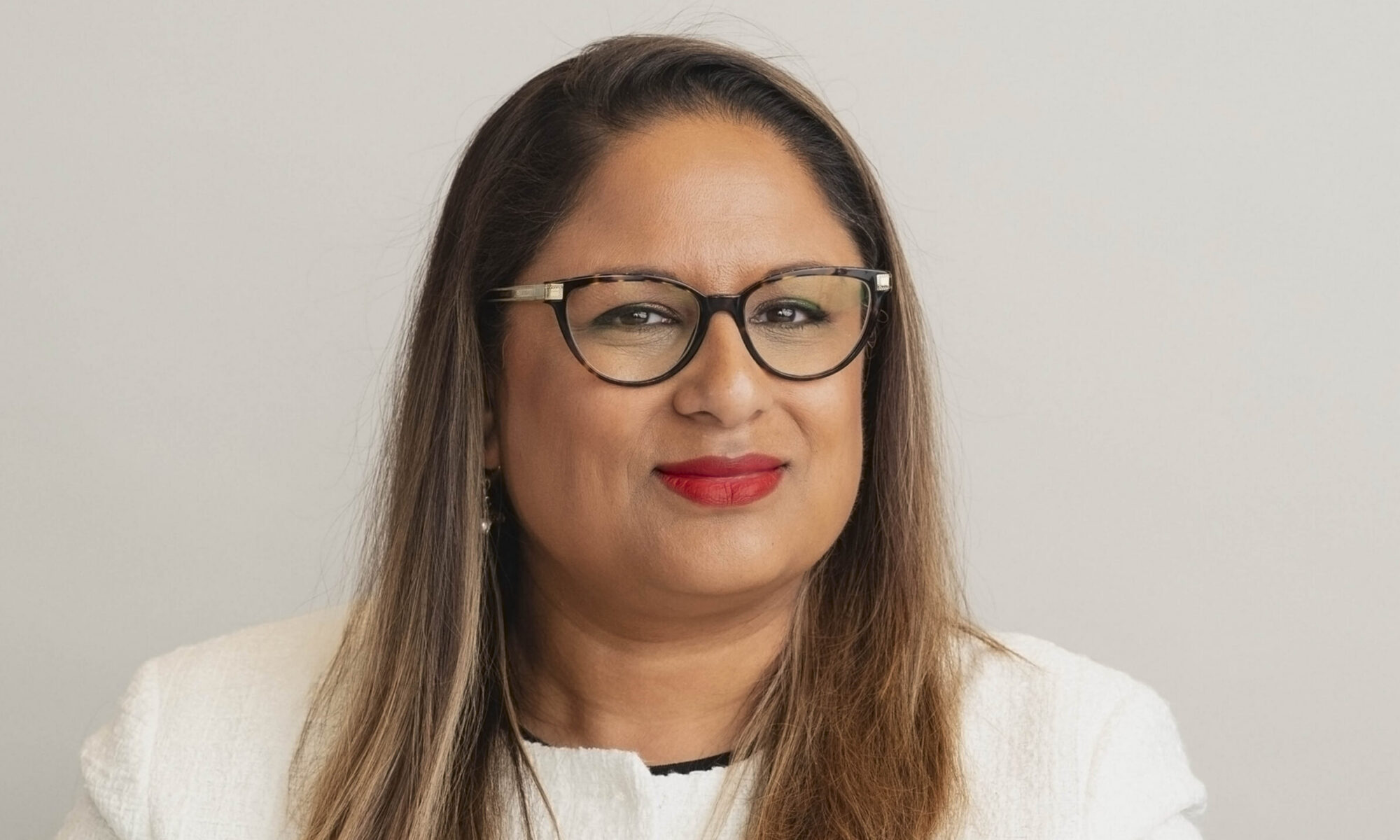
Milbank finance and M&A partner Jacqueline Chan (pictured below) notes that Singapore’s geography makes it well placed for international firms working with clients across the APAC region:
‘Millbank uses Singapore as an international base to conduct its international role for transactions that cover all of APAC. From Singapore we see transactions that cover Indonesia, Malaysia, Vietnam, the Philippines and Thailand. A lot of those will not have a base in Singapore itself, but they are all largely executed from Singapore.’
 ‘So you see Singapore operating as a financial services hub,’ she concludes.
Many international firms have had offices in Singapore for decades now, including Milbank, which opened there in 1985. UK-headquartered firms have a long history in the city-state as well: Clifford Chance opened there in 1982, legacy Allen & Overy and Linklaters both opened there in the early 1990s, and Freshfields reopened in 2012 after closing its office five years prior. In 1980, Freshfields had become the first global law firm to open there.
Now, of the top ten largest firms in the world by revenue, nine have an office in Singapore, with Kirkland & Ellis the only outlier.
However, one senior partner at an international firm in Singapore says that, though it’s a popular choice for firms with Asian business, it can be hard for global firms to find their footing there:
‘Singapore is one of those jurisdictions that was very attractive to law firms, as it is seen as a dynamic financial market, so firms were trying to bring their brand names in and pick up work.’
They continue: : ‘But some international firms have found operating in Asia difficult. It tended to be a situation where firms would bring international lawyers over, but that model was discredited.’
This is evident in recent closures. Last year, legacy McDermott Will & Emery closed its physical office there, which originally opened in 2021. Akin too, which opened in Singapore in 2012, is also winding down its Singapore office this year. The firm has one active partner there, private funds partner Olivia Chung, who relocated to Singapore from New York to lead the office in 2020.
This pressure is something that Ho, in relaunching Simpson Thacher’s newest office, is acutely aware of.
‘When we opened in the market in the late ’90s, it was for client-specific reasons and not a private equity play; private equity in Asia was not as prominent,’ he says.
Now, Ho says, by working with Simpson Thacher’s other offices in Asia, including Hong Kong, Beijing, and Tokyo, the firm can provide a strong APAC service to its clients.
‘The goal is to go as deep and as broad as we can with our top clients in the region and apply that approach to new clients. And to do that, you can’t operate in silos. We draw from our experiences and the expertise of our colleagues from across our Asia-Pacific offices and beyond,’ Ho says.
He adds: ‘Singapore plays a highly complementary role in how we execute our broader strategy. It’s not intended to stand alone – and it wouldn’t succeed if it did. Instead, we see Singapore as a synergistic hub that allows us to deepen our talent bench and scale the business. That scale is essential as our largest clients continue to grow and as we pursue new opportunities and relationships across the region.’
Simpson Thacher has historically relied on its Asian offices as connections the Southeast of the continent, where Singapore lies. However, as more private capital has moved into Southeast Asia, Ho says the firm is increasingly needed where its clients are:
‘We’ve always been successful at supporting our clients and Southeast Asia deals from outside Singapore. We know the work, who the key players are and, we understand the trends that are driving investment for our clients. Being on the ground enables us to even more rapidly tune into trends and shifts in risks and new opportunities.’
‘Being close to our clients is valuable and aligning our presence with where so much of the action is happening will be beneficial,’ Ho concludes.
‘There’s still a huge amount of dry powder in the region, that’s committed in the region’
The only comparable location to Singapore in the APAC region is Hong Kong – currently the only city outside of London and New York that houses all ten of the world’s largest firms by revenue.
However, partners in Singapore suggest that the two cities’ different locations means they service clients differently.
 Milbank corporate partner Maurice Conway (pictured right), who recently relocated from Hong Kong to Singapore, says: ‘The centre of gravity for Southeast Asia, the gateway for Southeast Asia, in a way, is Singapore now, and for India as well. Hong Kong is more seen as the gateway to the China-mainland work.’
‘There’s always a role for both markets, and to a certain extent they do kind of complement each other,’ Conway adds.
Despite broader geopolitical uncertainty, partners in Singapore remain optimistic. Looking at the year ahead, Chan notes: ‘The market here is growing and the pie is just getting much larger with the growth in private equity, in investment firms which are moving into Singapore, and of economies, both in the region of Southeast Asia and beyond, which Singapore services.’
‘There’s still a huge amount of dry powder in the region, that’s committed in the region,’ she adds.
Ho agrees, noting how the Singapore office demonstrates his firm’s decision to prioritise clients across APAC: ‘We hope this sends a strong signal to the market about our long-term commitment to Asia. Expanding our presence reflects our conviction in our clients and the region’s potential. We recognise we can’t do that alone, which is why we’re investing in building out the team to support sustained growth.’
For other partners in the region, Simpson Thacher’s return to the Singapore market is further evidence of a vibrant legal scene.
One senior partner at an international firm says: ‘There are a lot of business opportunities in Singapore, and firms are fairly bullish.
‘Singapore is a small place, but it’s growing the pie for everyone in Southeast Asia. International firms believe the pie will grow bigger, as more clients are setting up business there.’
They conclude: ‘If a firm has Asian business, why wouldn’t they consider it?’






 Bertrand-Delfau (pictured) was on the sell-side but across the table was AXA Private Equity, which would later go on to become Ardian.
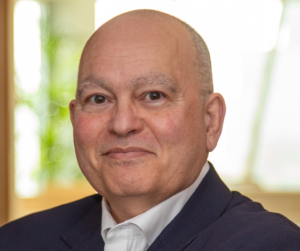 Daghlian (pictured) himself joined legacy SJ Berwin, which ‘owned the fund space’, in the mid-90s, when the firm began advising the then newly founded Coller Capital. ‘There were flashes of real brilliance,’ he says. ‘I knew this was interesting; no one else was doing this.’
 As the market matured through the 2000s, lawyers began moving between firms and jurisdictions, importing more developed US approaches into Europe.
 ‘The secondary universe is developing specialisms,’ Koffel (pictured) says, pointing to the ‘turbo-charged’ growth of GP-led deals across the market spectrum. That specialisation is feeding demand for lawyers.