Inside the $240bn secondaries boom sparking a new private equity talent war

Proskauer’s co-head of secondaries, Bruno Bertrand-Delfau, first encountered the asset class as a senior associate in 2003.

A client wanted liquidity from a portfolio of assets, and the partner handed him the matter, seemingly uninterested in what they viewed as a small and strange transaction. ‘The partner was an expert in large public takeover mandates. He asked me to deal with it on my own, and so I did,’ he says. 

At that time, no one knew what these transactions were, and people were sceptical, Bertrand-Delfau recalls. Investors were wary about selling at prices set by sponsors rather than by the open market. ‘A common but dismissive joke in the industry was that secondaries were “M&A for dummies”,’ he explains.

But the matter’s complexity told a different story. The deal, the first large secondary transaction in France, proved tricky and dragged on for two years through multiple pieces of litigation as GPs and portfolio companies tried to block it, unsure about what it would mean for them. In the end, however, it proved to be a turning point for both the client and Bertrand-Delfau.

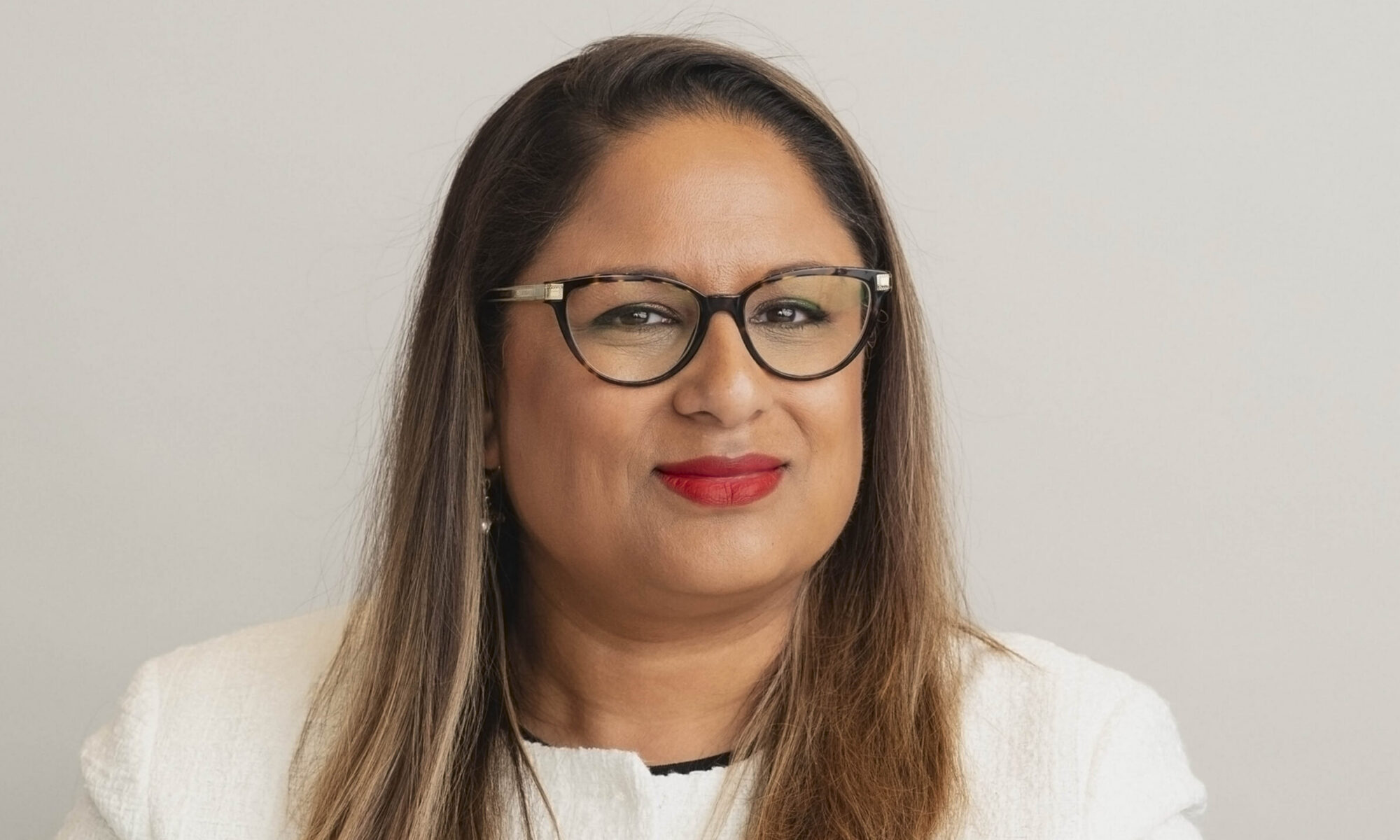
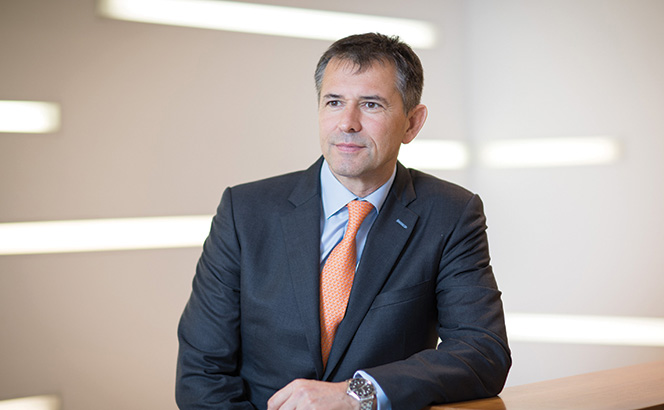
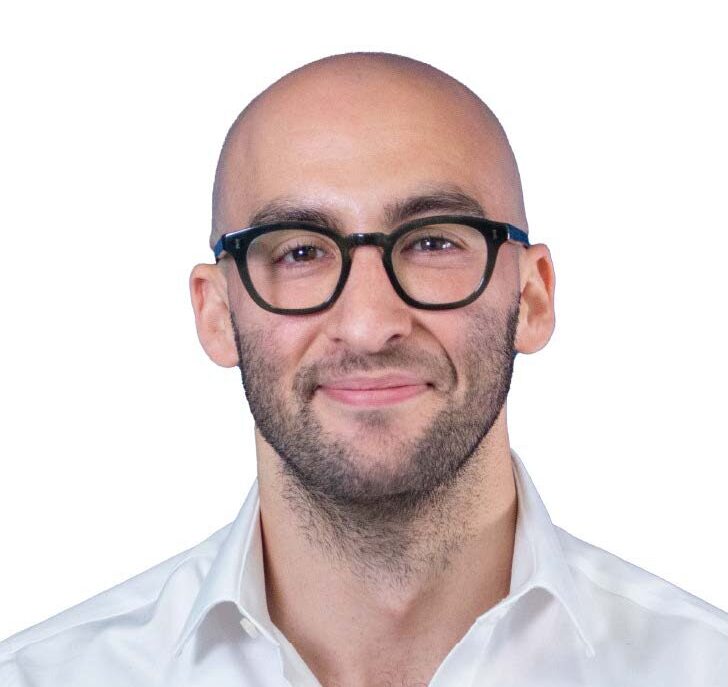
Bertrand-Delfau (pictured) was on the sell-side but across the table was AXA Private Equity, which would later go on to become Ardian.

‘This was a landmark transaction for Ardian, and one that marked the start of a long partnership,’ he tells LB.

Even though Bertrand-Delfau had worked opposite AXA, the deal was so arduous that the PE shop brought him in to advise on its behalf for the next transaction. More than two decades on, he is still advising Ardian, which last year raised the world’s largest secondary fund at $30bn. 

Ardian’s trajectory mirrors the wider market. A recent Jefferies report found secondaries hit record volumes in 2025, rising 48% year-on-year to $240bn, split roughly evenly between LP- and GP-led deals. Demand has been fuelled by new entrants, growing pools of dedicated capital and a push for liquidity as sponsors delay exits. 

Sponsors and asset managers have responded by building out secondary capabilities, with recent examples including investment bank Lazard last week acquiring British firm Campbell Lutyens, and EQT acquiring Jeremy Coller’s pioneering platform in January.

Law firms have been following suit. In recent weeks, Weil and Fried Frank have hired London secondaries partners from Kirkland, an early mover in the space. Weil added Charles Cooper-Isow to build on its recruitment of Simon Saitowitz last year, while Fried Frank added Rhett McPhie. A broader wave of hiring has seen Simpson Thacher, Freshfields and others deepen their benches through lateral moves since 2022. 

Starting out

The scramble for talent today is a far cry from how niche the practice once was. Early secondaries work sat awkwardly between funds and M&A, with few lawyers comfortable straddling both. 

‘M&A folks just didn’t understand funds and the funds people were all scared of M&A because they were geeks – fun geeks, though,’ recalls John Daghlian, now a senior funds consultant at Travers Smith. 
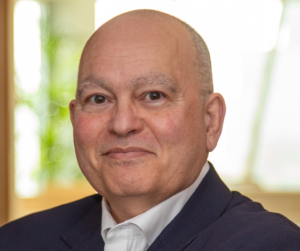
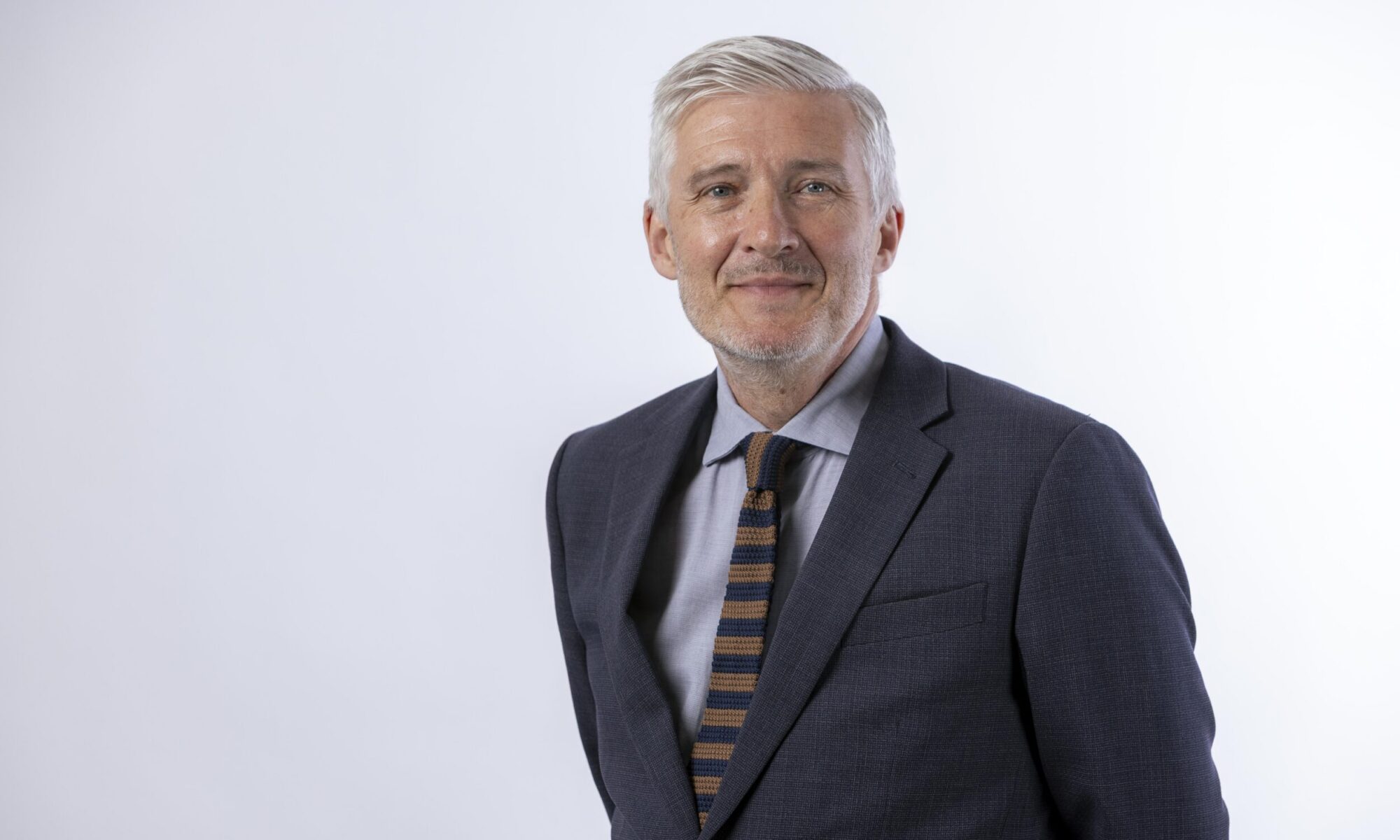
Daghlian (pictured) himself joined legacy SJ Berwin, which ‘owned the fund space’, in the mid-90s, when the firm began advising the then newly founded Coller Capital. ‘There were flashes of real brilliance,’ he says. ‘I knew this was interesting; no one else was doing this.’ 

In 2000, he advised Coller on its acquisition of a $1bn+ private equity portfolio from NatWest (now Bridgepoint), then the largest deal of its kind. Around the same time, Kate Downey—now head of Fried Frank’s European private equity funds practice—was advising Vision Capital on acquiring portfolios from struggling funds such as Morgan Grenfell. 

‘They had a rump set of assets that they needed to get rid of; they weren’t necessarily bad, but they weren’t liquid,’ Downey explains. ‘There was no playbook for this…but there was a lot of reward for creativity.’ 

These early transactions fed the perception that secondaries were tied to ‘zombie funds’—a characterisation Daghlian dismisses as a ‘great myth’, noting, ‘People don’t want to buy problems, however cheap they are.’ 
As the market matured through the 2000s, lawyers began moving between firms and jurisdictions, importing more developed US approaches into Europe.

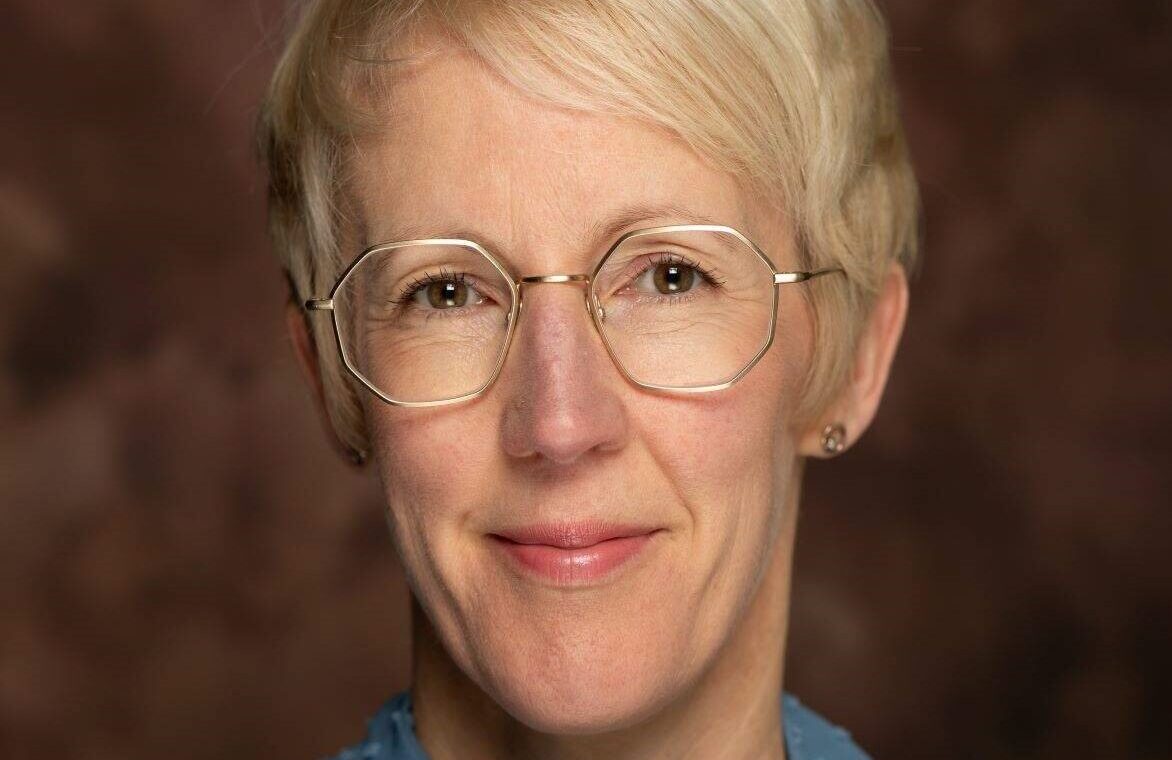
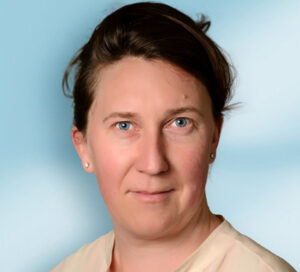
Daghlian moved to O’Melveny & Myers, while Downey (pictured) moved to Kirkland. ‘It opened everybody in Europe’s eyes to the wider market and showed there was a more developed way of doing things on the US side,’ says Downey. She adds: ‘The market had to grow up a bit after the financial crash.’

Banks also became active sellers, with Coller acquiring a £1bn portfolio from Lloyds in 2012 as part of post-crisis deleveraging. 

‘It was one of the first of a wave of managed funds-style transactions,’ says Paul Koffel, a partner at Coller. ‘Sponsors had moved beyond the stigma of not wanting secondaries and were aware of the need for liquidity, but it was a much more tactical way of defensive selling. Strategic selling came later.’ 

By 2017-18, the dynamic shifted again. GP-led secondaries became a commoditised business, with bigger transactions, more financing and a growing professionalisation of the market; these trends were further exacerbated by hikes in interest rates and the state of capital markets as a route to exit.

‘Top-tier GPs began to use these techniques to continue to own and manage prize assets through what is now broadly known as continuation vehicles (CVs),’ Bertrand-Delfau recalls. As these GP-led secondaries became mainstream, deal sizes began to climb and recourse to different financing options expanded, together creating repeat and scalable work for advisers. 

Looking forward

Recent macroeconomic conditions—higher interest rates, subdued exit markets and geopolitical instability—have reinforced the role of secondaries as a liquidity tool. The Jefferies report estimates that nearly 80% of the top 100 sponsors by AUM completed a continuation vehicle transaction in 2025. 
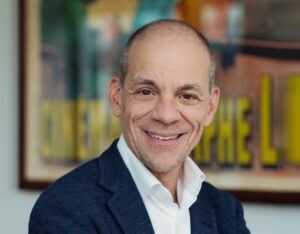
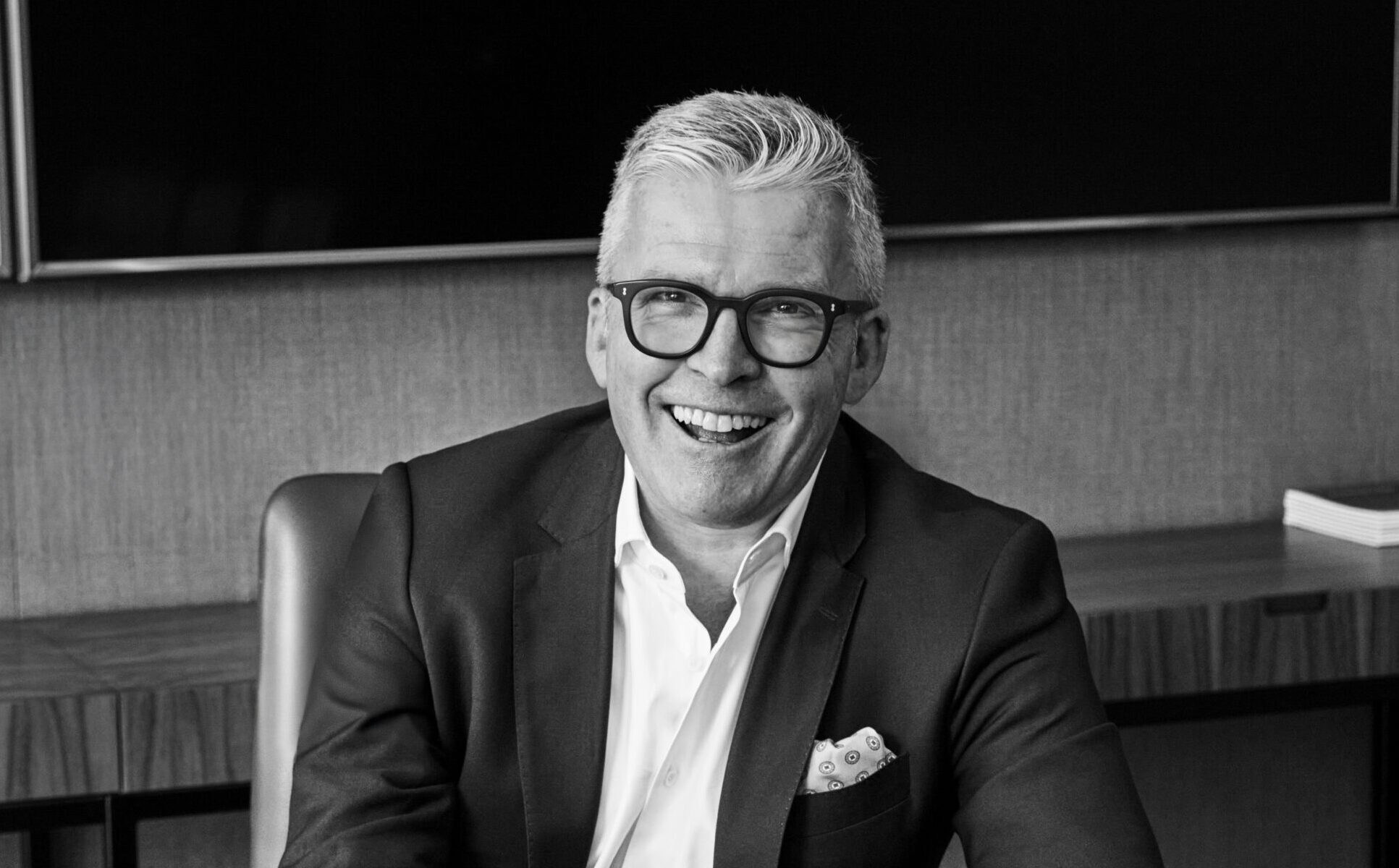
‘The secondary universe is developing specialisms,’ Koffel (pictured) says, pointing to the ‘turbo-charged’ growth of GP-led deals across the market spectrum. That specialisation is feeding demand for lawyers.

‘Prior to the interest rate rises of 2023, there were a handful of lawyers doing this work … suddenly all law firms needed this expertise to help clients access liquidity,’ says Theo Varcoe of Bishopsgate Search. 

The strategy is also spreading across asset classes. ‘The whole secondaries market is innovating again. That is part of the reason I unretired,’ Daghlian jokes. Credit GP-led secondaries have tripled in volume since 2024, while infrastructure and real estate are emerging as newer frontiers.

‘The infrastructure market has remained buoyant and pricing on exit has continued to be quite strong,’ Downey says, adding: ‘However, as pressures build on exit, the market sees infrastructure secondaries space as a viable solution and I don’t see that changing.’

Notable partner moves in the secondaries market since 2021

  • Aleks Bakic, Akin to Kirkland (London, 2022)
  • Jacqueline Eaves, Kirkland to Goodwin (London, 2023)
  • Ed Ford and Sacha Gofton-Salmond, Travers Smith to Simpson Thacher (London, 2023)
  • Timothy Clark, Goodwin to Freshfields as global co-head secondaries (New York, 2023)
  • Alex Chauvin, Ropes & Gray to White & Case (London, 2024)
  • Joanne Mak, Kirkland to Simpson Thacher (London, 2025)
  • Simon Saitowitz, Ropes & Gray to Weil (London, 2025)
  • Dan Drabkin, Clifford Chance to Sidley (New York, 2026)
[email protected]

DLA Piper promotes more than 60 partners as firm shifts to single leadership structure

DLA Piper has promoted 62 new partners globally, with the London and New York offices counting the most and second most new partners respectively, as the firm makes moves towards further integration after more than two decades as a verein.

The total number of promotions is down only slightly, from 65 last year, with a consistent spread across both regions and practices.

The US again saw the most promotions, with 24 – one up from 23 last year. Continental Europe was again in second place, though its number of promotions dipped from 20 to 14, and the UK was again third, with nine promotions this year compared with 12 last year.

In addition this year, six new partners were made up in Canada, and five in Australia.

Comparing promotions across practice areas, the firm’s corporate department again saw the highest number of new partners, with 20, up from 19 last year. Litigation was in second this year with 12 partners, down from 13 last year, while finance slipped from second place last year, with 12 new partners, to third this year, with eight.

The firm also promoted seven new partners in intellectual property and technology, five in real estate, four in regulatory and government affairs, and two each in employment, investment funds, and tax.

The promotions are the first new partners DLA has made up since the firm’s partners voted last month to approve plans to dissolve its long-standing Swiss verein structure and introduce a new global leadership structure, with a team led by Frank Ryan as global chair and global co-CEO and Charles Severs as global co-CEO. The global structure will sit above the firm’s US and international LLPs, which it will retain.

Commenting on the promotions, Ryan said: ‘Our new partners have the judgment, solutions-oriented mindset, and collaborative approach that clients expect of DLA Piper. They’ve earned the trust of clients and colleagues alike, and we’re proud to welcome them to the partnership.’

Severs added: ‘This is a special moment for each of our new partners, and we congratulate them on an important achievement. Their promotions demonstrate DLA Piper’s depth of talent across the world, the value and quality we offer our clients, and the continued evolution of our global firm.’

The promotions came into effect on 1 May.

[email protected]

DLA Piper new partners in full:

UK

  • Mark Briggs, litigation and regulatory, London
  • Liam Freeman, corporate, London
  • Ian Graves, real estate, Birmingham
  • Ben Collins, corporate, Leeds
  • Clare McLaren, corporate, London
  • Katie Palms, litigation and regulatory, London
  • Jonathan Paines, corporate, Manchester
  • Philip Povey, finance, London
  • Natalie Thorn, finance, London

US

  • DK Donghyun Kim, corporate, Atlanta
  • Lara Assaf, investment funds, Austin
  • Zac Loney, intellectual property and technology, Austin
  • Oriana Montani, real estate, Boston
  • Nick Beard, real estate, Chicago
  • Haley R. Curry, regulatory and government affairs, Dallas
  • Greg Young, finance, Los Angeles
  • Joseline Rodriguez, corporate, Miami
  • Maximilian Viski-Hanka, investment funds, Miami
  • Orley Granot, finance, New York
  • Dan Kagan, regulatory and government affairs, New York
  • Neal Kronley, litigation, New York
  • Carina Meleca, corporate, New York
  • Steven M. Rosato, litigation, New York
  • Dylan Caplan, corporate, Philadelphia
  • Rachel A.H. Horton, litigation, Philadelphia
  • Gina H. Lee, corporate, Raleigh
  • Kevin England, tax, San Diego
  • Joseph Davison, litigation, Seattle
  • Bianca Jean LaCaille, corporate, Seattle
  • Thomas E. Daley, regulatory and government affairs, Washington DC
  • James Patrick McGraw, corporate, Washington DC
  • Peter Shroyer, regulatory and government affairs, Washington DC
  • James Stewart, intellectual property and technology, Washington DC

Europe

  • Alexander Severance, litigation and regulatory, Aarhus
  • Diederik Schuurmans, corporate, Amsterdam
  • Péter Szajlai, corporate, Budapest
  • Conor McEneaney, intellectual property and technology, Dublin
  • Barry Noonan, real estate, Dublin
  • Nils Grunicke, employment, Hamburg
  • Dr Marcus P. Lerch, litigation and regulatory, Hamburg
  • Francisco Bachiller Ströhlein, corporate, Madrid
  • Hamza Akli, litigation and regulatory, Paris
  • Louis-Augustin Jourdan, tax, Paris
  • Nicoletta Alfano, finance, Rome
  • Emil Alexanderson, real estate, Stockholm
  • Anders Svensson Clark, finance, Stockholm
  • Paweł Turek, finance, Warsaw

Canada

  • Lee K. Axford, corporate, Edmonton
  • Rob D. McDonald, intellectual property and technology, Edmonton
  • François Tremblay, corporate, Montréal
  • Cristina Mihalceanu, intellectual property and technology, Toronto
  • Rosalie A. Clark, litigation, Vancouver
  • Tyson Gratton, corporate, Vancouver
  • Middle East and Africa
  • Adrianus Schoorl, litigation and regulatory, Dubai
  • Brian Malcomess, corporate, Johannesburg

APAC

  • Edward Eisdell-Moore, intellectual property and technology, Auckland
  • Allen Xu, intellectual property and technology, Beijing
  • KC Tai, litigation and regulatory, Hong Kong
  • Maddison Hardiman, corporate, Melbourne
  • Sarah Birkett, intellectual property and technology, Melbourne
  • Matthew Roberts, finance, Perth
  • Conor Dolphin, corporate, Sydney
  • Mitch Robertson, employment, Sydney

Legal 500 unveils first Disputes Services research

broken scales

Legal 500 has launched its first Disputes Services research, expanding its coverage beyond law firms to rank the specialist providers underpinning complex litigation, arbitration and investigations across the UK and US markets, with additional global rankings.

The rankings reflect the growing role of external advisers in disputes work. As matters become more data-intensive, cross-border and reliant on specialist expertise, firms are increasingly turning to advisers in forensic accounting, eDiscovery, litigation funding, investigations, insurance and strategic communications.

The research involved more than 200 interviews with providers, law firms and clients, alongside nearly 150 submissions. In total, more than 175 firms were ranked across 15 practice areas, with over 500 individual practitioners recognised.

Disputes services rankings

United Kingdom:

United States:

Global:

Among the top-tier providers, a relatively concentrated group dominate across multiple practice areas.

In forensic accounting and eDiscovery, FTI Consulting and Alvarez & Marsal achieved tier 1 rankings across both the UK and US rankings, alongside Forensic Risk Alliance, Grant Thornton and Deloitte.

In business intelligence and investigations, Nardello secured top-tier rankings in both jurisdictions. S-RM, Sigma7 and Raedas are among the UK leaders, while Vantage Intelligence and Guidepost Solutions feature highly in the US edition.

Bench Walk Advisors, Omni Bridgeway and Woodsford are among UK leaders in this year’s litigation funders rankings, while Burford Capital, Parabellum and Fortress Investment Group are some of the firms to have achieved thtop spot in the US coverage. Specialist brokers, including Exton Advisors and Factor Risk Management, also achieved tier 1 positions in the inaugural rankings.

The full rankings are now available on the Legal 500 rankings page.

Slaughters and Linklaters take the call as Vodafone buys CK Hutchison out for £4.3bn

Slaughter and May and Linklaters have picked up the lead roles as Vodafone agrees to buy CK Hutchison’s (CKHGT) 49% stake in the VodafoneThree joint venture for £4.3bn.

In summer 2023 mobile network operators Vodafone and Three agreed to merge. The deal completed last May, creating the UK’s largest mobile operator, of which 51% was owned by Vodafone and 49% by Hong Kong conglomerate CKHGT.

Now, Vodafone has announced that it has reached an agreement to buy out CKHGT’s stake via a cancellation of shares, funded by £4.3bn in cash.

Both Slaughters and Linklaters reprise their roles from the initial merger, with Slaughters advising Vodafone and Linklaters leading for CKHGT.

Corporate partners Victoria MacDuff and Richard Hilton lead the Slaughters team on the deal, with support from global head of competition Claire Jeffs, who splits her time between London and Brussels, competition partners William Turtle and Alexander Chadd, technology, digital, data and IP partner Duncan Blaikie, tax partners Mike Lane and Charles Osborne, and pensions partner Chris Sharpe.

Slaughters has previously handled a number of corporate and commercial matters for the telecoms provider, and MacDuff and Hilton also advised on the tie-up between Vodafone and Three.

Speaking with LB at the time, MacDuff said: ‘It’s a mammoth transaction. The market in the UK has been ripe for consolidation for a while and the telecoms sector has changed quite significantly over the last 10 to 15 years. As it stands, Vodafone and Three do not benefit from the same scale as others, and this deal will help them achieve that.’

Linklaters is advising CKHGT, with a team including London corporate partners Robert Cleaver and Hugo Stolkin, Hong Kong corporate partner Roger Cheng, and tech, media and telecoms partner Rich Jones and tax partner Chris Smale, both also in London.

Cleaver and Stolkin also led the team that advised on the completion of the merger last year.

In a statement, chief executive of Vodafone Group, Margherita Della Valle said: ‘A year on from the merger, the team has made remarkable progress, as we maximise the full potential of VodafoneThree and capture the significant synergies.’

She continued: ‘I’m delighted that we will now have full ownership of VodafoneThree as we roll out one of Europe’s most advanced 5G networks, provide the UK’s best customer experience and drive long-term value for our shareholders.’

Karen Thorpe, who served as UK head of legal at Vodafone from 2021 to last June, and is now a legal director there, spoke with LB in 2024, as the transaction was underway, describing the merger as a ‘once in a lifetime deal.’

Under the terms of the deal, Max Taylor, who became chief executive officer of then-Vodafone UK in April 2024, and stayed on as CEO of VodafoneThree, will continue as CEO.

The buyout is expected to complete in the second half of 2026, subject to regulatory approval.

[email protected]

Elite trio prompt Anthropic’s $1.5bn JV with Blackstone, Hellman and Goldman

Kirkland & Ellis, Simpson Thacher & Bartlett and Davis Polk & Wardwell have taken lead roles on a major deal that has seen three heavyweight financial backers team up with Anthropic to create a new AI services company.

Blackstone, Hellman & Friedman and Goldman Sachs are partnering with the AI company behind Claude for a joint venture reported to have secured around $1.5bn in committed funding.

The deal will see the formation of a standalone business focused on helping mid-sized companies embed Anthropic’s Claude AI into core operations.

Kirkland advised Blackstone on the deal, with a team led by New York corporate partners Lauren Colasacco and Alan Heisman, alongside technology IP and transactions partners Seth Traxler in Chicago and Amber Harezlak, who splits her time between Salt Lake City and the Bay Area.

Simpson Thacher, meanwhile, advised both San Francisco-headquartered private equity firm Hellman & Friedman and Goldman Sachs.

The team advising Hellman was led by corporate partners Naveed Anwar and Atif Azher in San Francisco, alongside New York IP transactions partners Lori Lesser and Jamie Talbot.

The team for Goldman Sachs was led by New York corporate partners Katherine Krause and Timothy Gaffney, together with capital markets partner Hui Lin.

Davis Polk is understood to be advising Anthropic, with a team including corporate partner Michael Diz, head of the firm’s Northern California office.

Apollo Global Management, General Atlantic, GIC, Leonard Green & Partners and Sequoia Capital are also investing in the venture and will support its build-out alongside the founding partners.

In a statement, Anthropic said that the new organisation would work with ‘mid-sized companies across sectors to bring Claude into their most important operations’, and that its applied AI engineers would aim to ‘identify where Claude can have the most impact, build custom solutions, and support customers over the long term.’

Anthropic CFO Krishna Rao said that enterprise demand for Claude was ‘significantly outpacing any single delivery model’, and that the company’s partnerships ‘with the world’s leading systems integrators are central to how Claude reaches large enterprises.’

The latest deal comes after Freshfields recently agreed a multi-year deal with Anthropic, rolling out Claude across the firm and agreeing to collaborate on development of further AI services and workflows.

In an interview with LB, Freshfields chief innovation officer Gil Perez explained how the firm would work directly with Anthropic’s legal team to ‘explore how we could collaborate and set up workflows between a law firm and Anthropic’, describing the deal as an opportunity to ‘get a glimpse into the future’ which it would then be able to share with clients.

[email protected]

Freshfields and Slaughters advise as EQT tables improved bid for FTSE 100 Intertek

Freshfields is acting for Swedish private equity giant EQT after the buyout shop tabled a third bid for FTSE 100 quality assurance company Intertek, advised by Slaughter and May.

The latest bid for Intertek stands at £8.9bn of equity and values the FTSE company at over £10bn including debt. This follows two previous bids that were rejected last month.

Slaughter and May is providing counsel for the company’s strategic review, announced in April, as it explores a sale or demerger, as well as the bids from EQT. The team is led by corporate partners David Watkins and Natalie Cook.

On the buy side, Freshfields’ team is led by global co-head of the firm’s private capital group and Legal 500 high-value private equity Hall of Famer Victoria Sigeti, M&A partner and chair of the firm’s board Piers Prichard Jones, and M&A partner Kate Cooper.

The firm has been winning more mandates for the Swedish asset manager in recent years after winning a place on its UK and European panel in 2024, with today’s mandate allowing it to combine its sponsor relationships with its well regarded public M&A practice.

In the last three years EQT has stepped up its instruction of Clifford Chance and Freshfields, having previously favoured Latham & Watkins and Kirkland & Ellis before that, said a person with knowledge of the buyout shop’s processes.

Last year Freshfields advised on EQT’s acquisition of a majority stake in the B2B pharmaceutical dossier company Advalo, a deal corporate partner Mark Brewer led on.

However, EQT mandates in the UK have landed at a variety of firms in 2026. Ropes & Gray advised the fund on its £3.7bn acquisition of Coller Capital in January, while Kirkland acted on its acquisition of a 42% stake in Kelda Holdings, the parent company of Yorkshire Water, last month.

The takeover bid for Intertek, if accepted, would be the latest example of a large listed company being taken private. Earlier in the year Schroders agreed to a £9.9bn takeover by US asset manager Nuveen, with Slaughters acting for the FTSE-listed company.

[email protected]

Trading Places: Paul Weiss and Kirkland grow in Houston, while Gibson Dunn hires S&C appellate co-head

Paul Weiss has continued to grow its recently opened Houston office, hiring a pair of partners from Kirkland & Ellis and Latham & Watkins.

Aisha Lavinier, from Kirkland, will join Paul Weiss’ M&A team, while tax partner Jim Cole is moving from Latham. Both partners have been at their respective firms for over twelve years.

Paul Weiss opened in Houston in February this year, when it hired two Kirkland corporate partners to launch the office, including Legal 500 leading partner for energy transactions: oil and gas, Sean Wheeler, who heads the office and serves as co-chair for global M&A.

The hires see the firm keep its Texas focus on transactional and finance work, in particular in the state’s crucial energy sector. Lavinier brings experience advising PE sponsors and a range of private and public companies and investors on deals in sectors including energy, healthcare and life sciences, tech and digital infrastructure, and industrials. Meanwhile, Cole has particular expertise advising corporate and PE clients on the tax aspects of energy, infrastructure and project finance deals, with energy expertise across upstream, midstream, and downstream players.

‘Aisha’s versatility in advising clients from a broad range of industries on transformative deals, and Jim’s breadth of experience advising energy clients through all the tax implications of their most important transactions, including on energy tax incentives, each strengthen our full-service transactional offering in Houston,’ said Wheeler. ‘Their arrivals mark an exciting step in the continued growth of our Houston team.’

The firm has also added to its New York office, as litigation partner Adam Hoeflich has moved to the firm, following over 30 years at litigation boutique Barlit Beck in Chicago. Hoeflich brings experience leading high-profile disputes from pretrial through appeal in federal and state courts across the country, with particular expertise designing and advising on major US and international mass tort and product liability resolutions.

For its part, Kirkland has also added to its Houston team, with the hire of energy and infrastructure project finance partner Christopher Peponis from Latham.

Peponis, who has been at Latham for over four years, moves as part of a nine-lawyer team focused on energy and infrastructure project finance and transactions. Earlier in his career, Peponis spent a decade in-house at Shell, where he focused on LNG.

It was originally reported that Peponis would be joined in his move by New York project finance partner Hamad Al-Hoshan. However, Latham has confirmed that Al-Hoshan is not leaving the firm.

Elsewhere, Kirkland has made further additions, hiring former Tennessee solicitor general Matt Rice as a litigation partner. Rice brings experience in appellate advocacy and high-stakes litigation, and joins the Nashville office that Kirkland launched this February.

In Philadelphia, the firm has hired corporate partner Adam Prince from Morgan Lewis. Kirkland launched its office in Philadelphia last January with a product liability team from Skadden, but hired its first corporate partner this April, former Dechert partner Stephanie Haas. Prince marks the office’s second corporate partner.

Meanwhile, Gibson Dunn is expanding its litigation and appellate team with the hire of four partners from Sullivan & Cromwell, including former acting solicitor general and appellate litigation practice co-head Jeff Wall.

Wall served as principal deputy solicitor general of the United States during President Donald Trump’s first term, from 2017 to 2021, also serving as acting solicitor general from July 2020 until Trump left office the next January. He then returned to S&C, where he also represented Trump in his New York criminal case in 2023-24 – the first ever criminal indictment brought against a former US president. He joins Gibson Dunn as co-chair of the firm’s appellate and constitutional law practice.

Joining Wall in the move to Gibson Dunn’s DC office are fellow partners Morgan Ratner, who also acted on the Trump case, and Judd Littleton. In addition, Yaira Dubin joins the firm in New York, where she will lead the office’s appellate practice.

All four lawyers have extensive experience in both private practice and government, with Ratner and Dubin each serving in the Office of the Solicitor General of the United States as assistant solicitors general, and Littleton working for the US Department of Justice’s (DOJ) Federal Programs Branch.

‘We are thrilled to be joining forces with Gibson Dunn,’ said Wall. ‘Gibson Dunn is a powerhouse known for its depth of talent, strong culture, and extraordinary client base. Together with the rest of the Gibson Dunn team, we will be unmatched in our ability to help clients navigate their highest-stakes matters.’

Alston & Bird has hired a three-partner IP litigation team from Winston & Strawn, including Legal 500 intellectual property: copyright hall of fame partner and former vice chair of the firm Michael Elkin, and co-chair of global IP and Legal 500 intellectual property: copyright leading partner, Jennifer Golinveaux.

Elkin, who served as vice chair from 2009 to 2024, will join Alston in New York alongside fellow Winston IP litigation partner Sean Anderson. Golinveaux will join Alston’s office in San Francisco.

Reed Smith has also hired from Winston, with private equity partner Bryan Ikegami joining its Century City office. Ikegami spent nearly three years as a partner at Winston, joining the firm in 2023 from Massumi + Consoli, the midmarket-focused US national firm founded by former Kirkland partners in 2015. Ikegami also spent nearly a decade at Kirkland, where he made partner.

These moves mark the latest departures for the soon-to-be Winston Taylor, following the firm’s merger with Taylor Wessing, approved by partners this January and set to go live this quarter.

Earlier this year, a total of 15 partners also left Winston, joining King & Spalding’s offices in Dallas, Charlotte and Washington DC.

That said, Winston has begun to rebuild in Dallas, with the hire of IP trial lawyer Aimee Fagan from Sidley Austin. Fagan spent more than five years as a partner at Sidley, and brings significant experience in tech and IP matters, in particular within the energy sector.

Reed Smith was also active in California, where the firm has rehired energy and infrastructure lawyer Kevin Levy as partner, who was previously a counsel in the firm’s San Francisco office, before moving to Norton Rose Fulbright in 2025.

Also on the West Coast, Davis Polk is launching an office in Los Angeles, with the hire of business litigation partner Jason Russell from Skadden. Russell will serve as head of the firm’s LA office, following over 30 years at Skadden.

He will be joined at the new office by finance partner Rob Morrison, who joined Davis Polk from White & Case last summer, with further partner hires expected as Davis Polk builds what it calls a ‘full-service platform’ in the city.

‘Jason is an exceptional litigator, and we are thrilled to welcome him to Davis Polk,’ said Davis Polk chair and managing partner Neil Barr. ‘As a major hub for sponsors and for the entertainment, sports and technology sectors, the Los Angeles market presents a number of attractive opportunities for us to better serve clients and to augment our team with the exceptional talent in the region.’

He continued: ‘While we have had LA on our radar for some time, we wanted to ensure that we had the right team in place to help lead our presence in the region. We found that in Jason, and I am excited to partner with him as we embark on this exciting new chapter for our firm.’

Russell added: ‘Davis Polk is on a remarkable trajectory. I am grateful for the opportunity to join the firm’s unmatched platform and to lead the Los Angeles office as we continue to grow our California footprint. I look forward to working alongside my distinguished new colleagues to support clients facing complex commercial litigation both in California and in courts across the country.’

Davis Polk has also expanded in Washington DC, where it launched a new Supreme Court and appellate practice with its hire of Paul Weiss litigation co-chair, DC office co-head, and Supreme Court and appellate practice group chair, Kannon Shanmugam.

Shanmugam, who is recognised as a Hall of Fame partner in Legal 500’s dispute resolution: appellate: courts of appeals/appellate supreme courts (state and federal) rankings, moves after seven years at Paul Weiss, and is joined by fellow partner Masha Hansford, who rejoined Paul Weiss as a partner in September 2025 after leaving in 2020 as a counsel to take a role at DOJ as an assistant to the solicitor general. Shanmugam also served at DOJ in the same role, from 2004 to 2008.

‘We are thrilled to have Kannon, a dean of the appellate bar, and Masha, an exceptional first-chair appellate litigator, join us to establish an elite Supreme Court & Appellate practice,’ said Barr. ‘Each brings a distinguished record of success before the nation’s highest courts. Welcoming a team of this caliber is a critical step in the continued growth of our Washington DC platform. We look forward to building out the team further and working alongside our clients on their highest-stakes appeals.’

Also active in litigation was Freshfields, which has hired white-collar defence and investigations partner Alessio Evangelista to its Washington DC and New York offices.

Moving from Skadden, where he spent nearly four years, Evangelista has nearly two decades of experience working inside the US government, including as head of the enforcement and compliance division at the Financial Crimes Enforcement Network (FinCEN) within the US Treasury between 2020-2022.

In New York, Baker McKenzie has hired Proskauer restructuring partner Tim Karcher. Karcher spent nearly 15 years at Proskauer, where he also chaired the firm’s hiring committee in New York.

Quinn Emanuel Urquhart & Sullivan has also grown its New York team, with the addition of shareholder activism and private funds litigator Minji Reem from McDermott Will & Schulte.

Reem was previously a partner at legacy Schulte, Roth & Zabel before the firm merged with legacy McDermott, Will & Emery last summer. While at Schulte, she worked closely with fellow partner Michael Swartz, who moved to Quinn last March.

Simpson Thacher has grown its Houston office, with the hire of former Clifford Chance energy and infrastructure partner Victoria Salem. Salem has previously worked in-house for Texas-based energy companies, including as assistant general counsel at Cheniere Energy, before moving to CC in 2025.

Simpson Thacher has also hired former Kirkland & Ellis associate Katie Taylor as a partner in its San Francisco office. Taylor specialises in leveraged finance and debt financing.

In New York, Cleary Gottlieb has hired A&O Shearman financial institutions partner Jennifer Morton. Morton spent nearly two decades at her previous firm, joining legacy Shearman & Sterling as a counsel in 2007, and making partner in 2020.

Meanwhile, A&O Shearman has hired  antitrust partner Kathryn Mims to its Washington DC office. Mims joins from White & Case, where she started her career over eleven years ago.

For its part, White & Case has hired former Reed Smith global M&A chair Jennifer Cheng and Freshfields corporate partner Andrea Merediz Basham to its New York office. Cheng spent nearly ten years at Reed Smith, while Merediz Basham has been a Freshfields partner since 2021.

Covington & Burling has also looked to Freshfields, as it hired former life sciences partner Vinita Kailasanath to its Palo Alto office.

Back in the capital, Latham & Watkins partners Danielle Conley and Jude Volek have joined Dunn Isaacson Rhee, the litigation boutique established last summer by Paul Weiss litigation department co-chair Karen Dunn, DC office head Jeannie Rhee, and litigators William Isaacson and Jessica Phillips.

Conley joins after more than three years at Latham, while Volek spent just over two years at the firm, making partner this March, according to his LinkedIn. Both lawyers have experience working in government, in the administration of President Joe Biden. Conley was deputy counsel to the president from January 2021 to June 2022, while Volek worked at the Executive Office of the President from August 2021 to December 2023. Before that, he spent a decade at DOJ, including as deputy chief of the Civil Rights Division.

Also in DC, Clyde & Co has launched its regulatory and investigations practice with Evershed Sutherland’s former co-head of national security and global co-head of industrials Jeff Cottle.

Cottle will take the role of head of regulatory and investigations, white-collar crime and sanctions in the Americas, as well as co-head of white-collar crime and sanctions across Clyde’s EMEA offices.

Debevoise & Plimpton has hired antitrust and M&A partner Rebekah Scherr from Kirkland in DC, where she spent nearly three years as a partner, joining from Paul Weiss in 2023, where she was an associate.

Finally in DC, partners from Skadden, Munger Tolles and MoloLamken have launched new litigation boutique Liu Shur Kravis.

Jessie Liu from Skadden, Justin Shur from MoloLamken, and Jonathan Kravis from Munger Tolles have set up the firm, which aims to represent companies, individuals, and other institutions in a range of high-stakes disputes, investigations, and trials with significant legal and reputational weight.

Liu spent more than five years at Skadden, and previously served as the US attorney for the District of Columbia from 2017 to 2020, during which time she oversaw the criminal prosecution of Roger Stone, a long-time associate of President Trump, then in his first term. Kravis was also involved in the case, working at the US attorney’s office in DC as deputy chief, Fraud and Public Corruption from 2018 to 2020. Shur also has government experience, having worked as deputy chief of the Public Integrity Section at DOJ from 2008 to 2012, when he moved to MoloLamken.

McGuireWoods has made multiple hires across its corporate teams, adding former Kirkland tax partner Andrew Chan to its San Francisco office, as well as capital markets partners Hillary Patterson and Jessica Tobin, formerly of Hunton Andrews Kurth, to its Richmond office.

Orrick has also expanded in San Francisco, as it hired the former global director of youth safety policy and leader of global youth litigation strategy at Meta Platforms, Nicole Lopez.

Finally, Mayer Brown has attracted in-house talent as well, with the addition of former PEG Companies chief legal officer Andrew Kwok. Kwok joins Mayer Brown’s global funds and asset management practice in LA.

[email protected]

Paul Hastings hires Covington PE and real estate team as London buildout continues

Paul Hastings has continued its London expansion with the addition of a four-partner private equity and real estate team from Covington & Burling. The team is led by partners Lyndsey Laverack and Jade Williams-Adedeji.

Both Laverack and Williams-Adedeji joined Covington in 2024 having previously worked together at Sidley Austin for over a decade. Both are ranked as Legal 500 next-generation partners for commercial property: investment, and work with clients such as Apollo, KKR and Welltower, the largest real estate investment trust (REIT) in the US, with client relationships expected to follow the partners in their move, LB understands.

Alongside the pair, Jack Mayall and José Maria Rodrigues join Paul Hastings as partners. Both were special counsels at their previous firm, which they also joined from Sidley in 2024.

Laverack’s practice focuses on private equity and M&A, while Williams-Adedeji’s specialities lie in real estate where she advises REITs, funds and companies in investments across sectors including retail, data centres, healthcare and housing. Williams-Adedeji was head of Covington’s real estate practice in London.

The move comes after Paul Hastings lost five PE real estate partners last Autumn, with Michael James and Edward Meadowcroft joining Hogan Lovells, Rehan Hanif and Miles Flynn moving to Milbank, and Stephen Nicolas shifting to Cleary to launch the firm’s European real estate practice.

The hires are the latest stage of Paul Hastings’ ongoing growth plan in the UK capital, part of which has been to bolster its PE capabilities. In December, Legal 500 high-value privat equity Hall of Famer Anu Balasubramanian moved to from Paul Hastings to Goodwin alongside two other partners.

In recent months Paul Hastings has added Mark Zerdin from Slaughter and May and Ferish Patel from Cooley to its PE and M&A platform. These are the latest in a long string of hires over the previous six months that has spanned investment funds, structured credit, tax and high yield.

Last year, the firm’s London revenue soared by 25% to $272.4m, meaning the office now contributes more than 10% to the firm’s total $2.68bn turnover.

Firm chairman Frank Lopez previously told LB that the firm’s London practices are in stages 2-5 out of a 10 stage life cycle. ‘Our goals are to get that office from $250m to $500m over the next three to four years,’ he said.

Lopez added that the firm views London and New York as two ‘twin hubs’ for it global footprint, and the latest analysis from LB has the firm’s London office in the top quarter of international firms in the capital by headcount.

[email protected]

‘It isn’t enough to raise awareness’ – Freshfields’ Reena Parmar on how to create accountable change for disabled lawyers

‘The statistics are staggering. Around 25% of the UK population are disabled, But in 2025, the Solicitors Regulation Authority reported that only 8% of lawyers declared they had a disability.’

For Freshfields counsel Reena Parmar, who last night was named Disability/Neurodiversity Champion of the Year at the Legal 500 UK ESG Awards, this suggests that ‘a large proportion of disabled and neurodivergent people simply don’t trust their firm with this information.’

Debt capital markets specialist Parmar, who began her career as a trainee at Clifford Chance in 2001 and joined Freshfields in 2014 after secondments at both Citibank and Credit Suisse, is one of a small but growing group of lawyers who are open about their disabilities within the profession.

Though there remains significant work ahead, she says, ‘increased visibility, stronger evidence and coordinated advocacy have created momentum that did not exist a decade ago.’

In 2020, research published by Legally Disabled? was instrumental in anchoring the conversation around disability and neurodivergence because, Parmar explains, ‘It was the first time we had an evidence-based report that highlighted inequalities faced by disabled lawyers, and a list of recommendations.’

However, much of the ‘heavy lifting on organisational change continues to be borne by employee disability networks, rather than operational teams.’ While consultation with those with lived experience remains paramount, Parmar wants to see this voluntary work shift to dedicated teams with independent budget and resource pools.

‘It is not enough to raise awareness, educate and hold events to mark celebration days,’ she says. ‘This needs to be coupled with ongoing tangible action and accountability in order for disabled and neurodivergent employees to feel like an organisation is genuinely invested in them.’

‘Innovation, problem-solving, adaptability and creativity are exactly the capabilities that the legal sector needs’

In 2024, Parmar attended an event at Buckingham Palace after being nominated for her advocacy and campaigning work around disability inclusion. ‘As first-generation immigrants from humble beginnings, my parents never dreamed their daughter would make it past the black iron gates of the Palace,’ she says. That year Parmar ranked as one of the 100 most influential disabled people in the UK, according to Shaw Trust Disability Power.

Career achievements and advocacy accolades aside, Parmar’s journey at times has been challenging. ‘Reframing my personal and working life around accepting my disability at a time when there were very few people speaking about this was lonely and isolating,’ she recalls.

Embracing mentorship roles has been a potent and cathartic use of this experience, though Parmar’s decision was also driven by necessity: ‘I decided to focus my efforts on this community because there are so few formal mentoring schemes in the legal sector that support disabled and neurodivergent candidates, and a tremendous need for this kind of career support.’

Parmar regularly hears from candidates who feel at a disadvantage before even submitting applications, uncertain or scared about broaching their additional needs with prospective employers. ‘They fear sharing this personal information will be viewed in a negative light,’ she explains – a feeling that is ‘grounded in their personal experiences of stigma and negative perceptions.’

‘They often veer on the side of caution and omit any mention in their application which means that many valuable skills and qualities that they have developed through navigating disability or neurodiversity are buried from the outset, rather than profiled in a positive light.’

‘Representation across the full spectrum of seniority matters. If you can see it, you can be it’

Despite the continued stories of candidates being met with ‘blockers,’ Parmar has had mentees who have had tangible success after leveraging their learnings from mentoring programmes. ‘Hearing about these successes is immensely gratifying and fulfilling,’ she says, adding that other candidates’ setbacks only fuel her motivation.

For all the success of such efforts, Parmar wants to see more mentoring – including reverse mentoring schemes where those with lived experiences mentor senior colleagues – broadened to include disability and neurodivergence.

As with all minorities, improving equality of opportunity in recruitment is only the beginning, she says: ‘We need to look at the full life cycle of employment to ensure that disabled and neurodivergent candidates are getting in, staying in, progressing in, and thriving in their organisations.’

‘Representation across the full spectrum of seniority matters,’ she adds. ‘If you can see it, you can be it. Notwithstanding the challenges, there are examples of disabled or neurodivergent lawyers who have forged successful, fulfilling, and impactful careers.’

No doubt leading by example in this respect, Parmar also stresses that disabled or neurodivergent lawyers or staff bring unique skills: ‘Innovation, problem-solving, adaptability and creativity (often skills one will have had to refine out of necessity) are exactly the capabilities that the legal sector needs now and in the future.’

Reena Parmar is a formal mentor through Freshfields Stephen Lawrence Scholarship Scheme, the International Capital Markets Association Mentoring Platform, and the King’s College London Leadership Mentoring Programme. She helped found Freshfields Enabled UK network and informally acts as a mentor for a number of individuals.

[email protected]

S&C and HSF Kramer lead as Lazard acquires Campbell Lutyens in latest secondaries tie-up

Sullivan & Cromwell and Herbert Smith Freehills Kramer have taken the lead roles as global investment bank Lazard agrees to purchase UK-based private capital advisory firm Campbell Lutyens, known for its expertise in secondary and GP-led transactions.

The deal, announced yesterday (30 April), is valued at approximately $575m, and follows EQT’s acquisition of Coller Capital in January, a deal which saw Ropes and Kirkland take the lead roles.

Sullivan & Cromwell advised Lazard, with a team led by London corporate partner Ben Perry and North America M&A co-head Keith Pagnani in New York. Also involved were antitrust group co-head Juan Rodriguez, financial regulation partner Barney Reynolds, and tax partner Ian Ferreira in London, as well as capital markets co-head Cathy Clarkin, tax group co-head Davis Wang, tax partner Tessa Lee, and executive compensation partner Heather Coleman in New York.

Ashurst also advised Lazard, providing specialist employment counsel with a team led by partner Dan Ornstein.

On the sell side, senior corporate partners Greg Mulley and Alex Kay led the team for HSF Kramer, which has had a close relationship with Campbell Lutyens for some time.

Also on the team were incentives partner Mark Ife, employment partner Tim Leaver, US securities group head Tom O’Neill, New York-based US securities partner Daniel Zimmerman, UK competition head Veronica Roberts, financial regulatory partner Marina Reason, tax partner Casey Dalton, and Andrew Cooke. With the exception of Zimmerman, all partners are based in the firm’s London office.

‘This strategic transaction builds upon recent experience advising on financial services advisory transactions and underscores our deep expertise in this sector,’ said HSF Kramer’s Kay.

‘We are privileged to have supported Campbell Lutyens on what is its major milestone transaction in the firm’s 38 years,’ Mulley added.

Campbell-Lutyens was founded in 1988 and provides specialist expertise across GP capital solutions – a sector of increasing importance as secondary transactions, particularly through continuation-vehicles, becoming an ever more viable and favourable option for private equity houses.

Travers Smith senior funds consultant John Daghlian classed Campbell-Lutyens as one the ‘original pioneers’ of the now-booming secondaries market that was still in its infancy at the turn of the century.

Lazard’s existing private capital advisory group will combine with Campbell Lutyens to create Lazard CL, with the combined business set to surpass $100bn in GP and LP secondary transactions over the coming two years, Lazard said in a press release.

An additional $85m in fees can be triggered if certain performance goals are met over the coming years.

The deal is expected to close in 2026, subject to regulatory approvals.

[email protected]

Latham, A&O Shearman and WBD take honours at Legal 500 UK ESG Awards

Latham & Watkins, A&O Shearman and Womble Bond Dickinson were among the big winners at the Legal 500 UK ESG Awards last night, with 32 awards given out for those advancing sustainability, social mobility and diversity in the legal profession.

This year’s ceremony featured a number of new categories, with wins for Latham and Norton Rose Fulbright (NRF) in categories recognising exceptional client service.

Latham took the award for ESG: Client Service Firm of the Year, as the firm that received the highest client service scores in Legal 500’s ESG research, covering factors such as sector and industry knowledge, lawyer quality and value, billing and efficiency.

NRF disputes partner Stuart Neely won the inaugural ESG: Client Partner of the Year award, as the partner who received the strongest client endorsements in Legal 500’s ESG research. Neely was described by clients as ‘a pleasure to work with,’ with ‘exceptional legal acumen, strong commercial awareness, and steadfast commitment to client service.’

Another of the new awards for 2026 was Green Ambassador of the Year, which was presented to the standout individual from Legal 500’s Green Ambassadors research, which highlights private practice lawyers at the forefront of the green transition.

The prize went to Bates Wells senior counsel David Hunter, a leading authority on helping businesses address climate change and biodiversity loss through corporate operations.

A&O Shearman won two awards on the night, taking home both Best Law Firm Advisory Team: Clean Energy and ESG: Rising Star of the Year.

The rising star award went to associate Ming Zee Tee, a member of the firm’s environmental and climate law group, who is also a co-founder of Legal Voices for the Future, a non-profit which champions young lawyers’ voices on ESG issues.

Womble Bond Dickinson also won two awards, with Sally Dallow, the firm’s partner lead for responsible business, and managing associate Nazmin Akthar named ESG: Private Practice Champion of the Year and DE&I: Rising Star of the Year.

Other winners from LB100 law firms included Freshfields global transactions counsel Reena Parmar, who was named Disability/Neurodiversity: Champion of the Year, while Addleshaw Goddard senior pro bono and inclusion manager Richard Fisk won the award for DE&I: Private Practice Champion of the Year.

Oscar Davies of Garden Court Chambers won the award for LGBTQ+ Champion of the Year, for their work as a fearless advocate for trans and non-binary individuals and other underrepresented communities, both in the courtroom and in public awareness-raising work. This marks the second time they have been recognised at the ESG Awards, after winning the same category in 2024.

The night ended with two Lifetime Achievement awards, presented to HSF Kramer global head of ESG and sustainability Silke Goldberg, and former Browne Jacobson senior partner Caroline Green, the firm’s first-ever female partner, whose leadership has helped to establish the firm as a social mobility leader.

[email protected]

Legal 500 UK ESG Awards 2026 winners in full:

Best Internal Support Network of the Year – E.ON UK

Women in Law: Best Initiative of the Year – Fletchers Solicitors

Women in Law: Champion of the Year – Lisa Ardley-Price, NatWest

Ethnicity: Best Initiative of the Year – Legal CORE

Disability/Neurodiversity: Best Initiative of the Year – Stephenson Harwood

Disability/Neurodiversity: Champion of the Year – Reena Parmar, Freshfields

Social Mobility: Initiative of the Year – In-House Legal Solutions

Pro bono Initiative of the Year – 3VB

Environmental/Sustainability: Best Initiative of the Year – HFW

Environmental/Sustainability: Champion of the Year – Amanda Carpenter, Achill Legal

Best Law Firm Advisory Team: Business and Human Rights – Debevoise & Plimpton

Best Law Firm Advisory Team: Clean Energy – A&O Shearman

Best Law Firm Advisory Team: Environmental Protection – Pogust Goodhead

Best Law Firm Advisory Team: ESG Regulatory and Compliance – Travers Smith

Best Law Firm Advisory Team: Sustainable Finance – DLA Piper

Green Ambassador of the Year – David Hunter, Bates Wells

DE&I: Private Practice Champion of the Year – Richard Fisk, Addleshaw Goddard

DE&I: Law Firm Initiative of the Year – Dentons

DE&I: Rising Star of the Year – Nazmin Akthar, Womble Bond Dickinson

ESG: Private Practice Champion of the Year – Sally Dallow, Womble Bond Dickinson

ESG: In-house Champion of the Year – Rebecca Danby

ESG: In-house Initiative of the Year – Expereo

ESG: Law Firm Initiative of the Year – Shoosmiths

ESG: Rising Star of the Year – Ming Zee Tee, A&O Shearman

LGBTQ+: Champion of the Year – Oscar Davies, Garden Court Chambers

Mental Health & Wellbeing Initiative of the Year – The General Counsel Wellbeing Network

ESG: Bar Champion of the Year – Barbara Mills KC, 4PB

ESG: Bar Initiative of the Year – Fountain Court

ESG: Client Service Firm of the Year – Latham & Watkins

ESG: Client Partner of the Year – Stuart Neely, Norton Rose Fulbright

Lifetime Achievement Award: Social Mobility – Caroline Green, Browne Jacobson

Lifetime Achievement Award: ESG & Sustainability – Silke Goldberg, Herbert Smith Freehills Kramer

‘Law should be full of mavericks’ – Addleshaws’ Simon Kamstra on ego, a secret DJ career, and the right time to retire

The last five years of my career have been the best. I’ve had chunky, exciting work – fraudulent oligarchs, Libyan oil, private equity gone wrong and, ‘Big Bad Pharma.’

Maybe it was AG growing, not me, but the top-quality work seemed to come more easily once I was over 50. I’m an adrenaline addict, and my career has been great. But you just have this moment of clarity: ‘This is crazy; it’s got to stop.’ The demands of the job now in the modern age, you can’t be half in or half out, not as a litigation lawyer.

I always felt that I would retire at the right time. But the real reason I’m going now is that I lost my two closest friends within six months of each other in 2024. One was an M&A partner at this firm and they both coincidentally died of brain haemorrhages. 

My family didn’t have a history in law. My father, who was half Dutch and half Danish, was an international fruit merchant, and so was his father before him. It was my godfather who inspired me to become a lawyer. Most of my parents’ friends were party animals and great fun, whereas he was seen as the serious one. He was still fun, though, very witty.

I was lucky enough to go to Manchester University in the early ’80s – which was a grim time in the UK: unemployment was everywhere and it was all very politicised. The first thing I did, on the advice of a slightly hipper friend from art school, was go to this club called the Hacienda that was just opening. It was a very musical city and it had that slightly rebellious, otherworldly feel to it. There were all sorts of things going on. The miners’ strike, students protesting the nuclear missiles coming into England, attacking Michael Heseltine with red paint, shouting, ‘Better red than dead, Michael!’ 35 years later, as head of our Leeds office – a world away – I did a Teams call with Heseltine about the Northern Powerhouse – marvellous man. The law has taken me on lots of journeys.

The law faculty was fantastic in Manchester; leading experts like Andrew (Lord) Burrows and Margaret and Rodney Brazier were there. But law school in the ’80s was awful. You were dumped a series of books like ‘How to buy a house’ or ‘How to do a will’ and you just memorised them and blurted them out over five days.

‘The law has always attracted iconoclastic people who won’t be put in boxes, have a sense of humour, and are human’

My route into commercial law was as an articled clerk in the late 80s at legacy Simpson Curtis [now part of Pinsent Masons]. I was told to do the completion on an M&A deal where a successful entrepreneur was selling his business to a large, listed company. He was going to accept a huge amount of shares plus millions in cash. I began on the deal on Sunday night and the next day was Black Monday. The drama unfolding was remarkable and showed me how a pen-pushing job could come to life. I have seen an awful lot of crashes in my career – usually good for the litigation department. 

The senior partner at Simpson Curtis was an eccentric character called E. Anthony Blackmore. He had a beautiful way with people and taught me a lot about how it should be done with all clients. He was a director of Liberty of London but could just as easily deal with a West Yorkshire textile owner. 

I left Simpson Curtis because I felt Booth & Co had a better litigation practice and that’s what I wanted to do. There was something that appealed about conflict, being in court and using your wits to judge what’s a good set of evidence and then gambling and pitting your judgement as to who’s going to prevail or when you should back off and do a deal.

As a great believer in direct approaches, I wrote a letter to the head of litigation, John Priestley. He phoned me up and said, ‘You’re not going to mess us around, are you? ’ I said ‘Why would you say that? You don’t even know me.’ It was because he had just had someone from Simpson talking to him in order to get a better salary where he was. And I thought, I like this guy. He and his partners were all the same it turned out – initially slightly scary, direct, great lawyers – and incredibly kind people underneath.

I felt then that to get the best out of me I must be slightly frightened of my boss, and those guys had that. You wanted your first draft letter to be quality so they were impressed by it and for them to keep you on your toes and raise your standards. 

My first international case was when a partner threw me a case involving a children’s book illustrator whose dream was to make his characters come to life so he’d ordered a South Korean toy manufacturer to produce tens of thousands of teddy bears called Mr. Tingle and Mr. Tangle.’ When they arrived he was horrified because, as he put it, the eyes were evil. That is obviously quite a subjective matter under any test of merchantability.

‘There are some lawyers that become really significant big shots but if that goes to your head it can all go wrong’

It’s boring, but I made one choice in 1992 to join Booth & Co, and I have been very happy at a firm that has consistently reinvented itself ever since. The best day of my career was when Addleshaw Booth merged with Theodore Goddard, a firm full of fascinating individuals like music lawyer Paddy Grafton-Green (sadly just passed away) and libel lawyers Martin Kramer and David Engel. The music practice represented Bowie, Nina Simone and the Rolling Stones and the corporate side brought clients like Diageo and ABF, who many years later, still instruct the firm.

A terrible divergence has developed between the culture of success and wealth in some parts of the profession and the under-investment in the court system and delays to criminal justice. Of course, Addleshaws has benefited from this rise in sophistication.

The less good side is the sort of hurry-sickness, where everything has to be done quickly whether it’s the right thing or not. The over-competitiveness leads to a culture in some firms which can be quite unpleasant. The crazy world of the £850/hr associates, recruiters pushing partners for huge commissions and the pressure to deliver returns on the huge salaries.

There are some lawyers that become really significant big shots but if that goes to your head it can all go wrong. If it’s all about the next client that might deliver tens of millions in revenue then all the fun goes out of it. I hope younger lawyers see the sense of fun and lack of pomposity I have believed in. You should, of course, take the job seriously, but remember to laugh out loud too.

I have always deejayed; before Manchester it was punk rock and new wave but I always loved jazz and soul; my dad had a great collection and always had great parties. I thought it would be hopeless if clients could find some Facebook video of me deejaying when I’m meant to be suing people, so I refused to mix the two and kept it secret for years.

It all came crashing down when Addleshaws’ global litigation group came from across the world for a conference in Leeds. I happened to have a gig that night, and was going to slip off at 10 but kept the reason a secret. At 11:30 I thought, ‘this is just silly,’ so I texted three of my friends and told them I was playing just across town if they wanted to come. By midnight, there were 30 members of the litigation practice scratching their heads on the dance floor thinking, ‘Is that really Kamstra behind the decks?’

‘We want lawyers that have space for things outside the law, not just salesman clones’

It is important to do other things while being a lawyer, however hard the hours. I have brought up four wonderful children. I was a director of a contemporary dance company for ten years. I played league cricket for 25 seasons, into my 50s. I mean, Lord Sumption found the time to write a history of the Hundred Years War. We want lawyers that have space for things outside the law, not just salesman clones.

One of my heads of office recently described me as the last of the mavericks, but I hope I’m not; it would be awful if law was not full of mavericks. It has always attracted iconoclastic people who won’t be put in boxes, have a sense of humour, and are human. I hope that never changes. 

When I was younger I was a more rebellious partner; I could see everything wrong with management choices. I was something of a doubter and a challenger, and I’m proud of that. I ended up a board member and, later, global head of litigationand I have finished my career, leading our 200-law firm Global Connect alliance. Everything has gone so well for the firm; it became the one we dreamt of, back in the noughties – that I never felt the need to leave. We opened offices worldwide, we moved up the client food chain, we became famous for things. Along the way, I realised that being managing partner can be a bed of nails and I admire those who take it on at all; let alone do it well, as ours have. Hats off.

When I retire at the end of April, I don’t want to let go of what I’ve learnt nor the friends I’ve made. I have had quite a long history of work in the arts sector as a director of Phoenix Dance Theatre and there’s more non-profit work I want to do, as well as my own personal artistic endeavours. I think about health again though. In this world of 3,000-hour culture you need to look after yourself. 

You can enjoy your job too much, but you should really be thinking about the last third of your life. 

[email protected]

In-house moves: HSBC and Lloyds GCs move on as Freshfields life sciences head leaves firm for pharma GC role

British gas distribution company SGN has appointed HSBC deputy general counsel Emily Smith (pictured) as its new GC.

Smith spent nearly 15 years at HSBC, most recently as general counsel for the UK wealth and personal banking division, and previously as global head o competition law. She joined the FTSE 100 bank in 2011 from BT, where she held a number of senior legal roles. Before that, she worked at Freshfields as an associate in the firm’s antitrust, competition and trade department.

‘Emily’s depth of experience in legal leadership, risk management and regulatory matters will be invaluable as we continue to further strengthen our governance and enable the long-term success of the business,’ said SGN CEO Simon Kilonback.

She replaces Nick Porter, who has served as interim GC since early 2025. She is set to take up her role in the summer.

Insurer AXA UK & Ireland has appointed Caroline Riddy as GC, following the departure of Emily Coupland, who served as GC from 2021 until her departure last December.

Riddy rejoins AXA from Lloyds Banking Group, where she spent more than a year as company secretary for the insurance, pensions and investments division. She previously spent 12 years at AXA between 2012 and 2024, in a number of senior counsel and company secretary roles.

Outgoing GC, Emily Coupland, who has been with the company since 2001 in a range of senior legal roles, has departed for the top legal role at Intact Insurance UK, formerly known as RSA.

Rachel Walker has joined Canary Wharf Group (CWG) as group general counsel, after 10 years at GLP Capital Partners. She joined CWG in 2015 as general counsel – Europe, and became general counsel and chief administrative officer in 2021. Last March, she became a managing director at Ares Management, following its acquisition of GLP’s international business.

‘We are delighted to welcome Rachel to CWG. Her breadth of experience across legal, risk, compliance, and governance, combined with her deep understanding of the real estate sector, further strengthens our leadership team,’ said CWG CEO Shobi Khan.

‘Rachel’s track record of building and integrating high-performing functions will be invaluable as we continue to develop the business and advance our long-term strategy,’ she concluded.

Santander International, the bank’s offshore division, has appointed Michelle Turner as its first general counsel. She joins from Winterflood Securities, a financial intermediation company that was acquired by Nasdaq-listed financial services company Marex last year. She previously worked in a range of legal roles at HSBC between 2004 and 2023.

Finally in the UK, luxury and lifestyle brand Barbour GC Katherine Richards has retired from her post after nearly four years. Before moving in-house Richards worked as a corporate partner at Ward Hadaway.

In the US, consumer and household products supplier Colgate-Palmolive has elevated current deputy CLO, Betsy Fishbone to chief legal officer, following the planned departure of current legal head Jennifer Daniels.

Daniels has served as CLO and secretary since she joined the company in 2014. Daniels has extensive in-house experience, having worked in senior roles at NCR Corporation, Barnes & Noble, and IBM.

Fishbone has been with the company since 2001, before which she spent six years as an associate at Morgan Lewis.

Intel has appointed Aparna Bawa as its new executive vice president, chief legal and people officer, replacing April Miller Boise, who will leave the company in June after four years.

Miller Boise joined the multinational tech giant in 2022 from electronics manufacturer Eaton, where she was CLO. Earlier in her career, Miller Boise worked in private practice at both Cleary and Thompson Hine, while her other in-house experience includes roles at Veyance Technologies, AVINTIV and Meritor.

Bawa, who will be taking over the role in May, has worked at Zoom since 2018, first as CLO and then as COO from 2020. Before Zoom, Bawa worked in-house at companies including Magento Commerce, Nimble Storage, Inphi Corporation, Lehman Brothers, and Deutsche Bank, after starting her career as a corporate associate at Wilson Sonsini.

Finally, clinical-stage biotech company Avalyn Pharma has hired Adam Golden as GC and head of business development. Golden joins the clinical-stage biopharmaceutical company from Freshfields’ New York office, where he was global head of life sciences for the last five years. Golden previously worked at Hogan Lovells, where he was head of the New York corporate practice group.

Avalyn CEO Lyn Baranowski said: ‘Adam brings deep legal experience guiding life sciences companies through critical inflection points involving business development and legal strategy, all of which will be invaluable as we transition to life as a public company.’

[email protected]

‘We are not an outpost’ – Mayer Brown City head on the firm’s plans for London

Mayer Brown increased its London revenue to $268.2m in 2025 – a 20% spike year-on-year, as the firm continued to scale its City offering through a targeted push into private capital.

Speaking to LB, London managing partner Dominic Griffiths said the growth reflected a deliberate strategy to deepen relationships with core clients across jurisdictions.

‘We have established much deeper connections and work with large clients, in particular transatlantic clients,’ he said. ‘The defining factor of this office, together with the United States, is that we’re certainly not an outpost of a New York law firm. We are a global firm, obviously, with a huge concentration of lawyers and business in the US, but we also have developed very strong relationships in London and Europe.’

A key driver of growth has been a more focused investment strategy over the past two years. ‘Two years ago, and in particular, into 2024, we decided to double down on certain areas, called accelerated growth areas,’ explains Griffiths, citing private capital, private equity, and private credit. ‘It has been a very deliberate move by the firm to empower and give authority and autonomy to certain partners leading teams that are highly relevant in this regard.’

The firm has backed that focus with lateral hiring in these areas, recruiting eight partners across private equity, leveraged finance, structured finance, and energy in 2025.

These include Legal 500 securitisation Hall of Famer Chris McGarry, who joined from White & Case last January, private equity partner Mark Evans and finance partners David Miles and Philip Butler, who all joined from Dechert in July, where Butler was co-head of leveraged finance, and private equity partner Tessa Agar, who joined from Goodwin in October.

The results are beginning to show. Private equity deal volumes in the City rose 95% year-on-year, while active structured finance matters increased by 14.8%. Integration is visible too: over the past year, London and New York teams worked together on 96 matters.

Recent mandates led out of London included advising Blackstone and Bourne Leisure on their £1.6bn commercial mortgage-backed securities (CMBS) financing of Haven Group last August – one of the largest sterling-denominated European CMBS issuances since the financial crisis. Last September, the firm advised Standard Chartered Bank on the establishment of its landmark $3bn clean energy infrastructure CLO platform with Apollo.

Alongside transactional work, litigation continues to play a significant role in the practice. ‘Litigation is still 40% of our practice, both locally and globally,’ said Griffiths. In addition to its focus on banking litigation, the firm’s London office also achieved a victory for Samsung and Saipem in the Court of Appeal in a high-profile dispute over Part 26A restructuring plans proposed by Petrofac in connection with a joint venture for the delivery of a refinery project for Thai Oil.

‘Elite US-based law firms are seeing clients expand extensively into Europe. Our hiring is matching that’

Looking ahead, Griffiths said the firm would continue to prioritise investment in its core growth areas.

‘We’ve created an environment and we’ve got the talent here that is generating good income, so I expect that to continue on a similar trajectory,’ he said. ‘We’ll continue to concentrate on private credit and private equity, but also very specifically energy, infrastructure and projects.’

On the latter, Griffiths noted: ‘We’ve noticed that some other high-level, marquee firms are not treating those kinds of practice areas with such keen interest as we are. We love private equity, but we’re not a firm that insists that all of our lawyers are working for private equity sponsors; we’re more diverse in our focus.’

For Griffiths, that shift is also driving increased lateral hiring across the market: ‘For elite US-based law firms, us included, their clients are expanding their business extensively into Europe. The top four or five private credit and private equity houses have set up new divisions – both lending and acquisition – in Europe in a much, much bigger way over the last two or three years,’ he explained. ‘Our hiring is matching that demand from the client base.’

And in a market increasingly defined by vast firms, aggressive hiring, and merger speculation, Griffiths stressed sustainability and client-focused growth. ‘I don’t like the idea of just growing for the sake of growth,’ he said. ‘We will grow cautiously as well because we basically want to maintain legal excellence, which is one of the biggest defining factors of this firm.’

That focus, Griffiths said, is reflected in the firm’s client base, with around 25% of Mayer Brown’s London clients having worked with the firm for more than 10 years.

The firm has also been investing in AI, rolling out a mandatory firmwide generative AI training curriculum this April, as part of a broader technology investment strategy that includes the adoption of Harvey AI and Microsoft Copilot. The training programme is set to roll out to all Mayer Brown’s lawyers around the globe over the course of the year, covering areas including responsible use, scenario-based training for practice area use cases, and leadership training.

Griffiths pointed to the procedural benefits and client value that AI has already enabled. ‘Our private equity team, our corporate team in general, and our litigators, have been very successfully integrating AI into their practice and what they can provide to clients,’ he said.

However, he also sounded a note of caution on tech: ‘AI is a fundamental tool we can harness for our work and for our clients but we are aware of the pitfalls such as ‘hallucinations’ in the litigation world. It’s all about using AI responsibly and managing the output.’

[email protected]

‘Some of the best results we’ve ever had’ – Keystone passes £100m

Keystone Law has crossed the £100m mark with revenue growth of 17.9% for its last financial year, hitting £115.2m, up from £97.7m.

The results mean that Keystone has more than doubled its revenues in the last five years, up 109% from £55m in its 2021 results.

The firm also saw a 10.5% rise in revenue per principal, the firm’s partner-equivalent title, to £243,000 from £220k.

Adjusted profit before tax, meanwhile, jumped 20.6% to £15.3m, up from last year’s £12.7m.

‘These are some of the best results we’ve ever had,’ said CEO James Knight (pictured). ‘Not just because revenue is up strongly, but this year is notable in that everything is positive for Keystone: growth, earnings, revenue and recruitment. It is a strong set of results for us.’

Recruitment at the firm has continued apace. Recent additions include Linklaters corporate partner Denis Uvarov, who joined last April, and aircraft finance specialist Ilia Dvorkin, formerly head of structured and asset finance in Russia at A&O Shearman, who arrived in September. Growth has continued into 2026, with the firm’s hire of Ben Knowles, former international arbitration chair at Clyde & Co, who joined this February.

In total, the firm added 61 new principals during the financial year ending 31 January 2026, taking its total to 491, a 22% increase from last year’s figure of 455.

Knight said that the numbers show a firm that has transformed: ‘We started very much as an outlier, a quirky law firm that appealed to quirky individuals. We’ve since moved into mainstream acceptance.’

That shift has also changed the reasons lawyers join, Knight said: ‘Often now lawyers are joining us because the client wants them to take a step up. In the past, it used to be that clients wanted them to find a firm where they could charge less.’

In addition, Knight highlighted that many of the firm’s new principals had joined with ‘pod members’ – junior lawyers employed directly by the principals.

‘Nobody wants to bring in people on the hope and promise that they’re going to have the work,’ said Knight. ‘So it really does go to the confidence principals have when joining Keystone, that the work is there from day one.’

The market has responded positively to the results, with Keystone’s stock price up 8.4% from 475p per share at close on Tuesday (28 April) to 515p at time of writing (30 April).

[email protected]

Clifford Chance promotes nine in London, six across US offices

Clifford Chance

Clifford Chance has made up 28 lawyers in its latest promotion round, a slight decrease from 31 last year.

Women accounted for 10 of the 28 new partners, representing 35.7% of the cohort – broadly in line with last year’s 35.5% (11 out of 31).

London once again took the largest share of new partners, with nine promotions, down from 13 in 2025.

The firm’s US offices saw a notable uptick, with six partners promoted: three in New York, two in Houston and one in Washington, DC, in comparison to just one new US partner last year, in Washingon DC.

Continental Europe saw a more mixed picture. Paris accounted for three promotions, down from five last year, while Germany recorded three: two in Düsseldorf and one in Frankfurt. Elsewhere in Europe, Madrid produced two new partners and Brussels one.

The firm also maintained a strong international spread, with promotions across Asia Pacific including Hong Kong, Tokyo and Sydney, with the latter accounting for two new partners.

By practice, corporate transactions and advisory led the round with five promotions, followed by private equity with four. This is down significantly on last year, when corporate and global financial markets together made up a clear majority of promotions, accounting for 24 of 31 new partners, with 12 each.

Finance retained a strong share of promotions, but disputes was down from five promotions last year to two this year, with real estate up from one new partner to three this year.

Global managing partner Charles Adams said: ‘These promotions recognise lawyers who consistently operate at the highest level, delivering outstanding results for clients on their most complex, cross-border matters.’

Global senior partner Adrian Cartwright added: ‘Their appointments reflect the high standards we set for our partnership and our commitment to fostering an environment where exceptional talent can thrive.’

Promotions will take effect from 1 May 2026.

[email protected]

Clifford Chance partner promotions in full:

UK

  • Dan Bomsztyk, corporate transactions and advisory, London
  • Michael Gorrie, disputes, London
  • Benjamin Harding, funds and asset management, London
  • Oliver Clarke, funds and asset management, London
  • Craig Grant, private equity, London
  • Ben Redding, real estate, London
  • Chris Norman, restructuring and insolvency, London
  • Cameron Dwyer, tax, pensions, employment and incentives, London
  • Rebecca Trapp, tax, pensions, employment and incentives, London

US

  • Joclynn Marsh, corporate transactions and advisory, Houston
  • Kyle Kreshover, private equity, Houston
  • Benjamin Fisher, debt finance, New York
  • Eric Schaffer, private equity, New York
  • Hannah Richard, tax, pensions, employment and incentives, New York
  • Peter Hughes, project development and finance, Washington DC

EMEA

  • Gillis Waelkens, corporate transactions and advisory, Brussels
  • Caroline Scholke, antitrust and trade, Düsseldorf
  • Bahar Rahimyar, project development and finance, Düsseldorf
  • Georg Lübbehüsen, debt finance, Frankfurt
  • Pablo Murcia, corporate transactions and advisory, Madrid
  • Leonardo Fernández, structured finance, Madrid
  • Auriane Bijon, capital markets, Paris
  • Alice Dunoyer de Segonzac, disputes, Paris
  • David Gérard, real estate, Paris

APAC

  • Janet Fok, corporate transactions and advisory, Hong Kong
  • John Karantonis, private equity, Sydney
  • Rebecca Elgar, real estate, Sydney
  • Matthew Ball, capital markets, Tokyo

‘The goal is synergy’ – Luminance GC on LexisNexis tie-up

‘One of the things we are most focused on is being the best at contracting for large enterprises,’ said Luminance general counsel Harry Borovick (pictured), speaking of his company’s tie-up with LexisNexis, announced last week.

The legal AI provider faces stiff competition. Earlier this month, Legora announced that it had reached £100m in annual recurring revenue in its first 18 months, before making waves with a high-profile advertising campaign starring actor Jude Law.

Meanwhile, one of its closest competitors, Harvey, achieved an $11bn valuation in its latest fundraising round.

But Borovick believes that Luminance and LexisNexis together offer something special. The combination brings together Luminance’s AI software, which is trained on over 220 million legal documents, with LexisNexis Protégé, which holds a library of over 200 billion legal documents.

It will also allow Luminance customers to access Protégé, which can answer questions and provide insights on contractual issues. By providing access to both pieces of software, the alliance aims to support in-house legal teams throughout the decision-making process.

Borovick noted that the company’s in-house team was able to test the collaboration before it went live, providing direct feedback on what works for legal teams.

‘We were quite adamant that we didn’t want a generic search or research functionality in the same way that someone could get with a free-to-use AI tool or even premium tools which can’t deliver this depth of quality and trusted data,’ he said.

Borovick added that by joining forces with LexisNexis, in-house teams can solve problems with one piece of AI software: ‘There are lots of great products in the legal tech space and AI more broadly, but the thing is they all do slightly different things, so you often need to have 20 different subscriptions that don’t connect to each other.’

‘The goal here is synergising best-in-class products that customers already have, to get a better outcome,’ Borovick concluded.

The announcement comes as competition in legal tech is heating up. Last week, Freshfields announced a multi-year deal with Anthropic to provide firmwide access to Claude, at the same time as the firm continues its use of Google Gemini. For its part, Slaughter and May announced today (29 April) that it has adopted Harvey firmwide.

Meanwhile, firms including Hogan Lovells and Cadwalader have launched a ‘Global Tech Alliance,’ which aims to give law firms a more active role in the development of legal technology. With input from firms across Europe, the Americas and Asia, the alliance aims to collaborate on developments in legal AI, and share training and standards used within firms.

[email protected]

‘Be bold, be honest about it’ – GCs demand AI transparency from law firms

As artificial intelligence continues to transform both in-house and private practice legal teams, a new survey has found that GCs are increasingly expecting their law firms to be fully transparent about how they are using AI.

The findings come from a report by KPMG, which surveyed 468 GCs and senior legal leaders around the world across industries including financial services, TMT, consumer retail and leisure and healthcare.

Of the senior in-house lawyers surveyed, 82% said they expect their external providers to explain to them how they are using AI.

In addition, two thirds of respondents said they expect a greater focus on technology-enabled services from their external providers, as in-house teams look to external counsel to provide more than legal expertise.

The survey also found that tech advances are adding further pressure on the billable hour, with 87% of respondents saying that value or outcome-based pricing models are preferable to time-based pricing.

Introducing the report, KPMG Law global head Stuart Bedford said: ‘As more advanced agentic AI systems emerge –  capable of coordinating workflows, synthesising information and supporting complex analysis – the structure of legal work itself is likely to evolve.

‘Legal leaders will need to determine not only where AI augments legal judgement, but how these capabilities are governed, integrated and trusted across the enterprise.’

One GC speaking with Legal Business was emphatic that law firms need to be transparent with GCs where they are using AI. ‘They’re very shy in coming forward about it,’ they said. ‘I absolutely want transparency. I want them to celebrate it and tell me who they’re using, what they’re using, and how that’s going to lead to either a reduced cost or an increased service.’

Their advice to law firms: ‘Be bold, be honest about it.’

Many in-house teams have already begun redesigning their engagement model with firms, with major clients requiring law firms to specify which work has been completed using AI.

Last month, HSBC global head of legal external engagement, Stephanie Hamon, spoke with LB about how AI will soon become a requirement for panel firms at the FTSE 100 bank, while Monzo chief legal and administrative officer Stephanie Pagni discussed the need for firms to redesign the entire business model to focus on outcomes rather than hours worked.

The KPMG report also underlines how legal heads are now more broadly called on for strategic advice, with 92% of respondents reporting regular interactions with the board, and 75% regularly being asked to advise on non-legal issues. Earlier this year, the Association of Corporate Counsel found that more GCs than ever report directly to their CEO.

The survey canvassed GCs from across EMEA, the Americas and Asia-Pacific regions, with 61% of respondents based across EMEA.

[email protected]

Kirkland, Skadden, Freshfields elevate €29.4bn lift deal

Kirkland & Ellis, Skadden and Freshfields have taken lead roles on the merger of escalator and elevator companies, KONE and TK Elevator (TKE).

The €29.4bn deal will see Finnish publicly listed lift maker KONE purchase Germany’s TKE, currently owned by private equity firms Advent and Cinven.

Kirkland is advising Advent and Cinven on the deal, with M&A partners Adrian Maguire and Dan Clarke leading the deal in London, as well as Benjamin Leyendecker and Philip Goj in Munich. 

The team also includes debt capital markets partners Christopher Shield, Antoine Lebienvenu and Thomas Raftery, as well as tax partners Mavnick Nerwal and Sivanti Devakumar, and tech and IP partner André Duminy, all in London. Munich-based tax partner Michael Ehret also advised on the transaction.

Skadden advised KONE on the tie-up, with London corporate partner Sandro de Bernardini leading. The team also included corporate partner Sarah Knapp and global transactions head Lorenzo Corte, as well as antitrust partner Kenneth Schwartz, finance partners Pete Coulton and Zoe Cooper Sutton, white-collar defence and investigations partner Ryan Junck and tax partner Jisun Choi.

Also involved for Skadden were Brussels antitrust partner Giorgio Motta, as well as PE partner Jan Bauer and tax partner Johannes Frey, both based in the firm’s Frankfurt office. Antitrust partner Michael Sheerin in New York also advised.

Freshfields advised TKE on the antitrust aspects of the deal.

Finnish firm Hannes Snellman also acted for KONE on the deal, while Roschier advised TKE.

Advent and Cinven were reportedly considering listing TKE earlier this year in an IPO that would have valued the elevator company at around €25bn.

[email protected]

World class: new research showcases the international elite in key practice areas

More than 80 of the world’s leading law firms have been recognised in Legal 500’s latest worldwide rankings, drawing on extensive data to identify the top performers across key practice areas.

Now in their second year, the rankings highlight the leading firms across 11 major disciplines, from antitrust and arbitration to M&A and white-collar crime.

Since launching in April last year, the rankings have evolved to feature more firms operating at the top end of the world’s most influential markets, drawing on Legal 500’s extensive global coverage and data resources.

Unlike Legal 500’s submission-based research process, the worldwide rankings are compiled through the aggregation and weighting of existing jurisdictional data, supplemented by analysis from the senior editorial team.

Legal 500 worldwide rankings: by the numbers

Firms with the most Legal 500 worldwide rankings

The firm with the strongest representation is A&O Shearman, which is included in all eleven of the rankings – antitrust, arbitration, capital markets, corporate restructuring, data protection, energy, IP, M&A, private equity, tax and white-collar crime.

Latham & Watkins, DLA Piper and Baker McKenzie are featured in 10 of the 11 rankings, while magic circle firms Clifford Chance and Linklaters also put in a strong showing, with nine and eight spots respectively. Kirkland & Ellis also features, with eight rankings.

Where the worldwide ranked firms are based

While the vast majority of the world’s top firms are of course based in the US or the UK, the rankings do feature some of the best firms in other key global markets, such as France’s Gide, Germany’s Hengeler, Spain’s Garrigues and Cuatrecasas and Singapore’s Allen & Gledhill and Rajah & Tann.

New rankings for 2026: who made the cut?

Eighteen firms have won new spots in the rankings this year, with seven – Skadden, Sullivan & Cromwell, Latham, Gibson Dunn, Weil, Milbank and Ropes & Gray – all securing two new rankings.

Access the full worldwide rankings here