
HSBC is making AI expertise part of its new selection criteria for law firms to win a spot on its coveted panel, in a bid to futureproof its external firm engagement model.
The bank’s 18-strong panel is expected to run for another three years. During this time, firms will need to demonstrate that they are embedding AI in their work and show how they are partnering with the bank, or risk losing their spot.
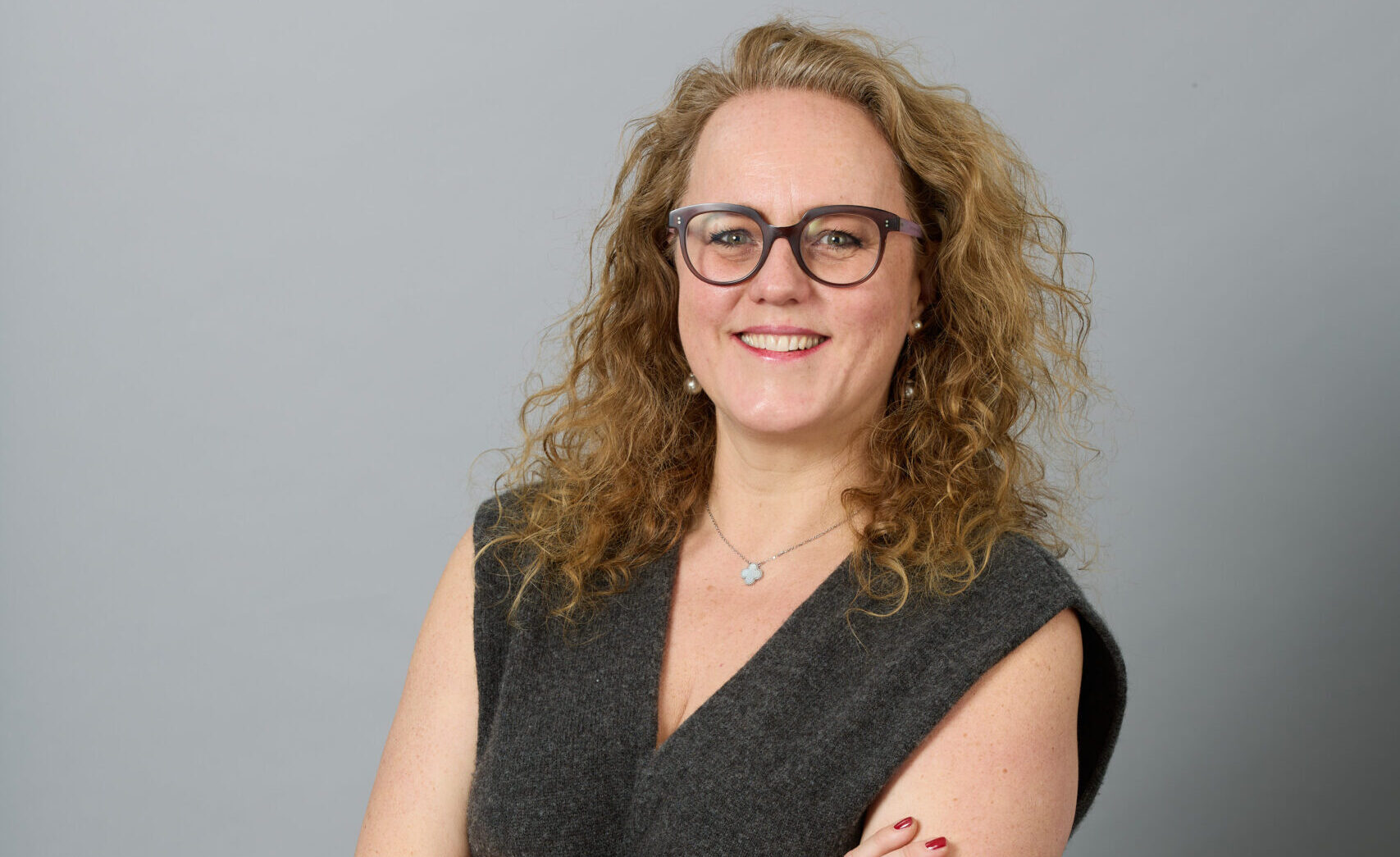
HSBC’s outside counsel engagement process is being led by Stephanie Hamon, who joined the bank as global head of legal external engagement in September last year, and has been tasked with examining and revising the entire lifecycle of the bank’s legal advisory outsourcing strategy.
Hamon told Legal Business that her priorities are to optimise and scale commercial management strategy and futureproof its engagement model.
She said: ‘How do we start anticipating and co-creating what the ecosystem is going to look like with AI enablement? Our view is that the landscape is going to change quite rapidly – and when I say rapidly, it’s not five or 10 years, it’s probably three.’
Over the next three years, an unofficial ‘natural selection’ process will take place, with firms required to demonstrate how they are embedding AI into their workflows.
‘We will see which of the vendors are really engaging with us on our transformation journey and engaging with the AI enablement. At the point in time where we’re considering refreshing our panel or renewing contracts, some firms will naturally have run themselves out of the competition,’ she said.
Hamon is clear that this cannot just be talk: the bank expects the firms to come up with real solutions that will save costs and introduce it to new and innovative technologies and AI-enabled solutions.
‘There’s been a lot of press around what firms say they’re doing – but we are yet to see a lot of that translating into reality,’ she said. ‘One way to get started is that we’re going to soon include AI-related questions in all RFPs. The idea is that it will be a potentially differentiating factor for firms to win the work.’
She continued: ‘The second is that it’s a way for us to say ‘tell us where you think AI could provide improvement or provide value in that transaction? Which tool would you be using? What is the use case? What would the benefits be?’ The firm that comes up with a compelling reply will win the work, because we want to try that with them. Quite quickly, it will become a selection criteria.’
Hamon and the bank’s chief legal officer Bob Hoyt worked together at Barclays between 2015-2019, during which time the bank completed its final global panel review. The duo’s approach was considered ambitious then, as it is now, with concepts such as effective fee arrangements over the traditional hourly billing model being introduced and continuing on now at HSBC.
Speaking with Legal Business at the end of last year, Hoyt referenced the bank’s ambition to bill 80% of its legal work on a fee arrangement removed from the hourly billing model. Hamon said that the bank is achieving this goal so far.
‘We are going to need our partners to embed more into our workflows and our ways of working.’
‘When it comes to capability, we will always need the deep expertise that law firms have, to an extent. But this is where AI can help in-house teams move up the value curve, because until recently, what made a good lawyer was the time they spent learning the black letter of the law. Now, with advancements in technology, we’ll be able to capture a lot more of that and access that knowledge.’
She added: ‘You could have a couple of scenarios whereby, for instance, from the get-go, you create a hybrid team, where in-house and external work together to design the answer and the solution. So our view is that we need to start co-creating the solution with our law firms.’
While the bank has not disclosed the firms on its panel, Linklaters has advised on a number of significant matters for HSBC in recent years, including the launch of its blockchain-based payment capability in Singapore last year, and the sale of its banking operations in Argentina in 2024.
Other firms that have recently advised the bank include Freshfields, Ashurst and Dentons, while earlier this year, Clifford Chance advised on the privatisation of Hang Seng Bank, its Hong Kong-listed subsidiary.