Proskauer’s co-head of secondaries, Bruno Bertrand-Delfau, first encountered the asset class as a senior associate in 2003.
A client wanted liquidity from a portfolio of assets, and the partner handed him the matter, seemingly uninterested in what they viewed as a small and strange transaction. ‘The partner was an expert in large public takeover mandates. He asked me to deal with it on my own, and so I did,’ he says.
At that time, no one knew what these transactions were, and people were sceptical, Bertrand-Delfau recalls. Investors were wary about selling at prices set by sponsors rather than by the open market. ‘A common but dismissive joke in the industry was that secondaries were “M&A for dummies”,’ he explains.
But the matter’s complexity told a different story. The deal, the first large secondary transaction in France, proved tricky and dragged on for two years through multiple pieces of litigation as GPs and portfolio companies tried to block it, unsure about what it would mean for them. In the end, however, it proved to be a turning point for both the client and Bertrand-Delfau.
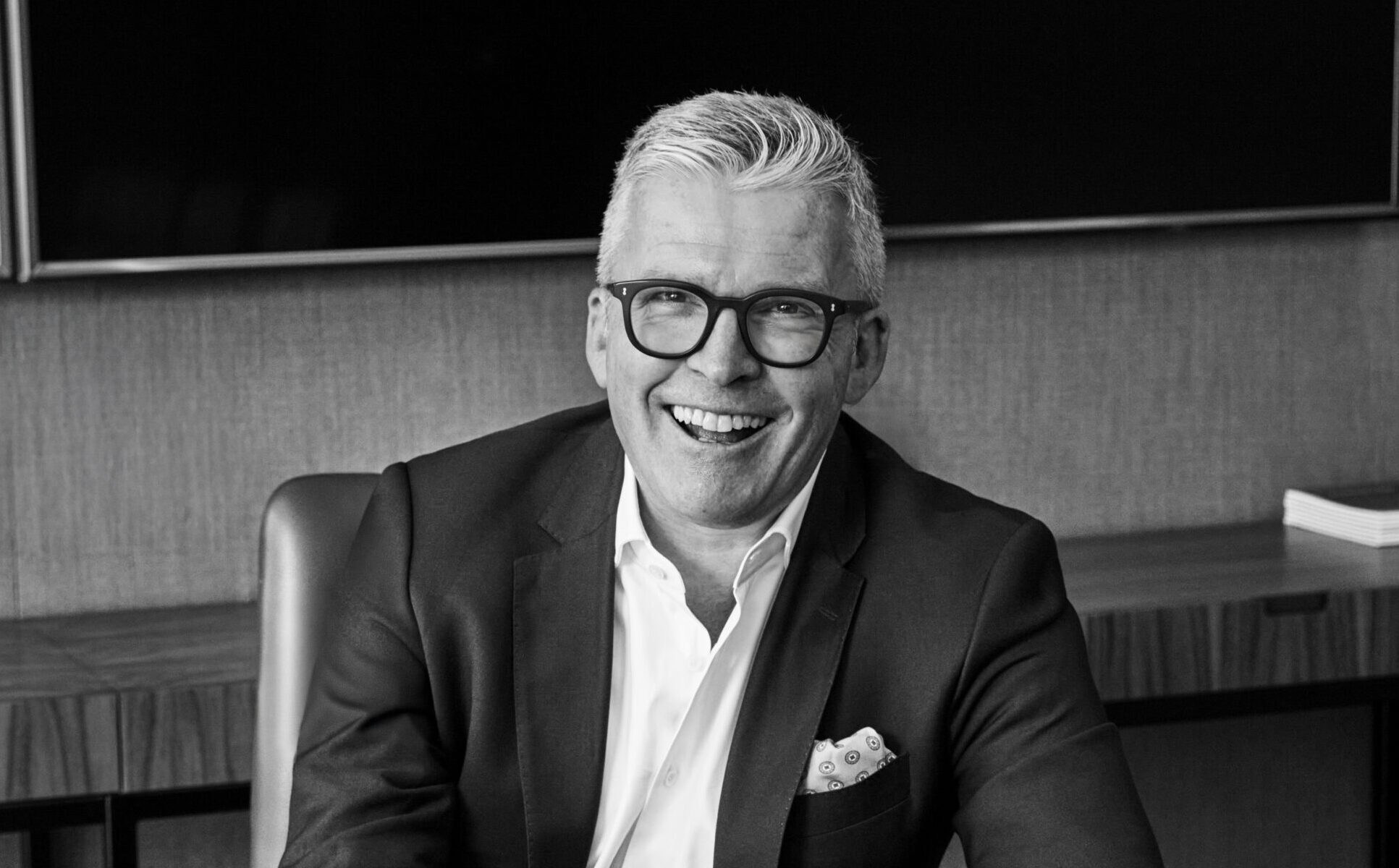
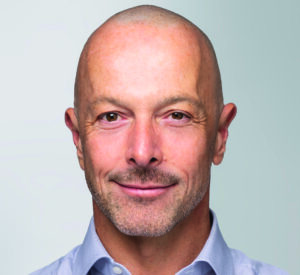 Bertrand-Delfau (pictured) was on the sell-side but across the table was AXA Private Equity, which would later go on to become Ardian.
‘This was a landmark transaction for Ardian, and one that marked the start of a long partnership,’ he tells LB.
Even though Bertrand-Delfau had worked opposite AXA, the deal was so arduous that the PE shop brought him in to advise on its behalf for the next transaction. More than two decades on, he is still advising Ardian, which last year raised the world’s largest secondary fund at $30bn.
Ardian’s trajectory mirrors the wider market. A recent Jefferies report found secondaries hit record volumes in 2025, rising 48% year-on-year to $240bn, split roughly evenly between LP- and GP-led deals. Demand has been fuelled by new entrants, growing pools of dedicated capital and a push for liquidity as sponsors delay exits.
Sponsors and asset managers have responded by building out secondary capabilities, with recent examples including investment bank Lazard last week acquiring British firm Campbell Lutyens, and EQT acquiring Jeremy Coller’s pioneering platform in January.
Law firms have been following suit. In recent weeks, Weil and Fried Frank have hired London secondaries partners from Kirkland, an early mover in the space. Weil added Charles Cooper-Isow to build on its recruitment of Simon Saitowitz last year, while Fried Frank added Rhett McPhie. A broader wave of hiring has seen Simpson Thacher, Freshfields and others deepen their benches through lateral moves since 2022.
Starting out
The scramble for talent today is a far cry from how niche the practice once was. Early secondaries work sat awkwardly between funds and M&A, with few lawyers comfortable straddling both.
‘M&A folks just didn’t understand funds and the funds people were all scared of M&A because they were geeks – fun geeks, though,’ recalls John Daghlian, now a senior funds consultant at Travers Smith.
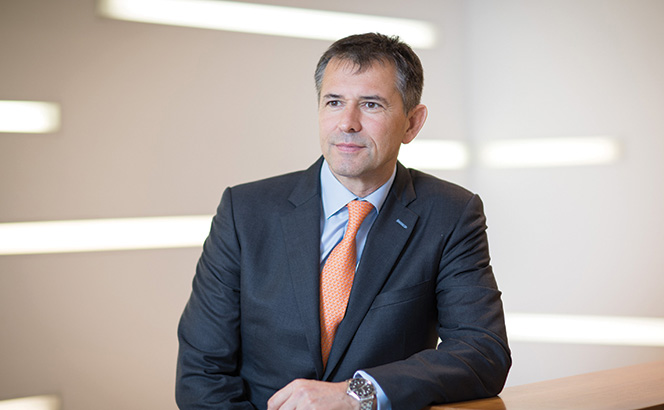
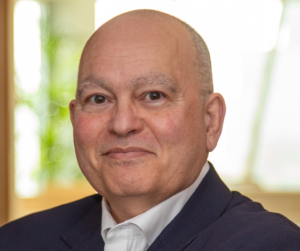 Daghlian (pictured) himself joined legacy SJ Berwin, which ‘owned the fund space’, in the mid-90s, when the firm began advising the then newly founded Coller Capital. ‘There were flashes of real brilliance,’ he says. ‘I knew this was interesting; no one else was doing this.’
In 2000, he advised Coller on its acquisition of a $1bn+ private equity portfolio from NatWest (now Bridgepoint), then the largest deal of its kind. Around the same time, Kate Downey—now head of Fried Frank’s European private equity funds practice—was advising Vision Capital on acquiring portfolios from struggling funds such as Morgan Grenfell.
‘They had a rump set of assets that they needed to get rid of; they weren’t necessarily bad, but they weren’t liquid,’ Downey explains. ‘There was no playbook for this…but there was a lot of reward for creativity.’
These early transactions fed the perception that secondaries were tied to ‘zombie funds’—a characterisation Daghlian dismisses as a ‘great myth’, noting, ‘People don’t want to buy problems, however cheap they are.’
 As the market matured through the 2000s, lawyers began moving between firms and jurisdictions, importing more developed US approaches into Europe.
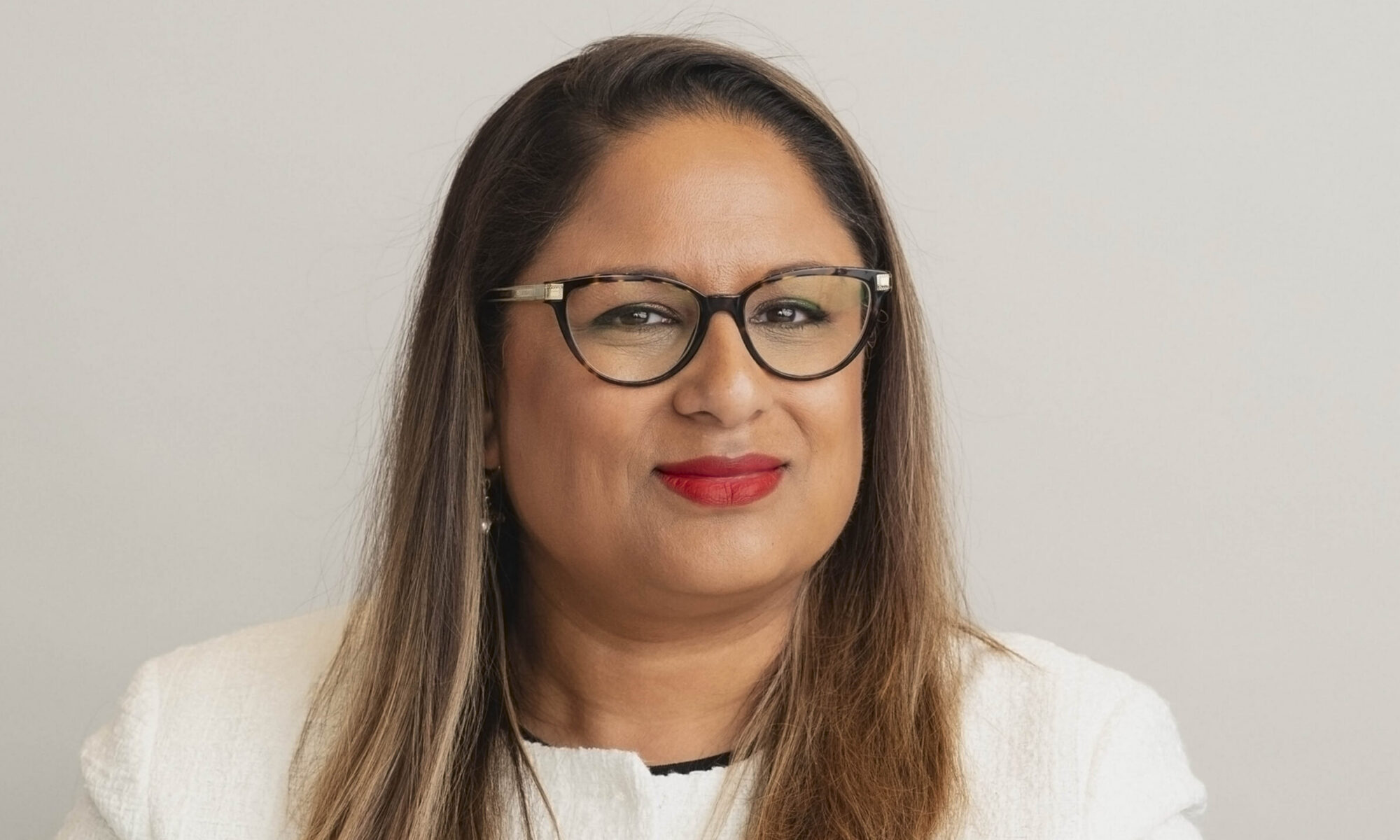
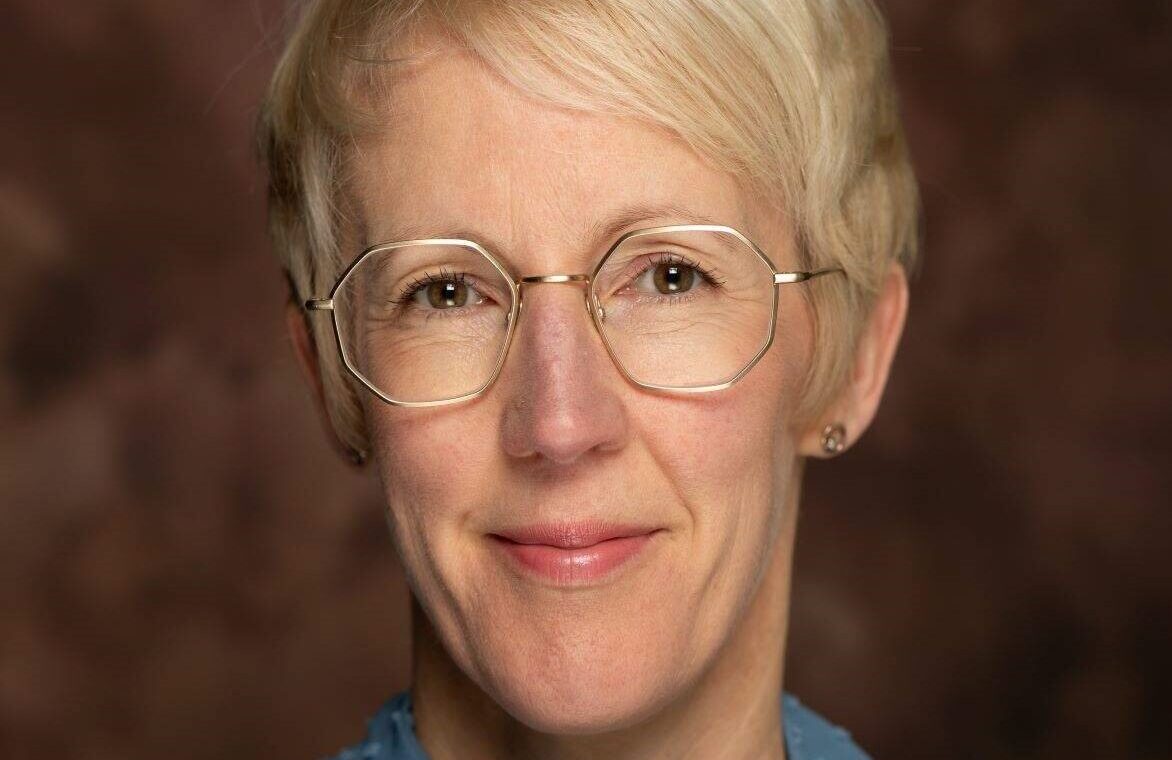
Daghlian moved to O’Melveny & Myers, while Downey (pictured) moved to Kirkland. ‘It opened everybody in Europe’s eyes to the wider market and showed there was a more developed way of doing things on the US side,’ says Downey. She adds: ‘The market had to grow up a bit after the financial crash.’
Banks also became active sellers, with Coller acquiring a £1bn portfolio from Lloyds in 2012 as part of post-crisis deleveraging.
‘It was one of the first of a wave of managed funds-style transactions,’ says Paul Koffel, a partner at Coller. ‘Sponsors had moved beyond the stigma of not wanting secondaries and were aware of the need for liquidity, but it was a much more tactical way of defensive selling. Strategic selling came later.’
By 2017-18, the dynamic shifted again. GP-led secondaries became a commoditised business, with bigger transactions, more financing and a growing professionalisation of the market; these trends were further exacerbated by hikes in interest rates and the state of capital markets as a route to exit.
‘Top-tier GPs began to use these techniques to continue to own and manage prize assets through what is now broadly known as continuation vehicles (CVs),’ Bertrand-Delfau recalls. As these GP-led secondaries became mainstream, deal sizes began to climb and recourse to different financing options expanded, together creating repeat and scalable work for advisers.
Looking forward
Recent macroeconomic conditions—higher interest rates, subdued exit markets and geopolitical instability—have reinforced the role of secondaries as a liquidity tool. The Jefferies report estimates that nearly 80% of the top 100 sponsors by AUM completed a continuation vehicle transaction in 2025.
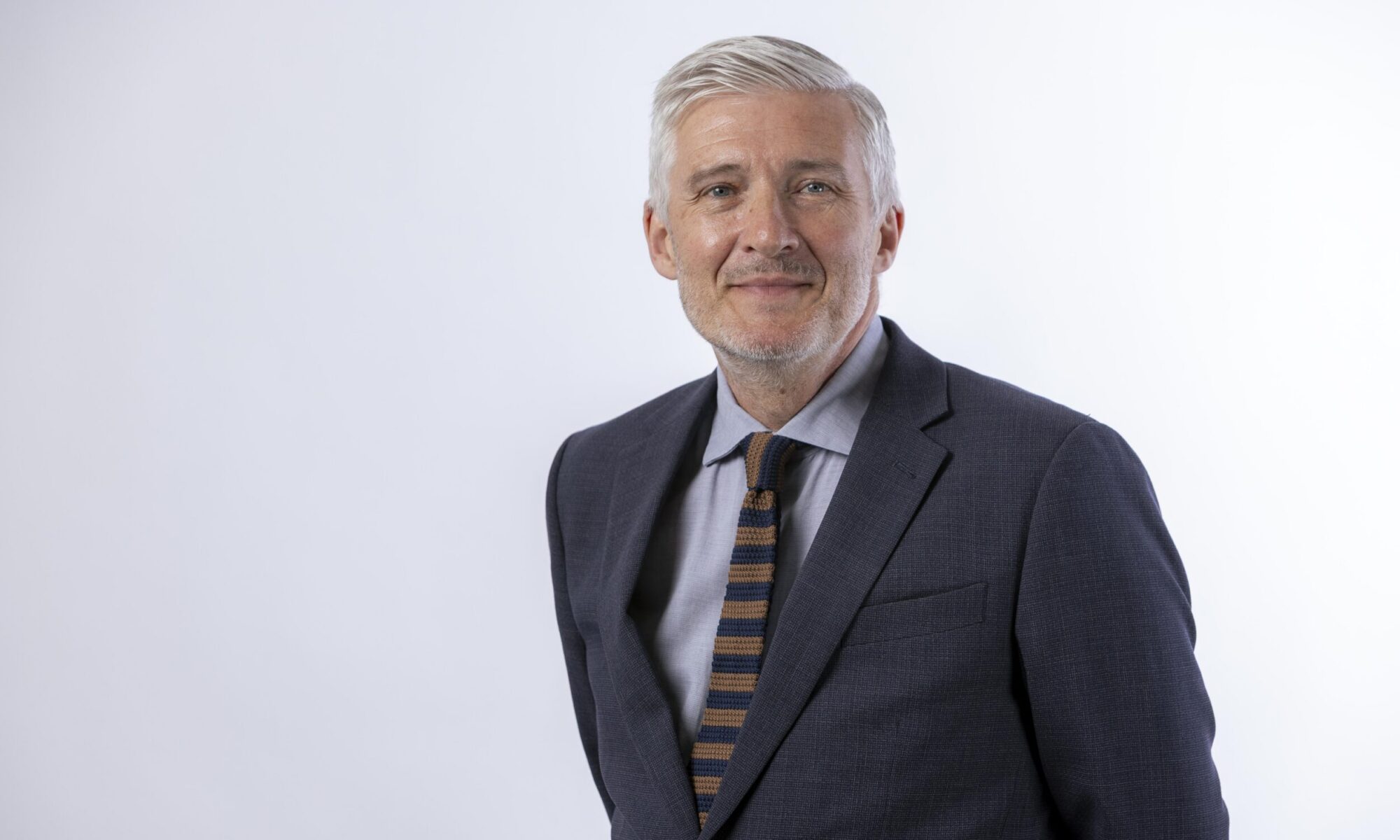
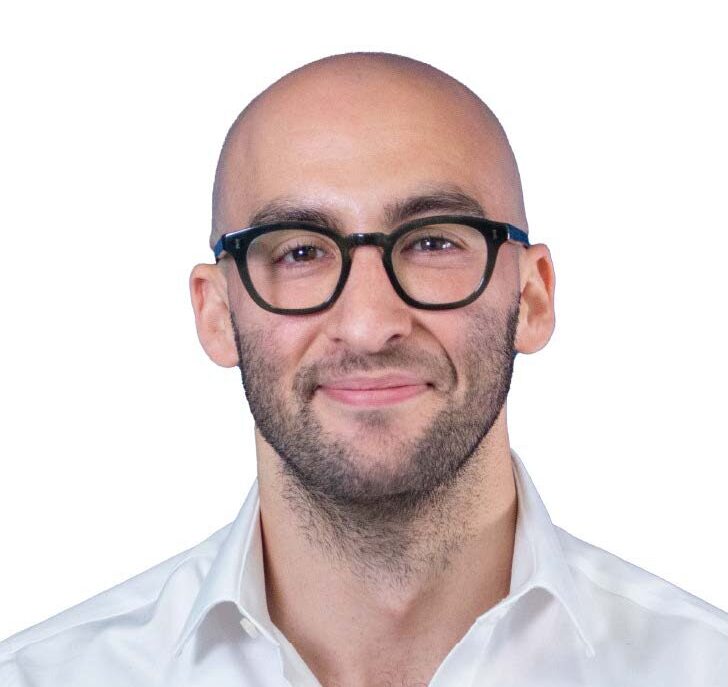
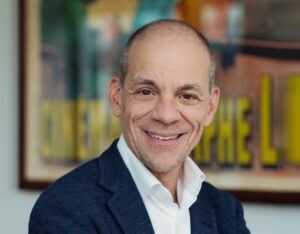 ‘The secondary universe is developing specialisms,’ Koffel (pictured) says, pointing to the ‘turbo-charged’ growth of GP-led deals across the market spectrum. That specialisation is feeding demand for lawyers.
‘Prior to the interest rate rises of 2023, there were a handful of lawyers doing this work … suddenly all law firms needed this expertise to help clients access liquidity,’ says Theo Varcoe of Bishopsgate Search.
The strategy is also spreading across asset classes. ‘The whole secondaries market is innovating again. That is part of the reason I unretired,’ Daghlian jokes. Credit GP-led secondaries have tripled in volume since 2024, while infrastructure and real estate are emerging as newer frontiers.
‘The infrastructure market has remained buoyant and pricing on exit has continued to be quite strong,’ Downey says, adding: ‘However, as pressures build on exit, the market sees infrastructure secondaries space as a viable solution and I don’t see that changing.’
Notable partner moves in the secondaries market since 2021
- Aleks Bakic, Akin to Kirkland (London, 2022)
- Jacqueline Eaves, Kirkland to Goodwin (London, 2023)
- Ed Ford and Sacha Gofton-Salmond, Travers Smith to Simpson Thacher (London, 2023)
- Timothy Clark, Goodwin to Freshfields as global co-head secondaries (New York, 2023)
- Alex Chauvin, Ropes & Gray to White & Case (London, 2024)
- Joanne Mak, Kirkland to Simpson Thacher (London, 2025)
- Simon Saitowitz, Ropes & Gray to Weil (London, 2025)
- Dan Drabkin, Clifford Chance to Sidley (New York, 2026)