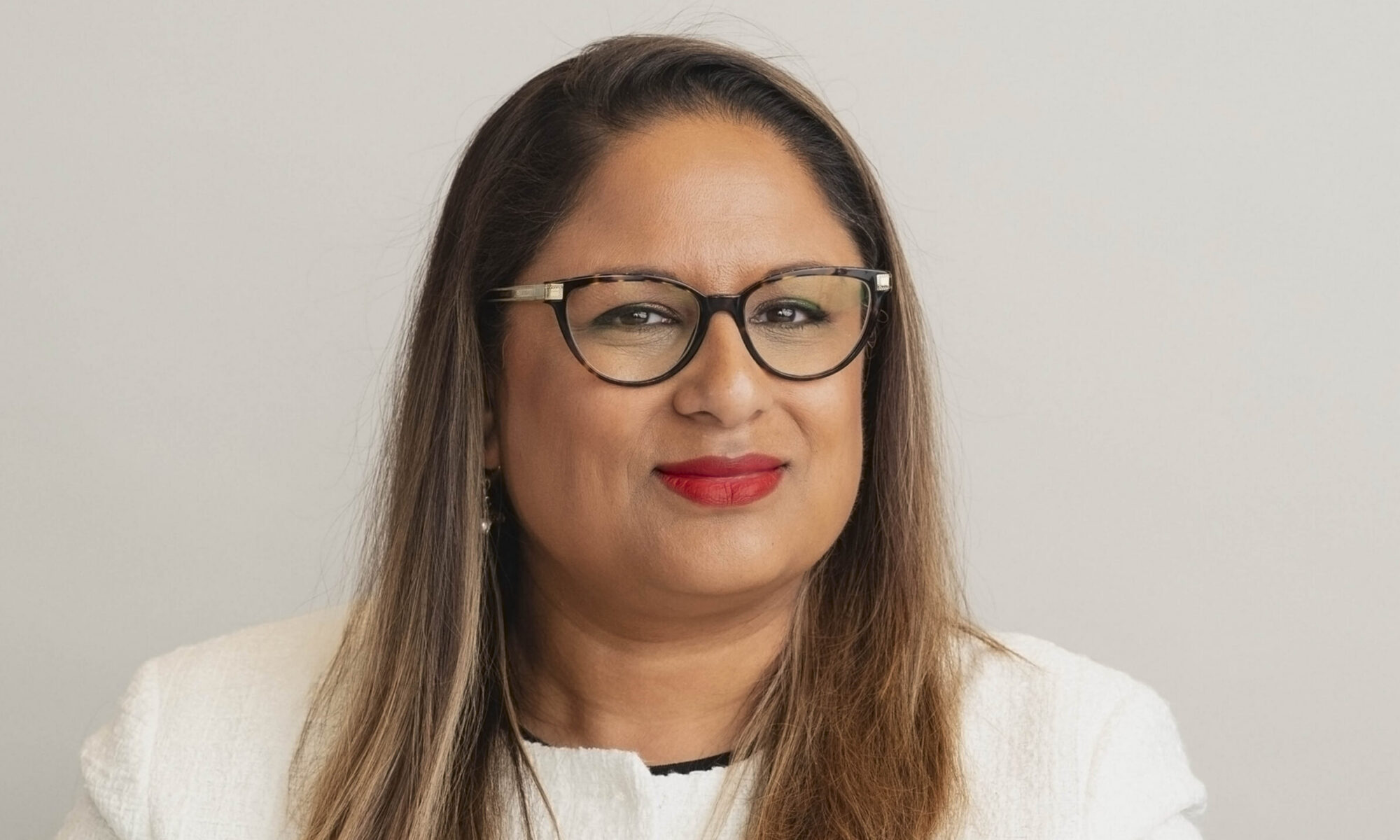
‘The statistics are staggering. Around 25% of the UK population are disabled, But in 2025, the Solicitors Regulation Authority reported that only 8% of lawyers declared they had a disability.’
For Freshfields counsel Reena Parmar, who last night was named Disability/Neurodiversity Champion of the Year at the Legal 500 UK ESG Awards, this suggests that ‘a large proportion of disabled and neurodivergent people simply don’t trust their firm with this information.’
Debt capital markets specialist Parmar, who began her career as a trainee at Clifford Chance in 2001 and joined Freshfields in 2014 after secondments at both Citibank and Credit Suisse, is one of a small but growing group of lawyers who are open about their disabilities within the profession.
Though there remains significant work ahead, she says, ‘increased visibility, stronger evidence and coordinated advocacy have created momentum that did not exist a decade ago.’
In 2020, research published by Legally Disabled? was instrumental in anchoring the conversation around disability and neurodivergence because, Parmar explains, ‘It was the first time we had an evidence-based report that highlighted inequalities faced by disabled lawyers, and a list of recommendations.’
However, much of the ‘heavy lifting on organisational change continues to be borne by employee disability networks, rather than operational teams.’ While consultation with those with lived experience remains paramount, Parmar wants to see this voluntary work shift to dedicated teams with independent budget and resource pools.
‘It is not enough to raise awareness, educate and hold events to mark celebration days,’ she says. ‘This needs to be coupled with ongoing tangible action and accountability in order for disabled and neurodivergent employees to feel like an organisation is genuinely invested in them.’
‘Innovation, problem-solving, adaptability and creativity are exactly the capabilities that the legal sector needs’
In 2024, Parmar attended an event at Buckingham Palace after being nominated for her advocacy and campaigning work around disability inclusion. ‘As first-generation immigrants from humble beginnings, my parents never dreamed their daughter would make it past the black iron gates of the Palace,’ she says. That year Parmar ranked as one of the 100 most influential disabled people in the UK, according to Shaw Trust Disability Power.
Career achievements and advocacy accolades aside, Parmar’s journey at times has been challenging. ‘Reframing my personal and working life around accepting my disability at a time when there were very few people speaking about this was lonely and isolating,’ she recalls.
Embracing mentorship roles has been a potent and cathartic use of this experience, though Parmar’s decision was also driven by necessity: ‘I decided to focus my efforts on this community because there are so few formal mentoring schemes in the legal sector that support disabled and neurodivergent candidates, and a tremendous need for this kind of career support.’
Parmar regularly hears from candidates who feel at a disadvantage before even submitting applications, uncertain or scared about broaching their additional needs with prospective employers. ‘They fear sharing this personal information will be viewed in a negative light,’ she explains – a feeling that is ‘grounded in their personal experiences of stigma and negative perceptions.’
‘They often veer on the side of caution and omit any mention in their application which means that many valuable skills and qualities that they have developed through navigating disability or neurodiversity are buried from the outset, rather than profiled in a positive light.’
‘Representation across the full spectrum of seniority matters. If you can see it, you can be it’
Despite the continued stories of candidates being met with ‘blockers,’ Parmar has had mentees who have had tangible success after leveraging their learnings from mentoring programmes. ‘Hearing about these successes is immensely gratifying and fulfilling,’ she says, adding that other candidates’ setbacks only fuel her motivation.
For all the success of such efforts, Parmar wants to see more mentoring – including reverse mentoring schemes where those with lived experiences mentor senior colleagues – broadened to include disability and neurodivergence.
As with all minorities, improving equality of opportunity in recruitment is only the beginning, she says: ‘We need to look at the full life cycle of employment to ensure that disabled and neurodivergent candidates are getting in, staying in, progressing in, and thriving in their organisations.’
‘Representation across the full spectrum of seniority matters,’ she adds. ‘If you can see it, you can be it. Notwithstanding the challenges, there are examples of disabled or neurodivergent lawyers who have forged successful, fulfilling, and impactful careers.’
No doubt leading by example in this respect, Parmar also stresses that disabled or neurodivergent lawyers or staff bring unique skills: ‘Innovation, problem-solving, adaptability and creativity (often skills one will have had to refine out of necessity) are exactly the capabilities that the legal sector needs now and in the future.’
Reena Parmar is a formal mentor through Freshfields Stephen Lawrence Scholarship Scheme, the International Capital Markets Association Mentoring Platform, and the King’s College London Leadership Mentoring Programme. She helped found Freshfields Enabled UK network and informally acts as a mentor for a number of individuals.


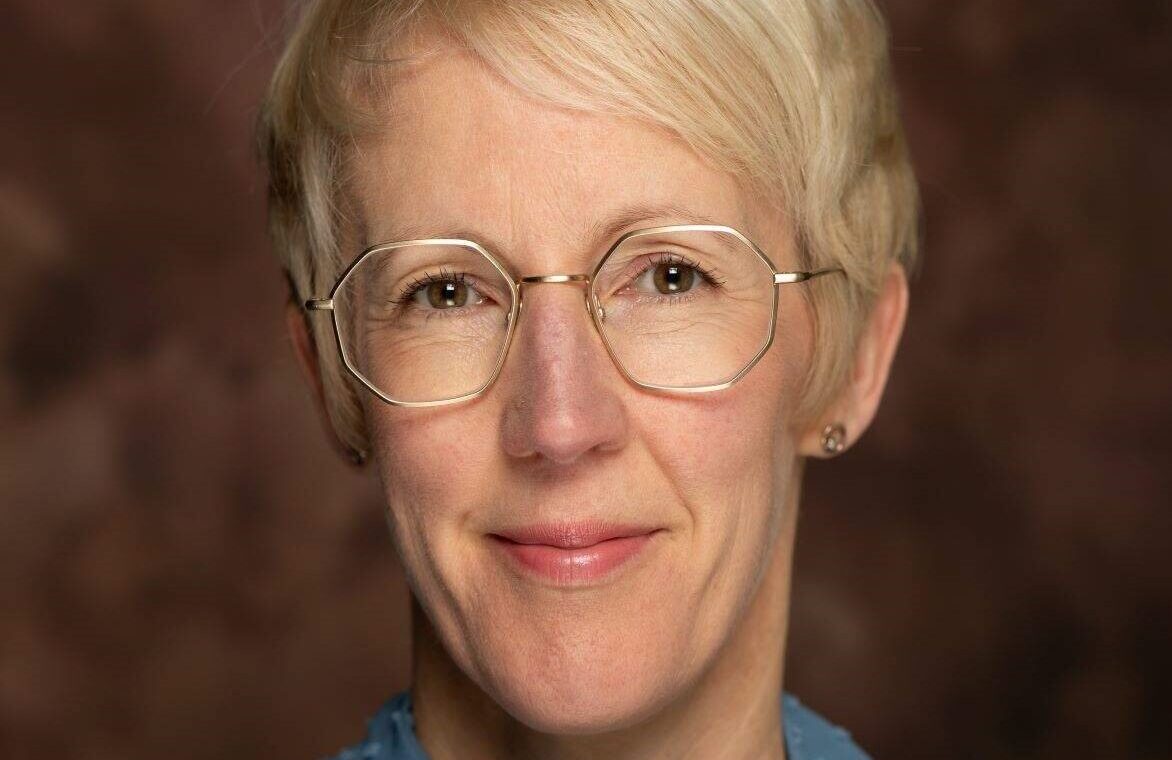

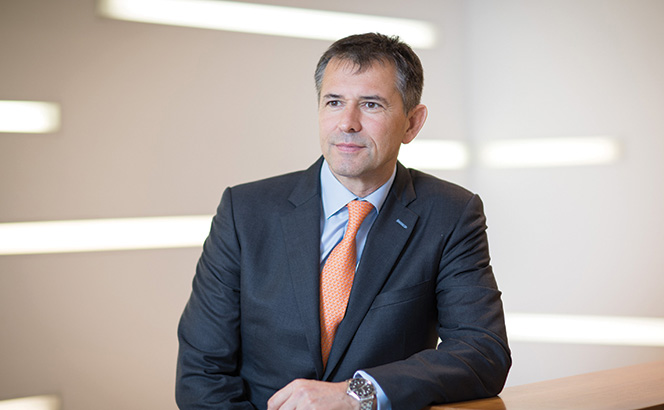






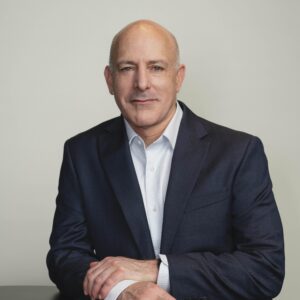
 Beckhaus (pictured right) shares that conviction and wants Freshfields lawyers to view AI as central to their workflows: ‘The mindset we are trying to instil is that for any given task, you justify why you’re not using AI to help to solve it.’
 At the same time, the firm will gain access to Anthropic’s early-access programme, giving it visibility over products still on the future roadmap.