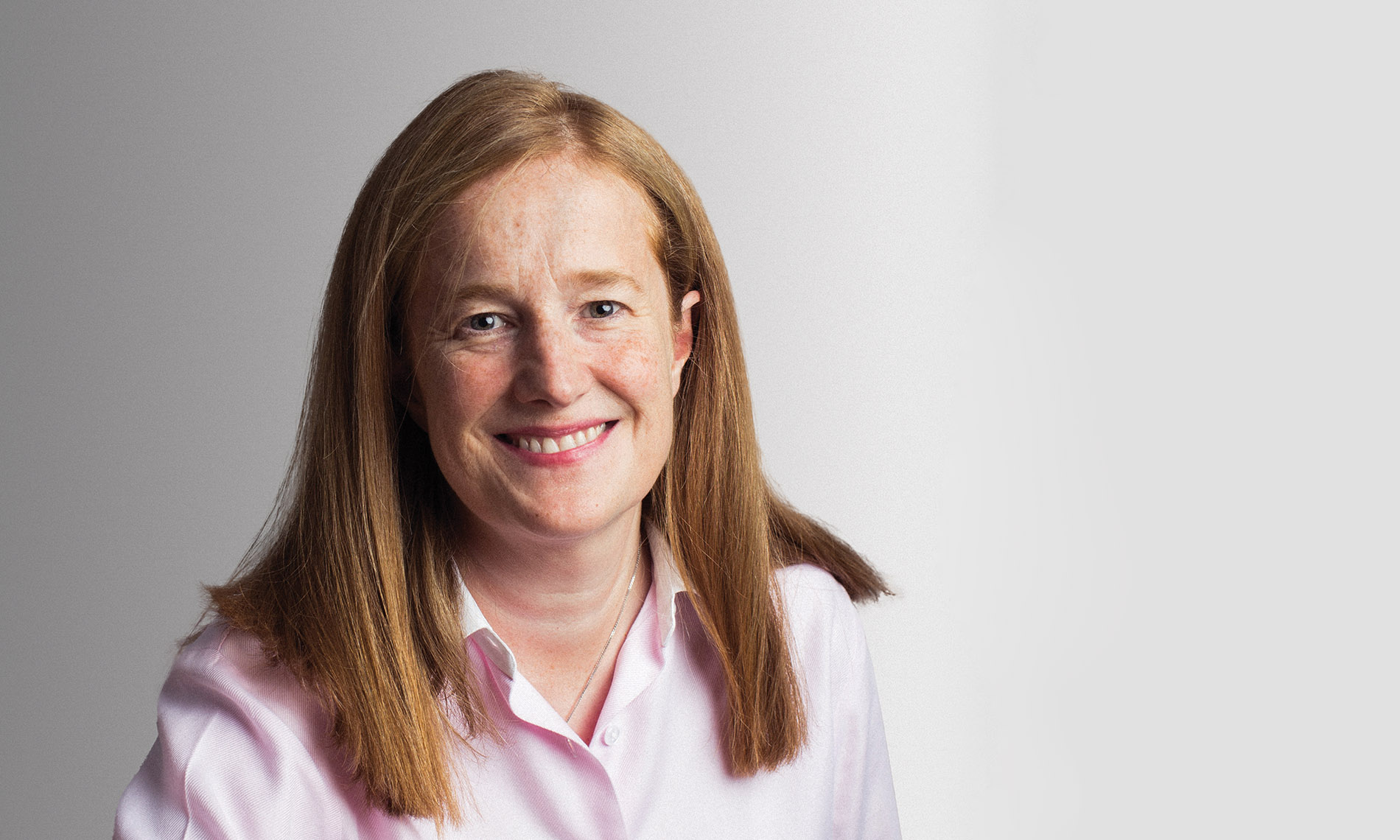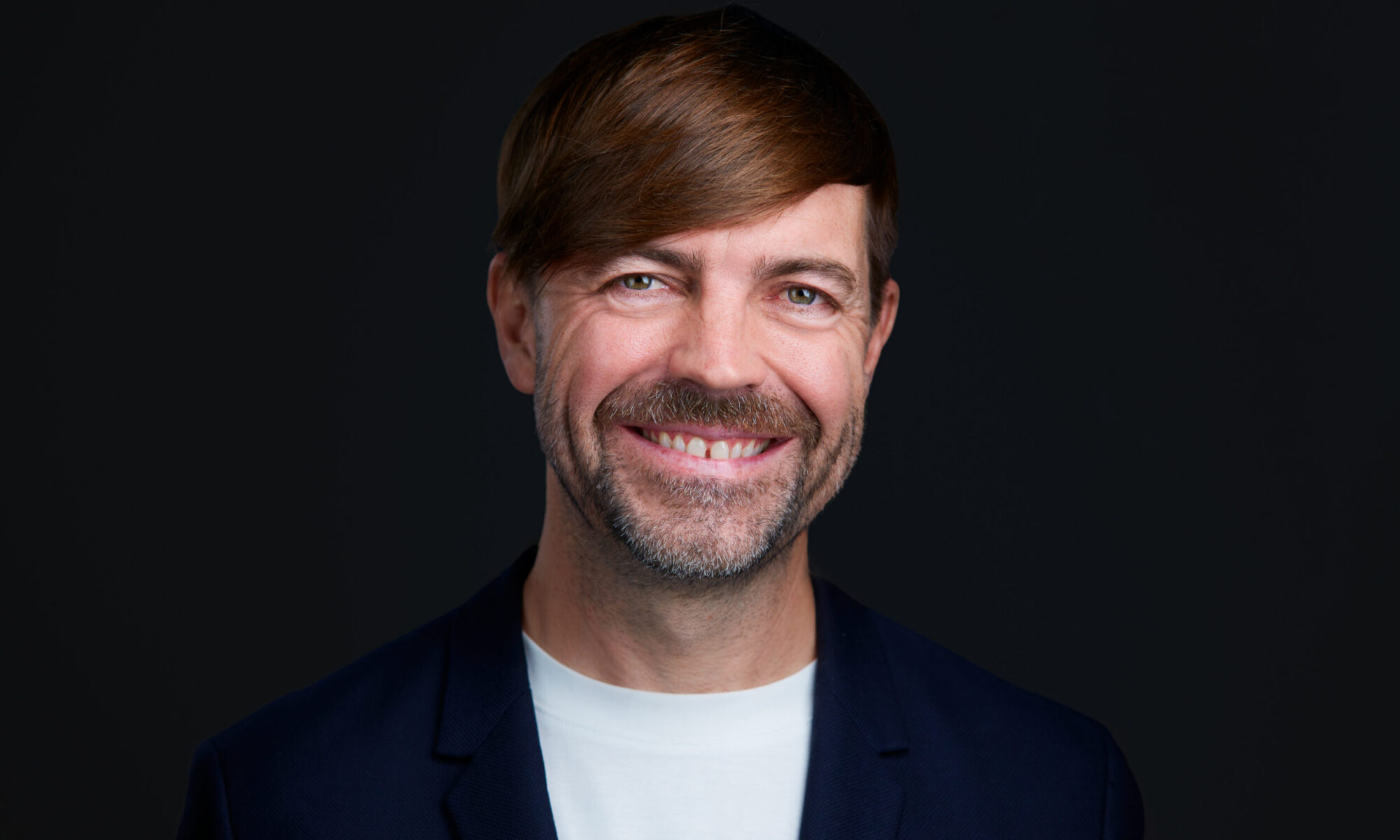
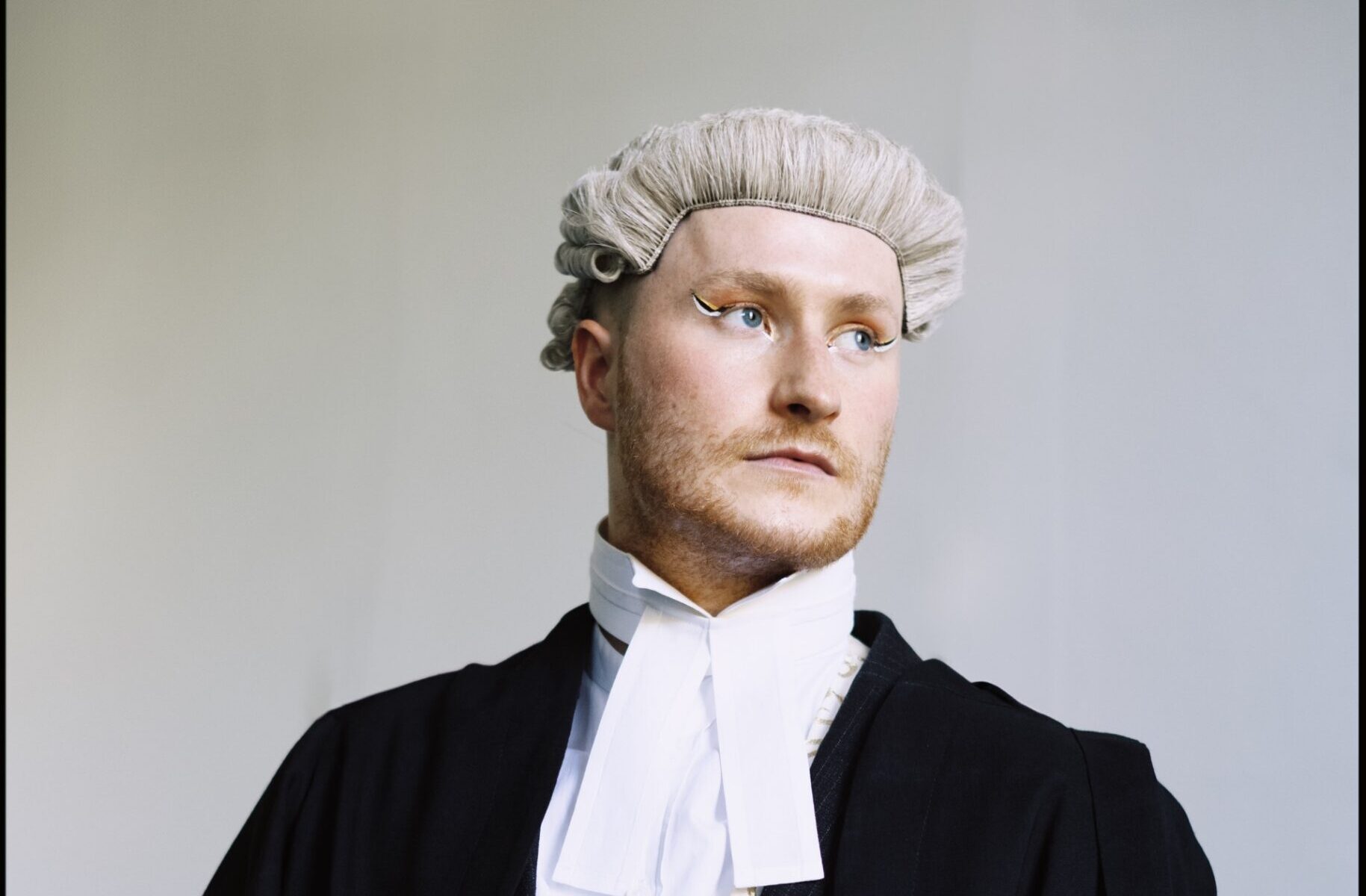
As the fallout from last year’s For Women Scotland case reshapes equality law and fuels uncertainty across workplaces and courts, non-binary barrister Oscar Davies is building a practice that extends far beyond litigation.
Davies wears many hats: ‘educator,’ ‘activist,’ ‘thought leader’ – although they’d use none of these words to describe themselves: ‘too cringe.’
A five-year call junior at London’s Garden Court Chambers, they have developed a practice across employment, human rights, commercial, and housing law, centred on advocating for trans and non-binary people and other underrepresented communities.
But Davies doesn’t limit their advocacy to the courtroom. Advising MPs on rulings, delivering DEI training to local authorities, NGOs and law firms, and spearheading equality initiatives like FreeBar’s Visibility Project are just a few of the strings to their bow.
However, they are perhaps best known for their online presence, where, under the handle @nonbinarybarrister, they advocate on the front line of the culture war, translating fast-moving legal developments into short-form content to over 30,000 followers and counting across multiple platforms.
More than a barrister
Davies hit the mainstream five years ago after an innocuous post on X to celebrate their tenancy. The title ‘Mx’ Oscar Davies, which made them the first publicly recognised non-binary barrister in the UK, drew the attention of the media, with coverage in The Times and Reuters.
‘It was a time that wasn’t as violent about trans rights’ they recall, referring to an earlier period where protections were being clarified and expanded, such as in the landmark case Mrs R Taylor v Jaguar Land Rover Ltd [2020] which extended workplace protections to include non-binary and gender fluid identities.
‘I realised I had this platform where I could be useful to people,’ Davies says. ‘I could use social media to inform my community what these cases are about, and what their rights are, because otherwise the law can be so opaque.’
But this visibility, Davies acknowledges, comes with a clear set of conditions. They are highly aware of their ‘palatability’ to a general audience: white, male-presenting and highly-educated.
‘I like to leverage my privilege, and to use it to speak out,’ they say. ‘Because people wouldn’t listen as much if I were more obviously trans, or not white.’
For Davies, the role is less about personal branding than it is extending the function of advocacy: ‘I don’t need the validation. I don’t need to be on social media to be successful,’ they say.
What matters is reach: ‘Instead of helping one client, you can help thousands of people, which is kind of cool.’
Davies is undoubtedly riding high professionally. Most recently, they have been nominated for LGBQ+ Champion of the Year at the Legal 500 ESG Awards, building off their win in the same category two years ago. More broadly, instructions have surged, a book is on the horizon, and, with a consistently busy practice, they can avoid what they describe as the ‘the bread-and-butter work’ most junior barristers rely on.
But they are also aware that theirs is not a conventional path: ‘There is a degree to which the use of social media by lawyers is seen from a traditional perspective as uncouth, or looked down upon. But the reality is that my social media has also got me better work. It’s got me better instructions, has helped me position as an expert, and I’m only five years into my practice as a tenant.’
Demand in a hostile climate
But this trajectory, Davies clarifies, is inseparable from a deterioration in conditions for trans people.
‘The uptake in work is bittersweet,’ they say. ‘Because it is at the expense of trans people. It is the result of trans people facing more discrimination.’
The turning point, they suggest, was the UK Supreme Court’s decision in For Women Scotland Ltd v The Scottish Ministers last April, which held that references to ‘man’ and ‘woman’ in the Equality Act 2010 refer to biological sex rather than acquired gender under a Gender Recognition Certificate.
A year on, Davies has witnessed profound consequences, both personally and in the public sphere.
‘The impact has been severe and devastating,’ they say. ‘Both for trans people, but also for employers who don’t know what to do in terms of policies and feel like they’re in permanent threat of litigation.’
‘Many, many cases have arisen from it. So, in terms of clarifying the law, I think it is currently as clear as mud.’
Davies is currently co-counsel alongside Garden Court’s Amanda Weston KC and Jenn Lawrence, instructed by Trans Legal Clinic in an application to the European Court of Human Rights on behalf of Dr Victoria McCloud, Britain’s first transgender judge, challenging the Supreme Court’s ruling in For Women Scotland.
Davies sees the situation as produced by a combination of media narratives, political debate and legal outcomes, with media trigger topics like sports, predation and access to toilets now reinforced in law.
‘My community is basically in fight or flight mode at the moment because of this attack which seems to come from the media, the government at times and possibly the judiciary,’ they say.
‘It’s quite disheartening when the most senior judges in the country have had an effect which is leading to potentially more harassment and more discrimination,’ they conclude.
For Davies, it’s personal. As a non-binary person, they have faced harassment like being misgendered in court and having anti-trans activists turning up at their chambers.
And Davies does not expect the broader social and legal transphobia to let up anytime soon: ‘I don’t think we are at the trough yet,’ they say. ‘It going to get a lot worse before it gets better.’
The cost of visibility
For their part, Davies’ online advocacy is an attempt to shift the discourse; a recent series called ‘Myth Busters,’ for example, serves as an informed, evidence-based challenge to stereotypes.
But, as they put it, ‘social media is a strange game, one that always comes with a degree of risk,’ and backlash is often the price of far-reaching exposure.
Davies speaks candidly about the hate comments and ‘pile-ons’ they receive on their posts, framing them as part of the territory: ‘I’ve learned not to take keyboard warriors seriously. If they are spending so much time on my posts and comments, all they are doing is driving my content.’
In fact, accessing those beyond their own echo chamber is part of the point: ‘While some of the comments can be passionate and scary, I’m quite glad that I’ve managed to reach those people on the algorithm, because it means I am reaching people that would not usually digest such content.’
The sound of silence
Davies is largely positive about their professional counterparts, citing the support of their chambers and their surprise at the ‘openness’ of the profession.
‘Law as a profession is definitely less traditionalist than I thought before coming into it,’ they say.
However, they make clear that willingness to engage with the issues proactively is still far from universal. ‘It is a dangerous position to be in, to put your head above the parapet,’ Davies acknowledges. ‘And I wish that lawyers would do more to speak out on these issues.’
In a social landscape increasingly defined by legally constructed boundaries, Davies argues that silence in the profession is no longer a neutral position.
‘Ultimately these issues are human rights issues, which can affect anyone. Disability rights could be next; no one is safe in that regard.’
This, they suggest, places a particular responsibility on lawyers – not just to interpret the law, but to engage with how it is being used and shaped.
‘Legal professionals are those who have helped make the framework for what we have now – the Equality Act, the Gender Recognition Act – and so there is a degree to which we have a collective consciousness when there are human rights violations happening right in front of us.’
‘Some people choose to be wilfully ignorant of these issues. And I don’t really see that as justifiable when you’re a lawyer and have a knowledge of what’s right and what’s not. That is unforgivable.’





 Commercial knowledge of the sector
 Overall client service


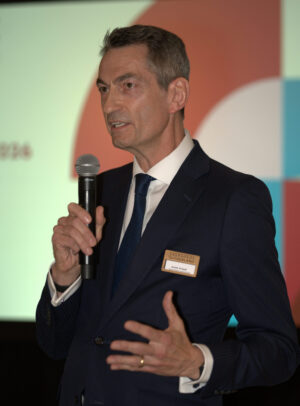 The launch event was introduced by Eversheds Sutherland global co-CEO Keith Froud (pictured), who paid tribute to the growing influence of in-house counsel working in the key business centres across the North.