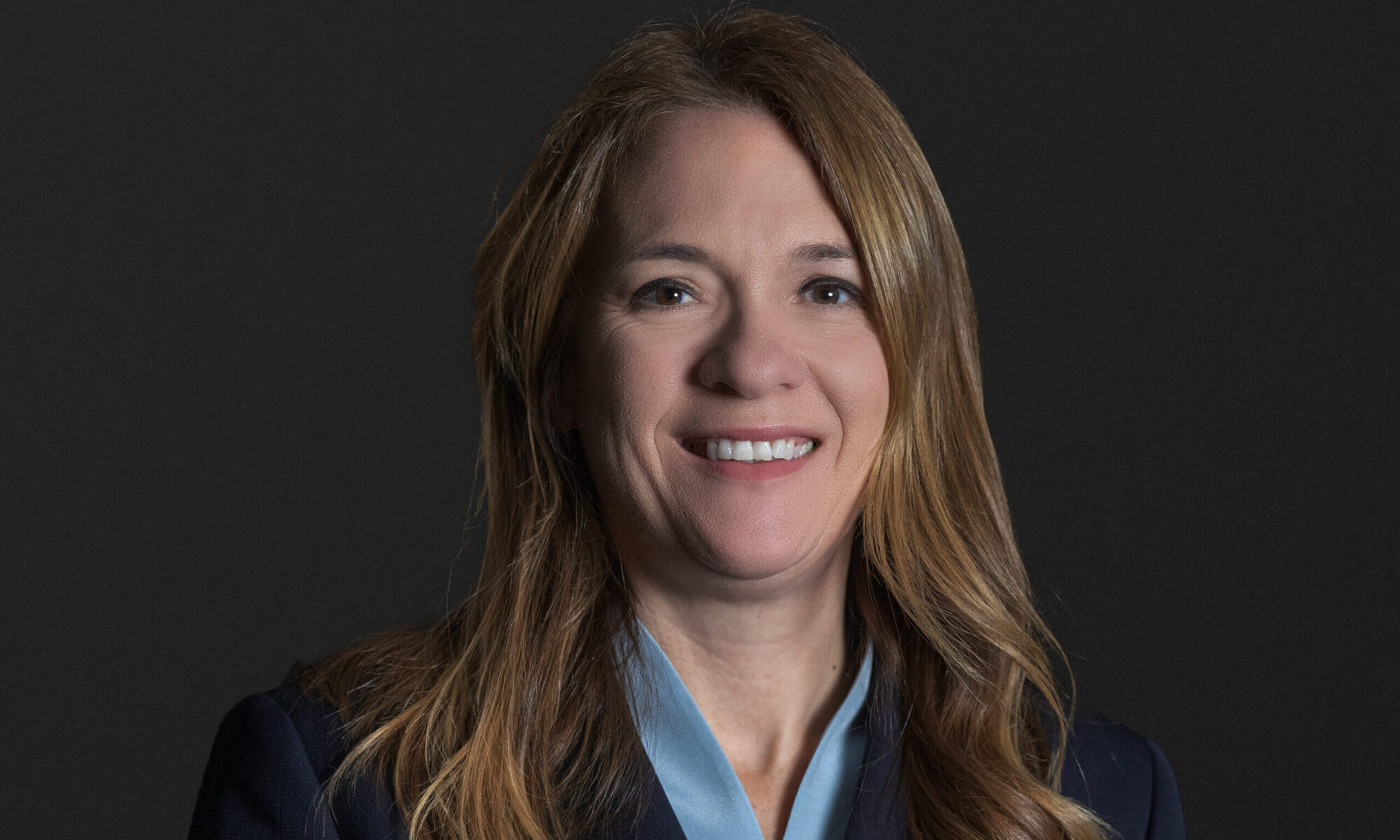
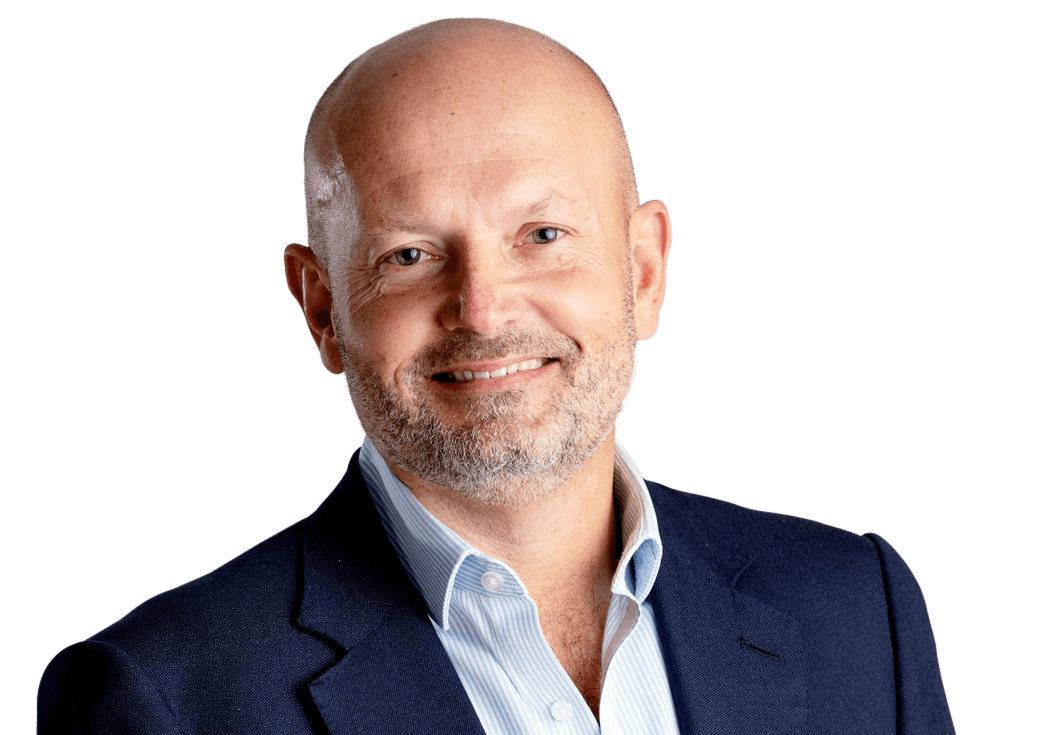
‘It was from May to July, from discussion to finalisation’, says Ira Coleman (pictured top), chairman of the newly merged McDermott Will & Schulte. ‘That’s amazing. No one has ever been able to pull off a legal merger in that kind of timeframe before.’
The timing is indeed impressive. The merger was first announced in May: an ambitious combination between two US firms, McDermott Will & Emery and Schulte Roth & Zabel, that would produce a firm with $2.8bn in revenue – enough to put it within touching distance of the top ten largest firms in the world.
By the end of June, partners at each legacy firm had approved the deal, voting ‘overwhelmingly’ in support. By last Friday 1 August, the tie-up was live.
The pace is extraordinary when compared to other recent comparable mergers, such as Kramer Levin’s tie-up with Herbert Smith Freehills, which took seven months from initial announcement to completion. For Coleman, this rapid execution serves as a statement of intent.
‘Everybody talks about how important speed and accuracy of decisionmaking will be, across a range of industries,’ he says. ‘We’re demonstrating how well we can do that in law.’
It is also a sign of a process built on trust and a mutual willingness to take risks, according to Coleman. ‘The negotiations before the initial announcement were very short’, he explains. ‘It wasn’t even really a question of negotiation. We spent a little time getting to know each other, and very quickly we said, “Is this something you guys would be interested in doing?”.’
This approach also means that, aside from Coleman retaining his position as firmwide chair, many other details are still being worked out. Among them are the positions of Schulte co-managing partners Marc Elovitz and David Efron – in a statement, the firm said that Schulte partners ‘will assume key roles across the management, executive and compensation committees and will serve as co-leads for the firm’s New York and London offices.’
‘It’s not about hierarchy. It’s about clarity of vision’ – Aymen Mahmoud, McDermott Will & Schulte
In London, leadership of the combined firm’s office will now be shared between McDermott London head Aymen Mahmoud and Schulte London co-head Josh Dambacher.
The duo will serve as London co-managing partners working along private equity partner Graham White, who is retaining his legacy McDermott role as London senior partner.

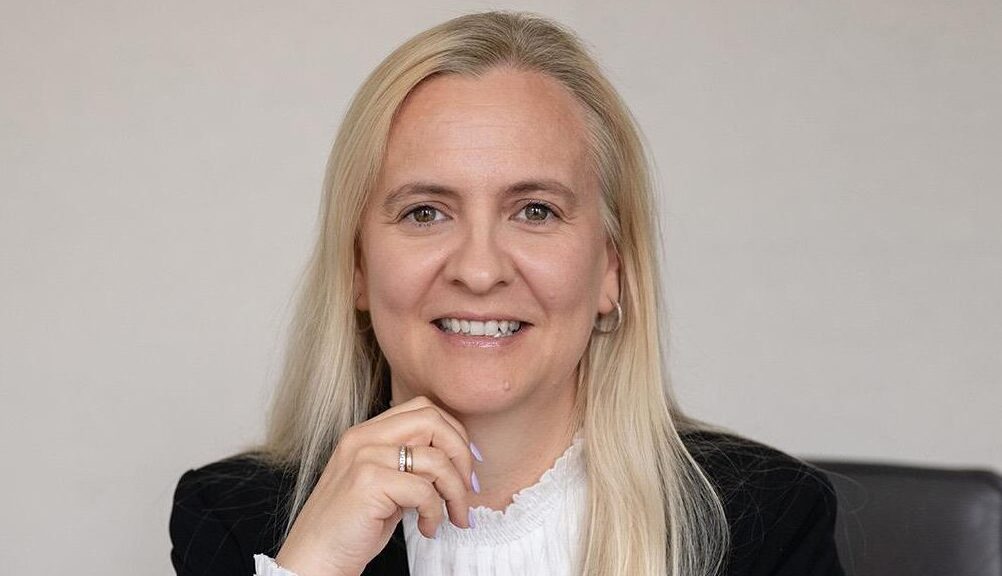
‘These things are decided as you go’, says Mahmoud (pictured right). ‘We wanted to make sure the Schulte folks felt an alignment to us, and we felt an alignment to them. And that’s not just happening in London, but other offices where we are combining.’
Coleman concurs. ‘People look at this combination and say, “You guys are so much bigger, you’re going to swallow them up.” But we’re being really careful not to do that, and to lean into the best of both firms, in London and beyond. Josh and Aymen, working with Graham, will be able to do that.’
Mahmoud argues that sharing leadership in this way breeds not just collegiality but dynamism. ‘If you look at our partnership in London, there are tons of folks who have been the leader at other points in their career,’ he says. ‘It’s not about titles. It’s about getting a bunch of people around the table who can see a strategy and execute it.’
‘It’s not about hierarchy. It’s about clarity of vision for what we are building and how proud we are of the way we’re doing it.’
This approach extends beyond the partnership. Coleman explains: ‘When it comes to our C-suite, there’s no, “You’re a McDermott person so your role is enshrined”, or, “You’re a Schulte person so you’re safe.” It’s about having the best of the best moving forwards. There’s no distinction in where that talent could come from, whether it’s McDermott, Schulte, or somewhere else.’
To this end, the firm has installed an ‘integration management office’, with which it is encouraging open communication among staff from a range of business functions, considering ideas on everything from tech to benefits and talent management.
‘Process and paperwork were probably the last thing that we cared about. You don’t draw up contracts for marriages’ – Ira Coleman, McDermott Will & Schulte
There are obvious synergies in the merged firm; for example, between Schulte’s strength in funds and private capital on the one hand, and McDermott’s sector expertise in healthcare and life sciences on the other.
In terms of office crossover, Schulte’s three locations – New York, London and Washington DC – are unsurprisingly cities where McDermott also has a base, and so decisions on combining staff under one roof will need to be thrashed out.
The combination creates significant strength in New York in particular, bringing the firm to a total of almost 230 partners and more than 550 lawyers, according to the two legacy firms’ websites before the merger went live.
‘The London market’s not slowing down, and it’s no secret to anyone that our firm has been making big investments in London and New York’, says Mahmoud. ‘We’re aiming for growth across the entire platform. The aim is to add everything we don’t have and strengthen everything we do have, so we can become an elite legal services provider.’
For Coleman, the success of the deal will be determined by the two legacy institutions’ willingness to work together.
‘We really leaned in on the people-first, client-first parts of it’, he says. ‘Process and paperwork were probably the last thing that we cared about. You don’t draw up contracts for marriages. You can do prenups and postnups, and I get that. But the love and compassion and partnership in a relationship isn’t something that fits neatly into a contract or an agreement.
‘Yes, you want to know what the parameters around it are, what you agreed to. But more than that, you want to be partners.’
Both Coleman and Mahmoud are confident that the results will speak for themselves. Asked for a final statement on the completion of the merger, Coleman says just three words: ‘Watch us grow.’
 ‘It’s worse than it was 12 months ago, but it’s better than it was two weeks ago,’ says Jason Hungerford (pictured right), head of international trade at










 At Fremantle, chief legal officer M
 Stephanie Lopes, chief legal officer at payments company Volt (pictured right), is on the same page about the ‘huge importance’ of AI, and is factoring it into her interviews when recruiting. ‘I’ve included questions around its usage; how comfortable candidates are using it and how much do they understand,’ she says.