Kirkland, Simpson Thacher lead as Claire’s files for second bankruptcy in seven years

Kirkland & Ellis and Simpson Thacher & Bartlett are advising as fashion accessories retailer Claire’s filed for bankruptcy in the US for the second time in seven years.

According to the Chapter 11 petition filed in Delaware, Claire’s has estimated liabilities of between $1bn and $10bn. The retailer previously filed for bankruptcy protection in early 2018, emerging later that year following a restructuring advised on by Weil Gotshal & Manges.

Claire’s operates approximately 2,750 stores across North America and Europe, according to its website, with around 280 of those in the UK.

Legal Business understands that the multi-office Kirkland & Ellis team advising Claire’s includes US restructuring partners Joshua Sussberg, Alexandra Schwarzman and Allyson Smith, alongside London-based restructuring partners Hannah Crawford, Kon Asimacopoulos and Mallika Abidi.

Kirkland litigation partners Joshua Greenblatt, Michael Sciaccotta, Melanie MacKay and Jeffrey Goldfine are also listed on the Delaware court docket for the proceedings.

Simpson Thacher, meanwhile, is advising JPMorgan Chase Bank as administrative agent for the asset-based lenders to Claire’s, with a team including New York restructuring partner Elisha Graff and Houston banking and credit partners Brandan Still and Bryce Kaufman.

Claire’s is being advised on Canadian law by domestic firm Osler Hoskin & Harcourt, with Alvarez & Marsal engaged as restructuring advisor.

The filing comes at a challenging time for the retail sector. Discount chain Poundland was recently sold to private equity firm Gordon Brothers for a nominal sum widely reported to be around £1, while high street fashion retailer River Island has proposed a restructuring plan that would see it shutter underperforming stores.

In a statement, Claire’s CEO Chris Cramer said the decision was ‘difficult, but a necessary one,’ adding that the bankruptcy had been driven by factors such as ‘increased competition, consumer spending trends and the ongoing shift away from brick-and-mortar retail’, as well as the company’s debt obligations.

[email protected]

The Client Profile: Arm legal chief Spencer Collins on humble starts and career successes

I had a humble start in life – and the hunger I developed from that gave me an edge. After a few years working on the business side at some technology companies, I decided I wanted to be a lawyer – mainly because I enjoyed negotiating and running projects. I decided to study law on a part-time evening basis whilst holding down a full-time job at a multinational technology company. I threw everything at it – leaving the house at 7am to go to work and getting home around midnight after university most days.  

The first key milestone occurred during my second year at university. I landed a two week diversity work placement at Allen & Overy (now A&O Shearman). I was treated very well by A&O and it gave me insight into a world that was very different than the world I was from – and I wanted more.

On my first day, I attended an evening function and was told ‘off the record’ by a partner that the placement ‘will not lead to a job or anything, but just enjoy the experience’. I wasn’t having any of it. I left the function early to go home to apply for a training contract at the firm!

My hard work paid off – I ultimately managed to land the training contract and my career took-off from there. I qualified in the M&A group, working on multiple high profile deals, and eventually landed a secondment from A&O to Fenwick & West in California.

Another milestone in my career was when I landed a secondment to SoftBank at their then recently launched $100bn SoftBank Vision Fund. It was an unprecedented opportunity that was only going to come by once in my career, as the founder and CEO of SoftBank, Masayoshi Son (Masa), had put together the biggest tech-focused fund in history. I hit the ground running and quickly started playing a leading role in some of the most high profile and complex deals, including a $7.7bn investment in Uber.

The stars really aligned for me at SoftBank – my prior experience in business, law and technology came together at once. When I was offered a permanent role at the end of my secondment, I jumped at the chance of joining SoftBank full time.

My time at SoftBank was crazy but I loved every minute. The pace, the workload, the characters, the sums involved – everything was off the scale! Backgrounds didn’t matter – hard work and ability were what counted. I started by building out a European legal team, before joining the front-office as an investor and sitting on numerous boards.

My next task was to set-up and help manage a new fund in the Middle East as its GC. Then Masa invited me back to the Vision Fund and promoted me to managing partner and GC of both Vision Funds (a second Vision Fund had since been launched). 

Being given the opportunity to join the front-office at the Vision Fund was huge – it gave me a seat at the table and expanded my network and my skillset. I was no longer ‘just a lawyer’. Working with Masa and being entrusted by him to manage and deliver on many of SoftBank’s most important projects was a career game-changer. 

I first got to work with Arm and its now CEO, Rene Haas, during its proposed $40bn sale to Nvidia by SoftBank. I immediately gelled with the company and developed a great rapport with Rene and the rest of the management team. When the Nvidia deal was called off and Masa decided to return Arm to the public markets, I was offered the role of EVP and chief legal officer at Arm and tasked with playing a leading role on the proposed IPO. It was too good an opportunity to miss.

I officially joined Arm in 2022 and today, I’m fortunate enough to run the legal, compliance, Co-Sec, trade compliance, government affairs and corporate development departments globally. I also sit on the executive committee and work closely with its members and the CEO on a daily basis.

There were many highlights of the Nvidia deal – it was a very important, high-profile transaction that was heavily scrutinised by regulators. At the early stages, managing the leak risk was key and the deal team on the SoftBank side was incredibly lean as a result. It was the leanest internal team I have ever worked with on any transaction, let alone one of this scale – and I was carrying a lot of responsibility personally. Just getting to the signing of the transaction on terms that were acceptable to SoftBank was a challenge – Nvidia is a first-class outfit and they negotiate hard – but so do I, and we got it done with mutual respect. 

Leading a deal of this magnitude and importance for SoftBank elevated my standing within the organisation but the biggest benefit for me was the understanding I developed of Arm’s business and the semiconductor industry. I had no idea at the time that I would go on to become Arm’s next GC, but I was involved in the regulatory process and my learnings from that have benefitted me immensely since joining Arm. 

Ultimately the deal didn’t clear the regulatory hurdles, but in true SoftBank and Masa style, there was no dwelling on what could have been – we accepted the outcome and immediately pivoted to an IPO, and the rest is history! 

Given Arm’s importance to the UK tech scene, the topic of where Arm would list after seven years as a private company was always going to garner attention. Coupled with the political landscape (a general election was fast approaching) and the then growing pressure around UK vs US listings, it wasn’t a surprise that interest was taken at the very highest levels. Not only did we have the various exchanges in the US and UK pitching us, it’s also public knowledge that we had numerous conversations at the highest levels of the British government and the FCA.  

Arm is a British company and we are very proud of that fact. The decision to list in one jurisdiction versus another is entirely independent from that. We had an obligation to our shareholders to choose the best path forward for the company and its stakeholders. Based on extensive research and the advice we received from our advisers, it was decided that we would conduct a single primary listing on NASDAQ.

I worked with the teams of no fewer than three Prime Ministers, including directly with Rishi Sunak, and I didn’t enjoy breaking the news that we had decided to list in the US. I remain a proud Brit and I desperately want the UK to be successful. Arm’s HQ remains in the UK, as do the majority of our employees and our intellectual property, but a small percentage of our shares are listed in the US where the majority of our customers and investors are based.  

Many lawyers apply the law and their advice in a way that suggests legal issues trump everything else. In my experience, that drives business people mad. Sometimes the law and/or regulation is the most important component of a particular situation or project and a GC’s advice needs to reflect that – but where it is not, the advice should reflect that.

In my role as GC at Arm, much of my advice is business or practical advice rather than pure legal. If I stuck to pure legal advice, my phone wouldn’t ring half as much as it does – and that would definitely not be a good thing! I see myself primarily as a business adviser with legal knowledge and the ability to use the law and regulation to facilitate the business objective at hand. There are occasions where I will jump in front of an issue and just say ’no’, but I only do that when no really is the right answer – not just the easiest answer. 

It’s important to understand the environment you work in as well as possible. You must understand the sector, the stakeholders, the major shareholders, the business strategy, the company’s strengths and weaknesses, the political landscape, the leadership team, the board of directors and especially the CEO! Shying away from these components rarely ends well.  

You never get a second chance to make a first impression. At each of A&O, Fenwick & West, White & Case, SoftBank and Arm, I have always delivered on what I was brought in to do. On each occasion I have worked tirelessly to get the job done and, in my experience, after doing that no-one questions your ability to get the next one done – they trust you to deliver. On the flipside, if you start behind the eight ball, you rarely get back out in front.  

 I’ve seen too many in-house counsel stagnate and complain about a lack of opportunity, growth or a clear career path – make your own! In a law firm you have much better visibility on your career path and promotion timelines, etc. When you move in-house, much of that goes out the window. You must to make your own way and demonstrate your relevance and value-add.

Take on additional responsibilities and stretch yourself. Our careers can be short. I would rather try and fail than ultimately retire knowing that I underachieved and had more to give. 

Revolving Doors: Proskauer takes Schulte partner in post-merger exit as William Fry picks up Eversheds Dublin quartet

Proskauer has hired financial services regulatory partner Anna Maleva-Otto from legacy Schulte Roth & Zabel into its London funds group, in the first departure from legacy Schulte after the 1 August completion of its merger with legacy McDermott Will & Emery.

Maleva-Otto joined Schulte in 2014 from Akin, where she was a counsel, and has a wealth of experience advising clients on a range of matters relating to UK and EU financial services regulation.

Nigel van Zyl, co-head of Proskauer’s private funds group, said in a statement: ‘Anna brings a wealth of expertise in European financial services regulation. Her deep experience will be a real asset to our clients and complements and expands our existing regulatory capabilities, especially those with credit, liquid and public markets and trading strategies.’

Maleva-Otto’s arrival marks the latest in a string of hires Proskauer has made into its private funds group, including Paul Hastings’ funds head Duncan Woolard in April and Skadden European secondaries head Delphine Jaughey in March.

Meanwhile, Quinn Emanuel has rehired Robert Hickmott as general counsel and partner. Hickmott left Quinn in 2023 to work as a consultant, where he continued to work with the firm. He rejoins as a partner, and will combine his role as general counsel with client-facing work in the banking, insolvency, and fraud-based litigation practice areas.

Goodwin has hired debt finance partner Matthew Ayre into its private equity practice. Ayre arrives from Travers Smith, where he was head of leveraged finance, and a partner since 2007.

Ayre is the latest Travers PE partner to move to Goodwin, following Ian Keefe and George Weavil, who joined the firm in April last year.

Meanwhile, DLA Piper has hired PE specialist Chris Field into its corporate practice. Field joined Dechert as a partner in 2017 from Kirkland & Ellis, and served as co-head of both the firm’s private equity practice and corporate group in London.

Commenting on the move, the global co-chair of DLA’s corporate group Jon Kenworthy said: ‘With Chris’s cross-border and sector skillset, our teams will continue to be well-positioned to help our clients with their most complex and important transactions and afford them access to the benefits of our global platform.’

Wedlake Bell has hired two partners into its commercial and residential property teams, bringing the firm’s total partner headcount to 80. James Fry will join the former team from Fladgate, while Emma Sear arrives at the latter team from Trowers & Hamlins.

Finally in London, Collyer Bristow has Carly Russell from Lawrence Stephens, where she was a director, as a partner. Russell will join the firm’s 13-partner private wealth department, and will sit across the tax & estate planning and private wealth disputes teams.

Elsewhere, leading Irish firm William Fry has hired a team of four partners from Eversheds Sutherland’s corporate team in Dublin. Eversheds corporate department head Gerard Ryan is making the move, alongside corporate partners Gavin O’Flaherty, Enda Newton, and Maria O’Brien

The move comes in the wake of failed merger talks between William Fry and Eversheds, which fell through in May earlier this year.

Both Ryan and O’Flaherty are ranked as leading partners in the Legal 500’s Ireland commercial, corporate & M&A rankings. William Fry’s corporate team advised on two deals valued at over €1bn in Ireland in H1 2025, advising DCC on the €1.22bn sale of its healthcare division to HealthCo Investment Limited, a subsidiary of funds managed by Investindustrial Advisors Limited, and the Department of Finance on the completion of a €1.2bn share buyback with AIB.

In France, Orrick has hired energy and infrastructure counsel Hugues Martin-Sisteron as a partner into its Paris team. After a nine-year spell at Clifford Chance, Martin-Sisteron will focus on project development and financings in the natural resources and energy sectors.

Meanwhile, French intellectual property boutique Casalonga has hired a team of three lawyers from Fieldfisher, led by partner Benjamin Grzimek. The team has opened Casalonga’s fifth European office in Düsseldorf as of 1 August.

Also in Germany, BCLP has hired corporate and finance transactions partner Klaus Banke from Simmons & Simmons into its Frankfurt office. Banke brings in-depth experience advising on corporate governance and disputes in the energy, life sciences, and tech sectors.

Greenberg Traurig has added public law veteran Thomas Dünchheim from Hogan Lovells’ Düsseldorf office, where he has been a partner in the environment and natural resources practice since 2009.

In the Netherlands, Taylor Wessing has hired a five-lawyer team of patent litigation lawyers from Simmons & Simmons. Led by long-serving partner Bas Berghuis van Woortman, the Simmons team also includes managing associate Sebastien Versaevel, who will join Taylor Wessing as a partner.

Further overseas, Rhys McWhirter has joined Latham & Watkins’ Hong Kong office as a partner in its data & technology transactions and artificial intelligence practices. McWhirter joins Latham from Eversheds Sutherland, where he has been a partner since 2019.

Finally, Bird & Bird has hired A&O Shearman partner and cross-border arbitration specialist John Rainbird into its Singapore team as a registered foreign lawyer. Rainbird will work closely with the firm’s Tokyo office, bringing expertise in complex commercial disputes across Southeast Asia and Japan.

[email protected]

Three months to make a $3bn merger: how McDermott sealed the Schulte deal in double-quick time

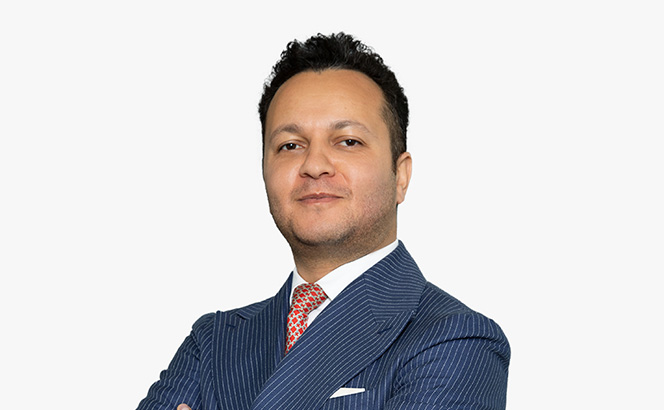
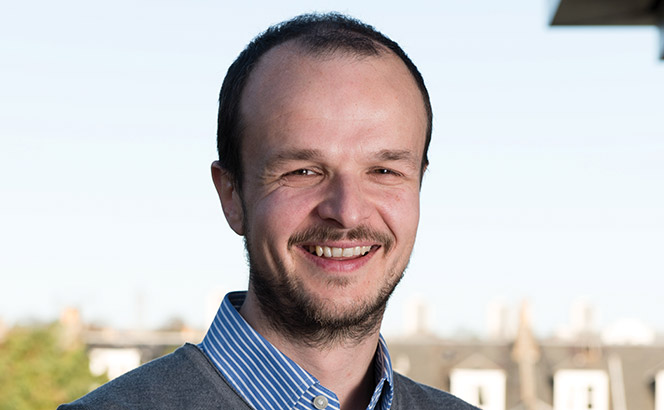
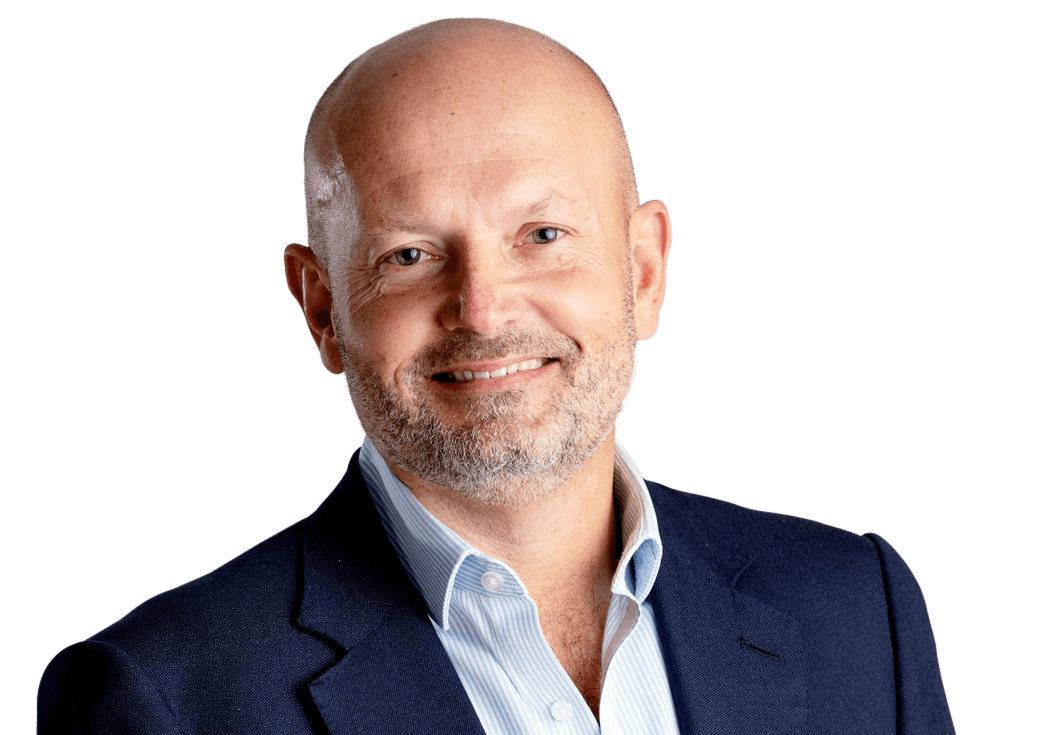
‘It was from May to July, from discussion to finalisation’, says Ira Coleman (pictured top), chairman of the newly merged McDermott Will & Schulte. ‘That’s amazing. No one has ever been able to pull off a legal merger in that kind of timeframe before.’

The timing is indeed impressive. The merger was first announced in May: an ambitious combination between two US firms, McDermott Will & Emery and Schulte Roth & Zabel, that would produce a firm with $2.8bn in revenue – enough to put it within touching distance of the top ten largest firms in the world.

By the end of June, partners at each legacy firm had approved the deal, voting ‘overwhelmingly’ in support. By last Friday 1 August, the tie-up was live.

The pace is extraordinary when compared to other recent comparable mergers, such as Kramer Levin’s tie-up with Herbert Smith Freehills, which took seven months from initial announcement to completion. For Coleman, this rapid execution serves as a statement of intent.

‘Everybody talks about how important speed and accuracy of decisionmaking will be, across a range of industries,’ he says. ‘We’re demonstrating how well we can do that in law.’

It is also a sign of a process built on trust and a mutual willingness to take risks, according to Coleman. ‘The negotiations before the initial announcement were very short’, he explains. ‘It wasn’t even really a question of negotiation. We spent a little time getting to know each other, and very quickly we said, “Is this something you guys would be interested in doing?”.’

This approach also means that, aside from Coleman retaining his position as firmwide chair, many other details are still being worked out. Among them are the positions of Schulte co-managing partners Marc Elovitz and David Efron – in a statement, the firm said that Schulte partners ‘will assume key roles across the management, executive and compensation committees and will serve as co-leads for the firm’s New York and London offices.’

‘It’s not about hierarchy. It’s about clarity of vision’ – Aymen Mahmoud, McDermott Will & Schulte

In London, leadership of the combined firm’s office will now be shared between McDermott London head Aymen Mahmoud and Schulte London co-head Josh Dambacher.

The duo will serve as London co-managing partners working along private equity partner Graham White, who is retaining his legacy McDermott role as London senior partner.

‘These things are decided as you go’, says Mahmoud (pictured right). ‘We wanted to make sure the Schulte folks felt an alignment to us, and we felt an alignment to them. And that’s not just happening in London, but other offices where we are combining.’

Coleman concurs. ‘People look at this combination and say, “You guys are so much bigger, you’re going to swallow them up.” But we’re being really careful not to do that, and to lean into the best of both firms, in London and beyond. Josh and Aymen, working with Graham, will be able to do that.’

Mahmoud argues that sharing leadership in this way breeds not just collegiality but dynamism. ‘If you look at our partnership in London, there are tons of folks who have been the leader at other points in their career,’ he says. ‘It’s not about titles. It’s about getting a bunch of people around the table who can see a strategy and execute it.’

‘It’s not about hierarchy. It’s about clarity of vision for what we are building and how proud we are of the way we’re doing it.’

This approach extends beyond the partnership. Coleman explains: ‘When it comes to our C-suite, there’s no, “You’re a McDermott person so your role is enshrined”, or, “You’re a Schulte person so you’re safe.” It’s about having the best of the best moving forwards. There’s no distinction in where that talent could come from, whether it’s McDermott, Schulte, or somewhere else.’

To this end, the firm has installed an ‘integration management office’, with which it is encouraging open communication among staff from a range of business functions, considering ideas on everything from tech to benefits and talent management.

‘Process and paperwork were probably the last thing that we cared about. You don’t draw up contracts for marriages’ – Ira Coleman, McDermott Will & Schulte

There are obvious synergies in the merged firm; for example, between Schulte’s strength in funds and private capital on the one hand, and McDermott’s sector expertise in healthcare and life sciences on the other.

In terms of office crossover, Schulte’s three locations – New York, London and Washington DC – are unsurprisingly cities where McDermott also has a base, and so decisions on combining staff under one roof will need to be thrashed out.

The combination creates significant strength in New York in particular, bringing the firm to a total of almost 230 partners and more than 550 lawyers, according to the two legacy firms’ websites before the merger went live.

‘The London market’s not slowing down, and it’s no secret to anyone that our firm has been making big investments in London and New York’, says Mahmoud. ‘We’re aiming for growth across the entire platform. The aim is to add everything we don’t have and strengthen everything we do have, so we can become an elite legal services provider.’

For Coleman, the success of the deal will be determined by the two legacy institutions’ willingness to work together.

‘We really leaned in on the people-first, client-first parts of it’, he says. ‘Process and paperwork were probably the last thing that we cared about. You don’t draw up contracts for marriages. You can do prenups and postnups, and I get that. But the love and compassion and partnership in a relationship isn’t something that fits neatly into a contract or an agreement.

‘Yes, you want to know what the parameters around it are, what you agreed to. But more than that, you want to be partners.’

Both Coleman and Mahmoud are confident that the results will speak for themselves. Asked for a final statement on the completion of the merger, Coleman says just three words: ‘Watch us grow.’

[email protected]

‘We’re not out of the woods yet’ – partners size up EU-US trade deal

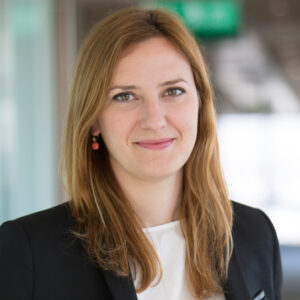
‘It’s worse than it was 12 months ago, but it’s better than it was two weeks ago,’ says Jason Hungerford (pictured right), head of international trade at Mayer Brown’s London office, following the conclusion of EU-US trade negotiations.
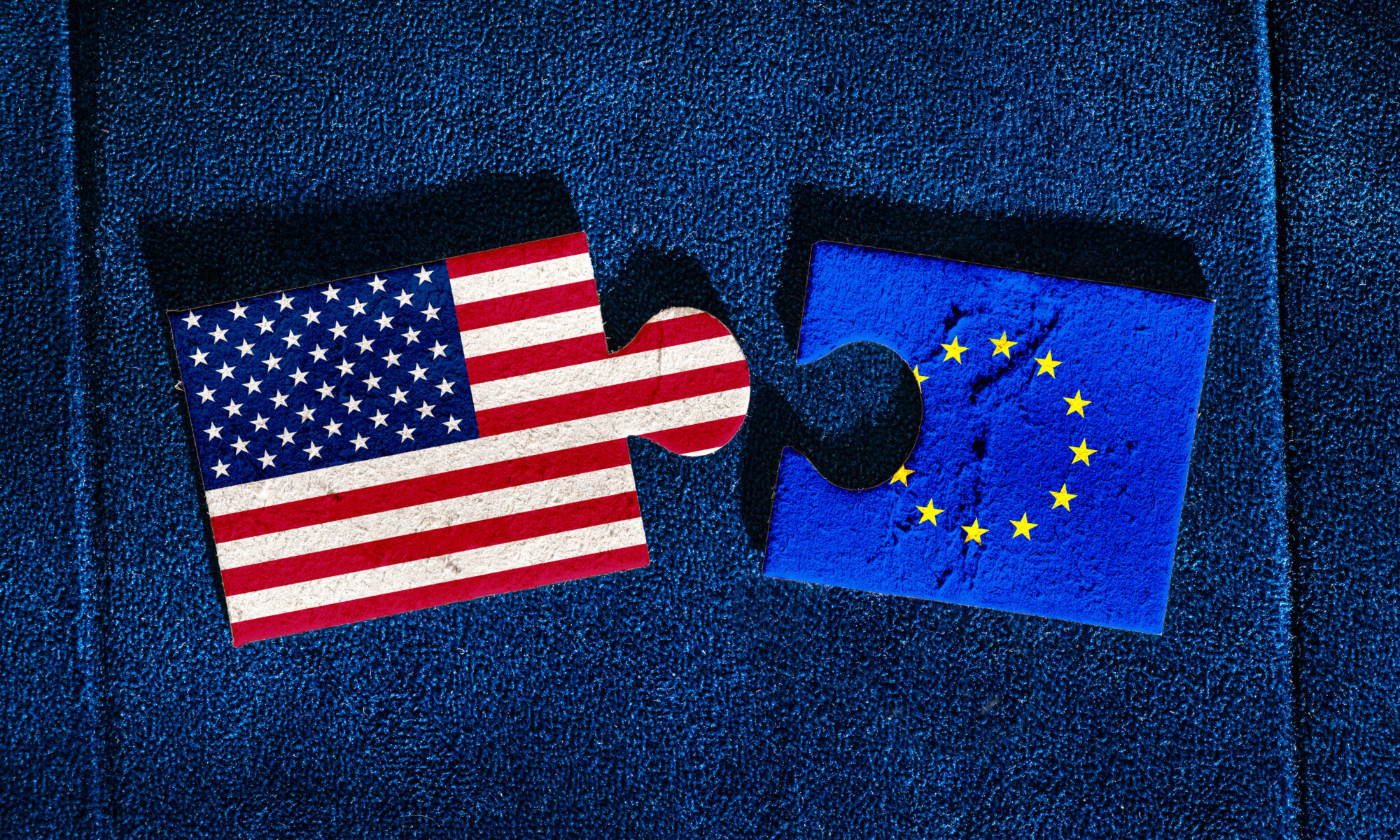
Announced at the end of July, the agreement will impose a 15% tariff on the majority of European imports to the US, meaning the EU will avoid the much higher tariffs roiling global markets, including 35% for Canada and 39% for Switzerland.

But while the deal has been met with relief in many quarters, questions remain over how binding the framework actually is, as well as what its impact on global markets will be.

‘More like appeasement than an actual deal’

One emerging viewpoint among trade lawyers is that the deal can be more accurately described as a political resolution to avoid further tariff increases and quell market volatility.

Aline Doussin, head of international trade and investment at Hogan Lovells, characterises the deal as a political declaration. ‘My immediate reaction is that this is not a binding legal agreement,’ she says. ‘The legal reality has not changed as yet on the EU trade law side.’

‘The ink isn’t even dry, but there’s no ink because it hasn’t even been written yet,’ says Dr Totis Kotsonis, head of subsidies, procurement, trade agreements and remedies at Pinsent Masons. ‘The question is: have we moved on from the unpredictability, and have we given businesses the stability that they require in order to operate and to plan ahead? I don’t think that we have.’

‘My first impression is that it feels more like appeasement than an actual deal. There was a threat, and the EU has at least for a time neutralised it.’ adds Hungerford. ‘A common refrain amongst trade lawyers working on free trade agreements is that |nothing’s agreed till everything’s agreed”, and I think everything being agreed is still at some undetermined point in the future.’

‘Non-standard economic coercion’

Kotsonis points to the need for security in agreeing the deal: ‘The EU was effectively stuck – they had no other viable choice but to accept what was on offer,’ he says. ‘The elephant in the room here is the fact that Europe and the EU are dependent on the US for their security.

‘There’s a lot of unpredictability, but the last thing the EU wanted is escalation – nobody can afford the EU and the US starting a full-on trade war that could escalate into other areas like security.’

Doussin (pictured right) points to the need for stability and reassurance in the market. ‘The key message that everyone in the EU agrees on is that certainty is definitely welcome – both clients and the market were very very nervous of the 1 August deadline to make a deal. So putting a pause on that is very much welcome by the market.’

Referring to the atmosphere of volatility around global trade since US President Donald Trump’s ‘Liberation Day’ tariffs announcement on 2 April, Hungerford says that the US administration had been using ‘non-standard economic coercion’ to achieve their aims. ‘We haven’t really seen that use of those kinds of provisions before,’ he says. ‘It feels like everything’s on the table when it comes to the US achieving its aims.’

The deal also carves out exemptions from the 15% tariff, with European Commission President Ursula von der Leyen noting that tariffs would be cut to zero on products including aircraft and component parts, certain chemicals, and critical raw materials.

Hungerford welcomes this aspect of the agreement, but cautions that challenges remain. ‘It’s got the EU past a difficult position, and there’ll be some immediate relief which will be of great consequence to certain sectors such as aerospace – but we’re not out of the woods yet,’ he warns.

And there are areas of the framework agreement that raise as many questions as they answer.

‘Some aspects of the deal just seem unrealistic to implement or enforce, such as the obligation of the EU to purchase oil and gas in a value of €750m over three years,’ says Baker McKenzie Amsterdam tax partner Nicole Looks, . Capacity in the US is not yet there to satisfy such high demand, and the infrastructure is not there to transport these volumes of LNG from the US to the EU.’

Doussin highlights another legal concern: ‘The big question is whether the deal is compatible with World Trade Organization law, and whether the EU will now be required to open its market to all trading partners on the same terms as those agreed with the US.’

‘Positive mood music’

Jessica Adam (pictured right), co-head of corporate and M&A at Macfarlanes, acknowledges that while uncertainty around the deal remains, dealmakers are taking a pragmatic view: ‘We have to work with the information we have today. Things may change in the future; however, there is always going to be a degree of uncertainty and that needs to be priced in.’

Key metrics from the European Commission’s business and consumer survey results reflect the tentative optimism building in the markets throughout July. The Economic Uncertainty Indicator increased by one point to 17.3, while the the Economic Sentiment Indicator picked up in both the EU (+1.0 points to 95.3) and the euro area (+1.6 points to 95.8).

Speculating on the market impact of the agreement from a business perspective, Adam strikes an optimistic chord: ‘I think we will see an uptick in deal volumes. We’ve already started to see private capital funds gearing up processes to kick off in Q3 and Q4, and doing prep work with a view to launching in Q1 2026.’

And while the UK is not party to the deal, the resulting shift in relative tariff burdens could have knock-on effects: ‘Conversations with private capital funds focused on the UK suggest an increasingly positive outlook, with the UK potentially being seen as a more attractive place for investments compared to the EU, given the 5% tariff difference. There is definitely more positive mood music.’

‘You don’t want to be the test case for this offence’ – firms face ticking clock as new fraud regime draws near

With the UK’s new corporate criminal offence of failure to prevent fraud coming into force on 1 September, firms that are not fully prepared for the new regime are running out of time to get their house in order.

The offence, introduced under the Economic Crime and Corporate Transparency Act, marks a major shift in corporate accountability, placing legal responsibility on organisations that fail to prevent fraud committed by ‘associated persons’ for their benefit – unless they can demonstrate they had reasonable procedures in place.

At Enterprise GC earlier this year, general counsel and other in-house lawyers tackled this subject in a breakout session led by Grant Thornton, and in this Legal Business podcast, financial crime head Tom Townson and business risk director Emma Young reflect on what came out of those discussions, and how businesses are navigating the countdown to compliance.

While some companies, particularly those in heavily regulated sectors, are ahead of the game with their preparations, others still have work to do – and as Townson warns: ‘you don’t want to be the test case for this offence.’

The full discussion is below – the podcast is also available via Spotify or Apple Podcasts.

McDermott and Schulte partners to share London leadership as $2.8bn merger goes live

The London office of the newly merged McDermott Will & Schulte will be co-led by partners from both legacy firms, it has emerged, as the $2.8bn tie-up goes live.

McDermott London managing partner Aymen Mahmoud, who has headed up the firm’s City base for just over a year, will now share leadership of the office with Schulte Roth & Zabel London co-head Josh Dambacher.

The duo will work alongside London senior partner and private equity veteran Graham White, who joined McDermott last March, having previously held senior roles at Fried Frank and Kirkland & Ellis.

While McDermott has around 90 lawyers in London, just over 30 of which are partners, Schulte’s City office is home to just 24 lawyers, including ten partners, according to the firm’s website.

Funds partner Dambacher, who has been at the US firm since 2006, has in recent years co-led the office alongside Christopher Hilditch, who co-founded the base in 2002. Both are ranked in Legal 500’s Hall of Fame for hedge funds.

Leveraged finance partner Mahmoud took the reins of McDermott’s London office last June, succeeding Hamid Yunis, who has since left for Pillsbury.

His time at the helm has seen the firm make a slew of hires, including CMS international private equity co-head Jason Zemmel and Eversheds Sutherland data centre specialist Sebastien Bonneau, both of who joined last autumn. These hires came on top of the additions of Legal 500 acquisition finance Hall of Famer Chris Kandel, who joined from Morrison Foerster in May just before Mahmoud stepped into his role as London head, and Legal 500 mid-market private equity transactions leading partner Fatema Orjela, who joined from Sidley in April 2024.

McDermott and Schulte announced the plan to merge in May, with the combination receiving ‘overwhelming’ partner support in a June vote. The new firm will go by the name McDermott Will & Schulte, with total revenues of more than $2.8bn.

McDermott recently filed its UK LLP accounts for 2024, showing a 33% increase in turnover from £78.7m to £104.7m, breaking the £100m mark for the first time. The results also showed an increase of almost 41% to average member remuneration, from £1.23m to £1.73m.

[email protected]

The path to partnership less travelled: Travers Smith’s Elissavet Grout

While the standard partner track is familiar to most, not all of those who make it follow the conventional route. In this new series, Legal Business shines a light on lawyers with a unorthodox tale to tell about how they got there, starting with Travers Smith tax partner Elissavet Grout, who was made up this year after qualifying at the firm back in 2003.

Why did it take longer than average for you to become partner?

I became a senior counsel some time ago, which gave me the autonomy to work alongside the partners, and to build my own client relationships. That worked really well for me for a long period, particularly as I had a young family. I felt I could give 100% to my role within those parameters, while still maintaining a semblance of a successful family life.

Very early on, it was made clear to me that senior counsel wasn’t a barrier to partnership, nor was it an alternative. So in the back of my mind, I knew that becoming partner was always a possibility, and it was something I started to work towards as I became more of a ‘senior’ senior counsel, and I started to understand what I wanted to get out of the rest of my career.

When did you first start thinking seriously about making partner?

I think there was naturally a change as my children got older. Then came COVID, which gave me more time to think about what I wanted to do. It was a very busy period workwise, but it also gave me space to reflect.

And I just started to feel this shift. I love my clients. I love the technical side of my job. But I began to want to be more involved in decision-making, to be at the table where those decisions are made — to look behind the curtain and be the one making the final calls and shaping the business.

Was partnership always the goal for you, or did it evolve naturally as your career progressed?

I don’t think I had the confidence early on to say, this is what I’m going to do: ‘I’m going to do X, Y and Z by these points in time’. What I did know was that I really enjoyed the job. I enjoyed working in the law. I liked the people I worked with, and I understood the structure of the firm.

Who, and what, has shaped your career the most?

It’s not the same for everyone, I know, but for me, work has always been something that centres me — especially when things in my personal life feel off balance. It’s a space where I’ve always felt confident in what I’m doing.

Mahesh Varia, who headed up the tax incentives and remuneration team until November last year, has probably been the biggest influence on my career, alongside our excellent knowledge counsel Kulsoom Hadi, and all the other tax partners still here, including practice head Russell Warren and Hannah Manning.

Before that, I had the great pleasure of working with Victoria Nicholl, who used to lead our team and was a big mentor to me. At that time, having female partners looking after others wasn’t as common as it is now, so she really stood out.

Then there was Kathleen Russ, who became senior partner but started as a partner in the tax department. She was a formidable lawyer, and I learned so much from her. Siân Keall, who also became senior partner and still works in our employment team, is amazing too.

What matters stand out from your career so far?

Early on, after I was made up to senior counsel, I worked on the Pets at Home IPO — that was just over 10 years ago now — and they’re still a really close client. Similarly, I’ve worked with SSP Group for around a decade. Those kinds of enduring relationships have helped me believe, yes, I can be a partner, because I’ve built relationships that last.

How did it feel when you became a partner?

My family were very proud. But really, it’s just business as usual. I’ve been doing this job for a long time, and I’ve been senior for a long time, so I don’t think it’s felt quite as momentous as it might for some others.

That said, I did have to give my car back — we have a salary sacrifice scheme for employees here, which is excellent, but of course, partners aren’t employees. Honestly, that might have been the saddest moment of my time at the firm. Everyone here knows how much I loved that car, so it became a bit of an in-joke: ‘Who’s going to be the one to tell Elissavet she has to give the car back?’ If there’s been any darkness in the whole transition, that’s probably it.

Paul Hastings London co-chair leaves for Linklaters

Linklaters has hired Mei Lian, co-chair of Paul Hastings’ London office, as a partner in its corporate and structured lending practice.

Lian spent five years at Paul Hastings as a partner in the financial restructuring team. Before that she spent nearly two decades at legacy Shearman & Sterling, becoming a partner in 2009 and working in the firm’s corporate restructuring and insolvency group.

A Legal 500 leading partner for corporate restructuring and insolvency, Lian brings over 20 years’ experience in high-end, cross-border finance transactions and has particular expertise in navigating complex stressed and distressed situations.

Lian shared the London co-chair role at Paul Hastings with Ross Anderson, former banking vice-chair at Latham & Watkins, who joined Paul Hastings in July 2022 as part of a four-partner finance team from Latham.

Her arrival bolsters the Linklaters’ private capital and credit solutions offering and is the latest in a series of additions to its global banking practice. 

In May, the firm hired leveraged finance partners Peter Hayes, also from Paul Hastings, and Angel Quek, from Latham & Watkins, and earlier this month it added an eight-lawyer restructuring and insolvency team in Paris, including François Kopf, who joined as global chair of restructuring and insolvency.

Further high-profile hires for Linklaters in recent months include Matthew Hodgson from A&O Shearman, who joined as the firm’s head of public international law in London in April, and capital markets and New York M&A partner Kristina Trauger, who joined in July from Proskauer, where she headed the firm’s capital markets group.

Paul Hastings, meanwhile, recently added high-profile finance partner duo Corey Wright and Lisa Collier from Latham in New York, and has since April recruited a total of nine energy and infrastructure partners into its offices around the world, largely from White & Case.

Notable recent exits from Paul Hastings include infrastructure partners Jessamy Gallagher and Stuart Rowson, who left for Freshfields in February after two years at the firm. The duo had previously co-headed Linklaters’ global infrastructure practice.

The firm also lost its former global finance co-head, Luke McDougall, who joined Davis Polk in April last year — the same month that highly regarded private equity partner Samantha McGonigle departed to become general counsel at private equity firm Hg.

Aedamar Comiskey, Linklaters’ senior partner and chair, commented: ‘Mei is at the very top of the credit solutions market and will significantly enhance our private capital offering for global clients. She’s a terrific hire and we’re thrilled to have her on board.’

Andy Vickery, global head of finance, added: ‘We are delighted to welcome Mei to our team. Her expertise in credit solutions and her outstanding track record advising global private credit clients reinforce our position as a market leading adviser on complex financings, special situations and restructurings.’

[email protected]

Freshfields Central Europe white-collar defence head decamps for Deutsche Bank

Freshfields’ white-collar defence practice head for Central Europe, Simone Kämpfer, has taken a role at Deutsche Bank, where she will become general counsel and a member of the group management committee from 15 September.

Kämpfer spent seven and a half years at Freshfields, including three and a half as head of white-collar defence for Central Europe. Before this, she worked at Düsseldorf-based white-collar criminal law firm tdwe Rechtsanwälte from 2007 to 2018, and before that as a public prosecutor.

She joins Deutsche Bank with extensive experience advising companies on regulatory matters, governance and investigations, and will be based at the bank’s head office in Frankfurt.

Kämpfer will replace Friederike Rotsch, who has left the multinational investment bank to pursue new opportunities. Rotsch has held the top legal position since September 2023, and prior to this spent 18 years at leading science and technology company Merck, rising through the ranks to become group general counsel in 2014.

In a statement, chief executive officer Christian Sewing said: ‘Friederike has made a significant contribution to Deutsche Bank during her tenure. Her leadership and expertise have been instrumental in dealing with complex legacy cases, navigating a complex environment and shaping our Legal & Group Governance function for the future.’

He continued: ‘Simone brings a wealth of experience in various areas of commercial law and a strong track record in legal leadership. Her widely recognized expertise will be invaluable as we continue to further evolve our Legal department and support the bank’s long-term growth.’

Kämpfer will report directly to Sewing.

Further changes to the leadership team at Deutsche Bank include the appointment of Ralph Nash, who joined the bank in May as head of anti-financial crime for EMEA and global head of regions and standards, as head of anti-financial crime and group anti-money laundering officer, following the departure of Nita Patel.

Freshfields has a long history of working with Deustche Bank, going back to 2014, where the global firm represented the bank in the highly publicised investigation into their alleged attempt to fix the foreign exchange market. Other recent work includes a court of appeal contempt decision in 2023.

[email protected]

Slaughters and A&O Shearman lead on £2.4bn takeover of FTSE 250 financial services group

Slaughter and May and A&O Shearman have taken lead roles on the £2.4bn takeover of FTSE 250 financial services firm Just Group by Brookfield Wealth Solutions.

The acquisition of Just Group, which specialises in the retirement income market, is part of a push by Canada’s Brookfield to deepen its involvement in the UK market, and comes after the company earlier this year launched a UK subsidiary, Blumont, which will now be merged with Just.

The A&O Shearman team advising Brookfield is being headed up by London-based M&A partners Seth Jones and Matt Hamilton-Foyn as well as insurance partners Phillip Jarvis and Kate McInerney, financing partner Neil Sinha, Paul McCarthy on share award aspects, Lydia Challen on tax and Dominic Long on competition.

Slaughters is advising Just Group, with the magic circle firm’s team led by corporate M&A co-head Richard Smith and partners Natalie Cook and Nick Bonsall.

A&O Shearman and Slaughters also both recently advised on European insurance group Athora’s £5.7bn acquisition of Pension Insurance Corporation Group (PIC), another multibillion-pound UK-focused derisking business.

Smith said the Brookfield-Just deal served as a reminder of the UK’s ability to attract investment. ‘Global businesses are deploying capital in the UK – we saw that when we advised on the sale of PIC to Apollo’s Athora business and we see it here with Brookfield’s offer for Just Group. We had previously advised Just on some debt and regulatory capital work previously and we were delighted to be brought in here by their highly impressive management team for our takeovers expertise too,’ he added in a statement.

Jones, head of UK M&A said: ‘We are delighted to be supporting Brookfield Wealth Solutions on this important strategic transaction, which accelerates BWS’s growth ambitions in the UK, one of its core markets.’

On the Athora deal, A&O Shearman worked alongside US firm Sidley, with Jones, McInerney and Jarvis again leading the firm’s team, while Slaughters advised a group of selling shareholders of PICG, including Reinet Investments, CVC Capital Partners and HPS Investment Partners.

Just Group sells retirement products and operates in the pensions derisking market. The premium on the deal is 75% to yesterday’s (30 July) share price.

Chancellor Rachel Reeves welcomed the deal as evidence that ‘the UK remains one of the best places in the world for business’.

However, the takeover continues a trend of take-private deals for UK-listed companies, fuelling concerns over the attractiveness of the London Stock Exchange (for more, see ECM partners back London IPO rebound despite 30-year low).

CMS passes €2bn revenue milestone as network celebrates quarter-century

Stephen Millar

CMS has surpassed the €2bn mark in global revenue for the 2024 calendar year, reporting a 6% increase to €2.073bn, up from €1.957bn last year, as the firm marked 25 years since the formation of the CMS network.

CMS UK changed its financial year to comply with HMRC basis period reforms, with annualised UK revenue for the 2024-25 financial year of £779.1m, up 6% from last year’s figure of £734.7m.

In a statement, the firm said its corporate practice was the biggest contributor to revenue growth in 2024. Other areas of strong performance included dispute resolution, real estate, tax, employment and banking.

Stephen Millar (pictured), managing partner at CMS UK, said in a statement: ‘We have enjoyed another strong year of growth and expansion across our key markets in the UK, Asia, Central and Eastern Europe, and the Middle East.’

He continued: ‘All our core practice areas continue to perform strongly, with our disputes, finance and energy teams, in particular, enjoying an excellent year.

‘As we look ahead, we are confident in our ability to build on the progress of the past year and to deliver even greater success for our clients and our firm in the year to come.’

Pierre-Sébastien Thill, CMS chairman, commented: ‘Our numbers reflect our ability to meet these market demands, all thanks to the dedication and forward-thinking approach of our people as well as the trust of our clients.’

The firm promoted 54 partners across its network, in line with last year’s numbers, with women accounting for almost 41% of the cohort, down from 48% last year.

The year also saw CMS, which has 91 offices across 50 countries, continue to expand its global footprint. Swedish firm Wistrand formally became CMS Wistrand, while Mauritius-based Prism Chambers joined as an associate firm of CMS Africa. The firm also opened a representative office in Silicon Valley focused on business development.

In addition, the firm appointed Hubertus Kolster, senior partner of CMS Germany, as vice-chairman of its executive committee.

The UK financial year also saw some retrenchment, with the firm announcing in January that it was reducing its London real estate team by up to 15 lawyers.

[email protected]

‘London is on the cusp of reopening’ – ECM partners back London IPO rebound despite 30-year low

London Stock Exchange

The first half of 2025 delivered a blow to London’s financial reputation, with the weakest listing figures in three decades, according to Dealogic.  But, despite a flurry of negative press headlines, leading equity capital markets (ECM) lawyers insist it is too early to write off the capital’s IPO prospects.

Instead, with a wave of financial reforms on the way, they maintain that the London Stock Exchange may be poised for a revival.

Data from the LSE shows that eight IPOs took place during H1 2025, two of which were on the main market, with the  £182.8m raised representing a significant decline on the more than £500m raised in H1 2024.

Meanwhile, London has also seen a steady stream of UK companies abandoning the City for New York, with fintech company Wise last month disappointing the UK market when it confirmed plans to switch its primary listing to the US.

Since 2016, 213 companies have left the LSE, according to data from the Confederation of British Industry, with the pace accelerating to 88 departures in 2022 and 70 more in 2023. Astra Zeneca is among other big names rumoured to be considering a similar move.  

Nevertheless, partners in the City have welcomed the raft of financial reforms announced by the Chancellor of the Exchequer at her second Mansion House speech on 15 July.

James Roe (pictured right), co-head of A&O Shearman’s UK equity capital market practice, believes that the decline in new listings reflects broader global economic shifts, pointing out that the tide may be turning to more favourable conditions.  ‘We’re at the back of a prolonged slump in new listings in the UK, but that’s a global phenomena as we come off the back of a macro cycle of 10-15 years of low interest rates – it’s not UK specific.’

To encourage more companies to go public in the capital the government has announced the creation of a specialist UK Listings Taskforce to look at the issue,  alongside a host of other regulatory and financial services reforms. The launch of the taskforce will build on changes to the listing regulations which came into force last summer and, according to partners,  signals that Downing Street is eager to remove regulatory barriers and show that the UK is serious about attracting new investment.

‘We’re hopefully on the cusp of London reopening if current stability remains in place and we have a couple of success stories when companies come to market that help change the narrative,’ says Roe, before adding that the reforms are welcome attempts to ‘rewire the principles by which we regulate financial services.’

In May, the UK introduced the Private Intermittent Securities and Capital Exchange System Sandbox (PISCES) which allows private companies to temporarily trade on the London Stock Exchange, a move which shows the government’s willingness to innovate. PISCES provides ‘optionality and flexibility for companies looking to go from private to public markets,’ Roe adds.

Richard Smith (pictured right), co-head of the corporate and M&A group at Slaughter and May, emphasises the reliability of the London market.

‘London has shown over the last few years that when companies come to the market for capital, considerable amounts of equity are available, and are available quickly,’ says Smith, pointing to the National Grid’s plan to raise £7bn through a rights issue last year as evidence. His view is backed up by EY’s report, which found that London was the top location in Europe for follow-on issuances and leads the world for post-IPO capital raising, with 50% of IPOs returning to raise further capital, compared with 24% for the Nasdaq exchange and 16% for the NYSE.

Commenting on whether the Chancellor’s announced reforms would be sufficient to re-ignite the London IPO market, Smith is clear as to the changes which still need to be made. ‘What the government needs to focus on is encouraging more growth capital to come to the London market.’

‘In London there are fewer investors who are prepared to invest in high growth, more speculative businesses with limited track records than exist in the US. If we can address that, then I think we will find a considerable number of companies coming to the market sooner and coming to London public markets for their growth capital, rather than going overseas.’

One ECM partner at a US firm in London agrees with Smith: ‘Unfortunately for London there’s a perceived sense that New York provides better valuation, better research coverage and companies get a better level of support.’

Alongside the taskforce, which will be led by the Office of Investment and supported by the Treasury, a concierge service, is to be launched in October. This will provide tailored assistance to companies exploring UK listings in a bid to show the government is willing to support new investors. 

‘Any move to breathe new life into UK listings is to be welcomed,’ says Alasdair Steele (pictured right), head of ECM at CMS, before expressing concern that the reforms might not go far enough. ‘The taskforce can’t just tinker with listing rules, they need to tackle the root causes of investor apathy.’

‘The real test for this taskforce will be cutting through the noise and pinpointing why London is losing its IPO edge,’ Steele continues. ‘It’s not just about regulatory changes – at its heart, a thriving market needs ambitious companies ready to list and investors eager to back them.’

Despite these concerns and the deeper pockets of New York’s capital markets, Smith maintains London remains attractive. ‘You can be a bigger fish in London, you can be confident of getting and staying in the FTSE index, which is very attractive, and you can be well covered and invested at a smaller scale.’

He insists:  ‘I believe the fundamentals are still strong. London is by far the biggest, best, most liquid stock market in our time zone. Therefore, it will succeed.’

Roe though is more hesitant, highlighting high levels of debt, global conflicts and the persistent ‘cloud on the horizon’ of Trump’s tariffs as factors which could further spook the markets.

In his view, while regulatory changes have created the ‘conditions for a functioning market’, optimism alone is not enough to halt the decline. ‘What we need is companies to take the step and list,’ says Roe.

The US firm ECM partner shares Roe’s caution, warning: ‘Market expectation is more for a rebound in the first quarter of 2026; optimism is six months ahead as opposed to six weeks ahead.’

It’s a sentiment echoed by Steele, who goes further, concluding that the UK’s future success will ultimately depend on whether the government can shift the narrative from ‘why not London?’ to ‘why London above all’.


Osborne Clarke posts record international revenues, with Penningtons Manches Cooper and Burness Paull also notching steady growth

Osborne Clarke has reported record international revenues of €547.5m, with UK profit per equity partner (PEP) breaking the £800k mark for the first time.

The 4% hike in international revenue, up from last year’s figure of €525m, means that the firm has grown its topline turnover by 72% in the last five years.

In a statement, the firm’s international chief executive officer Omar Al-Nuaimi described the results as ‘a great achievement and testament to the hard work of our teams around the world.’

He continued: ‘This year we’re investing heavily in creating a seamless client experience by implementing a new international practice management and finance system. This sets us up brilliantly to support planned significant growth over the coming five-year strategic period.’

The UK was a top performer, with turnover rising to a record high of £256.6m, up 7% from last year’s £217.3m; a total increase of 166% over the last five years.

The firm’s UK PEP also rose to new heights, up nearly 5% to £806,000 from £771,000 last year, while the firm again rewarded its UK team with a 5% profit share.

In the UK, the firm pointed to strong performance in its areas of regulatory expertise, in particular in technology, media and communications, financial services, and retail and consumer.

It also highlighted growth in its intellectual property group, driven by an increase in patent litigation and a focus on life sciences and technology.

UK managing partner Conrad Davies said: ‘Our investments in strengthening our team and futureproofing our business are really starting to pay off.’

Davies continued: ‘We also boosted our OC Solutions offer, with a range of client-friendly innovations coming onstream that are transforming how we work with our clients.’

OC Solutions (Osborne Clarke Solutions) is the firm’s in-house client technology team, which, in addition to providing AI tools for internal use, works with clients to develop and integrate bespoke legal tech platforms.

The firm also saw another strong year for partner promotions, with 17 partners promoted internationally and ten partners made up in the UK in May – only one down from last year’s record promotion round of 11.

The firm also had a strong year for lateral hires, bringing in ten new partners internationally and a further six across the UK. These included a trio of partner hires earlier in the year, with competition litigator Aqeel Kadri and construction and engineering disputes partner Helen Waddell joining in London from Hausfeld and Pinsent Masons respectively, and Gowling life sciences legal director Mathilda Davidson joining as a partner in Bristol.

Meanwhile, Penningtons Manches Cooper has reported a 7% uptick in revenue, up to £120m from £112.2m last year, marking the 16th consecutive year of growth for the firm.

PEP jumped 25%, hitting £555,000 from £440,000 last year.

The firm also announced that its CEO Helen Drayton has been re-elected, after standing unopposed, for a second three-year term, beginning on 1 October.

Commenting on the results and her re-election, Drayton said: ‘We’ve laid the foundations—and now we’re accelerating. It’s a genuine privilege to continue leading such a talented and ambitious team.’

Finally, Burness Paull has also posted its financial results, with turnover hitting £93.5m. The firm reported £60.1m in revenue for 2023-24, when it ran a truncated eight-month financial year to combine with HMRC basis period reforms.

Profit, meanwhile, hit £35.9m, up from £24.3m for the shortened 2023-24 financial year.

[email protected]

AI expertise – the new must-have for general counsel

Amid AI’s relentless rise, companies are placing increased emphasis on related expertise when hiring for their in-house legal teams, according to a new report.

The report, by leading legal recruiter Major Lindsey & Africa (MLA), looks at key trends affecting the in-house employment market, with AI standing out as a key theme reshaping legal operations and recruitment strategies.

The report states that general counsel are now ‘expected not only to understand AI tools, but to provide oversight for their ethical and compliant use’, adding that ‘in some organisations, GCs are leading the development of AI governance frameworks.’

It continues: ‘While deep AI expertise is not yet a universal requirement, baseline fluency is becoming a desirable asset’, and cites evidence of ‘a marked shift toward hiring legal professionals who are not only technically proficient but also technologically fluent.’

At Fremantle, chief legal officer Matt Wilson (pictured right) was recently given responsibility to oversee AI implementation at the media company, where he has led the legal team for the past four years after joining from Uber. He describes AI as ‘everyone’s job’ now.

‘It’s going to be part of all our lives, both personally and professionally, and so that means that every lawyer within this company needs to understand how AI works and how it applies to the things that they’re advising on.’

Wilson also believes that lawyers can be a natural fit to take the lead on the AI front. ‘The technology is developing at pace, and in times of change, the skillsets of general counsel and other members of the legal team are often well-suited to help navigate that change.’

As the MLA report states, the EU AI Act – which is being rolled out in phases after coming into force last August – is ushering in strict new requirements for companies, prompting them ‘to hire lawyers well-versed in AI governance and data privacy’.

Another report published by the recruitment company earlier this year, The General Counsel AI Hiring Survey, canvassed 152 legal department leaders across 17 countries around the world, finding that 39% said they had changed their hiring criteria in response to AI, with 21% now specifically requiring AI experience.

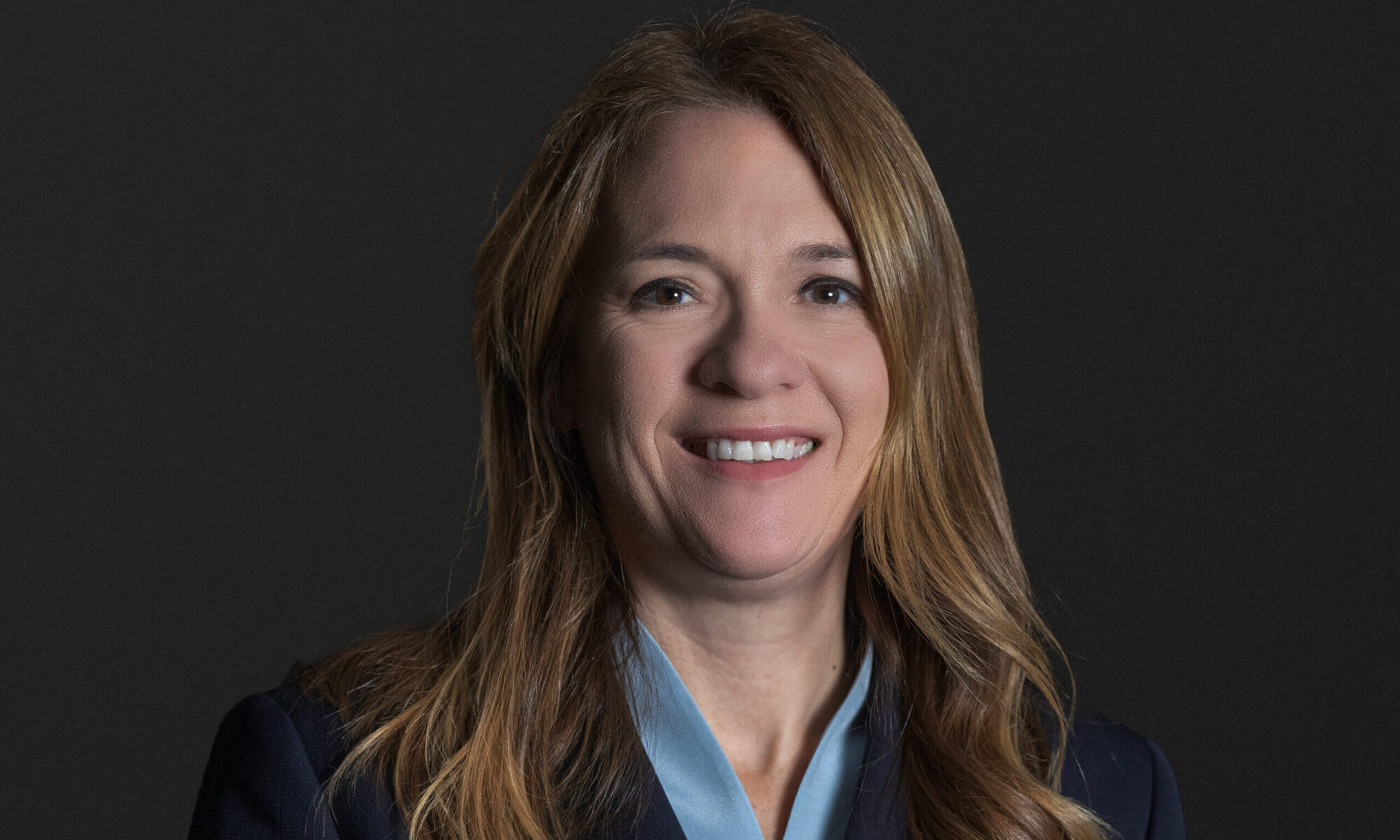
Stephanie Lopes, chief legal officer at payments company Volt (pictured right), is on the same page about the ‘huge importance’ of AI, and is factoring it into her interviews when recruiting. ‘I’ve included questions around its usage; how comfortable candidates are using it and how much do they understand,’ she says.

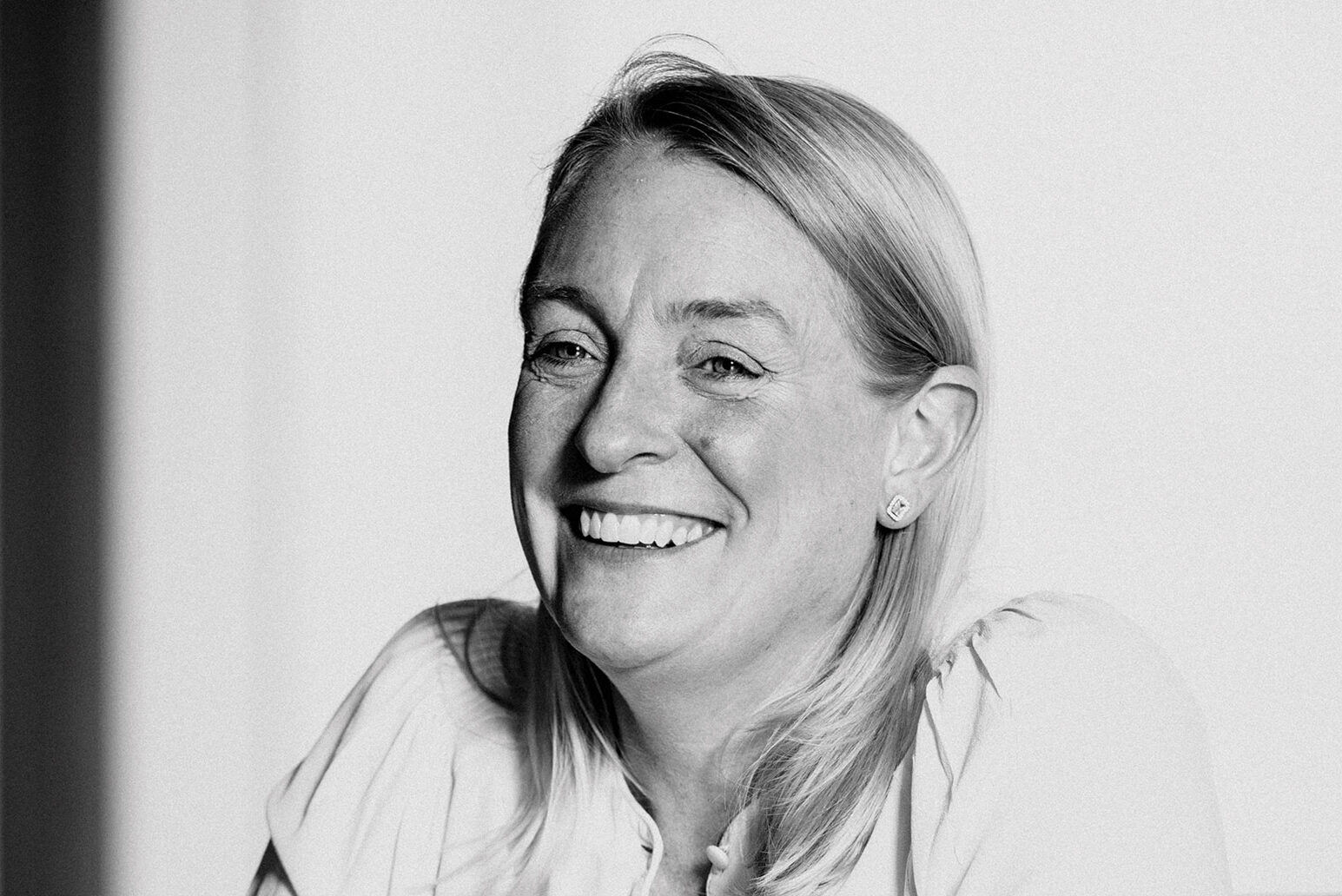
Christopher Ghazarian, GC and COO at US web hosting company DreamHost, echoes the report’s assessment that AI proficiency is an increasingly desirable quality for in-house counsel to possess. ‘You don’t need to be a coder or a developer, but you definitely need to understand AI systems well to lead with enough clarity and confidence.’

Ghazarian also notes how many legal teams are helping to build AI policies ‘from scratch’.

‘AI oversight is not just a legal position – it is definitely a leadership responsibility as a whole; teams need to be able to innovate quickly without losing sight of ethics and compliance.’

The MLA report also cites the rise of AI governance as ‘a new legal sub-speciality, notes that some companies are forming ‘internal task forces or designating legal roles specifically responsible for shaping policies around responsible AI use.’

Ben Cockram, a managing director in the EMEA in-house recruiting team at MLA says that while some in-house legal departments are well set for the AI era and the regulatory requirements that come along with that, others still have much work to do.

‘Over the past two years, we’ve seen many organisations establish AI taskforces – typically a hybrid of IT leaders and legal/risk professionals – as they try to get a grip on both the opportunity and risk exposure. Best practice is still evolving, but adoption rates have accelerated markedly in 2025. We’re no longer in the era of existential angst about AI. Companies have shifted into a more pragmatic phase.’

Revolving Doors: Goodwin and Mayer Brown bolster PE teams as top arbitration silk moves to Gibson Dunn

Goodwin has continued to expand its London private equity practice with the hire of Matthew Ayre, who was previously head of the leveraged finance team at Travers Smith where he served as a partner since 2007.

Earlier this month Goodwin brought over Kirkland PE partner Tom Roberts. Ayre will now work closely with Roberts and PE partner Simon Fullbrook, who has been at Goodwin for a decade, and the wider debt finance team. Over the past two years the London team has hired five other partners, including Ian Keefe and George Weavil who both left Travers after 15 years.

‘Our European private equity platform continues to see a strong market opportunity,’ Yash Rana, partner and co-chair of Goodwin’s global private equity practice said in a statement. ‘Matthew’s deep experience in debt finance, his commercial insight, and his longstanding relationships with private equity clients make him an ideal addition to our team here at Goodwin.’

Elsewhere in the capital, Mayer Brown has reinforced its private capital team with three hires from Dechert. PE partner Mark Evans makes the move alongside finance duo David Miles and Philip Butler, who previously co-headed the global leveraged finance practice at Dechert, with Butler also serving as co-head of London corporate and securities.

‘We are doubling down on our already strong financial services and private capital business’, Mayer Brown London managing partner Dominic Griffiths said in a statement.

He added: ‘Mark’s experience working with a global roster of leading clients will create strong collaboration opportunities across our offices, particularly in the UK, Germany, France and the US.’

3VB barrister Christopher Harris KC has left the bar to join Gibson Dunn as co-chair of the international arbitration group alongside Penny Madden KC and Rahim Moloo.

‘We have worked with Christopher for several years and are excited to welcome him as our partner and co-chair of our practice group. He is a brilliant lawyer and colleague,’ Moloo said in a statement.

Harris, who is currently shortlisted for international arbitration silk of the year at the Legal 500 Bar Awards 2025, will also co-chair the judgement and arbitral award enforcement practice group with Robert Weigel.

Squire Patton Boggs has continued its transatlantic financial services expansion with the hire of global finance partner Ranajoy Basu. Basu will serve as global head of structured finance and head of the firm’s India practice. In his previous role at McDermott he was global head of structured finance and chair of the India practice.

Jim Barresi, global head of the financial services practice group, said: ‘We are delighted Ranajoy has joined us. He has an outstanding record of successfully advising leading financial institutions and alternative capital sources on complex, cross-border transactions. He is also well known for ground-breaking work in impact investment. Ranajoy is ideally placed to lead our structured finance work, and he fits seamlessly with some of our new team members who have already increased our ability to add value to clients in specialized practice areas and on a global basis.’

After announcing in February plans to hire a total of 29 lawyers into its future energy, infrastructure, public law, and planning offering from Broadfield (formerly BDB Pitmans), TLT has brought over partner Richard Marsh.

Marsh co-led the energy sector practice at Broadfield, and joins with experience advising on more than 20 nationally significant infrastructure projects, including large-scale solar, battery storage, wind, and liquified natural gas facilities, as well as a range of other projects.

TLT head of future energy and real estate Maria Connolly said in a statement: ‘The UK Government’s recently revealed infrastructure strategy sets out ambitious measures to dismantle the remaining barriers to investment in the UK’s future energy sector and will lead to further opportunities for our clients.’

Finally, Simmons & Simmons has bolstered its employment offering with a partner hire in London and the acquisition of a boutique firm in Dublin. Partner Vicky Wickremeratne rejoins Simmons in London after leaving the firm in 2019 to join legacy Allen & Overy. She then left that firm late last year after its merger with Shearman & Sterling, and spent a stint in-house at investment firm Millennium Capital Partners.

Meanwhile, Simmons has also acquired specialist employment firm CC Solicitors in Dublin, bringing over partner Colleen Cleary, who founded the firm in 2009, and brings expertise in a range of employment disputes, in particular in the finance, healthcare and life sciences, and tech, media, and telecoms sectors.

Cleary joins Simmons along with two experienced senior lawyers, Regan O’Driscoll and Bernadette Daly.

[email protected]

Simmons breaks £600m barrier with record revenue and PEP as firm adds fifth global sector

Simmons & Simmons has posted single-digit increases in both revenue and partner profits for the 2024-25 financial year, alongside confirmation of a new addition to its global sector focus.

The firm saw turnover increase by 7% during the year to reach £615m, up from £574m. Profit per equity partner (PEP) rose 5% to £1.13m, up from £1.076m, while profit rose by 6% to hit £215m.

The results mean that Simmons has increased revenue and PEP by 50% over the past five years and profit by 70%.

Managing partner Emily Monastiriotis (pictured) described the figures as a ‘genuinely solid set of results’ and said that she was pleased to see growth across a range of metrics.

‘Not every pound or dollar is the same. So it’s really interesting to me to make sure that we’re growing our revenue, but we’re also growing our PEP at the same time, and we’re growing our profit.’

Although the firm did not release figures connected to individual offices, she picked out the Middle East, Luxembourg and the UK as regions that enjoyed a strong year.

Monastiriotis, who became managing partner in May this year, also confirmed that the firm is implementing a change to its sector strategy – with energy, natural resources, infrastructure and construction (ENRIC) to be officially launched as the firm’s fifth global sector this September

Simmons has been a sector-focused firm since 2005, when the then-managing partner Marc Dawkins introduced the policy.

The firm’s four existing sectors are: asset management and investment funds (AMIF), financial institutions (FI), healthcare and life sciences (HLS), and technology, media and telecommunications (TMT).

Together, they account for more than 80% of the firm’s revenue, and according to the firm, each saw growth of 7%-8% during 2024-25.

ENRIC represents an expansion of the firm’s existing energy, natural resources and infrastructure (ENRI) practice, now including construction as part of the offering.

The elevation of ENRIC to an official sector comes shortly after a period of increased activity in the Middle East. Simmons, which has a longstanding office in Dubai, opened a second office in the region this June with a launch in Riyadh, and has since announced plans for a new base in the Abu Dhabi Global Market.

Monastiriotis believes the region is a strong fit for the firm’s sector-led strategy: ‘Our Saudi offering is very ENRIC-focused, and Abu Dhabi is known for AMIF and AI. So it’s really about identifying our areas of strength and focusing on where we should be building on them.’

AI a key focus for Simmons, with the firm home to a market-leading practice. This June, the firm announced an agentic AI partnership with Berlin-based AI legal tech firm Flank. and it is also working on a new iteration of its in-house LLM, Percy.

Monastiriotis said the firm’s use of AI ‘enables us to have a laser-sharp focus on premium work for premium clients.’

Beyond geographical expansion, the firm added 32 partners globally this year, up from 24 the previous year. Key additions included non-contentious construction partner Marianne Toghill, who joined from Clifford Chance in December; restructuring partner Kay Morley, who joined from Dechert in January and a three-lawyer real estate team from Hogan Lovells in Paris led by partner Michaël Lévy.

Financial services regulatory partner Penny Miller was also recently appointed as as the firm’s first ever UK country head, and Monastiriotis described Miller as the ‘beating heart’ of Simmons, underlining that the new position ties in with her ambitions for Simmons:

‘It’s all about growing and pushing in our areas of strength – institutionalising relationships in the EU, expanding our largest clients, and really focusing on the global client programme.’

[email protected]

‘Modern, inclusive and deeply commercial’ – Freshfields senior partner Dawson wins second term

Georgia Dawson has been re-elected as senior partner at Freshfields for a second term, the firm announced today (24 July), after a successful first term which saw the firm continue its US expansion.

Dawson, the first woman to make senior partner in the firm’s 300 year history, guided the firm to new financial heights, with revenue crossing the £2bn mark for the first time for the 2023-24 financial year.

‘Dawson’s re-election reflects strong partner support and confidence in her continued leadership to deliver global growth and strategic progress’, the firm said in a statement. 

US expansion has been facilitated by shrewd lateral hires under Dawson’s leadership, with the firm recruiting high-profile partners from a raft of top US firms. The firm has recruited aggressively in New York M&A in particular, with notable hires under Dawson’s leadership including Damien Zoubek, who joined from Cravath in 2021 and co-leads Freshfields’ US corporate and M&A practice alongside Ethan Klingsberg, who joined the firm in 2019..

This February, Freshfields launched a new office in Boston with its hire of private capital M&A partner Matthew Goulding from Latham & Watkins. 

Dawson said: ‘It’s a privilege to continue serving as Senior Partner and I’m proud of the progress we have made to date.’

Global managing partners Alan Mason and Rick van Aerssen will continue to work with Dawson as part of the firm’s global leadership team, while Rafique Bachour steps back from his leadership responsibilities to focus on his market leading client practice.

‘I’m deeply grateful to Rafique [Bachour] for his leadership and support over the past term – he has been instrumental in helping shape the firm’s direction and commitment to our clients,’ Dawson said in a statement.  ‘Alongside Alan and Rick, our ambition remains clear: to be the firm of the future, agile, principled and relentlessly focused on helping our clients succeed.’

Earlier this year Freshfields emerged as the only top 20 global law firm to sign amicus briefs supporting Perkins Coie and other firms targeted by US President Donald Trump in executive orders.

The bold move was personally guided by Dawson, according to reporting in the Financial Times. Last year she appeared on the FT/EMpower’s “Most Influential in European Finance” list.

‘Simply put, Georgia’s leadership is modern, inclusive, and deeply commercial,’ one Freshfields partner previously told Legal Business. ‘It’s reshaping what global excellence in law looks like.’

Dawson’s new term will begin in January 2026.

[email protected]


HSF revenue and PEP hit new heights in last results before US merger

Herbert Smith Freehills

Herbert Smith Freehills Kramer has posted its final financial results for legacy HSF, with revenue and partner profits rising to new heights ahead of the transatlantic merger with Kramer Levin.

Revenue climbed 4% to £1.358bn in the year to 30 April, ahead of the merger which went live on 1 June this year.

Profit per equity partner (PEP) grew by 8.6% to £1.428m, while net income increased by 9.5% to £486.9m.

The firm added that it had achieved revenue growth in all practice areas, with revenue growth in every EMEA office and double-digit growth for the region as a whole.

Earlier this year Kramer also posted its best-ever financial results, with a revenue increase of 7.3% pushing its top line to an all-time high of $467.2m (£344.8m). Based on the HSF results released today (24 June), the merged firm will have projected revenues of around £1.7bn ($2.3bn), placing it on the fringes of the top 20 firms in the world by turnover.

PEP at Kramer climbed dramatically during 2024, rising by 25% to £2.2m, largely due to a 17% decrease in the size of its equity tier, according to law.com.

The merger was described as a ‘major highlight’ of the past year by global CEO Justin D’Agostino, who said the firm had achieved ‘one of [its] highest strategic priorities’ by ‘turning the ambition [of a US merger] into a reality’.

‘Both firms launched Herbert Smith Freehills Kramer from positions of strength and with a clear strategic vision,’ he added.

Key matters for HSF over the past year included successfully acting for AerCap, the world’s largest aviation lessor, in the closely watched High Court dispute over aircraft lost in Russia following the 2022 invasion of Ukraine.

The final year’s result for HSF marks the firm’s 12th consecutive year of growth, and come after record performance last year, when the firm saw a 10% increase in revenue to £1.306bn.

A flurry of other major UK-heritage firms have announced their 2024-25 results this week, with Linklaters seeing revenue rise 11% to £2.32bn and PEP grow 15% to £2.2m, driven in part by a 57% rise in US profits. Clifford Chance, meanwhile, saw global revenue climb 9% to £2.4bn, with PEP up 3% £2.11m.

D’Agostino is leading the new global executive committee at the merged firm, which also includes London-based real estate partner Jeremy Walden, who has been appointed as executive partner for UK and EMEA. The Sydney-based Rebecca Maslen-Stannage was also recently reappointed as chair and senior partner.

The HSFK merger, which went live this summer just seven months after the deal was first announced in November 2024, has created a firm with around 630 partners across 26 offices. The two legacy firms had little overlap, with both having offices in just two cities: New York and Paris, where Kramer Levin’s team left to join Morgan Lewis last December.

[email protected]

Merck M&A legal head returns to private practice at McDermott ahead of Schulte merger

McDermott Will & Emery has made a key hire for its life sciences transactions practice with the hire of M&A expert Johannes Eckhardt from German pharma giant Merck.

Eckhardt is making the move back to private practice after nearly four years in-house, and will join the US firm’s Frankfurt office as a partner this September.

He joined Merck in September 2021 and held a number of positions at the company, covering digital, data and corporate affairs, most recently serving as head of legal for M&A, ventures and finance.

Eckhardt brings extensive experience of cross-border deals, particularly in the life sciences and tech sectors. While at Merck he played a key role on the company’s acquisition of American life sciences company Mirus Bio and the sale of Calypso Biotech to Novartis, among other transactions.

Before moving in-house he spent nine years in Willkie Farr & Gallagher’s Frankfurt office, focusing on M&A, venture capital and private equity, rising to the role of counsel.

The hire for McDermott comes as the firm gears up to merge with fellow US firm Schulte Roth & Zabel, with the combined firm set to go live on 1 August. The merged firm, which will have revenue of more than $2.8bn – enough to place it on the edge of the top ten largest firms in the world – will take the name McDermott Will & Schulte, and will have more than 1,750 lawyers in total across more than 20 offices around the world.

McDermott Germany managing partner Matthias Kampshoff cited Eckhardt’s ‘deep understanding of the life sciences and technology sectors’ and ‘proven ability to lead sophisticated cross-border deals’, while global transactions head Harris Siskind added that his ‘experience advising on transformative deals and strong relationships with key players in the life sciences and investment communities’ would be ‘significant assets for the firm’s clients’.

Merck’s legal leadership includes group general counsel Tina Sandmann, who is based in Darmstadt, where the company is headquartered, and US-based vice president and general counsel Jennifer Zachary, a former partner at Covington & Burling.