
Shoosmiths has seen revenue and profits tick up once more, as the firm continues to pursue a merger deal that will ‘move the dial’
The firm saw revenue rise 2% during 2025-26 to £221.4m, up from £217.2m last year.
Profit increased by 4% to £80m, while profit per equity partner (PEP) climbed 3% to £1.04m, up from just over £1m last year.
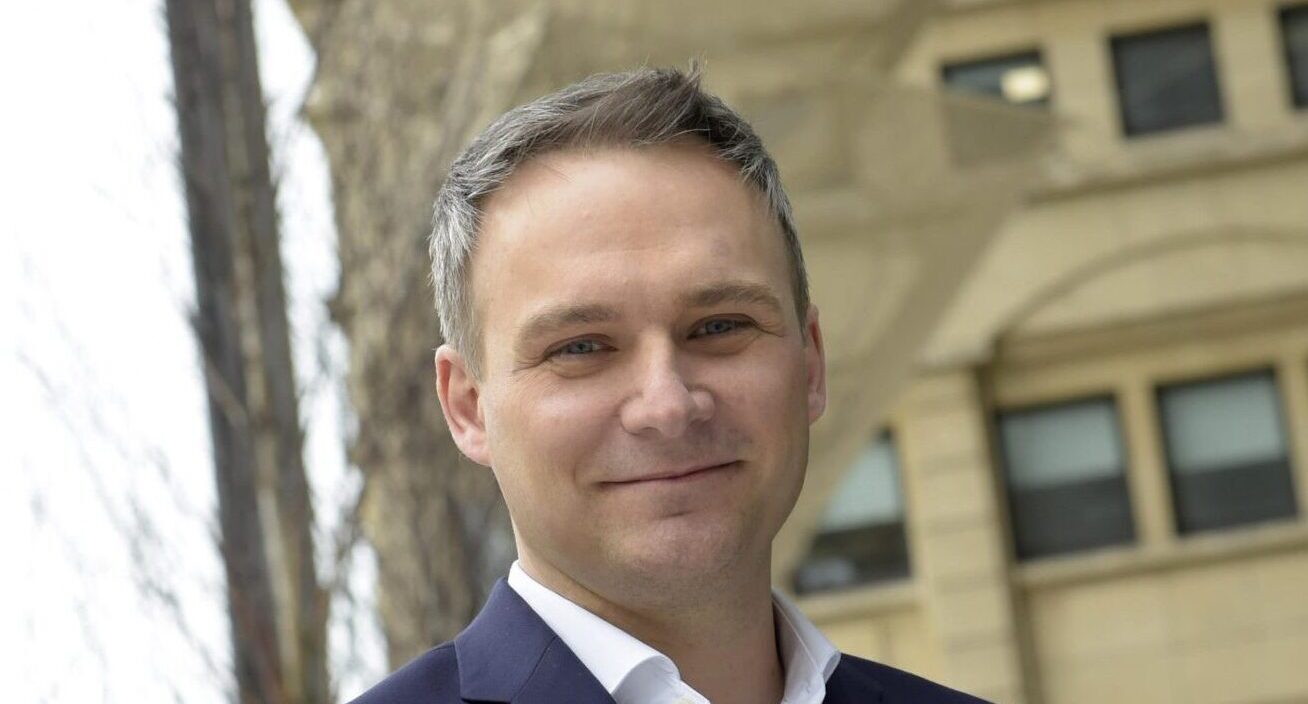
While acknowledging the ‘modest’ revenue growth, chief executive David Jackson (pictured) argued the figures reflected a deliberate shift towards higher-value work.
‘While the headline revenue growth this year is modest, the real story behind the numbers is improving revenue quality,’ he said. ‘By deliberately focusing on our strategic priority areas, we’re getting better quality, more complex, higher value mandates, consistent with our strategy to move up into the premium midmarket space.’
That focus has also seen the firm shift away from less profitable practice areas. Most recently, it sold its eight-partner, 80-staff serious injury practice to UK firm Fletchers last July, with the deal coming on the back of earlier pullbacks from private client and debt recovery work.
According to Jackson, the firm secured 28 ‘strategic’ client wins over the past 12 months, succeeding in 85% of the bids it pursued. Jackson said this reflected a more disciplined approach to business development: ‘We’re being far more focused and disciplined about the opportunities that the firm is pursuing, because the firm now really understands where it can win.’
Looking beyond the UK, Shoosmiths continues to pursue what Jackson described as a ‘major merger’ in continental Europe following the launch of its internationalisation strategy last July.
‘We want to do something that is material and that will move the dial,’ Jackson said. He added that ‘there are conversations that have been ongoing for several months now,’ and said that he hopes to make an announcement in the ‘medium term,’ though he stressed that the firm is in no rush.
‘Shoosmiths has never done a major merger, let alone one involving overseas partners, and that presents a huge responsibility for myself and our chair Kirsten Hewson. We’ve assured our partners and colleagues that we will take the time necessary to do this right,’ he explained.
The firm’s focus on long-term investment is also evident in its approach to AI. After paying a £1m bonus to staff last year after the firm reached a total of one million AI prompts, Shoosmiths has again earmarked a £1m AI-linked bonus for the coming financial year. Jackson described last year’s incentive as a ‘blunt instrument,’ but said it had successfully encouraged experimentation without creating undue pressure.
The new bonus is linked to what the firm describes as ‘more purposeful use cases.’ Jackson explained that Shoosmiths has created a ‘fluency framework’ with four tiers — AI aware, AI practitioner, AI advanced and AI leader. Each tier has a course associated with it, and Jackson said the firm has ‘pegged a percentage of pass rates to each of the levels’ in order to unlock the £1m bonus.
That investment was further underlined with the launch last week of Project Apollo, the firm’s self-developed generative AI contract review tool, which is now being deployed across the business. With Kirkland’s $500m technology investment and Freshfields’ multi-year deal with Anthropic reigniting the build-versus-buy debate, Jackson said Shoosmiths had always favoured developing its own tools.
‘There’s no point us buying exactly the same tools as everyone else. Where’s the point of differentiation?’ he said.
While Kirkland’s announcement attracted headlines, Jackson argued that AI leadership would not simply be determined by the size of investment.
‘The deepest pockets won’t necessarily win the AI race,’ he said. ‘We’re a big firm with the capability to make seven-figure investments in technology, but we’re not so big that we can’t pivot quickly. That agility is arguably more important than having endless resources.’
Summing up the year’s performance, Jackson said: ‘Profit growth has again outstripped revenue growth, and that points to a firm that understands where it can play to win. What I’m really interested in is the quality of that revenue — and what we’re seeing in this year’s results is that the quality of the work that we’re doing for our clients has been the best it’s ever been.’