In the London commercial litigation market, securing a role on a high-stakes dispute can keep a practice busy for many months, and sometimes years.
As such, building a reputation as a go-to firm for major cases can anchor a disputes practice for the long haul. And with technical ability taken as read at the top end of the market, client service is often the differentiator as to whether firms win or lose the brief.
Drawing on anonymised client feedback gathered by Legal 500, Legal Business has analysed which premium commercial disputes departments make the strongest impression on clients. (The following data is based on referee responses from Legal 500’s premium commercial litigation research.)
 Quality of associates
Bird & Bird comes out as the highest scoring firm for associate quality, ahead of Travers Smith and Clifford Chance.
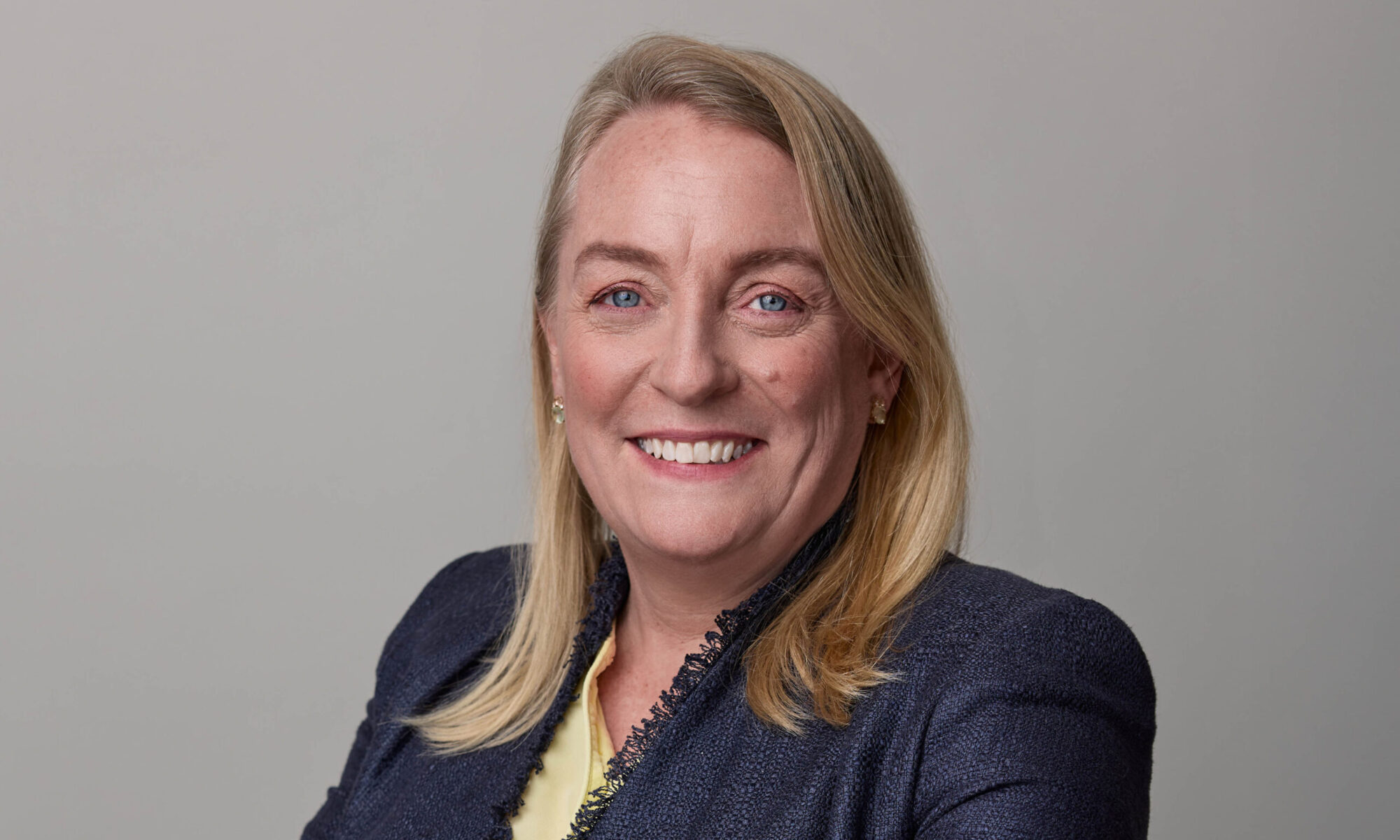
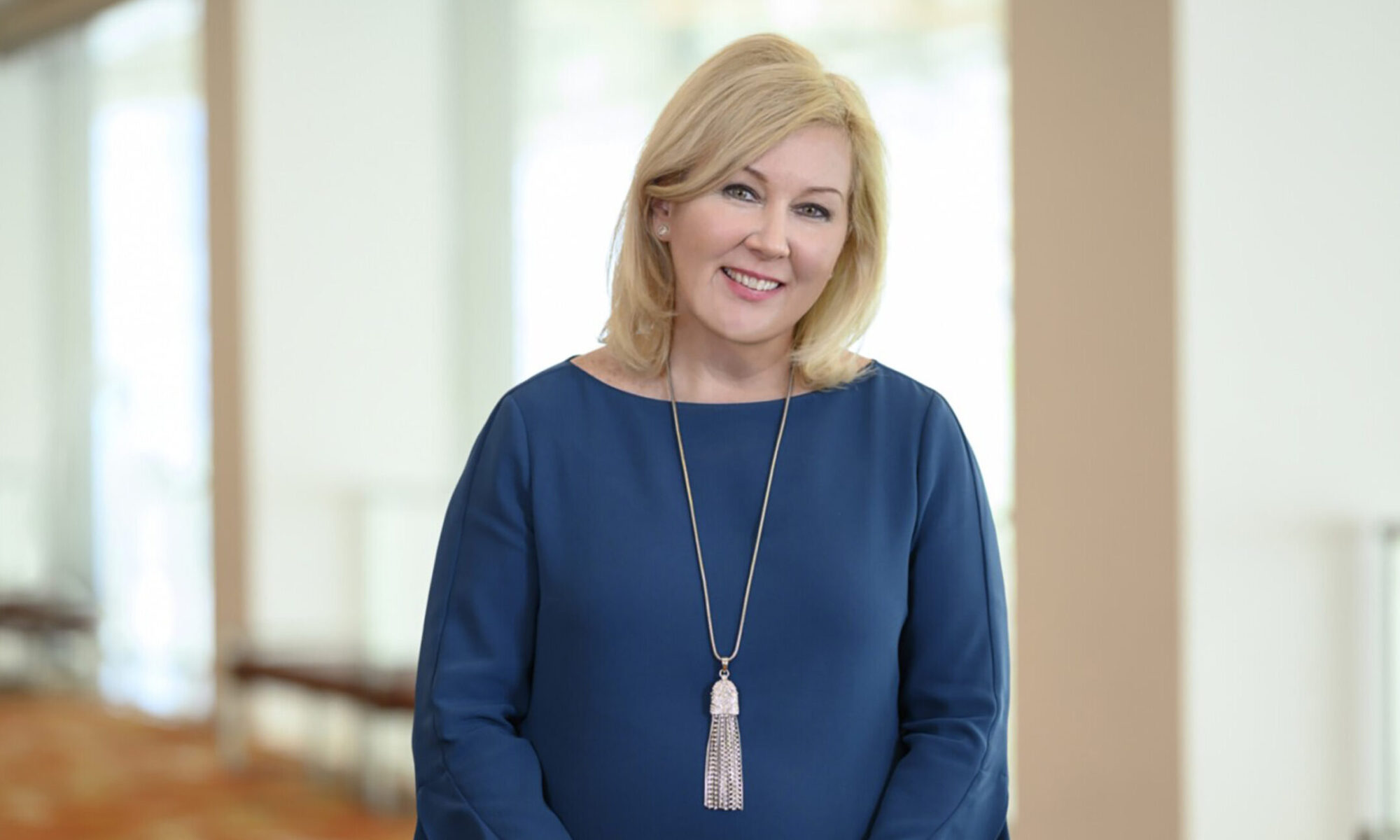
Sophie Eyre (pictured), who co-leads the firm’s international dispute resolution group alongside Jonathan Speed, attributes this to two deliberate features of the practice: deep sector expertise at junior level and intentionally lean teams.
Rather than operating a broad disputes pool, Bird & Bird channels associates into sector groups as they progress, allowing them to build specialist knowledge early. The result, Eyre says, is that ‘associates become the market‑leading lawyers in that particular sector,’ a distinction she considers especially valuable given the soaring cost of commercial litigation in the City. ‘For clients, anyone can be a good litigator. It’s being a good litigator with the sector expertise that makes the difference.’
This structure also accelerates responsibility. Associates ‘are able to run cases at an earlier stage, rather than being a cog in a large wheel,’ she explains. That approach was reflected in a recent win in the Commercial Court, in which all claims against five Bird & Bird clients were dismissed in a wide-ranging fraud case brought by the ultra-high-net-worth Montezemolo family over €50m invested in an online fund.
The team – led by Eyre, alongside senior associate Matt Pack (who was subsequently promoted to legal director), associate Stephen Allen and a trainee – illustrated the model in practice.
For Eyre, this level of autonomy is a key reason the firm retains its talent. ‘We do not haemorrhage associates to other firms,’ she says. In fact, she claims the opposite is true: ‘There are a lot of associates clamouring at our door, particularly from the magic circle.’
 Quality of partners
King & Spalding’s commercial litigation team is also highly rated, ranking top for partner quality, ahead of Hogan Lovells and Macfarlanes in second and third.
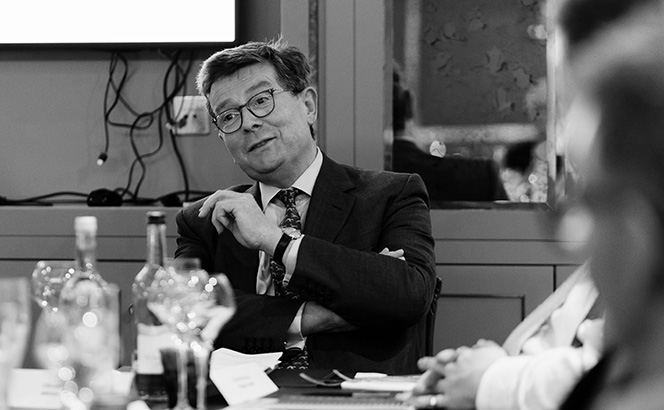
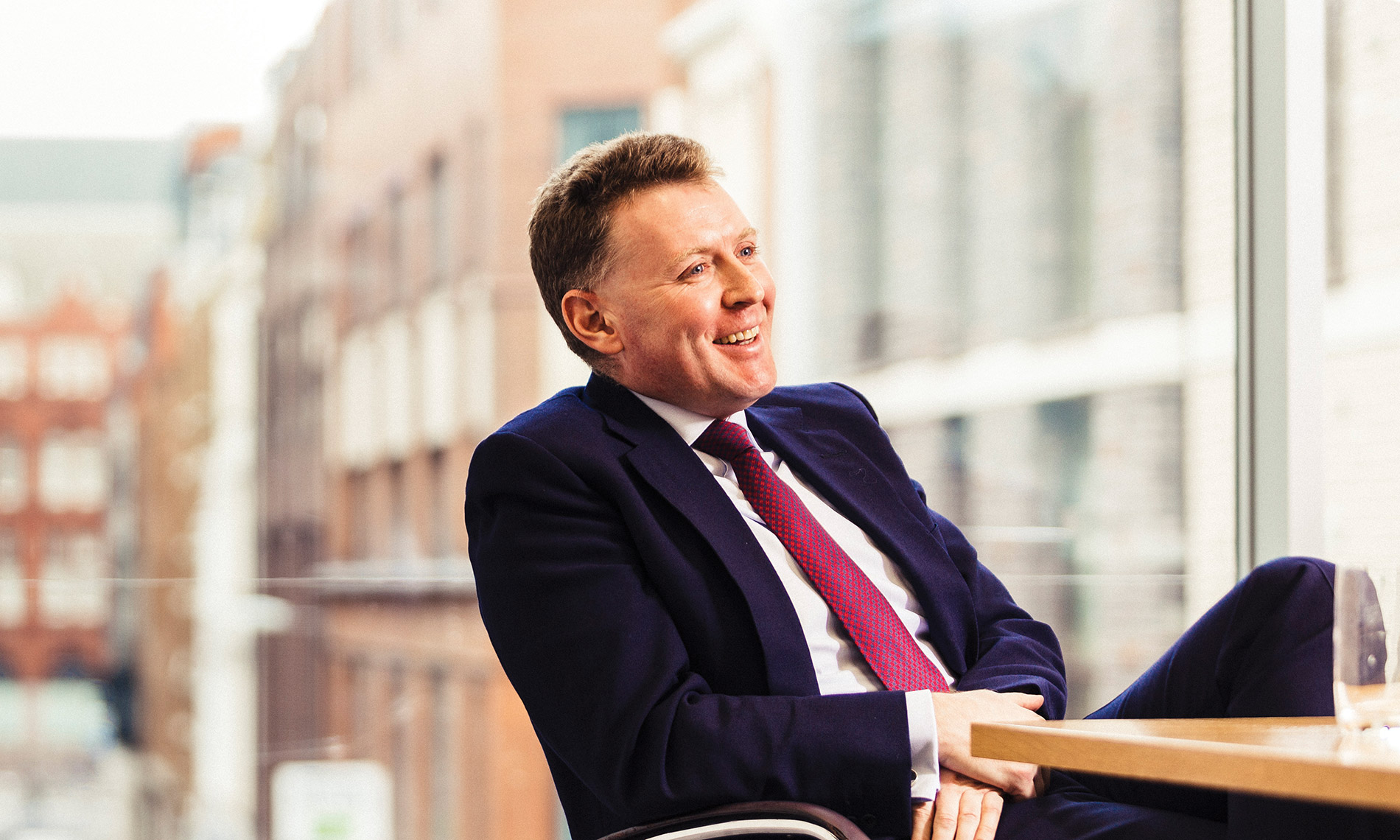
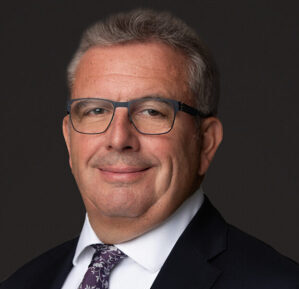
The group is co-led by London managing partner Tom Sprange KC (pictured) and Sarah Walker, and its 12‑partner bench includes four silks – an asset Sprange sees as a defining advantage. ‘Clients like the fact that the people who have the case on the first day are the same all the way through to the final closing arguments,’ he says.
Fellow disputes partner Sarah Walker says of the feedback: ‘We’re very hands-on; we are very much on the front line. Clients have access to partners all the time, and that is the value to them.’
Sprange notes how the role has evolved: ‘When I first started, partners were very grand. They didn’t get their hands dirty. I think that has completely flipped around.’
The firm added to its bench of London litigators last year with the hire of A&O Shearman partner Jonathan Swil, and secured successful results in a series of high-profile matters. Among them was a decade-long $325m oil trading fraud dispute brought by Farahead Group Holdings and its owner John Fredriksen against – among others – King & Spalding clients Steven Kelbrick and his company Attock Oil.
The case was notable as one of the first instances of a defendant in a fraud claim successfully countersuing the original claimant. King & Spalding will continue to advise Kelbrick as he now pursues damages, with a hearing scheduled for April.
 Appropriate resourcing
Heavy-duty cases often require large teams, making appropriate resourcing critical to delivering the level of service clients expect.
On this metric, Clifford Chance receives the highest scores from clients, just ahead of Travers Smith and Hogan Lovells.
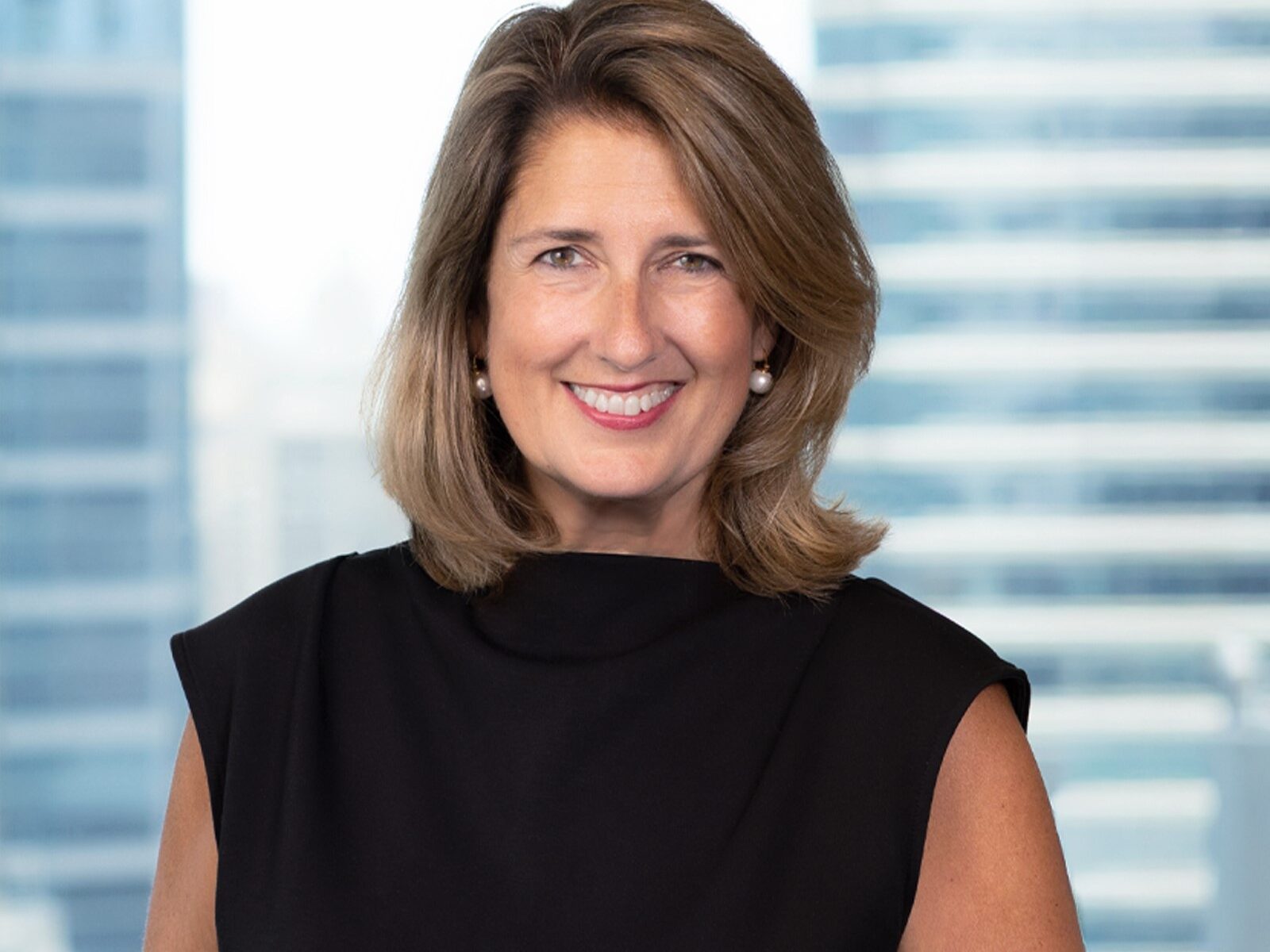
CC’s UK commercial litigation team, which includes 30 partners and 130 associates, is led by solicitor advocate Jeremy Kosky (pictured), who describes the firm’s approach to resourcing as ‘simple’.
‘We build teams with the right blend of senior insight and specialist expertise to give our clients’ advantage – with clear accountability and efficient delivery that is consistently of the highest standard,’ he says.
In 2025, the team secured victories in some of the largest claims to go through the courts, including multibillion-dollar recoveries for aircraft lessors following the detention of aircraft after the Russian invasion of Ukraine, and the defence of ING Bank in a €200m sanctions dispute. The firm has also continued its defence of Glencore in the largest active stock-drop securities class action in the UK market.
 Overall client service
Taking all metrics together – from team quality to value, billing and efficiency – to give an overall client service score, Travers Smith comes out as the highest scoring practice, followed by Hogan Lovells and CC.
Of the 15 most closely watched commercial disputes recorded in the Solomonic database, which monitors the UK’s most significant and high-profile cases, Travers is leading on three. These include representing Hewlett Packard Enterprise (HPE) in its high-profile fraud claim arising from its acquisition of Autonomy. Having won on liability, in 2025 the High Court assessed HPE’s losses at more than $1bn, making it one of the largest fraud cases heard in the UK.
Travers also represented Glencore’s former chairman, Tony Hayward, in investor claims related to the 2011 IPO. The claims against Hayward were settled, with remaining proceedings listed for autumn 2026.
The firm’s 44-lawyer dispute resolution department is led by Heather Gagen, who puts the client endorsement down to its ‘personalised’ and ‘bespoke hands-on service’ for clients.
‘I think our ability to read people empathetically is what puts us apart,’ she says. ‘As a firm and as a partner group, we are low ego. We collaborate with and listen to our clients, understanding what they want and how that might change over the course of a long-running mandate.’
Gagen also emphasises the full-service firm’s integrated approach to contentious work, citing a further 37 lawyers who do contentious work in their respective practice areas, and often collaborate with the disputes team.
‘That is one of our strengths,’ she says. This structure ensures clients ‘have access to market-leading practices across the whole of the rest of the firm.’