Angela Yuen, deputy GC of Japanese energy powerhouse JERA, has built a career spanning private practice and in-house roles across Australia, Japan, and beyond. She talks us through establishing the JERA Nex legal department in London as its first GC, and her oversight of the landmark deal combining offshore wind assets with bp.
You’ve been at JERA for almost ten years. How did you end up in the running for the general counsel role at JERA Nex?
It was a bit opportunistic, to be honest! In my role as deputy general counsel at JERA, I led global legal tech and innovation, overseeing legal functions across the company’s major subsidiaries. That included building out legal teams, recruiting talent, and aligning legal’s strategy and function with each business’s operational goals.
As part of that, I worked closely with the original JERA NEX leadership team, helping shape the legal function from the ground up. It was exciting: being involved at a strategic level, seeing both the global and regional landscape, and working closely with a wide range of stakeholders
When JERA NEX was established, I was initially tasked with helping recruit a general counsel. But as we progressed through the process and, especially during interviews, I realised this was a role I wanted to pursue myself. JERA NEX operates very much like a startup – we literally built the plane as we flew it. That meant no established systems, no large legal team– just a blank canvas. It called for someone hands-on, creative, and comfortable navigating fast-moving, unstructured environment.
We had strong interest from major corporates like BP and Shell, but our CEO was looking for something different: someone entrepreneurial, ready to roll up their sleeves and build from scratch.
After a while, the search wasn’t quite landing, and I started to seriously consider stepping forward. I had done a lot in LNG, and, for my own development, I wanted to focus more on renewables – that’s where I see the future – and London was always been on my list of places to live.
So, I had conversations with our CEO, Natalie Oosterlinck, and the executive team. It turned out to be a great fit. I already had strong ties to HQ, which proved invaluable in setting up a new business. Those relationships meant I could hit the ground running, connect the dots globally, and start building something meaningful.
Tell us deal about the deal to combine your offshore wind assets into a new with BP – it all happened very quickly, right?
Exactly. Last year was full of change. I’d just taken on the role of GC at JERA NEX, and the reason my family wasn’t with me was because the school year had already started. So we made a decision quickly. There was no time to search for schools or settle in gradually. I just dove straight in.
At first, the deal was very exploratory. It was a small group involved, namely our Chief Investment Officer, CEO, me, and a few senior execs including our global CEO. Early conversations were at a high level with BP and advisors, asking – does this even make sense?
But then it escalated fast, essentially from zero to 100. Within ten weeks we were signing.
What can you share about the experience of working with BP and how the collaboration has evolved?
Initially, I was a bit sceptical. This deal involved fully combining BP’s and our offshore wind assets into a new business. My hesitation was around culture. BP is a huge corporate with a very strong identity, and we were bringing in assets like Parkwind, our Belgian offshore wind business, which has a small, family-run feel. I was worried about the cultural clash. Plus, the offshore wind sector has had a tough time recently, with rising interest rates, volatile electricity prices, and procurement challenges. The industry is at an inflection point. Some oil majors that had shifted toward energy transition have reversed course, pulling back from renewables. And we’ve seen companies walking away from projects or consolidating portfolios.
This was a strategic decision for us. Our goal is 20 GW of renewables by 2035. By combining our offshore wind assets with BP’s, we’re now looking at a total pipeline of around 18 GW globally. Much of that is still in development, but it’s a big step. We’re now almost halfway to our target.
The fit turned out to be stronger than expected. BP brings scale — particularly in procurement, supply chain, and market access in places like the UK and Germany. We bring operational experience. We’ve delivered projects, secured leases, we know how to execute.
So as long as the numbers worked, it really made sense. In terms of offshore wind asset size, it puts us in the top three or four players globally, just behind the likes of Ørsted and RWE.
You’ve had to build a legal department from scratch, and quickly, too. What were your first priorities? And what comes next?
That creative, blank-canvas aspect was a big part of what attracted me to the role. I liked the idea of building something new, rather than stepping into a major corporate with established systems and processes.
I’ve had some experience with that before. When I joined JERA, it was at the very start of the joint venture. We had secondees from TEPCO and Chubu, and then Kenji Tagaya-san from JBIC, I came in as the ‘X-factor’ hire. Over the past nine years, I helped build the legal function there from the ground up. Japan is a very different landscape. That experience shaped a lot of my thinking, and I’ve brought that mindset with me to London.
In the UK market, you take inspiration from HQ, but you also have to tailor it to the business. It has to be fit for purpose. So, the first step is understanding the business. What’s the ambition? What are the strategic goals? And then, identify the skill sets needed.
Under legal, there are really three pillars: legal, compliance and governance. Governance was a top priority, so hiring a company secretary was one of the first moves. I also looked at existing capabilities, particularly within Parkwind, which has a strong and established legal team focused on offshore wind. That’s already about half of our business.
The other half is onshore, and for that, we needed to look ahead. What’s the best path to reaching our 20 GW ambition? It won’t be through organic development alone; M&A will be critical. So, we needed legal talent with experience in driving organic growth.
At the same time, compliance needed to be built out in parallel. You can’t treat any of the three pillars — legal, compliance, governance — as optional or secondary. They need to run in parallel.
And of course, people are everything. I’m proud of the team we’re building. It’s small but tight-knit, and we’ve been very intentional about the culture: collaboration, creativity, psychological safety, and inclusion. We’ve built a diverse team, and from the beginning I’ve been clear: we need to be a high-performing unit that is efficient, effective, and deeply embedded in the business.
Part of that means being flexible and agile, and that includes using legal tech. I’m passionate about legal tech and the digitalisation of legal functions. We shouldn’t just do things the same way because “that’s how they’ve always been done.”
When I hire, I look for three qualities: curiosity, confidence, and creativity. I want people who’ll challenge the status quo and bring fresh thinking. It’s about doing things faster, better, and smarter.
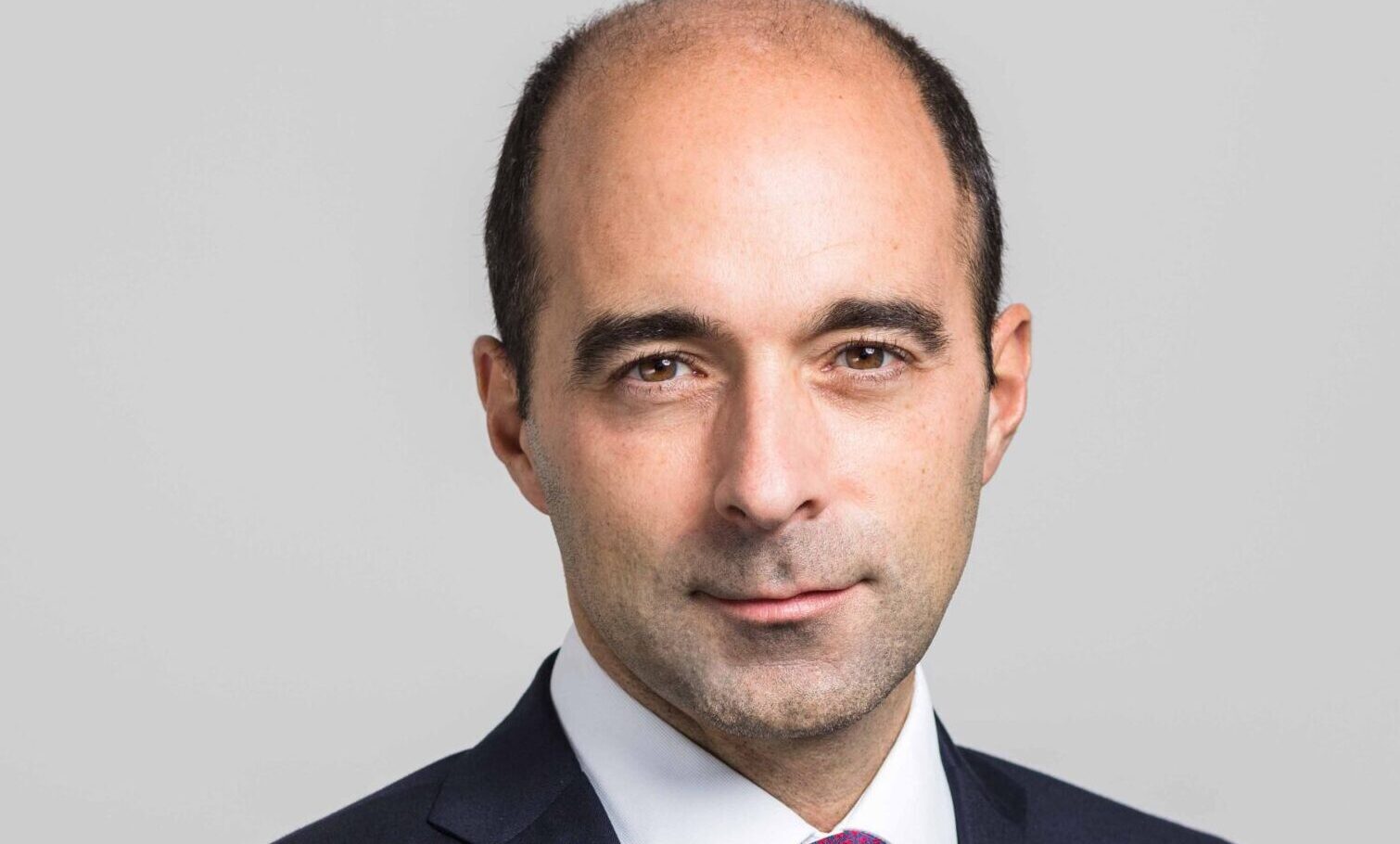

 Royo (pictured right) warns that ‘corporate counsel must be prepared to deal in a complex political and economic environment, which may impact current supply chains and increase pressure to the business due to new trade and export control restrictions.’
 In Thailand, Pajaree Thongvanit, head of legal for CIMB Thai, also cites “Trump 2.0” and the US president’s trade policies as the crucial trends in 2025 that ‘must be kept under close watch at all times.’ These developments are changing the global landscape entirely – socially, financially, and politically’, she warns.
 Fleur de Roos (pictured right), featured on our Netherlands 2025 GC Powerlist, agrees – she links increasing regulation to the diplomatic strains between Europe, the US, and Big Tech. ‘Following Mario Draghi’s report and Trump becoming president, we will see a regress of overcomplicated and layered EU regulation. The EU will try to simplify regulation to remain competitive, but will still hang on tight to its most important milestones, for example GDPR, to counter Big Tech’.
 Annemiek Meijvogel (pictured right), head of legal franchise for Inter IKEA Systems and corporate counsel in the Netherlands, observes that ‘regulatory changes are gaining momentum, and both the number of regulations and the complexity of requirements that need to be met by companies are increasing’.
 In Ecuador, Adriana Marcela Santiago Guerrero (pictured right), director of legal affairs for human resouces at Patterson-UTI International, points out that, while ESG principles have been a topic for the agenda for years now, many companies in the region still struggle with practical implementation.
 Takahiro Hasegawa (pictured right) of Uber in Japan believes that ‘one of the most significant trends [affecting in-house legal teams] is the rapid rise of generative AI’.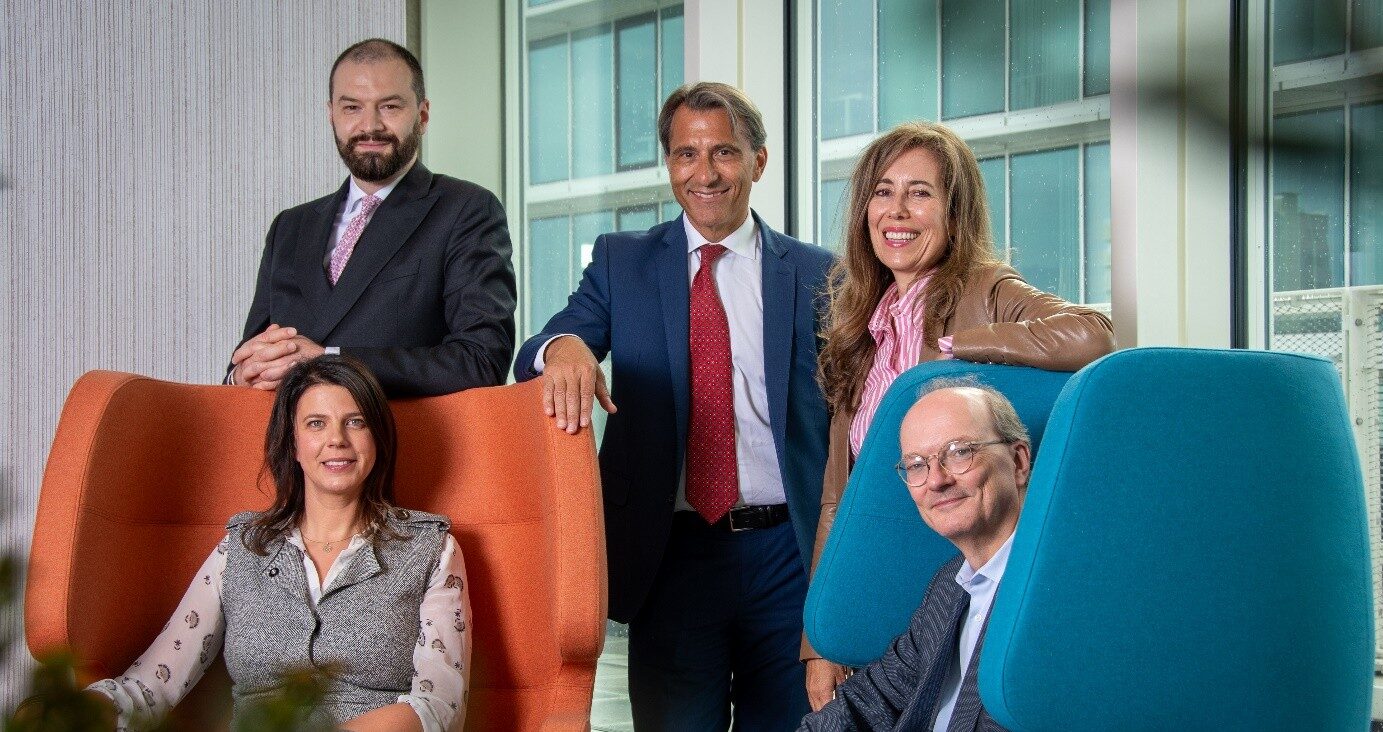



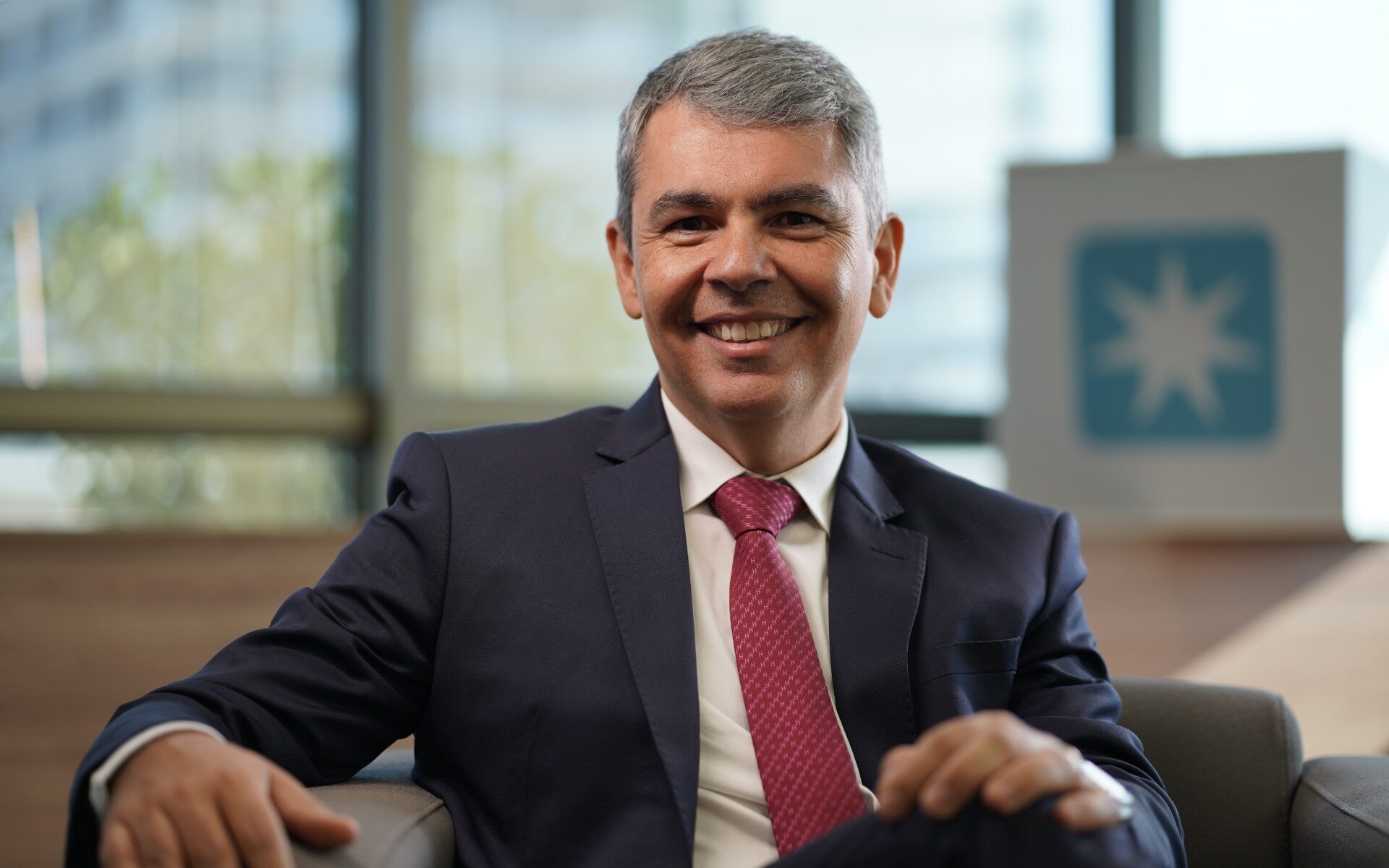


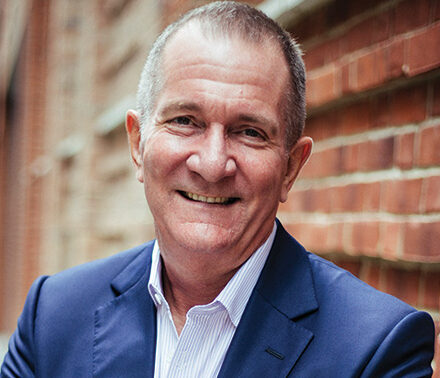 ‘There’s no question that there’s a very significant investor interest in the legal sector now, in a way that didn’t exist 12 months ago,’ says Morley (pictured). ‘Over the next 12 to 24 months, I think you’ll see a steady uptick in deals, and likely some larger £100m-plus firms coming to market.’
 MacPherson (pictured) draws parallels with accountancy, which has seen private equity interest rapidly gather pace over recent years.