
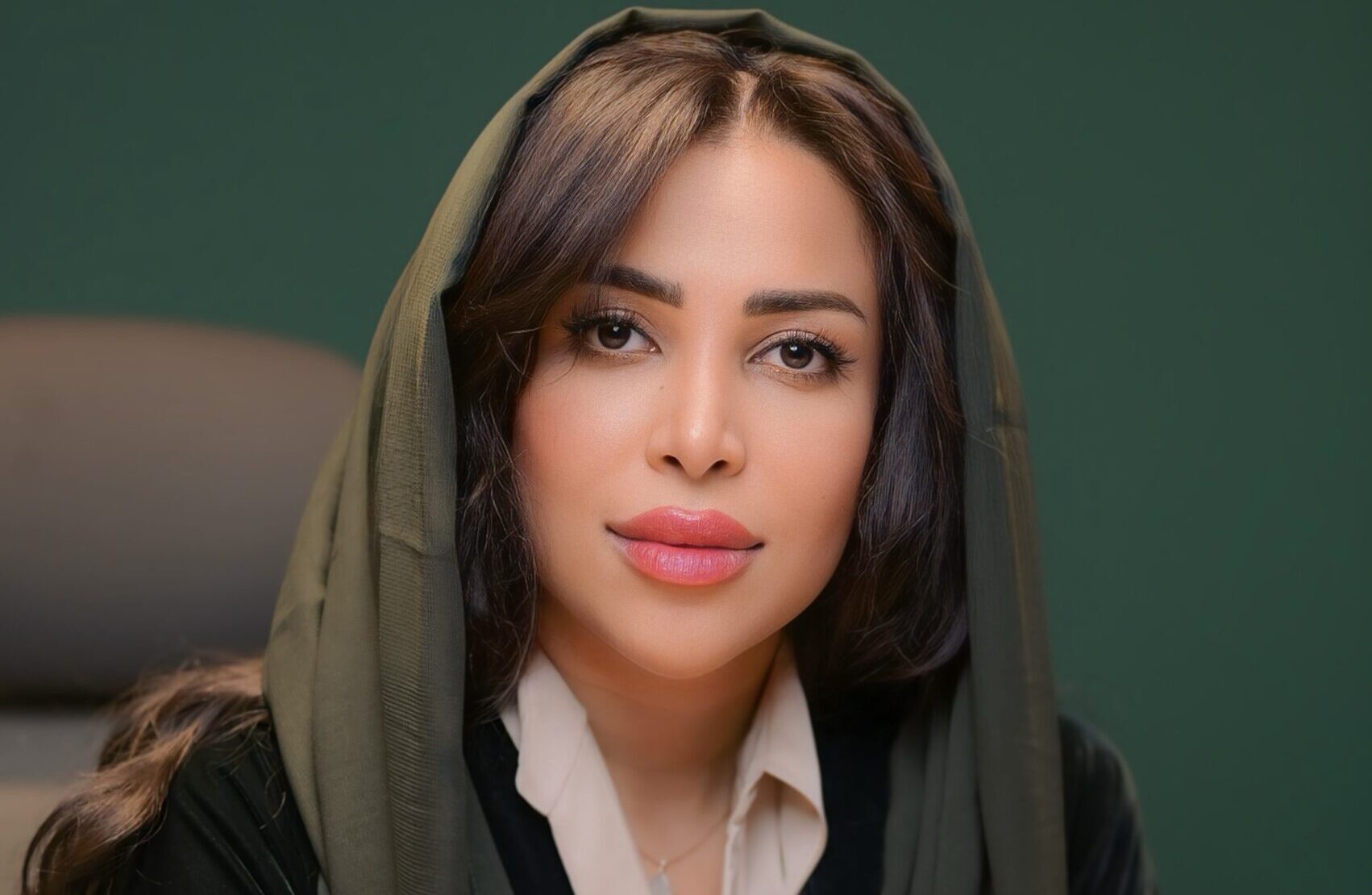
Atheer Al BinAli heads up the legal team at Badael – a company which supports individuals to quit smoking by providing tobacco-free alternatives. Here, she discusses the scope of her role, the impact of Vision 2030 on business, and the rise of women in the Saudi legal profession
What are your responsibilities as chief legal officer at Badael, and how your role has evolved with the company’s growth?
From the outset, my role at the company has been strategic, with a strong focus on legal and regulatory leadership. I was tasked not only with steering the company through a complex regulatory environment, but also with building the legal function from the ground up. This meant designing the department’s structure, defining its mandate, and putting together a talented and powerful team capable of supporting the business through every stage of growth.
My responsibilities span a wide range, from product classification and regulatory advocacy to managing cross-border legal matters and engaging with authorities both locally and internationally. At Badael, legal is not seen as a reactive function, but as a proactive partner in progress, driving compliance, enabling market entry, and contributing to the company’s long-term vision.
With the rapid regulatory changes driven by Saudi Arabia’s Vision 2030, how do you ensure that Badael remains compliant and is able to adapt to new legal requirements?
Vision 2030 has accelerated regulatory transformation across all sectors, including ours. At Badael, we stay ahead by maintaining direct and ongoing engagement with regulatory bodies and ensuring our legal and operational strategies are aligned with the latest developments.
Compliance is built into the way we operate — from product design to market entry — allowing us to adapt quickly and effectively as new requirements emerge. This proactive mindset enables us to navigate change with agility and confidence.
How do you align regional compliance efforts with global regulatory frameworks?
Our approach is to build a regulatory foundation that is both locally rooted and globally aware. We benchmark against international best practices, especially in areas like product classification, labeling, consumer safety, and data protection.
When entering new markets, we work with local counsel to localise our compliance efforts without compromising the standards we’ve set internally. This hybrid approach allows us to scale responsibly and maintain credibility with regulators and partners around the world.
Vision 2030 encourages increased foreign investment. How have international partners responded to this initiative, and what challenges or opportunities have you come across when working on a cross-border basis?
Vision 2030 has sent a clear message to the global community: Saudi Arabia is open for business, innovation, and partnership. International partners have responded with growing interest and enthusiasm, especially in sectors aligned with sustainability, health, and technological advancement. At Badael, we’ve seen this first-hand through increased dialogue with global stakeholders who view the Kingdom as a promising and evolving market.
That said, cross-border collaboration always brings a degree of complexity, particularly when navigating regulatory inconsistencies, legal interpretations, and varying approval timelines. One of the main challenges lies in bridging the gap between local regulatory frameworks and global expectations.
We’ve moved from the margins to the center of leadership conversations
But this is also where the opportunity lies. These collaborations allow us to co-create solutions, elevate standards, and push for greater alignment. With the right legal structure, clear communication, and shared vision, cross-border partnerships become not only possible, but also incredibly impactful.
As a female leader in a traditionally male-dominated field, what has your experience been like, and how have you seen the legal profession evolve in Saudi Arabia?
It has been a truly empowering journey. Being a woman in the legal profession in Saudi Arabia is no longer about breaking barriers — it’s about building new ones. Vision 2030 has been a game-changer, not only in diversifying the economy but in actively championing the role of women as vital contributors to the Kingdom’s transformation.
We’ve moved from the margins to the center of leadership conversations. The legal profession, once dominated by men, is now witnessing a steady rise in the number of highly capable, ambitious Saudi women taking charge — in firms, in-house roles, and even on corporate boards. The Kingdom has placed its trust in the potential of women, and we’re delivering results that speak for themselves.
Is there any advice you would give to other Saudi women aspiring to enter the legal sector or to leadership roles?
Believe that you belong — not in the future, but right now. Vision 2030 has laid a solid foundation for Saudi women to lead, innovate, and make meaningful impact. Take up space, speak up, and don’t shy away from opportunities simply because the path hasn’t been walked before.
Invest in your knowledge, stay curious, and surround yourself with people who challenge and uplift you. The Kingdom believes in your potential — now it’s your turn to believe in yourself.