
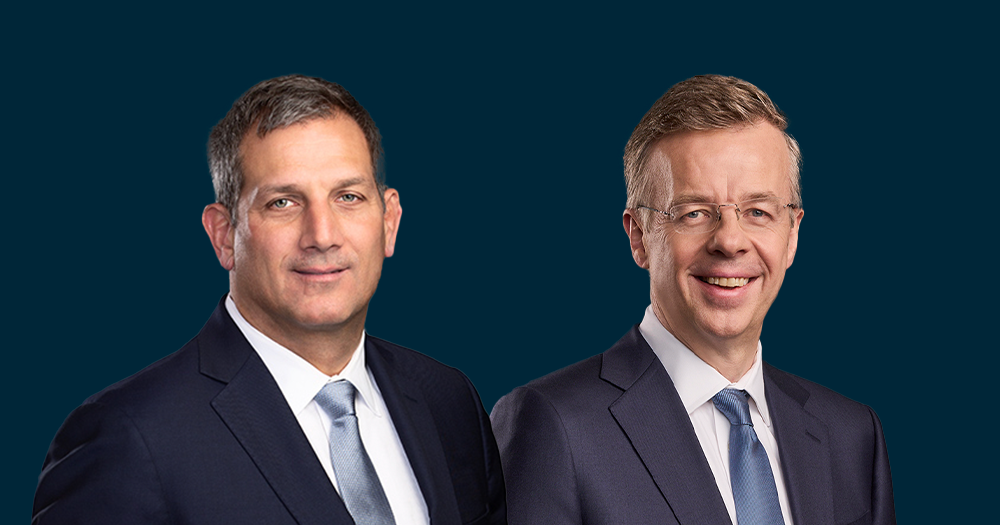
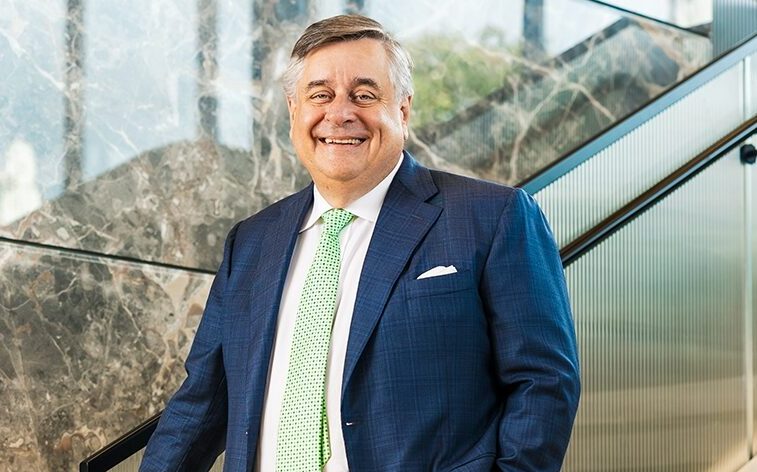
‘We’re trying to realise our untapped potential,’ says DLA Piper’s co-CEO and international managing partner Charles Severs (pictured right) as he frames the rationale behind the sweeping governance overhaul that is set to take the transatlantic firm closer to global integration than ever before.
Subject to partner approval, the firm is set to dissolve its long-standing Swiss verein structure and introduce a new global holding entity and governance team that will sit above its existing US and International LLPs. Severs and his fellow co-CEO Frank Ryan (pictured left) will serve as global co-CEOs, with Ryan additionally serving as global chair, and the firm will also move to align partner compensation and incentive schemes.
If approved, the overhaul will take effect from 1 May, with the firm also moving to a US calendar year-end from 1 January 2027. At least 75% of the international partnership and a weighted 66% of the US partnership must vote in favour of the overhaul, with the vote set to run over two weeks in April.
Talking to LB about the changes, Severs said that while the firm has already built a powerful international brand and client base, it has lacked the global alignment needed to fully capitalise on its scale.
‘We’ve built a global brand, built great clients and done great work but we haven’t done everything that we could have. Things like a single unified leadership team, or a compensation system that incentivizes across the whole firm for global behaviours. If we can drive quick decision-making and align incentives, then the opportunity for a firm like ours, compared to the mergers happening at the moment, is significant.’
New-York based Ryan said that having a global governance structure with leaders from across the business will ensure DLA operates more cohesively going forward.
‘This is a complete integration of strategy, of direction, of leadership. What’s important is that the roles we are creating are global roles. It won’t be each side of the institution managing its own business and then getting together, which is what the verein was. We had two businesses that came together effectively at times but they weren’t constantly looking at global opportunities through a single lens. And we’re going to get a chance to do that now. We’re optimistic about what that will yield.’
What won’t be happening as part of this overhaul is a single global profit pool, although the pair do not rule this out in the future. It will, however, usher in a new partner compensation and incentives model that will bring international partners closer to the system already in use in the US.
Severs had been considering compensation for the international partnership for months and had spent time looking at the system already in place in the US before the latest plans were announced to partners. A full consultation with partners on changes to partner credits will take place later this year.
‘There are certain things that the US currently do in terms of the comp process – the speed of it, the way they do a full review every two years – that we liked,’ he said. ‘I think where we’ll end up is a hybrid; both comp systems will change but it will be closer to the current US system than ours.’
‘We know the legal market isn’t standing still, but we believe that we can absolutely set ourselves apart’
Both Severs and Ryan are keen to stress that the new system will make it easier to stay competitive as well as to reward collaborative behaviour.
‘It’s going to be fairer, and it’s going to be more transparent, and it’s going to be simpler,’ said Severs.
Ryan continued: ‘We will have a comp system that rewards collaborative behaviour, no matter where that is around the world. It is designed to recruit and to retain the best talent in the world. One of the core things that we need to do is get people out of silos working together. It’s critical. And so your system, your compensation system, must reward people who do that. Must reward people who work together, who collaborate, who are entrepreneurial, but also bring others in. That’s the system we’re going to design. That’s the behaviour we’re going to reward.’
The proposed governance model would also formalise a global leadership team combining senior figures from both sides of the business. Under the plan, other members of the leadership group would include US vice chairs Loren Brown and John Gilluly, global managing partner Rick Chesley, deputy managing partner Sandra Wallace in Birmingham, and managing director for clients Ben Parameswaran in Hamburg.
Severs said that having a single leadership team focused on the interests of the entire firm would make it easier to act decisively, acknowledging that the the firm has not always been as joined up as it could have. ‘Having a single management team, making decisions for the benefit of the global firm will make it easier to do the right thing,’ he said.
In addition to greater alignment on strategy the firm will also be able to make investments on a global basis.
‘We will be aligned on investments and you’ll start to see us investing in talent on a global basis for the first time,’ said Severs. ‘It will show what we can achieve and the attractiveness of our platform to global talent. We’ll be creating investment pools for strategic investment in say talent or technology. I think one of the bellwethers for law firms in this world is, are you a destination for talent?’
While some international firms have been reconsidering the extent of their global expansion, Ryan said that DLA has no intention of retreating from its scale, or closing offices.
‘Our global reach and capabilities are a significant advantage to our clients,’ he said. ‘Having deep, deep, domestic expertise in this world is critical to being able to serve clients in this more fractured world, as globalisation is under pressure. We don’t think anyone’s positioned like we are to do that.’
Severs agrees, arguing that the overhaul should make it easier for the firm to succeed in an increasingly competitive legal market.
‘By ensuring that people are engaged and incentivised for their global performance we think our ability to do more work for existing clients and to get new clients and new work is accelerated. The reality is we know the legal market isn’t standing still but we believe that we can absolutely set ourselves apart, even in a market as fast moving as this, and that is exciting.’

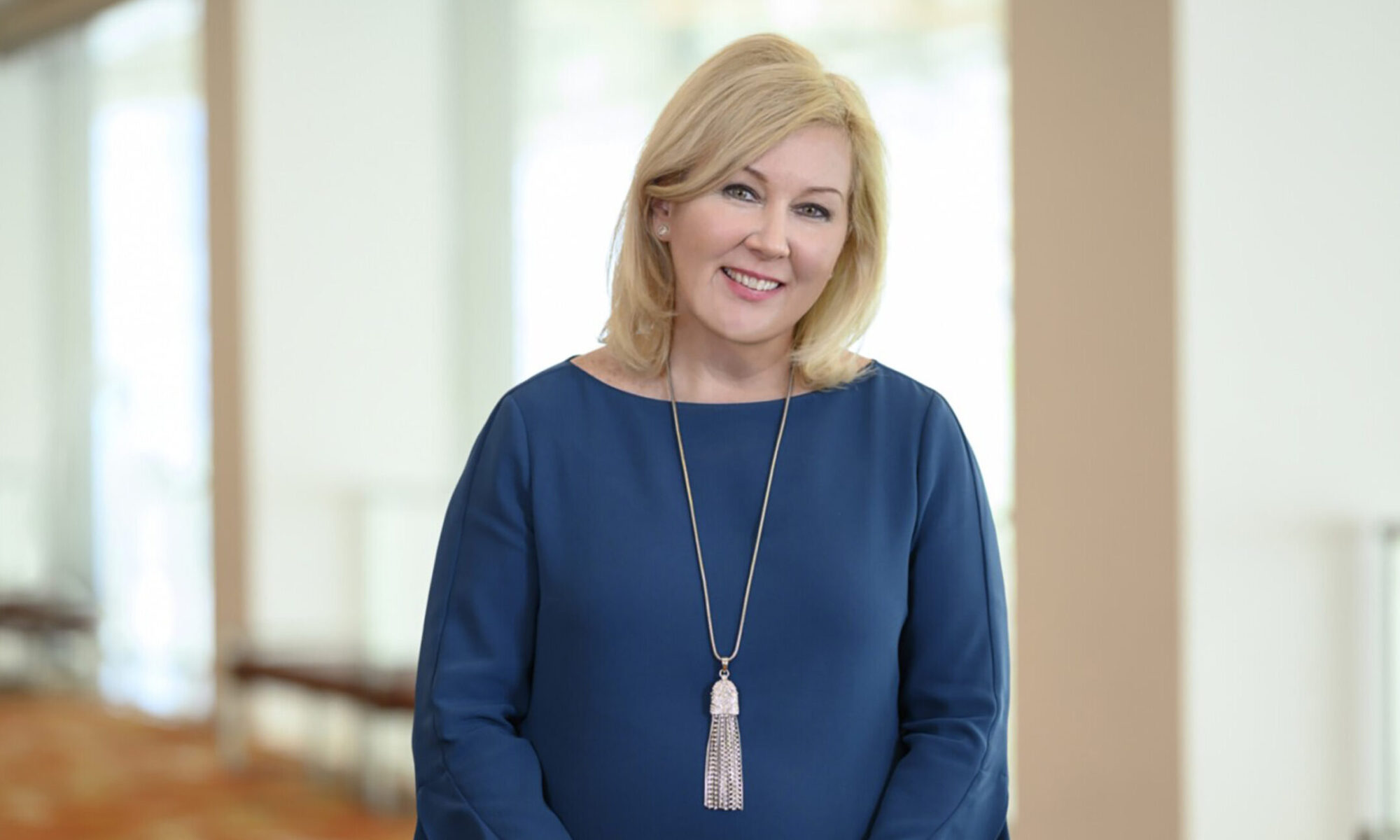



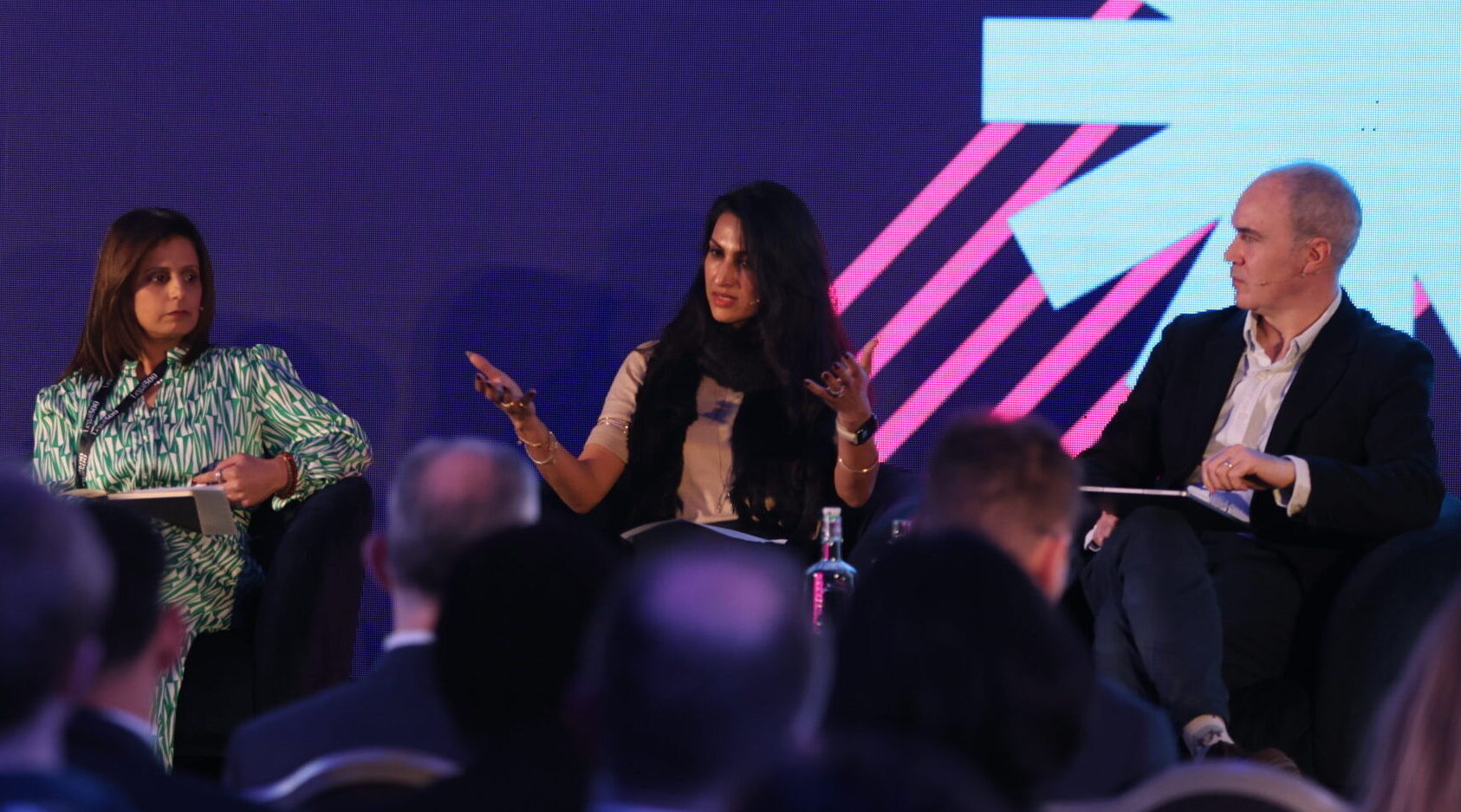
 The discussions reflected how rapidly the external environment is reshaping the demands placed on in-house legal teams, with a big-name line-up of panellists sharing their perspectives.
 The afternoon also saw a frank and open discussion between Smith & Nephew group GC Helen Barraclough and her go-to outside counsel, Reed Smith partner Ben Koplin (pictured), who examined the ins and outs of a productive adviser-client relationship and what GCs can do when expectations of external counsel are not being met.
 The afternoon featured a keynote speech from Sarah Wynn-Williams (pictured), former director of global public policy at Facebook, as well as a crisis management session



 While flexible and hybrid models are becoming increasingly embedded at large firms, cultural expectations at home have not shifted as quickly.
 only come through consistency.

 Hong Kong
 Beijing
 Paris
Paris Brussels
 Singapore






 Leaders at Ireland’s ‘Big Six’ – A&L Goodbody, Arthur Cox, Matheson, McCann Fitzgerald, Mason Hayes & Curran and William Fry – all agree that 2025 was a strong year for the domestic market, with international firms that have joined the Dublin fray in recent years also commenting on the draw of the Irish market for international opportunities.
 Moore (pictured) continues: ‘We definitely saw the classic phrase of ‘when the US sneezes, the world catches a cold’ being exacerbated last year. Liberation Day and the application of tariffs spooked an awful lot of people, but actually the world just got on with things again.
 ‘It’s very possible we’ll continue to see smaller mid-market mergers into the future’, comments Widger, ‘not necessarily to become challengers to the bigger firms, but in order to be more efficient and economic, and ensure a better offering for a certain segment of the market’.
 ‘While some of the leading firms in the market had already adopted automation products, the focus has turned to generative AI products, especially at the higher end of the market’, comments Keogh. ‘That being said, firms are aware of the issues around confidentiality and other potential pitfalls, including the quality of the work generated, so everyone is at their own stage on the AI journey’.