Earlier this month, Paul Weiss made waves in the Washington DC market with its hire of a three-partner antitrust team from A&O Shearman, led by global antitrust head David Higbee and including partners Ben Gris and Djordje Petkoski.
The hires were the latest moves in a practice that has been busier than ever in recent years, with the Biden administration overseeing a surge in regulatory scrutiny that encouraged firms to build their benches.
‘The antitrust market has been very active’, says Barry Nigro, global chair of Fried Frank’s antitrust and competition department. ‘It is a critical complement to any firm that wants to be active in M&A. While the market [this year] started slower than some were expecting, there’s a recognition that it will be very active, and antitrust will be a critical part of getting deals done.’
Higbee explains his move to Paul Weiss with reference to this high level of activity. ‘Dealmaking has been active, and at the same time, regulatory uncertainty is driving the need for sophisticated, commercial antitrust counsel’, he says. ‘In addition, most companies that aren’t currently pursuing deals are actively analysing strategic opportunities, which further fuels the demand for antitrust expertise to navigate potential regulatory challenges.’
It’s a position supported by Michael Keeley, chair of the antitrust practice at boutique firm Axinn, Veltrop & Harkrider, who says that antitrust looks set to remain busy across Washington, New York and California.
He points out: ‘There is a long-term trend towards more government intervention, in the US and elsewhere. M&A has picked up after a bit of a pause in the first quarter. The overall tide is rising in M&A, and that means more work in antitrust as well.’
An antitrust head at another top 100 US firm notes that lateral partner hiring in Washington DC, in particular in practice areas like antitrust that require high levels of interaction with government agencies, ‘comes in waves’ around changes in administration.
‘When there’s a change in administration, a lot of people come out of government and return to private practice’, they say. ‘You see a lot of moves at these moments, but then it gets quieter and it settles down into the more regular routine, where people get calls from headhunters and consider whether an individual move is right for them.’
‘Clients are willing to pay top dollar for the best people to represent them in merger reviews and bet-the-company litigation’
Stephen Springer, a managing partner in the Washington DC partner practice group at Major, Lindsey & Africa, explains: ‘Antitrust is a very natural fit for top M&A firms, because they have gigantic corporate practices that throw off a lot of work.’
Compared to other practices that may be more billing rate sensitive, he notes that antitrust ‘matters are often significant enough that clients are willing to pay top dollar for the best people to represent them in merger reviews and bet-the-company litigation.’
For Paul Weiss, the competition team hire comes after the firm saw a number of exits in Washington DC in the wake of the firm becoming the first to strike a deal with the Trump administration. These exits included the June departure of a four-partner team led by litigation co-chair Karen Dunn to form disputes boutique Dunn Isaacson Rhee.
While some in the market have speculated that the latest hires have been partly driven by a need for Paul Weiss to ‘backfill’ talent, others, including partners within the firm, support the assessment that they are unrelated, pointing out that the departing partners were general litigators not antitrust specialists. ‘Paul Weiss is a very substantial M&A firm’, says one partner. ‘It’s not surprising that they’re adding people in antitrust.’
Springer notes that the hires fit a pattern in the market: ‘Many New York firms have been in the DC market for some time, but their interest in making lateral acquisitions has dramatically increased over the last few years.’
A matter of commitment
A&O Shearman has seen a run of departures since it completed its transatlantic merger in May 2024. Notable US exits in the last year include global investigations and white-collar co-head David Esseks, who left alongside fellow litigation partner Gene Ingoglia in July, while US securities and shareholder litigation co-head Agnès Dunogué moved to Freshfields.
Other departures include US head of financial services regulatory Barbara Stettner, who left the firm’s Washington DC office for Sidley Austin in May, as part of a nine-lawyer move.
Higbee’s departure sees A&O Shearman lose its only Washington DC-based individual partner ranking for merger control in the US Legal 500. The firm still has one leading partner ranked for merger control, however, with New York partner Jessica Delbaum, ranked and well regarded by peers.
Rivals are divided over the significance of Higbee’s exit. ‘It’s not new or different’, says one antitrust head. ‘This happens, especially when law firms go through mergers.’
But another argues that the firm will need to rebuild the practice in Washington. ‘A&O Shearman has a big platform’, they say. ‘It’s a question of, how much of a commitment are you willing to make? If they’re willing to commit to it, the firm could be an attractive platform for someone to build a practice.’
‘We are always opportunistic about bringing in the best talent’
The question of commitment looms large for all firms given the amount of consolidation in the market. ‘There’s a growing concentration of M&A work in fewer and fewer firms, and that’s leading to a consolidation of antitrust work on those deals’, says Keeley.
Many predict this will drive work towards either top-tier global elite firms or highly specialised boutiques, leaving more mid-sized practices struggling.
‘We’re seeing more and more work at Axinn’, maintains Keeley, ‘as clients want to use us as a high-end and very large antitrust team alongside their M&A firm.’
For its part, Paul Weiss argues it is ready to meet the moment. ‘We are committed to investing in the practice and attracting the most talented lawyers to deliver exceptional results for our clients’, says global antitrust co-chair Scott Sher.
‘While we don’t comment on specific hiring plans, we are always opportunistic about bringing in the best talent.’
Washington DC antitrust partner hires January 2025-present
| Name | Firm | Previous role | Date |
|---|---|---|---|
| Kathy O’Neill | Fried Frank | Partner, Cooley | March 2025 |
| Rahul Rao | White & Case | Deputy director, Bureau of Competition, FTC | June 2025 |
| Marin Boney | Freshfields | Partner, Kirkland & Ellis | May 2025 |
| Andrew Forman | Latham | Deputy assistant attorney general, Antitrust Division, DOJ | June 2025 |
| Henry Liu | Covington | Director, Bureau of Competition, FTC | July 2025 |
| David Higbee | Paul Weiss | Global head of antitrust, A&O Shearman | September 2025 |
| Ben Gris | Paul Weiss | Partner, A&O Shearman | September 2025 |
| Djordje Petkoski | Paul Weiss | Partner, A&O Shearman | September 2025 |
| John Elias | HSF Kramer | Deputy assistant attorney general, Antitrust Division, DOJ | October 2025 |

 Burges Salmon
 Osborne Clarke
 Russell-Cooke
 Taylor Wessing

 Anglo American
 Banco Santander
 BT
BT Newcastle United Football Club
 PepsiCo UK
 Rolls-Royce



 Royo (pictured right) warns that ‘corporate counsel must be prepared to deal in a complex political and economic environment, which may impact current supply chains and increase pressure to the business due to new trade and export control restrictions.’
 In Thailand, Pajaree Thongvanit, head of legal for CIMB Thai, also cites “Trump 2.0” and the US president’s trade policies as the crucial trends in 2025 that ‘must be kept under close watch at all times.’ These developments are changing the global landscape entirely – socially, financially, and politically’, she warns.
 Fleur de Roos (pictured right), featured on our Netherlands 2025 GC Powerlist, agrees – she links increasing regulation to the diplomatic strains between Europe, the US, and Big Tech. ‘Following Mario Draghi’s report and Trump becoming president, we will see a regress of overcomplicated and layered EU regulation. The EU will try to simplify regulation to remain competitive, but will still hang on tight to its most important milestones, for example GDPR, to counter Big Tech’.
 Annemiek Meijvogel (pictured right), head of legal franchise for Inter IKEA Systems and corporate counsel in the Netherlands, observes that ‘regulatory changes are gaining momentum, and both the number of regulations and the complexity of requirements that need to be met by companies are increasing’.
 In Ecuador, Adriana Marcela Santiago Guerrero (pictured right), director of legal affairs for human resouces at Patterson-UTI International, points out that, while ESG principles have been a topic for the agenda for years now, many companies in the region still struggle with practical implementation.
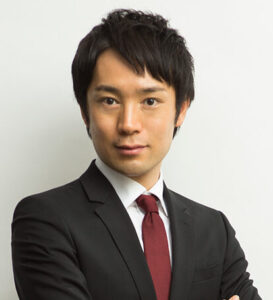 Takahiro Hasegawa (pictured right) of Uber in Japan believes that ‘one of the most significant trends [affecting in-house legal teams] is the rapid rise of generative AI’.
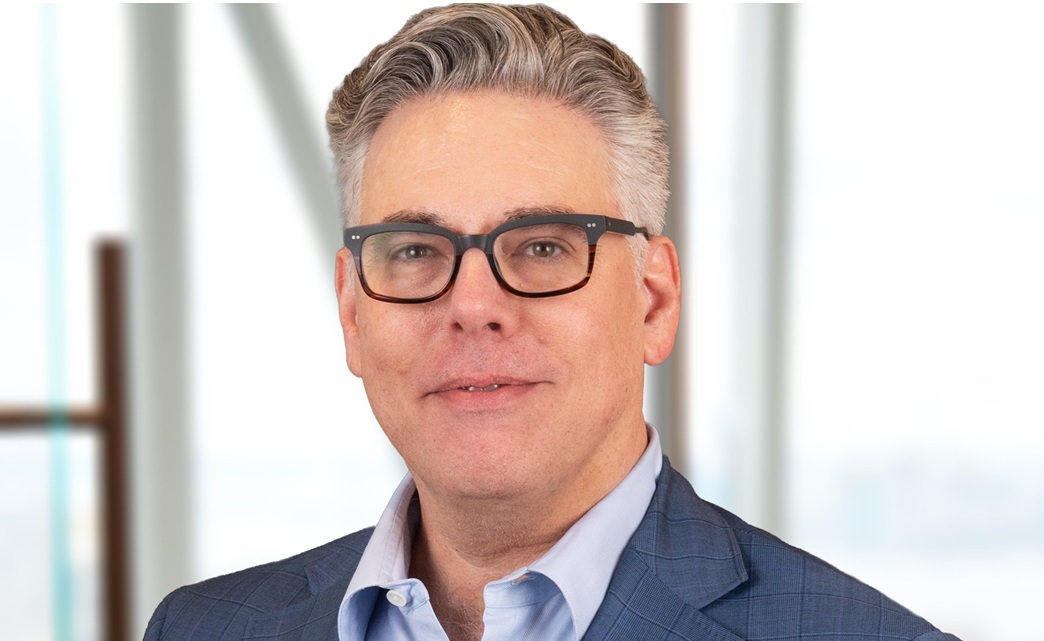



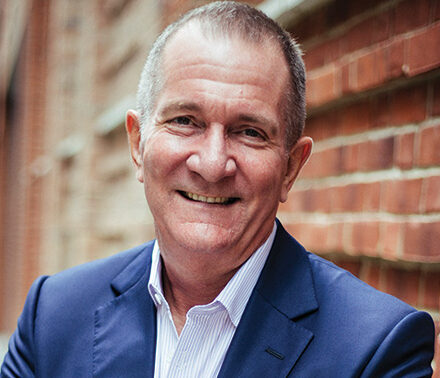 ‘There’s no question that there’s a very significant investor interest in the legal sector now, in a way that didn’t exist 12 months ago,’ says Morley (pictured). ‘Over the next 12 to 24 months, I think you’ll see a steady uptick in deals, and likely some larger £100m-plus firms coming to market.’
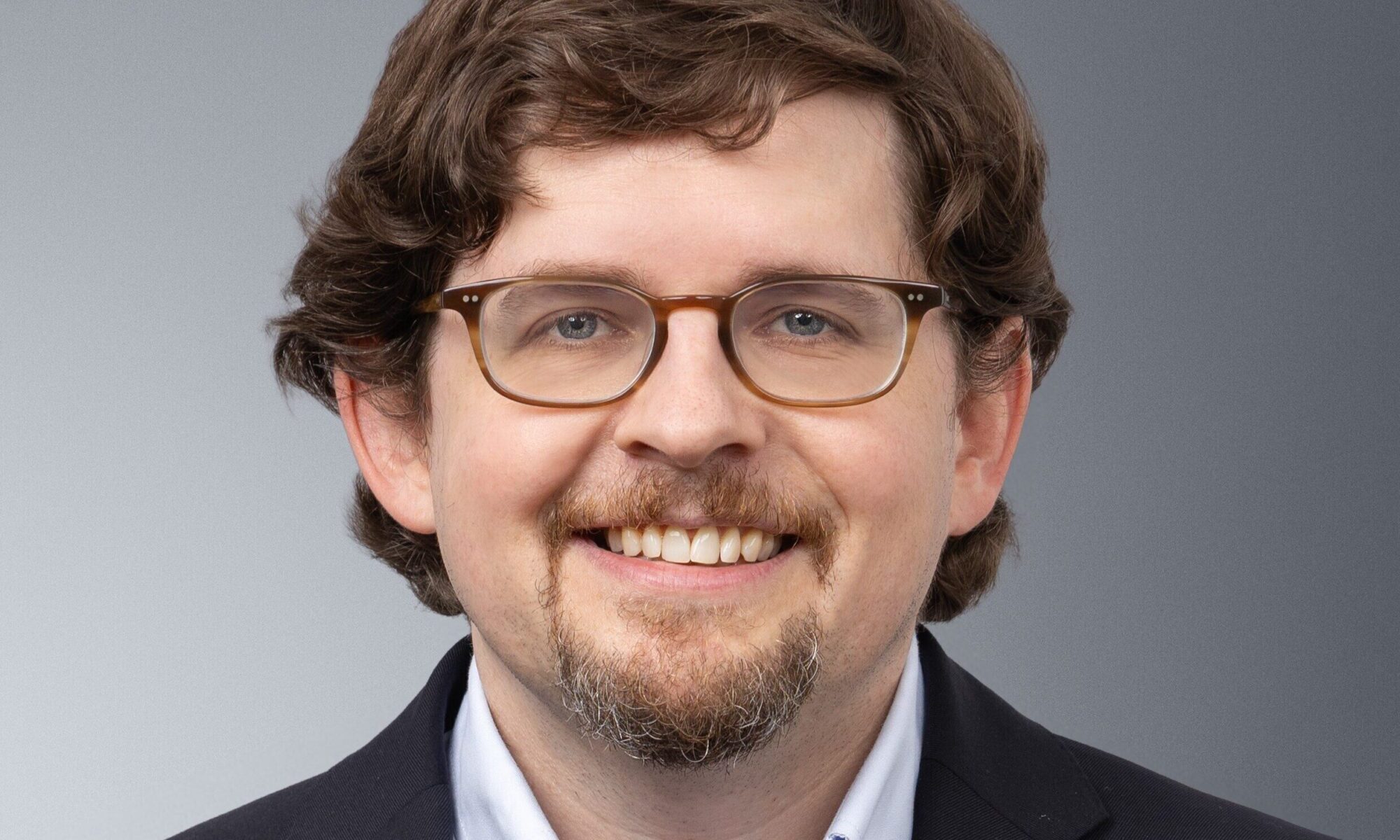
 MacPherson (pictured) draws parallels with accountancy, which has seen private equity interest rapidly gather pace over recent years.