
The technology behind global e-rental service Airbnb is transforming the accommodation and tourism industry in Italy. As regulators struggle to keep up, Harveen uncovers what in-house teams are doing to assist, while ensuring their businesses remain running. Continue reading “Up in the air”
Made in Italy
Running the legal department for one of the most recognisable luxury fashion brands in the world is not all glitz and glam. Harveen learns about how the industry’s leading in-house lawyers overcome challenges arising from advertising, copyright and counterfeit.
Revolving doors: Latham revisits CC for finance hire as DLA recruits BCLP duo in London
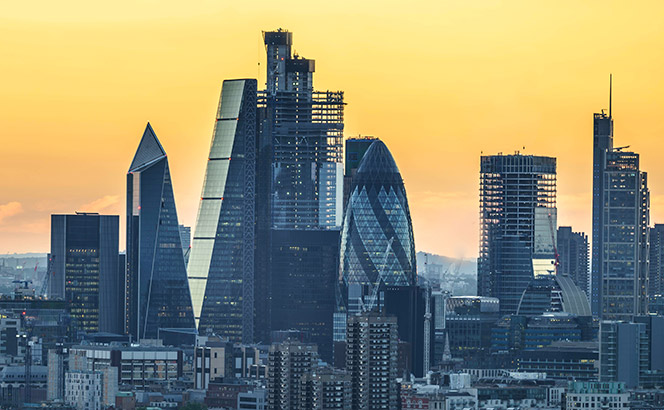
Defying the pre-Christmas lull in City laterals, Latham & Watkins last week returned to Clifford Chance to bolster its finance bench as DLA Piper expanded its infrastructure disputes team with a double hire.
Latham hired CC infrastructure and real estate veteran Stephen Curtis to its London finance team. Curtis, who had been at the Magic Circle firm since 1991 and a partner since 2000, advises on structured finance transactions in the regulated utility, infrastructure and real estate sectors, as well as corporate securitisations. Continue reading “Revolving doors: Latham revisits CC for finance hire as DLA recruits BCLP duo in London”
Ballheimer announces surprise retirement as A&O leadership race heats up
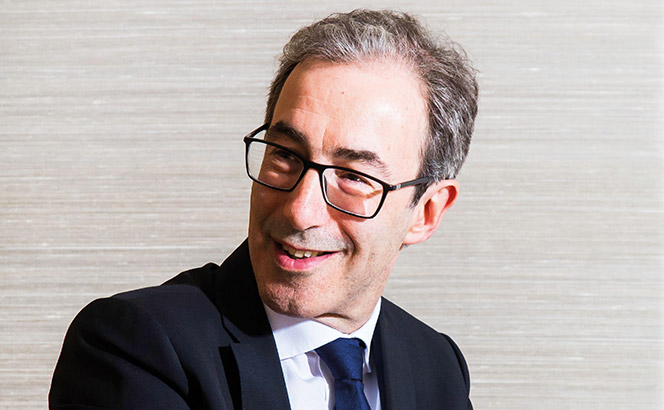
As the Allen & Overy (A&O) leadership elections heat up, managing partner Andrew Ballheimer has announced his retirement from the firm at the end of his current term on 30 April 2020.
The surprise move comes in the month the City giant is to announce the list of contenders for senior partner and managing partner and follows an eventful couple of years dominated by the marathon merger bid with O’Melveny & Myers, which was abandoned in the autumn. Continue reading “Ballheimer announces surprise retirement as A&O leadership race heats up”
Hong Kong drives H1 revenue at Ince by 125% following key partner hires amid expansive year
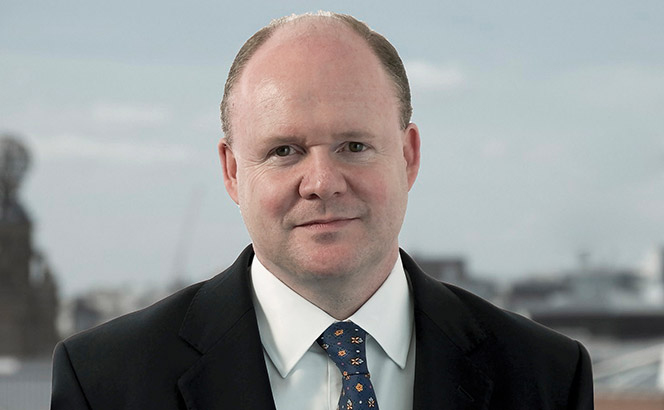
Following the full integration of its consolidated businesses in the UK and China, Ince today (28 November) published revenues of £45.3m for the first half of 2019/2020 financial year, a 125% hike from 2018. Profit increased by 264% from £1.1m to £4m, while the firm also reported a net debt of £10.4m, an increase of £7.3m due to the working capital invested in lateral hires and the cost of integrating the businesses.
Group chief executive Adrian Biles told Legal Business: ‘The key growth areas include Hong Kong, where we have effectively doubled the size of our business in the period where we’ve had control.’ Continue reading “Hong Kong drives H1 revenue at Ince by 125% following key partner hires amid expansive year”
Weil completes withdrawal from CEE as Warsaw office breaks away
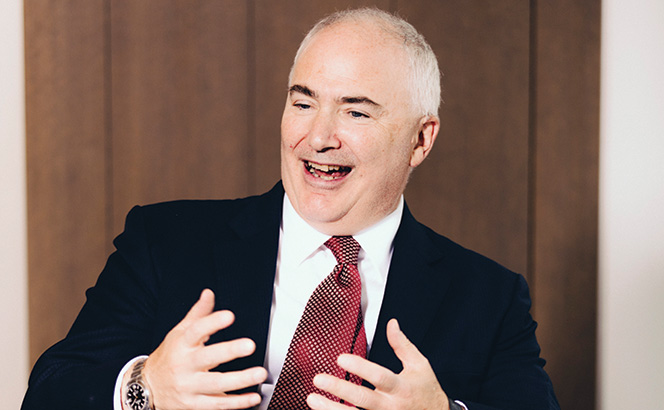
Weil, Gotshal & Manges is winding down its once-potent Central and Eastern Europe (CEE) operations, with its 80-strong Polish team setting up an independent firm.
Warsaw co-managing partners Pawel Rymarz and Pawel Zdort will launch Rymarz Zdort in January next year, bringing to an end Weil’s presence in the country after 29 years. Continue reading “Weil completes withdrawal from CEE as Warsaw office breaks away”
Weil makes up four in the City as women dominate global promotions for the first time
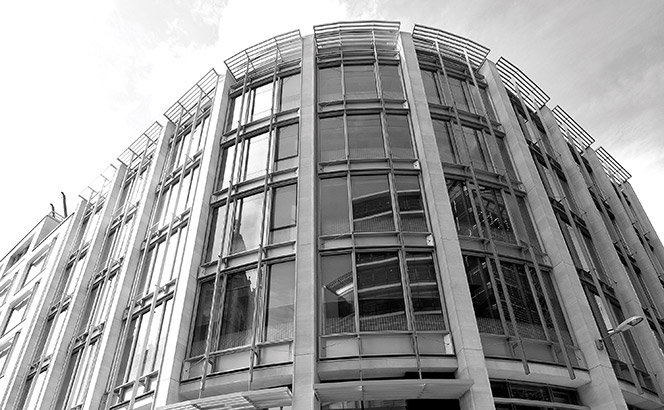
In an industry struggling to make good on long-held promises to achieve diversity at the partnership level, Weil, Gotshal & Manges has gone against the grain by making up more women than men to partner for the first time in its latest round.
The firm promoted 16 globally, of which nine new partners were women and seven men. Executive partner Barry Wolf claimed the latest round was the most diverse in the firm’s history. Continue reading “Weil makes up four in the City as women dominate global promotions for the first time”
Foreign giants combine to enter UK training market as radical education shake-up looms
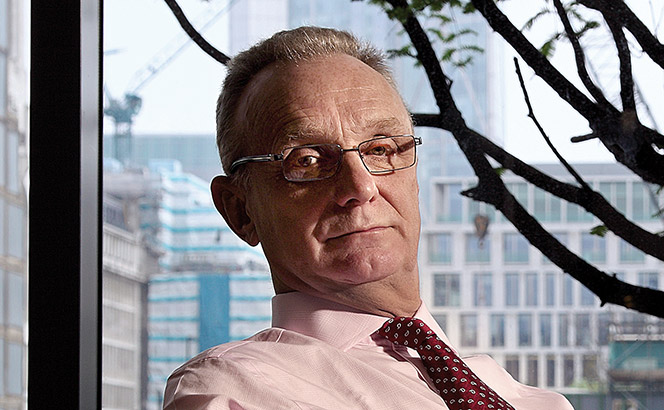
Australia’s leading legal training outfit is to team up with a major US player to enter the UK market ahead of a radical but controversial shake-up of the framework for training solicitors in England and Wales. The College of Legal Practice has today (27 November) launched as a new entrant to the vocational training sector to build courses geared to the incoming Solicitors Qualifying Examination (SQE), the biggest overhaul in the UK’s legal educational regime for a generation.
The College – a wholly-owned subsidiary of The College of Law Australia and New Zealand – will partner with US education provider BARBRI on the initiative, an attempt to challenge the effective duopoly of solicitor training in England and Wales. The move is touted as harnessing a more dynamic approach to training under the new regime, which abolishes the requirement for two-stage vocational training to usher in more flexible routes to qualification. Continue reading “Foreign giants combine to enter UK training market as radical education shake-up looms”
Dealwatch: A&O and Ashurst close £1.2bn UK tunnel project as US-led buyouts take centre stage
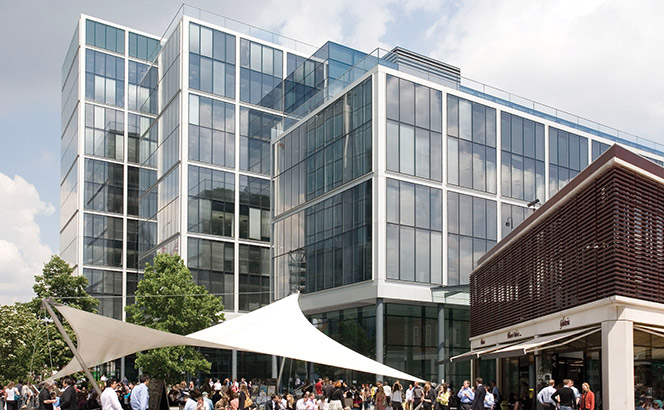
Allen & Overy and Ashurst won leading roles on the £1.2bn Silvertown Tunnel project, the only big-ticket UK-led deal this week in a market awash with US buyouts.
A&O advised a consortium including Aberdeen Standard Investments, BAM PPP PGGM, Cintra, Macquarie and SK Group on the Silvertown Tunnel PPP with a team led by David Lee and including partners Mark Walker and Sara Pickersgill. Continue reading “Dealwatch: A&O and Ashurst close £1.2bn UK tunnel project as US-led buyouts take centre stage”
New solicitor code ushers in tougher duties on profession and moves to boost freelance lawyers
A profession having to get used to increasingly robust regulatory oversight will have more on its plate from this week with the launch of the new rulebook from the Solicitors Regulation Authority (SRA). The new Standards and Regulations (STaRs) came into force on Monday (25 September), ushering in new reporting obligations on solicitors and much-trailed rules designed to make it easier for lawyers to practise individually.
The new code of conduct, which also cuts the core principles from ten to seven, is seen as a further step towards more robust regulation, with the shifting of the SRA’s remit to ‘promote a culture where ethical values and behaviours are embedded,’ according to its enforcement strategy. Continue reading “New solicitor code ushers in tougher duties on profession and moves to boost freelance lawyers”
Legacy Lovells misses out again as board recommends yet another legacy Hogan & Hartson CEO
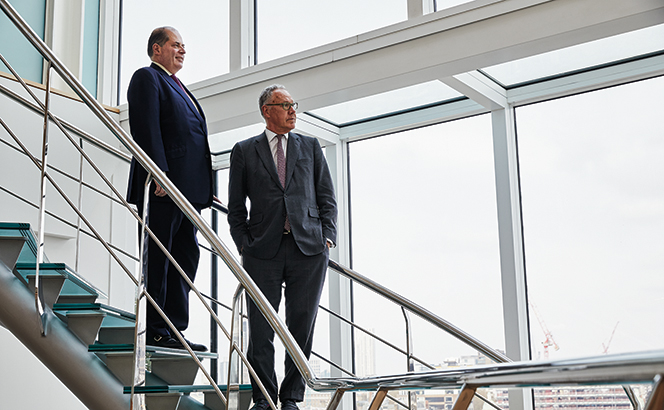
The Hogan Lovells board has once again chosen a legacy Hogan & Hartson partner to be its next chief executive. Miguel Zaldivar is currently the regional chief executive for Asia Pacific-Middle East, based in Hong Kong, and will replace the current CEO, Steve Immelt, on a four-year term from 1 July 2020.
Although Zaldivar’s recommendation is subject to a constitutional formality vote, according to one former partner, no-one is anticipating that the partnership will vote the board’s decision down. Continue reading “Legacy Lovells misses out again as board recommends yet another legacy Hogan & Hartson CEO”
Kingdom of Bahrain
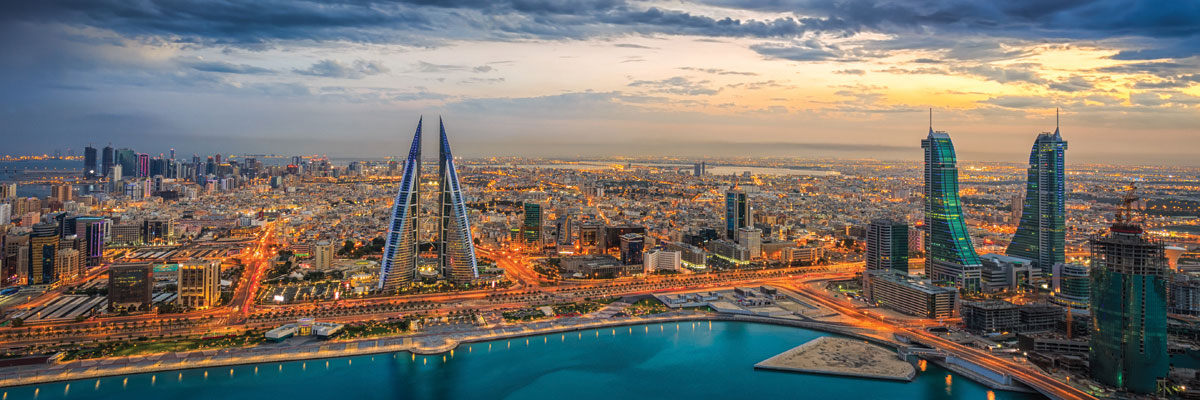
Bahrain is the smallest of all members of the Gulf Cooperation Council, with a population of a hair over 1.5 million – just more than half the population of the next-smallest GCC state, Qatar.
Like most of the region’s oil-dependent nations, Bahrain has long fought to diversify its economy and free itself from the volatility of global oil prices. Despite being the first country in the Middle East in which oil was found (1932), Bahrain has struck oil only once more since then and, with a portfolio of merely two oilfields, the need to diversify has always been particularly pressing for the country. As reserves have dropped, the leadership in Bahrain has taken great pains to pivot the economy away from oil and toward diversity.
This background informs the Bahraini approach to business today: innovation and doing more with less. It is no surprise, then, that the country’s in-house community has grown into a vibrant, mature, and business-critical component of a constantly changing business environment.
Bahrain’s trusted advisers
Today, the in-house role enjoys a high profile in Bahrain: many of its general counsel also enjoy senior positions either sitting on the board outright, or advising it directly in a secretarial capacity. Understandably, this high position gives the legal function more teeth than they otherwise might have.
‘Historically, it is not very common for large financial institutions, as it is difficult to find someone who is able and experienced enough to perform both roles,’ explains Jawad Zabar, group general counsel and board secretary at BFC Group Holdings. ‘However, in recent times, I have seen it slowly becoming more and more common as organisations also start looking at reducing cost.’
‘It is very important to involve the board on every research-critical matter. Having access to the board as well as directly interfacing with the CEO and CFO really helps, because I report to the CFO and, by extension, the CEO. This helps things move faster and more effectively,’ adds Bharat Kumar Mehta, general counsel and board secretary for APM Terminals in Bahrain.
‘It is very important that I, as legal person have knowledge about important activities in the business. This can only be possible if one is involved from the start of the process, and given the senior position; it really enables me to get that information across to the board, and it’s easier to get information from others, as there is less pushback.’
The argument in favour of having a legal adviser at board level can be made anywhere in the world but, in Bahrain, the need is particularly pertinent.
‘In Bahrain the regulatory environment is rapidly evolving. Bahrain is coming up with many more laws – every two months there is a new law. For example, we just came out with a new data protection law in line with GDPR, we’ve come out with a new competition law, a new economic standards law in July, then we have also come out with an online marketplace or ecommerce law. So, they are coming out with so many laws that, I don’t anticipate how a business can work without in-house legal departments.’
National innovation
In addition to the same general legislative and regulatory changes faced by any rapidly evolving nation, there is another reason why the legal environment in Bahrain is moving as fast as it is. Despite its size, the country has been able to carve out a name for itself as an innovator in areas where other, more prominent countries have lagged behind.
The Central Bank of Bahrain, for example, formally established a FinTech and Innovation Unit to ensure that the country was properly catering for and nurturing the development of its burgeoning fintech industry. Involved in this push was the establishment of a ‘regulatory sandbox’, in which fintech companies are enabled to develop their offerings in a virtual space. The Central Bank of Bahrain has also established the Global Financial Innovation Network, which is designed to help firms interact with regulators and navigate between different frameworks across multiple countries when looking to expand globally.
‘Bahrain is unique due to its small geographical size and its important role in the region as a financial and commercial hub,’ explains Zabar.
‘It is ever evolving, especially with the introduction of disruptive technologies. However, Bahrain is always looking to take a welcoming stance on these technologies and adapt to add value to the country, and simplify or foster frictionless transactions while promoting business growth.’
These latest innovations are only the latest entries in a long record of Bahrain leading the way in the region. Particularly in the financial sector, Bahrain is renowned for being ahead of the curve, and such long-term thinking enabled Bahrain to establish itself as a banking hub as early as the 1970s. It was among the first in the region to draft and implement a trusts law, and was the first country in the GCC to implement an investment limited partnership law, long used around the world specifically for investment in collective investment funds.
This appetite for innovation trickles down to the in-house counsel working on the ground in Bahrain, and challenges them to step-up in their professional lives.
‘As a result, the depth of international exposure you experience as a legal counsel in Bahrain is a great opportunity. Bahrain is always at the forefront of adopting international best practices. Recent examples include being the first in the region to introduce the regulatory sandbox for fintech products, creating one of the first fintech hubs in the region, introducing personal data protection laws and groundbreaking electronic transaction laws,’ says Zabar.
‘Therefore, the unique challenge is being able to navigate the ever changing legal and regulatory landscape; however, as with every unique challenge, it is also a unique opportunity.’
Foreign investment
Bahrain’s tilt towards innovation has proved vital in moving the country beyond oil and towards other sources of economic prosperity. Progressive efforts on the part of the leadership – such as the regulations that led to Bahrain’s prominence as a financial centre – have gone a long way towards attracting foreign investment.
‘Bahrain has always tried to work toward a better regulatory environment. They want to be in line with all EU requirements, for instance, because they want to promote Bahrain as an investment centre,’ says Mehta.
‘To attract international investments or foreign investments, they will need to establish a proper legal regulatory environment, because if they don’t have, for example, a proper anti-corruption and bribery law, then the entities in Europe or other countries will not be able to invest in Bahrain. That is where they want to build the regulatory environment up to the speed of any developed country: in order to get the best rating, and in order to improve ease of business and compliance with international laws.’
Religiously competitive
Similar to many countries in the region, Bahrain’s official religion is Islam and, as such, Sharia law plays a large role in the country’s constitution. Article 2 of Bahrain’s 2002 Constitution declares Sharia as the primary source of legislation. Though Sharia courts typically handle matters of family law, the civil courts of Bahrain are required to look to Sharia in cases where legislation is unclear on a particular matter.
While the role of Sharia is limited in commercial matters, the fact that Bahrain is an overwhelmingly Muslim country means that lawyers still need to be cognisant of the religious law.
‘Having worked in an investment firm, we had investors who were Sharia and, to deal with Sharia investors, we had to ensure we had Sharia-compliant funds,’ explains Mehta. ‘Understanding Sharia concepts, coming from a non-Sharia country, was a new experience.’
The presence of Sharia law in Bahrain’s legal code also serves as yet another example of how Bahrain manages to gain a competitive edge in the international marketplace, maintaining its status as an attractive destination for foreign investment. In 2017, the Central Bank of Bahrain introduced some of the most advanced rules governing Islamic banks by requiring them to undergo independent and external audits in order to verify compliance with Sharia. Compare this to most banks in the GCC, which are typically free to rely on their own in-house religious scholars to ensure that products being offered are indeed Sharia compliant. The first audit reports, which are required to be made public, are expected in 2020.
‘Bahrain, along with Dubai and Kuala Lumpur, are as seen as leaders in the area of Islamic finance in particular,’ says one general counsel for a private investment fund in Bahrain. ‘For its size, Bahrain has a huge piece of the global Islamic banking market, at just under 2%.’
Visions for the future
Like many Gulf countries, Bahrain has set out its vision for the future in a 26-page document entitled Bahrain Economic Vision 2030. Launched in 2008, the vision marked the beginning of renewed reforms and liberalisation in Bahrain, and continues the country’s long arc towards a diverse, oil-independent economy. Increased volatility in global oil prices in recent years has only shone further light on the urgency of this diversification.
This vision has manifested in countless regulatory and legislative changes over the past few years and even decades. Most private companies enjoy tax-free status, and many sectors allow for 100% foreign ownership, such as in the technology and manufacturing sectors. The Kingdom has also reduced the minimum capital requirements for incorporating in Bahrain, specifically to open the door more widely to foreign investment.
In keeping with Bahrain’s tradition of being a first mover, in 2019 Bahrain became the first country to adopt the United Nations Commission on International Trade Law (UNCITRAL)’s model e-commerce laws. Among many other things, the laws puts electronic documents – bills of lading and promissory notes, for instance – on the same legal footing as their paper equivalents. Together with improving supply-chain efficiency throughout the economy, the law also paves the way toward a blockchain-backed future.
The New Arbitration Law in 2015 introduced UNCITRAL’s model law on international commercial arbitration into the Bahrain legal system, applying it to all arbitration cases, whether or not the arbitration takes place in Bahrain or abroad.
These are but a few of the reformations flowing down from Bahrain’s vision 2030, and the breakneck pace at which the Vision is being implemented is largely welcomed by the in-house community.
‘It gets difficult, keeping abreast of the legal changes in Bahrain, but business by and large understands the necessity. The changes that have been made have, to my knowledge, all been necessary and will, I think, be very positive for Bahrain,’ says one general counsel for a private investment fund in Bahrain.
Zabar is similarly optimistic: ‘In the next five years, the ever increasing prevalence of legal tech, and the continued roll-out of groundbreaking initiatives and laws and regulations governing electronic transactions and digitisation – as a result, Bahrain will continue to be a unique destination to attract foreign direct investment and sponsor business growth in the region.’
There are still creases yet to be ironed out. According to the World Bank, Bahrain ranks 62nd out of 190 countries in its 2019 Ease of Doing Business rankings.
‘One problem which we see is lack of precedence on basic matters,’ explains Mehta. ‘If the authorities are not very clear, then it can hinder business. They need to create that clarity across the authorities as well as across the entities or organisations in order to ensure the smooth implementation of such laws. It creates difficulty.’
One example that Mehta gives is the country’s labour laws relating to annual leave: a new law introduced in 2012 increased the minimum annual leave entitlement to 30 days, but a lack of clarity on whether this meant working days or calendar days left businesses in a state of confusion until further clarity was provided.
‘The company needs one answer. They need to know what they have to do. That is a challenge which an in-house counsel will face every day, and we have to come up with our right interpretation, what makes sense for the company, so we have to move ahead regardless,’ he says.
‘From the regulatory perspective, I think they still need to evolve quite a lot when compared to other developed or developing nations.’ n
Bharat Kumar Mehta, APM Terminals

I believe that in-house legal personnel now have to be a business partner, and not just a legal adviser. I try to partner with each department and establish good relationships with each stakeholder, be it internal departments or external parties – which include regulators, investors and vendors. Because everyone is a partner, without everyone’s support we will fall. So it’s important that everyone is speaking the same language and has the same objectives. We have to ensure stakeholder management and that is where I try to get buy-in from everyone and, accordingly, provide a solution that doesn’t create any unnecessary hassle for them, while also protecting the company.
In previous roles, I was doing standard commercial work, but it was mostly investment on the private equity side and therefore we were dealing with the Cayman Islands and private equity transaction documents. When I moved to APM Terminals, I had to deliver an IPO in a very short span, which is a different market all together – dealing with capital markets and so on. But getting to grips with a new set of laws was an exciting challenge.
Overall, my transition was fascinating, because once you get comfortable in a role, the excitement is gone. But, fortunately, that is where in-house legal roles usually get more and more exciting – every day is a new day. APM offers another challenge – being part of an international group. Being based in 200 countries, it did mean that it was a challenge to integrate their international policies within the APM brand locally – but it was one I felt I was able to rise to.
Also unique was the fact that the APMT brand had a very fresh legal department – it was only two years old. Before that, there was no legal department in APMT per se. APMT Bahrain has over 500 employees, so to establish the department and the right documentation across the different segments was in itself a great learning experience, and has developed me into a better professional.
In setting up the legal department here, the structuring was really a good experience in terms of deciding how and what we should do, what kind of communication we had with each department, and what kind of role we should play in helping each department.
In terms of supporting investment, I think Bahrain will succeed faster and faster. They have actually liberalised quite a lot of commercial laws and requirements in particular. For example, earlier, the minimum capital requirement for any small entity to be incorporated was 20,000 BD, which equates to around $55,000. Now, they have reduced this substantially to $300.
From a regulatory perspective, I think Bahrain still needs to evolve quite a lot when compared to other developed or developing nations – like for example, India, which has a robust regulatory environment or Europe, where they have a more robust regulatory environment still. But Bahrain is going in the right direction, at least. I would say they are getting closer to most developed regulatory environments, but it still needs some work. n
Jawad Zabar, BFC Group Holdings

I underwent my higher education in London, before I moved into private practice briefly, then onto an in-house role in commercial banking. I acted as in-house legal counsel at one of the biggest banks in the region (Ahli United Bank). I was also the legal counsel for one of the largest Islamic investment banks in the region (GFH Financial Group formerly known as Gulf Finance House). I have over 10 years’ experience in banking overall. That is when I moved to BFC Group Holdings as group general counsel and board secretary.
At BFC Group Holdings, we are the holding company for (among others) Bahrain Financing Company (BFC) which is the largest exchange, global remittance and wholesale banknote trading company in Bahrain.
My day-to-day challenges include adapting my approach to advising the business in a way which promotes and facilitates achieving its commercial and strategic objectives, while also making sure that it is protected from all legal or reputational risks which could affect any of its business or operations.
Bahrain’s GC network is a vibrant community, with a range of opportunities for networking, connecting, and sharing experiences and ideas. Bahrain is unique, due to its small geographical size and its important role in the region as a financial and commercial hub. As a result, the depth of international exposure you experience as a legal counsel in Bahrain is a great opportunity.
Bahrain is often at the forefront of adopting international best practices. Recent examples include being the first in the region to introduce the regulatory sandbox for fintech products, creating one of the first fintech hubs in the region, introducing personal data protection laws and groundbreaking electronic transaction laws. Therefore, the unique challenge is being able to navigate the ever changing legal and regulatory landscape; however, as with every unique challenge, it is also a unique opportunity.
Historically, it is not very common for large financial institutions to have their general counsel serve as board secretary, as it is difficult to find someone who is able and experienced enough to perform both roles. However, in recent times, I have seen it slowly becoming more and more common as organisations also start looking at reducing cost. It makes it slightly harder to achieve your goals on decreasing budgets; however, we are making every effort to adapt to this, as it looks like it will be a continuing economic trend in the region.
Bahrain is unique due to its small geographical size and its important role in the region as a financial and commercial hub. It is ever evolving, especially with the introduction of disruptive technologies. However, Bahrain is always looking to take a welcoming stance on these technologies and adapt to add value to the country, and simplify or foster frictionless transactions while promoting business growth. n
Commentary | Hassan Radhi & Associates

Since its inception in 2006, the Central Bank of Bahrain (CBB) has relentlessly worked towards maintaining the monetary and financial stability in the Kingdom of Bahrain.
The CBB facilitates market innovation and encourages the use of training and technology to enhance the competitiveness in Bahrain’s financial sector.
One of the key recent developments in the financial sector has been the establishment of the Fintech & Innovation Unit by the CBB, which is dedicated to ensuring the best services to individual and corporate customers in the financial services sector by nurturing FinTech and innovation. The CBB’s FinTech & Innovation Unit is also responsible for the approval process to participate in the regulatory sandbox, supervision of authorised sandbox companies’ testing progress, monitoring technical and regulatory developments in FinTech – both regionally and internationally – in addition to taking the lead on strategic FinTech initiatives
The regulatory sandbox is a key tenet of this strategy and will allow FinTech firms and digitally focused financial institutions around the world to test and experiment with their banking ideas and solutions. The regulatory sandbox is a virtual space for both CBB-licensed financial institutions and other firms to test their technology-based solutions relevant to FinTech or the financial sector in general.
As part of the Global Financial Innovation Network, the Central Bank of Bahrain is inviting applications from firms wishing to test innovative financial products, services or business models across more than one jurisdiction.
Through initiatives like the regulatory sandbox, Bahrain has quickly become the Fintech hub of the Middle East. Bahrain FinTech Bay is the leading FinTech Hub in the Middle East and Africa. This is MENA’s most dynamic and diverse FinTech network, which provides a dedicated FinTech co-working space, with state of the art meeting rooms, innovation labs, acceleration programmes, curated activities and educational opportunities.
The CBB is continuously introducing initiatives to provide the right mix of policies and products to enhance the activity, funding, quality, and competitiveness of financial sector services. As a result of such initiatives, startup technology businesses, as well as leading-edge technology businesses are attracted to Bahrain as a domestic and regional base to pursue their FinTech strategies. This reflects positively on the availability of financial support services and thus, on the financial services sector in Bahrain.
Islamic Republic of Iran
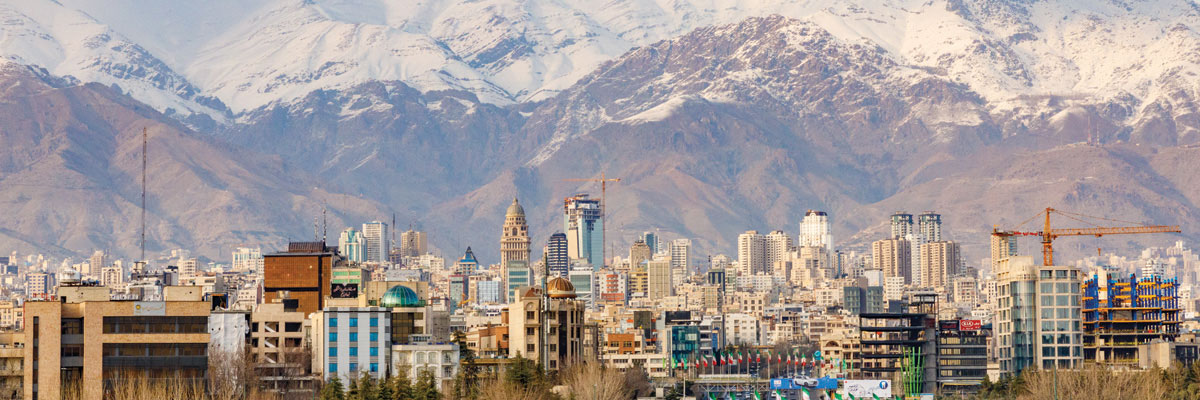
A country mired in political football, Iran is still finding its feet again following years of tumult. With investors collectively holding their breath as the latest skirmish between the USA and Iran plays out, the country’s prospects for economic development are in a holding pattern. But behind the political theatre lies a country well placed to carve its own path to prosperity thanks to an enormous and highly educated population, robust economic and legal infrastructure, and a wealth of natural resources – all factors which, in the absence of political uncertainty, should be more than enticing to investors around the world.
Sanctions
Iran counts itself among a number of countries hit with targeted sanctions from the United States. At the heart of the current slate of sanctions is Iran’s insistence on pursuing a uranium enrichment programme, a move that some in the international community fear is serving as a precursor to the development of nuclear weapons. Negotiations between Iran, the US and the UN led to the limiting of Iran’s nuclear programme in exchange for reduced sanctions. But the so-called US-Iranian nuclear deal was famously collapsed by Donald Trump withdrawal of the United States from said deal and the reimposition of sanctions. The sanctions affect Iran’s automobile, gold and steel industries, as well as (most importantly) its oil industry.
While the sanctions, at least in the US, have been hailed as a political success and devastating to Iran’s economic capabilities, the reality is more nuanced. The chief effect of the sanctions it that the country’s oil output has declined, which has reduced the government’s revenues and, by extension, its ability to invest in much-needed infrastructure. Long touted as a ‘resistance economy’, Iran is undoubtedly feeling the pressure, though one only has to look as far as the other targets of the United States’ financial wrath – the likes of Venezuela – to see how much worse things could be. Still, the World Bank has ranked Iran towards the bottom of its projected economic growth rankings for 2019 – only being saved from the very bottom by Nicaragua – and the price of basic items has, in some cases, tripled in the past year, providing further cause for investor anxiety, as social discord can only increase under such conditions.
The effect of the older sanctions has been to stymie the overall development of Iran, at a time when other emerging markets have been able to pull ahead and enter a class of their own. Majid Sadjadi Nejad, founder and CEO of Iran investment firm Rostam Capital, compares Iran to another one-time emerging market: ‘China is celebrating its 70th year now, but until 20 years ago they were way behind the Iranian economy if you look at it as an investment destination. For Iran, it’s just a question of getting it done and accelerating it.’
The degree to which these latest sanctions have affected the Iranian economy depends on who is asked, but the indefinite nature of the sanctions and an apparent diplomatic stalemate between Iran and the US has investors holding their breath, awaiting some signs that the country is past the threat of further instability or worse, war.
‘Clearly, it’s a difficult market,’ says Richard Adley, CEO of First Frontier Capital. ‘There’s no way of getting around it – the sanctions aren’t making things any easier and yes people are turning away, but equally, that doesn’t mean there aren’t opportunities – companies still need financing, and the economy still goes on. Yes the currency is devalued, but the reality is it has stabilised and, for the moment, it isn’t getting worse. And it’s probably not going to get worse – it’s just a matter of how quickly it’s going to get better.’
Not like other economies
Like many economies in the region, Iran’s is largely built on oil and gas production – but the specifics of its construction mean that Iran may be better positioned than its close neighbours to take advantage when the doors to foreign investment finally open fully.
‘People always think of the country as oil-dependent, but around 70% of the GDP is non-hydrocarbon,’ explains Sadjadi. ‘The majority of the government revenues are hydrocarbon, so there’s always confusion. But it is a different economy to many of the others in the region – hydrocarbon is a minority part of it.’
It is this economic fact that has saved Iran from the fate of Venezuela, which is crumbling under US sanctions on oil due to the government’s reliance on oil exports for revenue.
Another factor that distinguishes Iran from past examples of emerging markets in the region, or current examples of emerging markets around the world, is that the country enjoyed a bustling economy long before the scandal and political animosity that has been present from the 70s onwards. Unlike others, there are decades of pre-established processes and infrastructure – physical and otherwise – to lean on.
‘Iran isn’t an emerging market – it’s a re-emerging market,’ says Sadjadi. ‘When we worked China, or countries in the former Soviet Bloc, you had to wait for industrial and economic infrastructure to be developed before you could do much. All of those exist in Iran – they just need to be brought up to international standards.’
‘You have foreign investor protections – legally, you’re very well protected,’ adds Adley. ‘It’s an economy and a country that is re-emerging, rather than emerging. It has had previous good relationships and development that has gone on, they have still maintained good relationships with parts of Asia and Russia.’
‘Some of the technology and technical infrastructure may be creaking at the seams or underinvested, but that’s more of a bandwidth problem rather than a functional, basic operational capacity.’
‘There are many enablers for the Iranian economy,’ argues Sadjadi. ‘It has 10% of the world’s crude oil reserves, along with gold, platinum, LNG – and all of this needs to be extracted efficiently. Iran had state-of-the-art technology 30 years ago, but very little new investment has been able to go into it because of the sanctions.’
It’s the holding pattern, imposed by the aforementioned sanctions and general uncertainty, which functions, in large part, as the true ceiling to Iran’s development in the coming years. While the UAE and Saudi Arabia are thinking about large-scale economic diversification and modernisation initiatives, Iran is still waiting to see how its complex diplomatic problems shake out before uniting behind a comprehensive vision for the future.
‘It’s very hard for them to have a long-term vision because they don’t even know where they are day-to-day or week-to-week. So you don’t have that big clear picture,’ says Adley.
Human capital
This uncertainty has meant that Iran has not enjoyed the influx of wealth and human capital into the economy that other Middle Eastern nations have; a factor that is economically limiting in and of itself. But, unlike certain other economies, Iran has a population of over 80 million, many of whom are highly educated – so there is already plenty for business to leverage off.
‘It’s a real economy,’ explains Adley. ‘80 million people with real domestic people – that 80 million is not like the UAE or Qatar, where it’s made up of expats. It’s a real, domestic, functioning economy. So there’s less of that need to follow the Saudiisation or Emiratisation that’s going on, because the nature of the demographics isn’t the same… it’s a real economy that functions and it has real exports and real production other than the hydrocarbon.’
‘The country needs to preserve its human capital,’ says Sadjadi. ‘It is one of the highest educated rates in the world, and much of that is in the science and tech areas. Ordinarily, you would need to wait a generation to produce that in a newly emerging economy, as opposed to Iran, which is a re-emerging one.’
Local human capital notwithstanding, there are things to be said for fostering a multicultural, international workforce.
‘The whole international business environment, it brings a lot of new learning,’ explains Mozhdeh Pourmand, managing partner at Andisheh Consultancy Firm in Tehran. ‘It’s not only technology – it’s the know-how: how to work, how to improve, how to develop. I have seen the difference – especially now I’m working with a state-owned holding and at the same time working with multinational companies – and I can see the difference in every inch of the business they are doing: the efficiency, the integrity, the transparency of the work. So as a personal wish, I think that would be a door for improving the whole country’s economy.’
Under sanction
In Iran, having a permanent in-house counsel isn’t common. Outside of the large, state-owned enterprises, many businesses choose to rely solely on external advice, or even make use of external in-house specialised advisory services. Mozhdeh Pourmand is the managing director at Andisheh Consultancy Firm, which provides external, in-house legal services.
‘In most companies, they do not have very much in the way of a legal department. The contract is usually handled by the procurement department, so unless they face really big issues, they do not have that intention to go to a lawyer. But, there is an exception – the state-owned companies, they do have an in-house department, all of them,’ she says.
‘I think it is because of the size of the businesses and the nature of the work they are handling. They’ve got the budget from the state and there are a lot of internal audits that come with that – one of the requirements for them is to have a legal department to be able to respond and cooperate with the auditing.’
Given the kinds of issues likely to be faced by companies operating in Iran, this may be surprising – especially given the increasing extra-territorial reach of anti-corruption, anti-bribery and data protection regulations, as well as the much-needed modernisation of legal infrastructure that is somewhat underway, but expected to boom if sanctions are lifted and Iran’s economy begins to improve.
‘There are increasing regulations in each sector, but that has a cost – so you have to see an economic benefit to that cost,’ says Sadjadi.
‘That’s what is being held up. Everyone knows it has to be done – the regulatory infrastructure has been out of touch for the past 30 years compared with international ones – so there’s a lot of catching up to do on the legal structures enabling trade, foreign ownership, and various things like protection of foreign investments.’
Given all of this, an underdeveloped in-house ecosystem is not ideal. Pourmand sees a shift on the horizon, however, one which she hopes will see increasingly educated and innovative law graduates push the profession in Iran forward.
‘One thing that comes first to my attention is the change in the fresh graduates becoming junior lawyers. In contrast with my time, many fresh graduates know English, so they try to use English and Arabic together with use of technology to access new concepts of law and, usually, these new legal concepts are linked to the business,’ she says.
‘What I am hoping and what I am seeing is that, maybe in the next ten years, we have more attorneys whose state of mind is more similar to the European lawyers or even others around our region – not that old-fashioned litigator working solo and not pursuing any self-improvement.’
Still, as with much of the business world in Iran, such change is stymied by the same factors: lack of maturity in the business environment, together with geopolitical uncertainties.
When to strike
While sanctions on Iran damaged the economic outlook for the country (the World Bank’s forecasted growth for Iran was revised down to -4.5% after the US reimposed sanctions), there is a sense that these will not last forever. If the pre-sanctions growth estimates are any indication, when the day comes that the sanctions are lifted, there are blue skies ahead for the country. Because of this, optimism is easy to find.
‘Firms who are already into Iran and that wanted to disengage, generally have disengaged a long time ago, and it was almost a knee-jerk decision. We certainly see that the rate of attrition is slowing down now, so it’s down now to a trickle of people leaving rather than a flood and, at the same time, people are now more receptive to the idea of business. So the mood has switched from negative to neutral, going toward the more positive end of neutral,’ says Adley.
‘Emerging markets, by their nature, are volatile. Historically, in emerging markets there was a continuous revolution or political changes and what you’re seeing is a certain stability, even if it’s autocratic rule, but at least the stability you’re getting. Whilst it may not be attractive to us in the West or what developed markets would call an ideal scenario, at least some of these markets have stability. And, with stability, you have a clear investment horizon.’ n
Mozhdeh Pourmand, Andisheh Consultancy

I’m one of the shareholders and partners at Andisheh Consultancy, a consultancy firm giving advice to both Iranian and multinational companies that are working in Iran. I work with companies that usually don’t have an in-house legal function, so we fill the role of in-house but on an external contract, doing the day-to-day business, general legal advisory, contract review, corporate restructuring – everything that an in-house lawyer would do for them.
In Iran, it’s not common for companies to have an in-house legal function – even for the big companies. Contracts are usually handled by the procurement department, so unless they face really big issues, they do not have that intention to go to a lawyer. But, there is an exception: the state-owned companies – they all have an in-house legal function. Because of the size of them, as well as the nature of the business they are handling, they are an exception. They receive the budget from the state to do so, but they also have to deal with internal audits by the government and it is a requirement that they have a legal department to be able to respond and cooperate with this.
When you are in-house, you become an employee, so there are other aspects of an employee-employer relationship – whereas working as I do, in my opinion, has a mutual benefit for both sides. The company does not have to have the financial burden and the overhead for having a full-time employee, so they will not have to deal with the employment contracts, social security obligations and so on, but at the same time, they are receiving an adviser. I think the best terminology for what we are trying to present to the clients, would be like an externalised or a shared service centre.
We are trying to match the culture in our country to the standards that the FCPA or the UK Bribery Act set out. That does tend to require a huge effort and time investment, in terms of training and investigating, to build up that culture.
I think I can say, in a very general way, attitudes do come from the culture of the region rather than the company. So I have experienced the ‘senior’ approach from companies based in Europe towards using in-house counsel, and their approach to any issue in disputes is more or less the same. Compared to our neighbouring countries, you see that the business culture is very much linked to the region they are coming from.
Arbitration is a new concept in Iran. I myself try to advocate that, and I try to promote it in the contracts. Arbitration is especially easier when one of the parties is not Iranian because, for them, it has a very significant privilege: they can choose their own arbitration rules and their own place of sitting, so for them it’s already very much accepted. But, for the local companies, the Iranians, we try to point out different reasons why the arbitration can be a better replacement for litigation.
For litigation, companies really try and see if there is any other settlement option, because it is time consuming, it’s expensive, and you can never predict the results – especially if the case is blurry; you cannot give clear advice on that. So they will try to make a settlement; if there is a debt collection, they will prefer to agree to receive it partially in cash rather than going through court procedure, even if it means they might receive it in four or five years. n
Majid Sadjadi Nejad, Rostam Capital
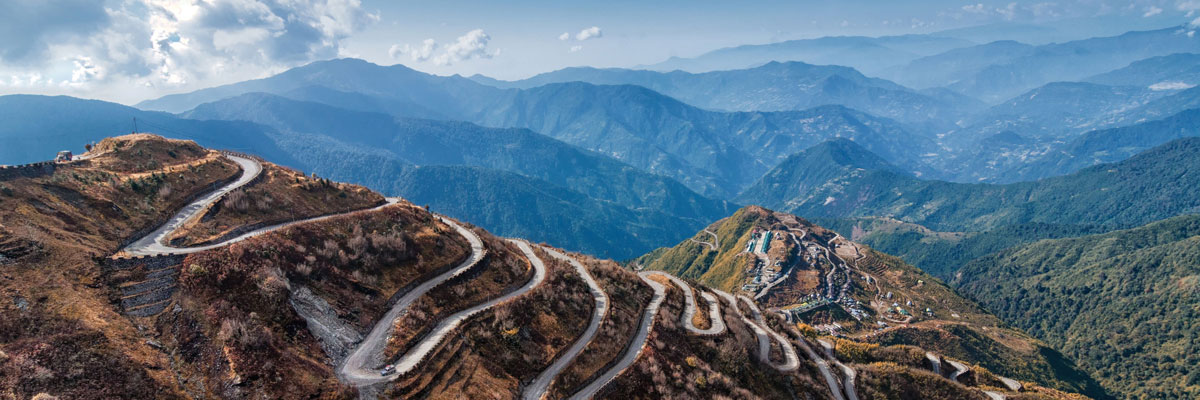
When starting Rostam Capital, what we saw was a gap between the markets in the Middle East – essentially the Silk Road countries – and the international capital markets. They’ve been out of touch or have never been part of the recent evolution of the market, so that in itself makes transactions and investment more expensive. We had access to the people who were on the ground in the region, and people who have been active in global capital markets for a long time, so by combining those too, we thought that we would be able to accelerate the economic development and make it easier for both FDI and exports.
Iran has always been a part of Rostam’s portfolio. There’s a population of more than 80 million people but, internationally, there is very little known about the economy – whether that’s the country’s fault or not.
Part of the struggle for Iran is that although they have highly educated people there, they don’t have the international hands-on experience. The textbook approaches they have may be wrong, or at least not up to date with the latest techniques. As a country, they have been out of touch with the global community because of the sanctions that were introduced over the past decade – and when you think about the huge evolution that took place in capital markets after 2008, they missed out on being part of that evolution.
Iran is a different economy to many of the other ones in the region – hydrocarbon is a minority part of it. That message is one that the country has not got across, so they have more than 80 million people going about needing all of the basic consumer things, finance, retail, everything – that brings a whole massive economic ecosystem in itself. Because of the sanctions, they’ve had to pretty much be self-sufficient on much of that, which in turn means you don’t have the economies of scale of being part of the global market.
It is inevitable that Iran will be an economic powerhouse, whether it’s during my lifetime or not. It is one of the largest domestic economies: almost everything you invest in or set up – be it production, basics, technology, engineering, anything really – you’re already hitting with a large domestic market.
Tech transfer is what is needed to upgrade the economy and industrial base. What’s unusual is that, when we consider the rest of the Silk Road, Iran is the only one that is not an emerging market. It’s a re-merging market. When we worked in China or the former Soviet Bloc, you had to wait for industrial and economic infrastructure to be developed before you could do much, but all of those exist in Iran – they just need to be brought up to international standards. In theory that’s a much quicker route, but to do that well, you of course need foreign partners and access to the latest thinking.
Every investor that has asked to be shown around the country has, within a few days, said ‘This is not what I was expecting at all, this is a real economy with real people – it’s very safe and welcoming.’ Once people get there, people realise that the perceived image internationally is very different to the reality on the ground. But, of course, you have to get people there. n
Commentary | Sabeti & Khatami

Iran is situated at the geographic nexus of the Middle East, Levant, Russia, Central Asia and Indian subcontinent. It connects the Caspian Sea and the Persian Gulf, and lies on the ancient and modern route from the Mediterranean to the subcontinent and China. It shares land borders with Iraq, Turkey, Armenia, Azerbaijan, Turkmenistan, Afghanistan and Pakistan; and is a maritime neighbour of Russia, Kazakhstan, Oman, UAE, Qatar, Bahrain, Saudi Arabia and Kuwait. It is the only country connecting the two large energy fields of the Caspian Sea and Persian Gulf regions, and itself ranks among the top five countries globally in both oil and gas reserves.
Iran’s area approximates Western Europe’s. Ringed by mountains and waters, it has had stable and secure borders for centuries, and benefits from internal stability in a tumultuous region. Iran’s civilisation, culture and language have long been resonant throughout the region. Persian was the language of administration and culture for the Mongols and Arabs and in India; it is spoken in over 25 countries today, about the same as Chinese and Spanish.
Iran’s population of over 85 million people is slightly larger than Germany’s, with about two-thirds under the age of 30. A quarter of the population have university degrees and nearly 60% of university-age people are enrolled in university.
Iran is a middle-income country with a nominal 2018 GDP of about USD 450 billion (IMF). It has an industrialised and relatively diversified economy. While oil, gas and petrochemicals are preponderant, there are notable manufacturing, mining, metals, agriculture, power and water sectors. In the past decade, Iran has witnessed rapid growth in the renewables, technology and e-commerce industries as well.
An otherwise attractive market, Iran’s business environment has been significantly affected by US-led economic sanctions unprecedented in their scope and harshness. The country experienced a relatively short respite from most sanctions and a modest increase in foreign investors’ participation following the 2015 Iran nuclear deal (otherwise known as the JCPOA) and prior to the US withdrawal from the JCPOA in May 2018. Current US sanctions targeting key sectors (such as oil, petrochemicals, metals, automobiles and aviation) and the Iranian banking system have constrained trade and diminished the access of almost all business sectors to capital and cross-border banking services.
ATTRACTIONS AND CHALLENGES OF DOING BUSINESS IN IRAN
The key attractions of doing business in Iran are its large consumer market, educated workforce, diverse economy, infrastructure investment needs, potential as a regional hub and new paradigms of privatisation and foreign investment. On the other hand, US primary and secondary sanctions, risk perceptions of foreign financial institutions, an inadequate domestic financial system, a weak private sector, complex and unreceptive regulatory environment, out-dated labour and corporate laws, and FX volatility constitute the key challenges of doing business in Iran.
PRIVATISATION AND THE GOVERNMENT’S ROLE
Iran’s economy has been characterised by the wide presence of state and quasi-state entities. Against this background, the government embarked on an ambitious privatisation initiative in the early 2000s, resulting in the promulgation of a major privatisation law in 2008 and its implementation thereafter. Over a decade later, the expansion of direct government ownership is tightly controlled, but containing indirect control of state and quasi-state entities over the economy remains an elusive objective. The private sector, struggling to simultaneously cope with sanctions and a cumbersome financial and regulatory environment, still plays a relatively small role in the national economy.
Article 44 of the Constitution divides the national economy into three sectors: public, private, and cooperative. Sectors such as agriculture, commerce, and services are open to the private sector, but Article 44 requires government ownership and control of, among other things, major industries, foreign trade, mining, banking, insurance, airlines, roads and railway. Yet, the Constitution also allows for possible reorganisation of the national economy and, invoking this Constitutional flexibility, several legislative changes have expanded the economic sectors open to private participation.
The first major steps were taken between 1990 and 1995 under the first five-year development plan, where private participation in foreign trade and in the service sector was explicitly permitted and actively encouraged. Privatisation efforts continued under the third five-year development plan between 2000 and 2005, during which the government established the Privatisation Organisation charged with planning and implementing privatisation initiatives. A significant development took place on 14 June 2008 when the parliament amended the fourth five-year development plan and passed the law implementing the general policies of Principle 44 of the Constitution (commonly known as the privatisation law), which was later amended several times.
The privatisation law introduces three categories of economic activities and enterprises. The first category consists of any activities that do not fall within the purview of the second and third categories. The right to invest in, own, and manage these enterprises exclusively belongs to the private sector.
The second category consist of ‘major industries’ other than those falling within the purview of the third category. Examples include banking, insurance, power, large mines, roads and railway, as well as certain large industries with sensitive know-how and production capacity exceeding 30 per cent of the country’s needs. These enterprises are generally open to private participation, but may be subject to some restrictions, especially in industries such as banking and insurance. The government must transfer 80% of its ownership in these major industries to private and cooperatives sectors.
The third category of economic activities and enterprises are those in which private investment, ownership, and management are prohibited. Here, the private sector may only participate by way of providing financial, technical/engineering, and management services.
This third category includes the following enterprises or activities:
-
- primary telecommunication, electricity distribution and postal networks;
-
- large dams and water supply networks;
-
- oil and gas fields;
-
- oil and gas extraction and production companies;
-
- the National Iranian Oil Company;
-
- the Central Bank of Iran (as well as specified other banks);
-
- the Central Insurance of Iran;
-
- Iran Insurance Company;
-
- Iran Civil Aviation Organisation;
-
- Iran Ports and Maritime Organisation;
-
- manufacturing of specified security, military, and police equipment; and
-
- radio and television.
FOREIGN INVESTMENT
Iranian law now allows full foreign ownership in most economic sectors, while the Foreign Investment Promotion and Protection Act 2002 (FIPPA) and its implementing regulation 2002 (the FIPPA Regulation) offer a number of incentives and protections for those who obtain a license under FIPPA. Examples include protection against nationalisation and expropriation, national treatment, guaranteed repatriation of investment proceeds and a simplified visa procedure.
FIPPA and the FIPPA Regulations set up the main legal framework for foreign investment while other, sector-specific legislation supplements this framework (e.g., Implementing Directive on Foreign Investment in Exchange Markets and Over-the-counter Markets 2010).
FIPPA allows foreign direct investment in the private sector. In the public sector, foreign investment usually takes the form of contractual arrangements such as buy-backs, BOOs and BOTs. FIPPA imposes restrictions on total foreign ownership in each sector and industry: under Article 2(d) of FIPPA, the value of goods and services produced by all foreign investments within a sector and within an industry must not exceed, respectively, 25 per cent and 35 per cent of the total value produced in such sector and such industry, respectively.
FIPPA licenses are issued by the Minister of Economic Affairs and Finance based on assessment of proposed investments by the Organisation for Investment, Economic and Technical Assistance of Iran, which is the official authority in charge of foreign investment matters. Investments by Iranian nationals which have foreign sources are also considered foreign investment under FIPPA.
Iran has entered into bilateral investment treaties with close to 60 countries, and double taxation treaties with about 45 countries
MARKET ENTRY
In most cases, those interested in doing business in Iran enter the market by:
- establishing or acquiring a subsidiary (including for the purpose of incorporated joint venture arrangements);
- opening a branch or representative office;
- establishing an unincorporated joint venture arrangement with local entities; or
- entering into a sale or distribution agreement with a local entity.
Establishing or acquiring a subsidiary allows the parent company to engage in the full range of corporate activities, but the subsidiary will be taxed like a domestic company. Setting up new subsidiaries entails going through time-consuming, and at times burdensome incorporation and registration process. In contrast, acquisition of an existing local entity may be attractive particularly where the entity holds the necessary licenses, land or other relevant assets or know-how. However, such acquisition requires careful due diligence to avoid inadvertent assumption of existing liabilities. In recent years, there has been an increase in the number of M&A transactions in Iran, resulting in an increase in the number of acquisition opportunities for potential foreign investors.
Foreign companies who wish to have a limited local presence may open a branch or representative office, which can engage in a number of activities such as conducting market research, marketing, overseeing performance of contracts, providing after-sale services or providing services in relation to transportation, insurance and inspection of sold goods. A branch does not need to take a corporate form, and is exempt from corporate income tax as long as it does not conduct any commercial activity. In conducting regular business through a branch or a representative office, the parent company must ensure compliance with labour laws and financial reporting requirements.
Entering into joint venture arrangements with local counterparts (whether or not through a joint venture company) is also a common approach but requires careful structuring to avoid legal, tax and operational hurdles. Unincorporated joint ventures are governed by contract law principles, and there is no requirement to publicly announce or register them.
Finally, sales and distribution agreements are another option allowing market presence through local representatives or agents while managing liabilities and risks. Their key advantage is the flexibility they afford the parties in determining the extent of their respective rights and obligations.
CORPORATE MATTERS
Common corporate vehicles used by foreign participants to establish an Iranian entity are private joint stock companies and limited liability companies. However, corporate registration and maintenance in Iran can be quite demanding due to a formalistic and sometimes inconsistent approach taken by the corporate registrar; it therefore requires time and involvement of senior management to avoid the onerous liabilities for a company and its directors that can follow from unintended lapses.
| Private joint stock companies | Limited liability companies | |
|---|---|---|
| Minimum capital | IRR 1 million | IRR 1 million |
| Minimum number of share- or stock-holders | Three | Two |
| Liability of each share- or stock-holder | Limited to the nominal value of shares held by shareholder | Limited to amount of capital contribution by stockholder |
| Board of directors | At least three members from amongst shareholders, elected for a maximum period of two years | At least one member from amongst stockholders or non-stockholders |
The Commercial Code 1932 recognises seven types of corporate vehicles: general partnership; limited partnership; limited liability company; public and private joint stock company; cooperative society for production and consumption; joint stock partnership; and proportional liability partnership. Among these, limited liability companies and private joint stock companies offer stockholders more control and better management of liabilities, hence their popularity with foreign investors. The principal features of these two are as follows:
REGULATORY ENVIRONMENT.
Iran has a complex, multi-layered, overlapping and at times ambiguous regulatory environment, and a significant number of new regulations are issued each year. In certain areas, such as import-export, foreign exchange or banking, regulation can change with dizzying speed. This constantly evolving regulatory landscape requires business owners and managers to keep abreast of new regulatory requirements and opportunities to manage their costs and risks.
Iran is a mixed civil and Islamic law jurisdiction with four branches of power: the office of the Supreme Leader, the legislative branch, the executive branch, and the Judiciary. All four are vested with some legislative authority to pass laws or make regulations.
Legislative power is primarily vested in the Parliament, which passes legislation (including annual budget and five-year development plan laws) and ratifies international treaties to which Iran ascends. Legislation passed by the Parliament does not automatically become law however. To ensure compatibility with Islamic law and the Constitution, an oversight body called the Guardian Council reviews the legislation. Once legislation passed by the Parliament is approved by the Guardian Council, the legislative process is concluded and the legislation comes into force 15 days after its publication in the Official Gazette (unless the legislation provides for a different entry-into-force date). In the event of disagreement between the Parliament and the Guardian Council over a legislation, a yet higher legislative body named the Expediency Council will make the final decision.
The office of the President as the head of the executive branch and the Council of Ministers play a significant role in development of Iran’s regulatory environment. Draft bills submitted by the executive branch to the Parliament must first be approved by the Council of Ministers. Moreover, each Minister individually, and the Council of Ministers collectively have extensive law-making powers through issuing administrative directives and implementing regulations under the laws passed by the Parliament. Such executive directives and regulations must not, however, contradict the provisions of the laws passed by the Parliament; otherwise, they will be declared void.
The legislative power of the Judiciary is administrative in nature, and is generally limited in scope to judicial processes. Once again, administrative directives by the head of the Judiciary must not contradict the provisions of the laws passed by the Parliament.
In addition, designated regulators in various sector are in charge of regulating the activities falling under their supervision. For instance, the Central Bank of Iran, the Central Insurance of Iran and the Securities and Exchange Organisation of Iran act as the regulator for, respectively, the banking system, the insurance industry and the capital markets.
BANKING
Nationalisation of the banking system following the Islamic revolution of 1979 resulted in almost two decades of government monopoly. The monopoly came to an end in 2000 when the Parliament passed the Law Authorising Establishment of Non-Governmental Banks. Currently, about two third of the major banks in Iran are privately owned although the banking system as a whole remains government owned or controlled.
Established in 1960, the Central Bank of Iran (CBI) is in charge of the national monetary policy. Its responsibilities include issuing currency, regulating Iranian rial- and foreign currency transactions, monitoring and regulating export and import of currency, and regulating banks and financial institutions. The CBI also acts as the government’s banker and has broad authorities in relation to sale and purchase of bonds (issued by the government, foreign governments or international financial institutions) and in relation to offering loans and credit to the government.
In an attempt to bring banking practices in compliance with the principles of Islamic finance, a major overhaul of the banking law took place in 1983. The defining feature of the resulting “Islamic banking” system was the official prohibition against payment of pre-determined interest. This in turn limited the framework of bank financing in Iran to profit-and-loss-sharing arrangements (sometimes called “civil participation agreements”). Nevertheless, conventional financing continued to be used by Iranian banks in their international borrowing.
Bank loans are the most important source of debt financing, although banks are undercapitalised and laden with large arrears from the government, credit is limited, financing instruments are rigid and regulations can be out-dated. The government budget has limited development funding, and most project and infrastructure funding comes from the country’s sovereign wealth fund, the National Development Fund (NDF). A number of banks act as agents and intermediaries for NDF’s Iranian rial and foreign currency loans, which support projects that meet NDF’s mandate.
While Iran has a legal framework allowing foreign banks to open a local branch or representative office, there is no longer a significant presence of international banks due to sanctions. Nonetheless, Iran has recently taken measures to bring its banking standards closer to international standards and best practices, including by attempts to implement the Basel Accords and the passage of anti-money laundering and financial crime legislation.
Capital markets. The Tehran Stock Exchange, founded in the 1960s, is the oldest in the Middle East, and its market capitalisation in July 2019 was approximately USD 90 billion (at the prevailing market exchange rates). The debt capital market is much smaller, and is dominated by government debt. All onshore debt financing, whether through banking or capital market instruments, is Sharia-compliant.
The primary law governing capital markets is the Securities Market Act (SMA), while the Exchange and Securities Supreme Council (ESSC) and the Securities and Exchange Organisation (SEO) are the principal regulators. The ESSC is in charge of introducing new financial instruments, monitoring the SEO and proposing capital market regulations to be approved by the Council of Ministers. The SEO is responsible for (i) registering and issuing IPO licenses; (ii) issuing, suspending and terminating licenses for regulated financial institution (e.g., brokers, broker-dealers, investment banks, investment advisory companies, and retirement funds); and (iii) generally taking measures aimed at protecting investors.
In the primary market, issuers must comply with strict disclosure requirements. Failure to do so may result in civil and criminal liabilities not only for the non-compliant issuer but also for those involved in preparing the prospectus, such as lawyers and accountants. Following an IPO, the issuer must comply with ongoing disclosure requirements including with respect to any material information. SMA and the SEO directives regulate the activities and the participants in the secondary market. For instance, SMA requires the exchanges to publicly disclose the number and the price of traded securities in accordance with the SEO directives.
Foreign investors, whether natural or legal, may participate in the Iranian capital markets provided that they obtain, and comply with, a trade license from the SEO. The license specifies a transaction limit, which generally reflects the investment limits set out in the Foreign Investment Promotion and Protection Act (unless the ESSC imposes other restrictions).
In the debt market, sukuk may be issued by both private and public issuers. The principal law allowing creation of new sukuk structures is the Law on Development of New Financial Instruments and Institutions for Facilitating the Implementation of the General Policies of Article 44 of the Constitution. Under the current framework, for every new sukuk financing a unique special purpose vehicle (SPV) must be established. Such SPV then acts as the proxy between the sukukholders and the issuer in accordance with the terms and conditions of the sukuk. These SPVs are in the form of limited liability companies, are regulated by the ESSC’s Directive on Operation of Special Purpose Vehicles, and are managed by the Capital Market Central Asset Management Corporation.
CURRENCY EXCHANGE
Iran has long had a multiple-rate FX regime. Currently, there is a low, official rate exclusively allocated by the Central Bank for import of “essential goods” (mostly food and medicine), a much higher open market rate, and an intermediate “NIMA” rate for imports of non-essential goods. The current FX regime, which was introduced in April 2018 following the significant devaluation of the Iranian rial, is still in flux and further transformation in the near future can be expected. Therefore, it is essential for businesses for whom foreign currency is material to closely monitor and respond to changes in the FX regulatory environment.
The NIMA platform (also known as Iran’s Forex Management Integrated System), was established in April 2018 and is designed to allow rate determination in a managed supply-and-demand environment. Exporters are under the general obligation to repatriate their export revenues, which are intended to support the currency needs of importers of non-essential goods via NIMA platform.
AML
In recent years, concerns over anti-money laundering standards and recommendations of the Financial Action Task Force (FATF) have led the legislative and executive branches of the government to take major steps to pass several AML laws and regulations. A Financial Intelligence Unit has been established within the Ministry of Economic Affairs and Finance, and AML compliance and enforcement is gradually emerging as a significant area of concern for larger business owners, financial institutions and judicial authorities. Despite these developments, Iran’s AML regime is not yet functionally comparable with international standards and best practices.
LABOUR
The Labour Law 1990 and the Social Security Law (SSL) covers many aspects of employment relations, most of which are mandatory. Failure to fulfil employee-related social security and tax obligations could in particular have significant adverse consequences for the company and its directors and principal shareholders.
At the beginning of each year, the Supreme Labour Council announces new minimum wage as well as the wage brackets above the minimum wage for the year. In its deliberation, the Council takes into account economic factors such as inflation. Wage discrimination on the basis of age, sex, race, nationality, or political and religious beliefs is prohibited.
A key responsibility of employers is to insure their employees through the Social Security Organisation, failing which may result in criminal consequences. For each insured employee, the social security insurance premium under the SSL is 30 per cent of that employee’s salary, of which 7 per cent is paid by the employee, 20 per cent by the employer and 3 per cent by the government.
An employment contract may only be terminated in the event of: (i) demise, total disability, retirement, or resignation of the employee; (ii) expiry of the term of a temporary employment unless—explicitly or implicitly—renewed; (iii) completion of the work specified in a limited employment contract; and (iv) termination circumstances agreed in the employment contract.
Where available, employee-employer disputes must be first brought before Islamic Council of Labour for reconciliation. If there is no access to the Council, the dispute may be brought before the relevant Guilds Association or, alternatively, be resolved by the representatives of the employee and the employer. If reconciliation is not achieved, the dispute may be brought before the Labour Assessment Board, whose decisions can be appealed to the Labour Dispute Settlement Board within 15 days for a final decision.
To be employed in Iran, foreign nationals need to obtain work visa and work permit. The permit is obtained from the Ministry of Labour (MoL). The MoL may issue, renew or extend work permits for no more than one year. Nevertheless, the following do not need work permit: (i) subject to the approval of the Ministry of Foreign Affairs, foreign nationals solely working on diplomatic or consular missions, and employees and experts of the United Nations and its affiliated organisations; and (ii) subject to reciprocal treatment and the approval of the Ministry of Culture and Islamic Guidance, foreign journalists. Failure to secure and maintain a work permit where required may expose the employer to financial penalties, 91-180 days of imprisonment, or both.
TAXATION
The Direct Taxation Act is the principal law governing taxation in Iran. Unlike many other jurisdictions, capital gains, excises, and interest incomes are not taxable. In general, domestic and foreign nationals are subject to similar taxation but some differences exist. Iranian National Tax Administration (INTA) is the key tax authority in the country. Iran has entered into double taxation avoidance treaties with about 45 countries.
Personal tax: Iranians, whether residing in Iran or abroad, are subject to 0 to 35 per cent income tax depending on their income bracket. The annual budget law followed by a directive of the INTA determines the salary tax brackets for each tax year. Foreign nationals’ taxable income is subject to tax rates ranging from 10 to 30 per cent, primarily based on the type of activities conducted in Iran.
Corporate tax: The Iranian tax code generally imposes a flat 25 per cent tax rate on corporate income, subject to numerous reliefs, exemptions and reduced rates based on, among other things, industry sector (e.g., manufacturing, power generation or mining) or location (e.g., special economic zones, free trade-industrial zones or designated “less developed” areas) of the enterprise. In free trade-industrial zones, for instance, there is a 20-year exemption from property and income taxes, starting from the issue date of the taxpayer’s activity license. Transfer of listed shares is subject to taxation at 0.5 per cent of trading value, while transfer of unlisted shares or equity ownership of corporate entities is subject to taxation at 4 per cent of nominal value.
Withholding tax: Employee salaries paid by employers are subject to a withholding tax of 10 to 35 per cent depending on salary amount.
Value added tax (VAT): For almost all products and services VAT is currently fixed at 9 per cent. Some products such as tobacco, diesel, and plane fuel are subject to higher VAT while others such as medical and non-processed agricultural products or banking services are exempt from VAT.
DISPUTE RESOLUTION
Most business disputes in Iran go through the court system, which is under-resourced and lacks the necessary expertise to deal with sophisticated commercial disputes. As a result, in recent years there has been a growing interest in the use of ad hoc or institutional arbitration to resolve commercial, investment and other business disputes. An arbitral award is generally final and enforceable unless it is nullified pursuant to the applicable arbitration rules or the general provisions of the Code of Civil Procedure. The two local arbitration institutions are Tehran Regional Arbitration Centre (TRAC) and the Arbitration Centre of Iran Chamber of Commerce (ACIC), although the parties may choose arbitration by a foreign institution such as the International Chamber of Commerce or the London Court of Arbitration. Government entities must obtain the approval of the Council of Ministers, and in certain cases including where there is a foreign counterparty, the approval of the Parliament, before they can submit to arbitration. Iran is a party to the 1958 New York Convention on Recognition and Enforcement of Foreign Arbitral Awards.
Most small civil claims are first brought before the Dispute Resolution Councils, with possible appeal available to the courts of first instance. Other claims are brought directly before the courts of first instance, with possible appeal to the courts of appeal and the Supreme Court.
There is no statutory timeframe for hearing civil cases, and a first instance hearing may take 9 to 24 months, depending on the complexity of the matter and the court docket.
In certain circumstances, the law requires use of an alternative dispute settlement mechanism. For instance, in contractor agreements with government entities, a specialised expert panel of the Planning and Budget Organisation hears any disputes against the concerned government entity. In addition, capital markets disputes among issuers, investment advisors, investors, brokers and the regulator must be resolved by the arbitral tribunal of the Securities and Exchange Organisation.
Other forms of dispute resolution such as mediation or expert determination may be chosen by commercial parties but are not institutionally structured or statutorily regulated.
Hashemite Kingdom of Jordan
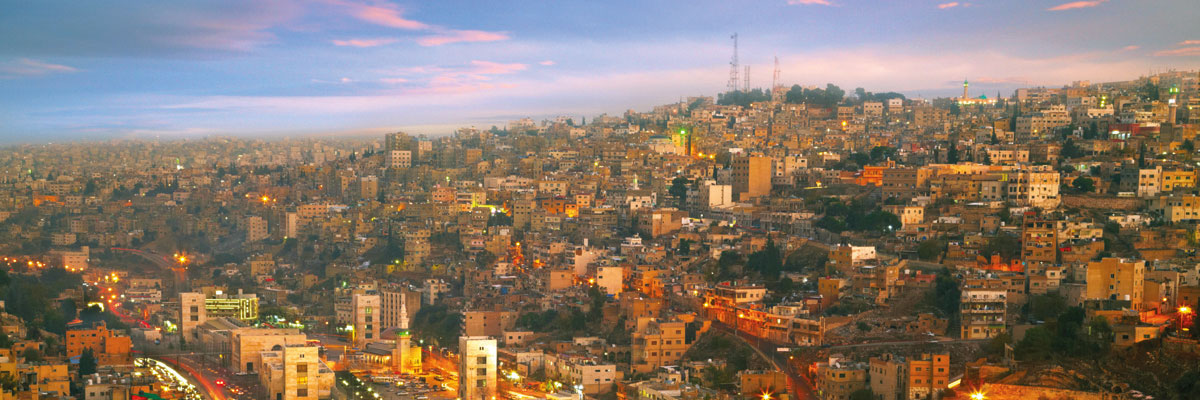
Since 2009, Jordan has faced a raft of challenges: the global financial crisis, the Arab Spring, border closures with Iraq and Syria, as well as a massive refugee influx. These events have placed immense pressure on Jordan’s economic and political prospects. Yet, despite this, Jordan has retained its status as an important commercial hub within the Middle East.
Jordan is proudly described as the business capital of the Levant. Despite lacking valuable oil and gas reserves, it has managed to build a strong economic base around its manufacturing, finance and banking sectors.
‘The business environment in Jordan is safe, stable and secure, especially when compared to the countries that surround it. This is a big advantage for Jordan,’ explains Abdelrazzaq Al Shurbaji, assistant vice president and legal counsel at Citibank.
‘A lot of countries situated around Jordan are experiencing challenges. In comparison, Jordan has become quite a secure environment. It has become an attractive place in the Middle East to work and to invest.’
Jordan is located at the crossroads between Asia, Africa and Europe. Linah Yazbak, legal and compliance manager at Ferring Pharmaceuticals, says Jordan’s location makes it an ideal base for large multinational companies.
‘Jordan is well placed – it acts as a hub for international companies operating there due to its strong relationships with a number of global markets. Luckily, it is one of the most secure and stable countries in the Middle East,’ she says.
Only the beginning
Jordan’s reputation as a stable and secure business environment has made the country a desirable location for in-house counsel within the Middle East.
‘Jordan’s stability and strategic location have been reinforced with sound economic policies and a vision to ensure that Jordan will become a key market in the MENA region,’ says Dr Wadah Hajjat, legal adviser at the Jordan Investment Commission.
‘Jordan stands to be an active partner in the reconstruction and development of neighbouring markets, too. All of these factors have made Jordan a unique place to be an in-house counsel.’
Despite lacking oil and gas reserves, the country has managed to build a strong economic and commercial framework. Its business activities are varied: from the exportation of manufactured goods such as pharmaceuticals, to building a robust financial sector and promoting foreign investment in initiatives such as renewable energy.
‘The investment atmosphere in Jordan makes it easier for investors to come and establish their businesses here,’ says Dr Kamal Jamal Alawamleh, legal counsel at Arab Telemedia Group.
‘Overall, the legislation itself, the legislator and the close relationships which we have here in Jordan have made the country an attractive destination for investment.’
Despite an overall positive environment, legal ambiguities have made doing business in Jordan problematic at times. Combined with the introduction of a host of new laws and regulations, in-house counsel have had to ensure they remain at the forefront of what can seem like a constant stream of new developments. And, as Jordan continues to develop its legal frameworks, in-house counsel in the region will be exposed to a wider selection of business opportunities. As the push towards boosting investment and strengthening Jordan’s economy continues, the need for well-trained and in-house counsel stands to become even more essential.
A hard pill to swallow
In particular, the stability of the business environment in Jordan has been favourable in helping develop its export industry. Its main exports include textiles, potassium, phosphates, fertilisers and pharmaceutical products. Its main export partners include the United States, India and Saudi Arabia.
‘Jordan is a vital country in the Middle East. Although parts of the region have been hit by political instability in recent years, continued economic and population growth have continued to present some strong export opportunities,’ explains Yazbak.
One area where companies are capitalising on the strong export opportunities available in Jordan is the pharmaceuticals industry. Jordan is a leading pharmaceuticals manufacturer in the MENA region. A major international player in the industry is Swiss multinational company Ferring Pharmaceuticals – which bases its Middle East headquarters out of Amman.
‘Ferring decided to have their regional offices for the Middle East and Africa region based in Jordan over 20 years ago. We are based here for taxation purposes, marketing issues and for manufacturing reasons,’ says Yazbak.
In-house lawyers working in Jordan’s pharmaceutical sector are regulated by the Ministry of Health. The industry is also under the close supervision of the Jordan Food and Drug Administration. Having worked at Ferring for the last four years, Yazbak has overseen a range of legal and compliance matters.
‘I have been managing the compliance team for the whole Middle East area, which includes the Levant, Turkey, and Africa. My role is split into two parts: legal and compliance. On the legal side, I provide advice, guidance and legal interpretation to clients within our organisation,’ she says.
‘I also manage compliance across the region. One area where we need to provide specific advice is in relation to the “Sunshine Act” from the European Union.’
The legislation that Yazbak refers to strengthens the transparency obligations between pharmaceutical companies and healthcare professionals. The government of Jordan considers the pharmaceutical sector a crucial part of the economy. Ensuring the industry adheres to both local and international standards is fundamental in maintaining its status as a pioneer within the industry.
Cashing in
The Jordanian economy is highly dependent on its banking and finance sector. It plays an important role in fostering stability and boosting economic growth. One of the leading financial providers in Jordan is Citibank.
Al Shurbaji has been running legal operations at Citibank for the last four years, and has overseen a large portfolio of legal work.
‘My main responsibility is to provide local and cross-border assistance for legal. This means providing proactive, timely and accurate support to all of the departments and regional lines,’ he says.
‘Living in Jordan and working as in-house legal counsel can be a challenge, because you need to find a balance between building revenue within ongoing projects and protecting the entity at all times.’
Although this is a common challenge faced by in-house counsel, ambiguities within the Jordanian legal framework can make overcoming this more difficult.
‘Sometimes there is a lack of laws and regulations governing specific transactions, so you have to study the transaction very well and you have to advise in terms of your interpretation of the law or regulation. This is very challenging for legal counsel here in Jordan,’ says Al Shurbaji.
The government of Jordan has tried to combat legal ambiguities by introducing new laws and regulations. Over the last five years, in-house counsel working in the banking and finance sector have been at the forefront of major regulatory reform.
Al Shurbaji has overseen the implementation of new laws in areas including insolvency, bankruptcy and property law. With more regulatory changes expected in the future, in-house counsel working in the banking and finance sector require a sound understanding of what new laws mean in relation to the current legal framework.
‘The government is working on new laws and regulations which support the financial market here in Jordan,’ says Al Shurbaji.
‘When new laws are introduced or implemented in Jordan, you still need a solid understanding of what exactly the consequences of these new laws are – this is a real challenge we face here in Jordan.’
Investing in the future
The Jordanian government has also introduced new regulations supporting investment initiatives by local and national enterprises. Hajjat says the aim of the Jordan Investment Commission is to be a strategic partner to help facilitate international investment.
‘Jordan aims to attract, encourage and promote domestic and foreign investment to all sectors which are covered by investment law, which include industrial, agricultural, tourism, media, vocational and services industries,’ says Hajjat.
‘I work in the legal and policy studies department. With my colleagues, I work to develop a more attractive framework for investment. I review comparative studies among various investment laws and make recommendations aimed at improving Jordanian investment law.’
Legal advisers such as Hajjat are at the centre of improving regulations for prospective investors in Jordan. The Commission was formed in 2014 in an effort to stave off the prospect of corruption facing potential foreign investors, unifying what had previously been a disparate set of agencies.
‘It is important to ensure that we promote a sustainable and attractive investment climate, activate economic movements, enhance confidence, develop and organise the investment environment, as well as increase exports,’ he says.
‘Accordingly, all sectors were given the same incentives – with some extra incentives to the information and communication technology sector.’
The push towards boosting foreign investment has been particularly prominent with regards to sustainable and renewable sources of energy, with an aim to have 10% of all energy in Jordan sourced from renewables by 2020, as outlined in the 10-year National Energy Strategy.
‘We do not have an abundance of natural resources here in Jordan. I think one of the things that support Jordan’s economy is investment opportunities. We have a lot of projects related to solar and other renewable energy. These projects are supporting the industry here in Jordan,’ says Al Shurbaji.
Jordan’s renewable energy sector is developing quickly. According to the BloombergNEF Climatescope 2018 Index, Jordan is ranked as the third most attractive investment destination for renewable energy. Placing third out of 103 countries is a huge achievement for Jordan, explains Shurbaji.
‘I believe that new legislation, and continuous legislative developments in Jordan have played a fundamental role in this achievement,’ he says.
‘For in-house counsel in the region, this presents an opportunity to gain more exposure and work on different transactions. This is a very important point for in-house counsel, as more investment presents more opportunity within the Jordanian legal market.’
It's showtime
One area where new investment opportunities might come as slightly more of a surprise, is within the film and television industry in Jordan.
‘Economically, Jordan does not have oil or gas reserves. The only source of revenue it does have derives from within the Jordanian people and their efforts to improve,’ says Alawamleh.
Arab Telemedia Group is one of the most popular production companies in the Middle East. Established in 1983, the group is known for producing award-winning Arabic TV series and films. One of the main legal responsibilities as legal adviser of Arab Telemedia group is overseeing the registration of new scripts, says Alawamleh.
‘We protect against copyright by registering scripts with the relevant authorities. We buy scripts for different TV shows. As a result, we have to register these scripts with the National Library here in Jordan,’ he says.
With Jordan’s location in the heart of the Middle East, Alawamleh says that there are opportunities apparent in utilising the varied talent that ends up residing in Jordan, as well as catering for the tastes of an increasingly diverse population.
‘We have a lot of people who migrate and reside in Jordan, because we are on the border with a lot of countries that have a lot of problems,’ he says.
‘But, that means that different actors, contractors and producers now reside here in Jordan. Because they have been given residence here, they try to protect the way of life they have here and work to improve our industries. For our industry, this will eventually bring us different productions, new TV series, different techniques. The only way is up.’ n