
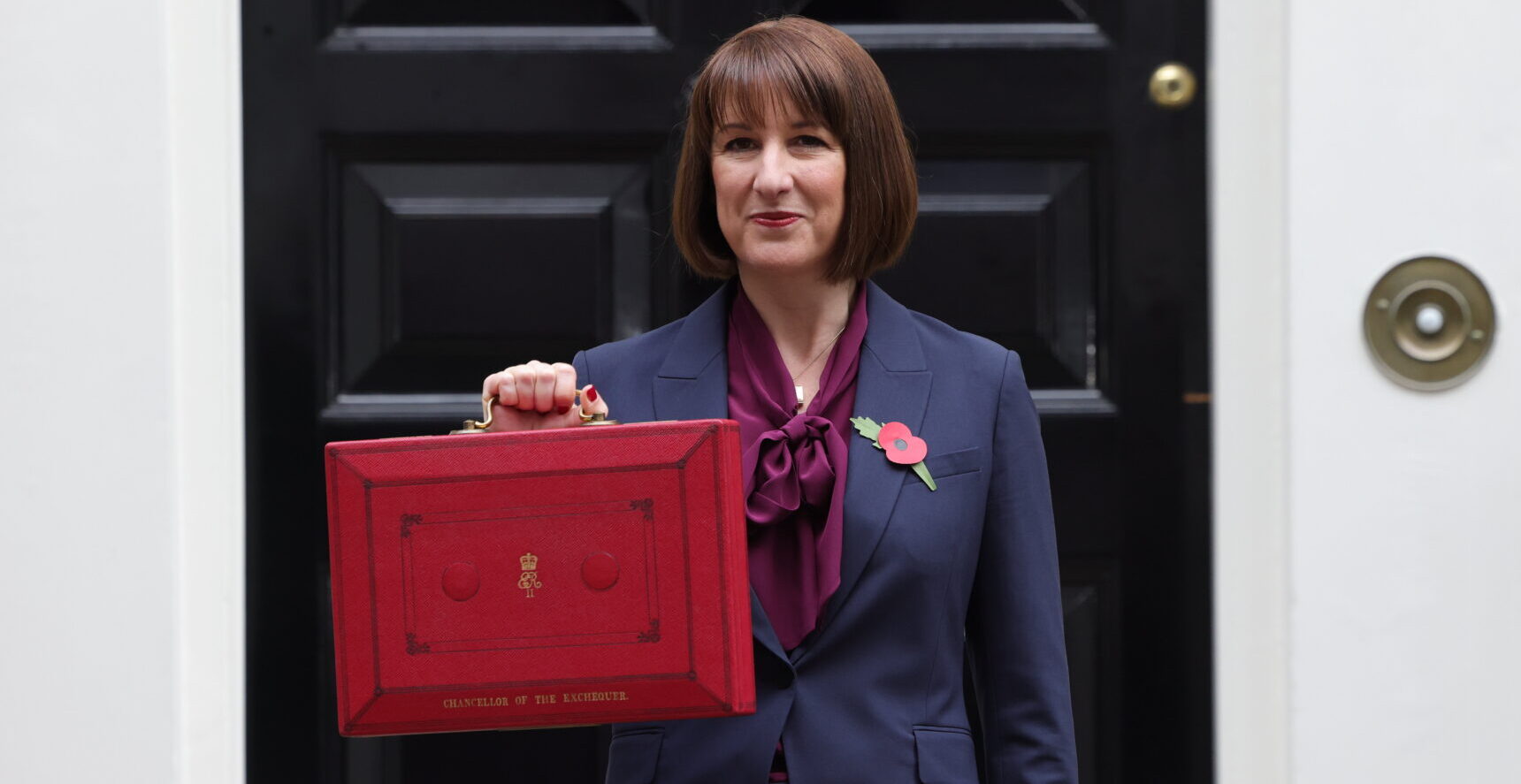
After alarm bells were raised last month, Chancellor Rachel Reeves is now reportedly U-turning on plans to apply employers’ national insurance contributions (NICs) to limited liability partnerships (LLPs) at the next budget.
Though the proposals were never officially confirmed, the Financial Times reported last Friday (14 November) that NICs are now off the table, along with a proposed increase in income tax.
According to the FT, while the measures could have raised £1.9bn in tax revenue, concerns were voiced that the policy could have cost more than it raised due to tax avoidance.
The news has come as a relief for many LLPs across the country, and follows concerted lobbying efforts by representative bodies such as the City of London Law Society (CLLS), which wrote to both Reeves and Lord Chancellor David Lammy calling for a reversal of the plans, and the Law Society, which described the proposals as ‘a meaningful threat to our members.’
 CLLS chair and former Simmons & Simmons senior partner Colin Passmore (pictured) had been hopeful that the government would listen to the concerns raised by the industry, and said that he was ‘very, very pleased’ by the news.
The CLLS’s lobbying efforts centred around concerns over the ongoing health of the British legal industry, which Passmore described as ‘an enormous success story.’
‘It’s not often fully appreciated how many jobs we provide across the country,’ Passmore said.
He added that many partners had expressed that they may have decided to practice elsewhere if the NICs were introduced.
Despite raising the issue with the government directly, the CLLS has had no direct response from the Government as of yet. ‘I hope one day we get a conversation,’ Passmore said, ‘but at the end of the day, with respect to the government, this was not a good idea and we are absolutely entitled to say so.’
A ‘brave’ move
For Liesl Fichardt, head of Quinn Emmanuel’s London international tax and regulatory disputes practice, the U-turn ‘signals that Reeves is sensitive and aware’ of the concerns of the legal industry.
Fichardt said she understands the need to derive more tax revenues from somewhere, but felt that targeting LLPs was ‘unfair.’
‘One has to be realistic with the world economy and the government’s shortfall – they have to get the money from somewhere,’ she said. ‘But the problem is when the tax system seems unfair – taxpayers will pay if it is fair, and you have to maintain trust with the taxpayer.’
Fichardt described the decision to backtrack on the proposals as brave, and one that should be respected.
‘She’s brave to do it. A U-turn is a big thing to do,’ Fichardt said. ‘She has listened to the reaction this has caused, and we should give her credit.’
A better alternative?
But not everyone has the same view. King & Spalding tax partner Russell Warren, who recently joined the firm from Travers Smith, said the NICs would have been better for the economy than what may replace them in next week’s budget.
‘The government will now need to make more changes than otherwise needed,’ Warren told LB.
He said ‘the more measures there are, the more uncertainty it creates.’
‘Businesses will look at all of this and ask themselves, how can we have any certainty about planning, making investments?’
The Office for Budget Responsibility (OBR) estimates that the government’s overspend is around £20bn, lower than previous £30bn. Now measures such as levying NICs on partners are off the table, there is speculation on where the treasury will generate its needed tax revenue.
‘I think what we will see is lots and lots of different measures where we’re trying to raise a little bit here, a little bit there, and it’s not going to be welcomed,’ Warren said of the impending budget.
‘I was willing to accept a higher tax bill as an answer to the problem that clearly is in terms of the finances of the country. That felt like a much better outcome,’ he said.
One thing is for sure – tax partners will be watching this space when the fully confirmed details of the budget are revealed on 26 November.
The Treasury declined to comment.