
Trading places: Top Sullivan & Cromwell dealmaker decamps for Willkie in New York

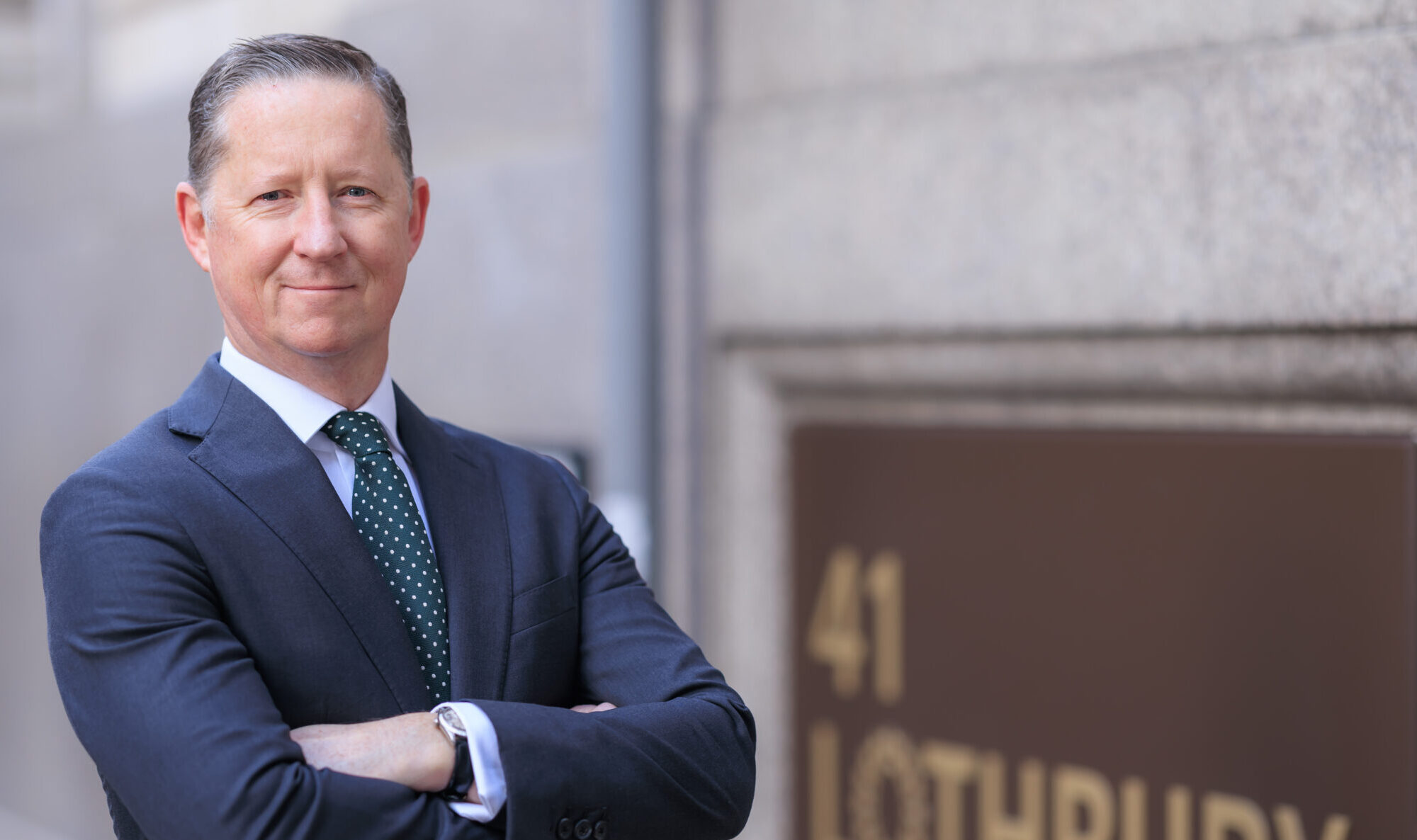
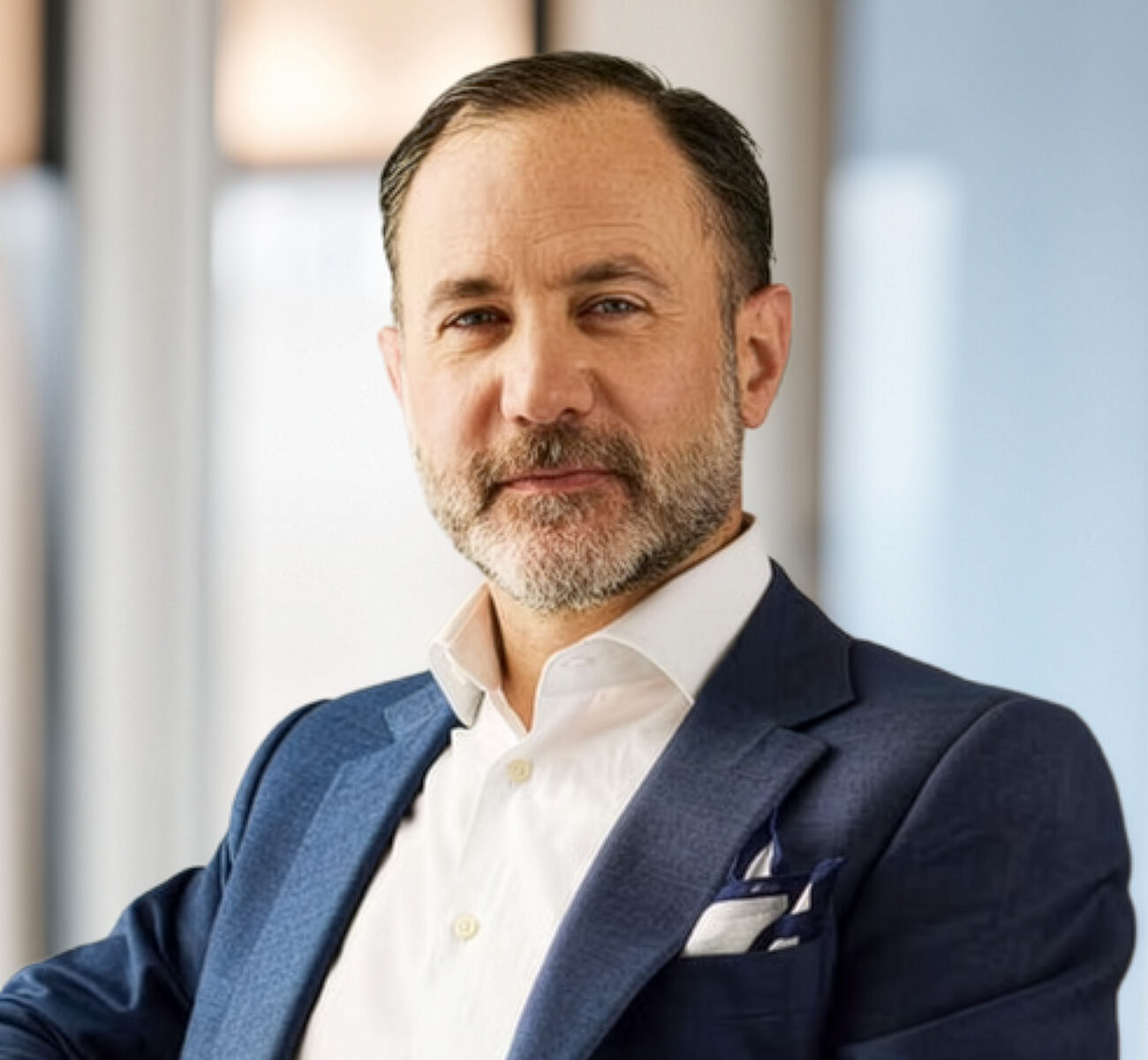
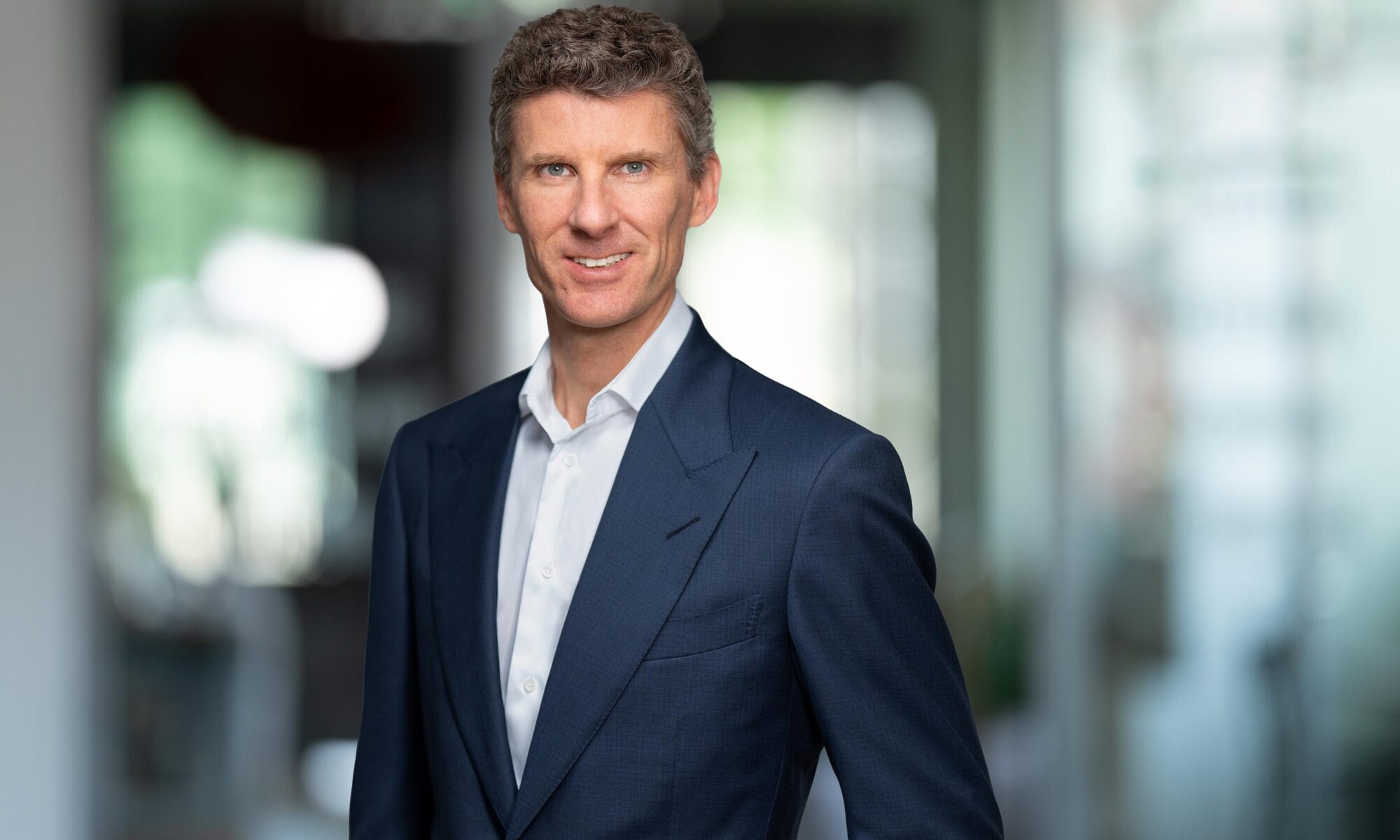
Sullivan & Cromwell private equity group co-head Brian Hamilton (pictured) has left the firm’s New York office for Willkie Farr & Gallagher, in a high-profile departure that comes as S&C gears up for its London buildout.

Hamilton, who has left after almost 28 years at S&C, has experience advising on high-value PE transactions across a range of sectors, including advising Canadian activewear company Gildan on its $4.4bn acquisition of US clothing company Hanesbrands this August.

Willkie private equity practice group co-chair Jeffrey Poss said in a statement: ‘Brian brings decades of experience advising on high-profile, complex deals for a wide range of global clients. His commercial approach, significant experience, leadership skills, and commitment to excellent client service make him a tremendous addition to help lead our PE and M&A teams.’

Hamilton added: ‘I’m excited to join Willkie, a firm I have long admired for its strong position in the market and diverse capabilities across both private equity and M&A. I look forward to working alongside my new colleagues to advise our clients on their most sophisticated deals as we continue operating in a complex and constantly evolving deal environment.’

S&C saw another exit from its New York office last month, when M&A partner Lee Parnes left for Davis Polk after 10 years at the firm.

Across the Atlantic, the firm has made a trio of City hires in recent months, bringing over Weil PE heavyweight Mike Francies and senior Kirkland restructuring partner Kon Asimacopoulos last week, following its June hire of A&O Shearman financial services Barnabas Reynolds.

Meanwhile, Willkie has made a number of PE hires in recent months, including partners Jesse Betts and Jessica Hammons from Akin and Nathan Meredith from A&O Shearman, who all joined the firm’s Dallas office this summer.

Elsewhere, Simpson Thacher has hired banking and credit partner Elizabeth Kates into its Boston office.

The firm launched in Boston in May last year, and has since made a raft of hires, including most recently M&A partner William Lay, who joined from Kirkland & Ellis last month. Kates’s hire brings the firm’s Boston partner headcount to 11, according to the firm’s website.

In Washington DC, litigator Masha Hansford has returned to Paul Weiss as a partner five years after leaving the firm as a counsel to join the Department of Justice. While at the DOJ, Hansford worked as an assistant to the solicitor general, and argued nine cases for the federal government before the US Supreme Court.

Firm chair Brad Karp said in a statement: ‘We are delighted to welcome Masha back to the firm. Masha is a brilliant and accomplished advocate who has argued some of the nation’s most consequential appeals in recent years, and her addition will significantly enhance our ability to serve our clients on significant appellate issues.’

Paul Weiss has seen a raft of litigation departures since it became the first of a clutch of firms to strike a deal with the Trump administration, scrapping its diversity, equity, and inclusion (DEI) initiatives and pledging $40m in pro bono work to causes the administration supports in return for the rescission of an executive order issued against it.

These departures included litigation department co-chair Karen Dunn, who left in June alongside fellow partners William Isaacson, Jessica Phillips, and DC office head Jeannie Rhee to establish disputes boutique Dunn Isaacson Rhee.

Three more partners later left Paul Weiss for Dunn Isaacson Rhee, while former US attorney for the Southern District of New York (SDNY) Damian Williams also left after just six months at the firm, moving to Jenner & Block, one of several firms to have challenged the administration’s executive orders against it in court.

Also in DC, Arnold & Porter has hired Sidley Austin telecom and internet competition co-chair Rick Beckner as a partner. The firm also brought in Lisa Re, former assistant inspector general for legal affairs at the Office of the Inspector General in the US Department of Health and Human Services, as a partner in its life sciences and healthcare regulatory practice.

Beckner brings a wealth of expertise in regulatory and appellate matters in the telecoms, tech, and energy sectors, including appearances before federal agencies and the Supreme Court. He joined Sidley as a partner in 2009 after spending three years as a deputy assistant attorney general in the Justice Department’s civil division.

In New York, Ashurst has hired Rossie Turman as a partner in its global loans team. Turman joins from US national firm Lowenstein Sandler, where he was international finance chair since joining from Skadden in 2020.

Turman is the third New York finance partner Ashurst has hired in recent months as the firm doubles down on its US ambitions; Joe Gianni joined from Norton Rose Fulbright in July and Fried Frank special counsel Nick Allen joined as a partner in June.

Finally, Goodwin has hired Eric Tan as chief digital and technology officer. Tan will work out of the firm’s Silicon Valley office and report to chief operating officer Mary O’Carroll.

[email protected]

DWF puts revenue up 8% in final year under CEO Knowles

20 Fenchurch Street (aka the Walkie Talkie)

DWF has announced its financial results for the year ending 30 April 2025, reporting an 8% increase in group net revenue to £466m, up from £434m the previous year.

The firm did not disclose profit or profit per equity partner (PEP) in its release, but the topline growth continues the firm’s upward trajectory under outgoing CEO Sir Nigel Knowles.

Knowles stepped down in August this year, after overseeing a 60% rise in revenues and more than a trebling of profitability over his five-year tenure. The change in leadership came after the firm appointed former EY UK & Ireland chair Steve Varley as independent non-executive chair in July 2024.

The firm’s new CEO Matthew Doughty, who stepped into the role on 1 August, said in a statement: ‘This is another strong performance for our business, demonstrating the value of our integrated legal and business services offering and the trust our clients place in us. These results are a credit to our colleagues around the world, whose dedication ensures we continue to deliver exceptional outcomes for our clients.’

The firm has acted on various high-profile deals in 2025, including the acquisition of two landmark office buildings in Warsaw, a major water infrastructure project in the north west of the UK, and the $50m sale of renowned jeweller Fabergé.

Doughty added: ‘We are entering the new financial year with confidence, backed by strong first quarter growth. This confidence is underpinned by continued investment in technology, global expansion and our responsible business agenda.’

DWF made headlines for being the first law firm to list on the LSE’s main market in March 2019. However, its time as a publicly traded law firm was relatively short-lived, as the firm delisted after being taken over by mid-market private equity house Inflexion in October 2023, to become the largest UK law firm owned by PE.

In April the firm launched a redundancy consultation in order to cut costs in its commercial and central services divisions.

At the same time, 2024-25 saw the firm continue its international expansion. It completed its acquisition of Australian claims management business Proclaim in September 2024, adding 320 colleagues across nine jurisdictions to its claims management and adjusting arm.

The firm also snapped up a 62-strong insurance litigation team, including nine partners from Australian firm Hall & Wilcox’s London team, and integrated a further 28 lawyers, including nine partners, from the insurance and civil litigation practice of Canadian firm Bélanger Sauvé into its Canadian business Whitelaw Twining.

[email protected]

Orrick takes eight-partner UK/US finance team from Cadwalader ahead of North Carolina launch

Orrick is hiring an eight-partner finance team from Cadwalader, including four partners each in London and the US, with the Stateside hires set to open a new North Carolina base for the firm.

The City quartet, who specialise in collateralised loan obligations (CLO), is led by David Quirolo, a Legal 500 Hall of Famer for securitisation who has spent more than a decade at Cadwalader after joining from Ashurst in 2014.

He will be joined at Orrick by three other London partners – Claire Puddicombe (also formerly of Ashurst), Daniel Tobias and Alex Collins, who is ranked by Legal 500 as a next generation partner.

The partners making the move in the US are Washington DC managing partner Gregg Jubin and a trio of capital markets and CLO partners in Charlotte, North Carolina – Nathan Spanheimer, Joseph Beach and Skyler Walker.

According to a source familiar with the matter, Spanheimer, Beach and Walker will open a new office in Charlotte for Orrick, further extending the firm’s East Coast reach after it launched in Miami in July.

The hires will see Orrick add significant heft to its London finance bench, coming after the departure of a four-lawyer team to Dechert in June, including partners Sushila Nayak and James Jirtle.

The exits for Cadwalader, meanwhile, come on the back of the departure of a 13-strong team to King & Spalding in summer 2024. That team included Legal 500 fund finance leading individual Samantha Hutchinson as well as partners Mathan Navaratnam, Nathan Parket, Sukhvir Basran.

The firm’s London office also recently saw the departure of securitisation and structured products partner Richard Hanson, who left in July just nine months after joining from Morgan Lewis. However, that same month Cadwalader hired leveraged finance partner Edward Holmes from Paul Hastings.

A Cadwalader spokesperson said: ‘We wish our departing colleagues well. Cadwalader remains on track to have one of its best years in the firm’s history and we continue to be bullish on our growth strategy.’

Orrick declined to comment.

[email protected]

The legal AI frontrunners: a beginner’s guide to Harvey and Legora

AI-powered tech has been taking the legal industry by storm in recent years, with the big two players, Harvey and Legora, seemingly announcing a new partnership with major law firms every other week.

Both companies have raised millions of dollars in funding and have developed their own highly sophisticated AI-powered platforms to supercharge lawyers’ output.

But what is it that they offer – and which firms have signed up to use their services? For armchair observers who have not yet had first-hand exposure to the companies leading the tech revolution, here, LB presents a beginner’s guide.

Legora

Founded in Sweden in 2023, Legora is an AI-powered legal workspace built on Microsoft Azure’s infrastructure and large language model (LLM) services.  Formerly known as Leya, it rebranded in February this year before going on to launch in the UK and US in March.

The platform includes features such as tabular review, which transforms folders full of contracts, agreements, or case files into an organised, interactive grid. With each document appearing on a separate row, users are able to extract key data points and spot inconsistencies at a glance. The company has also recently launched a new ‘Workflows’ feature, which helps lawyers build, run, and evolve complex legal processes, automating multi-step tasks like due diligence, document analysis and legal research.

Early deals with law firms saw Legora partner with Goodwin in the US in March, before announcing a partnership with Cleary Gottlieb in May. Early adopters in the UK include Bird & Bird.

Legora have also just announced a new strategic partnership with Deloitte Legal UK to develop pre-built solutions and custom workflows.

In May, Legora secured $80m in a Series B fundraising round, reaching a $675m valuation less than two years after founding.

‘Legora’s long-term vision is to be in the hands of every elite corporate and commercial lawyer,’ said CEO and co-founder Max Junestrand. ‘Legora is built to pair human judgement with AI velocity – enabling junior lawyers to take on higher-value work sooner, supporting senior partners in delivering exceptional client outcomes, and helping in-house teams work more efficiently and consistently.’

Harvey

Launched in 2022, Harvey is a generative AI platform, built on OpenAI’s GPT LLM, which was built specifically for law firms and in-house legal teams. Founded by former O’Melveny & Myers associate Winston Weinberg, Harvey uses customised large language models to handle tasks such as legal research, contract review, drafting, and due diligence.

The platform can query and analyse large document sets, generate citation-backed answers from case law, and is fully integrated with legal tools such as LexisNexis and iManage.

With two $300m fundraising rounds during the first half of 2025, Harvey is now valued at around $5bn, and has recently announced new partnerships with Latham & Watkins and Willkie Farr & Gallagher.

‘We want to be the trusted AI platform for the world’s leading law firms and we are honored that, after extensive evaluation, Latham has chosen to deploy Harvey at scale across the business,’ said CEO Winston Weinberg in the company’s press release announcing the partnership.

What difference can these platforms make?

Efficiency and a focus on giving lawyers more time to work on more interesting and high-value matters are generally touted as the main benefits of both AI platforms. As Junestrand says: ‘the most immediate impact when lawyers start using Legora tends to be in high-volume, document-heavy workflows such as contract review, due diligence, and regulatory checks.’

As clients continue to seek greater transparency and better value for money from their legal advisers, better use of technology is one way to bridge the gap.  ‘We know legal workloads are only increasing – more documents, tighter regulation and sharper client demands mean lawyers will never run out of work,’ says Junestrand. ‘Our mission is to keep them ahead of the curve, with a platform that expands and evolves to meet their current and future needs.’

At Harvey, the company emphasises the integration levels and fact it was built specifically for the legal market as key differentiators. ‘Harvey was designed with a legal brain, legal data, and legal reasoning by lawyers, for lawyers, to do everything from drafting and comparing contracts to wholescale review and analysis across tens of thousands of documents,’ says Jackie Karmel, Harvey’s head of EMEA. ‘Using generative AI, lawyers can now produce work outputs and products with a couple of clicks, even taking away the burden of lawyers having to know how to prompt AI.’

Who’s partnered with who? Key law firm clients of Harvey and Legora

Harvey Legora
A&O Shearman Addleshaw Goddard
Al Tamimi (MENA) AGP (Norway)
Anderson Mori (Japan) Araoz & Rueda (Spain)
Ashurst Arendt & Medernach (Luxembourg)
Bär & Karrer (Switzerland) BAHR (Norway)
Barros & Errazuriz (Chile) BCLP
BonelliErede (Italy) Bird & Bird
Bowmans (South Africa) Born Advokater (Sweden)
Carey (Chile) Cescon Barrieu (Brazil)
CMS Cleary Gottlieb
Cuatrecasas (Spain) CMS
Gleiss Lutz (Germany) Cyril Amarchand Mangaldas (India)
Gowling WLG Deloitte Legal UK
Heuking (Germany) Dentons
Latham & Watkins DWF
Lewis Silkin Fondia (Finland, Sweden, Estonia, Lithuania)
Macfarlanes FromCounsel
McCann FitzGerald Goodwin
Mori Hamada (Japan) Harbottle & Lewis
O’Melveny & Myers HPP Attorneys (Finland)
Ogletree Deakins id est avocats (Switzerland)
Orrick Jeantet (France)
Paul Weiss Lindahl (Sweden)
PPU (Chile) LKS (India)
Reed Smith Mannheimer Swartling (Sweden)
Schoenherr (Austria) Mishcon de Reya
Vinson & Elkins Morais Leitão (Portugal)
Wilkie Farr & Gallagher Pérez-Llorca (Spain)
Wilson Elser Quinz (Belgium)
Honigman (US) RocaJunyent (Spain)
A&L Goodbody (Ireland) Taylor Wessing
Wong Partnership (Singapore) TLT
Waselius (Finland)
Wardyński & Partners (Poland)
Webber Wentzel (South Africa)

*accurate at the time of publication

Revolving Doors: Ropes restocks in PE as Slaughters sees double partner departure

September is here, summer is over and this week’s Revolving Doors has a flurry of moves as partners everywhere return to their (new) desks.

Ropes & Gray has strengthened its London office with the hire of private equity partner Cataldo Piccarreta from Latham & Watkins. Piccareta, who has led on deals for funds including EQT and Bain Capital, is set to join after eight and a half years at Latham, primarily in the firm’s Milan office.

Prior to joining Latham in 2017, he spent four and a half years at legacy Italian firm Gattai Minoli Partners, including as the firm’s London head, and has also worked at the now-defunct Dewey & LeBoeuf and Simmons & Simmons.

His arrival comes after a series of departures from Ropes’ London private equity practice. Helen Croke joined White & Case in June, while PE real estate duo David Seymour and Will Bryant joined Freshfields in July.

Elsewhere in the City, Slaughter and May has seen a rare double partner exit as finance partner Oliver Wicker and M&A partner Paul Mudie are set to leave.

The pair, who were both made up to partner in 2016, are departing after almost two decades apiece at Slaughters. ‘We thank them for their contribution to the firm and wish them well for the future,’ the firm said in a statement.

Addleshaw Goddard has launched a tax disputes and investigations practice after tapping Pinsent Masons for a five-strong team led by partner and Pinsents tax and investigations head, Steven Porter.

Paul Concannon, head of tax and structuring at Addleshaws, said that the new practice ‘significantly enhances our tax and disputes offerings, addressing a key gap in our capabilities.’

Addleshaws has also bolstered its real estate practice with the hire of CMS partner Amit Unadkat, who brings extensive experience advising private equity firms on real estate transactions.

Meanwhile, Shoosmiths has appointed former DLA Piper global co-CEO Simon Levine as a strategic board adviser.

Levine spent 20 years at DLA, with just under half of that in the firm’s top job.  His appointment comes shortly after Shoosmiths declared it was targeting international expansion through strategic combinations in core European hubs and with representative offices planned in New York and San Francisco.

 Commenting on his appointment and the firm’s plans, Levine said: ‘Shoosmiths is already delivering for clients at the highest level, and it’s now poised to take that success onto a bigger stage.’

Eversheds Sutherland has made a number of hires in London. The firm has hired M&A lawyer Kashif Siddiqui as a partner in its corporate finance practice. Siddiqui was most recently head of legal at former Poundland owner Pepco Group. Martin Corrigan joined from Latham as a structured finance partner and Karishma Brahmbhatt joined Evershed’s global privacy and cybersecurity practice from A&O Shearman.

In addition, James Holden and John Lurie have joined the firm’s construction team as partners. Holden was a partner in White & Case’s international arbitration practice, while Lurie served as principal counsel and regional head of legal for EMEA at US construction and projects company Bechtel Corporation.

Corporate partner Helen Johnson has joined Baker McKenzie‘s M&A team in London following 16 years at CMS, where she led the firm’s retail practice. In addition to retail, Johnson brings experience in M&A, joint ventures, private equity, fundraisings, IPOs and takeovers.

Lewis Silkin has hired two partners to its IP and immigration teams with Scott Foster and Rose Carey joining the respective teams.

Two overseas firms have planted flags in London, with US outfit Michelman & Robinson and German tech specialist YPOG both launching offices

LA- headquartered law firm Michelman Robinson has made its debut with a ten-strong corporate crime and investigations team, including four partners: Lily Dou and Polly Sprenger join from Addleshaw Goddard, John Gibson from Cohen & Gresser and Ruth Paley, who was most recently at Eversheds. Sprenger, Gibson and Paley are all lateral hires while Dou, a certified accountant, worked as a forensic accounting director at Addleshaws.

Meanwhile, Berlin-headquartered tech law firm YPOG has launched in London with a seven-strong tech team from Withers led by James Shaw. The team created tech boutique JAG Shaw Baker, which was taken over by Withers in 2018.

Elsewhere, Herbert Smith Freehills Kramer has made two hires in EMEA, with the addition of corporate partner Mohammed Al Eshaikh in Riyadh and competition, regulation and trade partner Laurence Bary in Paris.

In China, Hogan Hovells has hired Paul Hastings corporate partner David Wang and PE fund formation and investment transactions partner Meka Meng in what James Doyle, the firm’s head of corporate and finance described as a ‘significant step forward in our strategy to grow our offering in Greater China’.

Wang, who has moved to the firm’s Shanghai office, managed Paul Hastings’ Shanghai office and Beijing offices for more than 15 years, while Meng, based in Beijing, has moved after just under 20 years at Paul Hastings.

Turning to Europe, Clyde & Co has opened an office in Rotterdam, its first in the Netherlands, following a merger with domestic insurance boutique Stadermann Luiten Advocaten and the hiring of disputes partner Frits van der Woude from the Amsterdam-based Kennedy Van der Laan. In total, the office will comprise 17 lawyers.

Back in the UK, Squire Patton Boggs has added four partners to a range of practices across its UK offices. Miles Robinson has joined the litigation team in London from Mayer Brown, corporate partner Partho Chaudhuri has joined the Birmingham team from Deloitte, Deborah Polden has joined the Leeds litigation practice from Eversheds, and Chris Roberts has joined the Manchester restructuring practice from DLA Piper.

Foot Anstey has bulked out its London private client and corporate practices with the hires of partners Fiona Campbell-White and Matt Spencer, from Wilsons and Kingsley Napley respectively.

Finally, Brabners has hired partner Ben Lamb into its Yorkshire real estate team from Leeds firm Clarion.

[email protected]

Paul Weiss and Skadden lead on Kraft Heinz split

Paul, Weiss and Skadden have picked up lead roles in the separation of The Kraft Heinz Company just 10 years after the historic merger between the leading American food manufacturers.

The transaction sees the merged entity split back into two separate publicly traded companies through a tax-free spin-off. Each of the companies will focus on growing separate brands, with one part housing brands including Heinz, Philadelphia and Kraft Mac and Cheese, and the other including brands such as Kraft Singles and Lunchables. The new companies are yet to be named.

Kraft Heinz chair of the board Miguel Patricio said in a statement: ‘By separating into two companies, we can allocate the right level of attention and resources to unlock the potential of each brand.’

The Paul Weiss team was headed by a trio of partners from the firms New York office, global M&A co-head Jeffrey Marell, M&A partner Stan Richards and co-chair emeritus of the firm’s tax department Jeffrey Samuels.

Also involved were corporate partners Carmen Lu in New York and Mohammed Alvi in Los Angeles, tax partners Robert Killip in New York and Cian O’Connor in London, London-based global antitrust practice co-chair Nicole Kar, New York executive compensation partners Matthew Friestedt and Jarrett Hoffman, and global IP and technology transactions co-head Claudine Meredith-Goujon, also in New York.

Marell has worked with Kraft Heinz before, leading the team that advised the company on the 2021 sale of its natural cheese business to an affiliate of French dairy products corporation Groupe Lactalis for a total consideration of $3.3bn. Also involved in that transaction were Meredith-Goujon and Hoffman.

The firm also previously acted for Kraft Heinz in a stockholder derivative action lawsuit, winning a dismissal in July last year.

Skadden, meanwhile, fielded a team from its New York office, with M&A partners Brandon Van Dyke and Kyle Hatton leading, and support from tax partner David Rievman and banking partner Janine Jjingo.

Skadden has also previously advised Kraft Heinz, with a Germany-based team assisting the food and beverage giant on its acquisition of an 85% stake in German spice company Just Spices, which completed in January 2022.

Heinz Company and Kraft Foods Group merged in 2015 in a deal valued at $60bn, with Cravath representing Heinz, Sullivan & Cromwell representing Kraft, and Kirkland & Ellis representing 3G Capital and Heinz.

The separation is expected to be completed in the second half of 2026.

[email protected]

Role scorers: the law firms on the biggest deals of a record £3bn Premier League transfer window

The summer transfer window has seen Premier League clubs splash record amounts of cash on new players, with total spending exceeding £3bn.

And with deals to be done, lawyers have been in the thick of the action, with specialist sports boutiques including Centrefield, Level and Onside Law among the firms stepping up to advise.

Total transfer fees paid by clubs in English football’s top division hit £3.1bn for this summer’s window, far surpassing the previous record of £2.36bn set in summer 2023.

‘It’s been a record-breaking window for us as well,’ Matthew Bennett, a partner at Centrefield told Legal Business. The Manchester-based boutique advised on deals worth almost £1.8bn across 30 countries, including some of the highest profile transfers on deadline day.

The British transfer record was broken twice this summer, both times by Liverpool FC, first with their £116m signing of Germany international Florian Wirtz from Bayer Leverkusen this June.

Travers Smith took a lead role on that deal, working alongside German law firm Seitz Partners to advise the Wirtz family on the UK legal issues connected with the transfer.

The Reds then signed Swedish striker Alexander Isak from Newcastle United for £125m on the final day of the transfer window, a deal that Legal Business understands Centrefield advised on.

Centrefield declined to comment on specific transfers, though the firm announced earlier this summer that it had advised England defender Trent Alexander-Arnold on his move from Liverpool to Real Madrid, with Spain’s Laffer Abogados also playing a role.

Bennett pointed to the dominance of the ‘powerhouse’ top-flight of English football as a key factor behind the record spend, with more than £1bn spent on transfers from one Premier League club to another, a trend which has been rising year-on-year in recent seasons.

Another key factor has been the influence of the profit and sustainability rules (PSR), which were introduced to prevent clubs spending more than they earn, but have also led to more sales as clubs look to balance the books.

‘In addition to volume, there’s a greater degree of complexity which is heavily influenced by PSR; the structure of deals, the timing of appeals, loans with options and obligations to buy – that adds a layer of complexity that didn’t exist five years ago.’

The complex nature and time-sensitivity of the deals makes the sector fertile ground for specialist boutique firms. London firm Level, which was co-founded by Daniel Lowen in 2017, acted on more than 250 deals across the window.

Lowen highlighted the importance of the sector-specific knowledge that boutiques have. ‘We’re aware of what arrangements certain clubs will accept and issues parties can push on,’ he said. ‘Where the firm is involved in deals from an early stage, a close forensic look can add commercial value to the transaction and improve the position of all parties involved.’

Jonathan Hyman, a managing associate at Level, added that there is an increasing trend of lawyers, accountants, tax specialists and other professional services advising on football matters. ‘With increasing money spent on transfers fees and agencies, everyone is of the understanding that it is sensible to have lawyers look at the paperwork,’ he said.

One of the other factors have has increased spending in the Premier League this year is the new £6.7bn domestic television deal with Sky and TNT Sports. ‘The revenues generated by the broadcasting deal puts the Premier League head and shoulders above the other major leagues in Europe,’ Bennett said.

Liverpool were the top spenders among Premier League clubs this summer, with a total outlay of around £450m. Intellectual property boutique Brandsmiths was involved in another of the club’s big summer deals, advising Dutch defender Jeremie Frimpong on his £29.5m transfer from Bayer Leverkusen, fielding a team led by Manchester-based partner David Seligman.

Alex Clarke, senior associate at Onside Law, noted that Liverpool’s relatively quiet transfer window last summer had allowed them to ‘effectively do two summer’s spending in one’, while still complying with PSR.

Onside, which was founded in 2005 and is ranked in the top tier for sport by Legal 500, is another boutique that acted on a number of high profile deals this window.

Co-founding partner Oli Hunt advised alongside Clarke on Manchester City midfielder Jack Grealish’s loan deal to Everton, which included a £50m option to buy. Hunt also advised on the transfer of Jobe Bellingham from Sunderland to Germany’s Borussia Dortmund, continuing a longstanding relationship with the Bellingham family after advising Jobe’s brother, England star Jude Bellingham, on his £88.5m move to Real Madrid in 2023.

[email protected]

‘We’re not complacent – we’re not done’: Latham stakes its claim as leader of the PE pack

The City private equity recruitment market has shown no signs of slowing down for the summer, with major moves including White & Case’s hire of Helen Croke from Ropes & Gray, Morrison Foerster taking two partners from Herbert Smith Freehills, and Sullivan & Cromwell this week announcing its surprise hire of ex-Weil heavyweight Mike Francies.

Latham & Watkins made one of the biggest recent splashes, bringing in White & Case dealmaker Ross Allardice to add further heft to its sizeable London team.

In addition to its strength in London, the US firm – one of just four firm ranked in Legal 500’s top-tier for high value PE deals – argues that the breadth of its platform across Europe gives its a clear edge over its rivals.

‘We’re in a unique position between the magic circle and European-heritage firms on the one hand, and the US-heritage firms on the other’, says global corporate department vice chair Tom Evans (pictured above right).

‘We have a group of 17 partners in London who do nothing but private equity work, but we also have partners in key European markets who do the same thing – as well as partners who are specialists in a range of key practices in their local markets, who are literate in high-value multijurisdictional PE deals,’ he adds.

Evans – who has now been at the firm for over 11 years after joining from Clifford Chance with fellow PE partner Kem Ihenacho (pictured above left) in 2014 – argues that it is this profile that makes Latham unique: its combination of PE expertise across key European markets and capabilities across those local matters.

Legal 500 private equity rankings in UK, US, and core European markets

Of all the firms ranked in Legal 500’s top two tiers for high-value PE deals in London, only Latham also has tier 1 rankings for PE in the US, Germany, France and Italy.

Kirkland & Ellis comes closest to matching it, with top-tier rankings in the US, France and Germany, and while the magic circle firms do have well established presences across core European markets, Freshfields is the only UK-heritage firm with a US ranking for PE.

Evans argues that rival firms have a struggle on their hands to replicate Latham’s profile: ‘European markets are tougher, there’s not the same dealflow as there is in the US or London, so talent is more concentrated.’

Latham has built its offices around practices that support high-value transactional work. Antitrust, for example, is increasingly recognised as a must-have for firms doing top deal work. ‘The deals that are happening now are increasingly challenging’, says Evans. ‘Antitrust issues come to the surface very early, and navigating regulatory hurdles is a key part of the process.’

This applies equally to more narrow areas that are unique to local markets. ‘The diversity of legal systems in Europe presents an interesting challenge for investors’, says Evans. ‘If you think just about labour issues as an example – works councils in France and across the continent, defined benefits pensions schemes in the UK, reclassification issues and difficulties with equity grants in a number of jurisdictions – it’s become imperative to have specialist expertise that is private equity and private capital literate, in-depth, and across jurisdictions.

‘Working with external counsel, who may take a more or less conservative view on an issue, risks adding an unnecessary layer of friction for client’s deals.’

Ihenacho, former private equity and investment funds practice vice chair and current member of the firm’s executive committee, agrees: ‘The major advantage that we have is that our colleagues in places like Madrid and Milan have a deep understanding of the local market, but they also speak the language of private equity.’

‘We’re always hungry’

Latham has placed its bet on what kind of firm works best, favouring large scale and broad coverage, without the need to rely on relationship firms in local markets for crucial deal-related matters, but avoiding the temptation to set up a completely full-service offering in all markets.

‘You don’t have to do everything in every jurisdiction’, says Ihenacho. ‘But you do have to have the specialist, PE-literate expertise in place to meet challenging client needs, now and in the future.’

The results of this approach are underlined by deal data. Latham ranked first in LSEG’s 2024 ranking of legal advisors by total European PE deal value, with 179 deals worth a total of $84.3bn, and 23% market share. The firm also ranked second in LSEG’s H1 2025 ranking of legal advisors for M&A deals with any UK involvement.

Looking ahead, Latham aims to maintain its position with coverage across the ever-broader world of private capital. ‘We’re expanding not just in pure private equity, but across the wider private capital universe, in areas like special situations, private credit, infrastructure finance, and alternative liquidity opportunities’, says Evans. ‘As the breadth of products available to clients increases, the opportunity to offer more and more to our clients is huge.’

The firm’s growth will include both internal promotions and lateral hires. Evans says: ‘We’re always hungry to meet with people who share our culture and will succeed on our platform.’

In particular, he points to infrastructure, technology, healthcare and life sciences as key growth sectors, as well as energy transition, financial services, and data centres.

And while Latham is satisfied with its results, the firm knows that it needs to keep moving to stay on top. ‘We’re not complacent’, says Ihenacho. ‘We’re not done.’

[email protected]

Trading places: Quinn New York arbitration head leaves for Brick Court as McDermott makes first post-merger laterals

New York City, US, cityscape

Quinn Emanuel New York international arbitration practice head Mark McNeill has left the firm to become a barrister at Brick Court Chambers in London, the set announced today (3 September).

McNeill spent six years as a partner at Quinn after joining from then-Shearman & Sterling’s London office in 2019, where he made partner in 2010 after joining as a counsel in 2007. His prior experience includes three years at the Office of the Legal Adviser for International Claims and Investment Disputes in the US Department of State, where he represented the US in investment arbitrations, as well as working on the negotiation and drafting of investment treaties.

‘I am hugely excited to be joining this leading set and look forward to continuing my international arbitration practice alongside some of the finest commercial barristers at the Bar’, McNeill said in a statement.

Latham & Watkins has hired asset management partner Thomas Lee into its New York M&A and private equity practice. Lee joins from Fried Frank, where he made partner in 2023 after joining as an associate from Kirkland & Ellis in 2019.

New York managing partner Marc Jaffe said in a statement: ‘Tom is among a select group of top-tier lawyers practicing in the niche asset management M&A and GP liquidity solutions space, and we are thrilled to welcome him to Latham. His technical skills and commercial approach will integrate well with our market-leading M&A, private equity, asset management, and investment funds teams both in New York and across the firm.’

Also in New York, McDermott Will & Schulte has hired leading finance partner Ira Schacter. Schacter joins from Cadwalader, where he spent over 40 years, including most recently as global co-head of the firm’s corporate, M&A, and securities practices.

He joins McDermott’s transactions practice group, where he will head up a new vertical in financial services, which will see the firm establish itself as a ‘go-to counsel for clients operating at the intersection of private equity, hedge funds, insurance, and financial services’, McDermott said in a statement.

McDermott global transactions practice group head Harris Siskind said: ‘We’re moving quickly to identify areas of growth for clients, and we see a hybrid future of lending, especially in an environment where banks are no longer rivals to private credit.’

He continued: ‘This evolving market landscape spans multiple industries. In the age of AI and rising demand for digital infrastructure, Ira’s arrival will help to position us as the partner of choice as banks and private credit firms embark on co-financing the future.’

Schacter is only the second lateral partner to join McDermott since it finalized its merger on 1 August, with the combination between legacy firms McDermott Will & Emery and Schulte Roth & Zabel completing less than three months after it was first announced.

Earlier in August, the firm hired Mintz cross-border asset recovery practice chair Dan Pascucci into its San Diego office.

Schacter is the latest in a series of departures from Cadwalader’s finance practice in recent months. Real estate finance practice co-chair Bonnie Neuman led a 14-lawyer team to Sidley in April, including partners Melissa Hinkle, Nick Brandfon, and Molly Lovedale. While restructuring partners Ingrid Bagby and Michele Maman left for Haynes & Boone in June.

Baker McKenzie has hired Jenny Liu as a transactional partner, working across the firm’s offices in New York and Palo Alto. Liu joins from Willkie Farr & Gallagher, where she made partner in 2022, and has experience across a range of private equity and strategic M&A transactions.

Elsewhere, Weil has hired IP litigators Chris Henry and Gaby LaHatte from Latham. Henry made partner at Latham in 2022, and joins Weil in Boston; LaHatte, a counsel at Latham, joins Weil as a partner in the firm’s San Francisco office.

On the West Coast, Arnold & Porter continued its expansion with two more hires from K&L Gates, bringing over labour and employment partner Stephanie Wright Pickett in Seattle and litigation partner Paul Sweeney in Los Angeles.

The firm launched its Seattle office last month with a clutch of hires from K&L Gates, including litigator Pallavi Mehta Wahi, who joined the firm as its new chair of Western US strategic growth.

Finally, Fenwick has hired another partner into the Boston office it launched in April, bringing over corporate partner David Horne from California-headquartered Gunderson Dettmer.

A startup and venture capital specialist, Horne is the sixth partner to join Fenwick’s office, which launched with a trio of IP partners from Cooley, and followed up in June with the hire of Jim Hauser, also a corporate partner at Gunderson Dettmer.

[email protected]

Gibson Dunn to launch Swiss base led by leading arbitration silk

Gibson Dunn & Crutcher is launching a new office in Zurich led by leading international arbitration silk Christopher Harris KC, following his move over from the Bar earlier this year.

Harris, whose move to Gibson Dunn from 3VB was announced in late July, will head the new outpost as partner in charge, and will also serve as co-chair of the firm’s international arbitration practice and the judgment and arbitral award enforcement group.

The move strengthens Gibson Dunn’s wider European presence, marking its sixth European base alongside Brussels, Frankfurt, Munich, Paris and London.

The firm said that the new Zurich base would serve as a strategic hub for clients facing cross-jurisdictional legal challenges across areas including arbitration, banking and finance, private equity, M&A, white-collar defence and regulatory enforcement.

Harris is highly ranked  by Legal 500 for public international law and international arbitration, and has more than two decades of experience acting in high-value investor-state and cross-border disputes before major arbitral institutions. He is also ranked for his capabilities in energy and banking & finance.

His recent cases have included representing the Republic of Kazakhstan in a successful challenge of an investor-state arbitral award, while last year he was reappointed for a second three-year term as as the UK member of the ICC’s International Court of Arbitration.

Gibson Dunn chair and managing partner Barbara Becker said that Harris’ dual qualification as a UK barrister and Swiss-admitted lawyer made him the ideal lawyer to lead the firm’s new office.

Christopher brings a distinctive blend of advocacy and market insight. His track record in high-stakes international arbitration and cross-border disputes makes him a natural steward for the  office.’

Gibson Dunn’s most recent expansion saw it move into Riyadh and Abu Dhabi during 2023 on the back of large team hires from White & Case and legacy Shearman & Sterling. The US firm also made a high-profile double hire in London with the addition of Sullivan & Cromwell finance and restructuring duo Presley Warner and Chris Howard.

Gibson Dunn is the latest international firm to expand into Switzerland, following Squire Patton Boggs, which opened an office in Geneva in 2024 led by commodities and shipping partner Kate Sherrard. The practice focuses on international trade, dispute resolution and sanctions.

In late 2022, US employment specialist Littler Mendelson entered the Swiss market via the acquisition of Zurich practice LEL Lawyers.

Former Weil London head and top Kirkland restructuring partner join Sullivan & Cromwell

Sullivan & Cromwell has hired Kirkland restructuring partner Kon Asimacopoulos and former Weil London head Mike Francies (pictured) into its City office as partners, the firm announced today (1 September).

Francies, who headed Weil’s London office for more than two decades from 2000 to 2023, retired from the firm at the end 2024 after a year as co-managing partner alongside public M&A partner David Avery-Gee and PE partner Jonathan Wood.

A private equity and M&A specialist, he left the firm last year, but has come out of retirement to pay a role in what Sullivan describes as ‘a global strategic plan to enhance and expand its private capital, restructuring and leveraged finance practices.’

Asimacopoulos, a Legal 500 Hall of Famer for corporate restructuring and insolvency, has been at Kirkland since 2006, and has worked on a raft of major restructurings including the Claire’s collapse, Northvolt’s Chapter 11 and the administration of Toys R Us.

At Sullivan, he will co-lead the London office alongside securities and M&A partner John Horsfield-Bradbury. who has been sole London managing partner since this January. Asimacopoulos will also lead the firm’s European restructuring and special situations practice and co-lead the global
restructuring practice alongside Andy Dietderich and Jim Bromley in New York.

S&C co-chairs Robert Giuffra and Scott Miller said in a statement: ‘We are thrilled to welcome Kon and Mike to S&C. Kon and Mike are preeminent lawyers who have built market-leading restructuring, private capital and M&A practices in London and across Europe.

‘Kon and Mike will be cornerstones to our plans to continue growing our global restructuring, private capital and M&A practices, building on the thriving European private equity practice led by Karan Dinamani. They will help us attract other leading lawyers and enhance our reputation for delivering the highest-quality advice across all of our practices.’

The hires bring the firm’s London office to a total of three laterals this year, following its June hire of A&O Shearman financial services co-head Barnabas Reynolds in June.

The moves mark a major departure for a firm that had made only three London partner hires in the last decade, bringing over Dinamani from then-Allen & Overy in 2023 and corporate partner Jeremy Kutner from then-Shearman & Sterling in 2018.

Asimacopoulos said in a statement: ‘I’m delighted to join Sullivan & Cromwell, whose strong heritage and track record uniquely position the firm to help clients navigate the increased complexity of the transactional landscape,” said Asimacopoulos said in a statement. ‘At S&C, I look forward to partnering with an extraordinary team of lawyers, and with Mike, whom I have known for many years, at a time when clients are increasingly looking to advisers for the most creative, thoughtful and proactive solutions.’

Commenting on the move, a Kirkland spokesperson said in a statement: ‘We thank Kon for his contribution to the Firm and wish him well in the future.’

Francies, meanwhile, commented: ‘Having worked alongside S&C many times over the years, I have observed the firm’s complete dedication to consistent global quality and client service. Its collaborative partnership culture and commitment to excellence means S&C is delivering outstanding results for financial sponsors and other private capital clients facing the most complex and pressing challenges or transactions. S&C’s private capital practice is thriving, and I am incredibly excited to partner with Kon and join forces with Karan to propel growth in this critical area from London.’

On his retirement last year Francies, looked back on the development of the Weil London office, from 50 lawyers when he joined from Clifford Chance in 1996, growing to become the US firm’s second largest office, describing it as ‘a great journey, sometimes bumpy but always exciting’.

‘I retire from Weil with fantastic memories and lots of life-long friends,’ he posted on LinkedIn. ‘The firm has a great past and an even better future and I will be a passionate supporter watching on from the sidelines.’

[email protected]

Life during law: Mike Francies

‘Opportunities aren’t out of reach’ – how solicitor apprenticeships are opening up the legal profession

‘I specifically opted for the breadth of experience – six years under your belt before you qualify. And of course, the chance to earn a wage at an early age before qualification,’ says Mayer Brown solicitor apprentice Cyril Lekgetho, of his decision to skip university and qualify on the job.

It’s a stance that’s becoming increasingly common. For years, the path to becoming a solicitor followed a well-trodden route: university, LPC, and then training contract. But with the number of firms offering solicitor apprenticeships increasing all the time, it’s an alternative approach that is becoming ever-more popular.

Attracted by the prospect of earning while learning, more school leavers are opting for apprenticeships over the traditional university route, making it one of the fastest-growing pathways into the legal profession.

For firms, too, the appeal is clear. With apprentices spending six years embedded in legal teams before qualifying, they are able to start their careers as qualified fee-earners with far more hands-on experience than those joining the profession fresh from university.

Six years, no debt, full qualification

The solicitor apprenticeship is a six-year programme for school leavers, offering a direct path to qualification. Apprentices spend the first four years rotating through different practice areas, before completing a two-year training contract similar to the traditional route, though the exact structure can vary by firm. Apprentices split their time between working in a law firm and studying for a part-time law degree, before sitting the SQE at the end of the scheme.

Although solicitor apprenticeships have been around since 2015, they are no longer flying under the radar and interest in this alternative way into the profession is surging. At least five major City players are set to take on their first solicitor apprentices next month, including Freshfields and Slaughter and May, while the first six months of the 2024-25 cycle saw 1,000 sign-ups recorded nationwide, according to legal training provider Datalaw.

‘We saw the value early on,’ says Rachel Speight, partner at Mayer Brown, which adopted the scheme back in 2015. ‘Apprentices gain real experience before they even qualify, applying their learning in a live legal environment.’ That practical exposure is a key part of the appeal. ‘Nothing feels out of reach,’ says Lekgetho. ‘There’s a real range of opportunity from client work to varied legal teams.’

Little wonder then that many of the firms with established programmes are committed to growing their ranks. Charles Russell Speechlys currently has 14 solicitor apprentices and reported a 100% retention rate for its 2023 cohort – a clear sign of the model’s success. With plans to welcome at least three additional apprentices in September 2025, the firm is among a growing number expanding their intake in response to rising interest.

Rethinking the norms

For many of the apprentices spoken to for this article, the decision to skip university wasn’t taken lightly. It was, however, grounded in a desire for real-world experience, financial independence, and a faster – and more certain – route into the legal profession.

As Yazmin Adrissi, now an associate at Osborne Clarke, where she was previously an apprentice, explains: ‘It just seemed too good to be true, getting paid a salary and my law school debts covered, and six years of legal experience from day one. It was a no-brainer when I was offered, and I haven’t looked back since.’

That sentiment is echoed by others. ‘Earning while learning sold it for me,’ says Lewis Whittaker, a solicitor apprenticeship graduate at Browne Jacobson. His colleague Gee Bhamra adds: ‘I was really keen to learn on the job, and, honestly, I was scared of debt. Seeing friends and family burdened with it made me cautious.’

At Bevan Brittan, Herbie Dyer saw the apprenticeship as a practical, future-proof choice: ‘While a lot of my friends were applying to university, I knew that route wasn’t for me. I’ve always liked to keep busy, and the chance to gain experience straight after A-levels was exactly what I wanted.’ He adds: ‘Another big factor was how competitive training contracts are – they can take years to land after uni. With an apprenticeship, I got my foot in the door early. I’m in my fifth year now, earning a salary with no university debt. All those benefits really add up.’

From school to the City

While the idea of working in a law firm full-time straight out of school may seem daunting, apprentices describe a steep but rewarding learning curve – with many already handling their own matters, taking on client-facing work, and feeling like valued team members.

‘I wasn’t really aware of what I didn’t know,’ admits Lekgetho. ‘But as my confidence grew and my reputation within the firm developed, so did the trust. Senior associates and partners start giving you work because they know what you’re capable of.’

That trust builds over time – and so does the experience. ‘That’s one of the biggest advantages of the apprenticeship,’ says Adrissi. ‘With more time in the firm, you get exposed to more departments – I’ve done up to eight different seats. It gives you space to figure out where you fit and what you enjoy.’ Dyer agrees: ‘You develop this strong sense of proactivity – you know what needs doing, and you just get on with it.’

And it is not just about legal knowledge – it’s also about learning how to navigate a workplace, ask the right questions, and step up when it matters. As Tania Kahlon (pictured), early careers lead at Bevan Brittan, puts it: ‘The trajectory might be gentler at the start, but it ramps up quickly. The key is knowing when someone’s ready – and giving them the space to grow into that responsibility.’

Tips from the inside

The solicitor apprenticeship route may be growing in popularity, but the increasing interest means competition is fierce. Those who’ve made it in have valuable advice for anyone thinking of applying.

‘Opportunities aren’t out of reach just because you’re an apprentice,’ says Lekgetho. ‘If you show you’re capable, there’s no reason you can’t be trusted with high-level work. I’ve led matters, sat in client meetings – the exposure is there if you earn it.’

For Amy Lewis at Osborne Clarke, the key is to treat every day as a learning opportunity: ‘You’re still learning, but you’re doing it on the job, with support all around you.’

Several apprentices stress the importance of curiosity and confidence. ‘Don’t be afraid to ask questions,’ says Browne Jacobson’s Whittaker. ‘When you’re eighteen, someone might throw an acronym at you, and you just nod along, but people don’t realise what’s unfamiliar to you unless you speak up.’

Time management and communication are also essential. ‘You’re allowed to say no,’ notes Bhamra. ‘Being able to say, ‘I can’t manage that right now,’ shows you’re thinking seriously about your workload.’

And before applying? ‘Do your homework on the firm,’ advises Bevan Brittan’s Dyer (pictured). ‘It’s not just about impressing them, you need to know what they’re offering you in return. It’s a two-way street.’

Dispelling the myths

With more law firms investing in apprenticeship schemes and the SQE reshaping qualification pathways, solicitor apprenticeships are no longer a niche offering – they’re a central part of the profession’s future.

At Browne Jacobson, emerging talent manager Zena Comrie notes the firm’s longstanding commitment to social mobility: ‘We’ve been part of the solicitor apprenticeship trailblazers. The firm as a whole has really embraced social mobility, and for us, it’s all about empowering people who might not think they can pursue this career. You don’t have to go to university or take on all that debt – that’s something that can put a lot of people off.’

Still, apprentices and firms alike acknowledge the stigma that initially surrounded the route. ‘When I first started, I felt like I was having to explain what an apprenticeship was because people just didn’t know,’ recalls Bhamra. Kahlon says her firm was conscious of the misconceptions early on: ‘We’ve tried to dispel some of the myths – that it’s an easier route, or that apprentices are seen as less valuable than traditional trainees.’

Now though, perceptions are shifting fast. ‘The stigma that was around when I first started has really diminished; it’s barely there now,’ says Whittaker, who is now an associate. ‘More people are aware of the route and, importantly, more people appreciate just how much work and effort goes into it.’

That change is also reflected in policy. ‘I definitely feel like we’re on a level playing field now, especially on projects,’ Whittaker adds. ‘That’s why when the firm made the decision to stop distinguishing between trainees and apprentices and started calling everyone ‘future lawyers’, it really meant something.’

Visible support from leadership is helping drive that momentum. As Olivia Sinfield, partner and international transformation lead at Osborne Clarke explains: ‘One of the most important factors is the support and endorsement from the most senior levels. That visible backing makes a real difference, not just for the people you’re trying to attract, but also for the apprentices themselves and the wider firm. It signals that we’re all fully behind this.’

Many now view the apprenticeship route not just as a viable option, but as a preferable one. As Adrissi notes: ‘Honestly, so many people we speak to internally – even trainees – say, ‘I wish I did this route.’ It just wasn’t available when they were making their decision. And some of the older partners say, it reminds them of how they qualified – through hands-on experience. In a way, it feels like it’s come full circle.’

And it’s not just within firms where interest is growing. ‘There’s also been a lot of interest from clients,’ says Sinfield. ‘Many of our larger, more established clients are considering apprenticeships themselves, so they come to us for advice on how to set up schemes. Some of our solicitor apprentices have even spent time on secondment with them, which has been a brilliant development.’

While some firms are only just getting started with their programmes, many of those with more established schemes are still discovering new benefits. ‘We just brought in five new paralegal apprentices,’ says Comrie, ‘and even though their course hasn’t started yet, they’re already working in the business. Teams are seeing the benefits of having someone around for longer. My gut feeling is that over time, we’ll see more and more teams wanting to bring apprentices in.’

Annie Hellberg, early talent adviser at Bevan Brittan, sums it up neatly: ‘For us, these routes are viewed equally, each offering a different journey to the same endpoint. There are no roadblocks or barriers for either route, as both bring unique strengths to the table.’

A different plan

Solicitor apprenticeships are shaking the legal industry, offering a fresh, inclusive and increasingly respected path to qualification. And, for many aspiring lawyers, they’re proving that it’s not just about following tradition, but finding the route that fits.

The fact that Freshfields and Slaughters are following Linklaters and A&O Shearman down the path to solicitor apprenticeships is evidence of just how established apprenticeships now are. As firms use them as part of their efforts to improve social mobility, from September there will be just two UK top 30 firms not currently offering apprenticeships – Macfarlanes and Clifford Chance. This level of adoption is a clear signal that solicitor apprenticeships are not a backup option, but a trusted path into the profession.

New firms offering solicitor apprenticeships from September 2025

  • Freshfields
  • Slaughter and May
  • Travers Smith
  • White & Case
  • RPC (London office)

UK top 30 firms already offering apprenticeship route to qualification

  • DLA Piper
  • Hogan Lovells
  • A&O Shearman
  • Linklaters
  • Norton Rose Fulbright
  • CMS
  • Herbert Smith Freehills Kramer
  • Eversheds Sutherland
  • Ashurst
  • Clyde & Co
  • BCLP
  • Pinsent Masons
  • Gowling WLG
  • Simmons & Simmons
  • Bird & Bird
  • Womble Bond Dickinson
  • Taylor Wessing
  • DWF
  • Addleshaw Goddard
  • Fieldfisher
  • Osborne Clarke
  • Irwin Mitchell
  • DAC Beachcroft
  • Kennedys
  • Withers
  • Stephenson Harwood

US and international firms in London

  • Dentons
  • Weil
  • Mayer Brown

If you’re thinking about taking the solicitor apprentice route, the Future Lawyers Apprenticeship page – an interactive hub where you can explore and compare firms based on intake numbers, salary, office locations, and more – is a great place to start. 

The path to partnership less travelled: Freshfields disputes partner Joshua Kelly

In the second of a series of Q&As spotlighting unconventional paths to partnership, Freshfields disputes partner Joshua Kelly – who was made up this year after joining the firm in 2015 – looks back on his stint in a ‘converted broom cupboard’ as a military lawyer with the Royal Australian Air Force

What drew you to the Royal Australian Air Force?

Coming out of university in Australia, it was one of the few jobs where you could work on international law – things like the laws of war, human rights law, the law of the sea. That was what really drew me in.

And it was also just a fun-sounding job. Before starting full time, you go through four months of officer training school. I did that with 30 pilots – I was the only lawyer there, fresh out of five years of study. It was an intense programme – you train in things like ground defence, go through scenarios where you’re under pressure, sleep-deprived, and constantly being assessed on leadership. In some ways, it was good prep for big law.

What sparked your interest in international law?

Timor-Leste, formerly known as East Timor, was a Portuguese colony annexed by Indonesia in 1975, before gaining independence in 2002 when I was in high school. My mother is a mix of Portuguese, Italian, and East Timorese, and I remember as a child in Australia going to protests and being involved in the independence movement. That probably sparked some of my interest in international law and human rights.

I would’ve been about eight or nine when I first got involved. We weren’t protesting every day or anything like that, but we’d finish church on a Sunday and then go to the UN office and sit with some old ladies who were knitting Timorese blankets, or ‘tais’. It was all very peaceful – just trying to raise awareness about what was happening in East Timor.

Australia actually played quite a big role in helping Timor-Leste at that time – including the Australian Defence Force, which was part of a UN peacekeeping mission as Indonesia withdrew. So I think, if you trace things back, that definitely had a part to play.

What type of work did you do in the Air Force?

The work was incredibly varied. It ranged from writing briefings to the Minister of Defence, handling courts martial (which were often petty crimes like assaults), to negotiating international agreements and advising on operational or environmental law. It was a fantastic crash course in high-level legal work.

One of the more interesting roles was working as junior legal adviser to the Chief of the Air Force. He had his own in-house lawyer, and I supported that person. We were based in a small converted broom cupboard right next to the Chief’s office – effectively acting as general counsel for the Air Force.

The overriding theme during my time there was summed up by one of my bosses who said to me: ‘I just want three things: what’s the issue? What are my options? What are the risks?’ That gives you a very clear steer on how to relay advice – you’re forced to boil things down to their essentials.

When you joined Freshfields, was becoming partner a goal?

No, I was really just focused on the work and the team – building something I was happy to be part of. I think I even said in my interview that I’d be very happy to aim for a counsel role in due course. I didn’t really know how the whole firm structure worked at that stage of my career, and I definitely wasn’t thinking ‘I want to be a partner’ from day one.

It was more:’ this seems like a great place to do the work I’m passionate about, with nice people’. And all of that has thankfully turned out to be true.

Have you had any mentors who have helped you throughout your career?

The guy who stands out the most is Chris Taylor. He’s now the director general of military legal services in the Australian Defence Force, and was one of my bosses in the Air Force. He’s incredibly clever and brought a huge amount of dry humour and wit to every situation. It was really good to see someone who was faced with stressful situations on a daily basis manage to just see through them and find a way to, if not laugh about them, at least puncture them – and then get through it.

And then in London in particular: Ben Juratowitch KC, who was a Freshfields partner in Paris and then came over to the Bar at Essex Court; Freshfields litigation partners James Kennedy and Chris Pugh; Tony Singla KC at Brick Court; and then of course my team partners, Will Thomas KC, Sylvia Noury KC and Oliver Marsden, and the head of our tax disputes practice, Helen Buchanan. They’ve all had that right mix of being just really quite nice people, but also technically excellent – and ready to take the time to politely tell you when you’re wrong.

And of course, I wouldn’t have been able to do any of this without my wife!

Which cases stand out from your career?

One of the more recent public cases was for a major technology company before the European Court of Human Rights. It was a case against Russia, concerning freedom of expression and fair trial rights. We were successful in that, and it was a good example of how international law remains relevant and can be used to support human rights and advance important objectives, including for corporates.

I also acted for a company called Lonestar, a subsidiary of MTN in Liberia. They were subjected to cyberattacks and we brought a successful claim before the High Court here in the UK against those responsible for the attacks, including their competitor. It was an interesting experience: there was no real reference point for the claim, and it involved some very colourful individuals, including a hacker-for-hire who was convicted here in the UK and was receiving monthly cash payments in return for carrying out attacks against our client.

How did it feel becoming partner – and how did you celebrate?

It’s been a lot of fun. It coincided with the birth of our second child so it’s been a bit ‘on’, but lots of fun.

How did I celebrate? It was pretty low key. We have a family lunch every Sunday, and it’s either me or my brother-in-law cooking. So I went to the butcher in Spitalfields and picked up a few nice cuts of meat. I might have turned up with one or two bottles of wine that were slightly better than usual – that was it. Very in keeping with the family’s desire to keep me grounded — no fanfare.

[email protected]

The path to partnership less travelled: Travers Smith’s Elissavet Grout

Revolving Doors: Paul Weiss taps Quinn for disputes partner as Fried Frank hires another Goodwin lateral

Paul Weiss has hired commercial, financial and competition disputes partner Leo Kitchen from Quinn Emanuel.

Kitchen, a Legal 500 next-generation partner for banking litigation, has moved after six years at Quinn Emanuel, becoming partner in 2022, having previously spent five and a half years at Slaughter and May.  He brings expertise in high-profile competition disputes and contentious restructuring matters.

The hire comes after Paul Weiss launched its London litigation practice in April with the hire of Akin’s Richard Hornshaw, who joined as head of the firm’s European litigation group.

Paul, Weiss chairman Brad Karp welcomed the hire, saying: ‘Leo’s expertise in complex commercial and financial disputes will be a major asset to our expanding UK litigation practice.’

Also in London, Fried Frank has hired veteran real estate partner David Evans from Goodwin. He brings extensive experience in joint ventures, M&A and real estate funds. Evans is the latest in a string of Goodwin lawyers to join the firm, following restructuring partner Geoff O’Dea earlier this year and private equity partners Christian Iwasko, Michelle Tong and Priya Rupal at the start of last year.

White & Case finance partner Sudhir Nair has joined DLA Piper’s London office as a partner in its international finance team. He brings extensive experience in cross-border and domestic structured, real estate and infrastructure financings.

Nair moves after nearly seven years at White & Case, having previously worked at Baker McKenzie and Linklaters. His exit roughly coincides with that of debt finance partner Peter Mason, who left White & Case’s London practice to join Proskauer Rose, as part of the firm’s global finance build-out

Perkins Coie has added Clifford Chance technology and data regulation lawyer Arnav Joshi as a partner in its London office. He joins after five years at Clifford Chance, where he was promoted to counsel in 2024.

‘Arnav’s extensive knowledge of UK and EU tech regulation, combined with his experience advising global technology leaders, makes him a tremendous addition to our expanding London presence,’ said Andrew Grant, firmwide chair of Perkins Coie’s technology transactions and privacy law practice.

Gowling WLG has hired Osborne Clarke’s banking and finance head Madeleine Clark into its real estate finance team in London. Clark has moved after 14 years at Osborne Clarke and brings over 20 years’ experience advising on development and investment loans across a wide range of asset classes.

Meanwhile, Addleshaw Goddard has strengthened its construction and engineering disputes team with the hire of Charlie Aitchison from Vinson & Elkins. Joining as a partner, Aitchison was previously a counsel.

Turning to in-house moves, Steven Cooklin, the CEO and founder of AIM-listed insolvency litigation finance firm Manolete Partners, has stepped down.

He is succeeded by Mena Halton, who has been promoted from her role as managing director and has been with the firm for 11 years.

Cooklin founded the company in 2009 and guided it through its London IPO in 2018. He described his tenure at Manolete as the ‘pinnacle’ of his 40-year career in the City.

In Germany, Simmons & Simmons has bolstered its corporate real estate practice with the hire of four partners and a team of associates from Goodwin.

Transactions experts Marc Bohne and Moris Vettermann, finance partner Jochen Schnepper, and tax and structuring specialist Felix Krüger will all join the firm’s Frankfurt office. The move comes after Goodwin’s June announcement that it will close its Frankfurt office this autumn and wind down its German real estate practice.

Commenting on the move, Simmons & Simmons managing partner Emily Monatiriotis said: ‘Bringing this first-rate team into Germany is a key part of our pan-European strategy and international expansion plans.’

In Hong Kong, CMS has recruited a seven-lawyer infrastructure and real estate team from BCLP, led by partners Glenn Haley and Wayne Ma.

The move follows the firm’s July hire of BCLP’s former co-head of Asia real estate and infrastructure, Ilan Freiman.

BCLP,  a Tier 1 ranked firm in Legal 500’s Hong Kong real estate rankings, announced its plans to withdraw from Asia operations earlier this year; a decision that entailed the closure of its Hong Kong and Singapore offices.

CMS joint managing director for Asia and the Middle East, Adrian Bell, said: ‘The market is experiencing a boom in infrastructure investment, and this expansion of our practice will allow us to help clients capitalise on these exciting opportunities.’

In Luxembourg, A&O Shearman has picked up two funds and private capital lawyers from Clifford Chance: Kristof Meynaerts has joined as head of the firm’s Luxembourg funds and asset management practice, Serverina Käppeli has joined as a partner, having previously been a counsel at Clifford Chance.

The hires come after A&O Shearman saw the departure of Luxembourg investment funds head Jean-Christian Six and funds partner Yannick Arbaut to Simpson Thacher in November last year for the US firm’s Luxembourg office opening.

Turning to the Czech Republic, Eversheds Sutherland has expanded its team with the hire of 10 lawyers following its merger with real estate and litigation boutique Kropáček LEGAL. The team comprises partner Pavel Kropáček and nine associates. Kropáček founded the firm in 2013.

Eversheds said that the move showed its ‘commitment to strategic growth across Central and Eastern Europe’. The move comes shortly after Fieldfisher opened offices in Warsaw and Krakow in May and Addleshaw Goddard acquired Linklaters‘ Warsaw office earlier this year.

Gibson Dunn has hired experienced capital markets partner Najla Al-Gadi from Latham & Watkins into the firm’s Riyadh office. Her practice spans initial public offerings, secondary equity offerings, public company representation, mergers and acquisitions, and corporate governance matters. Al-Gadi has joined after 11 years at Latham.

Finally, in Northern Ireland TLT has expanded its real estate team with the hire of Jonathan O’Hagan to its Belfast Office. O’Hagan joins the group from DWF, where he was a legal director. He is the fourth lawyer to join TLT’s real estate group as a partner this year.

[email protected]

‘We see London as a gateway’: Katten City chief on the strategy shift that doubled UK revenues

‘Twenty years ago, we set up in London as a financial services boutique.’ This comment from Katten London managing partner Christopher Hitchins (pictured) is perhaps self-deprecating – but it’s not far off.

The Chicago-headquartered firm first opened in London in 2005 via a combination with five-lawyer hedge fund boutique MW Cornish Solicitors. And while the City base started from solid foundations, in its early years, growth was modest.

However, the office has shifted gears in recent years, with turnover doubling over five years to reach £23.2m for the financial year ending 31 January 2025, driven by a strategic shift toward financial services, transactional work and closer alignment with the firm’s US platform.

Hitchins, who has led that shift after taking over leadership of the London base in January 2021, explains: ‘While we were successful in both servicing existing clients and developing strong relationships with UK-based clients in that area, we want to do the same across other practices too. And we believe there’s an opportunity to do so.’

The firm, which now has almost 50 lawyers in London, has also made a clutch of recent partner hires, bringing over Curtis Mallett investment management partners Ryan Hansen and Thomas Laurer and tax partner Daniel Lewin in March 2024, followed by intellectual property partner Nathan Smith, who joined from Dechert this January.

Now, Katten is ready to take its London office to the next phase.

Much of the London office’s more recent success can be traced back to summer 2023, when Hitchins began working with Chris DiAngelo, who had spent a decade as Katten’s New York managing partner from 2013 to 2023.

‘The aim was both to get a sense of what London was trying to do and the ambitions of the London partners, and to match that with what the firm was trying to do more broadly.’

‘We wanted to reach a consensus on our understanding of what the opportunity was for our firm in London, and the ambitions of the London partners, and to match that with what the firm was trying to do more broadly’, says Hitchins.

Hitchins and DiAngelo consulted with partners in London and senior US partners with client links to London, and presented their findings to the firm’s executive committee in 2024. ‘The results of that meeting were very positive, for both London and the wider firm’, says Hitchins. ‘First, we reiterated a strong commitment to be in London, in particular in the core markets that we see as our signature strengths in the US, primarily finance and financial services, and related practices including corporate, private equity, M&A, and litigation.

‘And second, a commitment to double down on the strengths that we have in financial services in London, and to try to replicate our success there across practices where the firm has an international client base and need.’

To achieve this, the firm set about making operational improvements to its London office. Hitchins explains: ‘We decided that we needed to integrate the London lawyers into the firm’s structures. Before then, the financial services group had been fully integrated, but the other groups less so.’

Katten is organised around practice groups, with lawyers working between offices to coordinate activities. The reforms saw the firm’s lawyers in London brought into this firmwide practice group structure.

Hitchins continues: ‘We identified lawyers in key practice groups and gathered them into a London development team, which has morphed, as of May this year, into a UK LLP management board.’

As well as six UK partners, that board includes five partners from the US, according to filings on Companies House. Alongside DiAngelo sits Wendy Cohen, a financial market and funds partner who succeeded DiAngelo as New York managing partner in 2023, as well as global insolvency and restructuring practice chair Steven Reisman, also in New York.

Rounding out the board on the US side are Mark Grossman, Chicago-based business transactions head and Legal 500 Hall of Famer for midmarket M&A, and Seth Messner, a structured finance and securitisation partner who took over as DC managing partner in 2025.

‘The board is a conduit between the executive committee and London’, says Hitchins. ‘Its role includes ensuring that more business is driven to London through global client teams, that talent is nurtured and managed by the practice groups, and therefore that we can offer career progression to our people in the same way as we do in the States, and that we’re all synced up on lateral hiring in accordance with a practice group’s strategic goals – and that if there’s a perceived opportunity to make a lateral hire at office-level based on complementary practices and client base, we can feed that back to the practice groups and synchronize from there.’

Hitchins chairs the UK management board and feeds its discussions back to both the non-board London partners and to firm CEO Noah Heller, who he meets with every two weeks. ‘The shift has been towards synchronization’, he says. ‘We know how the firm thinks, how the partnership thinks, how the leadership thinks. We know what success looks like. We’re much more plugged into it now, as we’re part of these conversations, hearing from the CEO, from the board, and from the practice group leaders.’

Looking ahead, Hitchins aims to deepen those connections – to further integrate the London office, and to generate opportunities both locally and for the wider firm.

Hitchins notes success on the latter point: ‘We’ve increased the amount of work that we export to our US offices. That primarily comes from our financial services group. It’s been very healthy for us to show that we can generate work for the US.’

Those connections also enable Hitchins to better promote London within the firm: ‘We see London as a gateway for international opportunities. And the words ‘gateway’ or ‘international opportunities’ spark discussions that may not have happened if you weren’t in the room.’

Hitchins’ vision of those opportunities is not to transform what the firm is, but to bring London into line with the firm’s success elsewhere.

‘We’re not looking for global domination’, he says. ‘We’re comfortable in who we are. We’re looking for ways to improve our service to our clients, and in particular to provide services that they need, that they may be buying elsewhere, and that right now they may not appreciate that we can offer.’

[email protected]

A&O Shearman announces first post-merger results as turnover hits $3.7bn

Allen & Overy

A&O Shearman has posted its first combined financial results since its transatlantic merger last year, with revenue for 2024-25 hitting £2.9bn ($3.7bn) against profit per equity partner (PEP) of £2m ($2.6m).

The results, the first since the A&O and Shearman & Sterling tie-up went live in May 2024, come after legacy A&O last year posted a 3.4% increase in turnover to £2.2bn ($2.76bn) for its last financial year before the Shearman merger, while PEP soared by more than 20% to £2.2m.

Legacy Shearman’s revenue, meanwhile, fell 7.7% to $837m for the 2023 calendar year – its last full financial year before the merger – while PEP fell 18% to $2.478m.

A&O Shearman said in a statement that legacy financials were not comparable with the new combined figures, due to the different financial years and accounting methods, with A&O’s results last year also inflated by a strategic partnership with Inflexion relating to aosphere – a deal which the FT reported as having a value of around £200m.

The firm argues that ‘on a like-for-like basis, A&O Shearman’s PEP for FY25 is higher than the prior year PEP of both legacy firms individually.’

Commenting on the results, the merged firm’s global managing partner Hervé Ekué said: ‘In our first year as a merged firm, we have delivered strong results while making important investments in our business, including reshaping the firm to ensure we are optimally positioned to meet client needs.

‘We have created a significantly enhanced proposition for our clients: when global businesses face their most pressing strategic needs, they need counsel that can deliver seamlessly across markets and industries. That’s exactly what we’ve built.’

According to the firm’s statement announcing the results, highlights over its first year as a single firm include the addition of 33 internal partner promotions and 16 strategic lateral hires.

However, in September 2024 the firm announced that it was set to cut 10% of its partnership, close in South Africa and end its consulting business following a ‘broad strategic review’.

This January, LB reported that more than 100 legacy A&O and Shearman partners had left or retired since the merger of the two firms was announced in May 2023, with research finding that, at that point, at least 105 partners had left since the tie-up was announced, of which the overwhelming majority (84) were from legacy A&O, with the remaining 21 legacy Shearman. The departures tracked included those moving to other firms as well as retirements or other exits detailed in UK Companies House filings.

Highlight mandates during the past financial year have included roles advising Liberty Globalon its $3.2bn Sunrise Communications spin-off and dual listing, and Prosuson its €4.1bn acquisition of Just Eat Takeaway.com. 

The firm also started rolling out a suite of agentic AI agents, built in partnership with Harvey, that tackle complex legal workflows, and now has AI experts in every major jurisdiction. It also delivered almost 120,000 hours of pro bono work worldwide across the year. 

Last month Linklaters announced an 11% increase in revenue to £2.32bn, against a 15% hike in PEP to £2.2m, marking the first time it had exceeded the £2m threshold. Meanwhile, Clifford Chance saw global revenue climb 9% to £2.4bn, with PEP edging up more than 3% from last year’s figure of £2.04m to£2.11m. 

Legal Business Awards 2025: shortlist unveiled

Freshfields, Latham & Watkins, Burges Salmon and Osborne Clarke are among the firms vying for the coveted Law Firm of the Year Award at the 2025 Legal Business Awards.

With the shortlist unveiled today, the quartet join Cleary, Russell-Cooke, Simpson Thacher and Taylor Wessing competing for the honour, with Freshfields senior partner Georgia Dawson also among contenders for Management Partner of the Year.

The winners will be crowned on 30 September in a ceremony set to be hosted by award-winning comedian Katherine Ryan at London’s Grosvenor House Hotel.

Other high-profile awards to be handed out on the night include US Law Firm of the Year, which sees firms including Greenberg Traurig, Milbank, Paul Hastings, Paul Weiss, Quinn Emanuel and Sidley Austin in contention for the award, which recognises progress in the firms’ London offices.

Meanwhile, Ashurst, Baker McKenzie, Hogan Lovells, Weil and Paul Weiss are among those shortlisted for Competition Team of the Year, with the corporate line-up including Travers Smith, Linklaters and Slaughter and May.

Top in-house names recognised with places on the shortlist include BAE Systems group GC Ed Gelsthorpe, Rolls-Royce GC Mark Gregory and Unilever chief legal officer Maria Varsellona, with in-house teams in contention for awards including PepsiCo, Resolution Life, Rightmove and BT Group.

This year’s awards will be the 28th ceremony from Legal Business, with the winners selected by a more than 30-strong judging panel including well-known names from corporate legal teams and former private practice partners.

Judges include VodafoneThree GC Andrew Yorston, Smith & Nephew group GC Helen Barraclough, Starbucks EMEA GC Huma Allana van Reesch, News UK GC Angus McBride and Rio Tinto legal governance and corporate affairs COO Chris Fowler.

The panel also includes former Law Society president I. Stephanie Boyce, former Weil London head Mike Francies and former Travers Smith managing partner David Patient, as well as editors from Legal Business and the Legal 500.

In total, more than 130 organisations, including law firms, sets and corporates, have been nominated, with this figure including almost 90 law firms. Cleary, Freshfields, Latham, Taylor Wessing, Kirkland and Hogan Lovells have the most individual nominations, with at least five each.

Click here (or read below) to see the full shortlist. For more information about the awards click here, and to book your table click here.

Legal Business Awards 2025 Shortlist

Barrister of the Year
Timothy Killen, 2TG
Daniel Saoul KC, 4 New Square Chambers
Richard O’Dair, 4-5 Gray’s Inn Square
Jason Beer KC, 5 Essex Chambers
Jonathan Hough KC, 4 New Square Chambers
Fiona Butler, Browne Jacobson
Dan Sarooshi KC, Essex Court Chambers
Sophie Hurst, Kings Chambers
Aidan O’Neill KC, Matrix Chambers
Patrick Gibbs KC, Three Raymond Buildings

Boutique Law Firm of the Year
Alius Law
Allectus Law
CANDEY
Hawkswell Kilvington
Hughes Fowler Carruthers
London Law Collective
Newfields
Provenio Litigation

Chambers of the Year
3 Verulam Buildings
4 New Square Chambers
4 Stone Buildings
5 Essex Chambers
7KBW
Essex Court Chambers
Landmark Chambers
Matrix Chambers

Commercial Litigation Team of the Year
Covington
Freshfields
Hogan Lovells
King & Spalding
Kirkland & Ellis
Mishcon de Reya
Quinn Emanuel
Stephens Scown
Taylor Wessing
Trowers & Hamlins
Weil Gotshal & Manges

Competition Team of the Year
Ashurst
Baker McKenzie
Cleary Gottlieb Steen & Hamilton
Freshfields
Hogan Lovells
Paul Weiss
Slaughter and May
Weil Gotshal & Manges
Willkie Farr & Gallagher

Corporate Team of the Year
Baker McKenzie
Cleary Gottlieb Steen & Hamilton
DLA Piper
Freshfields
Herbert Smith Freehills Kramer
Latham & Watkins
Linklaters
Morgan Lewis
Simpson Thacher & Bartlett
Skadden
Slaughter and May
Travers Smith

Energy/Infrastructure Team of the Year
Ashurst and Government Legal Department, Department for Energy Security and Net Zero Legal Advisers
Bracewell
CMS
Herbert Smith Freehills Kramer
Latham & Watkins
Milbank
Orrick
Watson Farley & Williams

ESG Programme of the Year
Cleary Gottlieb Steen & Hamilton
CMS
DLA Piper
Eversheds Sutherland, Clyde & Co, Dechert and Squire Patton Boggs
Freshfields
Mayer Brown and Matthew Parfitt of Erskine Chambers
Pinsent Masons
Weightmans
Weil Gotshal & Manges

Finance Team of the Year
Cleary Gottlieb Steen & Hamilton
Freshfields
Hogan Lovells
Kirkland & Ellis
Latham & Watkins
Macfarlanes
Mayer Brown
Milbank
Paul Weiss
Simpson Thacher & Bartlett

GC of the Year
Neil Harrison, Aviva
Ed Gelsthorpe, BAE Systems
Sonya Branch, Bank of England
Mark Maurice-Jones, Nestlé
Amanda Gerrity, Octopus Energy
Kendall Langford, Patron Capital
Claire Singleton, Resolution Life
Mark Gregory, Rolls-Royce
Liz Tanner, SSE
Maria Varsellona, Unilever
Andrea Harris, WPP

In-House Team of the Year
Anglo American
Banco Santander
Barclays and Tesco Bank
BT Group Plc
Goldman Sachs Legal Division
Newcastle United Football Club
PepsiCo UK
Resolution Life
Rightmove
Rolls-Royce

International Arbitration Team of the Year
Debevoise & Plimpton
Hogan Lovells
King & Spalding
Kirkland & Ellis
Pinsent Masons
Three Crowns
Trowers & Hamlins
WilmerHale

Law Firm of the Year
Burges Salmon
Cleary Gottlieb Steen & Hamilton
Freshfields
Latham & Watkins
Osborne Clarke
Russell-Cooke
Simpson Thacher & Bartlett
Taylor Wessing

Legal Technology Team of the Year
American Express
Burges Salmon
Clyde & Co
Greenberg Traurig, Immunefi and the London Chamber of Arbitration and Mediation
Hogan Lovells
Luminance
Macfarlanes
Osborne Clarke and Canary Wharf Group
RPC
Taylor Wessing

Life Sciences Team of the Year
Cooley
Covington
Eversheds Sutherland
Kirkland & Ellis
Morgan Lewis
Pinsent Masons
Sidley Austin
Trowers & Hamlins

Management Partner of the Year
David Pollitt, DAC Beachcroft
Lee Ranson, Eversheds Sutherland
Georgia Dawson, Freshfields
Rich Youle, Skadden
Deborah Finkler, Slaughter and May
Lesley Larg, Thorntons Law
John Wood, TLT

Marketing Initiative of the Year
Eversheds Sutherland
Infinite and DAC Beachcroft
Taylor Wessing
Trowers & Hamlins
Vinson & Elkins
Weightmans
Davitt Jones Bould
Attwells

Most Transformative In-House Team of the Year
ClearBank
HCLTech
Lenovo Solutions and Services Group
Low Carbon Contracts Company
Monzo Bank
Vodafone
Volt
Zellis Group

Private Client Team of the Year
Brabners
Russell-Cooke
Stevens & Bolton
Taylor Wessing
Womble Bond Dickinson
Charles Russell Speechlys
Payne Hicks Beach
Farrer & Co

Private Equity Team of the Year
Cleary Gottlieb Steen & Hamilton
Kirkland & Ellis
Latham & Watkins
Paul Weiss
Ropes & Gray
Simpson Thacher & Bartlett
Skadden
Willkie Farr & Gallagher

Private Practice Lawyer of the Year
Des Collins, Collins Solicitors
Fiona Maclean, Latham & Watkins
Diala Minott, Paul Hastings
Agnes Koko, Eversheds Sutherland
Aisling Zarraga, Linklaters
Nick Rumsby, Cleary Gottlieb Steen & Hamilton
Mark Austin, Latham & Watkins
Richard Jeens, Slaughter and May

Real Estate Team of the Year
Ashurst
BCLP
CMS
Dentons
DLA Piper
Gowling WLG
Greenberg Traurig
Herbert Smith Freehills Kramer
Pinsent Masons
Taylor Wessing
Travers Smith

Regional/Offshore Firm of the Year
Backhouse Jones
Brabners
Carey Olsen
Carson McDowell
Stephens Scown
Stevens & Bolton
Thorntons Law

Restructuring Team of the Year
Akin
Cleary Gottlieb Steen & Hamilton
Freshfields
Fried Frank
Greenberg Traurig
Kirkland & Ellis
Macfarlanes
Paul Hastings

Rising Star In-House Counsel of the Year
Nick Kling, ArcelorMittal
Shahmir Khan, Bridgepoint
Gareth Jones, Canopius Group
Jessica Wicker, Close Brothers Group
Rovena Nagy, Farfetch
Nurefsan Karakoy, Interconnector
Sam Barnes, PepsiCo
Sam Al-Ani, Rightmove
Lynda Horgan, SoftBank Investment Advisers
Isaac Eloi, The Orchard

US Law Firm of the Year
Greenberg Traurig
Katten
King & Spalding
McDermott Will & Schulte
Milbank
Paul Hastings
Paul Weiss
Quinn Emanuel
Sidley Austin

‘A satisfactory year’: Travers sees revenue dip as PEP holds steady

Travers Smith’s 2024-25 revenue has slipped 2% to £210m for the year ending 30 June, down from £215m last year.

Profit per equity partner remained at  £1.3m for a second consecutive year, while overall profit dipped marginally to £74.1m from £77m.

The results come after a strong performance last year saw revenue rise by 10% while PEP soared by 18%.

However, managing partner Edmund Reed told Legal Business that the PEP figure still represented a firm record, equivalent to a 5% increase from last year once rounding is taken into account.

Reed pointed to market volatility and told LB that the latest results should be viewed in the context of both market conditions and last year’s strong growth.

The previous year, we had a big step up in performance. We jumped in terms of revenue, we jumped in terms of profitability. We were pleased to have largely matched the previous year’s performance. What makes it particularly satisfying is that, unlike the year before, which featured a couple of exceptional mandates, this year’s performance reflected more generalised momentum across the firm.’

He acknowledged that  PEP holding steady against the slight dip in total profit reflected, in part, a decrease in the number of equity partners, with the firm driving up partner performance.

He said:  ‘We have raised the bar on performance over a period of time and some partners have chosen to ply their trade elsewhere.’

Travers was relatively active in the lateral recruitment market over the last financial year, adding restructuring and insolvency partner Mandip Englund from Fried Frank in April, private equity lawyer Jeremy Dennison, who rejoined as a partner after seven years as general counsel at Livingbridge, and seasoned funds lawyer John Daghlian, who joined as a senior consultant in March, having most recently practised as a partner at Akin Gump.

However the firm also saw a number of departures over the 12-month period, including three practice heads: incentives and remuneration head Mahesh Varia, who joined A&O Shearman in January; technology and commercial transactions head Dan Reavill, who moved to White & Case in March; and leveraged finance head Matthew Ayre, whose move to Goodwin was announced last month.

Reed said that new arrivals had strengthened the partnership and that the firm would continue to look for strategic partner hires. Of the departures, he said: ‘We have had some partners who have departed. We probably will see some partners who continue to depart, but overall we are happy that our partnership is strengthening and we’re heading in the right direction. We’re investing in the areas where we want to invest in and we’ll continue to push forward.’

Meanwhile, the firm opened a small competition-focused outpost in Brussels, with the move coinciding with the shuttering of its Paris office.

Travers also made up nine new partners in its 2025 promotions round, the largest cohort since 2022; and worked on more than 100 pro bono matters, including racial justice work with JUSTICE  which was named UK Pro Bono Initiative of the year at the Legal 500 2025 ESG Awards.

Asked to name practices which enjoyed strong years, Reed said: ‘Public company takeovers continue to be an area where we are particularly active, and it has been quite busy in the public markets. Another area that has been busy for us relates to our asset management business, including some of the more complex transactional work within that space.

Work highlights include advising Assura plc, a UK healthcare real estate company, on its high-profile takeover by Primary Health Properties; advising Mitsubishi Estate on its acquisition of a majority interest in Patron Capital; and advising on a series of UK public takeovers, including offers for Assura plc, Care REIT plc and Alliance Pharma plc.

The firm also ranked as the most highly recommended law firm in the top 50 UK firms, with a net promoter score of 80% in recent research from  thousands of clients by the Legal 500.

Reed added that the new financial year had started strongly for the firm: ‘We’re really excited about the year ahead. We have a plan, we’re moving forward, and it’s been a very satisfactory year.’

[email protected]


Addleshaws posts fifth consecutive year of double-digit revenue growth

Addleshaw Goddard has posted double-digit revenue growth for the fifth consecutive financial year, marking a successful first 12 months in charge for managing partner Andrew Johnston.

Revenue grew 11% to £550.9m for the year after Johnston took the helm of the firm last May, while profit per equity partner crept up by 1.6% from £984,000 to reach £1m. Profit rose from £210.5m to £224.1m, an increase of 6%.

Addleshaws significantly boosted its global presence during the 12-month period with the opening of a new office in Madrid in May 2024 and the acquisition of Linklaters’ Poland office in February. As a result, the partnership has grown by 9% to 444, with global headcount nearing 3,000, including 59 partner hires and promotions.

Since the end of the financial year the firm has also opened an office in the Abu Dhabi Global Market, its fifth base in the Middle East.

Johnston said it had been ‘another strong year’ for the firm. ‘We are pleased with the financial results, as well as the progress that we have made in evolving the firm’s growth strategy,’ he said. ‘Our year-on-year revenue and profit growth, as well as our robust cash position, has allowed us to continue to invest significantly in our people, offices and innovation.’

Johnston took over as managing partner from John Joyce, who had held the position since 2014. He was elected at the firm’s partner conference in November 2023, which also saw the announcement of the firm’s AG2030 strategy, which includes an ambition to double in size by the turn of the decade.

‘Since unveiling our AG2030 strategy in November, we have entered the Central and Eastern Europe market through the addition of Linklaters’ Warsaw office, opened a new office in Abu Dhabi and have continued to invest in the UK and Ireland with exciting new offices for our people,’ Johnston added.

Work highlights during the year included advising Nationwide Building Society on its £2.9bn acquisition of Virgin Money, a lead role on the Guardian’s sale of The Observer, and acting for Applied Nutrition on its London listing, the largest consumer IPO since 2021.

Elsewhere, TLT has also pushed revenue to new heights, posting a 7.5% turnover hike to £187m, up from £178m last year – a figure annualised from 11 months of results following the firm’s accounting year-end shift from 30 April to 31 March.

‘Reaching £187m in revenue reflects the extraordinary commitment, talent and ambition of our people,’ said managing partner John Wood. ‘We continue to grow and make significant investments to deliver a long-term growth strategy, whilst also staying true to our values.’

Major developments for the firm during the year included the addition of an eight-partner, 29-lawyer team from Broadfield (formerly BDB Pitmans) with notable strengths across energy, infrastructure, public law and planning.

PEP, however, dipped 8% to £601,000, effectively returning the national firm to the figure of £600,000 it posted two years ago in 2022-23.

Client highlights over the year included winning a place on the BT Group legal panel, being reappointed to the National Legal Services Framework, and settling a phone-hacking claim against MGN Limited.

[email protected]

Quartet of transatlantic firms get VIP access as Soho House goes private in $2.7bn deal

A quartet of international law firms have taken key roles on a take-private deal which has seen international private members club chain Soho House delist from the New York Stock Exchange.

The chain is being acquired by a group of equity investors led by New York-based MCR Hotels, which will acquire all shares not owned by significant shareholders.

The consortium will pay $9 per share to holders of common stock, a premium of around 83% over the closing stock price, valuing the chain at $2.7bn (£2bn).

Sidley is acting for Soho House & Co, with a team including London finance partner Ben Wright, capital markets practice chief Sam Gandhi and New York M&A and private equity partners John Butler and Ayo Badejo.

Fellow US firm Fried Frank is serving as legal counsel to a special committee of independent directors formed by Soho House’s board of directors late last year, with New York M&A partners Alison McCormick and Philip Richter leading the Wall Street firm’s team, working alongside top-tier Delaware law firm Morris Nichols Arsht & Tunnell.

Apollo Global Management, which is set to provide debt and equity financing of around $800m for the deal, is being advised by Gibson Dunn, which is fielding a team led by New York capital markets partner Michael Saliba, with London-based tax co-chair Sandy Bhogal and US partner Jennifer Sabin handling tax aspects. 

Further equity capital will also be provided by a consortium led by actor-turned-investor Ashton Kutcher, who will also join the company’s board on completion of the transaction.

Herbert Smith Freehills Kramer has also taken a role on the deal, advising British businessman Richard Caring – the owner of the Ivy restaurant chain – on his investment and 21% stake in the company.

HSFK’s work was conducted primarily by a US team bringing together a mix of lawyers from legacy Herbert Smith Freehills and Kramer Levin following their transatlantic merger this June, including equity capital markets head Todd Lenson, private equity partners Arlene Ortiz-Leytte and Daniel Zimmerman, tax partner Avi Reshtick and special counsel Jeff Taub, alongside senior M&A partner Alex Kay in London.

[email protected]