Trading places: Skadden creates new C-suite role as Davis Polk makes trophy sports signing

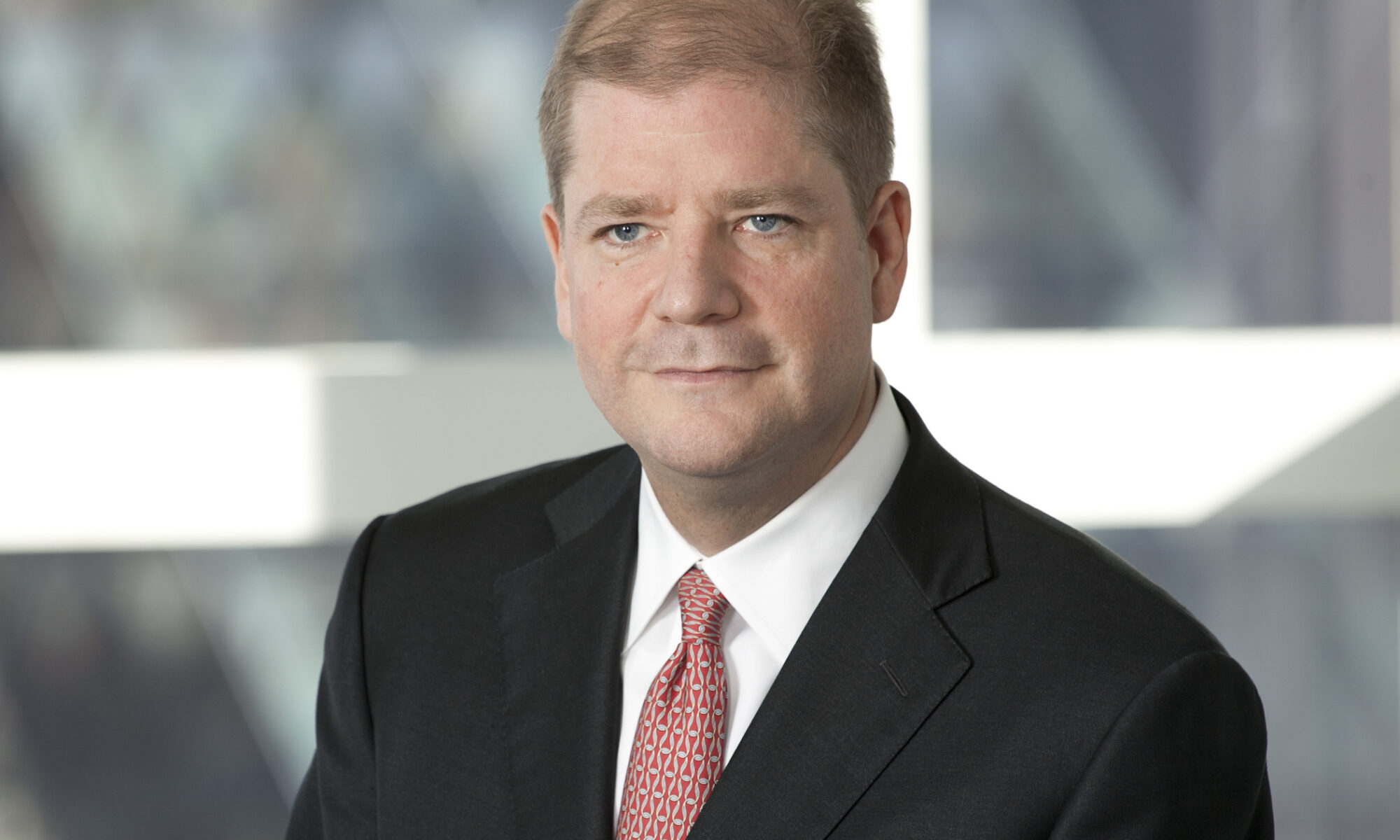
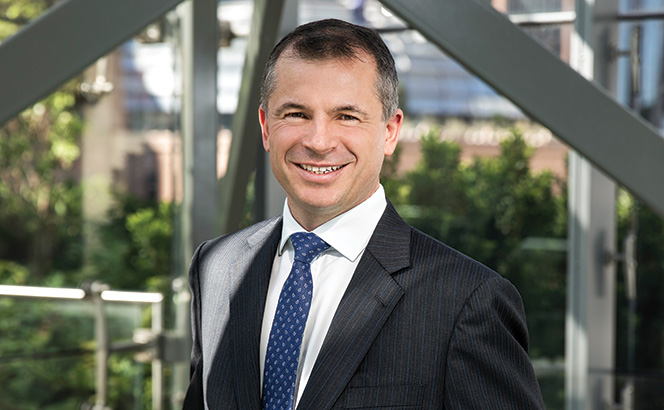
Skadden has appointed its first chief digital and information officer, hiring PwC partner Vince DiMascio (pictured) into the newly created role.

DiMascio will report directly to Jeremy London, the firm’s executive partner, with responsibility to oversee its global digital and technology agenda, including leadership of its technology, information, and knowledge management groups.

He joins from PwC, where he has been a partner since March 2022. Before that, he spent more than six years as chief information officer and chief technology officer at US immigration boutique Berry Appleman & Leiden.

‘As AI, data, and analytics become increasingly central to our clients’ needs, it is essential that we remain at the forefront of these rapidly evolving fields,’ said London.

‘Vince’s leadership and expertise will be pivotal in advancing our digital capabilities, enhancing the experience of our people, and enabling us to deliver innovative, efficient and enduring solutions to our clients, while also reinforcing the long-term success of our firm.’

DiMascio is set to start at the firm’s New York headquarters in January 2026.

Also in New York, Davis Polk has make a major hire for its sports group, hiring a prominent partner from Proskauer as practice head.

The firm has hired Jon Oram, who leaves Proskauer after 25 years. He advises clients from teams, ownership groups, and media companies to private equity sponsors and credit funds, with expertise across a range of matters spanning transactions and finance.

At Proskauer, his clients included the National Basketball Association, the National Hockey League, Major League Baseball, and Major League Soccer.

He is recognized as a Legal 500 leading partner for industry focus: sport, where Proskauer is currently ranked in tier 1, and Davis Polk does not have a ranking.

‘Jon is one of the nation’s leading sports lawyers, and I am thrilled to welcome him to Davis Polk,’ said Davis Polk chair and managing partner Neil Barr. ‘The sports industry is experiencing unprecedented growth, and momentum is only expected to accelerate. Jon is an important addition as we continue to grow our sports practice and further our position as a go-to firm for investors and other participants throughout the sports ecosystem.’

Oram added: ‘The business of sports has become one of the world’s most dynamic and attractive investment sectors. Davis Polk is uniquely positioned to lead the market with the multidisciplinary depth and sophistication that owners and investors demand. I’m thrilled to join this elite team and help drive the next phase of growth for the firm’s sports practice.’

Oram’s is the latest in a growing series of sports experts to move to top firms, with Steve Argeris leaving Hogan Lovells for Weil in February, and Frank Saviano leaving Latham & Watkins for Kirkland & Ellis in September.

In Washington DC, Clyde & Co has bolstered its North America trial and defence practice with its hire of former US Department of Justice (DOJ) torts head Kirsten Wilkerson as a partner.

Wilkerson brings litigation experience across a range of tort claims spanning personal injury, mass torts, toxic exposure, and premises liability. She joins the firm after twelve and a half years at DOJ, where she served in the Civil Division, most recently as director of the Torts Branch, from January to September 2025.

Eileen King Bower, chair of Clydes’ North American board, said: ‘Kirsten brings a proven ability to craft and execute litigation strategies in some of the most complex and high-stakes cases. Her appointment reflects our ongoing commitment to expanding our insurance capabilities across the US and will further enhance our ability to deliver outstanding service and results for our clients.’

The hires see Clydes continue to build its North American disputes offering – a key area of focus as the firm targets US expansion. Earlier this month it made a pair of hires in Chicago, bringing over North American insurance disputes head Ronald Ohren and partner Jonathan Ebner.

Also hiring from the DOJ is Akin, which has brought Sara McLean into its Washington DC office as a regulatory and healthcare and life sciences partner.

McLean spent more than 25 years at the DOJ, including as an assistant director in the Commercial Litigation Branch, from 2010 to 2025. She has particular expertise in the False Claims Act (FCA) investigation space, where she has litigated and supervised matters in areas including healthcare, cyber, education, government contracts, trade, energy, and financial fraud.

‘We have long been known as having one of country’s top FCA practices and during this period of heightened FCA enforcement, clients across our regulatory practices will benefit from Sara’s counsel, with experience as a trial attorney and more than 15 years leading the DOJ’s FCA enforcement efforts,’ said Akin co-chair Abid Qureshi. ‘We are thrilled to welcome Sara to the firm.’

Finally, BCLP has brought Dechert partner Laura Brank into its corporate transactions practice, also in Washington DC.

Brank spent 16 years at Dechert, including 13 years as managing partner of the firm’s Moscow office and head of its Russia practice. She has experience across a range of M&A transactions, with a particular focus on emerging markets.

[email protected]

‘This was not a good idea and we’re entitled to say so’ – LLP tax proposals get short shrift

After alarm bells were raised last month, Chancellor Rachel Reeves is now reportedly U-turning on plans to apply employers’ national insurance contributions (NICs) to limited liability partnerships (LLPs) at the next budget.

Though the proposals were never officially confirmed, the Financial Times reported last Friday (14 November) that NICs are now off the table, along with a proposed increase in income tax.

According to the FT, while the measures could have raised £1.9bn in tax revenue, concerns were voiced that the policy could have cost more than it raised due to tax avoidance.

The news has come as a relief for many LLPs across the country, and follows concerted lobbying efforts by representative bodies such as the City of London Law Society (CLLS), which wrote to both Reeves and Lord Chancellor David Lammy calling for a reversal of the plans, and the Law Society, which described the proposals as ‘a meaningful threat to our members.’

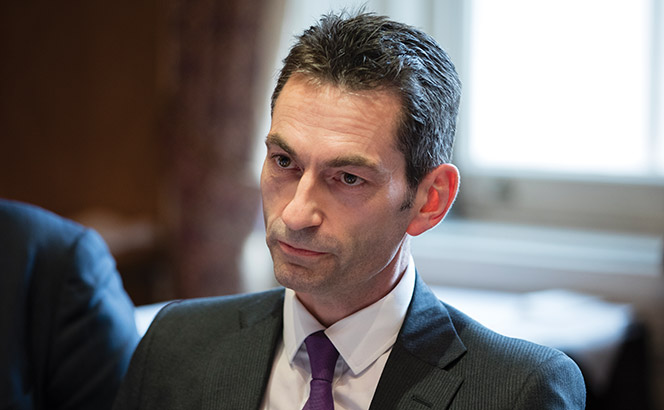
CLLS chair and former Simmons & Simmons senior partner Colin Passmore (pictured) had been hopeful that the government would listen to the concerns raised by the industry, and said that he was ‘very, very pleased’ by the news.

The CLLS’s lobbying efforts centred around concerns over the ongoing health of the British legal industry, which Passmore described as ‘an enormous success story.’

‘It’s not often fully appreciated how many jobs we provide across the country,’ Passmore said.

He added that many partners had expressed that they may have decided to practice elsewhere if the NICs were introduced.

Despite raising the issue with the government directly, the CLLS has had no direct response from the Government as of yet. ‘I hope one day we get a conversation,’ Passmore said, ‘but at the end of the day, with respect to the government, this was not a good idea and we are absolutely entitled to say so.’

A ‘brave’ move

For Liesl Fichardt, head of Quinn Emmanuel’s London international tax and regulatory disputes practice, the U-turn ‘signals that Reeves is sensitive and aware’ of the concerns of the legal industry.

Fichardt said she understands the need to derive more tax revenues from somewhere, but felt that targeting LLPs was ‘unfair.’

‘One has to be realistic with the world economy and the government’s shortfall – they have to get the money from somewhere,’ she said. ‘But the problem is when the tax system seems unfair – taxpayers will pay if it is fair, and you have to maintain trust with the taxpayer.’

Fichardt described the decision to backtrack on the proposals as brave, and one that should be respected.

‘She’s brave to do it. A U-turn is a big thing to do,’ Fichardt said. ‘She has listened to the reaction this has caused, and we should give her credit.’

A better alternative?

But not everyone has the same view. King & Spalding tax partner Russell Warren, who recently joined the firm from Travers Smith, said the NICs would have been better for the economy than what may replace them in next week’s budget.

‘The government will now need to make more changes than otherwise needed,’ Warren told LB.

He said ‘the more measures there are, the more uncertainty it creates.’

‘Businesses will look at all of this and ask themselves, how can we have any certainty about planning, making investments?’

The Office for Budget Responsibility (OBR) estimates that the government’s overspend is around £20bn, lower than previous £30bn. Now measures such as levying NICs on partners are off the table, there is speculation on where the treasury will generate its needed tax revenue.

‘I think what we will see is lots and lots of different measures where we’re trying to raise a little bit here, a little bit there, and it’s not going to be welcomed,’ Warren said of the impending budget.

‘I was willing to accept a higher tax bill as an answer to the problem that clearly is in terms of the finances of the country. That felt like a much better outcome,’ he said.

One thing is for sure – tax partners will be watching this space when the fully confirmed details of the budget are revealed on 26 November.

The Treasury declined to comment.

[email protected]

Ashurst Perkins Coie: what the data tells us about the deal

Ashurst’s quest for a US merger has been one of the longest-running stories in the legal world, with the firm linked to a host of potential partners over the past 25 years, including Latham & Watkins, Fried Frank and Sidley.

While those firms are well known on both sides of Atlantic, the London market is less familiar with Perkins Coie, which was this week confirmed as Ashurst’s US merger partner, given that the US firm only launched in the City last year with the hire of private equity veteran Ian Bagshaw.

A 50-50 merger – but Ashurst has twice as many lawyers

Ashurst and Perkins are touting the merger as a combination of equals, and this holds water for most of the top line metrics, with revenue, profit per equity partner and partner count all broadly in line. However, the starkest data differential is total lawyers, with Ashurst twice the size of Perkins. This translates to a significant difference in revenue per lawyer (RPL) for Perkins, although Ashurst does have the higher net income and profit margin.


Revenue PEP Partners Lawyers RPL Net income Profit margin
Ashurst $1.319bn $1.774m 516 2,137 $617,000 $468m 35%
Perkins Coie $1.259bn $1.895m 467 1,064 $1.184m $311m 25%

Doubling up – the locations where both firms have a presence

Ashurst’s extensive international footprint, which includes 27 offices across Europe, APAC and the Middle East, provides a genuine global platform for Perkins’ largely national offering, which includes 17 offices across the US as well as outposts in London and Taipei.

The pair’s geographic spread means there’s relatively little office duplication. The exceptions are London, where Perkins currently has around 20 lawyers, as well as the three US locations where Ashurst has offices – New York, Los Angeles and Austin – all of which will face scrutiny as the firms combine their operations in the States. The Asia question was simplified last year by Perkins pulling out of Beijing and Shanghai.

Ashurst is the revenue comeback kid

After its Australian merger with Blake Dawson, Ashurst went through a rocky period, with revenues dipping almost 15% from £586m to £505m in 2015-16. However, since current CEO Paul Jenkins (pictured above with Perkins managing partner Bill Maley) took the reins in 2016, the firm has been on an upwards trajectory, more than doubling revenue in nine years to pass through the £1bn mark for the first time in 2024-25.

Its growth has been faster than Perkins in recent years, with revenue at the UK firm up 60% since 2020, compared to 35% for its US partner.

The missing piece: rankings data highlights Ashurst’s US need

Legal 500 data illustrates Ashurst’s market penetration across EMEA, APAC and the UK, where it has a total of 120 rankings and more than 300 ranked lawyers. Perkins has a limited presence in the Legal 500 but its rankings include a top-tier ranking for fintech.

What the clients think – the areas where Ashurst is rated

In addition to rankings, Legal 500 data also offers insight into how Ashurst’s clients regard the service they get from the firm.

The firm has top scores for 10 metrics, including efficiency for mid-market private equity; communication for debt capital markets, and resourcing for corporate governance.

Revolving Doors: Proskauer boosts London finance team as Paul Weiss picks up another Kirkland partner

Proskauer has further expanded its London finance practice with its hire of Andrew Payne. Previously at Linklaters in Singapore, Payne brings expertise in restructuring, as well as experience advising on private equity deals.

Philip Bowden, co-head of Proskauer’s global finance group said: ‘Andrew’s arrival marks a key moment in the growth of our European and global bench. His restructuring expertise strengthens our ability to support clients from origination to resolution.’

Earlier this month, the firm hired finance partner Sean Darling from Ropes & Gray, building on hires earlier in the year including leveraged finance partner Peter Mason, who joined from White & Case in August, and restructuring partner Clare Cottle, who joined from Akin in March.

Of his move, Payne said: ‘I’m excited to contribute to the firm’s strategic vision and help build a world-class restructuring offering in London.’

Paul Weiss has hired another London partner from Kirkland & Ellis, hiring private equity and M&A partner Francesca Storey-Harris into its City office.

A Legal 500 next-generation partner for upper mid-market M&A, Storey-Harris joined Kirkland as a partner in 2021 from Slaughter and May, where she was an associate. She brings expertise across a range of PE transactions, including advising Thoma Bravo on its $5bn acquisition of AI cybersecurity platform Darktrace in 2024, and EQT on its £4.5bn acquisition of Dechra Pharmaceuticals in 2023.

The hire brings Paul Weiss’s London partner headcount to 45, according to the firm’s website (and including partners who split their time between London and other offices). The firm has built aggressively since launching in the City in 2023 with a clutch of high-profile hires from Kirkland, and earlier this year brought fund finance partner Cameron Roper over from Proskauer.

Commenting on Storey-Harris’s hire, firm chair Brad Karp said: ‘Her significant experience representing leading private equity firms and private and public companies will further strengthen our ability to advise our clients on their most consequential matters in the UK, Europe and beyond.’

Reed Smith has also been active, hiring former Leicester City Football Club GC Matthew Phillips into its entertainment and media industry team.

Phillips spent six years at Leicester City, and prior to that served as legal director of BT’s media and IP operations, focusing on BT Sport. Brigid North, Reed Smith’s London office managing partner said Phillips’ move ‘further enhances our capabilities in the fast-evolving media and sports sectors.’

The firm is also growing in the Middle East, with its hire of Anders Nilsson into its global corporate group. Nilsson will be based in the firm’s Abu Dhabi office, and will also work across its Dubai and Riyadh offices.

Nilsson previously served as Bird & Bird’s head of Middle East operations, working in its Riyadh office.

Also in the UAE, Squire Patton Boggs has brought in international finance lawyer Joywin Matthew from DLA Piper.

Matthew adds structured finance and debt capital markets expertise to the firm’s Dubai office. He also serves on the UN’s Global Compact’s Ocean Investment Protocol Advisory Board, advising on climate finance.

Finally in the Middle East, Eversheds Sutherland has made a pair of hires from King & Spalding, bringing restructuring parner Mike Rainey and finance partner Asal Saghari into its Dubai office.

Back in London, Charles Russell Speechlys has made changes to its office with the addition of real estates and funds partner Ed Morgan. Morgan spent 12 years at Fladgate, and has advised on high-profile London real estate including the Gherkin (30 St Mary Axe), and 100 Bishopsgate.

Taylor Rose welcomes a new head of banking in Russell Jarvis, who leaves Shakespeare Martineau after three years. Jarvis has worked with large clients such as HSBC and Lloyds, focusing on mid-market corporate lending.

Boutique London law firm Hamlins has grown its corporate practice after acquiring Maddox Legal’s team. Led by Joss Alcraft, co-founder of Maddox, the group brings with them expertise in SMEs and start-ups across the services sector.

In Paris, K&L Gates’ international arbitration practice has grown with the addition of Maria Kostytska. After spending 18 years as the head of Winston & Strawn’s arbitration practice in the French capital, Kostyska is also admitted to practice in New York and Washington DC, as well as England and Wales.

Her experience extends across the oil and gas, infrastructure and banking sectors, and she also spent time as a court member of the ICC International Court of Arbitration in Paris.

Kostytska is the sixth partner to join K&L Gates’ arbitration team across the globe this year, as the firm has made additions to its Perth team and several offices across the US.

In Singapore, Joshua Cole has moved to Baker Botts’ digital infrastructure practice. Formerly at Ashurst, Cole has advised the likes of Meta and Telstra on global transactions across Asia and the pacific.

Baker Botts firmwide corporate chair Samantha Crispin called Cole’s move ‘a gamechanger’ for the team.

Finally, HFW has opened in Brisbane, marking its fourth office in Australia. The firm announced that former CDI Lawyers principal Christopher Rowden will be heading the team as it seeks to expand its international construction practice.

[email protected]

Ashurst and Perkins set for $2.7bn transatlantic merger

Perkins Coie and Ashurst are set to combine in a transatlantic merger that will create a top 20 global law firm, with revenue of $2.7bn and around 3,000 lawyers worldwide.

The deal, announced today (17 November), will see the two firms unite as Ashurst Perkins Coie, a firm that will have a focus on tech, energy & infrastructure and financial services. 

The deal is expected to go to a partner vote next spring and, if successful, the merger will go live in the middle of next year.

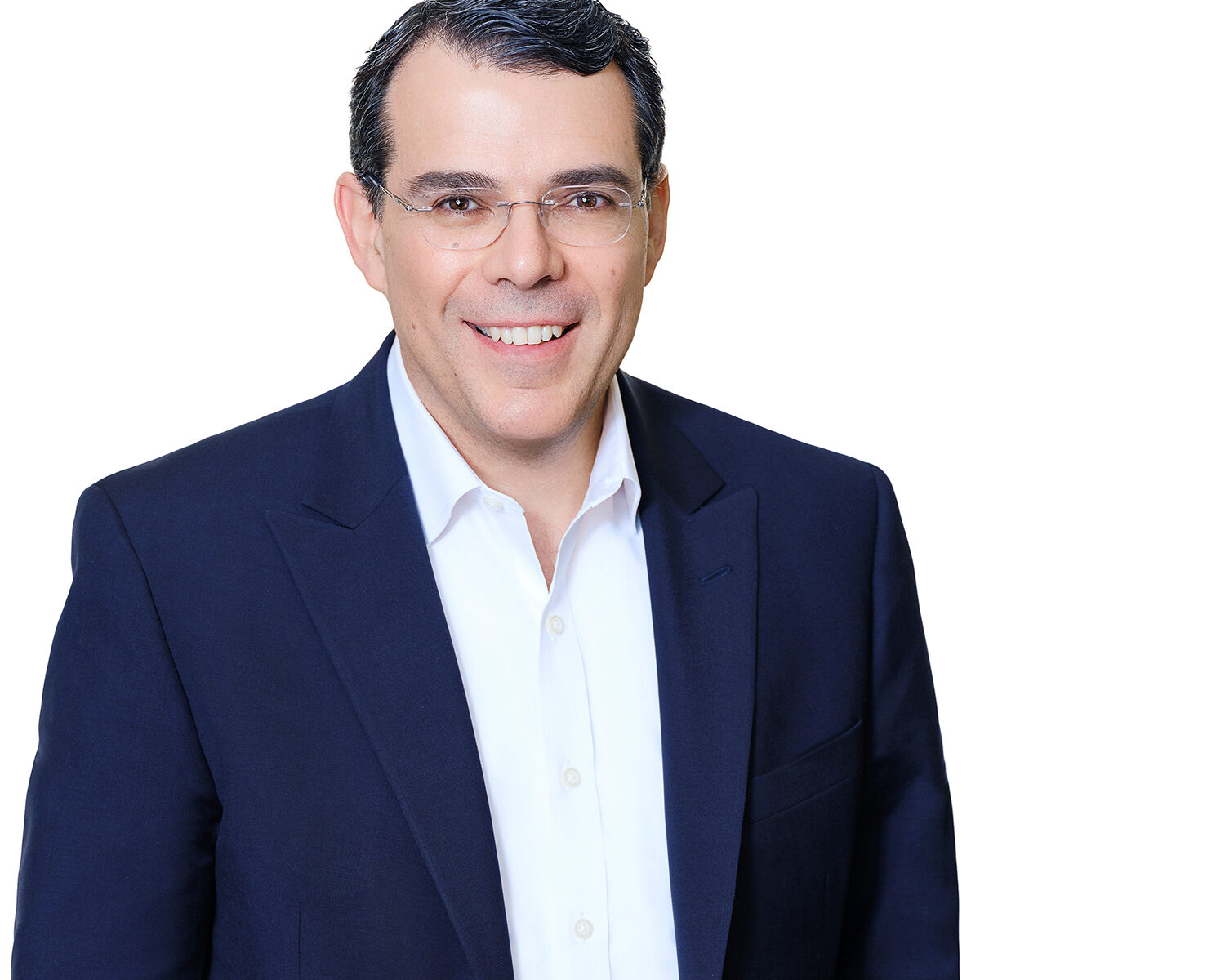
Ashurst Perkins Coie will be jointly led by Perkins managing partner Bill Malley and Ashurst CEO Paul Jenkins (pictured) as global co-CEOs. Ashurst’s global chair Karen Davies of Ashurst and Perkins corporate co-chair Brian Eiting will be co-chairs of the combined firm.

Malley and Jenkins told Legal Business that the two firms had been speaking since February, with dozens of partners already involved in discussions. Assuming the deal is voted through by partners, the merged firm will be financially integrated and will operate with a single compensation system.

The merged firm’s geographic footprint will span 52 offices in 23 countries, with flagship hubs in Seattle, London, Sydney, and New York, and expertise in major financial centres including Brussels, Dubai, Frankfurt, Hong Kong, Paris, Seoul, Shenzhen, Singapore and Tokyo. The only locations where both firms already have offices are LA, Austin and New York in the US, London, where Perkins has a small office, and Beijing. 

Malley said in a statement: ‘Ashurst complements our geographic reach and capabilities and shares our ambition to build a firm defined by ingenuity and collaboration. Together, we will combine resources and expertise to accelerate growth and set new standards for world-class legal service.’

Jenkins added: ‘Our ambition for many years has been to grow in the US with the right partner: a firm with deep, trusted expertise that complements our own. We have now found that partner – Perkins Coie is an ambitious, forward-thinking law firm meeting its clients at the forefront of technological change. At a time of rapid transformation and strategic complexity, we are excited by this unique opportunity to launch a truly differentiated global law firm for our clients and our people.’

Ashurst has long sought a US merger and has previously been linked with a host of US names since its talks with Latham & Watkins infamously ended in 2000. Legal Business reported in 2022 that the firm was once again on the hunt for a partner across the Atlantic, and other names that it has been linked with in the past include Sidley, Mayer Brown and White & Case, with more recent names touted including Sheppard Mullin and Nixon Peabody.

With Perkins, Ashurst has found a merger of equals. Ashurst reported revenue of $1.319bn for 2024-25, compared with Perkins’ $1.259bn, with profits per equity partner also relatively evenly matched at $1.8m for Ashurst and $1.9m at Perkins.

West Coast firm Perkins only opened in London in summer 2024 when it added former White & Case private equity partner Ian Bagshaw. According to its website it now has seven partners and around 10 other lawyers.

Looking at global headcount, Ashurst is roughly twice the size by lawyer count at 2,137 worldwide compared with Perkins’ 1,063. The firms share similar sized partnerships at around 500 per firm.

[email protected]

‘You’ve got to be able to generate work’ – how white collar partners are diversifying in a shifting market

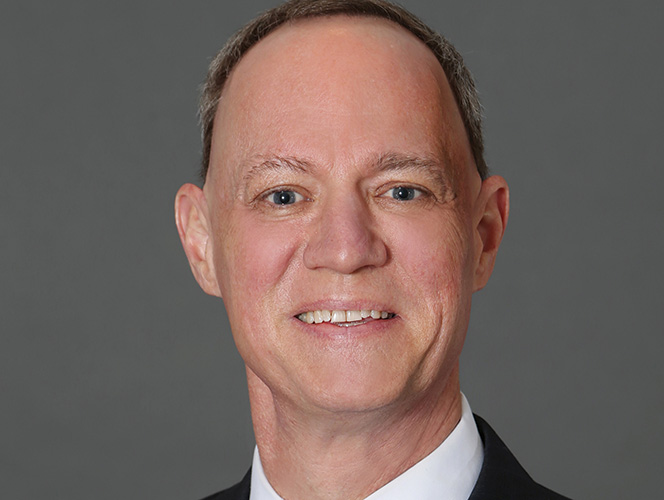
‘Ultimately, bribery is bad for business,’ says Sidley London white collar partner Sara George (pictured) about why US President Donald Trump’s move earlier this year to halt prosecutions under the Foreign Corrupt Practices Act could hinder rather than help companies.

But while it is too soon to predict the true impact of Trump’s executive order on business, it is not too soon to predict the impact of less enforcement work on US white collar lawyers – less work.

 ‘Unless you’re a drug dealer or a terrorist, you can basically do what you like with impunity in the US now,’ says one London white collar partner. 

But US lawyers’ potential loss could be London’s gain. ‘This is an opportunity for the Serious Fraud Office to fill that gap,’ says Ashurst white collar partner Judith Seddon.

A welcome opportunity

It’s an opportunity that London partners have been waiting for for some time. Two years into Nick Ephgrave’s term as director of the SFO, the organisation is yet to return to the major investigations and lucrative mandates of the David Green era between 2012 and 2018.

While activity has picked up on where it was under Ephgrave’s predecessor, Lisa Osofsky, it still requires some nous for teams to create new revenue streams.

As Seddon explains: ‘We’ve all become used to the SFO not being terribly active. We get our mainstay of work from other sources.’

During Osofsky’s first year at the SFO, the organisation dropped 14 cases – twice as many as over the previous three years combined. Her reduced appetite for major investigations led lawyers to diversify their practices to a diet of sanctions, compliance and internal investigations work – a trend that persists today, even though cases have picked up somewhat.

A raft of legislative changes from the Economic Crime and Transparent Act 2023 has created new sources of work. ‘We’ve seen a real uptick in compliance work coming out of the “failure to prevent fraud” offence (FTPF),’ says Joanna Dimmock (pictured), who joined Dentons from Paul Hastings in February, before pointing out that ‘it will be interesting to see how quickly that first prosecution comes to court.’ 

Given that it took around eight years for the first prosecution under the Criminal Finances Act, partners predict that there will likely be a long lead time before any prosecutions are made under FTPF, which came into effect in September.

‘How many prosecutions FTPF leads to remains to be seen – it depends on a number of factors,’ says Seddon’s Ashurst colleague Neil Donovan.

Activity levels may not yet be surging, but it is clear that partners are generally more positive about former Met Police assistant commisioner Ephgrave than Osofsky, even without any additional work thrown over to London by the shifting politics in the US.

 ‘His focus is to make the SFO a more aggressive organisation,’ Dimmock says. ‘The corporate guidance is much more targeted than we’ve seen before in terms of encouraging prompt self-reporting […] I wouldn’t say it’s on par with the DOJ, but it’s much closer than we’ve ever seen before.’

With proposed reform including plans to financially incentivise whistleblowers, Dimmock is hopeful. ‘I think he’s trying to find his feet… to try and get back to where they were before in terms of bigger, collaborative prosecutions with international agencies.’

‘If you drive at 90mph up the A40, do you wake up the next day and report yourself for speeding?’

Others though as less convinced that companies will heed the call to self-report to the SFO. HFW white collar partner Barry Vitou does not think the new guidance does enough to incentivise corporates to self report. ‘People need to feel that there’s a real risk that they’re going to get found out and that it’s going to be bad, and therefore there needs to be a significant distinction between what people get if they get found out versus if they self report. The reality is I just don’t think it’s there.’

‘I’m fortunate to be involved with a couple of [SFO] matters, but there’s not as much going on. The shoes have dropped,’ Vitou (pictured) says of the market for larger mandates. ‘And they will continue to drop because that’s the nature of the beast. Is it my daily staple? No.’

 When Vitou arrived at HFW four years ago, he set out to target non-UK work due to question marks over activity levels in London. ‘I think the reality is that for most people in this space, you’ve got to be able to generate work.’

‘If you’ve got a compliance practice, you can make it go a bit, but you’ve got to have clients that are prepared to pay for compliance, and the way things have changed in the US, the ability to get a budget for compliance is reduced.’

Regulatory investigations and corporate crime: top firms for client service

Every year, Legal 500 gathers hundreds of thousands of scores from clients on a range of criteria, providing detailed insight into the service they get from their law firms. The top-scoring firms for some of the headline metrics are highlighted below.

Both ends of the spectrum

Utilising firmwide platforms has become increasingly important for maintaining activity, as Latham & Watkins partner Pamela Reddy (pictured) explains. ‘We have really deep relationships with corporate counsel – if they have an issue, they’ll pick up the phone to their trusted adviser.’ In her view, these ties generate enforcement work with agencies such as the SFO or the CPS, but also filler work, such as due diligence for major deals.

At the other end of the spectrum to Latham are the niche criminal firms that ‘are always going to be getting really good work,’ defending individuals according to Reddy. ‘You’ve got to be at either end of the spectrum – there’s a chunk in the middle where I’d be nervous if I worked at those firms.’

Going down the more niche route is Polly Sprenger, a private prosecution expert who left Addleshaw Goddard this summer to set up a London practice for US firm Michelman Robinson alongside Ruth Paley from Eversheds Sutherland and John Gibson from Cohen & Gresser. All three previously worked at the SFO together. 

‘Any day a client has to call us, it’s the worst day of their life,’ Sprenger (pictured) says, ‘That means there is not a lot of due diligence done on the fees that are charged. ’

‘It’s a real carpet salesman approach to legal services’

The firm is operating on a different model to both the large firms and the boutiques, bringing together lawyers with outside experts to help defend clients.

‘The SFO has lawyers, accountants and investigators working [together] for the prosecutors – you should have the same for the defence,’ Sprenger (pictured) says. 

‘It’s a real carpet salesman approach to legal services, where you’re looking at the demand and then creating the supply; the opposite to having a team of 30 and then going looking for big enforcement cases.’

The idea is that reduced outsourcing and a more bespoke approach can deliver better value for clients.

Over at Sidley, George believes it’s a model that could work. ‘The firms doing well are the firms where it’s very easy to pivot, where you can do FRC, FCA, NCA, SFO, whatever. If you are just pure crime, I think it’s really hard to make a living at the moment.’

[email protected]

‘I’m sure I made a ton of mistakes’ – McDermott’s Coleman on fresh thinking, leadership lessons and why scale matters

Everyone told me how miserable law school was, so I decided that if I was going to be miserable, I at least wanted to be in a warm climate. That’s how I ended up in Florida, where I earned my LLM in taxation. This was around the time the US was changing its entire tax code and it was becoming an increasingly important area of law. I realised that if I knew more about it than other lawyers, I would be more valuable. I was always focused on scaling opportunity.

I got a job at a Miami firm called Fine Jacobson, which was the proverbial cat’s meow at the time. After I joined they merged with another firm, and that was the beginning of the end. I was only a baby attorney at the time, but it was clear that the integration was not going well, particularly on the cultural side. There was a sense of “them” versus “us” – and you never want that. It should always be a unified “us,” with “them” being external competitors. For any integration to work, there needs to be one profit pool, one management team, one chair, etc. It just doesn’t work if a firm is split into different factions. That was a key lesson I learned early on.

I then moved to Broad and Cassel, which has since merged into Nelson Mullins. I worked for the managing partner, Mike Segal, who still practices today. He was so kind and such a great mentor. He was transparent in showing me not only how to be a great lawyer but also how to be a great manager. I was dealt into a lot more meetings and projects than I should have been given my level of experience, but I leaned into it. They used to call me “the managing associate” because I was always volunteering for things, taking on managing roles and leading initiatives. People were like, “Who is this guy? Why does he care about this?”

‘I took the role of office head way too seriously! It was teeny – but I treated it as the most important office in the McDermott system’

I’d been there about five years when I got a call from someone I’d worked opposite on a deal who’d just moved to McDermott. He said, “I know you’re a healthcare lawyer, and this is the place. You’ve got to come here.” I loved Broad and Cassel, but I was impressed by McDermott’s reputation. I went to McDermott’s head office and met a bunch of lawyers who were all experts. It was crazy! I was like a kid in a candy store. I came in with various questions, and they’d say, “Oh, you should talk to Jim. He wrote these regulations when we worked at the government.” The depth of expertise was incredible, so that’s why I ultimately chose McDermott. But, as I always say, it’s like when you’re a kid and you leave your parents to go to university. It’s not that your parents did anything wrong, it’s just that this is the next phase of your life.

I was made an equity partner quite early, and pretty soon after that I got to head up the Miami office. I had a lot of support. I was very close with Mike Anthony, a pioneer in health law, and with a wonderful man named Larry Gerber, who is a mentor to me to this day. I took the role of office head way too seriously, and read every book that I could find on leadership. And this was a little office! We had about 17 people at the time. It was teeny! But I treated it as the most important office in the McDermott system. We were the little engine that could. Looking back, those were some of the most exciting days of my career.

I’m sure I made a ton of mistakes. We held mandatory partner meetings on Saturdays. Everybody joined, but I don’t think anybody liked it very much. We held them at people’s homes and rotated around, but they became an imposition. We also hosted a lot of happy hours and other evening events, which were also challenging for people who wanted to get home to their families.

‘It’s not that people around you are sycophants, but they believe in you – and that can create blind spots’

My biggest mistake was not seeing the world through other people’s eyes. You can’t assume everyone likes what you like. I’m a mountain biker and I always loved to take people mountain biking. But, as it turns out, it’s not everyone’s jam! I was shocked when I realised that not everyone wanted to jump at the chance to go mountain biking with me. Eventually I learned to take a broader perspective and I started suggesting additional activities – such as going to a basketball game – or starting after-work events at four o’clock instead of seven o’clock, so that people could still make it home for dinner and bedtime with their kids. Those little shifts made a big impact on building important relationships and a great cultural vibe.

I’m better at listening than most chairs that I know – but I’m still terrible at it. This is also true of most CEOs, but the result can be finding yourself in an echo chamber. It’s not that people around you are sycophants, but they believe in you and they’re aligned with you – and that can create some blind spots. You never want to stifle enthusiasm, but creating the space for people to feel comfortable bringing different perspectives and saying. “Hey, that’s not the best idea” is important.

What we’re seeing in the legal industry is: quality at scale matters. If you’re going to make a significant investment, whether it’s in AI, a new office, talent, or anything else that drives business – you need the scale to support it. Five years ago, if you’d asked whether you need to be a billion-dollar firm, a lot of people would have said no. But now, that’s not big enough. Clients today expect a level of sophistication that requires a higher level of scale.

‘We’ve been approached about private investment’

It’s time to seriously look at how law firms are structured. I always talk to my partners about having a bulletproof balance sheet, or what Jamie Dimon calls a “fortress balance sheet.” The traditional law firm model is, by design, quite fragile, given that profits are distributed at the end of each year. So, if a problem arises without a reserve, it can easily become an existential crisis. But when you’ve got two years of profits sitting in the bank, everything changes. You have security, flexibility, and the freedom to handle whatever comes your way – whether it’s a challenge or a new opportunity.

Having well-funded capital partners can be a very good place to start when it comes to building resilience. We’re already making big investments in AI and talent, and those costs are only going to go up. We’ve been approached about private investment, and discussions we’ve had have been very interesting.

The future of the legal industry is bright. McDermott’s best days are ahead of it. The next 100 years will be better than the last 100 years. Law is still an honourable profession and craft, and we should continue to nurture and respect that.

[email protected]

Irwin Mitchell latest to restructure support function as it scraps litigation assistant role

Irwin Mitchell Sheffield office

Irwin Mitchell is set to scrap its litigation assistant role following a review of its legal support team,  in a move affecting 58 staff across the UK.

The decision, first reported by RollonFriday and confirmed by Irwin Mitchell today (14 November), will see the work redeployed across team PAs and an expanded team of paralegals.

In a statement Irwin Mitchell said: ‘We’re proposing to evolve our Litigation Assistant role into a Team PA role, moving some of the billable tasks to paralegals and planning to increase our paralegal headcount. This will improve the experience for our clients, provide clarity and consistency across roles, and provide the best legal support structure in future.

‘We’re committed to supporting our colleagues through any change and will continue to listen and respond to feedback through the ongoing consultations with those affected.’

Those affected are able to apply for team PA or paralegal roles and the firm said there may be other redeployment opportunities available. According to RollonFriday, those affected have entered a seven week consultation period, having been told about the decision last month.

The news makes Irwin Mitchell the latest in a string of firms looking to restructure their legal or professional support functions as they adapt to a shifting technological landscape.

Last week Fieldfisher confirmed that it was in a consultation with staff as it begins to ‘transform the Belfast office into a Business Services Centre.’ The move could see a number of professional services staff given the option of relocating to Belfast .

A Fieldfisher spokesperson said: ‘Like any business, we regularly review how we work so we can remain competitive and sustainable for the future […] We are open to an office move or expansion to accommodate our Belfast office growth in the future. If and when that happens, we will let you know.’

In September, Freshfields announced that up to 19 paralegal roles were set to be made redundant in its Manchester office, citing the need for the ‘business to keep pace with a fast-changing legal market.’

The firm’s statement at the time added: ‘We have communicated with our colleagues affected by these proposals and are focused on supporting our teams throughout.’

Other firms to have announced job cuts this year include BCLP, which this May said it was undertaking a ‘business modernisation programme’ that would impact approximately 8% of its global business services population, while in April, DWF conducted a consultation with 108 employees in in its commercial services and central services divisions.

In January, CMS placed up to 15 junior roles in its London real estate team under review, while DLA Piper restructured its UK IT team at the start of the year after switching to a fully cloud-based operating model.

Advances in technology – in particular the rise of AI – have meant that routine work, including some of the work carried out by paralegals or business services stuff, has come under scrutiny.

Efficiency and a focus on giving lawyers more time to work on complex matters are generally touted as the main benefits of AI for law firms, with high-volume, document-heavy workflows such as contract review, due diligence and regulatory checks now a less time-consuming proposition.

The latest LB100 shows firms, with an insurance focus, such as Irwin Mitchell, underperformed compared to the rest of the table – a marked change from the previous year.

Irwin Mitchell’s most recent financial results saw revenue increase by 8.2%, to £329.3m, with profit before tax growing by more than 13%.

This growth outpaced many insurance-heavy peers in the LB100, with the average growth across these firms standing at 3.6%, significantly down on the average of 9.6% across the LB100 as a whole.

[email protected]


Norton Rose Fulbright becomes latest firm to pull out of South Africa

Norton Rose Fulbright is splitting from its South African business, with the firm’s offices in Johannesburg, Cape Town and Durban to become independent from April next year.

The move, which the firm described as a ‘carefully structured transition,’ comes 15 years after Norton Rose entered the South African market via a merger with national firm Deneys Reitz.

Announcing the move, global co-managing partner Peter Scott said that NRF would support the South African team throughout the transition and that they would ‘continue to collaborate where clients’ interests align’.

‘This change represents a natural evolution for both firms as the dynamics of international markets and client needs progress worldwide,’ he said. ‘We thank our South African colleagues for their contributions to our shared success.’

Deneys Reitz joined the Norton Rose Group verein in June 2011, rebranding as Norton Rose South Africa. The deal came amid a sustained period of international expansion for NRF, including similar tie-ups with Canada’s Ogilvy Renault and Australia’s Deacons.

The Johannesburg, Cape Town and Durban offices are now home to more than 120 lawyers, according to the firm’s website. The firm has nine Legal 500 rankings in South Africa, including tier 2 spots in banking and finance, dispute resolution, employment, projects and infrastructure, and shipping and transport.

Norton Rose Fulbright South Africa chief executive officer Brent Botha – a Deneys Reitz lifer who has been CEO for the past two years –  added: ‘We look forward to building on our 100-year legacy in South Africa and across Africa, and to investing, innovating, and evolving in line with the needs of our clients and people. We are proud of our heritage within Norton Rose Fulbright and look forward to working with the firm and other global partners, wherever our clients operate.’

The moves reflect a broader strategic shift in the upper echelons of the global legal market, with some firms that went through major geographical expansion in the 2000s and 2010s pulling back from less profitable markets in the face of pressure on costs.

NRF’s move comes after A&O Shearman announced plans to close in Johannesburg in September 2024, with all of the lawyers from the office subsequently moving to leading African firm Bowmans.

Hogan Lovells also closed its South Africa office the same month, alongside exits from Warsaw and Sydney.

[email protected]

What a Cadwalader-Alston merger would look like: the key data points

Cadwalader has been the subject of much merger speculation in recent weeks, with Atlanta-based Alston & Bird one firm hotly tipped as a potential partner.

While Cadwalader has stressed that it has been ‘approached by many top-tier firms for years’, while also noting its ‘very strong financial position’, an analysis of the data – from financials and headcount to Legal 500 rankings and client satisfaction scores – highlights the strengths, weaknesses and compatibility of both firms.

Alston is more than twice as big as Cadwalader

With turnover just above $1.3bn, Alston is more than twice the size of Cadwalader, which has revenues of $638m. Were they to merge, combined revenue of almost $2bn would place it on the fringes of the world’s top 30 largest firms, comparable in turnover terms to Mayer Brown and Weil Gotshal & Manges. Alston also has a much larger headcount, with 935 lawyers compared to Cadwalader’s 427.

Revenue PEP Lawyers Partners
Cadwalader $638m $3.71m 427 125
Alston $1.331bn $4.09m 935 401

Alston’s ten-year growth far outpaces Cadwalader’s

In the past decade, Cadwalader’s revenue has grown by 33%, while Alston’s has more than doubled.

The difference between the two firms was far less stark in 2015, when Alston stood at $646m, compared to Cadwalader’s $481m. However, by 2020 the gap had opened up, with Alston growing nearly 30% to $836m while Cadwalader saw revenue dip to $459m.

Cadwalader returned to growth over the next five years, with revenue up 39% from 2020 to 2025, but Alston continued to surge ahead, with almost 60% revenue growth over the same period.

Alston has far more offices – though both firms are very US-focused

There is a big difference in footprint between the two firms, with Alston boasting 13 offices – 11 of which are in the US – compared to just five for Cadwalader.

Cadwalader has just three offices in the US after streamlining its domestic presence in the 1990s. The firm also closed in Beijing and Hong Kong in 2016 and in Brussels in 2018, and now only has two overseas bases in London and Dublin.

By contrast, Alston has grown, opening in London in 2019 and in Chicago and Century City in 2024; the firm also has a Brussels base.

Cadwalader has a far larger London presence

While Alston is the bigger firm, Cadwalader has a larger presence in London, where it opened in 1997. At the start of this year, the firm had 68 lawyers in London, including 22 partners and, despite a series of partner depatures, London lawyer count has grown by over 40% in the last decade.

Meanwhile, Alston has around 30 lawyers in its six-year-old City base, according to the firm’s website, with some of them splitting their time between London and Brussels.

Cadwalader outperforms in both the UK and US Legal 500 guides

Cadwalader may be smaller than Alston, but it is the stronger performing firm by Legal 500 rankings in both the UK and US. Cadwalader has 18 US rankings, compared to seven for Alston. In the UK, meanwhile, Cadwalader has 13 rankings, compared to eight for Alston.

Alston also lacks a single top-tier ranking, while Cadwalader has four, all in the US – structured finance: derivatives and structured products, structured finance: securitization, mid-market M&A, and tax: financial products.

Cadwalader gets the client approval in London

In addition to rankings, Legal 500 data also offers an insight into what clients think about their law firms – and Cadwalader has the top score for a total of eight client service metrics in London.

These include sector/industry knowledge for derivatives and structured products, value, billing and efficiency for securitisation, and sector/industry knowledge for fund finance.


[email protected]


The client satisfaction scores in this article are compiled from referee responses collected during Legal 500 research. Benchmark scoring for our other criteria (lawyer/team quality, and sector and industry knowledge) and other sub-criteria is also available. If you would like to know more, please contact [email protected]. Picture credit: David Lat.

The $3bn McDermott Will & Schulte merger: four things the data tells us

LB100: why global reach is the differentiator for insurance firms as growth slows

While 2024-25 was another strong year for the UK’s biggest law firms, those with an insurance focus underperformed compared to the rest of the LB100 – a marked change from the previous year.

Of the 13 LB100 firms with the strongest focus on insurance, all saw a slowdown last year, with average growth dipping from 11.4% in 2023-24 to 3.6%, significantly down on the average of 9.6% for the LB100 as a whole.

This marks a notable shift on 2023-24, when the same group of firms outperformed the LB100 with average growth of 11%.

The story for profits per equity partner (PEP) is similar. Insurance firms saw an average increase of 1.8% in 2024-25 – well down on 11.1% in 2023-24 and the 6.5% average for the LB100 as a whole.

Although averages were affected by volatile year-on-year performances, a handful of insurance-focused firms did enjoy a strong 2024-25, with two – Kennedys and Capsticks – outperforming the LB100 benchmark.

As one of only 12 LB100 firms to post double-digit increases for both revenue (11.7%) and PEP (12.2%), Kennedys was a notably impressive performer. Senior partner John Bruce put this down in part to the firm’s geographic growth, particularly in the US.

‘Insurers are looking for global panel firms, and we are reflecting that, targeting growth in the US, and then also in Australia and EMEA,’ Bruce said. Last year Kennedys opened two new offices in Seattle and Los Angeles, building on the presence in New Jersey, New York and Chicago it gained in 2017 through its merger with US firm Carroll McNulty & Kull.

‘US insurance clients want a shrunken panel of fewer firms being able to service as many of their needs as they can. I think we’re ahead of the curve in realising that and are doing our best to deliver,’ Bruce added.

DWF also posted above average growth among insurance-focused firms, with revenue up 7.1% to £466m. CEO Matthew Doughty echoed Bruce in highlighting the importance of a growing footprint, pointing to the acquisition of Australian claims management business Proclaim.

Doughty also stressed the importance of its private equity backing following its 2023 take-private by Inflexion: ‘One of the differentiators for DWF is our unique ownership structure and the investment we have received from Inflexion. This allows us to quickly make important investment decisions in areas such as technology.’

Firms without an international presence were among those to post less impressive results for 2024-25. Bond Turner’s revenue fell by 21.3% last year after steep growth in 2023-24, while Weightmans saw turnover growth slow from 12% to 3.4%, with PEP growth of 26% in 2023-24 followed by a 15% decrease last year.

While Weightmans does not have offices outside the UK, the firm does have an eye on the international market, drawing attention to last year’s North American launch of its cyber consultancy, CyXcel, in its announcement of its financial results, as well as the £10m in international revenues it generated last year.

Even in the UK market, international reach is crucial for growth, as Kennedys’ Bruce emphasises. ‘A lot of insurance that is underwritten in the world still comes out of UK, even if it’s a risk in Guatemala. Those UK insurers, by definition, tend to be international. Some of our competitors have not grabbed the international opportunity as quickly as we did, perhaps.’

[email protected]


For more on the LB100, check out our 2025 hub page, where you can find our full main table and all our in-depth analysis.

The LB100’s stars and stragglers: breaking down the numbers

A&O Shearman scores lead as Apollo acquires majority stake in Atlético Madrid

A&O Shearman has taken a lead role for private equity giant Apollo on its acquisition of Spanish football club Atlético Madrid, in a deal reportedly valued at more than €2bn.

The transatlantic firm is advising Apollo Sports Capital (ASC), a new $5bn investment vehicle launched by Apollo in September. The acquisition of the club – one of the closest competitors to Spanish giants Real Madrid and Barcelona – marks the fund’s first major investment in football.

The A&O Shearman Madrid team advising ASC is led by global litigation and investigations co-head and Spain co-managing partner Antonio Vázquez-Guillén, alongside M&A partners Bosco de Checa, Inigo del Val and London partner Paul Dunbar. Tax and antitrust partners Ishtar Sancho and Antonio Martínez also advised.

Other firms involved in the deal include Spanish firm ECIJA, which is advising Atlético Madrid’s CEO and president Miguel Ángel Gil and Enrique Cerezo, who along with Quantum Pacific Group and Ares Management Funds are the club’s major shareholders.

ECIJA’s team is led by the firm’s vice president Pablo Jiménez de Parga and corporate partner Magdalena Bertram.

Ares is being advised by Proskauer and Spain’s Pérez-Llorca, with Quantum receiving advice from Spanish firm Uría Menéndez.

Uría’s team is led by Madrid corporate and M&A partner Pablo González-Espejo García. Corporate partners Alfredo Lafita and Javier Carvajal led Pérez-Llorca‘s team.

The vast majority of Apollo’s recent mandates have been dominated by firms such as Paul Weiss and Latham & Watkins. In September, the US private equity group committed €3.2bn to invest in one of four German companies that operate the country’s transmission grids, a deal on which Latham and Paul Weiss acted for Apollo.

However, A&O Shearman has handled a number of mandates for the PE house in recent years. This summer it took a debt finance role for Apollo-managed funds in relation to Spanish homebuilder Neinor Homes‘ £1bn takeover bid for Aedas Homes, while last year a Luxembourg team acted for Apollo in its acquisition of UK parcel delivery company Evri.

As part of the deal, Gil and Cerezo will continue in their roles as chief executive officer and president, and will remain shareholders alongside both Ares and Quantum.

The deal is subject to regulatory approval, and is expected to complete in the first quarter of 2026.

[email protected]

Paul Hastings rebuilds City tax practice with double partner hire

Paul Hastings has hired two tax partners into its London office, building out its City tax offering following a pair of senior exits last month.

Jenny Doak (pictured right) is due to move across before the end of the year from Weil, where she has been a partner since 2019. Prior to that, she was head of UK tax at Vinson & Elkins, where she made partner in 2014.

Also making the move to Paul Hastings is Catherine Richardson (pictured left), who joins today (10 November) from Cadwalader, where she spent more than 11 years and made partner in 2022.

The hires come after Paul Hastings saw two high-profile departures last month, when White & Case hired tax partners Jiten Tank and Arun Birla, who was also the firm’s former London office chair and global second managing partner.

Doak advises on M&A, joint ventures, financings, debt and equity capital markets, with a focus on energy and infrastructure and TMT. Her clients include British Columbia Investment Management, Global Infrastructure Partners and Lone Star.

The breadth of Paul Hastings’ practice was a key driver in Doak’s decision to join the firm. ‘Paul Hastings’ strength across multiple complex transaction areas, M&A, finance, private capital, funds, provides the perfect platform to grow a top tier UK tax practice,’ she told Legal Business. There’s also great momentum about the firm at the moment that is outpacing other firms.’

Richardson brings particular capabilities in structured credit transactions, funds and real estate finance, and banking in distressed situations. Richardson’s clients include CVC and JP Morgan, and she recently advised BNP Paribas, as arranger, on the first European middle-market private credit CLO for Barings.

‘Our London office is projected to be up over 20% this year, driven by incredible demand across all of our transactional practices. The addition of Jenny and Catherine and likely more tax hires to come reflects our strategic priority of building a premier tax practice in London and globally,’ said Frank Lopez, the firm’s chair.

Richardson’s departure is the latest in a string of exits from Cadwalader, which has been exploring merger options.

‘[Frank] has been extremely engaged in the hiring process and it’s great to have such senior buy-in.’ Doak said.

‘The clarity and the focus around the strategy of the firm and putting the resources behind that ambition tells a very compelling story,’ Richardson added.

Since September, Paul Hastings has seen a number of London departures, including Stephen Nicholas, who left after a decade at the firm to establish Cleary Gottlieb’s real estate practice in the capital.

At the same time, the firm has also made a number of hires in the City, including structured credit partner Thomas Picton, who joined from Ashurst last week, as well as antitrust partner Sally Evans, who joined from Kirkland & Ellis in September, and will work across the firm’s offices in London and Brussels.

Paul Hastings has also hired a raft of energy and infrastructure partners, largely from White & Case, into its offices around the world, beginning with the March hires of George Kazakov and Din Eshanov.

[email protected]

Ropes London private equity exits continue with partner duo set for Akin

Ropes & Gray has seen two more departures from its London private equity practice, with partner duo Dan Oates and Angela Becker understood to be on the verge of a move to Akin.

Oates and Becker, who have both been at Ropes since spring 2022, also previously worked together at Fried Frank.

Oates spent over seven years at the US firm, before which he was also a partner at Kirkland & Ellis. Becker is the more junior of the pair, making partner at Fried Frank in 2022 just prior to their move to Ropes.

Their exits are the latest in a series of departures for Ropes’ London PE practice, following Helen Croke’s move to White & Case in June and PE real estate duo David Seymour and Will Bryant joining Freshfields in July.

Earlier in the year Simon Saitowitz – who also joined Ropes in 2022 from Fried Frank – left to return to Weil Gotshal & Manges, where he had previously worked as an associate.

The firm has, however, ramped up its European presence with the launch of a new office in Milan in September, hiring private equity partner Cataldo Piccarreta from Latham & Watkins. Piccareta, who has led on deals for funds including EQT and Bain Capital, will lead the firm’s efforts to capture a share of the increasing investment flowing into the country from buyout houses.

The Italy launch came after the firm also opened an office in Paris in March, with the hire of a three-partner team from Clifford Chance, its first on the European mainland.

Key names in the London team include John Newton and Elizabeth Todd, who co-lead the European private equity transactions practice alongside Piccarreta and Paris partner Fabrice Cohen.

A Ropes spokesperson said: ‘We can confirm that Dan Oates and Angela Becker have resigned from the firm. We thank them for their contribution to the firm and wish them well.’

Akin’s London office is currently undergoing a shakeup which will see long-serving City chief Sebastian Rice – himself a private equity specialist – succeeded by new London leadership.

Finance partner Ezra Zahabi has been appointed as London partner-in-charge, with Rice, who has held the role for almost 12 years, set to leave to become GC of Dubai-based telecoms and digital services company VEON.

Zahabi will work alongside restructuring heavyweight Barry Russell, who has been appointed as London senior partner.

[email protected]

Revolving Doors: Bumper hiring week at Eversheds while Quinn brings on international arbitration heavyweight

Quinn Emanuel has significantly bolstered its international arbitration practice in London, bringing over senior partner and practice co-lead Andrew Savage from McDermott Will & Schulte.

Savage, who is ranked as a leading partner in the Legal 500 international arbitration and commercial litigation: mid-market rankings, joined legacy McDermott Will & Emery in 2019 to help build out its London disputes offering. Before that he spent 15 years at Watson, Farley & Williams, including as head of litigation and arbitration from 2007.

He has experience advising a range of clients on both arbitration and litigation, including particular expertise in disputes in the private capital sector.

Quinn founder and chair John Quinn said: ‘We are only interested in hiring the best disputes lawyers globally and Andrew is firmly in that category. He is an excellent technical lawyer with a material practice and we can’t wait for him to get started.’

Savage starts at the firm on 10 November.

For its part, McDermott Will & Schulte was also active, hiring experienced disputes partner Hilton Mervis to its London litigation practice. Mervis joins the group from Arnold & Porter, and specialises in a range of disputes, often handling work in the alternative investment sector.

His appointment comes after the firm announced the hire of Karen Butler from DLA Piper earlier this week, who specialises in financial services regulatory matters. The two hires significantly strengthen the groups offering in the financial services space.

International arbitration and litigation heavyweight Lord Goldsmith KC will rejoin Fountain Court Chambers on 1 January 2026, from Debevoise. Lord Goldsmith KC was the UK attorney General between 2001 and 2007, and will join the set as counsel and an arbitrator.

Elsewhere in the city Proskauer strengthened its global finance practice with the hire of Sean Darling from Ropes & Gray, Quillon Law hired fraud and investigations partner Neil Dooley from Steptoe, while Ashurst picked up Amy Barker as a partner in their corporate practice.

Damian Carolan, former financial services regulatory head at legacy Allen & Overy, has joined Reed Smith as a partner in its financial industry group. Carolan left legacy A&O just before its merger with legacy Shearman & Sterling went live on 1 May 2024.

He had spent 16 years at the firm, and as head of financial services regulatory he is one of a number of high-profile partner exits from A&O Shearman since the merger was announced, with the stream of departures continuing over the last year.

Paul Hastings has hired Thomas Picton to its structured credit practice in London. Picton has been a partner at Ashurst since 2018, and before that was at Clifford Chance.

Picton, who is ranked as a leading partner in the Legal 500 securitisation rankings, will significantly bolster the firm in securitisation, structured private credit, portfolio acquisitions and regulatory matters.

Paul Hastings has been building its structured finance practice across London and the US, with notable hires including structured finance heavyweight Brian Maher, who joined with two other lawyers from Weil last August.

Baker Botts hired energy M&A duo Alex Msimang and Nadine Amr from Vinson & Elkins. Msimang served as managing partner of V&E’s London office between 2010 and 2023, and is well versed in global M&A transactions in the oil and gas sector. Amr similarly handles a range of transactional and corporate mandates in the energy sector.

‘A key differentiator is the international direction of travel,’ said Msimang of his move. ‘Baker Botts is growing in Asia and in the Middle East. At other US-based firms a lot of the energy practice is focused in the US – not exclusively, of course, but looking at the weighting and the direction of travel, Baker Botts is more internationally minded.’

Amr added: ‘The work we focus on has always been very international, and there’s been a real growth in demand in energy M&A, across Latin America and in the Middle East in particular.’

Baker Botts was also active in Riyadh, hiring a pair of partners from Herbert Smith Freehills Kramer. The firm brought over Joza Al Rasheed, who joined legacy Herbert Smith Freehills when it launched its Riyadh office in 2023, as well as energy and projects partner Alexander Currie.

Rasheed served as managing partner of HSFK’s Riyadh office, and joins Baker Botts as partner in charge of its Riyadh office.

Also hiring from V&E this week was Mayer Brown, which brought Steven Wilson into its global energy group in London as a partner. Wilson had been with V&E since 2018, most recently as counsel.

Taylor Wessing UK financial services and regulatory head Charlotte Witherington has left the firm for Cooley. Witherington handles the full-range of non-contentious financial services matters, with a particular focus on fintech.

Also leaving Taylor Wessing was Fiona Coady, who joined the finance transactions practice group at BCLP. Coady’s move comes after the hire of Lerika Le Grange, who joined BCLP from Taylor Wessing in May of this year. Coady will bring two associates with her, and worked closely with Le Grange at Taylor Wessing to build up the firms finance transactions practice.

Meanwhile, Eversheds Sutherland has made a raft of lateral hires into its offices in London and Europe. These included corporate partner Laura Marcelli and tax partner Matt Davies in London, both joining from DLA Piper.

Marcelli brings broad knowledge in transactions for insurer clients with her, having spent nearly a decade at DLA Piper, while Davies, who was at DLA for almost 20 years, focuses on international tax, M&A structuring and reorganisations. Both partners will join the firms transactional risk insurance practice (TRI).

TRI practice co-head Chris Halliday said: ‘The appointments of Laura and Matt represent a significant strategic development in our TRI offering, bringing together recognised authorities in this highly complex area to create a formal TRI group that will have the experience and capacity to provide the best support to our clients.’

The firm also hired Ben Peecock into its construction practice in Leeds, also from DLA Piper. On the continent, it brought over a seven-lawyer team from Bird & Bird, led by former Paris head Benjamine Fiedler and including partner Chris Ivey, as well as Quinn Emanuel international arbitration partner Ann-Marie Lacoste, also in Paris, and tax partner Pia Dorfmueller, who joined the firm’s Frankfurt office from Dentons.

Back in London, US firm Michelman Robinson, which opened its first international office in the City earlier this year, has hired Akshay Sewlikar from Linklaters as a partner to its commercial and business litigation practice. Swelikar spent nearly a decade at Linklaters, holding the position of managing associate for the last three.

Charles Russell Speechlys has hired Vadim Romanoff as a partner to its corporate tax department. Romanoff has extensive experience in UK and international tax matters, having spent the last two years at Clifford Chance as a tax director, and before that, nine years as an associate at Baker McKenzie.

In Ireland, Fieldfisher merged with corporate boutique Regan Wall. The merger will bolster the firms corporate department as partners Adrian Wall and Kieran Regan, along with four solicitors join the team. The Regan Wall team will keep their offices in Cork and the merger will be completed on the 25 November 2025.

Mischon de Reya has launched in the UAE, opening offices in both Abu Dhabi and Dubai. Christopher Skipper, who was already at the firm, has been appointed managing partner of the new offices. In addition, the firm was granted a licence to practice in Hong Kong, and announced the lateral hire of disputes partner Jonathan Mok and a team, who have joined from Karas So. Karas will continue its association with Mischon, despite the new licence.

Finally, in Sydney A&O Shearman announced the hire of Dannelle Howley from Squire Patton Boggs. Howley will set up the firm’s real estate practice in Australia and brings with her extensive experience in large-scale transactions.

[email protected]

The law firms impressing clients with their commerciality – and what GCs want

‘My expectation is that law firms understand my business, my needs, and my pain points.’ This statement from one GC sums up the working assumption for senior in-house counsel – that their external lawyers will be commercially savvy as well as legally proficient.

But, of course, business acumen is not always as black and white as knowledge of the law, so client endorsement of a firm’s commerciality can go a long way when it comes to building relationships.

But how to quantify that? Every year, Legal 500’s research team gathers hundreds of thousands of scores from clients on their satisfaction with the service law firms are giving them, providing a data-driven assessment of which firms are doing the best job on a variety of key metrics – including commercial knowledge.

Of the firms in the Global 100, WilmerHale, Milbank and Latham & Watkins score most highly for commercial knowledge, with the top five highest scorers in the LB100 including FreshfieldsKennedys and Leigh Day.

Breaking it down to just the 20 largest firms by revenue in the Global 100, Kirkland & Ellis and Skadden are second and third behind Latham, while for the LB100 top 20, Freshfields sits above Clifford Chance and Slaughter and May in second and third place respectively.

But what are firms doing well – and what not so well? And what do GCs mean when they say they want their advisers to be commercial?

Rightmove GC Emma Parr sums up her view on commerciality with four simple points: ‘Deliver on time, understand your clients’ businesses, anticipate their broader business issues and provide proactive insights.’

She elaborates: ‘I had a good example recently where one of our advisers alerted me to an emerging data protection development, which was helpful intelligence for me, but became doubly useful when I shared the insight with one of our product development teams, as it helped to unlock an issue we had been trying to solve.’

Former Deliveroo GC Chantelle Zemba (pictured) said that while value for money is one of her main considerations, commerciality is where that value really kicks in.

‘Legal analysis should form part of a broader opinion that takes into consideration the sector in which the company operates, the commercial backdrop, the political landscape, the individuals involved and the practical application of the law within that context. It also means facilitating fast decision making by cutting to the key points, helping to remove blockers and being a creative and clever sounding board.’

And the negatives? One deputy GC at a telecoms company criticised unfocused legal updates as ‘especially bad’.

‘Law firms often send out marketing that is not tailored at all to my business;  the one-size-fits-all approach. When it is not marketing, but advice, this approach is especially bad.’

Not only does the advice need to be commercially focused, but the demands of a fast-paced business environment means that speed can sometimes trump absolute precision.

The telecoms GC continues: ‘There are circumstances in which the accuracy would require so much data-gathering it could take a couple of days –  and sometimes I don’t have a couple of days. I accept unpolished advice off the hoof, because that’s what I need – speed can be more important.’

[email protected]


All of the scores in this article are compiled from referee responses collected during Legal 500 research. Benchmark scoring for our other criteria (lawyer/team quality, and sector and industry knowledge) and other sub-criteria is also available – we can provide data on a worldwide, jurisdictional, country-by-country, office or practice area perspective, with the option to select comparator firms. If you would like to know more, please contact [email protected] – we welcome all feedback on our data and what insights you would like to see.

Akin shakes up London leadership as longstanding City chief takes GC role

Akin has named new leadership for its London office, as the firm’s long-serving City head leaves to take up a general counsel role in Dubai.

Finance partner Ezra Zahabi (pictured above) has been appointed as London partner-in-charge, succeeding Sebastian Rice, who is leaving to become GC of Dubai-based telecoms and digital services company VEON.

As London partner-in-charge, Zahabi will work alongside Barry Russell, who has been appointed as London senior partner.

Zahabi, who leads Akin’s non-contentious financial regulatory team in London, has been with the firm since 2014, working with some of the world’s largest investment managers. Russell has also been at Akin since 2014, coming over as part of a large group of Bingham McCutchen lawyers who joined as their former firm disintegrated.

Russell is one of the best-known partners in the firm’s top-tier City restructuring practice, and is recognised in the Legal 500 Hall of Fame, while he is also a leading partner in the debt capital markets rankings.

The Akin partners will step into their new positions on 1 January next year, with Rice due to start his new role at VEON on the same day.

Rice, who has been at Akin since 2002, has led the firm’s London office for almost 12 years. He has also been co-head of the firm’s corporate practice since the beginning of 2020, and will be succeeded in that role by private equity partner David Sewell, who will work in tandem with New York-based co-head Zach Wittenberg.

Of Rice’s departure, Akin co-chair Dan Walsh commented: ‘Sebastian has been an exceptional leader whose impact will continue to be felt across the firm. His contributions – from shaping the growth of our London office to helping define our international strategy – have positioned Akin for continued success. We’re excited for him as he takes this next step with VEON.’

In statement, the firm added that Walsh and his fellow co-chair Abid Qureshi would be ‘closely engaged’ with the London and international offices ‘to ensure a smooth transition and ongoing leadership presence’.

Akin’s London office has a strong reputation for restructuring and finance matters, and earlier this year the London-based team was shortlisted for restructuring team of the year at the annual Legal Business Awards.

[email protected]

Trading places: Freshfields makes Paul Weiss AI hire as Latham and Simpson Thacher boost corporate and finance

New York City, US, cityscape

Freshfields has continued its US expansion with a partner hire from Paul Weiss to co-head its artificial intelligence practice.

The firm has brought over New York partner Anna Gressel to jointly lead the practice alongside Giles Pratt, the London partner who also heads the firm’s global IP, data and technology practice.

Gressel was promoted to the partnership at Paul Weiss in January this year after joining the firm as a counsel in 2023. She brings experience representing AI labs and tech developers in internal and regulatory investigations and disputes, as well as advising on a wide range of legal, regulatory, and reputational issues relating to AI.

‘AI is a transformative force that is reshaping industry, just as electricity and the internet reshaped industry in prior generations,’ said Freshfields US managing partner Sarah Solum. ‘Anna is one of the most sought-after advisors in the rapidly evolving field of AI regulation, whose deep technical knowledge and experience across sectors further strengthens our industry-leading AI and data practice.’

Gressel added: ‘I am thrilled to join Freshfields’ premier tech team, particularly as the legal, regulatory, and geopolitical risks presented by AI are becoming increasingly complex for global corporations.’

She continued: ‘Our clients’ need for sophisticated AI-focused legal counsel is expanding rapidly, and I am excited to continue supporting companies in innovating while staying ahead of regulatory and reputational risk.’

Elsewhere, Latham & Watkins has bolstered its M&A and private equity practice with its hire of private equity GC Max Klupchak as a partner into its Houston office.

Klupchak joins Latham from mid-market PE firm Sterling Group, where he spent a decade as general counsel after leaving Kirkland & Ellis as an associate in 2015.

Klupchak is ranked in the Legal 500’s 2025 GC Powerlist for Texas, and while at Sterling he was responsible for all fund, GP, compliance and portfolio matters, as well as M&A deals.

‘Max is a dynamic lawyer with a deep understanding of the private equity ecosystem in Texas and throughout the US, and we are thrilled to welcome him to the firm,’ said Latham Houston office managing partner Nick Dhesi. ‘His experience with middle-market deals and the industrials and manufacturing sectors, in particular, enhances our leading private equity practice not only in Texas, but across the firm.’

Klupchak added: ‘Having worked alongside Latham for many years as a client, I have seen how the firm is uniquely positioned to provide a collaborative approach and vast practice that are second to none. I am excited to join the team and look forward to contributing to the firm’s ongoing success and growth.’

In New York, Simpson Thacher has bolstered its banking and credit practice with the hire of Sam Saunders from Kirkland.

Saunders brings particular expertise in the development and financing of energy and infrastructure projects, with experience advising across the full life cycle of projects and assets, from early-stage joint ventures through project development and financing to restructuring and bankruptcy.

He spent nearly two years at Kirkland, joining the firm as a partner in March 2024 after leaving Sullivan & Cromwell as a special counsel after nearly a decade at the firm.

‘Sam’s deep experience in banking and credit as well as energy and infrastructure directly overlaps with sectors where we are actively expanding’, said Simpson Thacher banking and credit practice co-chair Brian Steinhardt. ‘As sponsor and strategic clients increasingly invest in these areas, his arrival will enhance our ability to provide sophisticated, market-leading advice as investors navigate complex financing matters.’

In Chicago, Clyde & Co has hired insurance disputes partners Ronald Ohren and Jonathan Ebner from Baker McKenzie.

Ohren was at Baker McKenzie for more than three decades, and served as chair of the firm’s North America litigation and government enforcement group’s insurance practice, while Ebner spent nearly 20 years at Baker McKenzie, making partner in 2014.

The hires are the latest in a spate of stateside expansion for Clydes, which saw the firm open in Texas in January, with North American board chair Eilieen King Bower telling Legal Business at the time that disputes would be a key focus for US growth.

Commenting on the latest additions, Bower said: ‘These hires reflect our ongoing commitment to strengthening our insurance capabilities in the US. Ronald and Jon bring a wealth of global legal experience and a proven record of success that will directly benefit our clients.’

Boies Schiller Flexner has hired a pair of partners in New York, bringing over restructuring partner Robert Gordon from regional firm Herrick Feinstein, as well as IP partner Frederick Lee, who most recently served as vice president and assistant chief counsel at The Walt Disney Company.

Lee plans to eventually relocate to BSF’s Los Angeles office, the firm said in a statement.

Earlier in his career, Lee spent seven years as an associate at the firm’s New York office. He went on to take a string of in-house roles, including at blockchain tech company Hiro Systems, where he led the first ever offering of a digital token to be qualified by the US Securities and Exchange Commission in 2019. At Disney, he served as global head of product legal for the company’s streaming offices, building on his earlier experience as global head of legal for artificial intelligence work at Amazon’s Prime Video.

Gordon, meanwhile, has wide-ranging experience across complex and high-value restructurings, including representing the Official Retiree Committee in the restructuring of the Commonwealth of Puerto Rico – the largest public sector debt restructuring in US history.

‘We are excited to welcome Bob and Freddie to the firm,’ said chair Matthew Schwartz in a statement. ‘Bob strengthens our offering for clients involved with investment disputes, particularly in the distressed debt and restructuring space; and Freddie returns to BSF with deeply relevant experience in the issues impacting technology, media, and entertainment companies today.’

In Houston, Vinson & Elkins has made a pair of lateral hires, bringing over corporate partner Chris Bennett and funds partner Samara Shepherd.

Bennett joins from Weil after moving to the firm from Simpson Thacher in 2023, while Shepherd joins from Kirkland, where she made partner in 2021.

Meanwhile in the Midwest, Cozen O’Connor has announced plans to merge with Minneapolis firm Moss & Barnett, adding more than 50 lawyers in a combination set to go live on 1 January 2026.

Finally, the co-chairs of Seyfarth Shaw’s immigration practice have led a team of nearly 30 lawyers and staff to Vialto Law, the legal arm of UK-headquartered immigration firm Vialto Partners.

The team includes two partners, Mahsa Aliaskari and Jacob Cherry, who co-chaired Seyfarth’s immigration practice from Los Angeles and New York respectively, with new hires joining Vialto in cities around the country including Atlanta and Boston.

‘This integration underscores Vialto’s investment in defining the future of global work.’ said Vialto global immigration practice head Sharan Kundi. ‘By bringing in some of the best people in the profession, we’re better positioned than ever to help clients navigate change, manage risk, and unlock the opportunities of working across borders.’

[email protected]

LB100 2025

Main table

LB’s 2025 ranking of the top 100 UK-headquartered firms in the world, ranked by revenue

The £40bn club: LB100 push revenues to new high

LB100 2025: UK’s 100 largest law firms add £3bn to top line as smaller firms outpace global giants on growth

The LB100’s stars and stragglers: breaking down the numbers

Behind the LB100’s headline figures, closer analysis of the data provides deeper insight into the varying fortunes of the UK’s top law firms – shining a light on where momentum is being built, and where it’s being lost

LB100: why global reach is the differentiator for insurance firms as growth slows

Insurance-focused firms see turnover dip as global focus pays dividends for bigger players

LB100 2025: The largest UK-headquartered firms in the world by revenue

The full table of stats and data from the 2025 LB100 report, which ranks the top 100 UK-headquartered law firms by revenue.

Click on the table headers to sort, and sort by 2025 ranking to reset the table.

For our top-level analysis of this year’s results, see The £40bn club: LB100 push revenues to new high.

For a closer look at the data, see The LB100’s stars and stragglers: breaking down the numbers.

And for more on the LB100, check out our coverage of last year’s results.