Legal 500’s GC Powerlist series is the most comprehensive annual survey of the world’s top corporate counsel, with approximately 4,000 GCs, chief legal officers, legal directors and other senior in-house lawyers profiled across all corners of the globe each year.
This unrivalled platform provides extensive insight into the issues that are front of the mind for modern corporate counsel, from global supply chain breakdowns and rising economic protectionism, to international conflict and the return to a multipolar world order.
Whatever their opinions on the causes and catalysts, most are in agreement that the geopolitical environment in which they operate is now more volatile than at any other time in recent history, with the spectre of a declining international business environment looming large.
Here, a line-up of leading in-house lawyers offer their take on the issues that are top of their agenda, with insights drawn from more than 1,000 interviews.
‘Geopolitical and economic power games’
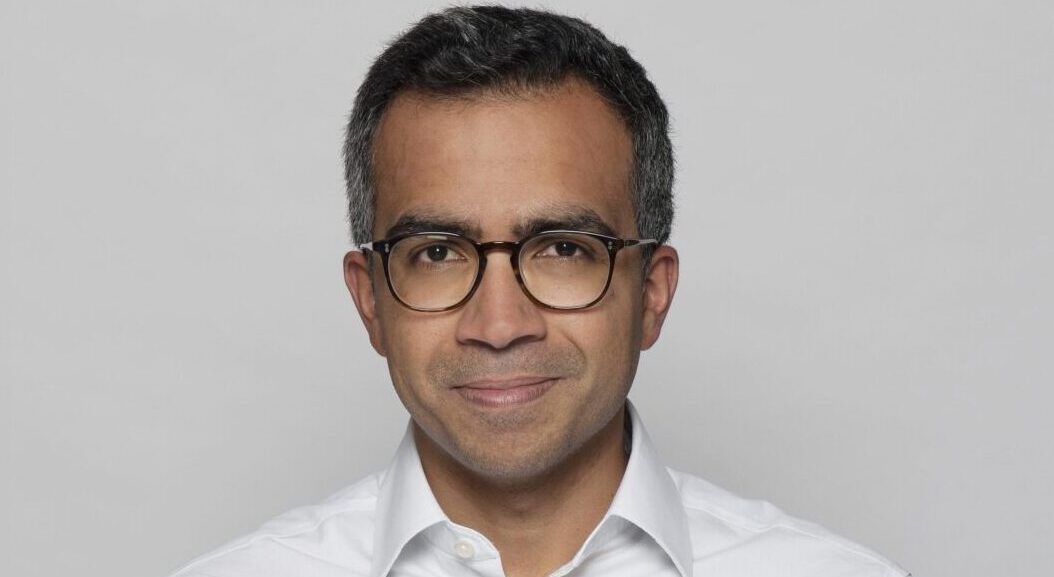
Dr Michael Stelzel, group general counsel and chief compliance officer of Hoerbiger in Austria, spoke of ‘extremely fast-moving sanctions regimes, combined with geopolitical and economic power games’, which force all companies who are global players to be ‘extremely aware of the latest trends and changes in the fields of public and regulatory law’.
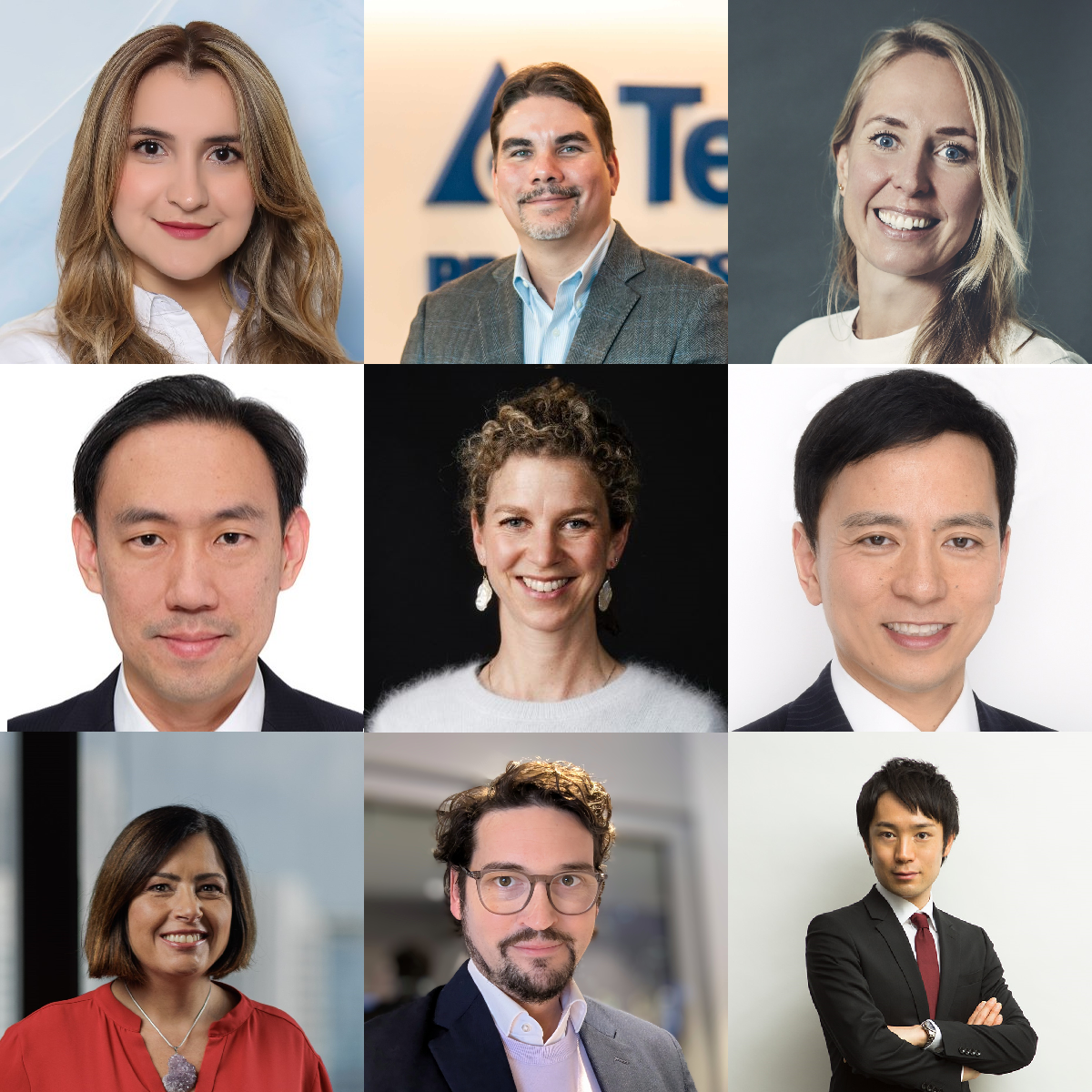
To remain competitive in this environment, Stelzel (pictured right) believes that GCs must develop the ‘ability to adapt and implement new processes very quickly’, while leading from the front in a commercial sense as well: ‘[GCs] must innovate in how to make business on a global scale by also implementing local business’.
This dynamic shows no sign of slowing down. In Latin America, Alejandro Royo of Tetra Pak in Panama spoke of how he believes that ‘geopolitical tension worldwide will continue to increase in the future, and our region will not escape from its effects’.
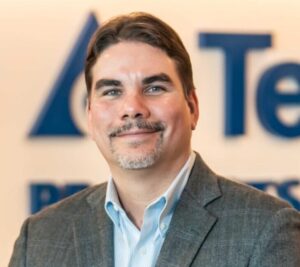 Royo (pictured right) warns that ‘corporate counsel must be prepared to deal in a complex political and economic environment, which may impact current supply chains and increase pressure to the business due to new trade and export control restrictions.’
In an interview he gave at the start of the year, Brandon Yap, head of legal for Bouygues Construction in Hong Kong, agrees: ‘2025 is opening up to be a challenging year of much uncertainty globally’.
Yap raised concerns over the effects of US government policy, particularly tariffs and the ‘almost daily deluge of executive orders’. He argues that many countries are likely to retaliate, with the risk that ‘the impact [of this], which often is not contractually contemplated for, will have a domino effect on the Asia region.’
Madison Brackelmanns, general counsel of Suffolk Construction Company in New York, pointed to the widespread impact of the current US government on global trade: ‘I am sure all of my peers have an eye on significant policy changes coming from this Presidential administration’.
While tariffs are a risk to most industries, working in the construction sector Brackelmanns is particularly exposed, and she notes that ‘keeping abreast of these matters requires minute-to-minute attention to remain nimble and keep advice current.’
‘Be solutions-focused, be realistic’
 In Thailand, Pajaree Thongvanit, head of legal for CIMB Thai, also cites “Trump 2.0” and the US president’s trade policies as the crucial trends in 2025 that ‘must be kept under close watch at all times.’ These developments are changing the global landscape entirely – socially, financially, and politically’, she warns.
From Brazil, Karina Close D’Angelo de Carvalho (pictured right), executive general counsel, Latin America for GE Aerospace, reports that the main external trends affecting her work are ‘the geopolitical impact of the decisions being taken by governments around the world’. To safeguard the company, she drills into her team that it is ‘critical that [they] are prepared to address the applicability of local laws in the different jurisdictions that we operate’.
But, as Brandon Yap points out, ‘there is usually no “playbook” or precedents to rely on’ when dealing with crises or uncertainty. ‘Solutions should come from working closely with management and key stakeholders to address the context of the crisis’, he advises. He also emphasises working with stakeholders to ‘map out pitfalls and potential commercial, procurement or legal workarounds’.
Yap’s own strategy includes a number of key considerations: ‘Firstly, there are the core pillars of active listening, building trust, and collective decision-making by consensus; secondly, I make sure my team is using the correct methodology to anticipate, be solutions-focused, be realistic, and provide feasible proposals; thirdly if there is disagreement, the team must be able to openly express views, look for positives rather than negatives, and seek solutions as a team.’
‘Companies and their legal teams need to navigate this regulatory tsunami with colleagues from other functions. No one can do it alone’
The worsening geopolitical environment was something which was consistently mentioned as a headache factor by GCs across the globe, but the next notable trend mentioned by our GC Powerlist alumni in 2025 is a more regional one.
While GCs across the globe are feeling the effects of the worsening geopolitical environment, in Europe, many GCs are frantically preparing for the ‘regulatory tsunami from Brussels and beyond’, as general counsel Juhani Ristaniemi of Outokumpu in Finland describes it. ‘Companies and their legal teams need to navigate this with their colleagues from other functions. No one can do it alone, nor will it take care of itself’, Ristaniemi concludes.
 Fleur de Roos (pictured right), featured on our Netherlands 2025 GC Powerlist, agrees – she links increasing regulation to the diplomatic strains between Europe, the US, and Big Tech. ‘Following Mario Draghi’s report and Trump becoming president, we will see a regress of overcomplicated and layered EU regulation. The EU will try to simplify regulation to remain competitive, but will still hang on tight to its most important milestones, for example GDPR, to counter Big Tech’.
De Roos is watching the situation with interest: ‘It will be interesting to see whether the EU can achieve harmonisation in a more effective manner: this in itself is a challenge. One of the items we are keeping a close eye on in this regard is the further specification of the AML Regulation.’
Hyun-Soo Kim, general legal counsel Europe at Hyundai Motor Europe in Germany, has witnessed the pervasive nature of regulatory preparation across the corporate world in Germany. He argues that ‘everyone will agree that the regulatory environment will continue to evolve at a rapid pace’.
In terms of specific laws, Kim mentioned the EU’s Green Deal and the Corporate Sustainability Reporting Directive, but also the new digital regulations including the Digital Services Act and the Digital Markets Act. These ‘will impose additional requirements on companies’, he explains, ‘and it will no longer be enough to merely comply with new regulations and their requirements. It is vital to ensure alignment with all internal stakeholders, as these regulations could directly impact the company’s business strategy’.
 Annemiek Meijvogel (pictured right), head of legal franchise for Inter IKEA Systems and corporate counsel in the Netherlands, observes that ‘regulatory changes are gaining momentum, and both the number of regulations and the complexity of requirements that need to be met by companies are increasing’.
Since it is ‘more difficult than ever to keep on top of significant new regulatory and legal developments’, Meijvogel argues that there is now a ‘strong need to gain better insight into all legislation that is anticipated’. And to get ahead of the regulation, close cooperation between legal and public affairs is key: ‘Legal counsel are more involved in the prioritisation of public affairs, advising during the legislative process and playing a bigger role in the implementation of new acts’, she says.
Environmental, social and governance (ESG) matters also continue to be a major focus for Powerlist GCs, despite the new US administration’s deregulation efforts and green policy retrenchment.
‘In many areas of the law we are seeing a paradigm shift’
Jennifer Steindler Darling, VP legal affairs and general counsel for North America at Hugo Boss, spoke of the conflicting priorities in the United States when it comes to ESG. ‘Despite the trend towards federal deregulation’, Darling explains, ‘ESG remains a very hot topic at the state level. I believe in many areas of the law we are seeing a paradigm shift, which requires in-house teams to be open to change on both a strategic and operational level’.
Esteban Buldú Freixa, legal director of Camper, who was featured in the Spain 2025 GC Powerlist, identified ESG regulation as one of the external trends most clearly defining his work in 2025. ‘One of the biggest challenges is to be able to identify the obligations of our company in terms of fulfillment of ESG policies’, Freixa explains. ‘The tsunami of regulations in the EU (and its transposition), as well as in other jurisdictions, is immense and complex – this makes it a huge challenge to identify and evaluate the impact on the company’.
 In Ecuador, Adriana Marcela Santiago Guerrero (pictured right), director of legal affairs for human resouces at Patterson-UTI International, points out that, while ESG principles have been a topic for the agenda for years now, many companies in the region still struggle with practical implementation.
Now, ‘regulators and investors are paying closer attention to corporate sustainability practices, making it essential for in-house counsel to take a proactive role in integrating ESG considerations into business strategies’, she observes.
Floortje Jansen, general counsel of DAF Trucks in the Netherlands, describes how the regulators’ change of focus has led to a paradigm shift in how in-house teams visualise their role.
‘Previously’, she explains, ‘the regulator was focused on establishing rules for relationships between companies and parties. Now, the focus is much more on regulating the internal organisation within companies. This includes compliance regulations, regulations around corporate social responsibility (CSRD, CSDDD (ESG)), as well as data regulations.’
This new regulatory emphasis has a knock-on effect on the role of in-house counsel. According to Jansen, ‘it is shifting from an advisor involved in contracts to a project manager involved in the implementation of regulations and processes. The risk-based approach of new regulation shifts the internal focus from what needs to be done to what ‘risk-based approach’ meets stakeholders’ expectations’.
‘Proactive yet prudent use of AI is critical’
On a more positive note, AI continues to be a source of optimism for GCs the world over. Not only can it demonstrably make routine tasks quicker to complete, but also the potential downsides of AI adoption have not materialised to the extent that some feared. By and large, GCs have not experienced the shrinking headcounts that some expected. Many GCs look forward to the increasing efficiencies that it can bring, too.
 Takahiro Hasegawa (pictured right) of Uber in Japan believes that ‘one of the most significant trends [affecting in-house legal teams] is the rapid rise of generative AI’.
According to Takahiro, AI ‘has quickly become an essential tool for enhancing efficiency. The effectiveness with which a company — and its legal department — adopts and integrates Gen AI will likely be a key factor in its success’ Key to doing this successfully is ‘identifying the tasks that Gen AI can handle well, delegating accordingly, and maintaining a clear understanding of its limitations’, advises Hasegawa.
Fumitaka Eshima, general counsel of UBS in Japan, agrees: ‘The use of AI is gaining increasing importance at work at a faster pace than expected, and we must keep it high on our agenda as in-house counsel. Proactive yet prudent use of AI is critical for any successful in-house legal team. We aspire to advance with, and take advantage of, developments in AI accordingly.’




 Burges Salmon
 Osborne Clarke
 Russell-Cooke
 Taylor Wessing
 Anglo American
 Banco Santander
 BT
BT Newcastle United Football Club
 PepsiCo UK
 Rolls-Royce








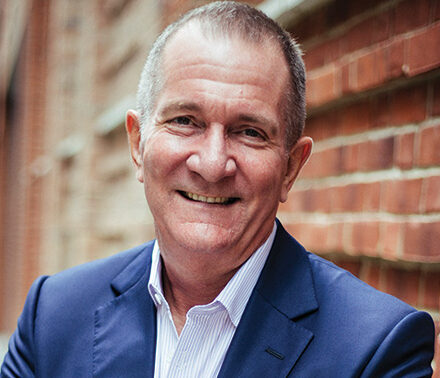 ‘There’s no question that there’s a very significant investor interest in the legal sector now, in a way that didn’t exist 12 months ago,’ says Morley (pictured). ‘Over the next 12 to 24 months, I think you’ll see a steady uptick in deals, and likely some larger £100m-plus firms coming to market.’
 MacPherson (pictured) draws parallels with accountancy, which has seen private equity interest rapidly gather pace over recent years.