‘I thought I pulled off a really smart trick, but actually I was a complete idiot’.
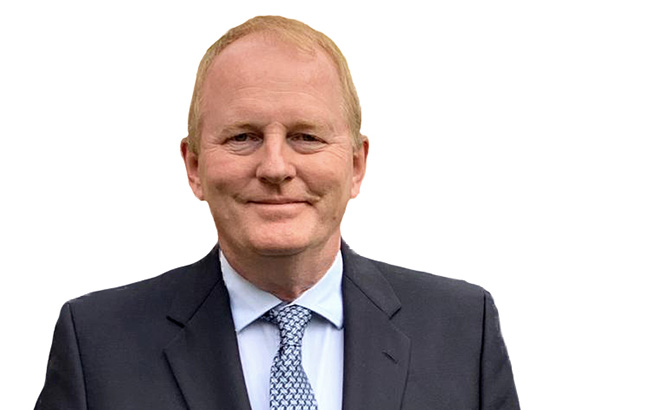
This is the verdict of Ian Rosenblatt on his former firm’s IPO, which ultimately resulted in Rosenblatt leading a 40-lawyer breakaway from parent company RBG Holdings in late January this year. The walkout came just days after RBG announced the suspension of its shares on London’s Alternative Investment Market (AIM).
The move saw him relaunch Rosenblatt as an independent firm less than eight years after it originally floated on AIM in May 2018.
Since Gateley became the first UK law firm to list 10 years ago, five other firms have gone public in London. Five of these firms floated on AIM: Gateley, The Ince Group, Keystone Law, RBG Holdings and Knights, while DWF opted to IPO on the London Stock Exchange’s Main Market.
Today, only three of these firms are still publicly traded: Gateley, Knights and Keystone. Instead, more recent attempts to secure external capital have seen firms turn to private equity investment rather than public money.
Here, LB crunched the numbers to give you the lowdown on how all six listed firms have got on.
Gateley
- Listing date: 8 June 2015
- Market cap at listing £100m; capital raise: £30m
- Issue price 95p; Current price 134p (correct as of 9 July 2025)
- All-time high: 262p (Sept 2021); all-time low: 93p (Feb 2016)
Click here to read more on Gateley’s 10 years as a listed firm in ‘a step into uber-entrepreneurial territory’ – Gateley’s CEO reflects on a decade as a listed law firm.
The Ince Group
- Listing date Aug 4 2017 (as Gordon Dadds)
- Market cap at listing £18.8m; capital raise: £20m
- Issue price: 140p
- All-time high 189p (Jan 2019); all-time low: delisted (Jan 2020)
In August 2017, Gordon Dadds became the second UK law firm to list, and quickly set about growing, acquiring five smaller firms between 2017 and 2018. In January 2019 it upped its ambitions, acquiring troubled shipping firm Ince for £21m in a pre-pack deal and rebranding as Ince Gordon Dadds, later, The Ince Group. The merger initially paid off, with Ince’s fee income helping to generate an 87% revenue boost in 2020, while 4% growth in 2021 nudged revenue up to £100.2m – a 400% rise from the £25m posted by Gordon Dadds in 2017.
But 2022 saw the combined firm crashing down to earth: a cyber-attack in March, estimated to have cost £5m, misconduct allegations in May and a string of partner exits destabilised the firm. It was delisted in January 2023, after failing to file accounts, and entered administration in April. Later that month, Axiom DWFM acquired it for £2.2m in a pre-pack deal, but it proved to be out of the frying pan into the fire as the SRA shut the merged firm down within six months to protect client interests.
Keystone Law
- Listing date: 27 Nov 2017
- Market cap at listing: £50m; capital raise: £50m
- Issue price: 160p; current price: 608p (correct as of 9 July 2025)
- All-time high: 910p (Jan 2022); all-time low: 178p (Nov 2017)
Keystone was the third UK law firm to list. The firm operates under a model where partners keep a higher percentage of the fees they generate, rather than sharing in the firm’s profits. Founder and CEO, James Knight (pictured), says that this structure suits external investment, as ‘senior fee earners do not have a stake in the profitability of the business’.
Knight maintains that Keystone’s listing wasn’t driven by a need for capital. He insists: ‘We didn’t need to raise the money to grow, but thought that becoming a public company would enhance our reputation and enable us to engage with a more sophisticated client base.’
It also offered an exit for private equity backer Root Capital, which had invested £3.15m in 2014 and exited gradually after the IPO.
Keystone’s journey as a listed firm has been largely serene, with its current share price of £6.08 representing a 280% gain for IPO investors. Meanwhile, the firm’s revenue has more than tripled – climbing from £31.6m in 2018 to £97.7m in 2025, with lawyer numbers more than doubling over the same period, rising from 266 in January 2018 to 576 in January 2025. The headcount expansion includes a large number of junior lawyers directly employed by Keystone’s senior lawyers, with this figure soaring from 12 to 121.
Rosenblatt (RBG Holdings)
- Listing date: 25 May 2018
- Market cap at listing: £76m. Capital raise £43m
- Issue price: 76p
- All-time high: 169p (Jul 2021); all-time low: delisted Jan 2025
Rosenblatt founder and senior partner Ian Rosenblatt tells LB that the firm’s May 2018 float was driven by succession planning: ‘I wanted to find a way of slowly de-emphasising myself and building an organisation around – and eventually away from – me. The world of law firm founders is littered with the disappointed bodies of people who were done over by those they trusted to protect their legacy.’
The firm used proceeds from the IPO to set up a litigation funding arm – LionFish, with former chief executive Nicky Foulston telling LB at the time: ‘If someone says they have a case and they want our resources, we can take risks because we can afford to.’
‘The whole thing was an absolute shitshow’ – Ian Rosenblatt
In September 2019, it acquired corporate finance boutique Convex Capital for £22m, changing the name of its parent company to RBG Holdings (RBG) at the same time. RBG went on to acquire corporate boutique Memery Crystal in 2021, with the acquisition adding 28 partners and 66 fee earners to RBG. However, by the start of 2023, chief exec Nicola Foulston had been dismissed. Convex Capital was sold in March that year for up to £2.6m, with LionFish disposed of for up to £3.1m in July.
Meanwhile, the firm’s financials released in May 2024 showed a 12.6% drop in 2023-24 revenue from £44.9m to £39.2m, with gloomy half-year financials to follow.
By 31 December 2024, RBG’s share price had tumbled to 2.85p and a tumultuous January 2025 saw a very public falling out between Ian Rosenblatt and the RBG board, the suspension of trading on 27 January and the eventual winding down of the business in February.
‘The whole thing was an absolute shitshow,’ concludes Rosenblatt.
Knights
- Listing date: 29 June 2018
- Market cap at listing: £103.5m; capital raise £50m
- Issue price: 145p; current price 192p (correct as of 9 July 2025)
- All-time high 500p (Sep 2020); all-time low: 60.4p (Oct 2022)
Knights turned to the public markets to pay down debt, fund acquisitions and corporatise, with its CEO David Beech (pictured) telling LB in 2018 that a partnership is ‘not a suitable model for profitable business.’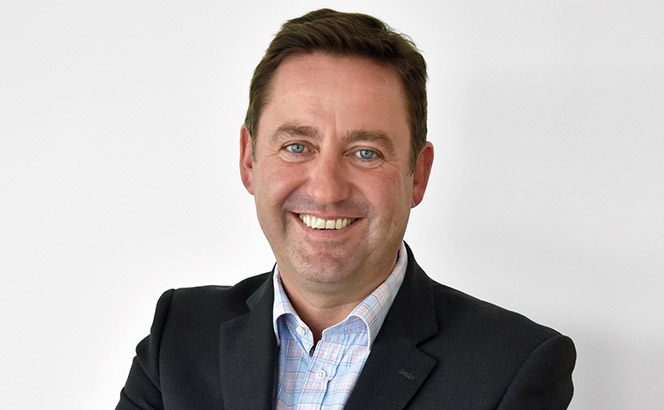
Its first year on the market saw four acquisitions and a 51% revenue jump from £34.9m to £52.7m. 2020 brought six more acquisitions and 108 new fee earners, while 2021 marked two milestones: breaking £100m in revenue and entering the LB100 top 50.
While the firm in 2023 described its post-listing performance as resilient, the data shows that its share price fell by 60% in March 2022, from 361.44p to 142.19p. The price has yet to recover from the drop, with shares still trading well below their former highs at 192p.
Despite the changes in share price, the firm has pressed ahead with bolt-on acquisitions. In January 2024, it secured a new £70m revolving credit facility, and in April 2025 announced its largest deal to date: the £30m acquisition of Thames Valley firm IBB Law, a four-office, 140-lawyer business with £23m in revenue for 2024.
DWF
- Listing date: March 15, 2019
- Market cap at listing: £366m; capital raise £95m
- Issue price: 122p; Current price: taken-private at 97p (plus a 3p special dividend) (Oct 2023) ; all-time high: 143p (Feb 2020); all-time low: 45p (Jul 2020)
In March 2019, DWF became the first law firm to list on the London Stock Exchange’s main market. With a £366m valuation and £95m offer, it instantly became the UK’s largest listed law firm.
The firm’s outgoing CEO, Sir Nigel Knowles (who was chair at the time of the listing), confirms that generating capital for expansion was a key reason for the float.
In 2019, DWF acquired Spanish independent law firm Rousaud Costas Duran for up to £42.5m and alternative legal services provider Mindcrest for £14.2m. It also opened a Polish office, with the hiring of a Warsaw team from K&L Gates Jamka.
However, a precipitous share price drop in early 2020 saw the firm enter March at 135.5p per share and end June at 49.5p. While the price would steadily recover, a renewed slide began in April 2022.
Despite revenue increasing from £272.4m in 2019 to £451.6m in 2023, the turnover growth did not have a positive impact on the share price – a situation described as ‘desperately frustrating’ by Knowles, as the lower share prices limited the firm’s ability to issue equity to fund acquisitions.
In 2021, DWF’s acquisitions were limited to a total outlay of £4m: compliance training business Zing 365 Holdings (£1.8m) and Canadian insurance claims firm BCA Claims & Consulting (£2.2m).
‘When you’re public, external issues can restrain your access to capital’ – Sir Nigel Knowles
Spending increased in 2022 – Canadian law firm Whitelaw Twining (up to £27.7m) and UK legal costs specialists Acumension (initial consideration of £5.5m), but the board wanted to be able to make more investments. As a result, in July 2023, the board recommended a takeover from mid-market PE specialist Inflexion that saw the firm go private in October 2023.
Under Inflexion, DWF has expanded into the Australian insurance market, acquiring claims manager Proclaim in September 2024 and shortly after adding a 62-strong, 9-partner team from Melbourne’s Hall & Wilcox.
Elsewhere, it hired a three-partner team from Hogan Lovells in Warsaw in December 2024 and four marine insurance partners from Kennedys in London this February.
In April, however, it began a redundancy consultation affecting 108 staff across its commercial and central services divisions, citing the ‘changing needs’ of clients.
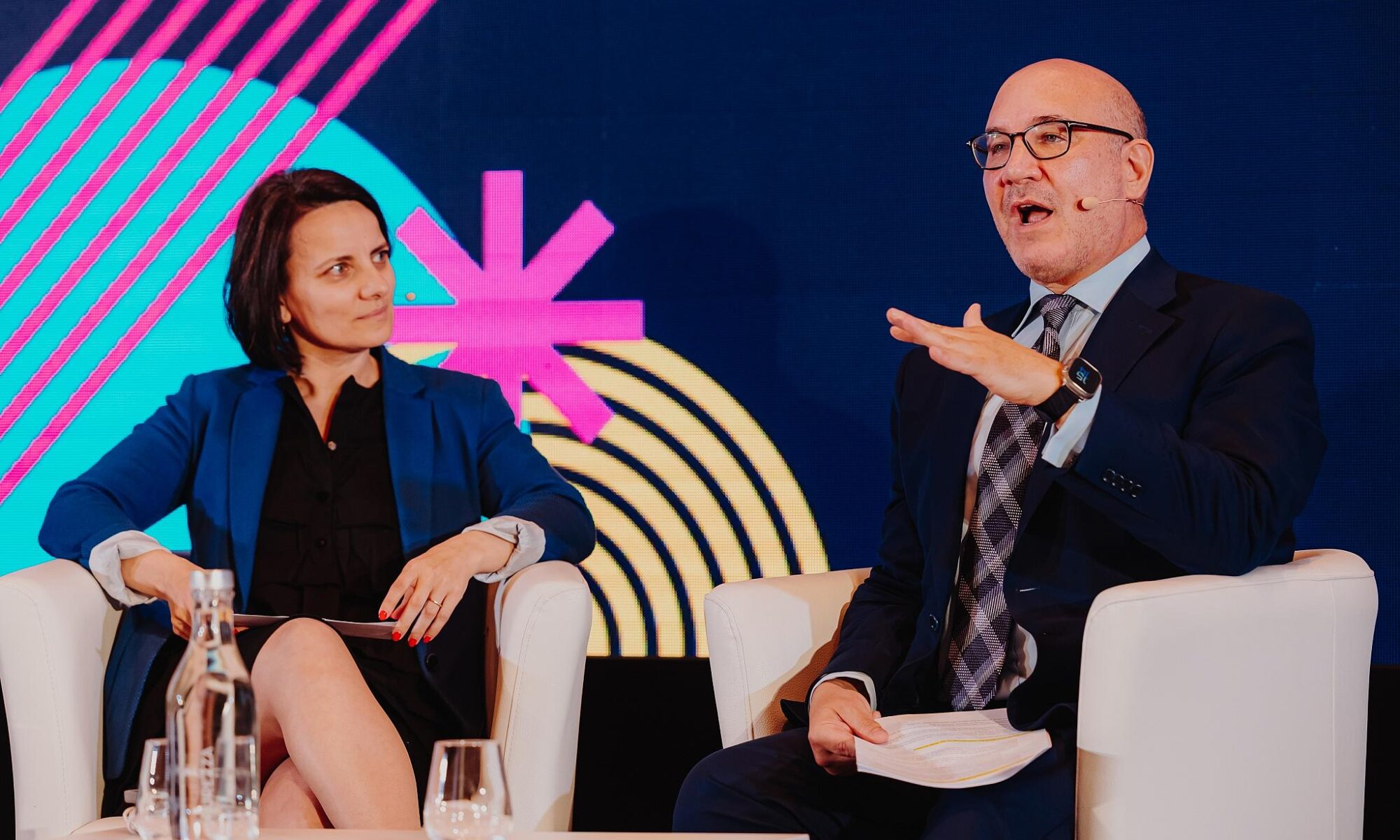
Knowles, who is due to retire from his position as DWF CEO on August 1, says there are benefits to the firm from not being on the public markets. ‘When you’re public, external issues like Brexit, COVID, Russia’s invasion of Ukraine, people not buying shares, can severely restrain your access to capital. When private, the impact of these external events is less pronounced as private capital will take a longer-term view.’