A group of associates who resigned from firms that cut deals with US President Donald Trump to avoid executive orders is campaigning to have the leaders of those firms removed from board roles, with senior partners at firms Paul Weiss, Latham & Watkins and A&O Shearman under the spotlight.
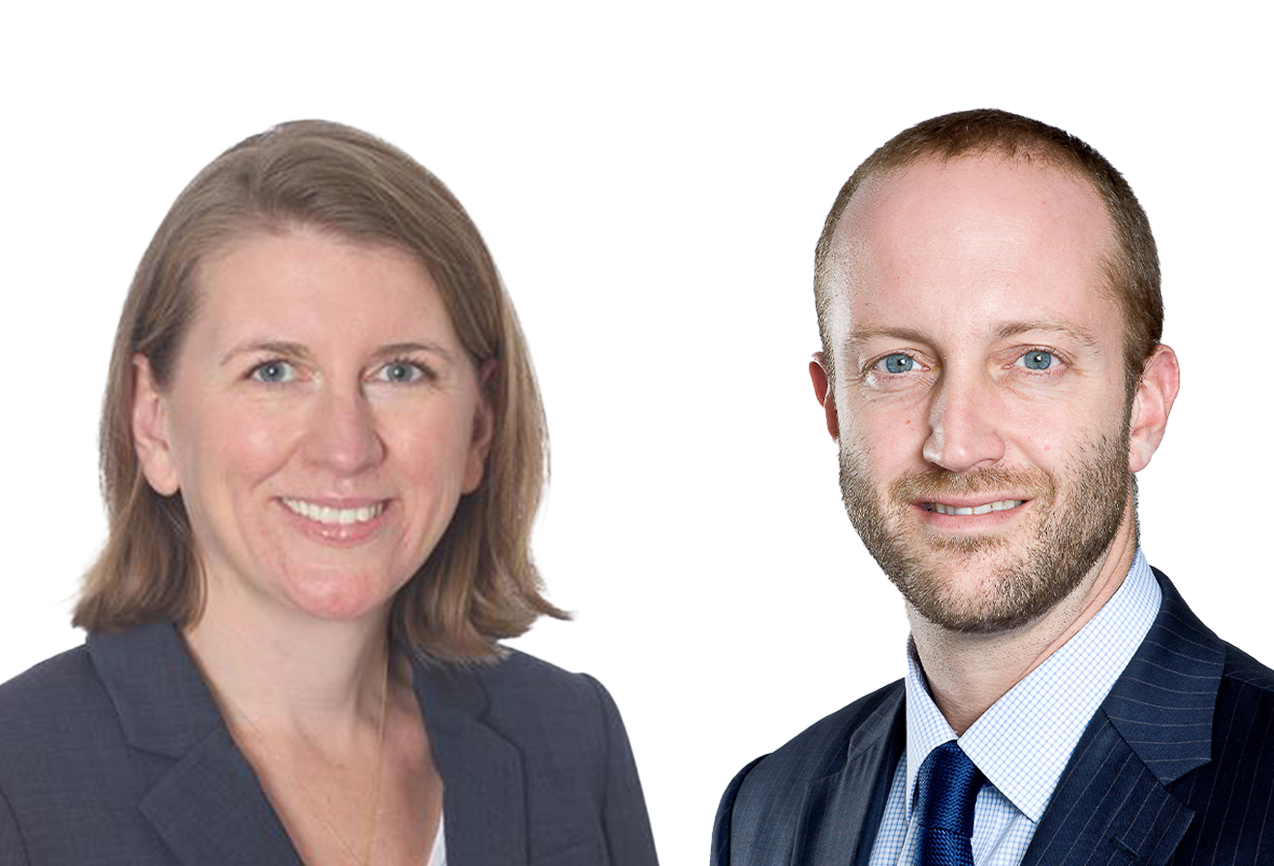
The group, which is led by former Skadden associate Rachel Cohen – whose public resignation made headlines in March – is arguing that ‘bad decisionmakers’ at major firms should not hold board roles at organisations such as charities and education institutions.
Yesterday (14 May) Cohen shared a series of documents, compiled by the group, which lists the executive committee members at firms to have done deals with Trump, alongside the board positions at external organisations that they hold.
The Google Drive also includes draft letters calling on those organisations to remove those partners from their boards.
The list includes Paul Weiss chair Brad Karp, who sits on the board of Legal Action Center, a New York-based non-profit that works to protect the legal rights of individuals with arrest and conviction records, substance use disorders, and HIV and AIDS.
In March, Paul Weiss became the first law firm to make a deal with the Trump administration over his attacks on major law firms, agreeing to provide $40m in pro bono services in return for an executive order against it being dropped.
Also on the list are Latham chair Richard Trobman, who is on the board of Chicago law school Northwestern Pritzker School of Law; Kirkland & Ellis chair Jon Ballis, on the board of the Illinois Holocaust Museum & Education Center, and A&O Shearman US chair Adam Hakki, who is on the board of the Legal Aid Society of New York.
Other individuals named include executive committee members at Cadwalader, Milbank, Simpson Thacher, Skadden, and Willkie Farr & Gallagher.
‘While firms may not care about public outrage, nonprofits and universities just might’, Cohen said. ‘We need bad decisionmakers off those boards, before they can replicate their harmful decisions at other institutions.’
In separate comments to Legal Business, Cohen said: ‘We’re on a mission to continue to think creatively about how to hold individual decision makers appropriately professionally responsible. When you bound your firm to a deal that sold out the country and your employees, you demonstrated poor and corruptible professional judgment at a crucial time.’
The campaign calls on participants to prioritise partners at democracy and law-related organizations such as New York’s Legal Aid Society, whose board includes Willkie IP partner and chief inclusion officer Kim Walker as well as Hakki, and the Institute for Policy Integrity at NYU Law, where board members include Skadden antitrust and competition litigator Boris Bershteyn and Willkie chair Matthew Feldman.
No further law firm has agreed to a deal with the Trump administration since April, when a clutch of five firms including A&O Shearman, Kirkland, and Latham agreed to provide a combined total of $600m in pro bono work to causes supported by the administration.
The firms made deals with the administration to provide pro bono work in exchange for protection from executive orders that have suspended security clearances from all firm employees, directed federal agencies to terminate contracts with firms, and bar firm employees from all federal buildings.
Of the firms that made deals with Trump, only Paul Weiss had been on the receiving end of such an order, with the other deals made preemptively. Paul Weiss is also the only firm targeted by an executive order to have made a deal with the administration.
In May, Perkins Coie, one of several firms challenging executive orders issued against them in court, achieved a victory, with US District Judge Beryl Howell striking down the order in a 2 May ruling that declared: ‘in purpose and effect, this action draws from a playbook as old as Shakespeare, who penned the phrase: “The first thing we do, let’s kill all the lawyers.”’
Howell also referenced the firms that cut deals, writing that the fact that Paul Weiss ‘quickly negotiated a deal’ demonstrates ‘the coercive power of such targeting’.
More than 500 firms supported Perkins Coie in its case, with firms including Freshfields, Covington & Burling, Arnold & Porter, and Crowell & Moring all signing an amicus brief filed by Munger, Tolles & Olson and litigation boutique Elmer Stahl in April.
Later that month, more than 700 partners at top firms signed another amicus brief backing Susman Godfrey’s litigation against the administration, submitted by Law Firm Partners United (LFPU), an organization established by Goodwin partners Neel Chatterjee and David Cross. At time of publication, LFPU has more than 850 members on LinkedIn.
Cohen is now strategic and external affairs coordinator at Lowell & Associates, a new firm established by former Winston & Strawn government investigations, enforcement, and compliance practice co-chair Abbe Lowell, which aims to represent clients targeted by the administration. She is joined at Lowell by fellow Skadden alum Brenna Trout Frey, who also resigned in protest at the firm’s deal with Trump, and who joins Lowell as counsel.