Operations and procurement

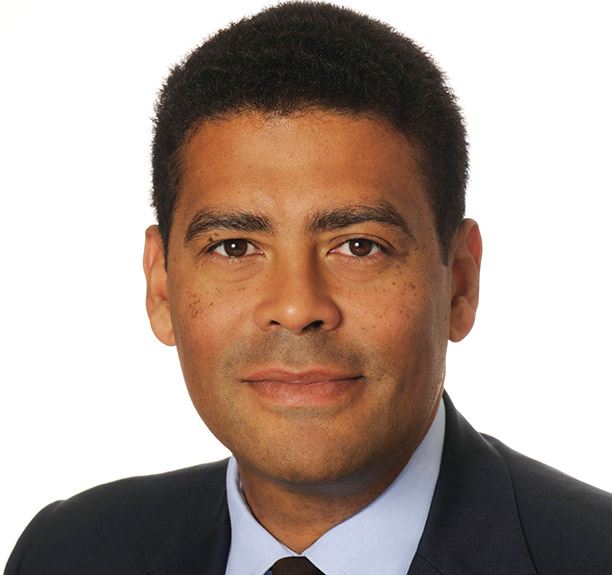
Vincent Cordo


Vincent Cordo

Shell

Team size: 30

Major legal advisers: Allen & Overy, Baker McKenzie, Clifford Chance, Eversheds Sutherland, Norton Rose Fulbright, Reed Smith

Appropriate fee arrangements (AFAs) are now used on 100% of Shell’s new external instructions. The overall average for AFAs – including all legacy matters – teeters between 80-85%. For context, fellow institutional heavyweight Barclays still billed on hourly rates for nearly half of its external matters as recently as 2018. Continue reading “Operations and procurement”

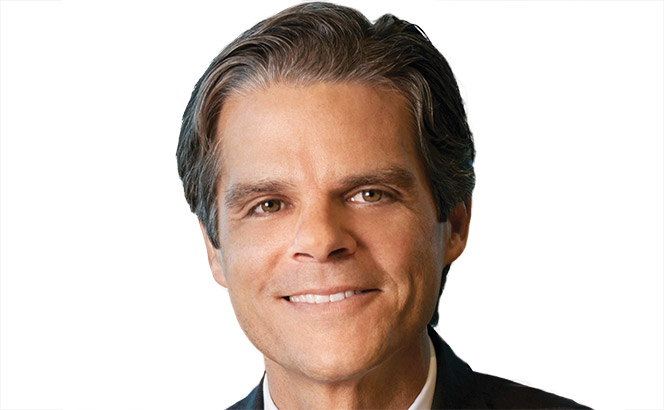
Interview with… Dan Kayne

Dan Kayne

Dan Kayne

General counsel (regions)

Network Rail

Why change how you run your panel?

Lawyers are likely to be very different in the next decade because disruption across the industry is giving GCs more choice while societal pressures are demanding a different kind of approach. Great lawyers used to be have been described as ‘T-shaped’, with an emphasis on collaborative as well as technical skills, but the concept of the ‘O-shaped’ lawyer, representing a well-rounded individual, is gaining traction in the market and they are likely to be the next generation of industry leaders. Continue reading “Interview with… Dan Kayne”

Legal Business Awards 2020 – Private Equity Team of the Year

After much back-and-forth between the judges in a keenly contested category, we are now delighted to reveal the winner of Private Equity Team of the Year for the 2020 Legal Business Awards.

The winner in this category demonstrated an ability to land the most significant mandates in an incredibly competitive market for private equity-backed deals. Judges looked for evidence of an ability to move with the market and stand out from competitors in the most eye-catching transactions. Continue reading “Legal Business Awards 2020 – Private Equity Team of the Year”

Sponsored briefing: Taking a holistic view of a US law partner’s income to secure property

How does Investec assess foreign currency income and assets when examining affordability?

This is a question we get asked frequently, because not all lenders have the ability to look at complex income streams such as foreign currency or lumpy profit distributions. We understand that if you’re a partner at a law firm, your income structure will vary and may comprise elements including monthly draw, profit distributions and a bonus element, some or all of which may be in a foreign currency. You may also have income generating assets such as overseas property. Continue reading “Sponsored briefing: Taking a holistic view of a US law partner’s income to secure property”

Keystone shrugs off coronavirus uncertainty but internal investments see profits tumble 

Keystone Law is producing a resilient performance as the year unfolds, the firm’s interim results show, with revenues up despite the financial impact of the Covid-19 lockdown, but profits have slumped following internal investment at the UK-listed firm.

Revenue in the first half of the firm’s financial year was up 6.5% to £24.5m from £23m last year. However, adjusted profit before tax was down 18% to £2.2m for the period ‘due to investment in the central office support team as well as additional office space in Chancery Lane.’  Continue reading “Keystone shrugs off coronavirus uncertainty but internal investments see profits tumble “

Legal Business Awards 2020 – Finance Team of the Year

After much back-and-forth between the judges in this keenly contested category, we are now delighted to reveal the winner of Finance Team of the Year for the 2020 Legal Business Awards.

The winner of this award operates at the cutting edge of the finance industry and has provided one standout example of work taken from a wide range of disciplines, including bank lending, acquisition finance, structured finance, project finance and debt capital markets. Continue reading “Legal Business Awards 2020 – Finance Team of the Year”

Legal Business Awards 2020 – Restructuring Team of the Year

The entries were reviewed and our panel of general counsel judges delivered their verdicts: we are now delighted to reveal the winner of Restructuring Team of the Year for the 2020 Legal Business Awards.

This award recognises teams that have played a critical role on the most complex restructuring mandates of the year. In choosing the winner, judges were looking for clear examples of innovation and where the lawyers had achieved crucial outcomes for their clients. Continue reading “Legal Business Awards 2020 – Restructuring Team of the Year”

Freshfields tax drama back in spotlight as Germany’s finance minister throws future mandates into doubt

Frankfurt graphic

Freshfields Bruckhaus Deringer has been dragged into the spotlight yet again for its role in the cum-ex tax scandal, with Germany’s finance minister suggesting that the firm should no longer be handed government contracts for its involvement.

Finance minister Olaf Scholz of the Social Democrat Party made the remark on Wednesday (9 September) at the German Bundestag during questioning around what has widely been dubbed the biggest tax fraud in the country’s history. Continue reading “Freshfields tax drama back in spotlight as Germany’s finance minister throws future mandates into doubt”

Modern Working In Unprecedented Times

At the best of times, the role of the in-house counsel is marked by loosely defined and ever-expanding boundaries. It is part of why the role demands a sufficiently flexible and open-minded candidate in order to be done effectively.

Enter COVID-19: norms of business and the global economy have been thrown into turmoil as countries across the world struggle to balance the need to control the flow of the pandemic with economic survival.

As of the start of August, four of the top ten countries for confirmed cases of coronavirus are Latin American. Businesses working in the region will be as pressed as businesses anywhere to weather the storm, adjust their practices and adapt to whatever world in which they find themselves operating after the peak of the pandemic has passed.

How do in-house counsel across Latin America feel about the effects of the pandemic? What have their experiences been? How do approaches differ between counsel and across businesses?

In The Legal 500’s GC Powerlist: Latin America Survey, we asked counsel working in the region all of these questions and more.

Status Report

While the pandemic hasn’t exactly affected all countries equally, most of the in-house counsel surveyed for this report could agree that it had affected their work, and that of their legal team.

46% of respondents felt that the COVID-19 pandemic had affected the output of the legal team to at least a moderate degree, with 20% feeling that the impact had been ‘great’. The single largest group were those who felt that the pandemic had ‘slightly’ impacted their legal team’s output, at 37%.

All but a small number of in-house counsel working in their country’s defense sector reported that them and their teams had been working from home during the pandemic.

“Communication was repeatedly emphasized in the interviews conducted with general counsel from across the region as being of particular importance in adjusting to entire workforces being taken off-site.”

‘I think everyone would agree that working from home under these circumstances would be ideal,’ said one GC working for an aviation and defense contractor within the region.

‘But for us, it is not permissible. We are working with documents and files that are highly sensitive, and that cannot be risked in remote working. Many of our employees are given a special government pass to be commuting during the pandemic.’

The majority of respondents (76%) felt that home-working had been ‘highly’ effective, and another 20% characterized home-working as having been ‘somewhat’ effective. The rest felt it was too difficult to say; not a single respondent reported feeling that home-working had been less than effective.

Measuring success remotely

This data begs the question: how can the effectiveness of home-working be properly gauged?

It’s a question which takes on added import among the speculation that this period of remote working will extend beyond the pandemic if not become the norm entirely. Despite virtually all respondents reporting their team working from home since the start of the pandemic, just over half (58%) said that they had been monitoring the effectiveness of homeworking for their employees.

For many, the proof is in the pudding:

‘We manage to complete integration projects and M&A initiatives in a record time,’ says Alejandra Castro, head of legal at Bayer, based in Costa Rica.

‘The feedback of the business is that the team is not only very responsive but also very involved in every company’s decisions. Home office has increased the overload of work in the organization but we have manage to keep performance on track.’

But the work doesn’t always speak for itself, particularly when the benefits brought by having a competent legal team are often difficult to quantify. In these instances, broader brush strokes are required when attempting to track how the team is coping under pandemic pressure.

‘We have shifted to goal based work, improved communication and knowledge sharing practices across the regional legal team, keep each other updated on target completion and adopted legal project management practices to keep everything on track,’ says Jorge Hirmas, general counsel at Orica.

Communication was repeatedly emphasized in survey responses and the interviews conducted with general counsel from across the region as being of particular importance in adjusting to entire workforces being taken off-site.

Ana Haynes, general counsel at Essilor in Brazil, said that they monitor home-working ‘through video calls, through the delivery of many work demands, through constant feedback and phone and video interactions, as well as surveys performed by our company.’

Sheila La Serna, Chief Legal at Profuturo, shares her organisation’s approach amongst the pandemic in Peru: ‘From the outset of the Sanitary Emergency Declaration and Social Isolation declared by the Government of Peru, we conducted daily videoconference meetings first to assess how the team was keeping up with their current home office situation, what needs they had (i.e. accesibility to our systems or physical attendance to the office, and health status) and furthermore, set a schedule considering housekeeping and child care hours since the majority of our members in the legal department are  women.’

‘Also, the CEO and senior management shared with the teams some podcasts with updates con health monitoring, challenges and quick wins during the COVID-pandemic. From June 2020 on, we had a twist for good knowing that “no size fits all”: we agreed on having virtual sessions twice a week only,  to review how we started and finished the week, but we kept communicating one -on -one by Whatsapp (legal department chat and individual chats), email and mobile when necessary.

‘After that, the team´s motivation rose because they felt they had more flexible time to spend with their families,  and I saw a change on our productivity measured by quicker responses made and greater number of emails that were replied during the day.’

One common sentiment was that there has been a realization (or validation, in many cases) that employees are just as effective when working from home, particularly when properly supported by the organization.

‘[We have] follow up conference calls and meetings,’ says Catalina Gaviria, legal vice president at SBS Seguros in Colombie.

‘Nonetheless, we are confident that our team is composed of great people who are very professional and committed to the result of the company! Therefore, more than conducting follow up meetings to tasks (which we do), during these times is always important to keep a warm contact. We usually use video to see each other, we ask daily how we are, talk about our personal and family concerns.   We even celebrate special dates as happy birthdays of the team, by sending food and celebrating!  We are convinced that a happy team always provide great results and are always effective, open, and available.’

Mental health

The COVID-19 pandemic comes at a time where an increasing amount of attention is being paid to health and wellbeing at work. The legal profession is in many parts of the world associated with long hours and high pressure, and despite a prevalent myth that these concerns do not exist in-house, general counsel must be careful to ensure they and the teams they lead are taking care of themselves.

Just under half (49%) of all respondents to the survey sent out as a part of this report felt that in-house counsel have appropriate resources available to them in order to assist with stress or mental health issues, and 37% answering in the negative.  A little over half (54%) of respondents reported that their organization has an employee mental health policy.

Of those who reported their organization having such a policy, the most commonly cited feature of the policy in use was the specification of a chain of command or point of contact for support. The second-most commonly cited feature was flexible working arrangements.

“Just under half (49%) of all respondents to the survey sent out as a part of this report felt that in-house counsel have appropriate resources available to them in order to assist with stress or mental health issues.”


When asked to identify the leading causes of mental health problems for in-house counsel, the most commonly given answer was the high stress nature of the job (68%), followed by long hours (57%).

Now, thanks to COVID-19, the workforce is remote, which means the line at which work ends and recreation begins is even more difficult to manage. This was a concern expressed by many participants in this research, but just as common was a feeling that the pandemic has given teams the opportunity to explore how to keep their motivation and mental well being high.

‘We have been in constant communication with team members within my region, and also with the rest of the members of the Law Function within Cargill across the globe,’ explains Michelle Canelo, legal director at Cargill in Honduras.    

‘We have been monitoring feedback we receive, how are people feeling, dealing with the challenges that came with Covid-19, not only work related, but with new challenges from home with family. being mindful of the needs of our team members, providing them with resources, accessories that could make their job at home more easily, for example, coordinating that team members received the chair, their docking station, monitors, files needed, printers, headphones, etc from office and deliver to their homes, so that they can work better and take care better of their posture, their overall health.   

‘We’ve been also talking about mental health and how we can support each other, listening, talking of our challenges, etc.    we even had happy hour every month, getting together virtually at the end of the day, and sharing, a cup of coffee, a glass of wine or other, and a good non-work related conversation.’

Lasting change

For the in-house community, the upheaval of 2020 has manifested in a variety of ways.

The practically universal uptake of home-working for the duration of the pandemic is an easy example. But the in-house counsel surveyed also pointed to other areas that have seen change.

For example, respondents largely reported being more likely to renegotiate obligations with business partners as a result of the pandemic: 71% said they would be more likely, as opposed to 16% who said they would not; the rest were undecided.

45% of those surveyed said that they expect the way in which external firms will deliver their services to change as a result of the pandemic, compared to just 26% who did not expect any such change; the remainder were undecided.

‘I expect external law firms to be more proactive, more efficient, more agile and for their business understanding to improve,’ says Ricardo Estrada, senior lawyer for the wider Latin America region at GlaxoSmithKline.

‘I also think they need to be open to provide support 24/7 and to team with other external law firms and forget about how to compete with them, rather [focus on] how to team up for work.’

‘We are already living a change,’ emphasizes Sheila La Serna at Profuturo.

‘Most of the firms we work with have acknowledged the importance of adding value to in-house teams during COVID pandemic. Webinars, live or recorded and podcasts with legal content are now trends in many firms to keep clients engaged.

‘Delivery is definitely quicker and it is expected to continue that way.  Legal service will not disappear in the near future but I think that digitalization of the services, blockchain and artificial intelligence will challenge traditional law firm service sooner or later.’

As for homeworking, counsel were almost united in their expectations going forward: 77% said they expected homeworking to become more frequent, and another 17% said they expected it to become the norm. Just 2% said they expected the pre-COVID status quo to persist.

Overview: Mexico

Some readers may know that González Calvillo has uninterruptedly partnered with The Legal 500 in sponsoring the Private Practice Powerlist: US-Mexico for several years. Looking back, each of the issues from 2017 onwards contained widely distinct business messages from our firm, ranging from record-breaking transactional work and law firm profits on 2017, to the forced adaptation of the Mexican economy to geopolitical changes in 2018, and finally the stagnation of our economy in 2019 due to a series of erratic decisions by President Andres Manuel Lopez Obrador and his administration. Market uncertainty and increasing concerns for investors were well underway at the outset of 2020. But cliché as it may be, nothing could have prepared anyone for what was about to happen this year.

Here we are, then, in the midst of 2020, facing what is now clearly the most severe global economic debacle since the Great Depression, let alone the vast human tragedy. By the time we write these words, we already know Mexico will not fare well from COVID-19. While developed countries across Asia, Europe and North America have already installed rescue and recovery plans of inconceivable dimensions -mostly aimed at saving small business who are primary sources of employment-, our government has opted to stay stale, basically. Experts have already pointed to the potential loss of Mexico’s investment grade by 2021, likely depending on the results of the midterm legislative elections coming next summer.

So where does this leave us lawyers besides working from home during many months? Well, this depends on whether one sees the glass half full or half empty.  Truth be told, our profession has been and continues to be one of sustained privilege; most of us have been able to continue serving our clients and attending each of our affairs without serious interruption and mostly seamlessly. All from the safety of our homes.

All of a sudden, a hefty chunk of clients to law firms were forced to alter their strategies, radically. The legal industry had to adapt swiftly to new needs; the experience accumulated in years of deal-making had to be abruptly applied to helping longstanding clients, with many of whom we have developed close friendships, survive. Those firms lucky enough to have invested in insolvency litigation and restructuring are now beyond busy. Sadly, expectations are that there will be an incalculable number of bankruptcies in Mexico as a consequence of the virus, exponentiated by the lack of robust economic assistance directives and support by the current administration.

But not all is lost. In addition to insolvency work, we are proactive witnesses of the notable uptick in revenue stemming from our technology practice group. Big-Tech companies, led by GAFAM, have evidenced that the world is accelerating towards technological solutions in most if not all of the components of our daily lives; the NASDAQ index is trading at all-time highs while fintech and ‘app’ companies are showing no signs of deceleration. Who had heard about Zoom just a few months ago? This appears to be welcome news for fund formation, private equity and M&A generally. Even during the pandemic, there have been substantial transactions announced between traditional banking institutions and technology companies, unimaginable just a few years back. Most of these deals imply considerable regulatory hurdles, so law firms carrying demonstrable sophistication and experience in banking, securities, pension funds and insurance are likely to be involved to sort these obstacles. Given the size of some of these deals and the potential competitive overlapping effects that they may have on the relevant markets, antitrust counsel to help navigate these challenges becomes critical.

It seems humanity is not likely to disappear as a consequence of this sad episode. If we concede to this premise, then we can safely assume that demand will pick up on homes, schools, and entertaining generally; leisure travel is already on the rise. In addition, valuations on infrastructure assets have been impacted in ways that can hardly be described. Those investors with longer horizon expectations are probably pleased to detect business opportunities in this jurisdiction that had not been available in decades. This is where solid real estate and hospitality legal teams can and should be tapped. We are especially optimistic on tourism prospects, where substantial investment has been made in our country and, with some long-term tweaks perhaps, it will be back stronger than ever. All of these enterprises typically come paired with strict ESG principles so expert advisors on these issues are additive to transaction outcomes.

We are optimistic, then, as we have been since our firm was founded. We may be working from home and may have had to learn a few tricks to safeguard full team communication and 24/7 availability, but interestingly we have had a chance to share more of our personal side with our team members, both colleagues and co-workers, and make it less a mechanical machine and more a human organization. We have learned and gained from each other in ways we never thought possible. We hope this ultimately derives in enhanced working experiences with our clients, to whom we are devoted. 


See more from González Calvillo at www.gcsc.com.mx

Overview: Brazil

It is not news that the role of in-house counsel has become increasingly demanding and complex. The flip side to that is that the in-house counsel role has become even more strategic, challenging and stimulating than it was 5 or 10 years ago.

We live in a world which is much more regulated than it was a few years ago, which moves and reacts at a much faster pace than before, in a world where the risks (legal, reputational and others) that general counsel has to help manage, mitigate and protect from are several and diverse in nature.

Below, in summarized form, is an attempt to describe some of the most relevant themes sitting atop of the agenda of general counsel across the country.

Data privacy and cybersecurity issues

The Brazilian GDPR, or LGPD, will soon come into force. At the time of writing, the Brazilian Congress is still debating whether to bring LGPD into force on August 2020 or postpone its enactment to May 2021.

In any event this is a concrete fact in the horizon of all businesses and their legal departments. To the extent these businesses are subsidiaries of companies subject to European or US data protection laws less adaption to comply with local regulations will be required, but at the very least some compliance effort will be necessary.

Beyond LGPD, cybersecurity and electronic fraud in general are increasingly seen as by in-house legal teams, which are called upon to deal with all aspects and repercussions of security breaches of companies’ electronic systems, from a data privacy, consumer and/or criminal law perspective.

Fake news

When we hear the expression ‘fake news’ we usually think of it purely in the political context. The truth is that a number of professionals and business are attacked by producers of fake news everyday with an aim to harm their reputation and gain undue market advantage for competing businesses. In Brazil this huge new problem is compounded by the additional difficulty that the crimes of slander, libel etc and their penalties were designed for a time when fake news would spread by analog means, and thus the potential of harm was smaller. Currently there is a bill of law dealing specifically with the issue of fake news being analyzed by Brazilian Congress and the Brazilian Supreme Court is conducting an investigation on the subject.

Tax Reform

With the Brazilian Federal Government and Congress refocusing on the legislative reform after being sidetracked by COVID-19, the first item on the agenda is the Tax Reform. Each of the Federal Government and Congress have proposed and are supporting different bills of law addressing the tax reform. Until this situation is resolved and a common project negotiated it is unclear if, when and how the reform will shape up.

The new tax rules will be a challenge for everyone until fully understood by market agents and interpreted by the administrative and judicial courts. Some of the changes being potentially contemplated are substantial and can have a significant impact on businesses. The legal and business community are paying close attention to the matter and lobbying for the positions they advocate. The Tax Reform will keep both in-house and external counsel busy for quite a while, before and after the approval of the new rules.

Restructuring

Another challenge/opportunity for in-house counsel is the current situation of financial distress for many businesses provoked by the COVID-19 pandemic. This should allow for exposure on the renegotiation of the company’s debts, and sometimes in the Brazilian processes of Recuperação Extra-Judicial and Recuperação Judicial (respectfully pre-packaged reorganization and court-supervised reorganization), hopefully negotiating with the creditors and approving it with the court, as the case may be, the restructuring plan for the company. Conversely, when in-house counsel is employed by a business that is capitalized and seeking acquisitions/consolidation or debt acquisition opportunities, in-house counsel can exercise their legal creativity to the maximum.

We expect the next couple of years to present plenty of these opportunities, which we know come at a heavy cost for many in-house counsel because it generates the pressure to lay-off part of the team, the fear to lose one’s job and all the mental distress that comes with these situations.

Anticorruption

Since the enactment of the Brazilian anticorruption law in 2013 and the beginning of Operation Car Wash, anticorruption compliance and prevention has been at the forefront of the agenda of most businesses and legal departments in Brazil. This is a trend which came to stay and became part of the day to day of in-house counsel, sometimes adding people to the general counsel’s team and more often simply adding regulatory complexity and responsibility in cases where organizational structures do not provide for a separate integrity/anticorruption function lead by another professional.

The state of ESG (environment, sustainability, governance) in Brazil

The discussion around ESG is still in its very early stages in Brazil, certainly less advanced than in the US or Europe. Nevertheless, after the latest annual letter to investors from the CEO of BlackRock and the endorsements that ESG policies have received by a representative group of CEOs of a number of S&P 500 companies, the finance and business world may be coming to realize the size of the environmental threat not only to our health and planet but also to the economy.

When one recognizes the pressure being exercised on the Brazilian Government in light of the illegal burning and deforestation that is taking place in the Amazon, and the strong reaction of world leaders and private investors – both foreign and domestic – it becomes clear that the environment and sustainable practices, together with good governance, are a much bigger concern than ever before for businesses, their customers and, consequently, the general counsel and her team.

Privatizations, concessions and the new role of the BNDES

Another interesting development we are observing stems from the new role attributed to the National Economic and Social Development Bank – BNDES by finance minister Paulo Guedes.

BNDES in the past would finance, through debt and equity instruments, a huge portion of all infrastructure build-out in Brazil plus virtually all its large corporates. This has changed and BNDES is rapidly divesting of various equity stakes it held in publicly-held companies, state owned or not. The most recent example was a block trade of Vale’s shares for R$8.1bn (approximately US$1.5bn) on 4 August 2020, arguably the largest block trade in Latin America’s history.

Additionally, BNDES is in charge of executing the Federal Government’s privatization program and assists, whenever called upon, Brazilian States and Municipalities with their own privatization, concession and PPPs programs. This is an interesting development which provides in-house and outside counsel alike with ample opportunities.

Similarly, PETROBRAS continues to divest from a number of assets, providing for opportunities both on the acquisition and potential buyers’ finance sides.

New and not so new preoccupations of general counsel

Given the increased pressure to deliver more with less resources, general counsel in Brazil have embraced innovation in general, and technology in particular, from within their own company and also from their vendors, be it a law firm, a legal service provider, a Big Four or a lawtech. Competition has never been so intense, but at the same time there are more opportunities to innovate and create new needs that clients did not know they had.

Diversity is another big item on most general counsel’s agenda. Nothing new, obviously, but relevant, especially in an environment where not only women face challenges, but where the LGBTI+, the black and mulato and purely economically disadvantaged populations are given much less opportunity. It is important to acknowledge that the largest companies and law firms have made good progress in the last few years, which is encouraging. However, there is still a lot to be done.

Two other topics frequently mentioned by general counsels are (i) mental wellness related issues in their companies, in their teams and in the profession, and (ii) pro bono legal work. General counsel are trying a number of measures to keep their people happy and healthy at work and this seems to be a fairly high priority for many of them.

Pro bono became more widespread in Brazil in the last decade and many of the more sophisticated firms run more or less structured pro bono programs. Interestingly, very few general counsel based in Brazil seem to take this into consideration in their hiring decisions compared to their foreign counterparts. We expect this to change and to become more important to them going forward. We certainly hope so as it would be a movement in the right direction.

The changing needs of in-house counsel and the challenges they face inside the company

This article would be incomplete without mentioning the current needs of general counsel and their teams in the challenges they face daily in delivering to their internal clients and other stakeholders of their businesses.

We continue to hear that law firms still tend to think more about what is good for them instead of for their clients. We continue to hear that law firms do not listen, do not innovate and do not engage in true dialogue with their clients as to what their needs are and how they can collaborate together. Conversely and to be fair, we sometimes hear the same speech from managing partners of other firms: that the majority of general counsel do not engage in true dialogue with their firms as to what their needs are and how they can collaborate together.

It seems that someone ought to take the initiative of this conversation. Considering that law firms are the service providers in this relationship and usually well paid to deliver solutions, we are of the opinion that law firms should overcome their old ways and their fear to get in front of the client somewhat vulnerably because they will not have all the answers, venture out of their comfort zone and take the first step. Whoever does that earnestly, consistently and diligently has a much higher chance of success at developing a closer and more meaningful relationship with its clients.  


*The author would like to acknowledge the contributions made to this article by his partners, for which he is very grateful.


See more from Veirano Advogados at: www.veirano.com.br/midia

Data Analysis 1: GCs Facing Increasing Regulation

Regulation is taking over the agenda for in-house counsel across Latin America, according to the results of the 2020 GC Powerlist Survey: Latin America. Almost 70% of respondents reported that the sector in which they are operated is highly regulated – 92% said that their sector was at least moderately regulated.

What’s more, 85% of all respondents said that they expect regulation in their sector to increase in the next five years, with almost half of that number (37% of all respondents) expecting a great increase in regulation. Virtually no respondents expected regulation to decrease in the next five years, and just 14% expected no change at all.

‘The explosives industry is highly regulated and for very good reasons,’ says Jorge Hirmas, general counsel for the Americas at Orica.

‘The regulations in the different countries of the region are similar and of a high standard.  Some important aspects of our industry regulations and the means of implementing them could be improved, however, in most countries there are plans currently underway to address these gaps.’

The numbers reveal a complicated relationship between in-house counsel, their businesses and the regulations that are governing their conduct. Taken as a whole, the in-house counsel that participated in the survey were cold on the prospect of more regulation in their sector: 42% said that they thought more regulation in their sector would be a bad thing, compares to 23% who thought it would be positive. Those who came from highly regulated sectors we most likely to see increased regulation as a bad thing: half of those from such sectors said that more regulation in their sector would be a bad thing, as opposed to just 18% who thought it would be a good or great thing.

‘Regarding regulation, it is required because we owe fiduciary duties and so we are regulated on investment limits and eligibility of investment assets,’ explains Sheila La Serna, chief legal counsel at Profuturo AFP. ‘However, there are always aspects that can be improved in regulation now that we are facing more digital relationships with our clients.’

Overall, counsel reported that their companies were well prepared for the event of a regulatory investigation: 76% said that their company has a response plan for such an event. Predictably, those that came from highly regulated sectors were more likely to have a response plan (89%) as opposed to those who came from sectors with less regulation (66% for those in lightly regulated sectors, 79% for those in moderately regulated sectors).


Overview: Dominican Republic

This article contains an overview of the impact that COVID-19 has had around various sectors of the Dominican legal market, as well as some of the legal solutions that have emerged to tackle the crisis that the pandemic has brought with it.

Firstly, it should be recalled that the Dominican Republic has traditionally been characterized at the international level by its strengths in trade, the service sector, the tourism industry and agricultural production, but it has also positioned itself in recent years as the fastest growing economy in Latin America – being at the same time one of the most important economies in all of Central America and the Caribbean according to various indicators. This has been achieved on the back of its industries and the Free Trade Zone sector, which generate about 60% of the country’s exports and have a great impact on local employment.

However, the impact of COVID-19 in the Dominican Republic has been felt in a very negative way in several of the industries that have traditionally served as a pillar for the national economy, especially the tourism sector, which has been the worst hit by the pandemic.

The Central Bank, through the Monthly Indicator of Economic Activity (IMAE for its initials in Spanish) indicated the reality of the various industries in terms of their economic performance for the period January-May 2020 compared to the same period of the previous year, noting that the industries most affected were: hotels, bars and restaurants (-42.6%), construction (-23.2%), mining (-16.3%), transport and storage (-11.0%), free zones (-9.8%) and local manufacturing (-7.8%). On the other hand, the sectors that have established positive markers according to this indicator are the following: health (12.4%), financial services (10.5%), agriculture (5.2%), real estate activities (5.0%), communications (4.1%) and energy and water (2.0%).

In this sense, the Dominican legal community has had several challenges in terms of how to face the crisis and provide the different markets with the relevant legal solutions to mitigate the impact that COVID-19 may have in the various productive sectors of the country.

Labor advisory services have been among the most in-demand legal services today as a response to the uncertainty caused by the unprecedented scenario in which the pandemic has put Dominican workers. In our country, as in most of the international community, telecommuting practices and the suspension of employment contracts have increased, and, consequently, brought a mechanism of legal procedures that allow for the proper management of work in accordance with the law and the established processes.

On the other hand, as far as trade is concerned, there has been an accelerated transition to e-commerce and the use of digital platforms. Both public and private institutions have adapted to the digital trade model, promoting modern tools such as the use of electronic signatures and online payment systems that contribute to the agile development of trade practices without the need for physical contact or transport to the distributor.

An unfortunate aspect of the crisis in the economic and social sphere is the inevitable insolvency of single-owner businesses and small- and medium-sized enterprises due to the lack of liquidity generated by the suspension of business, and the consequent drop in sales. These businesses developed a negative cash flow, paying employees, suppliers and other fixed expenses, without incurring any – or little – income.

Faced with this reality, the first steps that businesses can take are to invest more capital, if possible, or turn to bank financing to help pay for the drop in sales. However, if none of these options is feasible, then corporate restructuring should be considered as a solution so that businesses can reorganize without having to cease operations. In this regard, we count with the Law 141-15 on Restructuring and Liquidation of Companies and Natural Persons that entered into force in 2017, and that availing to its provisions is a highly feasible and currently required option to face the economic crisis, allowing, among other things, the restructuring of businesses facing economic difficulties, with a process leading to a reduction in the liability burden to enable the business to continue its operations, thereby benefiting its creditors and employees.

Finally, with regard to future options in the context of private investment, the Law on Public-Private Partnerships (PPPs) was recently enacted in the country, which seeks to facilitate the development of infrastructure and services of social interest, by channelling private sector funds to finance infrastructure and projects that contribute to the country’s sustainable development. PPPs have the potential to become one of the main mechanisms of support and cooperation for the reconstruction of the country’s economy, as they enable budgetary constraints to be addressed in a more timely manner, the execution and operation of works and services by the private sector, as well as diversifying the range of public services and infrastructures, allowing the incorporation of innovations and new initiatives in the sector, among other advantages.

At EY Law, we have the knowledge, experience and different lines of services aimed at meeting the legal needs that may be had in any of the aspects addressed in this article. We have innovative solutions and proposals that favor the development of an excellent business climate at local and international level, based on good business practices, ethics and responsibility with an integral and multidisciplinary team. 


See more from EY at: www.ey.com

ESG’s undeniable influence on investment in Latin America

Introduction

In Latin America, concern for environmental and social issues is high and made more urgent in the Coronavirus era. Scarcely a day passes without newly issued statistics, a newly created ESG (Environmental, Social and Governance) index, investor groups weighing in, or a domestic or international political initiative in the area.

ESG is a complex topic, raising a broad range of issues. In Latin America, a number of these issues are centered on ESG investment. With the region demonstrating the strongest demand for ESG investment globally and an influx of public and private investment to aid in rebuilding economies after the COVID-19 pandemic, raising capital in the form of ESG bonds, green loans, and other similar instruments, is not only compelling to investors, but essential for the development of the region.

What is ESG?

ESG is the consideration of environmental, social and governance factors as a way of looking at the long-term sustainability of an entity, alongside backward looking and more short-term financial metrics. How ESG considerations impact an entity or investment opportunity depends on many investor-, entity-, industry-, country- and region-specific factors:

Environmental: How is an entity performing as a steward of the natural environment, including with respect to energy consumption, water management, pollution, and other material issues? Issues include climate change, protection of natural resources, development of renewable and/or low carbon energy, pollution, including carbon mitigation, control and waste management.

Social: How is an entity managing relationships with its employees, suppliers, customers and the communities in which it operates, as well as pressing socioeconomic disasters, such as the current COVID-19 pandemic? Issues include education, which encompasses human capital development within an entity, product quality, social opportunities, and access to healthcare and retirement benefits

Governance: How is an entity handling important structural, policy and behavioral matters, such as executive pay, board composition, ethics, transparency and shareholder rights? Issues include diversity, pay, ownership and control, and corporate behavior.

Forces Driving ESG Evolution

The environmental leg of ESG investing is one of the driving forces of ESG evolution in Latin America. Motivated by a push towards low carbon energy to address the looming threat of a climate crisis, both internal and external forces have played an integral role in its development. The signing of the Paris Agreement by 23 countries, coupled with the September 2019 public pledge by a coalition comprised of a number of the region’s jurisdictions to generate 70% of their electricity needs from renewables by 2030, has resulted in a wide range of opportunities for investors looking to expand their ESG portfolios.

Another driving force is the social leg of ESG investing, which includes addressing the vast gaps in healthcare that have been further exposed by the COVID-19 pandemic. The urgent need to make investments in the development of better health infrastructure and significantly improve access to healthcare is expected to be another source of ESG investment. As new investment vehicles are created to address these issues, such as the COVID-19 bond, this social need will inevitably continue to influence ESG investment.

Basics of ESG Investment

There is a range of ESG investment products, including bonds and loans. ESG bonds are securities issued to address specific Environmental, Social, and Governance matters. The most common ESG bond is a green bond issued by a public or private entity (including a sovereign) in which the issuer agrees to use the proceeds raised for dedicated ‘green’ purposes, typically environmentally friendly projects. A total of 1,802 green bonds were issued globally in 2019, up by 13% as compared to the previous year (according to the Climate Bonds Initiative’s ‘Green bonds Global State of the Market 2019’), and that growth has continued in 2020.

In the lending space, ESG-linked loans, also referred to as sustainability-linked loans, are any type of loan instrument and/or contingent facility, that incentivizes the borrower to meet predetermined sustainability targets. A green loan, in its strictest sense, is a type of ESG loan that has stringent requirements for the use of its proceeds, requiring that said proceeds be used exclusively to finance or refinance green projects, such as those tied to increased energy efficiency, avoided and/or mitigated carbon emissions, reduced water consumption or other assets that have a positive externality for the environment. Unlike with a green loan, proceeds from ESG-linked loans do not need to be allocated to a specific ESG project, rather proceeds from ESG-linked loans can be used for general corporate purposes.

Where is Latin America in the evolution of ESG?

Key ESG Players

ESG key players include a wide variety of entities, such as institutional investors, NGOs, ISS/Glass Lewis, and ESG standard setting bodies.

The International Capital Markets Association (ICMA) has launched the Green Bond Principles, the Social Bond Principles, the Sustainability Bond Guidelines, and as recently as June 2020, the Sustainability-Linked Bond Principles (collectively, ‘the Principles’). Serving as the Secretariat, the ICMA provides guidance for the governance of the Principles, which have become the leading framework globally for the issuance of ESG bonds. Taking the lead role in disseminating this information to catalyze a pipeline of investments, the investor-focused, not-for-profit, Climate Bonds Initiative focuses on developing a liquid green bond market in order to facilitate the transition to a low carbon economy.

Similarly, in the loan market, the Loan Syndication & Trading Association, the Loan Market Association, and the Asia Pacific Loan Market Association, collectively issued the two highest profile loan guidance documents (and their recently published accompanying guidelines): the Green Loan Principles (GLPs) and the Sustainability Linked Loan Principles (SLLPs). The GLPs and SLLPs each provide four core components, all of which must be satisfied for a loan to be deemed a green loan or an ESG-linked loan. With the sustainability finance market currently remaining largely unregulated, these guidance documents are emerging as the de facto market standard.

One development in the region is the implementation of disclosure standards and indices spearheaded by local regulators and stock exchanges. For example, this past year, Mexico launched the S&P/BMV Total Mexico ESG Index, which uses a rules-based selection criterion based on relevant ESG principles. However, ESG reporting is still voluntary. In Argentina, the Buenos Aires Stock Exchange (BYMA) does not require a public company to submit or publish a sustainability report. Instead, in line with international practices, the BYMA has implemented various initiatives to promote good corporate governance and sustainability practices, such as a Sustainability Index with the IDB that serves to highlight leading ESG companies to investors. Brazil is requiring listed issuers to disclose socio-environmental information in their annual reports. The stated purpose is to encourage issuers to make consistent disclosures on social and environmental issues, and provide the market with comparative information, thereby dependably apprising investors of Brazil’s pertinent ESG information.

Many other countries in the region are developing sustainability standards and are looking to enhance the investment products in the space to further aid in economic development.

Overall, Latin America is actively creating many opportunities for ESG investment and we expect that governments and private sector actors will continue to promote ESG investment in the region.


See more from Shearman & Sterling at: www.shearman.com

Overview: Panama

This chapter will cover a general description of Panama, taking into consideration several positive and strategic complements that influence the services that may be promoted in different areas such as business, logistics, financial and maritime matters that are seen from a global perspective. In this sense, Panama, as a country with a privileged geographic position that allows it to take advantage of economic competition and worldwide opportunities, is one of the countries with the highest growth and enrichment potential, while offering important benefits for foreign investments.

Panama allows us to provide all the necessary legal services to provide security and tranquillity to a multinational company that decides to establish in our country. For this, aside from our geographical position that allows greater logistic opportunities, we must consider the laws and regulations that make Panama one of the best countries for investment and competitiveness, achieving better profits compared to other countries in the region.   

Panama has special tax regimes with the objective of promoting productive activities in different areas of the country that help generate new jobs and economic growth by giving opportunities for the companies to start operations.

The Panama Pacific Special Economic Area, created by Law 41 of 20 July 2004, establishes a special legal, fiscal, customs, labor, immigration and business regime for the establishment and operation in the Area. This special Area aims to encourage and ensure the free flow and movement of goods, services, and capital, to attract and promote investment and jobs generation.

The companies located in the Panama Pacific Area have several tax benefits such as exemption from income tax on activities encouraged by law, exemption from remittances, interest, and business privilege for services abroad and capital gains, among many other benefits.

We also have Law 57 of 2018 of the Multinational Companies Headquarters (SEM for its acronym in Spanish) that allows a company to maintain its business offices in Panama to provide services to the headquarters and having benefits for both the companies and their executives who come to work in Panama:

  • Tax benefits for companies: reduced rate of income tax, exemption from payment of dividend tax on operation notices and; exemption from the payment of the dividend tax, the complementary tax and the branch tax, without distinction that they are from local, foreign or exempt sources, among other benefits.
  • Tax benefits for executives: by opting for the SEM (Migration) visa, they may obtain exemption from income tax, exemption from import tax for household goods and exemption from import tax on motor vehicles.

Taking into account the Panamanian migratory system, it is also relevant to point out that the SEM visa allows the headquarters to hire as many expats as necessary for the operation without limitation.  Additionally, it allows the expat to obtain a residence permit for his or her dependents with unlimited renewals and eventually grants the principal a permanent permission to remain that leads to a Panamanian identification document.

As part of the situation that arises from the COVID-19 pandemic, the labor environment has been transformed with various regulations issued under the State of National Emergency decreed by the Executive Branch, covering working hours reduction, labor contract suspensions, among other measures that benefits the employee and helps the employer to reduce the economic impact of the pandemic.

Regarding home office working, Panama has a recently enacted Law No. 126 of February 18, 2020 that regulates the offsite working option, which includes provisions related to the responsibility of the employer for the health and safety of the employees working from home.  The law establishes that teleworkers must be informed of the company’s policies regarding this matter and that a program to supervise and train personnel on health and safety matters must be adopted, as well as a manual of good environmental practices and general socialization.

In addition to the fiscal / tax measures that we have contemplated in previous paragraphs, other measures have also been issued to help alleviate the strong impact on the global economy due to of COVID-19, such as the following measures:

  • Decree that grants a term of 120 days, effective once the decree was published, for the payment of any tax to be paid to the General Directorate of Income, without causing interest, surcharges, or fines for late payments.
  • Deadlines are extended for the payment of taxes that are caused or must be paid during a period declared as a State of National Emergency, until 31 July 2020. Likewise, the payment of the Property Tax corresponding to the first four-month period of 2020. This, without entailing fines, interest, surcharges for late payment as well.
  • Deadlines are extended to file the Tax Returns for fiscal year 2019 until 31 July 2020.
  • Deadlines to submit the Transfer Price Report regarding the operations carried out with related parties during the 2019 fiscal period were extended until 30 September 2020.
  • Extension of one year of exemption for companies registered with the Micro, Small and Medium Enterprise Authority (AMPYME).
  • Extend the deadlines to present the Report of the special payroll 03 corresponding to the fiscal period 2019 until 31 July 2020.

Another important aspect of the Panamanian legal framework is Law 81 from 26 March 2019 regarding the protection of personal data. This law, to be implemented from March 2021, establishes principles, rights, obligations, and procedures that regulate the protection of personal data. Responsibilities for the infractions or faults and sanctions that may take place, among other provisions, are also included. It is very important for all companies established in Panama to make sure that their internal policy regarding this matter complies with the local law and in any case should adjust accordingly before the law comes into effect.

As to money laundering and terrorist financing, in the last 12 months Panama has adopted a series of laws, executive decrees, and other regulations that contribute to compliance with international standards, so it has strengthened it’s position as a safe and collaborative jurisdiction. In addition, it has improved its governmental administrative structure of both financial and non-financial obligated subjects to ensure full compliance of the money laundering and terrorist financing measures, including a legal mechanism to process tax evasion.

At EY Law Panama we can provide detailed legal guidance to help meet the needs that are required in general or more specific aspects of companies established or to be established in Panama, including those related to the consequences of COVID-19. Panama is a country full of opportunities where all the advantages and benefits given should be taken knowing that it provides for entrepreneurship and face the new global economy that we see every day with new challenges and complexities to achieve.


See more from EY at: www.ey.com

José D Zuniga, head of legal, compliance, regulatory affairs and asset protection, Cuestamoras Salud

Cuestamoras Salud is a pharmaceutical distribution company. We have a portfolio of distribution assets that not only cover pharmacy, but also medical equipment. We serve the two biggest markets in Costa Rica: the public market – which consists of hospitals, clinics and the whole public health sector – and the private sector, which also includes hospitals, clinics and pharmacy outlets. I have legal oversight for compliance functions, regulatory affairs and value protection (formally known as asset protection).

Since COVID-19 our workload has increased significantly, especially in the areas of regulatory compliance, contracts, customs and public health bidding. Public health bidding has been a huge area for us, and in recent times it has obviously increased. The pharmacy and health sector have to buy products from the market, during a time when everybody is trying to buy the same products. This has been a really big challenge for us.

However, the biggest challenge in the last few months has been uncertainty. This is a fairly new disease and there is little known statistically and scientifically about the virus. So there are a lot of questions to consider, in terms of how to act and how to react. I believe keeping calm during this time can be just as contagious as the virus.  You need to make a proper assessment of all the information you have at hand and try to keep focused on goals. Our goals are keeping our employees safe, whilst continuing business operations.

One of our biggest regulatory hurdles has been getting the government to approve private testing. At first, health authorities in Costa Rica said no because they wanted to be in control of confirming who is a COVID patient and who is not. In order to get private testing approved we had to do some lobbying. We pressed the government with evidence of what had been happening Europe – in places such as Spain and Italy – to show that you need the private sector to help minimize and contain the spread of the virus alongside public officials.

Finally, authorities permitted private testing, providing the private sector with the tools to determine at an early stage who may be sick and who is not. From that we could determine who might need to be isolated. There was a business continuity incentive here, but it also had a public health component. It allowed us to stop and isolate a person, and ultimately minimise the spread of the virus within our warehouses.

With this we have moved forward on our proactive testing. This does not mean we are going to be testing everyone: we cannot test all 1900 of our personal. Instead we used statistical analysis and assessed the risk factor of employees. Data on where they live and how they travel to work were used to profile everyone in the company. This was done by experts in virology and statistical analysis. We had a separate team determining who was going to be tested based on their risk factor and exposure. In the end we did both reactive testing and proactive testing. Proactive testing is testing people who, though not showing systems may have a higher epidemiological risk. We have had proven results through this method.

From a legal standpoint, this testing involved a lot of negotiations. We had to negotiate with the service provider and our employees. The testing program was voluntary and as a result required consent from individuals. We also had to manage privacy issues surrounding access to and handling of employees’ private medical information.

Nevertheless, we obviously have inter-regulatory obligations with the government. When we determine through private testing that someone is positive with COVID, we need to inform the health authorities immediately. There is a lot going on.

Uplifting our digital capabilities on all fronts of the business has also been key. We have had to enhance our processes, and are currently going through a digital transformation right now. COVID has confirmed to us that this is the right way to go. We started the project at the end of the third quarter last year, but recent events made us move faster in order to take advantage of that opportunity.

The changing role of the workplace is also another area that needs to be defined. It is important to comply with a new normal. Working from home has shown there has been no impact on productivity in terms of results. If you are going to open your central offices, they have to serve a different purpose than what you are doing at home. The workplace has to become a beacon of corporate culture. That means developing and enforcing culture, so that people feel compelled to go to work.

We also need to facilitate interdisciplinary collaboration spaces, whilst keeping in mind all the regulations in terms of interactions. This is especially important when talking about innovation. We need to be able to provide space for creative opportunities, for the conversations you have with fellow colleagues in the hallways. Those spontaneous conversations that generate interesting ideas may be important for the company. That is one of the biggest burdens about working from home, you do not have those spontaneous opportunities to discuss anything with anyone else. Innovation does not happen when you plan it to happen. Going forward this is one of the things we are trying to deal with. We are working and trying to design what our idea of ‘offices of the future’ will be. This has enormous legal implications all-round.

Part of managing a crisis is providing emotional support to employees, and this has been a top priority. We set up a program within which our human resource team followed up with employees. This entailed picking up the phone and speaking to each and every member of staff who was working from home. It was important as a company to hear their worries and hear their concerns. Accordingly, we developed a program to address all the challenging aspects of working from home, from creating a proper physical space to task programming, organisation and leadership skills. By doing this we found our employees were more motivated. This is how we have managed to stay focused and deliver results.

Our mission is to keep access and supply of medications open for all. This is a goal that motivates our teams, because they understand the importance of what they are doing. Considering all challenges we have experienced during this pandemic, we have managed to maintain company results because of the effectiveness and productivity of our people. 

Overview: El Salvador

This article aims to show the legal environment that El Salvador is experiencing, both before the pandemic, at the present time, and how it might look in the future once COVID-19 is learned to live with.

Amidst the COVID-19 pandemic, the smallest country in Central America is being threatened with an economic recession like never before, but the legal market may be on its way to thriving this year. Before COVID-19, legal markets were stable, the majority of legal teams were working in-office, had a normal 8-hour working day, had a regular amount of contentious issues and disputes, any changes in regulations were made occasionally, tax benefits were predetermined, and an increase in technological advances and resources were not a priority or being used as well as they should.

Nonetheless, for many, the pandemic has transformed the legal markets into a helping hand that has allowed many industries and companies to keep up with the new normal and hold their pillars stable. El Salvador’s GDP growth reached 2.3% last year, but the country is still suffering from previous persistent low levels of growth, and this year that number might not change in a positive way. COVID-19 struck hard enough that it is expected that the country’s level of growth will change to a negative number.

Low levels of growth of the economy were ‘the normal’ panoramic for El Salvador, but a pandemic of this size has caused an enormous amount of uncertainty, reaching the point where the ‘new normal’ has brought with it a new modern way of working for many – if not all – private companies and public entities. Many legal teams all over the country have been dealing with numerous questions from clients on a daily basis regarding employment matters, new and provisional regulations on any legal subject, tax advice, new working protocols, contract compliance and migration; and it is these matters that have kept the legal market flourishing in these hard times.

In a matter of days, the world stopped, and change came with it; a change not many people were open to but have been obliged to digest. There is no question fear has taken over many minds, and Salvadorans are no exception. Fear for the country’s levels of public debt has increased (as the country has never been prepared to deal with a pandemic, much less one this size and length) leading to even more placement of bonds and loans through multilateral organizations, and leaving us with foreign interest in investment at its lowest point.

Although a reduction in moderate poverty has been reported, with COVID-19 still living among us and the death toll rising on a daily basis, the poverty rate is expected to rise again; both moderate and extreme poverty. This has led various start-ups and low-level income companies to stop their businesses or even shut down. Unemployment has increased, working contracts have been suspended in numerous companies, and although there have been new laws placed in action during the last four and a half months to help these small businesses (and the informal working class) there is still a lot of uncertain ground to discover. The question is whether there is a chance of the economy opening back up, and therefore, if employment will rise to where it was before COVID-19. If not, the new normal brings more difficulties than those projected.

Moreover, new regulations have been placed since March in order to alleviate the tax burden in a series of industries, especially those concerning tourism. The current environment of uncertainty on the duration and control of the coronavirus, implies that more and more doubts and queries will rise on ‘how to proceed’ from now on. This is hope that ‘uncertainty’ will lead legal markets to thrive this year.

The expectations of having an increase in contentious issues and disputes are rising, as well as litigations. There is a basic need for this area of expertise right now, specifically in areas like labor, insurance, tax, regulations in general, and contract compliance, but projections can change from one day to another as a result of any change in the spread of the virus; changes that are being monitored continuously, for example, another outbreak further in the year, which could again paralyze the execution of economic activities and, therefore, cause even more uncertainty.

Regarding technology, both the government and private organizations have implemented digital solutions in order to deliver services; they have joined the use of new technologies, implementing the use of online banking, electronic signatures, digital deliverables, home office, client meetings, rapid response via emails; and have taken into account that the new normal has brought with it new technologies that are here to stay.

There is no question that social distancing is an obligation in order to slow down the curve, but time has told us that mental health issues are also rising, and resources around these issues are still not being taken as seriously as they should. There are many appropriate resources, but still not enough, and the legal market has not taken this issue into account.

Although the legal market in El Salvador expects to continue thriving during COVID-19 and after, there is still a lot to tackle in the months to come.


See more from EY at: www.ey.com

Energy and infrastructure: the resilient opportunities for investment in post-pandemic Latin America

The Promised Energy and Infrastructure Investment Opportunities

In the early months of this year before COVID-19 became a global pandemic, all indications were that 2020 would be another record-setting year for investment in energy and infrastructure throughout Latin America. Significant institutional capital was being raised by debt and equity funds with an increasing appetite for and interest in Latin America. More and more global companies and strategic investors were lining up to pursue the development of renewable energy and infrastructure projects throughout the region. Renewable generation was increasingly cost-competitive with other generation without government subsidies, distributed generation was expanding rapidly, and commercial and industrial (C&I) businesses in Latin America were increasingly interested in direct contracting for renewable power. Governments were proposing new policies and reforms: advancing the evolution and diversification of Latin American energy markets, addressing climate change concerns through various investments, tackling urban congestion and pollution with public-private partnerships (P3s) to increase the electrification of public transportation, and structuring a pipeline of P3s to address other infrastructure gaps. Investment returns were better and opportunities more plentiful in Latin America than in most advanced economies. A growing roster of commercial banks and other lenders offering financing for those projects followed, also drawn, in part, by the better returns.

The Aftermath of the Pandemic

Then, the global pandemic spread to the Americas and led to a rapidly cascading shutdown of economic and human activity across the region resulting in an unprecedented deceleration of ongoing construction and an indefinite pause in new projects and investment. Quarantines resulted in a dramatic drop in electricity demand and substantially disrupted logistics for the construction and operation of projects. Government orders mandating uninterrupted supply of essential services coupled with suspensions of payment to private operators and the overall emergency have led to disruptions across value chains, including widespread force majeure claims, all of which have raised questions about the financial health of companies in these sectors despite mitigating efforts by countries like Brazil, Chile and Colombia. In short, the pandemic has set the region back economically, brought about a number of challenges for private and public sector plans for energy and infrastructure projects, and created uncertainty about the post-pandemic future.

It remains to be seen how these various dislocations will be resolved. Force majeure claims, in particular, have been asserted by parties across value chains and may raise a number of questions given the legal intricacies of the provisions that need to be interpreted, the economic consequences of contract milestones, term extensions, performance metrics and related payments, and the impact of these disputes on future contracts. The litigation generally arising from the pandemic, including claims for increased costs due to the pandemic and for the suspension of private operators’ rights to charge tolls or exercise remedies for nonpayment, will take time to be resolved and may produce outcomes that are inconsistent from project to project. Most importantly, investors will be watching the outcomes of these disputes, particularly those associated with government actions requiring private owners and operators to continue to provide services without compensation, in order to reassess political risks and the strength of investor rights under contracts in the different countries in the region.

The Opportunities Remain with Challenges

As the Inter-American Development Bank stressed in this year’s Development in the Americas report, Latin America and the Caribbean should ‘invest more and better’. Countries there/in the region have historically invested much less in energy and infrastructure than other developing regions and closing that gap will require greater and more effective public and private investment to produce better quality public services. The pandemic may shift aspects of how we live our lives and conduct business – and by extension whether we invest more in technology, media, and telecoms (TMT) and digitalization of services – but the need for investment in energy and infrastructure in Latin America has never been greater. Per IRENA’s Global Renewables Outlook, recovery measures that employ technologies consistent with long-term climate sustainability, like renewable generation, flexible power grids, efficiency solutions, electric vehicles, energy storage, and ‘green’ hydrogen, can help drive socio-economic development and create new private sector investment opportunities while addressing climate change goals.

Certain Latin American governments have already adopted policies designed to attract foreign investment in energy and infrastructure and make it a centerpiece of economic recovery efforts. Chile has introduced major initiatives on renewables, green hydrogen and electrification of public buses. Brazil has even reversed decades of prohibitions on the dollarization of contracts to increase the bankability of projects. Additionally, the United States has expressly made it a foreign policy goal to promote investment in energy and infrastructure in Latin America and the Caribbean in order to encourage a geographic shift in key suppliers to the United States from China and Asia to the Americas.

Further, the fundamental factors that promised opportunities prior to the pandemic – availability of capital, appetite for greater returns and need for investment – remain. There has been a reassessment of risk among investors and lenders and recent reports estimate that only a small percentage of newly raised capital is earmarked for Latin American investments. The International Energy Agency has cautioned that sponsors and investors will find that governments have focused their attention and resources on addressing the immediate impacts of the pandemic. As a result, government sponsorship of projects will be limited and public sector processes, including tenders, permitting and regulatory procedures, will be subject to delays. Moody’s predicted in July that future financing of energy and infrastructure will come from multilaterals and institutional investors given governments’ fiscal constraints and commercial banks’ focus on strengthening their balance sheets. Consequently, financing projects will be more difficult, particularly projects viewed as being riskier.

Nevertheless, from the perspective of Latin American companies, investments to ensure more reliable and affordable supply of electricity and infrastructure are essential to competitiveness and profitability and by extension economic growth. The pandemic has also underscored, if not accelerated, the public’s focus on climate change, ESG and sustainability concerns, including environmental and social costs, the importance of a diversified, reliable supply of energy, and the broad impacts of choices made with respect to infrastructure. As IRENA and OLADE stated in announcing their expanded collaboration this past July, ‘accelerating the development of sustainable energy’ as part of the economic recovery following the pandemic ‘could provide the Latin American region with a long-term strategy to address social inequality, energy access and energy security’. Companies seeking to encourage investment can support broad adoption of renewable generation or contract directly with developers and project owners seeking creditworthy buyers for their electricity. They can also partner with those developers as has happened in the United States to provide capital while mitigating political risks in this uncertain time. Consequently, we remain optimistic that there will be good investment opportunities in Latin America and that Latin American companies with access to industry expertise and seasoned counsel experienced in structuring and negotiating successful investments can play an active role in ensuring these positive changes continue. 


Maria-Leticia Ossa Daza is a partner in the Corporate & Financial Services Department and head of the Latin America Practice at Willkie Farr & Gallagher LLP. Jorge Kamine is a partner and Matt Vitorla is an associate in the Corporate & Financial Services Department of Willkie Farr & Gallagher and both are members of the Latin America Practice focusing on the energy and infrastructure sector.


See more from Willkie Farr & Gallagher at: www.willkie.com

Contentious Issues

The belief that strategy is critical to dispute resolution is one of the few things that businesses across Latin America have in common.  Everything else, from an organization’s appetite for conflict, to its preferred method and forum are all up for grabs.

Even on the question of where responsibility for resolving a dispute sits within an organization, GCs are divided: just 61% of respondents to our survey said that disputes were the responsibility of the general legal team, with others saying responsibility should fall either to a dedicated disputes attorney/team (25%), to external counsel (11%).

Given the large range of approaches towards dispute resolution across Latin America, what can be gleaned from the insights of in-house counsel working throughout the region?

Current Disputes

To gauge how much time and attention disputes and contentious issues are taking up on the agenda of Latin American in-house counsel, survey participants were asked  about how their disputes volume has changed over the past two years, and how they felt it was likely to change in the coming months.

Our survey shows dispute volumes have been stable over the past 24 months, with 62% of in-house counsel reporting that their portfolio of disputes has been consistent over this period. Just under a quarter (24%) reported an increase, while only 12% said that the level of disputes within their business had decreased.

However, when asked to look ahead and state their expectations for the future, GCs painted a very different picture. Well over half (65%) of respondents said they expected an increase in the number of disputes that their business would be involved in over the next 24 months, with just 3% predicting a fall in disputes over this period. Around a third (31%) expected no change.

Disputes aside, the impact of current events was clear: 81% of respondents reported that their team had become more likely to be consulted on employment matters within the past twelve months, and it seems likely that employment actions in the wake of COVID-19 was the main driver of this.

Further, 66% of counsel reported that their company has entered into discussions with their business partners to help renegotiate each party’s obligations due to the COVID-19 pandemic; 71% said that COVID-19 had made them more likely to do so.

Again, this suggests an increase in the level of contentious issues being dealt with by the legal team in the present time, either resulting from a failure to meet payment obligations or other failures to meet contractual obligations. On the other hand, such willingness to enter discussions with partners in the supply chain suggests an amenability on the part of in-house teams and their businesses to taking a practical, lenient approach to commerce during the pandemic. Many businesses are feeling the crunch, and with reduced capacity in courts and dispute resolution venues across the globe, there may be little to be gained from a steadfast insistence on contractual rights.

Methods of Disputes

When asked what type of dispute resolution methods they or their team had employed in the previous 12 months, in-house counsel across Latin America showed a tendency toward litigation, with 64% having been involved in a major litigation over the past 12 months. Arbitration was the next most common answer, at 38%, followed by mediation at 27% and ‘other’ at 11%.

But one common sentiment to come out of the interviews conducted for this report has been that alternative methods of dispute resolution – the likes of arbitration and mediation – are beginning to become a key part of the in-house toolkit.

‘I really think that mediation is a great way to solve disputes,’ says Sandra Gebara, Legal, Compliance, Risks and Corporate Affairs Director at Via Viejo in Brazil. I am using mediation very often in my company, in [matters such as] civil, labor or property disputes and the results are more efficient in terms of costs, time and the mood of the parties involved. It is an effective and, usually faster dispute resolution than litigation. It works better in certain jurisdictions of Latin America than in others.’

Similar sentiments were expressed in favor of arbitration.

‘Our organization firmly believes in the benefits of arbitration as a means of conflict resolution,’ shares Ana Maria Florez, general secretary and corporate legal director at the Cardiovascular Foundation in Colombia.

‘So much so that 90% of the contracts the company enters into have an arbitration clause. Its permanent use has led to the establishment of this practice as a mandatory institutional policy.    Therefore, disputes are resolved in the arbitration courts.’

However, efforts to avoid disputes were clearly just as important to in-house teams as which forum might be best suited to the resolution of conflict. This has become an especially pressing consideration given the stress on the court system and other dispute resolution venues in the wake of the COVID-19 pandemic.

‘At 3M we work a lot in preventing [a situation] getting to a conflict that would need a third party “court” or an “alternative form of dispute resolution”,’ says Ivan Loynaz, general counsel at 3M Mexico.

‘Getting to the point in which a discussion turns into a legal fight [is a bad outcome]. We work a lot in prevention, and we work a lot in partnering with the business to avoid or mitigate the risk of getting to a moment in which we have to go to court or arbitration. Of course, we cannot [always] avoid it. But we do everything in our power, and again always observing the right ways and the law, to not get there. To negotiate and to enter into an agreement over the contract and to keep our commercial process as clean as possible from all of that. Most of the time we get it: we do not have a lot litigation and we do not usually take or choose arbitration as the means to resolve a conflict. That is because we do not get into those conflicts at the end. We solve those conflicts before. There are just a few cases in which a situation would end in court. That is the way we see it. This does not mean that we do not believe other alternative ways of solving conflicts. We do believe in them, and we have participated in dispute processes around Latin America.’

Remote Access

The disputes sphere has been under particular pressure to adapt and reinvent itself over the course of 2020. With entire populations quarantined indoors for large chunks of the year, courts have had to find a way to deal with the growing backlog of hearings while balancing the risks associated with gatherings in public spaces. For example, Colombia postponed all but the most urgent of proceedings and introduced videoconferencing for judges; Chile has introduced remote hearings and prioritized cases relating to pandemic management; other countries throughout the region have introduced similar measures.

But as the normal dispute resolution infrastructure buckles under the pressure of varying levels of isolation and quarantine across the region, there may be an opportunity for in-house counsel to explore other avenues of dispute resolution: taking your place in a long queue to embark upon litigation that will be heavily disrupted by COVID-19 is not likely to be enticing for businesses and their legal teams, especially if an alternative is available.

Judiciaries across the region have implemented remote-access policies for pandemic-era dispute resolution, albeit to varying degrees. The case for this makes itself: the courts will not be able to cope if every potential party to a dispute waits for a future time where the pandemic will not be a factor. However, there have been a number high-profile incidences of video conferencing software being compromised (be it through user error, software bugs or something more sinister altogether), so how do in-house counsel view the prospect of remote dispute resolution?

When asked how comfortable they were in using remote-access courtrooms and alternative dispute resolution services (such as remote arbitration during the pandemic, for example), answers were mixed. 63% were at least somewhat comfortable with the prospect, although 39% in total were only ‘somewhat’ comfortable – the single most-common answer. 21% reported being somewhat uncomfortable with the idea, and 2% said they were very uncomfortable.

When asked what, to the extent that they are uncomfortable with the idea of remote dispute resolution, was their biggest concern, the most commonly cited reason was a lack of face-to-face time with the opposition, followed by cybersecurity concerns. Privacy, confidentiality and a lack of infrastructure were the next three most common reasons given.

‘Any dispute resolution mechanism works upon negotiation and therefore, the lack of face to face time decreases the possibility to read the opponents reaction,’ explains Melania Campos, legal director at Grupo Garnier in Costa Rica.

Choosing a Venue

Another factor comes from the fact that the region is made up of closely connected but independent economies and governments. It means that senior counsel in the region often oversee very distinct yet geographically close jurisdictions, so their opinions on the viability of alternative methods of dispute resolution will likely depend on the infrastructure available to them in their jurisdictions.

‘One of my biggest concerns is about local arbitration/dispute resolution mechanism in highly corrupted countries, where there is lack of objectivity during the process,’ says Michelle Canelo, legal director at Cargill in Honduras.

‘In that sense, for certain countries we have decided not to use arbitration. On the other hand, when we use arbitration as a dispute resolution mechanism, we may feel more confident using an international headquarters.’

For example, those counsel who were based in the United States (yet having responsibility for countries within Latin America) were almost all very comfortable with using remote access dispute resolution infrastructure, whereas those based in Colombia were most likely to have reservations about using remote dispute resolution. Similarly, when asked where their preferred seat of arbitration would be, the most common answer for GCs across Latin America was the United States, with Chile a close second.

‘On some other occasions, we may choose formal arbitration within an arbitration centre,’ explains Loynaz at 3M Mexico.

‘Generally speaking, we would only choose centres we trust and only in cities within which we have a presence. In some occasions where the issue is more global, you might be pulled into the next stage, but that is not very common. As I said, we spend a lot of time making sure we do not get to that point.’ 

Overview: Bolivia

It’s no surprise that the COVID-19 pandemic has forced human coexistence to rethink, revalue and reinvent itself in all aspects. Indacochea Asociados (IA) attorneys were no exception.

During this time, the Bolivian National Government issued a series of regulations in order to mitigate the impacts on our country. Regulations were focused mainly on labor matters, financial and tax compliance extensions, economic reactivations programs, enforcement of technology driven commercial mechanisms and most importantly, regulations regarding public health.

Due to quarantine, commercial and economic activities were practically paralyzed at a general level, which generated major uncertainty in the labor force where, despite the quarantine, employers were forced to take on a social burden while being limited or unable to continue commerce or cover day-to-day expenses. Adding complexity to this situation of uncertainty, Bolivian legislation provides high regulatory protection and labor stability for employees, which was reinforced by new regulations issued during the strict quarantine. Law No. 1309 established the prohibition to dismiss employees during the quarantine, a prohibition that would be applicable for a period of two months after the state of emergency had been concluded.

However, as the quarantine was constantly extended, some activities and restrictions have been partly lifted by the government, allowing the development of essential activities on-site. These measures have been regulated by Supreme Decree No. 4218, which establish guidelines, obligations and conditions for the execution of home office practices at a national level – work practice that has been highly encouraged by well-established companies. The implementation of these measures certainly upgrades labor practices in Bolivia.

Likewise, and as encouragement to taxpayers, the National Government through its National Tax Service issued several regulations aiming to provide payment facilities and extension deadlines for applicable taxes levied over personal and company obligations. These policies were reflected in programs that allow flexibility in the fulfilment of tax obligations, thus avoiding potential applicable sanctions by the National Tax Service. Similarly, these regulations provided various incentives for those taxpayers who complied with tax obligations in a timely manner or who performed donations directed to COVID-19 pandemic relief.

The Bolivian Registry of Commerce has issued a new Manual of Commercial Procedures which intends to reduce bureaucracy in all commercial acts that must be registered before this authority. This manual recognizes the digital signature as a valid way of securing certain commerce acts required by the Bolivian commerce code. Moreover, through new commercial regulations, it is now legally accepted that shareholders meetings may be held via communication technologies (prior to COVID, all shareholders meetings required shareholders to be physically present in the legal domicile of the company). Alongside this, the Bolivian Financial System Authority allowed for certain banking procedures to be executed with digital signatures, thus avoiding the physical presence of the interested party at financial offices.

In regards to welfare programs, the Bolivian Government provided economic support and relief to the general Bolivian population through various bonds. These bonds have been aimed at those whose economic or employment situation has been severely affected by the pandemic.

Taking into account the extended duration of the quarantine applied in Bolivia (In accordance to Supreme Decree No. 4199 strict quarantine started on 19 March and flexible and dynamic quarantine was established starting 1 June), the country’s economy will surely be impacted; experts predict anything from a 3% to 9% contraction in 2020.

In order to reverse these mid-2020 economic growth projections, the Bolivian government, through Supreme Decree No. 4216, Ministerial Resolution No. 159 and Ministerial Resolution No. 160  issued economic programs to support micro, small and medium enterprises, as well as programs to support employment and labor stability. These programs extended bank credits to micro, small and medium businesses bank credits in service of two main objectives: avoiding closure and maintaining jobs.

Additionally, and with the sole objective to reboost the national economy, a loan program was launched to promote the consumption and production of national goods and services. This loan has an historically low interest rate of 3% per year and intends to reactivate consumer buy-ins .

Despite the fact that economic support measures have become a reality, the current political scenario in Bolivia has made it difficult for them to materialize. A continuous struggle between the Executive Branch, which holds office, and the Legislative Branch, which holds a majority has seen the initiatives of one side opposed by obstacles from the other. This situation can be clearly identified with law projects in regards to international loans and sovereignty bonds proposed by the Executive Branch and blocked by Legislative Branch.

Although during the first months of the National Emergency the national economy was affected, as of June an increase in the labor market and in the generation of labor income could be witnessed, according to studies carried out by the National Institute of Statistics. Likewise, as a result of the implementation of virtual registries before the Trade Registry, there was an increase in the creation of small and medium enterprises, which implemented innovative business models and e-commerce in their offer of services and products. Also, because of the recently issued resolutions by the National Tax Service, tax incentive programs were created, implementing a system applicable to individual entrepreneurs and start-ups which offers access to a unique tax, as a replacement to traditional taxes applied to ordinary businesses.

We consider that despite the limitations COVID-19 brought to Bolivia and the world, it has given birth to what we call the Bolivian Legal System 2.0. This version comes with legal technology innovation, debureaucratization of public institutions’ procedures and new opportunities to reinvent business. It is necessary to adapt quickly to the new limitations and obstacles that are found in our reality, and to seek the effectiveness from the offer and customer satisfaction to provide the results that are sought.

The current situation has forced the state to adapt quickly, responding effectively with incentives that promote foreign investments likely to help the country’s continued economic growth. In this matter, new investments can count on a far higher level of legal protection than was offered by previous governments. The Government’s guidelines on new investments are certainly promising, and investors can have every confidence that legal protections are robust and will be enforced.

Thus, even though we are aware that much more needs to be done, COVID-19 certainly changed the rules of the game and government officials must continue to promote Bolivia as a promising emerging market, securing not only local but international investments. They must, they will.


See more from Indacochea & Asociados at: www.indacochea.com