Freshfields lands major US mandate advising Merck on $10bn Verona Pharma acquisition opposite Latham

Freshfields Bruckhaus Deringer office reception

Freshfields is advising Merck on its $10bn acquisition of respiratory-focused pharmaceutical company Verona Pharma, in a major US mandate for the UK-headquartered firm, with Latham & Watkins advising Verona.

The Freshfields team is led by US corporate and M&A co-head Damien Zoubek and M&A partner Jenny Hochenberg in New York, while key lawyers in London assisting on the deal include corporate partners Rhys Evans and Kate Cooper.

This is the first significant US transaction Freshfields has advised Merck on. The firm has been aggressively expanding its US presence in recent years, with major hires into its New York office including Zoubek in 2021 and Hochenberg shortly after at the start of 2022. Both lawyers joined from Cravath.

Verona turned to Latham for advice on the deal, with a team comprising Boston and New York-based Peter Handrinos and Orange County-based Scott Shean, as well as global vice chair of M&A and private equity Sam Newhouse and corporate and M&A partner Douglas Abernethy in London.

Latham has advised Verona on a number of occasions previously, including in 2020 on a $200m private placement and in 2024 on a $650m strategic financing.

Verona Pharma is focused on developing treatments for chronic respiratory diseases, and the acquisition will see Merck expand its offering in this area, particularly through Verona’s chronic obstructive pulmonary disease treatment Ohtuvayre (ensifentrine), which was approved by the Food and Drug Administration (FDA) in June 2024.

The deal follows a string of M&A activity from Merck. In 2023 the company was advised by Paul Weiss on its $10.8bn acquisition of Prometheus Biosciences Inc, broadening its immune-mediated disease treatment offering. In 2024 it expanded its portfolio further by acquiring EyeBio, which offers treatments for retinal diseases, advised by Gibson Dunn.

Merck is reportedly on a path to expand its treatment portfolio before 2028, when the patent for its leading cancer treatment Keytruda expires. The deal is expected to close in the last quarter of 2025.

[email protected]

Revolving Doors: Linklaters adds eight-lawyer Paris team as Goodwin hires in London and Broadfield recruits from Sidley and Kirkland

Linklaters has made a significant addition to its global restructuring and insolvency bench, hiring an eight-lawyer team from French firm Darrois Villey Maillot Brochier in Paris.

The high-profile group is led by François Kopf, who joins as global chair of restructuring and insolvency, and Legal 500 next-generation partner for insolvency Mathieu Della Vittoria. Both spent the past decade at Darrois, where they played a central role in the firm’s restructuring practice. They are joined by two counsel and four associates.

Aedamar Comiskey (pictured), Linklaters’ senior partner and chair, commented: ‘We are focused on having the very best talent in all our markets. François is a leader in the French restructuring and insolvency market and, working alongside our top-tier global practice, will deliver exceptional outcomes for our clients on their most transformational, cross-border mandates.’

Andy Vickery, Linklaters’ global head of finance, added: ‘Restructuring and insolvency is a key investment area for us and François, Mathieu and their team further strengthen our offering in the French market and globally.’

The moves mark the latest high-profile hires for Linklaters in Paris. Last July, Hubert Segain, who is now the firm’s Paris corporate head,  joined following a 20-year stint at legacy Herbert Smith Freehills, while financial regulatory partner Marc Perrone rejoined the firm in October after five years at Freshfields.

In London, Goodwin has continued its private equity buildout with the hire of debt finance partner Tom Roberts from Kirkland & Ellis.

Roberts, who specialises in leveraged finance and event-driven financings, has joined after a three-year stint at Kirkland. During his time at the firm, he advised on deals including TPG Rise Climate’s €6.7bn acquisition of Techem and JBT Corporation’s €3.5bn acquisition of Marel. Prior to Kirkland, he spent nine years as an associate at Freshfields.

Goodwin has added a number of partners to its UK private equity practice in recent years. Travers Smith duo Ian Keefe and George Weavil joined last April, while secondaries partner Jacqueline Eaves, who also joined from Kirkland, arrived in early 2023.

The firm also recently bolstered its debt finance team with its addition of real estate finance partners Paul Gray and Lewis Gaut from DLA Piper last October.

Roberts highlighted Goodwin’s ‘extensive private equity client roster, deep industry immersion and collaborative culture’ as key factors behind his decision to join.

Goodwin has also seen the departure of a partner after boutique disputes firm Signature Litigation launched a white-collar crime and investigations practice with its recruitment of London partners Mark Beardsworth and Duncan Grieve from Goodwin and Cadwalader Wickersham & Taft, respectively.

The pair had previously worked together at Cadwalder, with Beardsworth spending four years there before moving to Goodwin in late 2023 to become the firm’s head of European investigations. During his career he has represented clients including KEA, BAE Systems, Rolls-Royce, and G4S Serco in Serious Fraud Office investigations.

Grieve joins after five years at Cadawaldaer and brings experience in leading cross-border investigations involving issues in foreign jurisdictions.

Meanwhile, Broadfield has hired seven lawyers across its London and Hong Kong offices, marking a clear statement of intent from the firm.

In Hong Kong, the firm has appointed Gordon Davidson from Sidley Austin as head of restructuring and insolvency and a member of Broadfield’s executive committee. Also joining in Hong Kong is Fergus Saurin, formerly Kirkland’s Asia arbitration head and litigation co-head. He joins as head of dispute resolution and investigations for Broadfield Asia.

Three Sidley associates have moved to Broadfield in Hong Kong, along with restructuring associate Dylan Rogers and Baker McKenzie restructuring counsel Will Swan, who both join as partners.

Addleshaw Goddard infrastructure and planning specialist Mike Dempsey has joined Broadfield as a partner in London, having previously held the role of legal director.

Broadfield launched in late 2024, following the rebrand of national firm BDB Pitmans. The launch was supported by SHP Legal Services, a subsidiary of turnaround specialists Alvarez & Marsal.

In Milan, A&O Shearman has added leveraged finance partner Diego Esposito from Linklaters. Esposito has made the move after 17 years at Linklaters, becoming a partner in 2023.

He brings experience in acquisition and leveraged finance, syndicated lending, corporate loans, super senior revolving credit facilities, high-yield bonds, and private bond structures.

‘Diego’s arrival marks a very important milestone in our growth strategy and reflects our ambition to be a leading player in private capital,’ said Paolo Nastasi, managing partner of A&O Shearman in Italy.

In Germany, Milbank has hired Jan Häller from Hengeler Mueller into its Frankfurt office. Häller has joined after seven and a half years at Hengeler, becoming partner in January this year.

At Hengeler, Häller’s mandates included advising Deutsche Bahn on the sale of Schenker and advising Viessmann Group on the sale of its Climate Solutions division.

Finally in Sydney, CMS has hired BCLP’s Asia real estate and infrastructure practice co-head Ilan Freiman as a partner in its energy, projects and construction practice.

Freiman spent 10 years at BCLP and previously had spells at Haley & Co in Hong Kong and in-house at Chinese hotel and casino resort Venetian Macao Limited.

[email protected]

Bird & Bird keeps sights on €1bn target as revenue climbs 6%

Bird & Bird  has posted a 6% increase in turnover to €672.6m (£580.5m) for 2024-25, with the results marking the firm’s 33rd consecutive year of revenue growth.

Net profit edged up 3%, however profit per equity partner (PEP) dipped marginally to €831,000 from €837,000 in 2023-24.

The increase in revenue was slower than the 10% growth the firm recorded in last year’s results – but CEO Christian Bartsch (pictured) told Legal Business that Bird & Bird remains on track to hit the €1bn target it set last year as part of its new five-year strategy.

‘Our target remains €1bn in revenue by the end of FY2029′, he said. ‘It’s ambitious, but entirely realistic.’

He continued: ‘It’s challenging to get momentum in any professional services firm, but we have it around this strategy. It wasn’t top down. A couple of years ago we had 40 workshops with our people, holding up a mirror to the firm and deciding what they wanted from it. It’s got massive buy-in.’

Natasha Owoh, who became Bird & Bird’s chief financial officer in May this year having joined as UK finance director in 2022, said the slower growth was explained by tough economic conditions.

‘FY2025 was a challenging market, with widespread economic uncertainty. Despite that, we were able to deliver another year of growth in revenue, and to maintain our PEP.’

She continued: ‘All of our practices and sectors had a good year. The growth in corporate was especially pleasing, particularly in the face of a challenging corporate market.’

The firm remains committed to its core sectors, including life sciences, energy and utilities, aviation and defence, and media, entertainment, and sports, with a cross-cutting focus on technology.

Tech has also been a focus internally, with the firm rolling out AI platform Legora in February. ‘We’ve established a real market presence in AI’, said Bartsch. ‘Our brand has always been associated with tech and IP, and now we’re associated with AI too, and in particular transformation of legal services delivery.’

Other investments over the last year included opening offices in Tokyo and Riyadh, with the latter announcement seeing Bird & Bird join a clutch of US and UK firms expanding into Saudi Arabia.  Overall, the firm added 20 lateral partner hires globally during the last financial year, as well as 17 partner promotions.

Looking ahead, Bartsch pointed to India in particular as a potential growth market. ‘I’m personally passionate about India’, he said. ‘I’ve been going out there twice a year for around 15 years. I’ve been fairly open that we’d be interested in opening there. We’re actively looking at the legislation.’

[email protected]

The price of going public: how has law’s IPO experiment played out?

‘I thought I pulled off a really smart trick, but actually I was a complete idiot’.

This is the verdict of Ian Rosenblatt on his former firm’s IPO, which ultimately resulted in Rosenblatt leading a 40-lawyer breakaway from parent company RBG Holdings in late January this year. The walkout came just days after RBG announced the suspension of its shares on London’s Alternative Investment Market (AIM).

The move saw him relaunch Rosenblatt as an independent firm less than eight years after it originally floated on AIM in May 2018.

Since Gateley became the first UK law firm to list 10 years ago, five other firms have gone public in London.  Five of these firms floated on AIM: Gateley, The Ince Group, Keystone Law, RBG Holdings and Knights, while DWF opted to IPO on the London Stock Exchange’s Main Market.

Today, only three of these firms are still publicly traded:  Gateley, Knights and Keystone. Instead, more recent attempts to secure external capital have seen firms turn to private equity investment rather than public money.

Here, LB crunched the numbers to give you the lowdown on how all six listed firms have got on.

Gateley

  • Listing date: 8 June 2015
  • Market cap at listing £100m; capital raise: £30m
  • Issue price 95p; Current price 134p (correct as of 9 July 2025)
  • All-time high: 262p (Sept 2021); all-time low: 93p (Feb 2016)

Click here to read more on Gateley’s 10 years as a listed firm in ‘a step into uber-entrepreneurial territory’ – Gateley’s CEO reflects on a decade as a listed law firm. 

The Ince Group

  • Listing date Aug 4 2017 (as Gordon Dadds)
  • Market cap at listing £18.8m; capital raise: £20m
  • Issue price: 140p
  • All-time high 189p (Jan 2019); all-time low: delisted (Jan 2020)

In August 2017, Gordon Dadds became the second UK law firm to list, and quickly set about growing, acquiring five smaller firms between 2017 and 2018. In January 2019 it upped its ambitions, acquiring troubled shipping firm Ince for £21m in a pre-pack deal and rebranding as Ince Gordon Dadds, later, The Ince Group. The merger initially paid off, with Ince’s fee income helping to generate an 87% revenue boost in 2020, while 4% growth in 2021 nudged revenue up to £100.2m – a 400% rise from the  £25m posted by Gordon Dadds in 2017.

But 2022 saw the combined firm crashing down to earth: a cyber-attack in March, estimated to have cost £5m, misconduct allegations in May and a string of partner exits destabilised the firm. It was delisted in January 2023, after failing to file accounts, and entered administration in April. Later that month, Axiom DWFM acquired it for £2.2m in a pre-pack deal, but it proved to be out of the frying pan into the fire as the SRA shut the merged firm down within six months to protect client interests.

Keystone Law

  • Listing date: 27 Nov 2017
  • Market cap at listing: £50m;  capital raise: £50m
  • Issue price: 160p; current price: 608p (correct as of 9 July 2025)
  • All-time high: 910p (Jan 2022); all-time low: 178p (Nov 2017) 

Keystone was the third UK law firm to list. The firm operates under a model where partners keep a higher percentage of the fees they generate, rather than sharing in the firm’s profits. Founder and CEO, James Knight (pictured), says that this structure suits external investment, as ‘senior fee earners do not have a stake in the profitability of the business’.James Knight

Knight maintains that Keystone’s listing wasn’t driven by a need for capital. He insists: ‘We didn’t need to raise the money to grow, but thought that becoming a public company would enhance our reputation and enable us to engage with a more sophisticated client base.’

It also offered an exit for private equity backer Root Capital, which had invested £3.15m in 2014 and exited gradually after the IPO.

Keystone’s journey as a listed firm has been largely serene, with its current share price of £6.08 representing a 280% gain for IPO investors. Meanwhile, the firm’s revenue has more than tripled – climbing from £31.6m in 2018 to £97.7m in 2025, with lawyer numbers more than doubling over the same period, rising from 266 in January 2018 to 576 in January 2025.  The headcount expansion includes a large number of junior lawyers directly employed by Keystone’s senior lawyers, with this figure soaring from 12 to 121.

Rosenblatt (RBG Holdings)

  • Listing date: 25 May 2018
  • Market cap at listing: £76m. Capital raise £43m
  • Issue price:  76p 
  • All-time high: 169p (Jul 2021); all-time low: delisted Jan 2025 

Rosenblatt founder and senior partner Ian Rosenblatt tells LB that the firm’s May 2018 float was driven by succession planning: ‘I wanted to find a way of slowly de-emphasising myself and building an organisation around – and eventually away from – me. The world of law firm founders is littered with the disappointed bodies of people who were done over by those they trusted to protect their legacy.’

The firm used proceeds from the IPO to set up a litigation funding arm – LionFish, with former chief executive Nicky Foulston telling LB at the time: ‘If someone says they have a case and they want our resources, we can take risks because we can afford to.’

‘The whole thing was an absolute shitshow’ – Ian Rosenblatt

In September 2019, it acquired corporate finance boutique Convex Capital for £22m, changing the name of its parent company to RBG Holdings (RBG) at the same time. RBG went on to acquire corporate boutique Memery Crystal in 2021, with the acquisition adding 28 partners and 66 fee earners to RBG. However, by the start of 2023, chief exec Nicola Foulston had been dismissed. Convex Capital was sold in March that year for up to £2.6m, with LionFish disposed of for up to £3.1m in July.

Meanwhile, the firm’s financials released in May 2024 showed a 12.6% drop in  2023-24 revenue from £44.9m to £39.2m, with gloomy half-year financials to follow.

By 31 December 2024, RBG’s share price had tumbled to 2.85p and a tumultuous January 2025 saw a very public falling out between Ian Rosenblatt and the RBG board, the suspension of trading on 27 January and the eventual winding down of the business in February.

‘The whole thing was an absolute shitshow,’ concludes Rosenblatt.

Knights

  • Listing date: 29 June 2018
  • Market cap at listing: £103.5m; capital raise £50m
  • Issue price: 145p; current price 192p (correct as of 9 July 2025)
  • All-time high 500p (Sep 2020); all-time low: 60.4p (Oct 2022)

Knights turned to the public markets to pay down debt, fund acquisitions and corporatise, with its CEO David Beech (pictured) telling LB in 2018 that a partnership is ‘not a suitable model for profitable business.’David Beech

Its first year on the market saw four acquisitions and a 51% revenue jump from £34.9m to £52.7m. 2020 brought six more acquisitions and 108 new fee earners, while 2021 marked two milestones: breaking £100m in revenue and entering the LB100 top 50.

While the firm in 2023 described its post-listing performance as resilient, the data shows that its share price fell by 60% in March 2022, from 361.44p to 142.19p. The price has yet to recover from the drop, with shares still trading well below their former highs at 192p.

Despite the changes in share price, the firm has pressed ahead with bolt-on acquisitions. In January 2024, it secured a new £70m revolving credit facility, and in April 2025 announced its largest deal to date: the £30m acquisition of Thames Valley firm IBB Law, a four-office, 140-lawyer business with £23m in revenue for 2024.

DWF

  • Listing date: March 15, 2019
  • Market cap at listing: £366m; capital raise £95m
  • Issue price: 122p; Current price: taken-private at 97p (plus a 3p special dividend) (Oct 2023) ; all-time high: 143p (Feb  2020); all-time low: 45p (Jul 2020)

In March 2019, DWF became the first law firm to list on the London Stock Exchange’s main market. With a £366m valuation and £95m offer, it instantly became the UK’s largest listed law firm.

The firm’s outgoing CEO, Sir Nigel Knowles (who was chair at the time of the listing),  confirms that generating capital for expansion was a key reason for the float.

In 2019, DWF acquired Spanish independent law firm Rousaud Costas Duran for up to £42.5m and alternative legal services provider Mindcrest for £14.2m. It also opened a Polish office, with the hiring of a Warsaw team from K&L Gates Jamka.

However, a precipitous share price drop in early 2020 saw the firm enter March at 135.5p per share and end June at 49.5p. While the price would steadily recover, a renewed slide began in April 2022.

Despite revenue increasing from £272.4m in 2019 to £451.6m in 2023, the turnover growth did not have a positive impact on the share price – a situation described as ‘desperately frustrating’ by Knowles, as the lower share prices limited the firm’s ability to issue equity to fund acquisitions.

In 2021, DWF’s acquisitions were limited to a total outlay of £4m: compliance training business Zing 365 Holdings (£1.8m) and  Canadian insurance claims firm BCA Claims & Consulting (£2.2m).

‘When you’re public, external issues can restrain your access to capital’ – Sir Nigel Knowles

Spending increased in 2022 – Canadian law firm Whitelaw Twining  (up to £27.7m) and UK legal costs specialists Acumension (initial consideration of £5.5m), but the board wanted to be able to make more investments. As a result, in July 2023, the board recommended a takeover from mid-market PE specialist Inflexion that saw the firm go private in October 2023.

Under Inflexion, DWF has expanded into the Australian insurance market, acquiring claims manager Proclaim in September 2024 and shortly after adding a 62-strong, 9-partner team from Melbourne’s Hall & Wilcox.

Elsewhere, it hired a three-partner team from Hogan Lovells in Warsaw in December 2024 and four marine insurance partners from Kennedys in London this February.

In April, however, it began a redundancy consultation affecting 108 staff across its commercial and central services divisions, citing the ‘changing needs’ of clients.

Knowles, who is due to retire from his position as DWF CEO on August 1, says there are benefits to the firm from not being on the public markets.  ‘When you’re public, external issues like Brexit, COVID, Russia’s invasion of Ukraine, people not buying shares, can severely restrain your access to capital. When private, the impact of these external events is less pronounced as private capital will take a longer-term view.’

[email protected]

Cripps and Michelmores call off talks to create £100m firm

National firms Cripps and Michelmores have shelved their proposed £100m merger, around a month after the two firms confirmed discussions were underway.

The proposed tie-up would have united South East firm Cripps and South West firm Michelmores, creating a 400-lawyer firm spanning six locations across southern England.

In a joint statement, the two firms confirmed that they had ‘mutually agreed not to proceed.’

‘We each remain committed to our strategic priorities and to delivering exceptional value to our clients, people, and the communities we serve. This has been a positive experience, and we wish each other continued success,’ the statement continued.

A recent report from LexisNexis showed a sharp decline in appetite for M&A among small and medium-sized law firms with only 5% considering M&A as a growth strategy. This is down from 10% in 2024 and 13% in 2023.

However, despite the decline deals are still being done:

In March, Scottish firms Macnabs and Thorntons merged, with Macnabs’ five partners and 39 staff joining Thorntons.

In April, Lincolnshire and Yorkshire firms Wilkin Chapman and Rollits combined to create Wilkin Chapman Rollits: a 70-partner outfit with a combined annual turnover of £40m.

In June, Foot Anstey expanded into Northern Ireland via a combination with Belfast’s McKees, now known as Foot Anstey McKees.

[email protected]

Revolving Doors: Weil continues London funds rebuild as Dechert hires in-house PE star from GIC

Weil is pushing ahead with rebuilding its London funds bench, picking up A&O Shearman partner Phil Baynes, who rejoins the firm three years after he left to join legacy Shearman & Sterling as a partner.

Baynes’ hire comes after Weil brought in private equity secondaries partner Simon Saitowitz from Ropes & Gray in a move reported in April, and less the two months after former private funds head Ed Gander moved to Sidley Austin in May with fellow Weil private funds partners Peter Boulle and Steven Fox.

Weil has also named longstanding partners James Sargent and James Bromley as co-heads of its London private funds group as part of the practice overhaul.

Baynes brings experience across a range of funds including private equity, infrastructure, real estate and debt, as well as secondaries.

Weil executive partner Barry Wolf said in a statement: ‘In a challenging fundraising environment, our global funds clients need increasingly sophisticated advice, and Phil offers deeply technical skills to support this work. We are delighted he is rejoining Weil.’

Meanwhile, Dechert has recruited Singaporean sovereign wealth fund GIC’s associate general counsel Jarlath Pratt into its private equity and infrastructure practice in London.

Pratt, who began his career at Travers Smith in 2006 and was last year named as one of the top GCs in private equity in LB’s Private Equity Elite, has joined after just over 12 years at GIC, a longstanding and active client of Dechert. Prior to GIC, he spent two and a half years at Barclays’ investment banking division, Barclays Capital.

Pratt is the latest addition to Dechert’s PE bench in London, with the firm tapping Herbert Smith Freehills Kramer for private equity partner Joseph Dennis in April and adding Gibson Dunn & Crutcher private equity partner Nick Tomlinson in February.

Elsewhere, Cleary has hired tax partner Rob Sharpe from Kirkland into its EMEA tax practice in London. Sharpe joined Kirkland as a partner in 2021 from Clifford Chance, where he was a senior associate. He brings experience advising on a range of M&A and PE transactions as well as corporate and contentious tax matters.

Other City hires include Ashurst expanding its private equity practice with the London hire of Christy O’Connell from Cleary Gottlieb. O’Connell joins after just under three years at Cleary where she was a private equity counsel. Prior to Cleary, she spent 11 years at Linklaters.

Proskauer has welcomed international disputes partner Jonathon Egerton-Peters as a partner in its London office from Steptoe. Egerton-Peters is the latest addition to Proskauer’s global litigation buildout. In the past 12 months, the firm has also added Washington DC partner Kevin Abikoff, Paris partner Bryan Sillaman and London partner James Kitching (a Legal 500 leading individual for premium commercial litigation) to its litigation department.

Clyde & Co legal director Lee Biddle has decamped to DWF, joining the firm’s London office as a healthcare regulatory partner. A Legal 500 next generation partner for dispute resolution: professional discipline, Biddle’s practice includes representing healthcare providers in fitness to practice investigations. He joins after three years at Clyde & Co.

EY Law partners Michelle Davies and Rob McNabb have moved to Jones Day, where they will join the firm’s energy practice to focus on energy transition and infrastructure projects and transactions.

Finally in London, Crowell & Moring has hired an 18-strong team from Dentons led by patent lawyer Justin Hill.

Looking outside London, Paul Hastings has hired corporate partner William Watson into its Abu Dhabi office. Watson is the ninth partner to join Paul Hastings from White & Case as part of an infrastructure push, with the recruitment spree including the March hires of George Kazakov and Din Eshanov to launch the firm’s Abu Dhabi base. Watson’s hire comes after the firm added Houston partner Christopher Richardson last month. Richardson  spent the last year in-house at climate technology company 8 Rivers Capital after leaving White & Case.

Also active in Abu Dhabi was Clyde & Co, which has brought in energy partners Josh McFadzen and Bryan Wilson as well as two associates, all from Brodies.

In Paris, Hogan Lovells has turned to A&O Shearman for an IP litigation duo: Alexandre Rudoni, a partner and the firm’s local head of copyright and trademark and videogames; and counsel Andrea Dufaure, a Legal 500 leading associate for intellectual property: copyright. Both have joined as partners.

Also in Paris, restructuring partner Pauline Bournoville has left HSF Kramer for Gide, while Signature Litigation has hired disputes partner Laurent Martinet from Paul Hastings. Meanwhile, Eversheds Sutherland has hired corporate finance partner Torken Volkhoz from Latham & Watkins. Volkhoz will split his time across the firm’s offices in Frankfurt and Hamburg.

In Singapore, Charles Russell Speechlys has hired dispute resolution partners and arbitrators Henry Winter and Gavin Margetson from Mishcon de Reya. In the City, the firm has also hired Wilmer’s London investigations and criminal litigation team co-lead Richard Burger. 

[email protected]

HFW boosts revenue by 8% as PEP dips following lateral hiring spree

HFW has unveiled its 2024-25 financial results today (7 July), with revenue climbing 8% to £270.8m against a slight dip in profits per equity partner (PEP) to £828,000.

The results reflect a year of slower but steady growth for the firm, which posted an 11% revenue increase last year and 13% in 2022-23.

Net profit edged up 2.4% in 2024-25 to £77.2m, a significantly smaller increase than last year, when profit soared by 17% to £75.4m. With equity partner numbers climbing from 88 to 93, PEP dipped 3% from £855,000 in 2024 to £828,000.

Growth in lawyer numbers more broadly mean profit per lawyer (PPL) fell 5% to £132,000 from £139,000. Meanwhile, revenue per lawyer (RPL) stayed almost flat, nudging up from £462,000 to £465,000.

Managing partner Jeremy Shebson pointed to increased investment as a reason for the slowdown in profit growth, alongside headcount growth. He said: ‘We’ve made some significant investments over the past year, not just in people, but in technology and in our property estates across the network, with more investment to come.’

HFW is three financial years into a strategic plan which saw the firm, which counts industries including commodities, transport and insurance among its key areas of focus, set out to become ‘the world’s leading sector-focused law firm’.

The firm said that it had achieved new highs in revenue and profit in all six of its global sectors:  aerospace, commodities, construction, corporate & commercial, insurance, and shipping.

Global senior partner Giles Kavanagh (pictured) told Legal Business: ‘The strategy remains as it has been for the last three years, each of which saw growth. We’re focusing on increasing the presence we have in our 21 offices around the world, with the aim of being number one in every sector that we practice in.’

Since the strategy was first adopted at the start of the 2022-23 financial year, HFW has increased revenue by 36% and net profit by 42%, with RPL up 12% and PEP up 24% – all against the backdrop of a 22% increase in lawyer count to a total of 583 lawyers across the last financial year. Tthe addition of 39 new partner hires since the beginning of the 2022-23 financial year the firm has increased in partnership size by around 20%.

Almost 60% of HFW’s revenue was generated overseas, with international revenue up 12%, marking a third consecutive year of double-digit growth.

Commenting on the firm’s international performance Shebson said: ‘Australia has been a key focus for growth. Other regions where we actively continue to look to invest are the Middle East and mainland Europe.’

In the Middle East, HFW has become one of several firms receiving a licence to operate in the Kingdom of Saudi Arabia, launching a formal subsidiary in Riyadh, having previously operated in the country through an allowance.

Meanwhile, the firm expanded in Australia with 14 lateral hires over the last two years, including four over the last financial year.

While the firm did not provide revenue numbers for London for 2024-25, it said its revenue in the City had grown by more than a third over the past three years.

Looking at the firm’s performance by practice, the firm’s disputes team performed well, with HFW notching up wins in major cases relating to Russian aviation insurance in the English courts and to the collapse of financial services company Greensill Capital, in both the English and Australian courts.

‘We’re very interested in growing our commercial disputes practice across both courts and international arbitration’, said Kavanagh.

He continued: ‘We’ve taken on an insolvency and restructuring team in Australia, which is additive to our overall insolvency and restructuring offering, which is another key area of growth for us.

‘A further area we’re focusing on growing is ship finance. We have a very large shipping practice with a range of clients across the shipping sector. That’s something we’re keen to build, to consolidate our number one position in shipping.’

[email protected]


Gowling WLG and A&O Shearman among firms on Clio’s $1bn vLex acquisition

Gowling WLG, A&O Shearman and Wilson Sonsini are among a line-up of law firms to have advised on Clio’s $1bn acquisition of vLex, a major deal in the increasingly competitive legal AI market.

The tie-up will see Clio combine its practice management platform – which is used by more than 200,000 legal professionals – with vLex’s legal research capabilities, including its much-touted AI offering, Vincent.

Osler Hoskin & Harcourt, Wilson Sonsini and Gowling WLG are advising Clio, which was founded in Canada in 2008.

The Gowling team is led by London-based head of tech M&A and venture capital Rebecca Burford, while West Coast US firm Wilson Sonsini Goodrich & Rosati is fielding a team including M&A co-head Michael Russell, corporate finance co-head John Mao and fellow corporate duo Rezwan Pavri and Colin Conklin.

Osler is handling Canadian law aspects of the deal, with emerging and high growth companies group co-head Mark Longo leading a team from the firm’s Vancouver office, of which he is managing partner.

On the other side, A&O Shearman is leading vLex through the transaction, with a team including technology sector lead Will Samengo-Turner in London, Madrid-based M&A partner Iñigo del Val, and London senior associate Josh Little.

Hogan Lovells advised vLex management, with a team from the firm’s London, New York, and Boston offices led by corporate and finance partner James Cross, while M&A and finance partner Chris Jones from the Toronto office of Blakes is handling Canadian law aspects of the deal for vLex.

Uría Menéndez advised on management tax structuring in Spain, led by Madrid private equity and M&A partner Antonio Herrera and Barcelona-based tax partner Carlos Durán.

The merger was hailed by Clio CEO and Founder Jack Newton as a ‘watershed moment for Clio and the broader legal profession’ describing vLex as an ‘extraordinary legal intelligence platform that combines cutting-edge AI with the world’s most comprehensive global legal research database’.

Macfarlanes and A&O Shearman among advisers on Santander’s £2.65bn TSB takeover

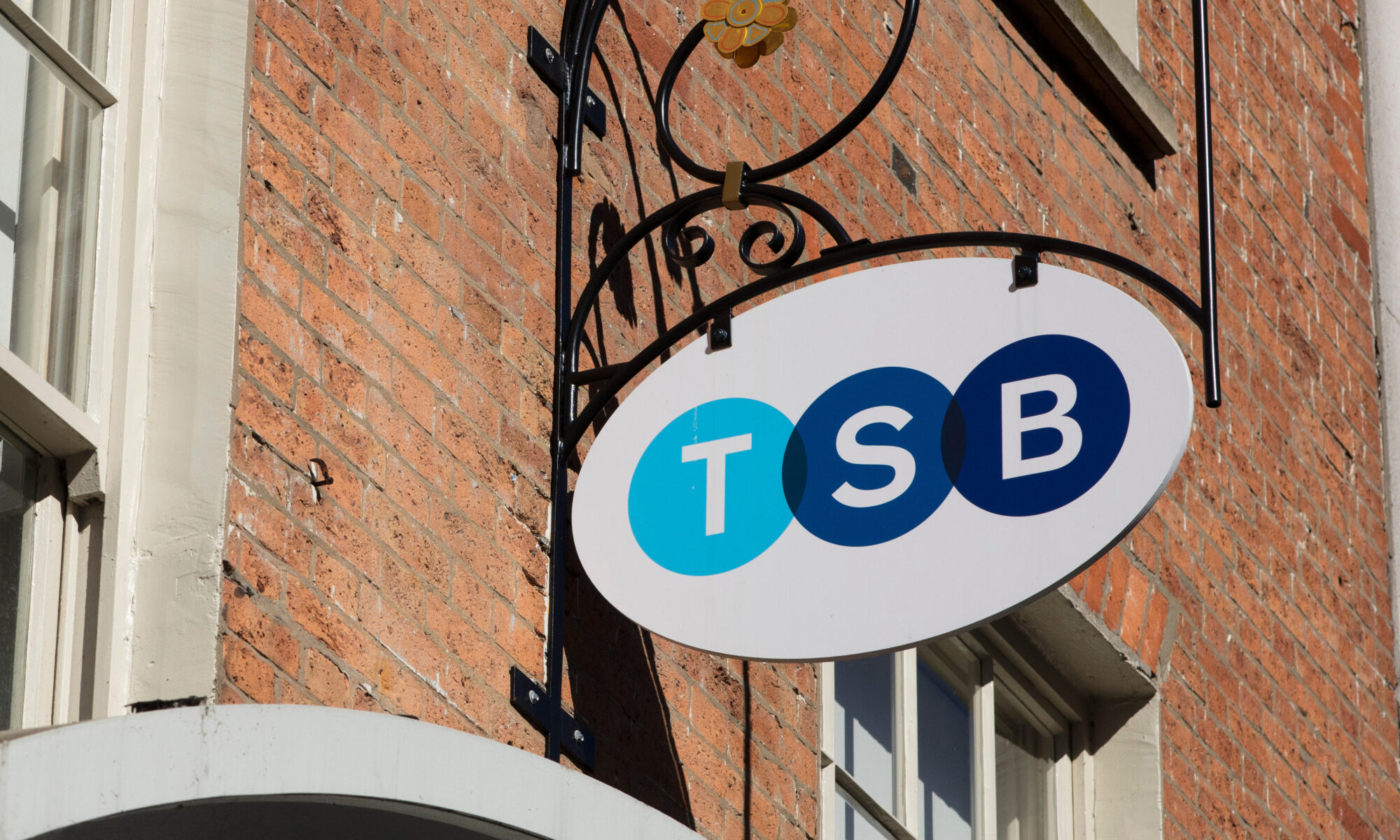
Macfarlanes, A&O Shearman and Uria Menendez have picked up lead roles on Santander’s £2.65bn acquisition of TSB, in the latest instance of consolidation in the global banking sector.

The deal marks a first-time instruction for Macfarlanes by TSB’s owner Banco Sabadell, with the City firm introduced to the Spanish financial services group by its local counsel Uria.

Corporate and M&A co-head Jessica Adam and private equity and M&A partner Justin Hope are leading Macfarlanes’ team on the transaction, with support from colleagues in the firm’s commercial, financial services, tax, reward, competition and employment practices.

Uria is advising Sabadell on all Spanish law aspects of the transaction, fielding a team led by capital markets head Javier Redonet and corporate partner Carolina Albuerne, both of whom are based in Madrid.

Santander has turned to A&O Shearman for advice on the deal, which is expected to close in the first quarter of 2026, following approval from Sabadell shareholders and regulators.

The A&O Shearman team is being led by M&A partners Hugh Robinson in London and  Inigo del Val, Jane Finlayson-Brown, Bob Penn, and David Weaver, supported by counsel Jean Price, and senior associate Leticia Segarra-Osorio, Greg Talbot, Reka Palla, and associate Andrew Pang. 

The planned sale comes a decade after TSB was acquired by Sabadell in March 2015 for £1.7bn. That deal saw legacy Allen & Overy take the lead role for Sabadell, with Linklaters acting for TSB’s former owner, Lloyds Banking Group, and Herbert Smith Freehills advising TSB.

Sabadell is currently facing a hostile takeover bid by Spanish rival Banco Bilbao Vizcaya Argentaria (BBVA), which on Monday announced that it intended to proceed with its bid, despite restrictions issued by the Spanish government. BBVA is reportedly being advised by Garrigues.

HSF Kramer announces post-merger pay hikes as HFW also raises NQ rates

Herbert Smith Freehills Kramer has increased salaries for its newly qualified (NQ) London associates to £145,000 – the first pay hikes firm since the firm’s transatlantic merger went live last month.

NQ rates have been raised by £10,000, equating to a 7.4% hike. The latest increase comes after the firm upped NQ pay from £120,000 to £135,000 last year, meaning starting salaries for associates have gone up by more than 20% in two years.

The increase puts the firm’s NQ pay ahead of all UK-origin firms outside of the magic circle, which all moved up to £150,000 last year after Freshfields moved first in May. Earlier this summer, Ashurst bumped NQ pay to £140,000, bringing it into line with Baker McKenzie, Hogan Lovells and Macfarlanes.

None of the magic circle have yet moved to increase salaries this year, with Slaughter and May holding rates at £150,000 after a full pay review in May. Slaughters will hold a second annual pay review in the autumn, and last year waited till September to raise its NQ rates.

HSF Kramer UK and EMEA executive partner Jeremy Walden said in a statement: ‘We invest in our people at every stage of their careers through a balanced and competitive reward structure. As one of the leading global law firms in today’s fast-moving market, this is important for us to be able to strengthen the experience we deliver to our clients, to maintain our firm’s culture and to ensure the firm’s continued success and growth.’

The firm has also held its trainee pay steady at £56,000 for first-year trainees and £61,000 for second-year trainees – the same as each of the magic circle firms, and just below Ashurst, which pays first and second-year trainees £57,000 and £62,000 respectively.

Elsewhere, HFW has also hiked its NQ salaries, increasing pay from £100,000 to £103,500, after bumping NQ pay from £95,000 to £100,000 last year.

In a statement, chief people officer Corrin Kaye said: ‘It’s important to us that we recognise and reward people for their contributions to the firm, and we offer a combined salary and bonus package that is significantly more generous than our peers for high performers.

‘We also strongly believe that valuing people is about much more than just compensation. We pride ourselves on offering the best possible combination of rewarding and challenging work for our leading sector clients, a genuinely good work-life balance, great benefits, a friendly and supportive environment, and opportunities to develop – including by working in different locations across our global network.’

The firm is holding its trainee salaries steady at £50,000 for first-year trainees and £54,000 for second-year, with an increase scheduled for August.

[email protected]

Ashurst hits £1bn milestone as firm looks to digital economy for future growth

Ashurst has broken £1bn in revenue for the first time after posting an 8% increase to £1.034bn for 2024-25, up from last year’s figure of £961m.

Profit per equity partner (PEP) edged up by 4% over the same period, rising from £1.336m to £1.39m – also a firm record.

The firm’s chief executive Paul Jenkins (pictued above with global chair Karen Davies) told Legal Business he was ‘proud’ and ‘very happy’ to reach the billion milestone in a year that hadn’t proven straightforward.

‘The market was more volatile and choppy than in previous years, so there was no guarantee we’d get there — but we made it quite easily in the end,’ he said.

The results mean Ashust is closing in on a decade of uninterrupted revenue growth, after nine consecutive years of top-line expansion.

More than 85% of the 2024-25 global turnover came from the six priority practices set out in Ashurst’s 2027 strategy: banks, energy, infrastructure, private capital, real estate and technology, with revenue from real estate surging by 50% year-on-year.

In the UK, the firm highlighted the performance of the financial regulatory practice, which saw revenue climb by 34%.

Globally, Jenkins singled out the firm’s digital economy transactions team — which advises corporates, financial institutions and governments on digital transformation — as having a ‘standout’ year, with revenue growth of 21% across the practice worldwide.

He also pointed to a strong year for the firm’s corporate M&A, projects, finance and disputes practices. Globally, Ashurst’s disputes, investigations and advisory practice saw growth of 10%, while its finance, funds and restructuring practices grew by 8%. The firm’s offices across Germany, Luxembourg, the Middle East, Spain and Indonesia all saw at least double-digit growth in corporate work.

Meanwhile, Ashurst Advance & Consulting, the firm’s NewLaw and consulting arm, posted a 20% increase in global revenue. Jenkins told LB the growth highlights ‘a real client need for tech solutions’, with questions about the firm’s AI capabilities frequently coming up in client pitches.

Ashurst rolled out legal Gen AI platform Harvey across its 4,300-strong workforce last June. Jenkins said that the firm was not resting on its laurels when it comes to tech, however, and that the coming year would see ‘a significant acceleration in the use of Gen AI across our business’.

Last year, Jenkins told LB that he was targeting growth in the US. While the firm didn’t disclose overall US growth rates, its US disputes, investigations and advisory division and projects and energy transition team were highlighted as strong performers.

Outside of the US, Hong Kong had a particularly strong year with a 19% increase in revenue, while the Middle East (14%), Australia (11%), Spain (12%), and Luxembourg (14%) also hit double digits.

Beyond revenue growth, the firm has also been expanding its partnership, with the UK a key beneficiary. In the firm’s most recent partner promotions, 12 of the 20 partners were based in London, with a further partner based in Glasgow. The firm has also made lateral hires in the City, including Mishcon de Reya real estate partner Todd Wu, who arrived in May.

Jenkins said the additions reflected the firm’s targeted growth strategy.

We were really focused on growth in the UK – where we have grown by 20 partners this year – the Middle East — where we’ve doubled our partnership over the last 18 months — and other markets including Germany, France, Singapore and the US, where we’ve seen continued growth. It’s about having a strategy and sticking to it.’

Notable mandates for the firm’s London office include advising UK investment bank joint venure JP Morgan Cazenove on the £3.5bn  takeover of Royal Mail parent company International Distributions Service. Further afield, a cross-practice team from Dubai and Milan advised Saudi conglomerate Zahid Group on its $1.3bn acquisition of Barloworld Limited, while a Melbourne team advised banking group ANZ on its acquisition of Suncorp Bank – the largest banking acquisition in Australia in over a decade.

Jenkins said he is optimistic about the year ahead: ‘Talking to clients, there is generally a higher degree of optimism about the year ahead, and in terms of the pipeline—particularly in corporate disputes and digital economy-related areas.’

[email protected]

‘We’re all nervous right now’ – how a subdued Pride month got caught in the DEI backlash

Amid a Pride Month that has been more ‘fraught’ than ever, Alex Ryan and Amy Ulliott spoke to LGBTQ+ lawyers about the current state of the legal profession in the wake of the Supreme Court ruling on the definition of ‘woman’ and Trump’s crackdown on DEI

Pride Month has been quiet this year in London. After years of firms going out of their way to publicly highlight their support for the LGBTQ+ community via support networks, career initiatives or networking events, June 2025 has seen comparatively little in the way of public statements from the profession.

Gone too have been many of the ‘rainbow lanyards and “yassss, queen”‘ one lawyer jokingly references to describe past Pride efforts.

‘Pride feels more fraught than ever’, observes Garden Court junior barrister and Legal 500 employment rising star Oscar Davies, citing the political climate and pushback against diversity, equity, and inclusion (DEI) on both sides of the Atlantic as drivers for the change.

In the UK, Pride Month started barely six weeks after April’s Supreme Court ruling in For Women Scotland v The Scottish Ministers, in which the court found that the term ‘sex’ in the Equality Act 2010 refers to an individual’s biological sex assigned at birth – and that an individual’s identification as trans, even with a Gender Recognition Certificate (GRC), does not change a person’s sex for the purposes of the act.

‘If the Equality Act is meant to be the floor of human rights, the Supreme Court has just blown a trans-sized hole through that floor, with other minorities at risk of falling through’

The Equality and Human Rights Commission (EHRC) then confirmed later that month, in interim guidance, that while trans people cannot be left without any spaces or facilities to use, they should not be permitted to use facilities that match their gender identity.

‘In some circumstances’, the EHRC noted, ‘the law also allows trans women (biological men) not to be permitted to use the men’s facilities, and trans men (biological woman) not to be permitted to use the women’s facilities’.’

Trans rights and human rights campaigners have criticised the uncertainty produced by the ruling. ‘Rather than adding clarity’, says Davies, ‘they’ve muddied the waters.’

For Davies: ‘If trans people are being told to use a third space, that’s putting them in an intermediate zone. It’s segregating them, ghettoizing them.’

The court’s process has also been criticised. Old Square barrister and Legal 500 employment leading junior Robin White, who earlier this month spoke of being harassed for using the women’s toilet’s in the Parliamentary estate – does not mince her words. ‘I’ve used the words “crackpot” and “incompetent” about the Supreme Court’, she says. ‘I stand by those words.’

She continues: ‘The court has clearly decided what the result ought to be, then ignored things like statements made in parliament, like their duty under the Human Rights Act, which would cause difficulties for the conclusion they wanted to reach.’

The court also did not hear interventions from any trans parties, including from experts Victoria McCloud and Stephen Whittle.

‘We’re all concerned about the trajectory the UK is taking as a place where trans people can live safely’

Davies summarises the ruling: ‘If the Equality Act is meant to be the floor of human rights, the Supreme Court has just blown a trans-sized hole through that floor, with other minorities at risk of falling through.’

Davies says that many LGBTQ+ lawyers are now ‘nervous as to how to move through the profession’ in the wake of the ruling. It’s a position shared by an associate at one international law firm, who described the ruling to LB as ‘arguably the biggest rollback in LGBTQ+ rights in the last century’.

One magic circle firm employee confides: ‘Frankly, we’re all nervous right now. We’re all concerned about the trajectory the UK is taking as a place where trans people can live safely.’

But the ruling is only part of the problem in the eyes of many. In the Rainbow Index rankings of LGBTQ+ legal rights in Europe produced by the International Lesbian, Gay, Bisexual, Trans and Intersex Association (ILGA) Europe, the UK has slipped every year over the last decade. The gradual decline saw it fall from first place in 2015 to tenth place in 2020 and to to 22nd place in 2025- making it the second-lowest ranked country in Western Europe and Scandinavia, above only Italy.

It also comes at a time of increasing backlash to DEI around the world. This is particularly true in the US, where Donald Trump signed an executive order entitled ‘Ending Radical And Wasteful Government DEI Programs And Preferencing’ on his first day in office calling for the end of all DEI programmes across the federal government.

The administration followed up on this by zeroing in on DEI in big law on 17 March, when Equal Employment Opportunity Commission acting chair Andrea Lucas sent letters to 20 firms demanding extensive information on all applicants and hires dating back to 2019 as part of an investigation into employment discrimination over DEI.

Five of these firms have since made deals with the Trump administration to provide pro bono work in exchange for protection from punitive action, including Skadden, Kirkland & Ellis, A&O Shearman, Simpson Thacher, and Latham & Watkins.

With the threat of hostile action from the US government hanging over them, many top firms have seemingly scaled back public DEI initiatives and communications – including on LGBTQ+ rights, on both sides of the Atlantic.

Incoming chief executive of the City of London Law Society, Patrick McCann, comments: ‘The current US administration has both created and hastened change, much of it unhelpful and counterintuitive to the values of the UK legal sector – rule of law, access to justice, protection of the vulnerable, judicial independence and the like.’

At the time this article went to press, firms including Skadden, Gibson Dunn, Morgan Lewis, Jones Day and A&O Shearman had no visible posts on social media in relation to Pride.

In contrast, both Slaughter and May and Freshfields, which was the only top 20 global law firm to sign an April amicus brief in support of Perkins Coie’s legal fight against the Trump administration (the court ruled in favour of Perkins Coie on 2 May), have made posts in support of Pride.

‘Firms that have more exposure to the US market are more likely to be sensitive about DEI’

McCann notes that, while ‘the good work is still happening’, ‘terminology is changing and visibility is going’ – and, in some cases, ‘budgets are being cut.’

‘Firms that have more exposure to the US market are more likely to be sensitive about DEI’, says Aster Crawshaw, senior partner at Addleshaw Goddard, which has not only posted in support of pride but added a rainbow filter to its social media logos.

He continues: ‘We’re standing firm, and if anything more so, because we know a lot of people in the LGBTQ+ community are feeling particularly vulnerable at the moment.’

Also standing firm is London planning boutique Town Legal. ‘We are certainly not watering down our commitments’, says founder and managing partner Clare Fielding. ‘I can tell you that for nothing.’

Performative expressions of support for Pride are far from the most important aspect of LGBTQ+ rights, but many lawyers take similar positions to Davies, who says: ‘I’m of the view that surface-level support is better than no support at all. But organisations still need to do better to support their LGBTQ+ colleagues and customers.’

Many in big law stress that it is only public-facing communications that have been scaled back this year, with internal networks and events still taking place. Hogan Lovells, for instance, held an annual Pride Lunch for its Pride Network, according to LinkedIn posts, despite not making any wider Pride posts or other events.

‘The firm’s been a little quiet externally but there’s been no retrenchment on that internal commitment,’ confirms the magic circle worker.

While another adds: ‘We’ve seen a lot of reassuring messaging coming from my firm and from the industry saying that diversity and inclusion is still important. Maybe, in some circumstances, people might be phrasing it differently or calling it something else, but it’s still a priority.’

‘When the wind changes once again, don’t come back and cover all your publicity in rainbow flags – that would be intolerable’

For some, though, this is not enough at a time when members of the LGBTQ+ community feel at risk. They argue that the public silence can provide cover for those firms that are rolling back their commitments. ‘You also have some firms that aren’t changing anything, but still feel afraid to put out a message even internally’, says one associate at a top UK firm.

Fielding says taking responsibility requires more. She says: ‘It also means not changing your principles. It means not watering down your DE&I messaging or your DE&I commitment. That’s what it means to me. Even though the political wind is blowing in a certain direction, I think businesses with integrity should be standing strong and not blowing with it.’

‘Or, if you’re a business that is inclined to blow with the wind, fair enough, that’s your choice – but when the wind changes once again, don’t come back and cover all your publicity in rainbow flags – that would be intolerable.’

[email protected]

[email protected]

Additional reporting by Bertie Ford

Pride Perspectives:

Clare Fielding: ‘I’m a reluctant activist – as a managing partner I have to be conscious of inclusion for everyone’

Patrick McCann: ‘We need more queer managing partners’

Daniel Winterfeldt: ‘We’ve helped move the UK legal sector from nowhere to a leader for LGBTQ+ inclusion’

Emma Woolcott: ‘We need a plurality of perspectives around the table when decisions are made’

Cai Cherry: ‘It’s easy to think something isn’t your problem – but equality is all of our problem’


 

Pride Perspectives: ‘We’ve helped move the UK legal sector from nowhere to a leader for LGBTQ+ inclusion’

Daniel Winterfeldt (pictured above right), general counsel for EMEA and Asia at Jefferies and founder of the InterLaw Diversity Forum, discusses how LGBTQ+ representation in law has changed since the 1990s, the importance of data in driving further progress, and why more than just marches and rainbow lanyards is required

How easy did you find it to come out professionally, and what were the barriers you faced? 

For me, I didn’t really have a choice. I came out at university, and once I’d made the choice to be myself, there was no going back. I was definitely aware that I faced additional challenges and barriers from being out, but I also think you get a lot of benefits, so you have to take the good with the bad.  

Through my involvement with the InterLaw Diversity Forum and working with charities, I’ve gained access to networks, opportunities and relationships. While it’s easy to dwell on the negatives, what’s much more powerful is focusing on the positives and realising all the benefits that have come from being myself and being authentic, including the support from the LGBTQ+ community, as well as the many allies who have stepped forward to help me throughout my career. All of that wouldn’t have been possible if I hadn’t been out. 

In 2008, you established the InterLaw Diversity Forum, which was recently recognised as DE&I: In-house Initiative of the year at the Legal 500 UK ESG Awards. What motivated that? 

It was very isolating when I first came out in 1992. While undertaking a clerkship at the European Court in Luxembourg in 1999, I was one of the only out people there. Some people I knew wouldn’t speak to me in public, or they would only meet in private so we wouldn’t be seen together. When I moved to London in 2000, I was often in law offices of 200-250 people and I would be the only out person or one of just a few.  

By 2008, when I became a partner, I was able to step back and ask, ‘What can I do about this?’. At that point I was running the Forum for US Securities Lawyers in London, which brought together securities lawyers, bankers, intermediaries and people from the London Stock Exchange to discuss capital market issues. Eventually, I realised that if this could work in the US securities space, why couldn’t it work for diversity?  

I knew that we had to have allies involved, because at the time LGBTQ+ people were not in management roles, but I also knew that we needed to provide a safe and welcoming space, so people didn’t feel isolated like I had. 

Once the InterLaw Diversity Forum started, we quickly got involved in research, and we started doing sexual orientation and gender identity-focused research with the Law Society and the Judicial Appointments Commission. We had evolved from being a meeting place to an engine for change.  

I also started encouraging law firms to monitor sexual orientation. There are generational differences around sexual orientation and gender identity and, if you don’t ask the questions, you risk sending a signal that it’s a problem. While collecting sexual orientation and gender identity data is commonplace in UK law firms today, it took time to convince firms that many staff are happy to provide this information if given the chance. 

What would you say has been the InterLaw Diversity Forum’s biggest achievement so far? 

In terms of the LGBTQ+ space, we have helped to move the UK legal sector from being nowhere to being a leader for LGBTQ+ inclusion. People now have networks and they’re recruiting LGBTQ+ talent, running ally programmes and people are marching in Pride – clear progress.

The next challenge is the retention and advancement of LGBTQ+ people to partnership and management, as well as ensuring equal pay for them. In our research, we see a notable volume of LGBTQ+ attrition, larger than any other group we look at, and the LGBTQ+ group is one of the only groups that hasn’t grown at partner level during our research period. We also see stark differences in pay between LGBTQ+ men and their counterparts at the top levels of pay in the profession, so there’s still more work to be done. 

You have to be really looking at and following the data. We can’t mistake visibility and activity for equality. It’s not enough to just march in Pride, have a rainbow lanyard and be part of a network group. And while everyone loves to feel their work is being recognized, awards and rankings are only as good as the true impact they are having on people’s experiences; you need to be doing that next level work to understand where there are mismatches in access to opportunity, reward, or a sense of belonging – and taking steps to address those issues. 

The InterLaw Diversity Forum continues to hold regular events for LGBTQ+ people in the profession and their allies. It has struck me that we are seeing an increase in the number of attendees who tell us they don’t feel comfortable being out at work or at home. In a more challenging climate, the fact that we are continuing to provide a safe space for those in this position is important to me. 

Do you feel an obligation to be in that role model position and use your voice to push change? 

I think I don’t really have a choice, as there aren’t too many of us around. When I first became a partner, people told me I was one of the most senior LGBTQ+ people in the whole community, even though I felt like I was just getting started.  

I’m also very proud of the InterLaw Diversity Forum and how it’s expanded beyond the LGBTQ+ community into networks for race & ethnicity, disability, women, and social mobility. We’re anchored in intersectionality, allyship, culture and leadership, and everything we do is data driven. Our goal is to support everyone and provide a space for everyone, and we look to create access to a wide range of leaders and role models, each bringing different perspectives and experiences. But we also look to discuss the issues that really matter to people. There is a real need to create space for sensitive and serious discussions on the realities of working in the legal sector right now. 

I’m very proud of the change programmes we’ve worked on, such as the UK Model Diversity Survey in collaboration with the American Bar Association, which collects really interesting data for clients from law firms and goes far beyond just headcount to gather meaningful insights into talent, leadership and culture. We have brought together over 45 clients and 30 law firms to collaborate in this space and to share best practice. 

Within the legal sector, what do you think could be done better? And what is the biggest challenge that still needs addressing? 

We’re in a challenging period right now, and that needs to be recognised. Firstly, we need to remind people that talent is the biggest asset of any law firm – the importance of focusing on talent is never going away. All lawyers and all law firms are providing ideas and solutions to clients, so we need the best possible people working together in an inclusive way to get the best outcomes for our clients.  

Secondly, we need to follow the data, and make sure that we are using it to guide and address issues within organisations. Using it to highlight how to get the best talent, keep the best talent and utilise the best talent, and making the most effective use of resources to follow through and achieve our business goals. 

For more, see ‘We’re all nervous right now’ – how a subdued Pride month got caught in the DEI backlash

More Pride Perspectives:

Clare Fielding: ‘I’m a reluctant activist – as a managing partner I have to be conscious of inclusion for everyone’

Patrick McCann: ‘We need more queer managing partners’

Emma Woolcott: ‘We need a plurality of perspectives around the table when decisions are made’

Cai Cherry: ‘It’s easy to think something isn’t your problem – but equality is all of our problem’
Travers assists on Liverpool FC’s record-breaking transfer of German star Wirtz

Travers Smith has scored a lead role on the transfer of German footballer Florian Wirtz to Liverpool FC, a deal which is set to become a new record for a fee paid by a British football club.

The reported transfer fee for Wirtz – who is joining the Premier League champions after five years at German club Bayer Leverkusen – is £100m plus a further £16m in add-ons.

Travers acted alongside German law firm Seitz Partners, with the London firm advising the Wirtz family on the UK legal issues connected with the transfer, fielding a team including employment partner Ed Mills and tax lawyers Elissavet Grout and Tom Margesson – both of whom are set to become partners at the firm on 1 July.

Seitz, which is based in Cologne, handled what the firm described as ‘intensive negotiations’ with Liverpool FC, with a team including founding partners Stefan Seitz, employment partner Maximilian Schmidt and tax partner Sebastian Benz.

In its press release announcing the deal, Travers added that it has also recently been advising on the acquisition of an unspecified Premier League football club.

The Wirtz deal comes after intellectual property boutique Brandsmiths played a key role on another high-profile move between the same clubs, advising on Dutch international Jeremie Frimpong’s £29.5m transfer from Leverkusen to Liverpool.

A team led by Manchester-based partner and sports law specialist David Seligman advised Frimpong and his agent on the move.

Frimpong is a longstanding client of Brandsmiths, with the Manchester and London-based firm also advising the defender and his agent on his contract renewal at Leverkusen in 2023.

[email protected]

McDermott-Schulte merger name confirmed as $2.8bn tie-up gets partner approval

Partners at McDermott Will & Emery and Schulte Roth & Zabel have voted ‘overwhelmingly’ in favour of their merger, with the combined firm set to go live on 1 August.

The merged firm will take the name McDermott Will & Schulte, with more than 1,750 lawyers in total across more than 20 offices around the world, including what will be the ninth largest law firm presence in New York.

The combination will also create a firm with combined revenue of more than $2.8bn – enough to place it on the edge of the top ten largest firms in the world.

McDermott chairman Ira Coleman said in a statement: ‘We’re thrilled to be joining forces with Schulte. We’re not just expanding our expertise, we’re redefining what it means to be a modern, elite law firm – deeply specialized, relentlessly client-focused, and committed to a people-first culture.’

Schulte co-managing partner Marc Elovitz added: ‘By combining our extraordinary talent and premier client base with McDermott’s world-class platform, we’re creating a unique firm with unmatched capabilities. It’s truly transformational.’

Schulte co-managing partner David Efron described the combination as ‘a first-of-its kind deal in our profession, with two elite firms performing at the highest levels choosing to come together.’

The merger, first announced in May, brings together McDermott, which has 1,336 lawyers including 211 equity partners, and Schulte, which has 365 lawyers including 78 equity partners.

McDermott posted revenue of $2.23bn in its most recent financial results, with profit per equity partner (PEP) of $4.8m. Schulte, meanwhile, turned over $618.8m in 2024, with PEP at $4.1m.

Schulte has offices in New York and Washington DC, as well as one office outside the US, in London. McDermott has offices in each of these locations, as well as a further 14 offices in the United States and seven in continental Europe.

[email protected]

Pride Perspectives: ‘It’s easy to think something isn’t your problem – but equality is all of our problem’

DLA Piper associate Cai Cherry on ‘bringing your full self to work’, intersectionality and the importance of active allyship

How easy did you find it to come out professionally, and what were the biggest barriers you had to overcome before you felt ready to come out at work?

When I was growing up, I comforted myself with the idea that even if I was never out, even if I never fell in love or started a family, I could still be successful. I studied hard and lived almost to the point where I forgot I was queer to start with.

But then at university, I found myself slowly embracing the freedoms I had denied myself: wearing the clothes I had envied, watching the TV shows I wanted, listening to the music I liked, and falling in love with the people I was attracted to. I was never ‘in’ at work because it all became so clear that I didn’t have to be.

That’s not to say it’s been smooth sailing: my first supervisor told me that I wasn’t hired to bring my full self to work, I was hired to do my job. But his narrow mind couldn’t comprehend that I was doing my job – and doing a good job at that – because of, not in spite of, the fact I was bringing my full self to work.

I am a good lawyer because I’m confident, because I can understand and empathise with my clients, and because I truly love what I do. I don’t think I could do or be any of those things if I was hiding who I was. 

What motivated you to actively use your voice to advocate for LGBTQ+ voices in the legal sector?  

I was a pretty nerdy kid, obsessed with reading about history and politics and law. I grew up in a small village in the middle of the English countryside – a place that doesn’t celebrate, or even acknowledge, queer people – so diving into the stories of people who could be themselves was how I coped.

I remember when the US Supreme Court legalised gay marriage across the US in Obergefell v Hodges, and reading Justice Kennedy’s majority opinion, where he declared that the hope of the gay couples was ‘not to be condemned to live in loneliness, excluded from one of civilization’s oldest institutions. They ask for equal dignity in the eyes of the law. The Constitution grants them that right.’ I grew up being told from a young age that gay marriage wasn’t right and it wasn’t fair, but I found solace in the law; in the idea that a single piece of paper can contain so much hope, can give so much joy, and can stand up for people who need it.

Law gave me so much, it wouldn’t have been fair to not try to give back as much as I can and ensure the same promise that was there for me can be there for everyone: that no matter who you are, no matter how lonely you feel, you have an ally in the law – something so imperfect but with so much potential, an ideal that we can keep striving to meet. Now that I’m a lawyer, you have an ally in me. That motivates me every day. 

How much obligation do you feel to be a role model within the industry? How helpful are role models in pushing change?  

It is so easy to think something isn’t your problem. When it comes to equality, to justice, it is all of our problem.

I don’t feel an obligation to be a role model – and I’m not sure that anyone would really see me as one, anyway. But I do feel an unavoidable and irrepressible obligation to say what is right and to do what is right, as much and as often as I can.

There are so few queer people in law, and the ones I am lucky enough to work with (both as colleagues and clients) give me so much strength and hope and comfort, but the sector as a whole is struggling to diversify. Despite what law firms might say, we have always followed our clients in culture, in technology, in growth, and in inclusion. I think my value as a role model is limited: I cannot force change, I can only encourage it. The real value comes from clients demanding their lawyers are as inclusive as they are. I think that’s the only way we will see concrete change. 

Regarding your identity as both queer and disabled, how important is recognising intersectionality, and how has your own experience with intersectionality impacted your career?  

I came out as queer, and a month later I became disabled. It was a real rollercoaster of a four weeks. I had just started to understand one part of me, and all of a sudden there was a whole different part of me I had to come to grips with pretty quickly, and it was impossible to separate the two in my life.

I am lucky enough to have co-founded and now lead my firm’s disability pro bono practice, alongside my colleague Ashleigh Alli, who is a racial justice specialist, and my colleague Chris Rennie, who founded the first law firm LGBTQ+ network pro bono practice at DLA Piper. We are also building new pro bono offerings for gender equity, social mobility, and families and carers.

We work together not because we recognise intersectionality, but because it is unavoidable (plus I really like working with both of them!). If you try to segregate issues and not look at them holistically, you’re missing the entire puzzle, not just a piece, and you end up doing a worse job overall.  

What does the legal sector need to do better to include people from the LGBTQ+ community and provide support?  

As we saw in Obergefell, and as we have seen in famous cases in the UK, like Dudgeon or Goodwin, the law is often the only and most effective remedy to injustice, but it is also the perpetrator of the very oppression it can relieve. Lawyers are under professional obligations to uphold trust in the profession and to promote diversity, but we are also under a moral duty to do what is right. We need to be proud in our support of the LGBTQ+ community when we are currently seeing the biggest backslide in a generation.

Law firms hold immense economic, political and social power, but they are too cautious about using it, and in doing so, they let us all down. It starts with investing in their own people, by supporting DEI and people networks, by proactively recruiting LGBTQ+ and other marginalised people, and by creating a culture of celebrating people, not just including them.

But it continues with making the world a better place, rather than just the office: by showing up to Pride, by engaging with clients on LGBTQ+ issues outside of legal advice, and by developing robust and effective pro bono practices supporting the LGBTQ+ community, and by being unashamed of doing what is right. Unless we can meet this moment, we will forever look back on it with shame. That’s not an option I am willing to live with.  

What is the single biggest challenge still facing the LGBTQ+ community in City law? How can it be addressed?  

The biggest problem is the people that support the LGBTQ+ community, but aren’t willing to say it. The ones that complain they don’t care what bathrooms people use, but don’t realise that the problem is others do.

Because of a vocal and aggressive minority, we are seeing a real and dangerous erosion in our rights because the majority aren’t showing up for what they believe in.

It can be addressed very simply: by doing something. It takes seconds to google ways to support trans people. It takes seconds to introduce yourself with your pronouns. But it also takes real time, real investment, and real motivation to make a real change. If you’re not willing to do that, that’s your choice, but you are no ally. To those that are willing, we need you more than ever. 

For more, see ‘We’re all nervous right now’ – how a subdued Pride month got caught in the DEI backlash

More Pride Perspectives:

Clare Fielding: ‘I’m a reluctant activist – as a managing partner I have to be conscious of inclusion for everyone’

Patrick McCann: ‘We need more queer managing partners’

Daniel Winterfeldt: ‘We’ve helped move the UK legal sector from nowhere to a leader for LGBTQ+ inclusion’

Emma Woolcott: ‘We need a plurality of perspectives around the table when decisions are made’

Linklaters re-elects leadership duo after ‘biggest year-on-year increase in profit in more than 20 years’

Linklaters has voted to re-elect its senior and managing partners following what the firm said was a record-breaking year, including ‘the biggest year-on-year increase in profit in more than 20 years’.

Senior partner Aedamar Comiskey and managing partner Paul Lewis have been re-elected by the partnership – ‘with overwhelming support’ – with their new terms set to run till 2029.

They were first appointed to their roles in 2021, and under their leadership, Linklaters has increased revenue by more than 25% from £1.67bn to £2.1bn in 2023-24, with this year’s results set to be announced imminently.

In the same timeframe, profit per equity partner has increased by 7% from £1.77m to £1.9m.

The firm’s ambition to grow its US business was bolstered last year with the opening of an M&A practice in New York with the hire of a six-lawyer corporate team from Shearman & Sterling, led by Legal 500 Hall of Famer George Casey, who was recently appointed as chairman of the Americas.

Further high-profile US hires have followed, including the former global co-head of A&O Shearman’s financial markets practice David Lucking and a four-partner litigation team from New York litigation boutique Patterson Belknap Webb & Tyler. 

Comiskey, a partner since 2001 and formerly the firm’s head of corporate, was elected to a five-year term as senior partner in May 2021, becoming the firm’s first female senior partner. She succeeded Charlie Jacobs, who left at the end of his five-year term to become JP Morgan’s co-head of investment banking.

Lewis, previously Linklaters’ global finance head, was elected to his current role in July 2021. A Linklaters lifer and a partner since 2006, he succeeded Gideon Moore, who served a truncated second term in order to bring the managing partner and senior partner terms into sync.

Declaring herself ‘delighted’ to be extending her term as senior partner. Comiskey said: ‘This is an exciting time for our firm. We have bold ambitions and everything we need to achieve them.’

Lewis added that the firm had made ‘significant progress’ towards putting the firm in ‘the strongest position to win the most complex, cross-border mandates for the world’s leading corporates, banks, funds and financial sponsors.’

The re-elections mean that Comiskey will continue as senior partner until 30 September 2029, and Lewis will continue as firmwide managing partner until 31 December 2029.  

[email protected]

Pride Perspectives: ‘We need a plurality of perspectives around the table when decisions are made’

Mishcon de Reya reputation protection and crisis management head Emma Woollcott on the importance of LGBTQ+ visibility and the impact of role models.

How easy did you find it to come out professionally? And what were the biggest barriers you had to overcome before you felt ready to come out at work?  

It was challenging in the early 2000s, as I had no visible role models with lives anywhere close to the one I wanted – comfortable being open in the workplace about their sexuality, and having families as well as progressing their legal careers. 

I was out at university and law school, but was encouraged to squeeze myself back into the closet as a trainee. I didn’t have the confidence to speak openly until I was qualified, and at a firm which sees diversity and authenticity as strengths. 

How has the industry improved since you began your career? 

It is wonderful to see LGBTQ+ people succeeding across the legal sector, and for community groups to exist within firms, at the Law Society and across many different industries. 

My role requires me to try to quickly understand what is important to clients – what drives them, what worries them, where they have support and where they feel vulnerable. My identity and background – and my experiences of feeling like an outsider – give me power and insight in these moments, for which I am extremely grateful. 

What motivated you to actively use your voice to advocate for LGBTQ+ voices in the legal sector? 

I felt a responsibility to do so. If we do not speak up, our lives and our experiences may be overlooked. 

Law is so pervasive in society that we need a plurality of voices and perspectives around the table when (big and seemingly small) decisions are made. 

How much obligation do you feel to be a role model within the industry? How helpful are role models in pushing change? 

Hugely. It still feels awkward being referred to as a role model, but I’m motivated to be visible enough to show others that it was possible to be out and proud, and for them to know they could reach out for support and insight when needed. 

For more, see ‘We’re all nervous right now’ – how a subdued Pride month got caught in the DEI backlash

More Pride Perspectives:

Clare Fielding: ‘I’m a reluctant activist – as a managing partner I have to be conscious of inclusion for everyone’

Patrick McCann: ‘We need more queer managing partners’

Daniel Winterfeldt: ‘We’ve helped move the UK legal sector from nowhere to a leader for LGBTQ+ inclusion’

Cai Cherry: ‘It’s easy to think something isn’t your problem – but equality is all of our problem’
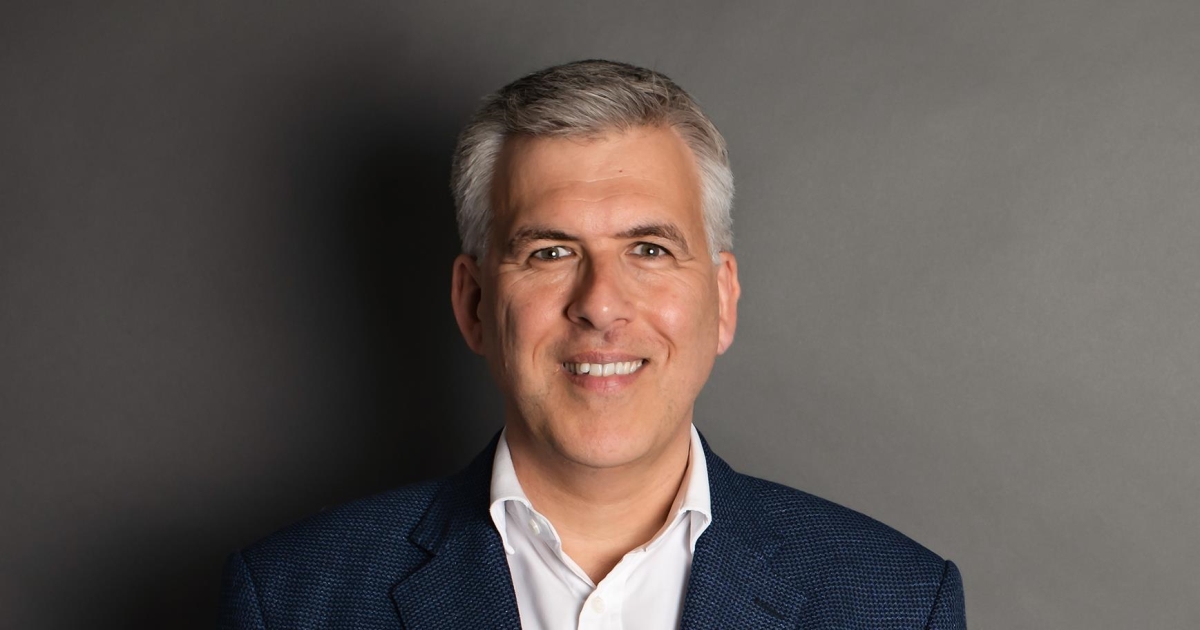
Stephenson Harwood hits £1m PEP mark and heads towards five-year target to double revenues

Stephenson Harwood has posted double-digit growth for both turnover and profit per equity partner (PEP), as the firm pushes forward with an ambitious goal to double revenues over a five-year period.

Turnover rose by 17% during 2024-25 to reach £309m, up from £264.2m last year. The firm has now seen 50% revenue growth since setting out a five-year strategy in 2022 which included a target of doubling turnover by 2027.

PEP saw even steeper growth, breaking through the £1m mark for the first time with an increase of 29% on last year’s figure of £775,000.

CEO Eifion Morris (pictured above) attributed the growth to a focus on ‘five strategically important sectors’ – decarbonisation, life sciences, private capital and funds, technology, and transportation and trade – adding: ‘we’re not the firm we were a few years ago’.

He also cited three key factors he believes differentiates the firm from its peers – geographic growth and integration, increased bonus recognition, and diversity, equity and inclusion.

In terms of geographic growth, he pointed to strong performances from the firm’s bases in Dubai and Greece, while also underlining that a US merger is not currently on the cards.

‘Unlike many of our competitors, we are not looking for a US merger. Instead, we continue to work closely with a network of US law firms, helping them to ‘quarterback their deals and cases’ through our own offices and contacts’, he explained. ‘For both clients and potential partners and employees, we’re an alternative to the emerging transatlantic behemoths.’

On bonuses, the firm has increased its global bonus pool for employees to £6m, including a 36% uplift in bonuses paid to fee earners, with Morris citing the examples of two managing associates who received bonuses of more than 135%.

DEI – described as ‘a personal priority’ by Morris – is another area where the firm is progressing, with 13% of its UK partnership now from ethnic minority backgrounds, surpassing the a target of 10% by 1 May this year.

While the firm missed its May target of a 35% female partnership, representation has risen to 32%, and the firm has now set out new targets for the next three years, including a 15% ethnic minority partnership in the UK and a 38% female partnership around the world.

The firm also recently announced the promotion of 12 new partners, its second-largest ever cohort.

Morris added: ‘When we launched our current strategy in 2022, we knew it was ambitious. Doubling revenue within five years was no small challenge, but we’re well on our way.

‘This progress reflects the strength of our client relationships and a sharper focus on where we can deliver the most value. What’s made the real difference, though, is how our people have embraced the strategy – especially our focus on five strategically important sectors. Their commitment continues to drive our momentum.

‘That momentum has also brought greater clarity about who we are and what sets us apart.’

[email protected]

Global London 2025

Main Table

LB’s 2025 ranking of the top 50 foreign-headquartered firms in the City by headcount

Global London data highlights City split as half retrench while Paul Weiss and others soar

Global London rankings underline divide among US firms as bold expansion by some offsets caution by others

Global London 2025: Which US firms are setting the pace for City growth?

From Paul Weiss to Proskauer and Sidley to Simpson Thacher, Legal Business takes a closer look at some of the star performers in the LB Global London 2025 report

More than just size: the Global London firms making the best impression on clients

Legal 500 data reveals the top-rated Global London firms on key metrics such as lawyer quality, industry knowledge and value for money