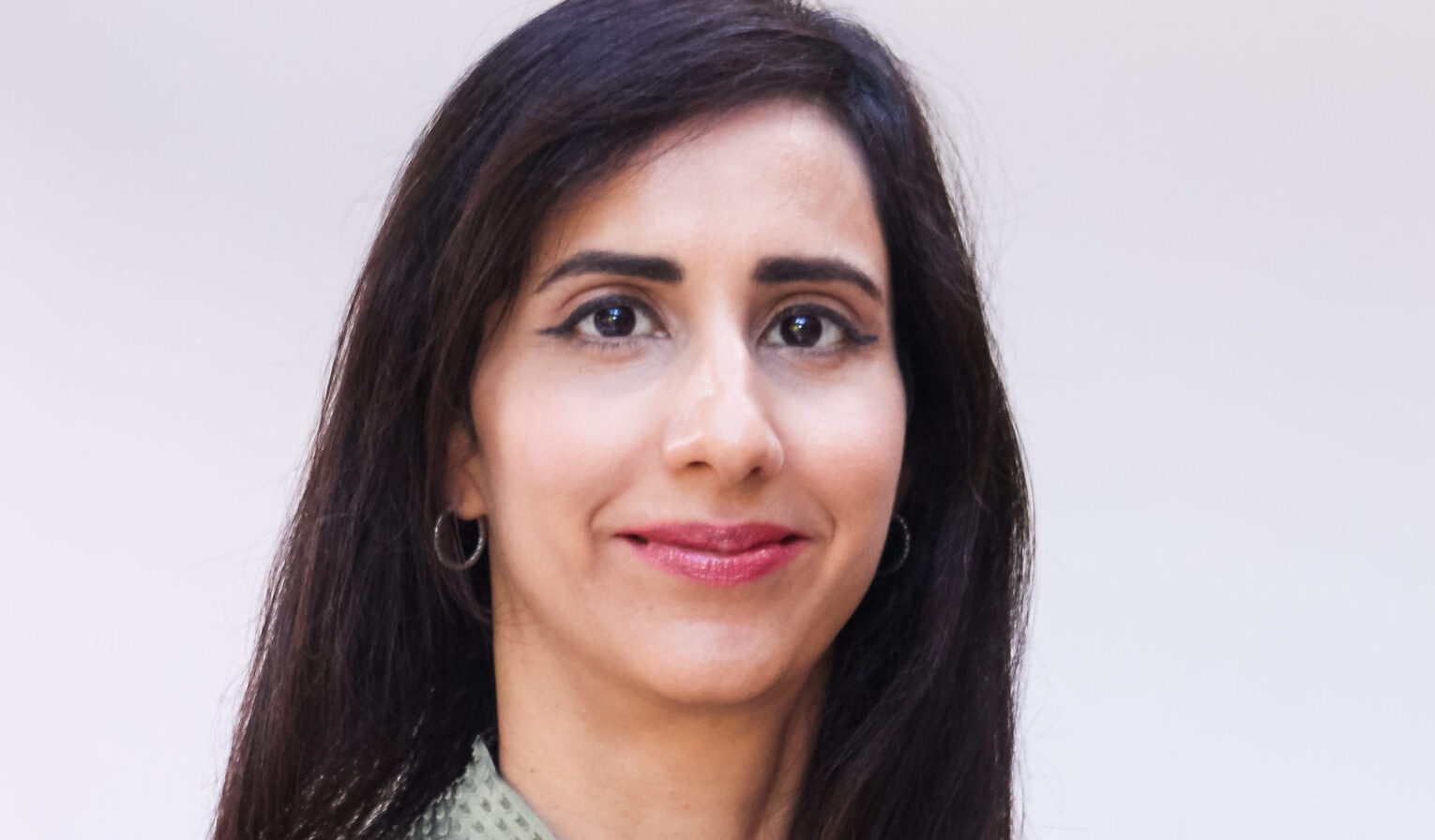
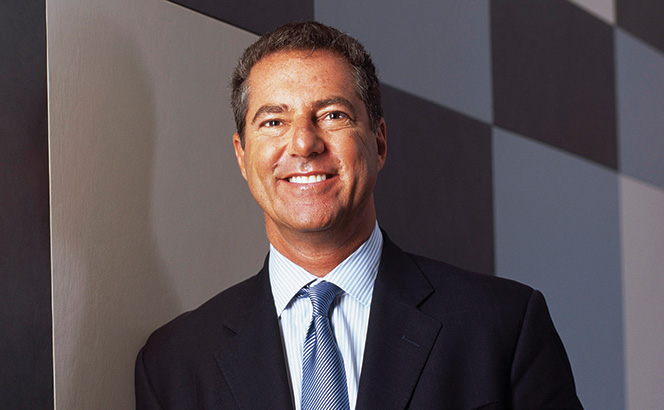
Mayer Brown has hired City real estate duo Mark Rajbenbach and Victoria Butcher from Taylor Wessing, ahead of the UK firm’s transatlantic merger with Winston & Strawn.
Butcher joined Taylor Wessing as an associate in 2015, making partner in 2022, and has built a practice advising international clients on cross-border real estate investments, acquisitions, disposals, and financing transactions.
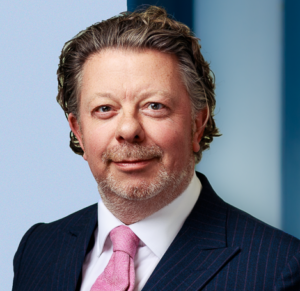
Rajbenbach joined Taylor Wessing in 2017 as partner following four years at Paul Hastings, where he made partner in 2014. He brings particular experience in the hotels and leisure and logistics sector, acting for clients across the US, Europe and Asia.
Dominic Griffiths, Mayer Brown London managing partner, said: ‘Mark and Victoria are highly regarded practitioners with strong profiles in complex, structured and cross‑border real estate matters. Their arrivals further strengthen our market‑leading capabilities in London and complement our global platform, particularly for private capital clients active across the UK, Europe and US.’
The moves make up the second and third partner departures since Taylor Wessing’s merger with Winston & Strawn was approved, with the two firms set to combine as Winston Taylor from May.
The first was the firm’s former head of contentious trusts, Emma Jordan, who joined Stephenson Harwood earlier this week.
Jordan served 11 years at Taylor Wessing, following stints at legacy Wragge Lawrence Graham & Co and Baker & Co.
Also in London, Skadden has tapped Latham & Watkins for international arbitration and litigation partner Samuel Pape. The news comes two weeks after Latham & Watkins co-head of international arbitration, Sophie Lamb KC, also moved to Skadden.
Pape follows Lamb after nine years at Latham, where he made partner in January 2023, having trained at Debevoise & Plimpton. He has built a practice advising on investor-state arbitrations, public international law, human rights and multi-jurisdictional litigation, representing sovereigns and business across a diverse range of sectors including banking, energy, mining, tech and infrastructure.
Elsewhere in the City, Pinsent Masons has added to its antitrust, competition and trade team with the hire of competition partner Alex Stratakis from Van Bael & Bellis.
Joining the previous firm in July 2020, Stratakis served as head of UK competition, advising large corporates on complex competition law matters across Europe.
Akin has hired leveraged finance partner Adrian Chiodo into its London office.
Chiodo joins from Covington & Burling, where he led the leveraged finance practice in Europe. Prior to this, Chiodo served nine years as partner at Latham & Watkins, followed by two at Paul Hastings.
Jones Day made three hires this week, boosting its finance bench in London with infrastructure finance partners Caroline Gregson and Nath Curtis from Osborne Clarke and Gowling WLG respectively.
Meanwhile in Frankfurt, the firm hired capital markets and public takeovers partner Christopher Wolf. Wolf previously spent 14 years at Baker McKenzie, latterly as German head of capital markets. Prior to this he was head of legal at Morgan Stanley Bank AG, spending 10 years at the company.
Back in the City, Reed Smith has strengthened its London office with the appointment of David Brennan as a partner in its global corporate group.
Brennan joins from Gowling WLG, where he was co-head of the technology sector group and partner in its equity capital markets and corporate M&A groups, acting on a broad range of fundraising matters on both issuer and bank side.
Elsewhere, contentious employment and partnership boutique Fox & Partners has tapped Howard Kennedy for litigation partner Nikki Edwards, who brings a practice focus on shareholder conflict, business fraud and corporate disputes.
In Paris, Ropes & Gray has tapped Linklaters for two senior partners, accompanied by eight associates to bolster its transactions and fund structuring offering in Europe.
Tax partner Edouard Chapellier and fund structuring partner Jonathan Abensour both had lengthy careers at Linklaters in Paris – Chapelleir a lifer at 26 years, and Abensour 15, making partner in May 2025.
The move extends the firm’s build-out in Paris, following an office opening in March 2025. The office now hosts 23 lawyers, including five partners.
Also in Paris, Proskauer has hired Laura Bavoux as a restructuring partner. Bavoux joins from French firm Franklin, where she spent over a year as an associate after five years at Weil.
In Frankfurt, Hannah Eckhoff has rejoined Herbert Smith Freehills Kramer as a partner in its disputes practice.
Eckhoff rejoins the firm where she trained, after spending seven years in the dispute resolution team at Freshfields followed by two years in-house at biotech company BioNTech, where she served as director of legal dispute resolution.
Also in Frankfurt, McDermott Will & Schulte has strengthened its bench with its hire of Norton Rose Fulbright banking and finance partner Oliver Sutter.
Sutter spent 16 years at NRF, where he led the German banking practice, following a counsel role at Freshfields. His practice focuses on acquisition, real estate, corporate financings and restructurings.
In Berlin, Baker McKenzie M&A partner Thorsten Seidel has moved to Taylor Wessing Germany, which is not included in the merger between the firm’s UK arm and Winston & Strawn, with the firm’s UK operations splitting from its international verein for the combination.
Seidel brings experience advising on cross-border M&A transactions and corporate restructurings, particularly in the chemicals, life sciences and real estate.
In Düsseldorf, Orrick has hired energy and infrastructure partner Zaid Mansour from Clifford Chance, where he spent 10 years as senior associate and then counsel.
Finally, Morgan Lewis has gone in-house for its latest European hire, bringing on Moderna vice president and head of legal regulatory strategy and global regulatory policy Alex Meier as a partner in Munich.
Over in Asia, Gibson Dunn has tapped Freshfields for a three-partner hire into its private equity and M&A practice groups in Singapore.
Nigel Gleeson was a Freshfields lifer, serving 19 years, latterly as head of Southeast Asia M&A in Singapore. He focuses on PE and M&A transactions for financial sponsors.
Jon Bowden joins following just over two years at Freshfields. Prior to this he spent 10 years as an associate at Linklaters, before making partner at White & Case, where he spent eight years. His practice includes advising clients on PE investments and cross-border M&A, notably in the finance and energy sectors.
Lastly, Alice Boughton joins Gibson Dunn as partner, having spent five years as an associate at Freshfields in London, relocating to Singapore in 2021 and making senior associate in May 2023. Prior to this, she served just over three years as associate at Slaughter and May in London.
The rebuild follows a significant trimming of partner headcount at Gibson Dunn’s Singapore office in 2024, with four partners exiting. The latest partner headcount sits at nine.
Back in London, Seward & Kissel LLP has hired John Benson into its maritime and transportation group as head of maritime finance. Benson joins Seward & Kissel from Watson Farley & Williams.
Fladgate has hired Milan Kapadia in London as the new head of its dispute resolution team.
Kapadia joins from RWK Goodman where he was partner and head of the London disputes resolution team, as well as leading the firm’s banking sector group.
Meanwhile, Browne Jacobson has made a pair of hires, bringing in Phil James from Eversheds Sutherland as head of UK data, and real estate transactions partner Christian Major from K&L Gates.
Shoosmiths has hired payments and financial services regulatory lawyer Manoj Peiris as a legal director, specialising in Web3, blockchain and payments. He joins from Woldpay, where he spent three years as senior legal counsel.
Finally, West End law firm Seddons GSC has strengthened its commercial real estate team with the arrival of consultant David Seal and solicitor Emma Clifford, both from Lawrence Stephens.
[email protected]






 Freshfields London managing partner Mark Sansom (pictured) put the firm’s increased scores down to its
 The Epstein files also show that Ruemmler (pictured right), then a partner at Latham & Watkins, sent edits to another draft article, which was never published, but which Epstein was considering submitting as an op-ed to the Washington Post.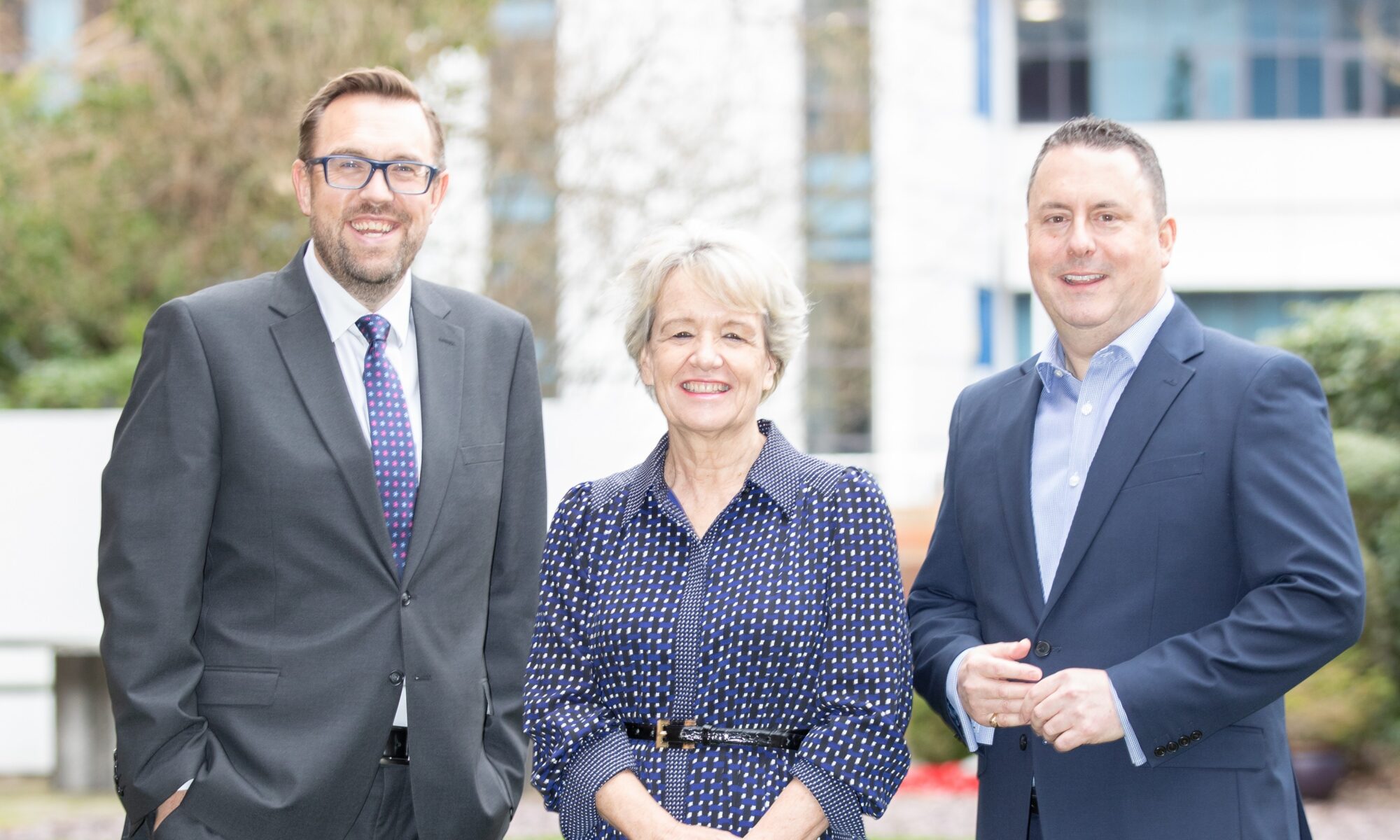

 Recently, Landsbert (pictured right) was part of the White & Case team which advised Cathexis Holdings on the sale of Yondr, a hyperscale data centre operator, to DigitalBridge and La Caisse – which, with a value of $5.74bn, was one of the biggest deals of the year.
 Rae (pictured right) says that widening the net across the UK can mitigate the environmental impact of data centres.
 Looking to the international markets, Bruce (pictured right) says: ‘For real estate, the Middle East remains a very active region for us as a firm – you can transport the real estate expertise that we have on investment and development in the UK and apply it with our Saudi colleagues to a Saudi law situation, and help bring international best practice to a market.’
 One firm that has been active in the high-end City scene is Taylor Wessing, which last year advised Park Tower Hotel in Knightsbridge on its £348m refinancing, as well as a refinancing for Arlington House properties, located behind the Ritz Hotel.