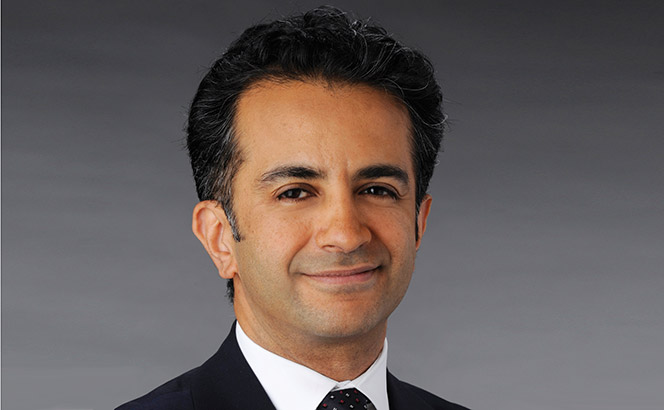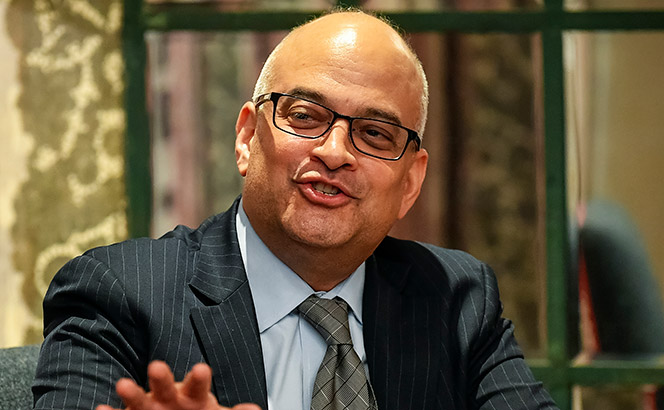


Being risk savvy and commercially aware is the equivalent of ‘leaning in’ for today’s in-house lawyer. Can one do this and retain the mantle of professionalism? Or rather, how can one do that? That is the central concern of our book, In-House Lawyers’ Ethics: Institutional Logics, Legal Risk and the Tournament of Influence. We interviewed dozens of in-house lawyers and surveyed 400, mainly from business but also from government and the third sector, to shed light on the ethical dimensions of in-house practice and risk management. Our central lessons? Organisations matter. Individual lawyers matter. Ideas about the in-house role and professionalism matter. Talking about professionalism and good decision making openly and frankly matters.
The usual academic analysis of in-house lawyers dwells on concerns that in-house counsel are business people first and lawyers a distant second, but we think other questions are more important and useful. In particular, we are interested in how in-house roles and practitioner mindsets about those roles influence their ethical inclination. When we work with in-house teams using the tools in our book, they are often astonished at the different views they and their colleagues have about what in-house lawyers should be like; how they draw on ideas of professionalism; and how to deal with ethical dilemmas. Gordon Gekko can be lurking in the most surprising of places.