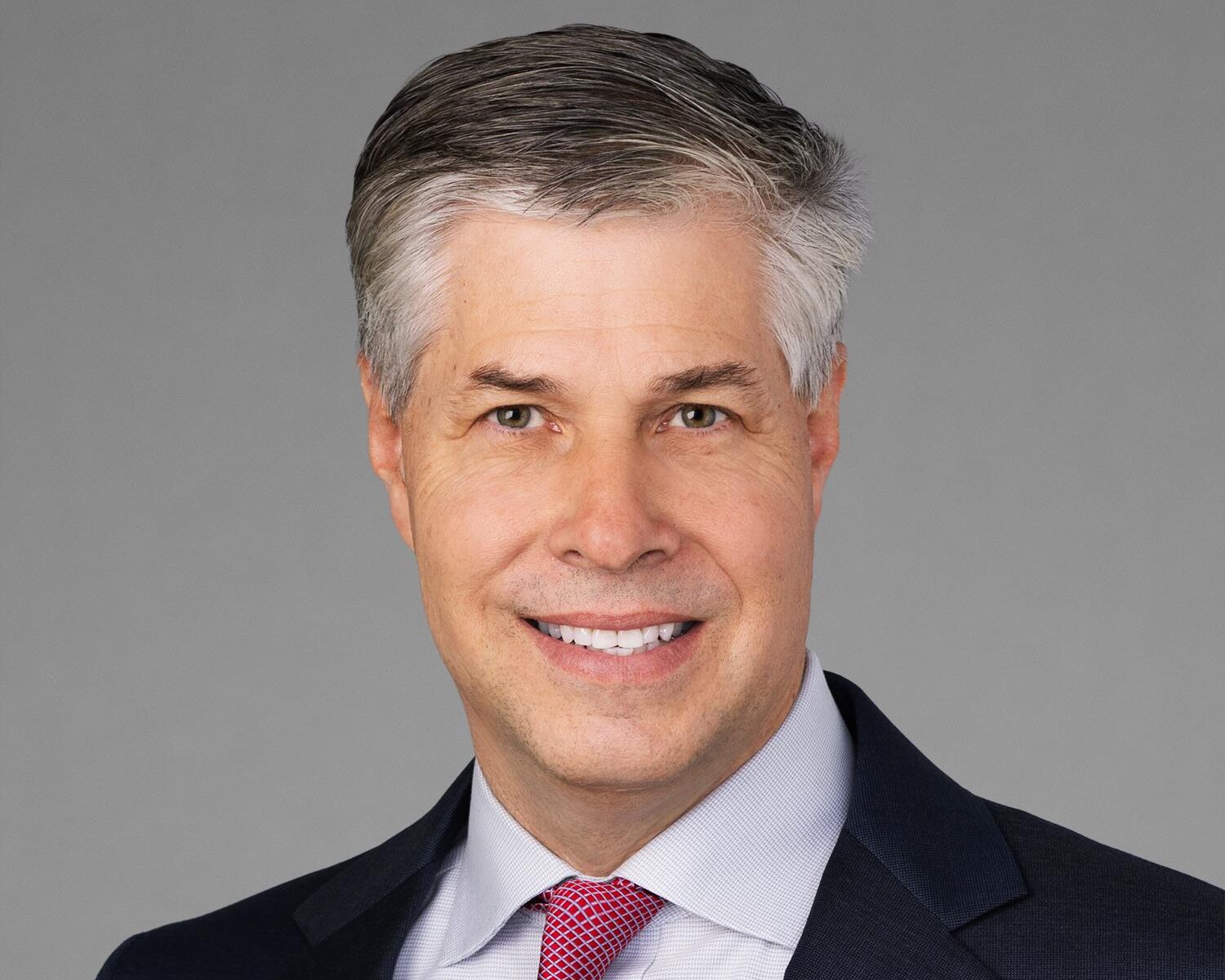
In the second of a series of Q&As spotlighting unconventional paths to partnership, Freshfields disputes partner Joshua Kelly – who was made up this year after joining the firm in 2015 – looks back on his stint in a ‘converted broom cupboard’ as a military lawyer with the Royal Australian Air Force
What drew you to the Royal Australian Air Force?
Coming out of university in Australia, it was one of the few jobs where you could work on international law – things like the laws of war, human rights law, the law of the sea. That was what really drew me in.
And it was also just a fun-sounding job. Before starting full time, you go through four months of officer training school. I did that with 30 pilots – I was the only lawyer there, fresh out of five years of study. It was an intense programme – you train in things like ground defence, go through scenarios where you’re under pressure, sleep-deprived, and constantly being assessed on leadership. In some ways, it was good prep for big law.
What sparked your interest in international law?
Timor-Leste, formerly known as East Timor, was a Portuguese colony annexed by Indonesia in 1975, before gaining independence in 2002 when I was in high school. My mother is a mix of Portuguese, Italian, and East Timorese, and I remember as a child in Australia going to protests and being involved in the independence movement. That probably sparked some of my interest in international law and human rights.
I would’ve been about eight or nine when I first got involved. We weren’t protesting every day or anything like that, but we’d finish church on a Sunday and then go to the UN office and sit with some old ladies who were knitting Timorese blankets, or ‘tais’. It was all very peaceful – just trying to raise awareness about what was happening in East Timor.
Australia actually played quite a big role in helping Timor-Leste at that time – including the Australian Defence Force, which was part of a UN peacekeeping mission as Indonesia withdrew. So I think, if you trace things back, that definitely had a part to play.
What type of work did you do in the Air Force?
The work was incredibly varied. It ranged from writing briefings to the Minister of Defence, handling courts martial (which were often petty crimes like assaults), to negotiating international agreements and advising on operational or environmental law. It was a fantastic crash course in high-level legal work.
One of the more interesting roles was working as junior legal adviser to the Chief of the Air Force. He had his own in-house lawyer, and I supported that person. We were based in a small converted broom cupboard right next to the Chief’s office – effectively acting as general counsel for the Air Force.
The overriding theme during my time there was summed up by one of my bosses who said to me: ‘I just want three things: what’s the issue? What are my options? What are the risks?’ That gives you a very clear steer on how to relay advice – you’re forced to boil things down to their essentials.
When you joined Freshfields, was becoming partner a goal?
No, I was really just focused on the work and the team – building something I was happy to be part of. I think I even said in my interview that I’d be very happy to aim for a counsel role in due course. I didn’t really know how the whole firm structure worked at that stage of my career, and I definitely wasn’t thinking ‘I want to be a partner’ from day one.
It was more:’ this seems like a great place to do the work I’m passionate about, with nice people’. And all of that has thankfully turned out to be true.
Have you had any mentors who have helped you throughout your career?
The guy who stands out the most is Chris Taylor. He’s now the director general of military legal services in the Australian Defence Force, and was one of my bosses in the Air Force. He’s incredibly clever and brought a huge amount of dry humour and wit to every situation. It was really good to see someone who was faced with stressful situations on a daily basis manage to just see through them and find a way to, if not laugh about them, at least puncture them – and then get through it.
And then in London in particular: Ben Juratowitch KC, who was a Freshfields partner in Paris and then came over to the Bar at Essex Court; Freshfields litigation partners James Kennedy and Chris Pugh; Tony Singla KC at Brick Court; and then of course my team partners, Will Thomas KC, Sylvia Noury KC and Oliver Marsden, and the head of our tax disputes practice, Helen Buchanan. They’ve all had that right mix of being just really quite nice people, but also technically excellent – and ready to take the time to politely tell you when you’re wrong.
And of course, I wouldn’t have been able to do any of this without my wife!
Which cases stand out from your career?
One of the more recent public cases was for a major technology company before the European Court of Human Rights. It was a case against Russia, concerning freedom of expression and fair trial rights. We were successful in that, and it was a good example of how international law remains relevant and can be used to support human rights and advance important objectives, including for corporates.
I also acted for a company called Lonestar, a subsidiary of MTN in Liberia. They were subjected to cyberattacks and we brought a successful claim before the High Court here in the UK against those responsible for the attacks, including their competitor. It was an interesting experience: there was no real reference point for the claim, and it involved some very colourful individuals, including a hacker-for-hire who was convicted here in the UK and was receiving monthly cash payments in return for carrying out attacks against our client.
How did it feel becoming partner – and how did you celebrate?
It’s been a lot of fun. It coincided with the birth of our second child so it’s been a bit ‘on’, but lots of fun.
How did I celebrate? It was pretty low key. We have a family lunch every Sunday, and it’s either me or my brother-in-law cooking. So I went to the butcher in Spitalfields and picked up a few nice cuts of meat. I might have turned up with one or two bottles of wine that were slightly better than usual – that was it. Very in keeping with the family’s desire to keep me grounded — no fanfare.
The path to partnership less travelled: Travers Smith’s Elissavet Grout







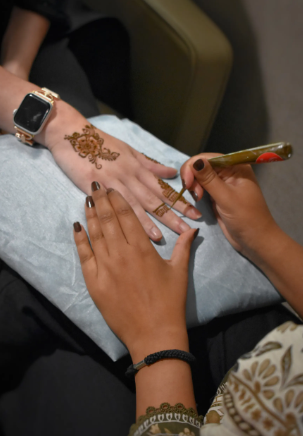 During the last four weeks of South Asian Heritage Month, which began in 2020, the same year that Hussain joined Addleshaws, Hussain has seen her colleagues enjoy Bhangra dancing, traditional henna art and South Asian cuisine; things her younger self could have scarcely believed possible in a corporate law firm.