

‘In my 31 years of practice, I’ve never seen a pipeline this active,’ says Slaughter and May partner John Moore, on the boom in activity in Hong Kong’s capital markets.
As a veteran of the Hong Kong scene, with decades of experience at firms including Morrison Foerster, Herbert Smith and Sullivan & Cromwell, as well as a six-year stint at Goldman Sachs, Moore is as well-placed as any to comment – and he describes current market conditions as ‘exceptional’.
‘While capital markets are inherently cyclical, the current momentum is exceptional, not just in volume but in the unique combination of factors propelling the market forward.’
According to a recent report from KPMG, Hong Kong is set to take the crown as the top global market for initial public offerings by the end of 2025, and as of 30 September, there were just shy of 300 active IPO applications in the pipeline, not including confidential filings.
And activity levels are so high that many firms are operating at full capacity, with partners in the market talking of banks being turned away by as many as 10 firms with no scope to take on more listings.
 The factors behind Hong Kong’s rise
This activity has been driven in large part by regulatory reforms aimed at stimulating the market. ‘This rebound, I think, is primarily due to the A-H IPOs,’ says Sherlyn Lau (pictured), the deputy head of Sidley’s China corporate and finance practice, referring to a policy allowing companies listed on the mainland to post a secondary listing in Hong Kong.
Previously, listing on the Hong Kong exchange meant trading at a discount, according to several partners; however, recent floats have seen companies valued at a premium, which has encouraged more firms to look to the territory to access international capital.
Since the pandemic China has seen a decline in companies listing on its exchanges, and the government has introduced new stringent regulation for foreign IPOs. As a result, there is now a queue of companies that are looking to Hong Kong as a more straightforward solution, according to Lau.
‘Hong Kong is perceived as more friendly to Chinese companies, as it avoids the latent risk of potential de-listings that can arise in the US, where regulatory and geopolitical tensions have contributed to a more uncertain environment for Chinese issuers,’ Moore adds.
The last few years have seen many firms, predominantly US-based practices, scale back their presence in China and Hong Kong, citing geopolitical tensions, strict data privacy laws, and other regulatory challenges, and one partner told Legal Business: ‘We’ve had a number of clients who have been quite candid about their preference not to work with US firms.’
‘US firms tinker with their offering in the region more than many of the UK’s firms,’ Herbert Smith Freehills Kramer’s Matt Emsley says. ‘Commitment is important, especially when it comes to capital markets.’
The firms in the driving seat
When it comes to the law firms taking the lion’s share of the work, the biggest IPOs of the year to date have involved a mix of top UK and US firms, including HSFK, Kirkland & Ellis, Linklaters, Slaughters and Latham & Watkins (see details below).
HSFK has been operating in Hong Kong since 1982, and Emsley himself has been operating in the region for over two decades, experience which inevitably offers particular insight into market dynamics. ‘Strong players will look to bring established market knowledge and experience to different situations,’ he says, while also acknowledging that there are ‘very active players in the capital markets on both the US and UK side,’ Emsley adds.
The pace of deal activity in recent months has also meant that some law firms have been able to push up their rates, according to two partners who say clients with ‘deeper pockets’ have become less cost-sensitive due to a desire to go to market quickly. The partners added that some companies have been pressing for ‘aggressive timetables’ to list because of a rumour that was circulating that the Chinese government could introduce a market cap threshold to access a secondary listing.
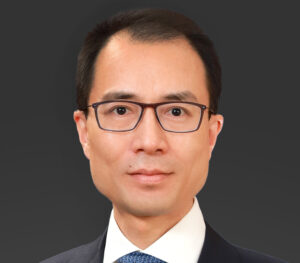 ‘Any active players in the market at present are being selective in terms of deals they’re taking on because there’s a real demand out there,’ Emsley says, ‘and only so much capacity in the market.’ This naturally raises the question of whether firms are looking to expand. Emsley believes that many firms will be looking to recruit, but acknowledges the challenges: ‘Deal flow has ramped up so quickly that inevitably there are only so many people in the market who can do this work – it’s quite specialised,’ he adds.
Partners also say that Hong Kong’s market is becoming more representative of China’s overall economy; while it was formerly dominated by listings of banks, insurance companies and consumer brands, Sidley capital markets partner Meng Ding (pictured) notes the recent trend of agricultural and AI companies coming to market.
Benita Yu, the senior partner of Slaughters’ Hong Kong office also points to an appetite among international investors for China investment. ‘People are recognising the real value in Chinese companies and the genuine investment opportunities they present,’ she says. ‘This has boosted confidence in the market, and since March, we’ve seen international capital beginning to flow back into the local markets.’
‘The Hong Kong bets are a bet on China,’ Alasdair Steele, an ECM partner at CMS says, echoing Yu’s analysis that the boom is partly driven by international capital eyeing large returns in Chinese companies.
Lessons for London
The contrast between Hong Kong and London is stark, with the first half of 2025 seeing the weakest listing figures in three decades, and in recent years the UK Government has been attempting to stimulate the kind of market revival Hong Kong is experiencing with regulatory reform,
Earlier this month the Government announced that Latham capital markets partner Mark Austin has been appointed to set up and lead a taskforce overseeing the digitisation of the UK financial markets. This comes on the back of plans announced by the Treasury in the summer to reform prospectus requirements and introduce a system to allow private companies to take advantage of public markets.
The UK and Europe have a pipeline of companies, but ‘whether the international companies come to market [in London] depends on taking a perspective of where the UK is going in terms of growth,’ Steele says. ‘If the money and the companies aren’t there, the regulatory changes are irrelevant. It’s too early to say,’ he says. For now, capital market partners in London will be looking on at their busy colleagues in Hong Kong with envy.
 The biggest Hong Kong IPOs of 2025 to date: international advisers
Contemporary Amperex Technology (CATL): HK$41bn
Kirkland & Ellis for CATL, Linklaters for the joint sponsors and underwriters
Zijin Gold International: HK$25bn
Latham & Watkins for Zijin, Slaughter and May for the joint sponsors and overall coordinators
Jiangsu Hengrui Pharmaceuticals: HK$11.4bn
Cleary Gottlieb and Pillsbury for Jiangsu, HSFK for the joint sponsors
Zhejiang Sanhau Intelligent Controls: HK$10.7bn
Clifford Chance for Zhejiang, Linklaters for the joint sponsors and overall coordinators
Foshan Haitian Flavouring: HK$10.6bn
Clifford Chance for Foshan, Paul Hastings for the joint sponsors, overall coordinators, joint global coordinators, joint bookrunners and joint lead managers


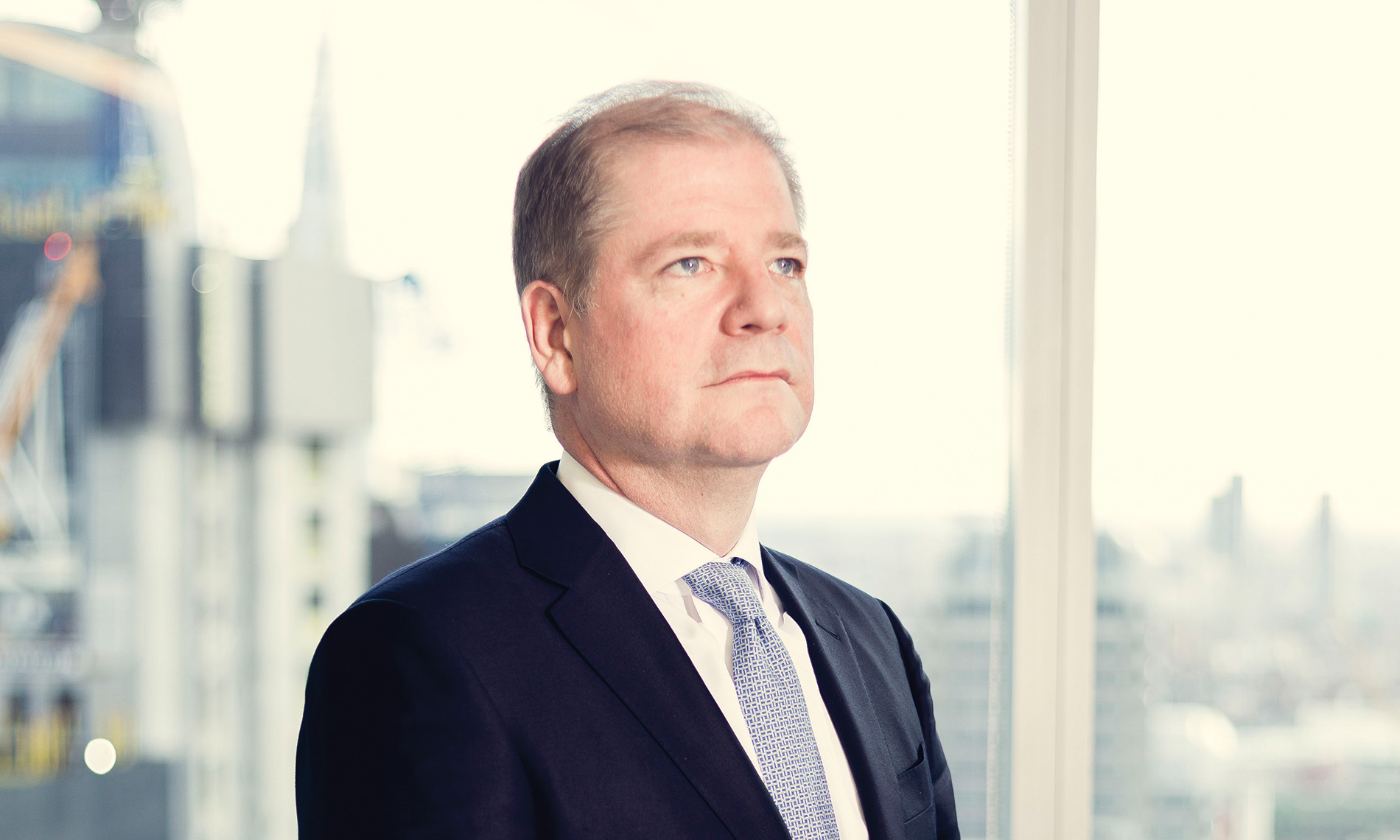





















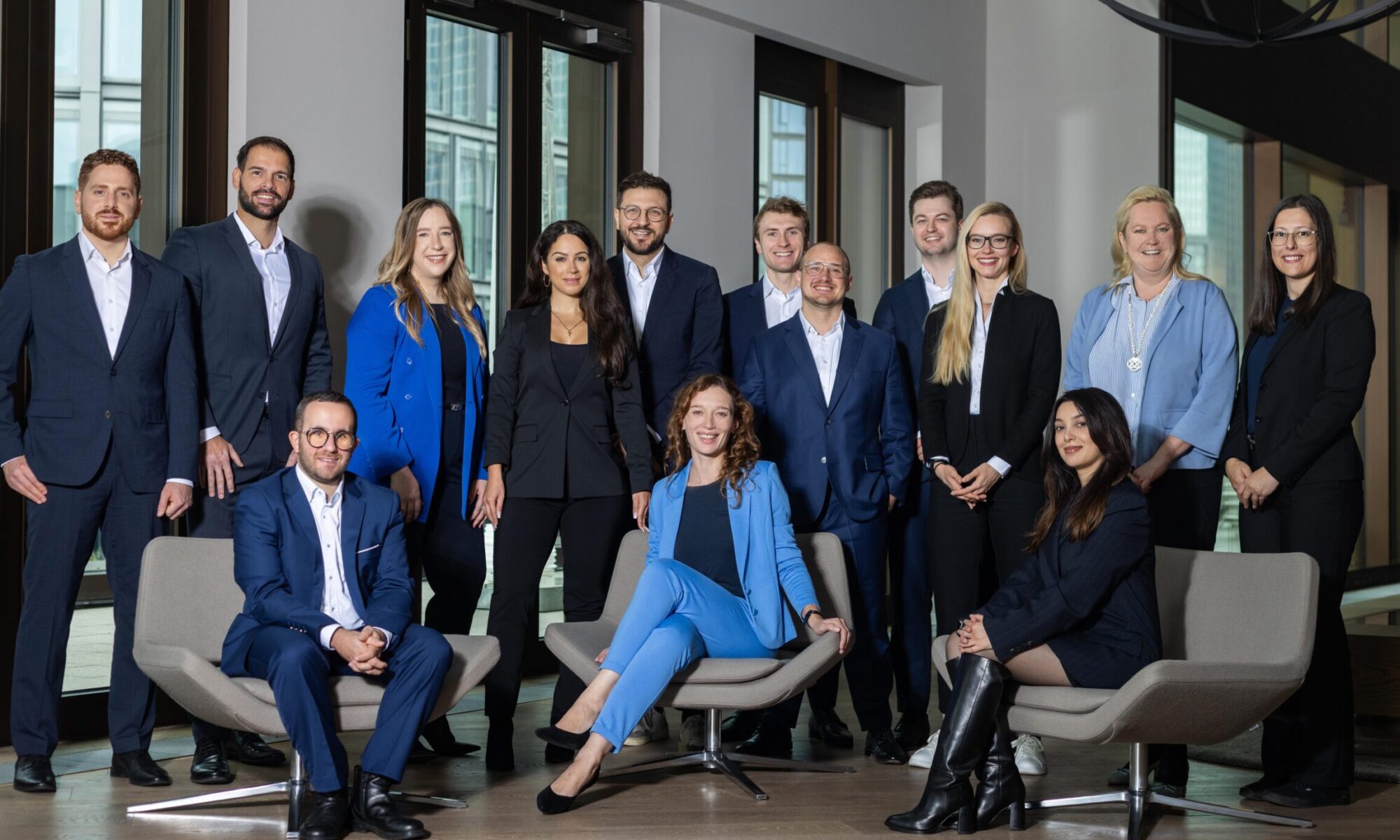

 Pinsent Masons saw revenue rise by 4.7% to a new record high of £680m over the year, a result senior partner Andrew Masraf (pictured) described as cause for celebration – while also acknowledging the scope for improvement.
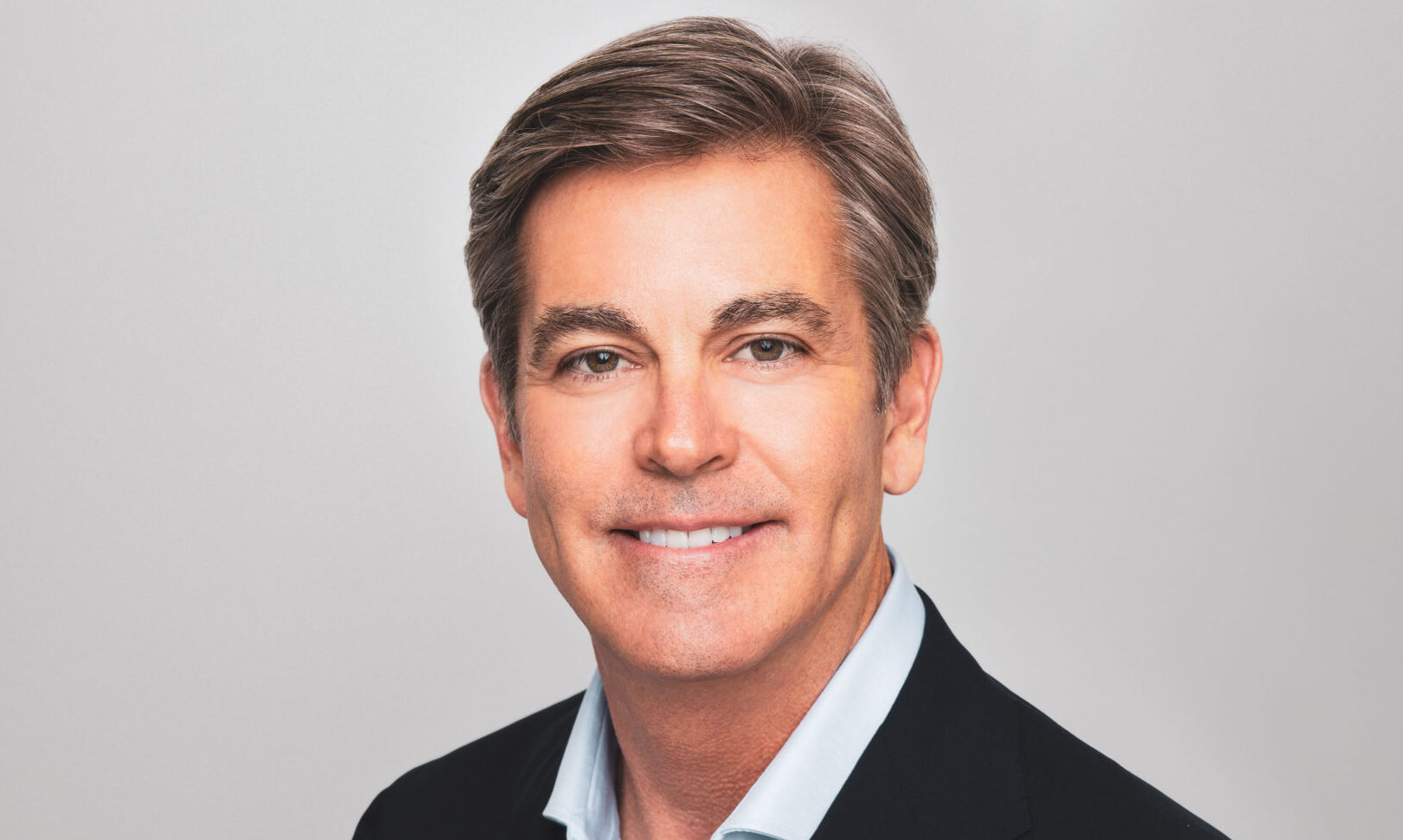
 National firm Blake Morgan, which has six offices across the UK, boosted PEP by 8% to £349,000 in 2024-25, against a 4.6% increase in revenue; however managing partner Mike Wilson (pictured) said PEP could have been higher still, but for the firm’s strategy of investing profit back into the business.
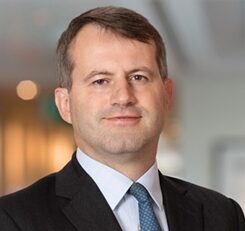 At Hogan Lovells, which put in one of the strongest performances of the international firms, with PEP up 9.1% to £2.4m, global corporate and finance head James Doyle (pictured) stressed the importance of adaptability in a fast-changing marketplace.