
‘Even with the developments over the last few days, I’m still not sure the firm is getting it right. With these things, it’s always best to avoid death by a thousand cuts – no one comes out of it looking good.’
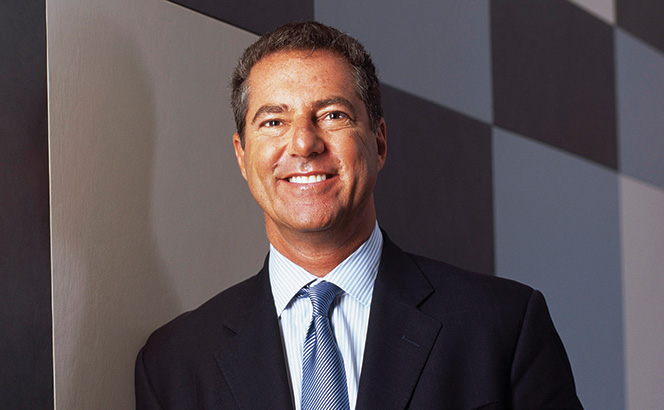
So says one leading GC of this week’s news that Paul Weiss litigator Brad Karp is set to stay on as a partner at the firm, despite stepping down as chair, after the extent of his ties with late sex offender Jeffrey Epstein were revealed in emails released by the US Department of Justice.
The days following the release of the files have shone an uncomfortable light on senior figures in a host of professions – and the law is no exception.
While a number of lawyers are referenced in the files, including Goldman GC Kathryn Ruemmler, Karp’s ties to Epstein have been a particular focus.
Although the emails do not indicate that Karp was involved in any wrongdoing, they do demonstrate that he maintained communications with the disgraced financier for years after his 2008 conviction for procuring a child for prostitution and soliciting a prostitute.
Five days after the files were released, the scrutiny became too intense, and Paul Weiss announced that M&A partner Scott Barshay would take over as chair from Karp, who said in a statement: ‘Leading Paul Weiss for the past 18 years has been the honour of my professional life. Recent reporting has created a distraction and has placed a focus on me that is not in the best interests of the firm.’
While some may argue that Paul Weiss should have acted faster, or handled it differently, for this article Legal Business spoke to a number of GCs to get their views on both the firm’s response and their expectations of law firms in similar circumstances. None of those spoken to are clients of Paul Weiss.
‘The firm’s responsibility in this situation is to be proactive, transparent about what they did and didn’t know, and hold their hands up and apologise’
‘What I would like to see is more proactive transparency ahead of time,’ says one GC. ‘When it’s known that there’s the potential for information around associations or other kinds of reputational issues to come out, firms need to be proactive with it.’
The GC continues: ‘Part of being proactive is owning the responsibility and communication and being transparent around what they’ve done internally to review the information.’
Another GC agrees that firms should be open when something has gone wrong. ‘The firm’s responsibility in this situation is to be proactive, transparent about what they did and didn’t know, and hold their hands up and apologise where appropriate.’
Although Paul Weiss never advised Epstein, one GC suggests that Karp’s links with the disgraced financier could cause longer-term reputational damage, but only if it emerged that there was a broader cultural issue at the firm.
Talking generally about the impact of reputational damage on firms, they say: ‘Whether there is broader long-term damage to the firm really depends on whether the issue was an individual going rogue, or whether the conduct was a product of the culture at the firm, which will always come out. If you’ve worked closely with a firm, you’ll generally have a good feel for which it’s likely to be.’
However, another GC suggests: ‘From an in-house perspective, a situation like this triggers reputational risk for the firm as a whole, not just the individual. Whether fair or not, clients tend to view law firms as institutions that reflect shared judgement and values.’
A third GC agrees, pointing out that even if the misconduct is not linked directly to the firm, the fact that Karp was in the top management role at Paul Weiss makes it more significant.
‘It raises questions about the ethics, culture, and leadership selection, and whether this event has prompted any reforms,’ they say. ‘Resigning as chairman should not be the end of the matter – if you want to reassure clients that you have a strong ethics culture, then I would expect to see a further statement on reforms and implementation.’
‘It raises questions about the ethics, culture, and leadership selection, and whether this event has prompted any reforms’
Overall, GCs canvassed for this article believe law firms finding themselves under public scrutiny need to think more carefully about client perception and factor that into their public response.
‘From a business standpoint, firms need to be extremely mindful that clients will reassess relationships quickly in the current political and cultural environment. A statement like the ones we’ve seen won’t suffice, especially given the gravity of the underlying situation. Clients want to see a response that reflects an awareness of broader stakeholder concerns, but these statements seem to only reflect on legal exposure.’






 Freshfields London managing partner Mark Sansom (pictured) put the firm’s increased scores down to its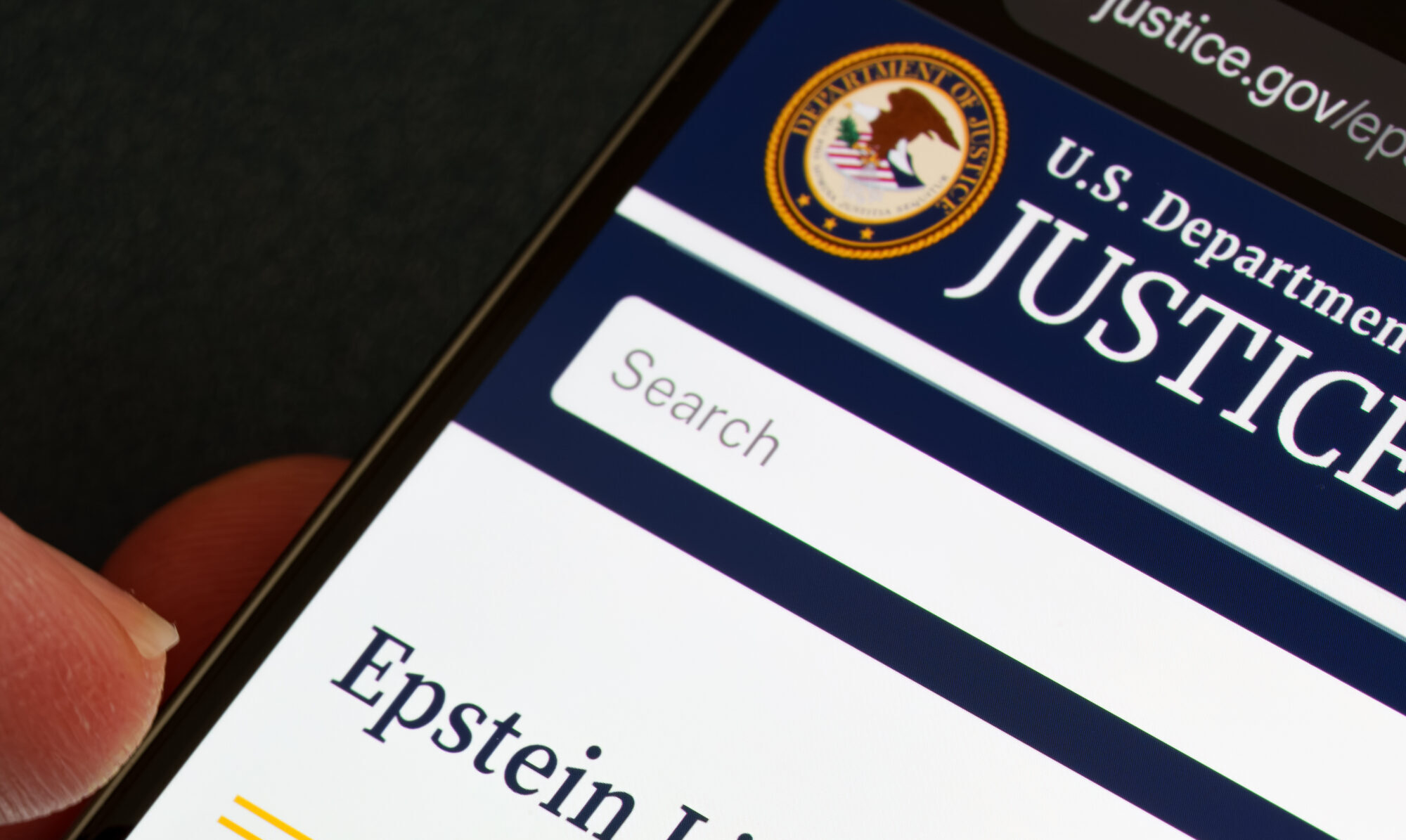
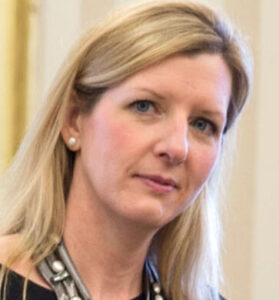 The Epstein files also show that Ruemmler (pictured right), then a partner at Latham & Watkins, sent edits to another draft article, which was never published, but which Epstein was considering submitting as an op-ed to the Washington Post.

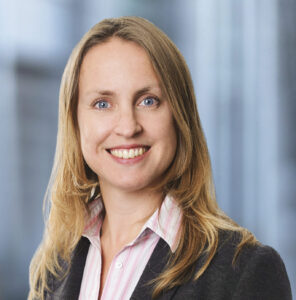 Recently, Landsbert (pictured right) was part of the White & Case team which advised Cathexis Holdings on the sale of Yondr, a hyperscale data centre operator, to DigitalBridge and La Caisse – which, with a value of $5.74bn, was one of the biggest deals of the year.
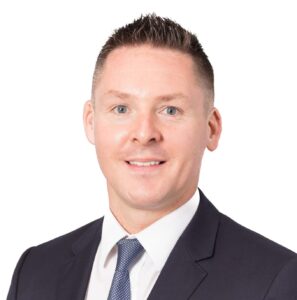 Rae (pictured right) says that widening the net across the UK can mitigate the environmental impact of data centres.
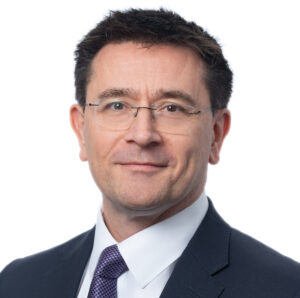 Looking to the international markets, Bruce (pictured right) says: ‘For real estate, the Middle East remains a very active region for us as a firm – you can transport the real estate expertise that we have on investment and development in the UK and apply it with our Saudi colleagues to a Saudi law situation, and help bring international best practice to a market.’
 One firm that has been active in the high-end City scene is Taylor Wessing, which last year advised Park Tower Hotel in Knightsbridge on its £348m refinancing, as well as a refinancing for Arlington House properties, located behind the Ritz Hotel.