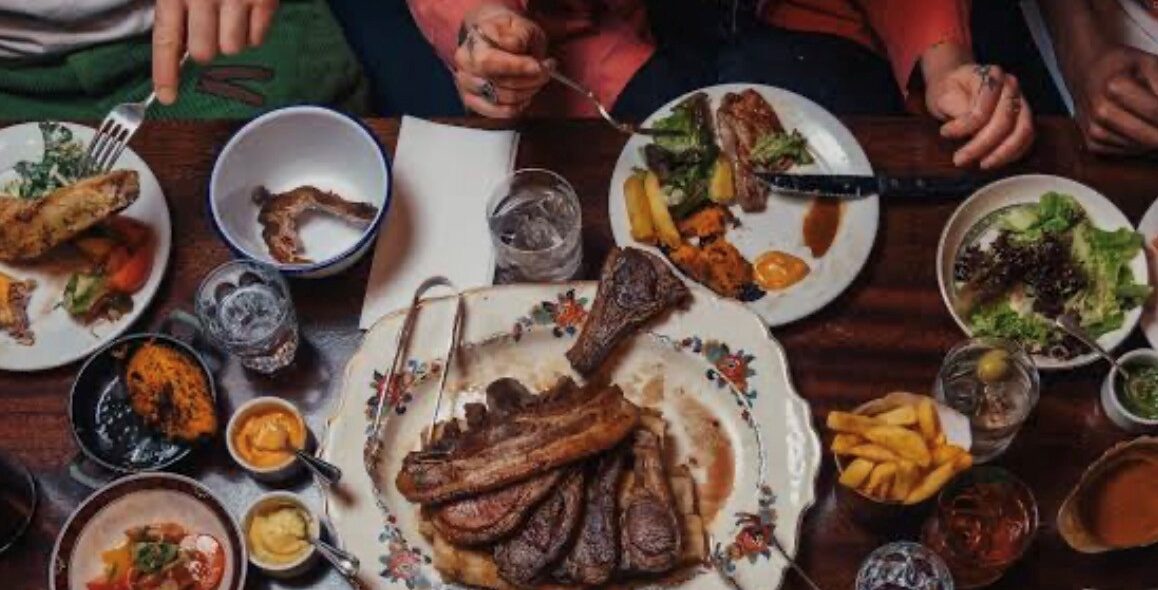
As a self-confessed foodie, with decades of experience advising on corporate transactions in the hospitality industry, David Roberts had always dreamed of being a restaurant owner.
‘I’d worked in restaurants while at university, but never had the opportunity to work front of house, so I never had my time to shine,’ he says.
For Roberts, leisure practice head and M&A partner at CMS in London, the opportunity finally came around when advising one of his biggest clients, British steakhouse Hawksmoor, on its sale to private equity fund Graphite Capital in 2013, while at legacy Olswang, on a team that also included Gordon Ker.
Working with Ker, who similarly had a passion for the hospitality business, sowed the seed for a business venture of their own: Blacklock- a new take on the traditional chophouse-style restaurant.
‘We were having the completion dinner for the Hawksmoor transaction and Gordon Ker and I were talking through his plans for Blacklock and, given the high percentage of new restaurants failing, Hawksmoor offered a generous helping hand,’ says Roberts.
‘Without them, we would have struggled to convince our landlord to give us the site and then open so successfully – so it really was make or break,’ he continues.
The business soon took off, which led to Ker’s retirement from the legal world as he took on the role of CEO at Blacklock.
Now, Blacklock has seven venues across the UK and employs over 400 staff.
As the business has expanded, Roberts has moved into a role as non-executive director and member of the board, continuing to scout out new venues and overseeing the operations of the restaurant chain.
But the most valuable element for Roberts, he notes, has been the opportunity to learn about the industry firsthand.
‘Having a sector speciality has been critical’
Roberts, who joined legacy Olswang in 2005, says the firm encouraged the sector-specific focus that has defined his career ever since.
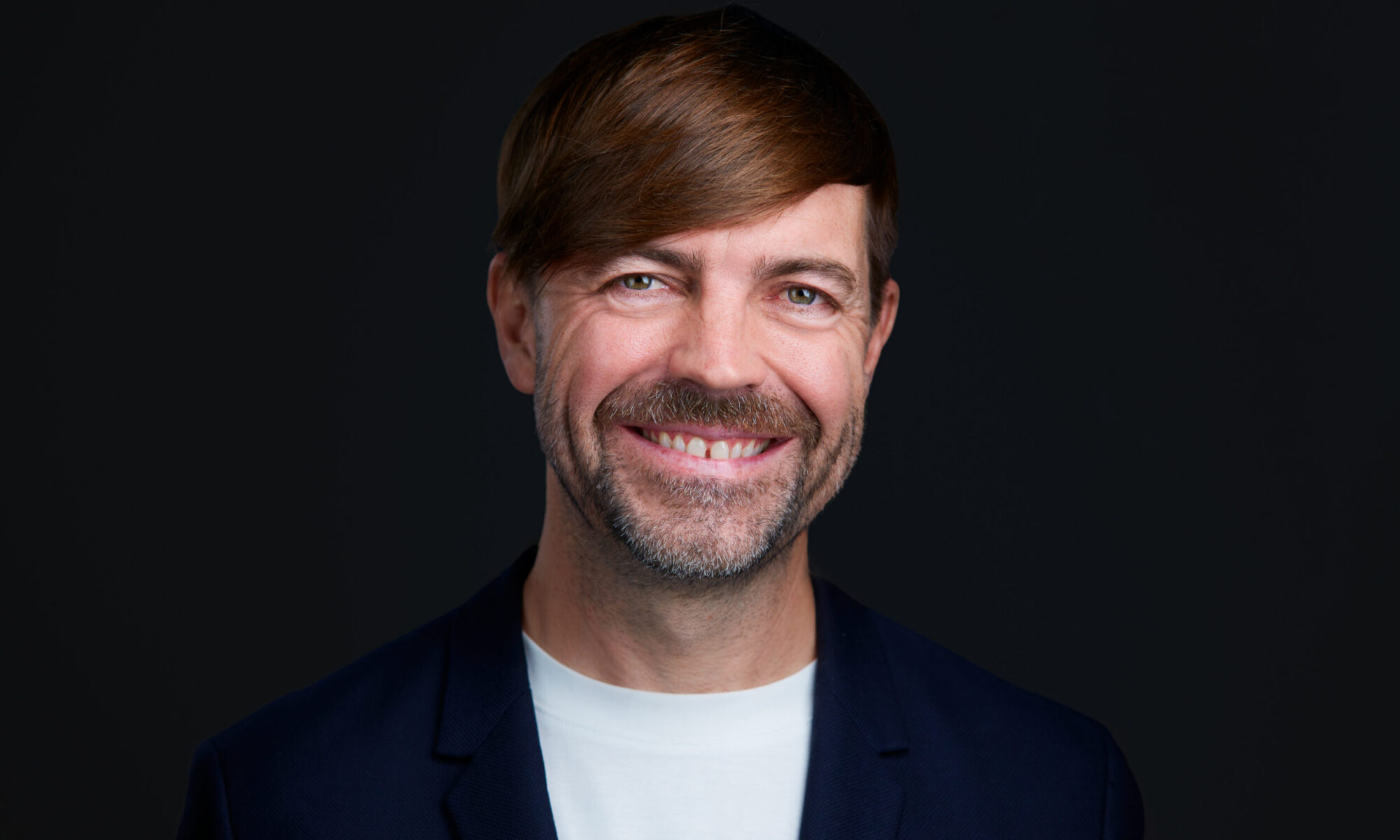
‘At Olswang, I immediately fell into a team who were absolute sector specialists, and it opened my eyes. Ever since then, having a sector speciality has been critical. It’s a great benefit to have that deep knowledge of a sector,’ Roberts (pictured) says.
A key moment of his career came years later, when in 2013 private equity developed an interest in the restaurant world. ‘A huge amount of private equity interest came flooding into the sector, and I was there at the right time,’ Roberts says.

It was at this time that Roberts advised Hawksmoor on its PE buyout, while also supporting Coq D’Argent owner D&D on its sale to LDC Capital for £50m. Work like this unlocked an array of clients needing advice on selling to PE firms, and landed Roberts a reputation as the go-to specialist on restaurant deals.
‘The team at Hawksmoor, who are restaurant royalty, started recommending me to all the other founders within the space. So within a short period of time, I was acting for most of the key up-and-coming and established restaurant groups in London, and then beyond,’ Roberts says
More recently, Roberts has worked on securing private equity investment for Dishoom, during its £300m sale to US investment firm L Catterton last year, as well as Popeyes UK sale to TDR Capital in 2024.
However, the work has come with its challenges. From the pandemic in 2020, to the cost of living crisis following Russia’s invasion of Ukraine in 2022, as well as rising business costs, many in the sector have struggled to stay afloat.
‘They’re paying their landlord, their staff, their suppliers, and their taxes, and there’s little left over. It’s not a given that there’s profit left in these businesses. And you can’t keep a team motivated if there’s nothing in it for them,’ Roberts says.
‘You need to look at the amount of resilience and ingenuity that’s required to survive long-term.’
With his experience on both sides of the table, Roberts has worked to provide legal and commercial advice in the rapidly changing industry: ‘We’re working with a lot of our clients, to encourage them to understand that if you don’t make some changes to your business then one possible outcome is that sooner or later you’ll run out of steam, because from a consumer perspective you can’t keep putting the price up at a restaurant.’
Despite these challenges, it’s not all doom and gloom in the sector, Roberts notes, as many successful businesses have gone on to expand beyond the UK. ‘The ones that have got it right are trading at these elite levels, and they have plenty of options so they can raise further growth capital,’ he says.
‘Given the challenging trading environments here in the UK, a number of our successful clients are looking to do joint ventures and franchise deals internationally.’
Bounding off his success with Blacklock, Roberts has expanded his advisory services, taking the leading role on CMS’s Founder’s Boot Camp for restaurant startups looking for funding and business support.
‘When we first did it, Dishoom had one restaurant, Honest Burger had one restaurant, Caravan was a business plan. This was all 15 years ago, and we got these founders in to talk to them about the business of restaurants and how to roll restaurants out,’ Roberts says.
Now, as businesses face even more uncertainty with conflict in the Middle East, Roberts remains hopeful his industry will power through.
‘You need to look at the amount of resilience and ingenuity that’s required to survive long-term,’ he says. ‘To be successful restaurants must continue to find savings, to get that margin up again, so that they remain interesting to investors.’
The innovation pushing that interest is something that restaurant lovers like Roberts welcome. Though pinning down his favourite food proves an impossible task.
‘If you look at the diversity and the inflection of food and different cultures into London now, it’s incredible. It really is a huge global melting pot of taste and flavour.’
‘We’re just spoilt for choice,’ he concludes.
[email protected]


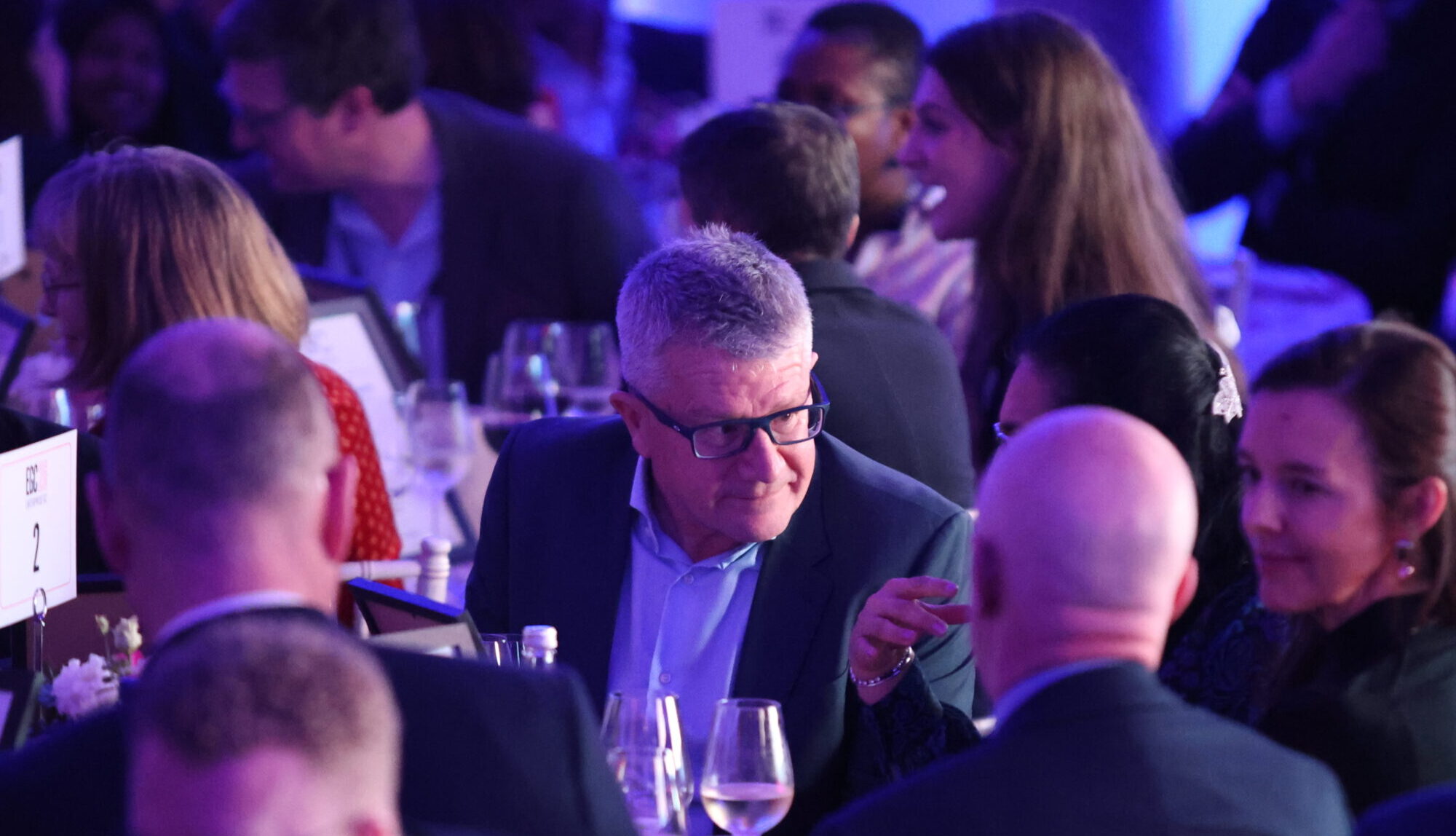
 The launch event was introduced by Eversheds Sutherland global co-CEO Keith Froud (pictured), who paid tribute to the growing influence of in-house counsel working in the key business centres across the North.