Poland’s long journey towards a green transition

Poland has been slow off the mark in its green transition. It has a historically powerful coal industry, which has brought with it a large degree of scepticism towards environmentalism. This began to change when Poland joined the EU with its environmental politics and regulation. However, larger scale changes are afoot, and lawyers I spoke to believe that corporates and even state-owned energy companies are beginning to really buy into the so-far alien concept of ESG.

While there are still a number of challenges, Poland’s renewable energy market is developing quickly, from a miniscule base, while the country’s prominent manufacturing sector is also starting to rise to the challenge.

I spoke two Polish lawyers to find out more: CMS’ Agnieszka Skorupińska, who leads the firm’s environmental law practice in the CEE region, and head of the energy practice at Rymarz Zdort, Marek Durski.

The historical challenge of coal

According to Skorupińska, ‘there are massive social issues associated with coal extraction and a coal-based energy generation. So, this is something that cannot be thrown into the bin easily’. The region of Upper Silesia is home to a large number of Poland’s mining communities that have formed a politically influential bloc backed up by a strong mining union.

Coal is also a large part of the country’s energy mix (coal-fired plants produced roughly 70% of the nation’s electricity in 2020 according to the IEA) and it is a major exporter of the material. There are geopolitical implications for Poland’s coal-dependence.
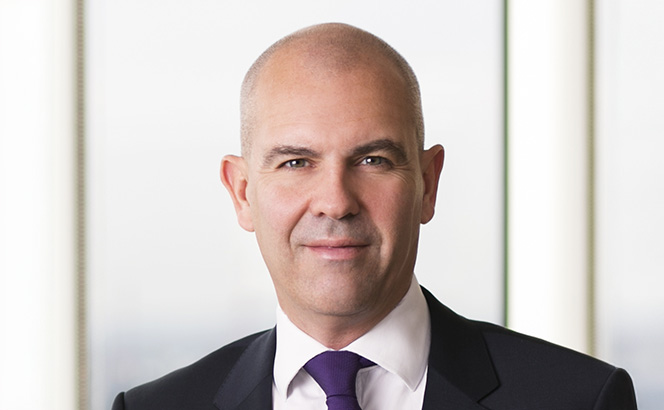
Marek Durski | Head of the energy and natural resources practice | Rymarz Zdort

Durski observes that while the rest of Europe is struggling with high natural gas prices, electricity remains relatively cheap in Poland, which has remained wary of gas imports from Russia. ‘The starting point for Poland is definitely different than you would have in the UK or Germany or France with nuclear power’, he adds, ‘you have to invest a lot of money to actually switch’.

Coal consumption has fallen in recent years, and the slack has mainly been taken up by bio-fuel and natural gas electricity production. Durski sees this as a more positive move, because ‘in a country that has to switch from coal to cleaner energy, natural gas is treated as a fuel that will be used for quite a long time to allow for the transition to a fully, carbon-free economy’.

The Polish government has shown signs that it recognises the need to decarbonise the economy and its long-term plan (known as Polish Energy Policy 2040) aims for coal to make up no more that 56% of the energy mix by 2030, with coal being phased out completely by 2049. Skorupińska notes, ‘it’s good that there is a declaration that we won’t cross this level. But on the other hand, still, this is very high.’

The state of renewables

So where does that leave the green transition? Wind and solar have proved to be the most viable renewable energy sources for the Polish market.

Skorupińska notes that onshore wind initially ‘flourished’, however that market was stalled in 2016 when the Polish government imposed a distance requirement banning projects near settlements; it is thought the law will be amended in the near future to allow for more onshore development permits.

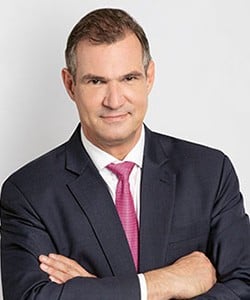
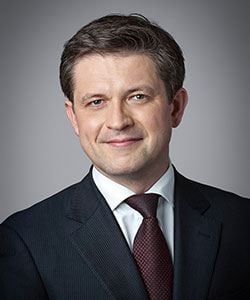
Agnieszka Skorupińska | Head of the environmental law practice, CEE | CMS

Offshore wind has been more successful, and there are a number of Baltic Sea wind projects in development, attracting significant foreign investment, including from Orsted and Equinor. The offshore projects are particularly symbolic, as they are a visible reminder of Poland’s energy independence and its intentions in the green transition.

There have also been positive moves in relation to solar energy. The Polish government has encouraged the micro installation of photovoltaic panels by property owners. According to official figures, in 2018, there were 490 MW of installations in Poland, of which 340 MW were micro installations. In 2021, this figure rose to 6126 MW, with private capacity accounting for 4757 MW.

Durski points out that there are also favourable conditions for industrial photovoltaic projects, under the contracts for difference mechanism, which provides a guaranteed energy price for 15 years, although these projects are slowing down as it is necessary to update the grid’s interconnection capacity.

These are, of course, positive developments, but renewable energy remains an infinitely small part of Poland’s energy mix. Despite this, there is reason to believe that economics will ultimately drive change, aided by European green policy and the burgeoning adoption of ESG.

The global change in attitudes and policy

Durski sees economics as having had a significant impact on Poland’s green transition. ‘All of the utilities that were very slow progressing transition projects to invest in natural gas sources or renewables, suddenly they realised that they could go bankrupt if they don’t do that’. As part of the EU, Poland is subject to its emissions trading scheme, which is becoming more costly every year.

Additionally, foreign investors are adopting ESG strategies that prevent them from investing in non-renewable energy generation. This is perhaps a game-changer. As the majority of power generators in Poland are state-owned, the government is working to transfer its coal-fired power plants to a “bad bank” until they reach the end of their operational lifetime.

Explaining the concept, Durski points out that ‘the idea is that all of those utilities are facing problems with securing new financing for as long as they are operating coal assets.’

Skorupińska has noticed that ESG is becoming more important outside of the energy industry, albeit among large Polish companies rather than smaller businesses. Polish chemical companies are adopting decarbonisation policies, on the back of the European Green Deal.

Citing the example of one client’s development of chemical recycling technology, she states that ‘this is something that the biggest players have built teams to deal exclusively with, in order to develop something that will probably change their business model as a company’.

Durski also identified a media industry client that had invested in an operating solar installation to hedge themselves against increasing energy costs.

Finally, at the COP26 summit in Glasgow in 2021, the Polish government signed a declaration committing to phase out coal power generation in the 2030s and transition away from coal entirely by the 2040s. Following the summit, the ministry of climate and environment clarified that Poland will phase out coal in the mid-2040s. Exemplifying the political balancing act, these promises contradict a contract signed with the mining union before the summit that the transition is scheduled for 2049.


Law Firm Carbon Footprints: What are firms doing to reach net zero?

Law firms and Net Zero – Advisors and leaders?

The race to reduce carbon emissions remains at the top of the global agenda, particularly with the recent hosting of COP26 in Glasgow, which saw broad commitments from UN member states to reach net zero in emissions within the next 30 to 50 years. Previous holdouts including Russia, China, and India joined the global movement, with the focus now turning to how governments, and perhaps more crucially, the private sector, can sharply reduce their carbon footprints.

Jacquelyn MacLennan | Head of environmental law | White & Case LLP

The role of law firms in this process is, somewhat obviously, traditionally that of a legal advisor, with corporate governance, energy, and tech lawyers, among others, advising their clients on matters such as energy transition schemes, renewable infrastructure projects, and internal ESG commitments. Crucial developments such as the EU Green Deal have placed new pressures on businesses to comply, a panacea for corporate governance and regulatory compliance teams advising global blue-chip clients.

Even more indirectly, we see firms play a role – as advisors to impact funds investing in green infrastructure, or activist shareholders seeking to divest from fossil fuels, as well as representatives of climate protesters facing criminal charges.

Brussels-based White & Case partner Jacquelyn MacLennan explains: “Public companies, most visibly, are facing pressure from institutional investors who are increasingly engaging with them via ‘stewardship teams’ that are urging them to adopt more sophisticated due diligence, disclosure and management of ESG risks in their operations and supply chains.”

Elaborating on the changing role of lawyers amidst these new pressures, MacLennan says: “Environmental activists have been using climate change litigation as a means of putting pressure on governments and corporates to meet emission reduction goals. Lawyers are increasingly called upon to advise on these corporate governance and litigation risks.”

Darren Walsh | Head of power and utilities | DWF

These pressures have resulted in a change in attitude at board level, according to Darren Walsh, head of power and utilities at DWF: “What’s really important is the buy-in we’re now seeing from companies. Six or seven years ago we would suggest renewable energy sources to clients and they just wouldn’t be interested. Now, even in the last six months there is much more of a buy-in from boards, CEOs, and CFOs.”

Similarly, leading law firms and their partners have also contributed to thought leadership on the topic of climate change mitigation, both in the form of opinion and as advisors to intergovernmental organisations dedicated to keeping climate change on the global agenda, as well as developing potential policy responses.

Law firms as climate actors

Another way to look at the role law firms play, however, is to examine their own contribution to climate change. Law firms across Europe and globally employ millions of employees, and many have multiple international offices and significant global footprints, not to mention the vast amounts of paper utilised in briefs and bundles. While curtailed by the pandemic, international legal work has necessitated the heavy use of air travel for client negotiations, conferences, and even job interviews.

To put it simply: law firms are polluters too. Like all major companies, their day-to-day activities create carbon emissions, in some cases more so than other businesses, or at least in ways other businesses do not. As the global private sector looks to how it can ‘go green’, the legal industry finds itself under the spotlight.

For the first time, Legal Business’s LB100 requested information on carbon emissions from City-based firms, sorting the firms’ responses into a table calculated via dividing total emissions by headcount.

!function(e,i,n,s){var t=”InfogramEmbeds”,d=e.getElementsByTagName(“script”)[0];if(window[t]&&window[t].initialized)window[t].process&&window[t].process();else if(!e.getElementById(n)){var o=e.createElement(“script”);o.async=1,o.id=n,o.src=”https://e.infogram.com/js/dist/embed-loader-min.js”,d.parentNode.insertBefore(o,d)}}(document,0,”infogram-async”);

As noted above, firms with larger global presences and headcounts have a higher environmental impact than others. Peter Duff, chair of Shoosmiths, a national firm who feature among many City-only operations in the second-bottom category, speaks on the role firms can play, and the importance of setting an example, adding:

“We believe that with collective action and visible leadership from the global business community on climate change, a greater, faster reduction of carbon can happen. We have found that sharing the knowledge we’ve accrued on our journey towards net zero has helped clients and contacts’ businesses, and we would encourage other firms to have these conversations to share best practice.”

At international operators such as White & Case, efforts are also being made. Per MacLennan: “Law firms such as White & Case are undertaking the same efforts to reduce our carbon footprint as our clients. For example, we have conducted multiple GHG emissions assessments [and] instituted a global Environmental Management System of some 60 actions that we expect each of our offices worldwide to adopt.”

These assessments have proven fruitful, translating into direct action, as MacLennan points out. “So far about a third of our electricity is powered by renewable energy”, she reveals, demonstrating the very similar pressures law firms face to their corporate clients, resulting in efforts to directly reduce emissions.

Law firms and ESG

The rise of the ESG agenda within businesses does not exclude law firms, which face new pressures to meet internal sustainability targets, both internally and externally. One firm taking the lead in this space is listed firm DWF, which faces unique pressures as a public company.

Darren Walsh and Kirsty Rogers, who administers the firm’s ESG programme, discuss the firm’s work as advisors and its obligations as a listed law firm.

Kirsty Rogers | Head of ESG | DWF

Rogers explains: “As a listed company, we are required to report and are rated on ESG requirements. We have also committed to the SBTi and keeping emissions under 1.5 degrees by 2030, and to be net zero by 2050. It’s a journey lots of firms aren’t on yet – because they don’t have to be. We do and we want to be.”

DWF has a UK-wide and global presence, which creates difficulties further detailed by Rogers, with office rental contracts cited as a key issue: “We’re adopting a science-based approach, looking at emissions from our global offices. This includes looking at leases, and areas where there may be a break or opportunity to revise the energy supply to improve emissions. Manchester is already 100% renewable in terms of the energy we use and this is our largest office.”

For Walsh, action as a legal advisor is equally important as the work the firm does internally, both in terms of promoting action, as well as helping the firm meet reporting targets: “Working with clients on these projects isn’t just work for us, it’s genuinely important that we see positive changes as a result of what we do. It also helps us demonstrate that we’re committed to our climate and ESG targets as a public company – which we sincerely are.”

MacLennan also notes the role firms play in ESG initiatives, arguing that “ESG is also a key area of opportunity for organisations. Law firms are at the cutting edge here, developing innovative solutions in terms of the existing and evolving legal frameworks.”

Peter Duff | Chairperson | Shoosmiths

Duff echoes these sentiments, expanding on Shoosmiths’ own ESG efforts: “We feel a responsibility to help make the planet a better place for future generations and have been tracking our ESG impacts since 2012. We’ve made a commitment to decarbonise our business. In January 2020 we set a target for Shoosmiths’ operations to achieve net zero status by 2025, and are proud that in November this year, our near-term science-based emissions reduction targets applicable to our entire value chain were approved by the Science Based Targets initiative”.

It is perhaps reasonable to argue that law firms themselves cannot turn the tide as far as global carbon emissions are concerned. Their role as legal advisors is ultimately limited to counsel and implementation of wider schemes, both governmental and otherwise, and their carbon footprints pale into comparison against the oil and gas, air transport, and manufacturing industries.

However, it is clear that the combined role firms can play – both their traditional one and increasingly as contributors to net zero themselves – is crucial, and one that is increasingly on the radar of firms and their leadership teams.

Amnesia and supply chains: the German law that brings due diligence back into focus

In Italo Calvino’s Invisible Cities, a fictionalised version of the famous 12th century merchant Marco Polo speaks with Kublai Khan about various cities along the Silk Roads. Khan is naturally curious about his vast, seemingly endless (and endlessly diverse) empire, and Marco Polo is only too keen to share stories about the various cities he has supposedly seen in his travels.

Supposedly, because the accounts Marco Polo gives aren’t always realistic: some cities float, others are impossibly extravagant. The great emperor loves listening to him regardless, because with each city he describes, Marco Polo reveals some fundamental truth – not about a specific place, but about human nature.

One of the cities Marco Polo talks about is called Euphemia, where merchants gather in the bazaar and exchange goods, the way merchants naturally would in any other city. But in Euphemia, the bemused Khan hears, those merchants don’t just exchange goods. They also tell each other stories about their experiences of how they came across those goods. They tell each other about wolves, battles, hidden treasure.

What makes Euphemia truly special, Marco Polo says, is that afterwards, when those merchants are on the long, solitary journey home, they each think about the stories they’ve heard and discover that now, their own recollections of wolves, battles and hidden treasure have changed. In Euphemia, Marco Polo tells the enchanted Khan, people don’t just exchange goods; they exchange memories.

The new German law that puts supply chains under scrutiny

Trade in today’s heavily interconnected (and real) world is immeasurably more complicated than this. Even with our straining global supply chains, we are still able to manufacture, grow, assemble, and deliver an astounding variety of goods right to our doorstep.

Dr. Marc Ruttloff | Partner | Gleiss Lutz

In fact, the intricacies of the world’s supply chains are of such staggering complexity that often artificial intelligence is utilised to manage all aspects productively and maximise efficiency. There is no time to sit around idly and exchange fanciful stories about how those products came about – not if we want those presents home in time for Christmas.

But it is also possible that by connecting the world in these new and exciting and often ingenious ways, we have also disconnected ourselves from the stories each product brings with it along its journey. Products have no memories themselves, but the humans that made them do.

And when a product comes from the other side of the world, it is not always easy to know about the conditions in which it was made – if the desire to know is there at all. Reports of any human rights and/or environmental abuses often go missing along the way, even if the products themselves are able to reach us without issues.

It is possible that a step away from that status quo may have been taken with a new German law that forces large companies to take a closer look into their supply chains. The German Act on Corporate Due Diligence Obligations for the Prevention of Human Rights Violations in Supply Chains (Lieferkettensorgfaltspflichtengesetz, “LkSG”) was adopted by the Bundestag in June 2021 and is due to come into effect on 1 January 2023.

Under the LkSG, German companies will, for the first time, be obligated to implement due diligence procedures so that they can demonstrate compliance with core human rights protections in supply chains (and, as we will see, a limited few environmental rights protections too). This not only applies to German companies, but to foreign companies that have branches in Germany as well.

Dr. Lothar Harings | Partner | Graf von Westphalen

It is important to note that this version of the law initially only affects companies that have 3,000 employees or more, and from 2024 onwards, that threshold will drop to 1,000 employees, significantly raising the number of companies that will fall within the scope of the law.

In essence, with the LkSG, the burden falls on German and German-registered companies to demonstrate that they have taken reasonable actions to ensure no human rights abuses take place in their own operations and in the supply chain (primarily their direct suppliers) – irrespective of sector.

Paving the way towards addressing environmental concerns

Of note here isn’t only the vast scope of the law (as it is expected to impact a substantial number of companies and their suppliers worldwide), but its potential implications for the future. It is possible that by addressing human rights abuses, the LkSG could one day pave the way towards addressing environmental concerns in supply chains as well – even as the initial focus remains on protection of human rights.

Dr. Lothar Harings, partner and head of the International Trade practice group at Graf von Westphalen, explains: “With respect to environmental concerns, the act only stipulates due diligence obligations in regard to the use of mercury and persistent organic pollutants, and aims to safeguard the prohibition of exporting or importing hazardous waste to or from certain countries.”

Birgit Schreier | Partner | Heuking Kühn Lüer Wojtek

Dr Harings goes on to clarify that there are currently no signs that LkSG will be expanded to include further environmental provisions, including in regard to climate change. He goes on: “Taking into account recent court judgments in EU countries that oblige member states to take action against climate change, it seems questionable why climate protection has not already been included in the scope of protection. Despite this, it is more likely that Germany will wait for EU legislation on the matter of environmental due diligence obligations. The draft EU directive suggested by the EU Parliament indicates that environmental concerns may receive a stronger focus – in this case, Germany would have to amend its supply chain legislation accordingly.”

Dr. Marc Ruttloff and Prof. Dr. Eric Wagner, partners at Gleiss Lutz, agree that environmental concerns are more likely to be addressed at an EU-wide level: “This legislative development is supported by recent trends in Germany’s jurisprudence: in spring 2021, the German Federal Constitutional Court decided on the constitutionality of the Federal German Climate Protection Act in a landmark judgement, determining that, inter alia, the legislator is obliged to enact an effective climate protection law under the German constitution. From a European perspective, the global significance of climate protection could lead to substantial regulation of climate protection-related obligations, particularly at EU level.”

Birgit Schreier, salaried partner at Heuking Kühn Lüer Wojtek, comments on the wide scope of the LkSG: “We do expect that the LkSG will affect the provisions in the supply chain – with regard to the environmental risks mentioned – as the law requires the companies to impose the due diligence obligations on their contract partners. That’s why the LkSG will also affect small and medium-sized companies not exceeding the thresholds for direct application of the law. Such a transfer effect of the obligations under the law along the entire supply chain is particularly intended by the LkSG.”

Something to be taken seriously

The fact that the LkSG can have far-reaching implications for companies can be further demonstrated from the fact that certain interest groups appear to have lobbied to limit the scope of the act, while NGOs tried to expand it. In the form it was adopted, there are indications that the LkSG is something companies have to take quite seriously indeed.

Dr. Marc Ruttloff and Prof. Dr. Eric Wagner explain: “the enforcement of the LkSG is supported by the threat of severe sanctions like extensive fines and the exclusion of procurement procedures for years.”

Prof. Dr. Eric Wagner | Partner | Gleiss Lutz

Birgit Schreier, however, also clarifies what the limits of the LkSG are: “LkSG explicitly states that a breach of the obligations under this act does not give rise to a civil liability” and that “on a general basis the companies are only required to check their own business and their direct contractual partners for human rights risks”.

Nevertheless, Birgit Schreier also states that the LkSG’s adoption in itself is substantial: “The law has been passed and indeed sets a new standard for German companies to consider a human rights due diligence in their supply chains.”

The beginning of a conversation

The LkSG is, therefore, significant, not only for the basic human rights it helps safeguard, but also for the blueprint it may provide for the future. It is unlikely that on its own it is going to be enough, of course. One swallow does not make a summer.

But dismissing its significance is also dangerous. It might just be possible that, along with those vital, and long overdue, human rights safeguards, the LkSG’s most significant contributions could lie in helping us recognise our own capacity for change: to help us look into the ways our modern supply chains operate and realise that things we thought static and immovable don’t have to be that way.

The desire for change is there, sometimes in unexpected places. As Dr. Harings mentions: “In our current practice we see a strong commitment of companies not only to implement the minimum legal requirements, but to take the new legal act as a real chance to create a new working culture and to contribute to the improvement of the global human rights situation and environmental crisis.”

That might be the best way of viewing the LkSG in its current form: not as the final word on anything, but the beginning of a conversation that, for the longest time, we did not want to have. New memories that reach us from far away. It is not all wolves and battles in Euphemia: there’s also talk of hidden treasure.

Green is the new black

The Norwegian continental shelf and its production of petroleum and gas resources has contributed substantially to Norway’s economic success, pushing the country to the forefront of oil and gas exportation and counting for a notable proportion of the country’s GDP. Norway currently exports roughly 70% of its oil production to the wider European region (with the combined exportation for oil and gas equating to 50% of the country’s total value of exported goods) and sits in the top 10 countries for crude oil exports by dollar value.

However, Norway also stands out as a leader among nations in its dedication to renewable energy and sustainability. In a recent survey conducted by energy tariff comparison site Utility Bidder, Norway was ranked as the top user of renewable energy, with the vast majority of the country’s energy coming from green sources. For Norway, the primary source of sustainable energy is hydropower plants, and the country has utilised its extensive coastline and steep valleys to generate hydroelectricity since the early 1900s.

Aksel Tannum | Head of renewable energy | Haavind

Offshore and onshore wind projects are also increasingly common across the Norwegian landscape and, alongside carbon capture and storage (CCS) projects, are receiving increased investments from both the Norwegian government and the private sector; in 2021, the Norwegian government announced the first licensing round for the construction of offshore wind farms in two areas of the North Sea.

For Norwegian law firms, this dichotomy has forced notable changes in the approach taken to energy work, but these adaptations are not as antagonistic or as new as one might expect.

‘Norway’s ambition to be an international leader in combating climate changes could, in certain respects, be argued to run counter to our status as one of the world’s significant oil and gas exporters’, say state energy expert June Snemyr and managing associate Ole Christoffer Ellingsen at Thommessen. ‘The move may have created difficulties for some law firms which have been primarily assisted oil and gas and oil service clients, but not for us. We have always had a designated team for renewable energy and infrastructure, with close connections to the renewable energy industry’.

Aksel Tannum, who is head of the renewable energy practice at Haavind, agrees: ‘Haavind has a long tradition of working for the power industry in Norway, which has been based on hydropower and wind power in more recent years. This legacy provides us with relevance in the market and insight into, and experience with, a complex and heavily regulated sector’.

Peter Aall Simonsen | Head of infrastructure and renewable energy | Simonsen Vogt Wiig

This long-standing expertise has allowed Norwegian firms to place themselves well in response to the general societal shift at a national and international level regarding climate change and sustainability, a move which has seen key businesses in the wider energy market take action.

Notable Nordic companies (and clients of the leading firms) have made substantial moves away from the oil and gas sector in recent years, framing their businesses in a more eco-friendly light. DONG Energy (which stood for Danish Oil and Natural Gas) rebranded in 2017 to Ørsted and dedicated itself to green energy solutions, while Norwegian company Statoil followed suit in 2018, changing its name to Equinor and investing heavily in clean energy projects.

With long-standing relationships with many of these changing businesses, firms are able to leverage the practical experience of their established oil and gas departments when assisting clients on clean energy projects.

‘Traditionally, Simonsen Vogt Wiig’s practice (like that of many other long-standing firms) has been geared towards international shipping, transportation, and oil and gas – some of Norway’s historically most important exports’, states Peter Aall Simonsen, who leads the firm’s infrastructure and renewable energy department. ‘Our experience in working with these industries has given us considerable expertise in international infrastructure investments and project financings generally. Combined with in-depth knowledge of the domestic regulatory framework, this makes us a valuable partner for developers and investors within all sectors of the new renewables landscape’.

Ole Christoffer Ellingsen | Managing associate | Thommessen

Notable examples of this energy project expertise bearing fruit include Simonsen Vogt Wiig’s recent work advising Biojet on the development of pioneering technology for the production of organic biofuels; Haavind’s substantial involvement in new power production mandates encompassing wind, hydro and grid projects, including the largest onshore wind power projects in Norway – the Fosen and the Øyfjellet wind farms; and Thommessen’s work regarding the licensing, development and operation of onshore wind power facilities, as well as advising on the merger between Lyse Produksjon’s hydropower business and Norsk Hydro’s Røldal-Suldal power plants to create one of the largest hydropower producers in Norway.

Beyond assisting clients directly, firms have also played a key role in the regulatory shift in the wider legal framework across Norway.

As Tannum comments, ‘While we have assisted major players in the market with making the transition from oil and gas activity to renewable energy sources, we have also aided the decision makers to set up a viable legal framework, especially within the offshore and hydrogen arenas’.

Snemyr and Ellingson continue, ‘Law firms’ expertise in renewable energy law is an important source for the authorities, and an important factor for the development of a legal framework that facilitates investments in renewable energy or sustainability’.

June Snemyr | State energy expert

Similarly, beyond billable work, firms in the market have also taken up the green gauntlet directly and adapted their own internal processes for the sustainability movement. Haavind has set its sights on being carbon neutral by the end of 2022, while Thommessen has created the freely accessible Sustainability Database, a tool which provides clients and others with analysed and summarised information both on hard law and soft law developments in the field of sustainability, as well as establishing ThommessenZero, an internal team aimed at making the firm more environmentally sustainable.

So, what does the future hold? For the team at Thommessen, ‘We consider the Norwegian energy and industrial market to be an important part of the solution to climate change related challenges. Both the existing energy industry and new innovative companies must contribute if Norway is to continue to assert itself as an important energy producing nation in the future. Existing energy companies have valuable expertise that is crucial for the success of the transition to a sustainable low-emission society’.

However, the journey ahead may not be entirely smooth sailing for the green movement. Simonsen proposes, ‘While we believe the market will continue to grow, the next few years will likely also see a significant number of poorly funded and/or less viable projects, which will not last. We also believe the market going forward will be dominated by large industrial players, as deep pockets might be necessary to fund many early projects, especially within (for the time being) less bankable pioneer industries’.

To sum up, as Tannum states: ‘We have had a substantial amount of projects and transactions for many years now, and with traditional oil and gas players turning to new sources within renewables, we see no signs of this sector cooling down’.

ESG in the DACH region: from soft topic to hard fact

Environmental, social and corporate governance compliance has become a household term for companies, investors and law firms. All across Europe, sustainable investments are booming, and surges in ESG considerations have been widely reported. In the DACH region alone, the market is said to have more than doubled from 2019 to 2020.

The DACH countries Germany, Austria and Switzerland are not only located next to each other in Central Europe, but also have de-facto nation-wide language as well as a strong, stable economy in common. The countries, with a population of just under 100m between them, all have a high density of SMEs as well as significant activity in the industrials and chemicals, IT and telecoms, and consumer goods industries.

While the most common transactions are still purely corporate ones, other forms of investment have increased steadily over the years. With the world’s continuous high interest in the aforementioned sectors, it is no surprise that private equity and venture capital funds as well as other investors often look to the DACH countries for promising and secure business.

Although a focus on the ‘E’ aspect of ESG has been around for some years, it started to have an undeniable influence on the private sector when the Paris Agreement was finalised in 2016. Germany, Austria, and Switzerland all ratified the agreement in October 2016. Since then, various laws have been passed in the countries to reduce or neutralise greenhouse gas emissions. Nonetheless, as the recent elections in Germany have shown, even in 2021 it remains a divisive topic.

Investors, however, have continued to increasingly take a target’s impact on the perceived factors of climate change, as well as sustainability efforts, into account in their investment decisions. While it is too early to have a fully number-backed link between ESG investing and financial returns, the market has had to react to the growing demand from consumers, employees and limited partners.

According to Lucina Berger, who focuses on corporate governance at German full-service firm Hengeler Mueller, society is a key driver: ‘Campaigns such as the Fridays for Future or the Black Lives Matter movement contribute further to making ESG an omnipresent topic.’

In Berger’s opinion, it is also due to the public’s interest that ESG could hold its ground during the last two turbulent years. With Covid-19 spreading across the globe, the demand for transparency and an environmental conscience took centre stage for consumers. This has led to an all-time high in instructions for law firms to advise on ESG-related matters.

Berger sees not only large companies inquiring but also SMEs – or the Mittelstand – seeking advice.

While ESG concerns climb higher on DACH region companies’ agendas, one of the main challenges continues to be the directive – or rather the lack thereof. Austria, Germany and Switzerland all struggle with the sheer volume of guidelines, laws and standards existing at federal, state and international levels.

Lucina Berger | Partner | Hengeler Mueller

Mandatory sustainability reporting, as well as incentive structures, seem to be measures that have caught on well in all aforementioned jurisdictions. Nevertheless, ‘due to the lack of a uniform rating and classification systems, the risk of greenwashing cannot be excluded,’ according to Wolf Theiss partner Sarah Wared.

As a corporate and M&A lawyer in Austria, Wared increasingly assists clients with developing their sustainability efforts and ESG compliance. ‘It is a challenge to adhere to all regulations as there has been no real uniformity,’ she states, but is also hopeful about the new EU regulation which intends to address this issue: The EU Taxonomy, a classification system establishing a list of environmentally sustainable economic activities.

A first delegated act was formally adopted in June 2021, with more to follow. These acts aim to provide companies, investors and policymakers with appropriate definitions, protect from greenwashing and subsequently increase sustainable investment. ‘Time will tell how the Taxonomy plays out but it’s a step in the right direction,’ says Wared.

While not a part of the EU, Switzerland also has an eye on the new classification system. ‘We have to make sure that whatever we do here isn’t in a vacuum. Alignment with the EU and other jurisdictions is of massive importance,’ says Christoph Vonlanthen, a partner in Schellenberg Wittmer’s M&A and Capital Markets teams in Switzerland, and an ESG specialist.

‘Climate change is going to have a profound impact on the economy,’ he states, and refers to a tangible example in the form of a study published by the Swiss Sustainable Finance (SSF) association. In its Swiss Sustainable Investment Market Study 2021, data on the funds and mandates reported by banks and asset managers and internally managed asset owner volumes shows that sustainable investment funds overtake conventional funds for the first time.

Sarah Wared | Partner | Wolf Theiss

‘Besides the regulatory changes and the public’s role, climate-related disputes are another key driver for awareness’ says Berger, referring to the recent, prominent Shell litigation. Dutch environmental group Milieudefensie, together with four Nigerian farmers, brought proceedings against the oil giant alleging pollution caused by oil spills that took place in 2004-2007. In early 2021, the Dutch Court of Appeal in The Hague held Shell liable, and the company is now also required to install equipment to prevent damage in the future.

These cases set precedents and serve as a warning sign for those who neglect to keep their house in check. However, by now, most take heed: ‘Wanting to get ESG expectations right is at the forefront of board members’ minds and for that, they seek counsel more than ever,’ says Berger. All three firms report a significant uptick in ESG due diligence mandates.

By implication, clients also expect their law firms to have integrated ESG criteria into their business. ‘Especially if you want to get on a panel, companies will request insight into their providers of legal services’ initiatives; interestingly enough, while this was traditionally more regarding (gender) diversity, sustainability efforts are now equally inquired about,’ says Berger.

In 2021, being involved in ESG matters as well as working on internal sustainability efforts contributes to a law firm’s competitiveness. In conversation with Schellenberg Wittmer, COO and Sustainability task-force member Alexander Rohde mentions, ‘When hiring new talent, you want to be a firm that’s at the forefront of contemporary behaviour.’

As part of the firm’s measures, Schellenberg Wittmer launched a working group to reduce its carbon footprint, and as Rohde states, ‘It is important to engage the full breadth of firm members here; thinking with ESG in mind is in our DNA.’

Alexander Rohde | COO | Schellenberg Wittmer

‘By involving firm members across the board in our initiatives, we can advise on the full spectrum of the matter,’ Sarah Wared agrees. Wolf Theiss, a firm with offices not only in Vienna but in numerous CEE/SEE countries, recently launched a dedicated ESG practice which also recognises that ‘the assistance in drawing up new business models needs to be tailor-made to the industry. A company in oil and gas has to work out a different plan than others.’

Even though ESG is often called upon in connection with finance and litigation expertise, it is a cross-sectional topic both in regard to legal practice areas and industry sectors. Hengeler Mueller therefore also pursues a holistic approach with ESG specialists in the various different practice groups. ‘This way positions you closer to the market requirements as well as being able to provide specific advice,’ according to Berger.

With this rise in ESG practices and internal ESG pledges by various law firms in the market, a sensitive question arises: will it be controversial for them to advise companies that are either environmentally harmful or not genuine in their efforts?

‘So far, I’m not familiar with law firms doing ESG due diligence on their own clients, except for what is statutorily required or needed from a reputational perspective, but I’d be curious to see how this area develops,’ says Berger.

Wared adds, ‘It always depends on which areas of ESG are neglected. It is always important to differentiate.’

Christoph Vonlanthen | Partner | Schellenberg Wittmer

Vonlanthen agrees: ‘At the end of the day, there are very few black and white cases. Most companies want to do the right thing, even though they might be in the wrong industry and have to reposition themselves. Our legal assistance would be very valuable here.’

While all three partners share the opinion that the number of guidelines can be challenging at times, they are in good spirits. ‘It is telling how pervasive the whole conversation has become. ESG used to be a soft topic, rather reputational and a lot of commercial consideration would trump it; this is no longer the case in Switzerland. Enormous progress was made in a short amount of time,’ says Vonlanthen.

Berger adds, ‘Even though it comes with hurdles and additional effort, ESG has made it into the German boardrooms. The fact that this topic gained so much significance and attention at the highest levels of companies is a positive signal. In a few years, these efforts will hopefully pay off.’

Wared also highlights that: ‘In Austria, you can even see companies which are not subject to regulatory obligations establishing a dedicated ESG task force. To sum it up, all in all, quite positive developments.’

AI: ‘Is it going to destroy humankind? No. The good parts are worth pursuing’

AI may appear to be a relatively nascent development but in reality this is far from the case. John McCarthy first coined the term back in 1956, and since then we have seen IBM’s Deep Blue and Watson machines beat chess and Jeopardy champions, and Apple create its virtual assistant, Siri. Now, the rise of generative AI models such as ChatGPT have not only significantly changed the performance of AI but have also caught the attention of the mainstream media, exploding into the public consciousness with their accessibility.

At a foundational level, AI uses computer science and datasets to enable problem-solving. The technology takes on a human-like function – learning, reading, writing, analysing and researching. AI can be applied to an extensive range of systems and products, from customer service and recommendation engines to supply chains and document creation, which effectively creates a new world of possibilities. Continue reading “AI: ‘Is it going to destroy humankind? No. The good parts are worth pursuing’”

Sidley continues infrastructure push as firms hire in antitrust, finance and funds

City of London

Sidley Austin has continued to expand its London energy and infrastructure team with its hire of Ben Thompson from Travers Smith. The new hire enhances the firm’s London offering in this practice, which it strengthened in March last year with the hires of James MacArthur and Ed Freeman from Weil, Gotshal & Manges. Continue reading “Sidley continues infrastructure push as firms hire in antitrust, finance and funds”

The future is now – how tech expertise shot to the top of the agenda

For law firms, tech credentials are perhaps more important than ever before. The AI revolution has captured the imagination of all forward-thinking advisers, with its potential to improve process, save costs, and impress clients.

And when it comes to tech clients, it isn’t just about the Apples or Alphabets of this world – with the UK ranking third globally for venture capital investment and home to more than 150 unicorn companies worth more than $1bn, firms are also chasing the next big thing. Continue reading “The future is now – how tech expertise shot to the top of the agenda”

Life During Law: Nick Scott

I’m the only one in my immediate family who isn’t a scientist – they’re all biologists and engineers. My grandfather, though, was a lawyer in a small market town in Fife so I’d always been interested in law as a career. He was a traditional high street lawyer – doing very little corporate work – so training at Clifford Chance (CC) was a completely different professional life from his. But from him I saw someone who was regarded as an upright person in the community.

I began my career at CC which, at the time, was the biggest firm in the world. I came to London to follow my then girlfriend who was a professional violinist, but we’d split up by the time I got there! I wanted the experience and challenge of working in a huge organisation. Continue reading “Life During Law: Nick Scott”

‘We’re all talking about it, but what’s going to happen?’ Why this year’s LIDW is promising in-house lawyers answers around greenwashing, AI, and group litigation

The chairs of next week’s London International Disputes Week (LIDW) are urging in-house lawyers to attend the event to learn about all the latest litigation risks.

Continue reading “‘We’re all talking about it, but what’s going to happen?’ Why this year’s LIDW is promising in-house lawyers answers around greenwashing, AI, and group litigation”

The path to net zero: the legal sector’s blueprint for climate leadership and competitive advantage

With a wave of environmental disclosure legislation on the horizon – CSRD, SECR, and many more – legal firms are filling a new niche: advising clients and organisations with sustainability compliance, greenwashing-proof marketing, and financial communications with new emissions line items. And more than ever, legal firms are recognising the need to implement their own carbon reporting and to build meaningful reduction plans.

This article will explore the main drivers and benefits of carbon emissions reduction in the legal sector, as well as the challenges organisations face and a path forward. Continue reading “The path to net zero: the legal sector’s blueprint for climate leadership and competitive advantage”

Latham lands Cahill City finance trio as Greenberg, McDermott and Cleary bolster London ranks

In the most notable London lateral move of recent weeks, Latham & Watkins bolstered its banking and finance practice with its hire of partners Jonathan Brownson, Joydeep Choudhuri, and Prue Criddle from New York banking heavyweight Cahill Gordon & Reindel’s City office.

Continue reading “Latham lands Cahill City finance trio as Greenberg, McDermott and Cleary bolster London ranks”

‘Your mindset is more important than it seems’ – how Maxwell Chambers shook up Singapore’s disputes landscape

Jiun Ean Ban, chief executive of Maxwell Chambers in Singapore, recently sat down with Legal 500 senior research editor Allan Cohen to share the story of his journey to his current position, as well as the latest developments from Maxwell Chambers, the influence of technology in disputes, and his sideline in fantasy novels and educational board games Continue reading “‘Your mindset is more important than it seems’ – how Maxwell Chambers shook up Singapore’s disputes landscape”

‘Ultra-focused on culture and hungry to build’ – McDermott’s new London head sets out stall

Earlier this month McDermott Will & Emery announced that leveraged finance partner Aymen Mahmoud will take the reins from Hamid Yunis as managing partner of the US firm’s London office.

Mahmoud (pictured), who has been at the firm since 2020 after joining from Willkie Farr & Gallagher, will take the helm on 1 June, while also continuing as co-head of the firm’s London transactions group and the finance, restructuring, and special situations group.

Continue reading “‘Ultra-focused on culture and hungry to build’ – McDermott’s new London head sets out stall”

‘I have this condition, and I’m owning it’: HSF’s Samantha Brown on managing mental ill health alongside a legal career

For Mental Health Awareness Week, Samantha Brown, partner and regional head of Herbert Smith Freehill’s employment, pensions, and incentives group, spoke to LB about her own experiences with anxiety and depression, lessons from returning to work after taking time off, and how attitudes and language around mental health have changed for the better

Continue reading “‘I have this condition, and I’m owning it’: HSF’s Samantha Brown on managing mental ill health alongside a legal career”

‘I mistakenly thought severe anxiety was a good thing’ – Vinson’s London head on opening up about mental health

For Mental Health Awareness Week, Vinson & Elkins London managing partner Nick Henchie talked to LB about recognising mental health issues, seeking support, the importance of openness and honesty, and supporting the next generation of lawyers facing similar challenges
Continue reading “‘I mistakenly thought severe anxiety was a good thing’ – Vinson’s London head on opening up about mental health”

Bird & Bird to launch in Tokyo with Ashurst corporate hire as firm sets sights on €1bn revenue mark

Bird & Bird has announced it will open in Tokyo before the end of the year, with the new base set to be led by corporate partner Hiro Iwamura, who is joining from Ashurst.

The launch marks the first significant move for the firm since February’s unveiling of its new five-year strategy – which includes the ambitious goal of reaching €1bn in revenue within the next half-decade.

Continue reading “Bird & Bird to launch in Tokyo with Ashurst corporate hire as firm sets sights on €1bn revenue mark”