
White collar partners have warned of the ‘slippery slope’ facing the UK criminal justice system, following the news that jury trials will be scrapped for crimes that carry a likely sentence of less than three years.
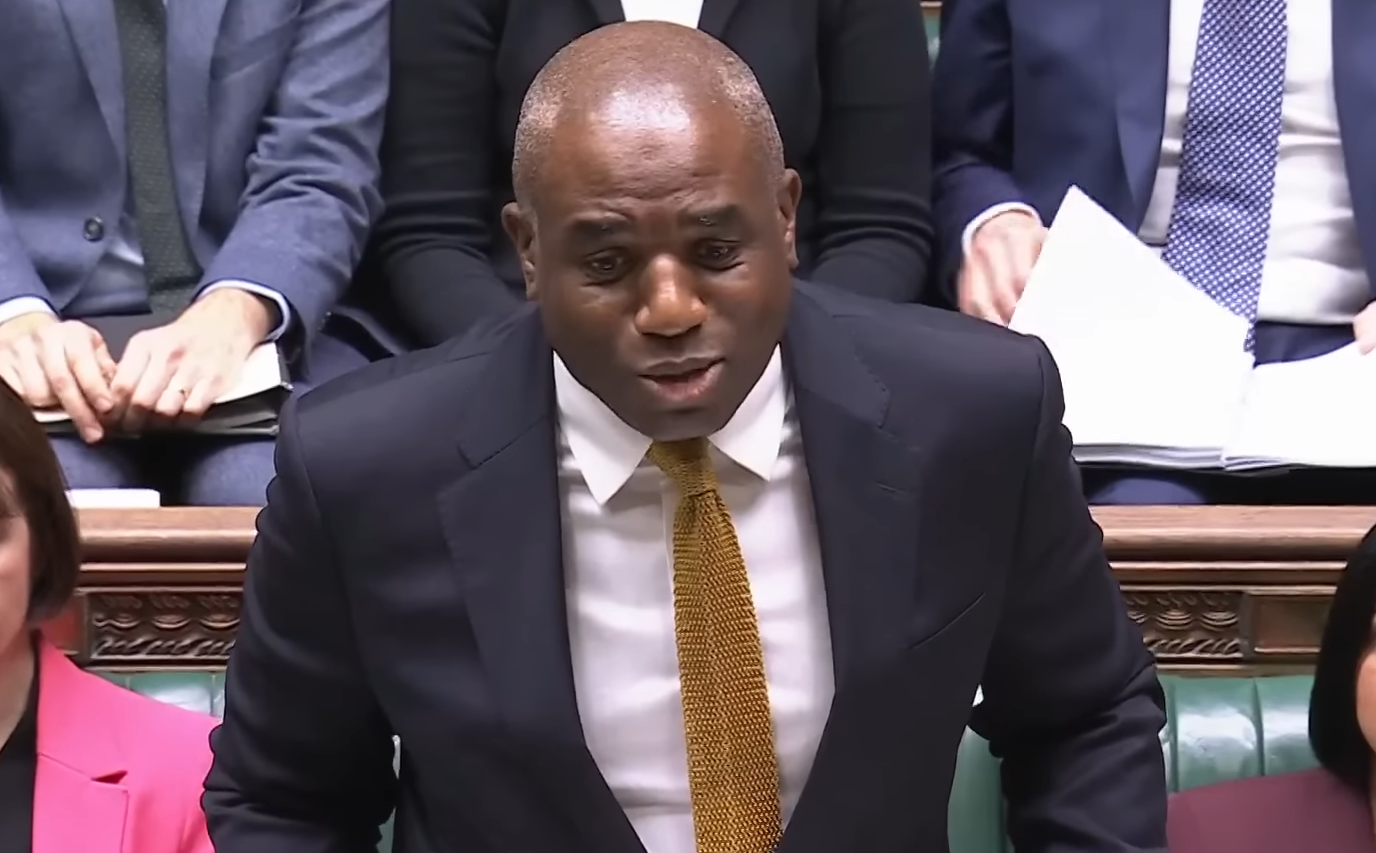
The move, announced by justice secretary David Lammy yesterday (2 December), is aimed at reducing the backlog of cases in courts across England and Wales, and will also apply to ‘exceptionally technical and lengthy’ fraud and financial cases.
The backlog, which currently sits at just under 78,000, is expected to reach 100,000 by 2028. While the measures are less radical than previously expected, with earlier reports suggesting that it would extend to crimes with a likely sentence of up to five years, partners have expressed concerns over their implications.
White & Case London white collar head Neill Blundell warned that the move could mean that ‘the fairness of the process would be prejudiced’, and said other measures could be taken to address the backlog.
‘It’s a slippery slope in one direction,’ he said. ‘Once you go down that route, there’s an erosion of fairness in the process. There are other areas which could be concentrated on first, such as investing in court infrastructure, increasing judges’ sitting days, and improving training for prosecutors on presenting cases. All of these issues have come about as a result of vast underfunding over an extended period of time.’
With regard to technical fraud and financial crime cases, Lammy stated that ‘they place undue pressure on jurors to sit for months – a significant interference with their personal and professional lives.’
However, Mishcon de Reya white collar crime and investigations head Johanna Walsh disagreed with removing juries for such cases, pushing back on the suggestion that they are ‘too complex’ for juries to deal with.
‘In terms of the big Serious Fraud Office cases that I’ve defended, it is clear from the calibre of the notes coming from the jury that they have a good understanding of the issues, no matter how complex,’ she said.’ Lawyers need to be able to – and can – distil those issues so that they are understandable for juries.’
Walsh concurred with Blundell that other options should be considered. ‘Better resourced prosecutors, more judges, better availability of courts, would all help to reduce the backlog,’ she said. ‘Robust case management, particularly of the prosecution in complex financial crime cases, is really important.’
Kingsley Napley white collar and financial crime head Louise Hodges, who chairs the City of London Law Society’s committee on corporate crime and corruption, agreed with the view that juries are capable of dealing with complex cases, adding that they also help to ensure fair treatment for ethnic minority defendants.
‘The empirical evidence demonstrates that juries are representative, effective and capable of handling complexity, and they remain the one stage at which minority ethnic defendants do not face disproportionate outcomes,’ she said. ‘Any restriction on this right must be supported by compelling evidence and we have seen none. Both the causes of the current backlog and the solutions to resolve it lie elsewhere.’
Announcing the plans in Parliament, Lammy said that serious offences such as rape, murder and robbery would still be heard before a jury, but that removing juries from hearing non-serious offences could speed up the process by 20%.
However, Walsh asserted that ‘delay is embedded in the criminal justice system’.
‘The delay is already baked into the system – what is required is better resourcing at all stages from investigation through to trial,’ she said. ‘I can’t see that removing the right to trial by jury will address this.’
The reforms follow a review of the courts conducted by former senior judge Sir Brian Leveson. The first part of his recommendations was released this July, with the second half expected by the end of the year.
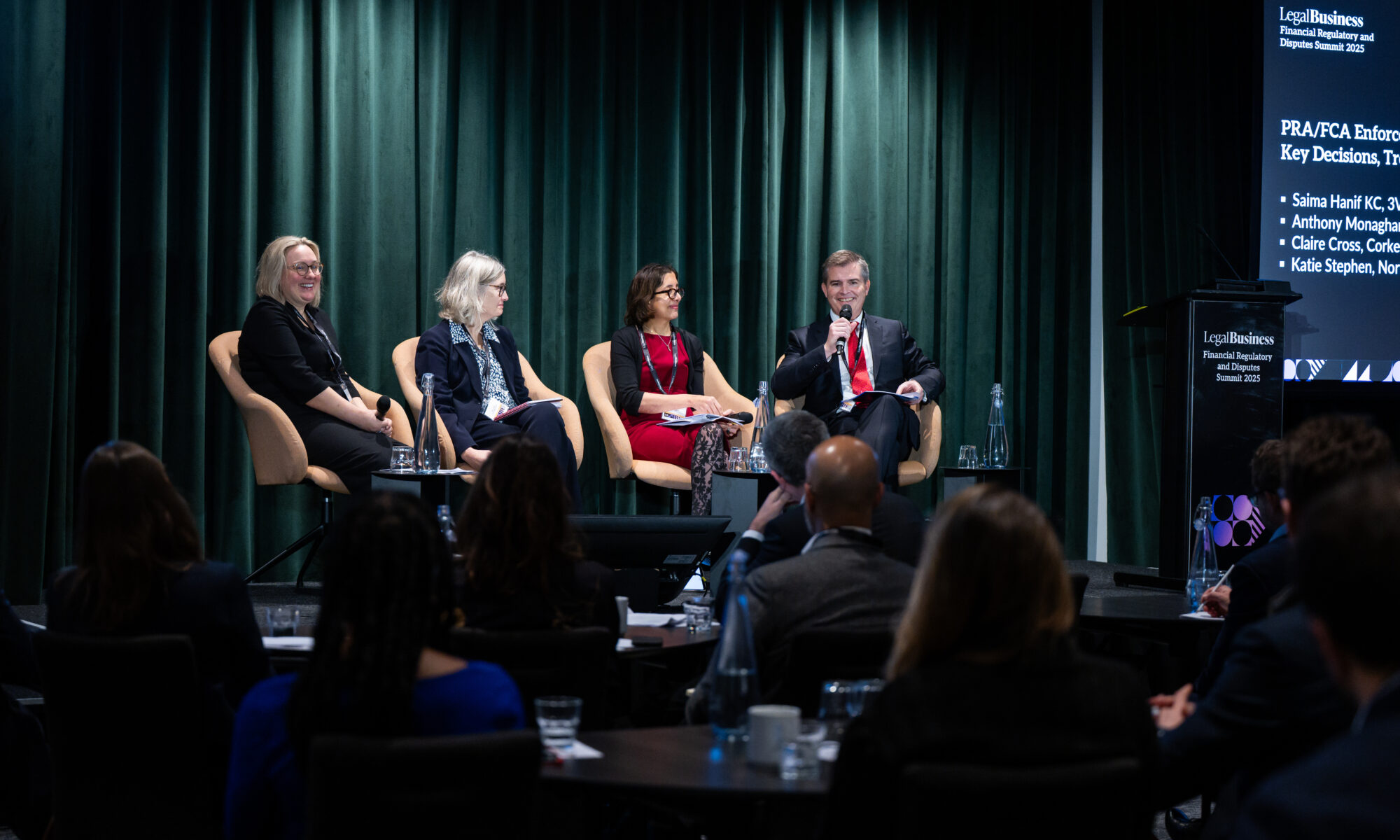
 Commercial litigator Catherine Gibuad KC, of headline sponsor 3VB, opened the morning with an overview of the current state of affairs in enforcement proceedings in the financial services space, outlining some recent significant decisions made by the Supreme Court, particularly those relating to fiduciary duties.












 Earlier this year
 Yen Sum (pictured), the global chair of Latham’s private capital practice, says the expansion of its CLO capabilities is the latest step in a