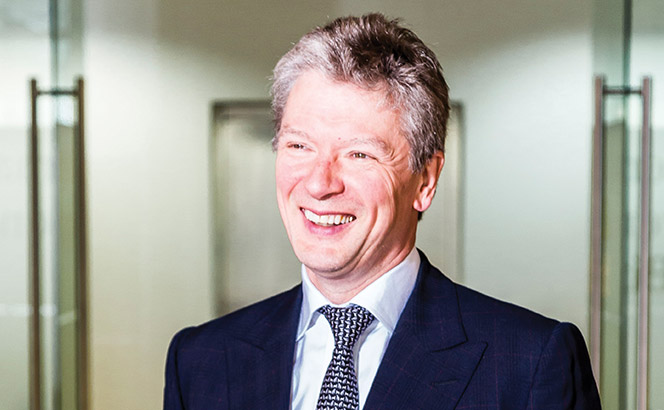
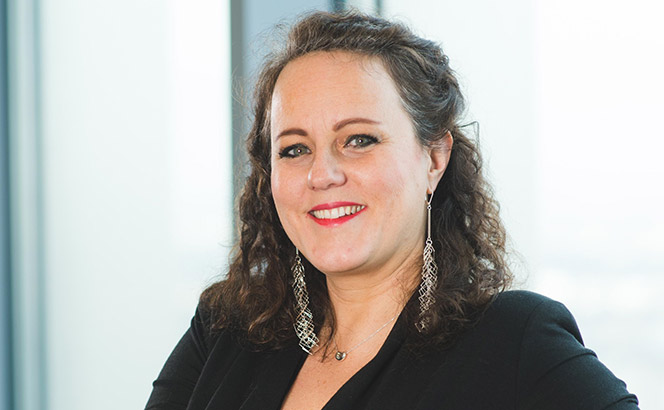
On the Road: Joshua Damm

Photo credit: Gareth Jones Photography, Hong Kong

Before joining the firm, I had already developed some insight on what to expect from a career in Big Law. Previously, my work as a litigation paralegal at an Am Law 100 firm led me to enroll in law school. As a student, I completed externships with the US Department of Justice, while developing an interest in corporate, securities, finance and private international law courses.

The time demand and personal sacrifices required to produce a high-quality work product were well-advertised as I began to evaluate my career path as an attorney. But the advantages of strong training and mentoring opportunities, the ability to work on sophisticated cross-border transactions for international clients, earning potential and advancement opportunities all motivated me to seek out a law firm with a global footprint and an international focus.

As part of the inaugural class of the Transactional Pool in New York, I experienced the value of the firm’s innovative “free-market” system for developing junior associates. This led to a secondment opportunity with the US capital markets group in Hong Kong, and the prospect of returning to the Asia Pacific region, where I had worked briefly as a summer law clerk in the firm’s Beijing and Shanghai offices.

Working on cross-border transactions in Hong Kong presents some new challenges and opportunities. Some initial challenges were very basic, such as learning different customs and market practices, and managing transaction logistics around different time zones and the diverse holidays across Southeast Asia. Other challenges are more complex and ongoing, such as reconciling the different approaches to a legal question across different legal systems. Language, customs and relationships are important facets of my practice here, particularly in negotiating a workable solution that satisfies all parties to a cross-border transaction.

A secondment is an incredibly rewarding experience. It has not only provided substantive work opportunities and extensive client contact early in my career, but also required me to adapt my skillset to a new training model and different office dynamic. I share an office with a US capital markets partner, which has provided invaluable access to a colleague who is successful at the highest level. Throughout any given day, I benefit from observing his approach to client inquiries, while also receiving instant feedback on a matter, or a seasoned perspective on how current events affect the Asian capital markets practice. The firm’s culture and quality are consistent across offices, but the secondment experience has shown me how our reputation is perceived globally and how we deliver our services to clients in various legal markets.

Throughout the journey, my mentors in New York have continued to be great resources, and that has meant a lot to me. Coming to Hong Kong meant leaving their practice in the interim, but they have supported my development and encouraged me to venture outside of my comfort zone.

Check your baggage: Jacklyn Hoffman

Photo credit: Thomas Donley, New York

Growing up, I didn’t plan to become a lawyer. I considered many paths, studying history and astrophysics in college. I briefly explored a political career after high school, working on a campaign and interning in a senator’s office. While it wasn’t the right path for me, I found politics interesting in many of the ways I now find the law interesting – particularly the shaping of laws and how this affects the way we think and live.

When I arrived at law school, I felt like everyone else already knew how the process worked and what was expected. In my second week, I was told that I had “missed the train,” and my odds of becoming a transactional lawyer in a big international firm were minimal. That energized me. If the train was already running, then I was going to run harder to catch up. I took a course on derivatives, led by two inspirational professors, and just followed my passion. Now, I’m glad that I didn’t have all that baggage going in.

On day one at your firm, you don’t know what your clients need, and you don’t understand the larger context. It’s intimidating, and the learning curve can be long and difficult. But as you get some experience and grow more confident in what you’ve learned, you’ll find that you can pick up the phone when a client calls and answer questions without stopping to get help. That’s when you know that your time and effort are paying off.

My biggest accomplishment so far has been expanding a client relationship. I went from handling an occasional assignment to being a key point of contact. We have progressed to daily phone calls, and more work streams are coming from this relationship. I’ve also met more casually with my contacts, away from the office, which has allowed me to learn about their values. As my own knowledge and confidence have grown, so has our relationship as a firm with this client. It’s been very rewarding to be part of that process.

I like setting goals. Outside work, I am training to compete in my first half marathon. If I’m working on something difficult, then I’ll challenge myself to learn it by the end of the month, or I’ll sign up for a demanding race just to push myself. I find my balance by staying very organized: I write down my goals and try to stick to them.

I think it’s a good idea to keep your horizon broad and become a well-rounded person before narrowing down to a career path. My firm supports that, especially with the pool system, which allows me to follow my interests and be authentic. Rather than obsessing about the future, I tell myself: relax, you’ll get there.

Speaking up: Helen Hwang

The law appeals to me because it’s like a language. Much of lawyering involves interpreting the language of the law and speaking up for your clients. As a lifelong stutterer and an immigrant who moved to the States during high school without speaking much English, I understand personally the frustration of not being heard. That is why I have always felt uniquely equipped to be an effective interpreter and a zealous advocate for our clients.

My initial thought was to become a public interest lawyer. Before law school, I worked for the Korean Ministry of Gender Equality as a translator. During the post-bar period, I took up a fellowship to do research on business and human rights for the UN Committee on Economic, Social and Cultural Rights and work with the United Nations High Commissioners for Refugees in Malaysia.

However, during law school I also began to appreciate the value of private sector practice. Big Law provides the best training platform, including exposure to a variety of industries, clients and lawyers specializing in different areas; this is a rite of passage I believe all lawyers should go through. You acquire skills that help you stay flexible and work with anyone, and the long hours help you develop discipline and organizational skills, as well as good stamina. So I took a different direction and joined the firm after graduation.

Photo credit: Thomas Donley, New York

I remain committed to public interest, and I am happy that my firm supports pro bono work. It has helped me stay current on issues I care about – refugees and gender crimes – and I have been working on cases referred by the firm’s partner NGOs, such as the International Refugee Assistance Project (IRAP) and My Sisters’ Place. Pro bono work also gives me litigation experience not otherwise available to a transactional lawyer, and enables me to manage an entire matter directly with a client.

Above all, I love my practice; it’s been very rewarding so far. Last year, I worked on a CRE CLO transaction where we helped the client raise funds in the capital markets. During that six-month period, I took on more responsibilities, worked almost non-stop and developed a deep sense of ownership. Our client is a successful emerging company run by a group of brilliant market veterans. As a first-time issuer, however, the company was also considered an underdog, just like me – in a sense, we learned and grew together. The deal closed successfully; the client raised the needed funds and, more importantly, is now a credible player in the market, working with major US banks. Several months later, the client invited our team to dinner and made a point of thanking me in person, which I really appreciated.

I have recently gotten back into hip hop dance – something I was quite serious about during college. I’m normally a very shy person, so being on stage helped to build my confidence. It is so different from work, which is refreshing and recharging. By Monday morning, I am ready for the new week.

Changing mindsets: Rebecca Isaacs

Photo credit: Thomas Donley, New York

When you interview at various law firms, a lot of buzzwords get thrown around – it’s “collegial,” people are “friendly” and so on. I feel fortunate to be at a firm where it’s genuine; people come by just to say hi, and there’s a willingness to listen and change.

Before I started, junior associates rotated among our primary practice areas, spending six months in each. It wasn’t an ideal system, but it was the norm, and change is rare in Big Law. I was impressed that the firm was willing to try a new approach based on associate feedback. As a member of the first class working in the Transactional Pool, I found that it offered a wider range of opportunities – we have a dedicated assignments coordinator who really gets to know us, and the work is allocated in a mindful way that can be refined as our interests take shape.

Being open to new ideas can lead to both incremental and large-scale improvements. When I first arrived, we used desktop computers, but today everyone has laptops and the flexibility they offer. Small changes like that can have a larger cultural impact. If your senior colleagues can trust you to produce high-quality work on deadline, then you can take work home at night – or go offline to get to that workout class or take care of a personal obligation – as long as you remain generally available and accountable. It’s a sign that your personal life is valued, too.

Mindsets have changed about career expectations and how and where work gets done – even among clients, who are increasingly happy to save costs by having conference calls instead of in-person meetings. For my part, I’ve been focused on putting my head down and doing my best work. Nothing we do for our clients is mundane, and I love the complexity of cross-border deals, but it’s important to keep things in perspective. Once the work is done, I want to go home, hang out with my friends and spend time with family.

Having personal connections at the office is so important, especially in a profession where you work long hours. I’ve found a deeper sense of belonging by getting involved with the firm at an organizational level. Recently, I’ve been helping to plan events and initiatives for our Women’s Diversity Subcommittee with the goal of providing a platform for discussions of issues that include professional and personal growth, the need for female mentorship, diversity in client networking, and overcoming gender bias and creating organizational change.

I’ve also gotten more involved in pro bono work this past year – something the firm really supports and even credits toward our annual hours assessment. Once I began making the time for pro bono, I felt greater personal satisfaction in all the work I was doing.

A little help from my friends: Greg Jehle

Photo credit: Thomas Topinka, Washington DC

I studied Arabic in college and spent time in various Middle Eastern countries, particularly in Syria, where I completed a Fulbright scholarship in Damascus. That was a great experience – the people are amazing, and the place is amazing. But I also saw a repressive society where the rule of law is not respected. I’m under no illusion that, simply through the practice of law, one person can address the structural problems of politics or human rights. But witnessing the complete lack of a stable legal framework, or even a sense of predictability in dealings with the government, got me thinking about what might be done. That’s what inspired me to start thinking about a legal career.

A good academic background prepares you well to think like a lawyer, but, in practice, it’s all on-the-job training and you really hit the ground running. Having a great formal induction was important when I joined the firm, but just as useful was the informal orientation that came from working on my first deal and being immediately involved in the work, even at the most basic level. It’s important to work with people who take the time to explain the context and really help you along the learning curve, which admittedly is very steep at first.

Everybody remembers their first big transaction. Mine was a wind project in Mexico. It was completely new territory for me. The deal involved a complex refinancing of a project that had been delayed for a long time. Of course, we had to get it right, but there was also a lot of pressure to close it – and close it quickly. We dealt with environmental and social issues, and challenges popped up at the last minute. It was tough, but we closed it successfully and everyone was very happy. One person was literally overwhelmed with emotion to finally get there after years of working on the project. When you’re in those last few months of a deal, it seems like it’s never going to end, but everyone has the same goal in mind – and that’s a good feeling.

“Don’t be afraid to ask for help. Your colleagues are your best resources.”

What I’ve learned so far is that it’s essential to seek out people with specialized knowledge and build good relationships with your senior teammates. Don’t be afraid to ask for help. Your colleagues are your best resources, and you need a network that you can go to for advice.

When it comes to a high-pressure deadline or challenge, it’s helpful to pause, take a step back and think it through. When your team needs you to finish something, or you have client deadlines and just have a million things to do, it can be tempting to rush through your work. But take a second and clear your mind. It sounds simple, but in those moments, it can make all the difference.

Follow your instincts: Eva Kurban

Photo credit: Thomas Topinka, Washington DC

I am deeply committed to building a career that is globally focused and intellectually stimulating. This is what led me into the legal profession and to my firm. Its large international reach, in particular, is incredibly appealing to young attorneys like me.

My interest in global issues and law developed early in life. Because of my parents’ work, I grew up in Saudi Arabia and spent a lot of time traveling throughout the Middle East and Europe until age 17, when I moved to Kansas here in the States. In 2012, I started my career in accounting, which I chose as a matter of practicality. That experience was valuable in helping me understand business practices and finance, but I eventually realized that I wanted more of an adventure – so I took my mother’s advice: you’ve always wanted to be a lawyer, listen to your instincts and go do it!

So far, everything I’ve worked on has been really exciting. Yes, you work long hours, but you are dealing with difficult, complex issues, and it’s exciting to figure out the best solution. Our cases often require creative problem solving, and it’s especially great when senior lawyers ask for your views and you can contribute in a meaningful way.

I love talking to people and making friends, which turns out to be useful as a lawyer. Networking allows you to meet interesting people and keeps you up to date on what’s going on in the field. It’s good to connect not just externally, but also within. You spend a lot of time with your colleagues, so it’s natural to be interested in them personally and to care about what’s important to them. People are very accessible here; we have a tight-knit culture.

The firm is focused on integrating technology to create efficiencies for both lawyers and our clients. I can literally plug in my laptop in the Amsterdam office or any other office around the world and just start working. I appreciate that seamlessness, as I think clients do as well. Tech can also significantly reduce the time it takes to complete certain tasks and has adjusted face-time requirements – providing the flexibility to work from home as needed, when circumstances allow.

I think junior lawyers value a sense of opportunity, and I like that there’s some ability to guide your own practice. The first questions I am asked when work is being assigned are: what do you want to work on? and: is there anything you’re particularly interested in? Whether your aspiration is to stay in Big Law for your entire career or to gain experience and transition into another sector, the firm is great about offering diverse exposure to a wide variety of matters and does not require immediate specialization. As a junior lawyer, that’s a nice environment to be in.

The right choice: Tali Lee

Photo credit: Thomas Donley, New York

So far, I’ve lived more than half of my life in the United States and the rest in South Korea. I was born in Seoul and came to the US for the first time as a kindergartener, when my father took a job as an expat working in New York. We stayed for a few years before returning to Korea, and later, I came back to the States on my own to attend boarding school.

Leaving my family, friends and the life I knew back home at quite a young age was one of the biggest challenges I’ve faced. But on the flip side, I was exposed to different cultures, ethnicities, values and backgrounds, which broadened my perspective. I still enjoy traveling and learning about new people and cultures, so those experiences have truly shaped who I am.

After college, I went back to Seoul to be close to my family. I wasn’t settled on the idea of a legal career, but I did take a gap year to study for and take the LSAT. I still wasn’t sure about taking on the commitment of law school, so I decided against it and started working at a marketing and PR firm. The thing was: I had always thought of myself as “curious,” in the sense that a specialized career might not be for me. But when I thought about my mother, who worked in a specialized field while raising a family, I could also see that her choice has never held her back – and I came back to the idea of being a lawyer.

“The law is analytical by nature, and that really appeals to me.”

The law is analytical by nature, and that really appeals to me. I like to be able to see all the steps in a process and make sense of it that way. In law school, I decided to specialize in tax and went on to get my LLM. Tax is a great area for me because it requires you to be rigorous and methodical, but also creative in finding solutions for your clients.

When I started looking at firms, mine stood out because of its vast international reach, with a network of offices all over the world, including Seoul. It was exciting to think about working in the middle of that, and I got an offer to come straight into the tax practice.

Role models have been so important since coming here. My partners are teaching me to think, write and speak like a tax lawyer, and they care about helping junior team members become well-rounded. For my part, if there’s something that I don’t know, or an area that I’m not confident in, I won’t hesitate to go to their offices and ask questions. I think that showing this kind of curiosity demonstrates a genuine interest in the work of your senior colleagues, and that helps you build stronger relationships. I like that we have that openness.

Knocking on doors: Nicholas Loukides

Photo credit: Thomas Donley, New York

My interest in corporate law was sparked midway through law school. In my second year, I took an M&A course taught by a professor who had spent most of her career working as a banker. Her unique legal perspective and obvious passion for deal work opened my mind to an area of law unfamiliar to me. Joining my firm’s Transactional Pool was a great fit, because, while I knew what I was generally interested in, the variety of transactional experiences helped me further discover what I was truly passionate about.

The process really began when I was a summer law clerk. I got to spend three weeks working overseas in our Frankfurt office, which was a great opportunity to learn more about the culture and processes of the firm, and see first-hand how international deals progress. This experience not only helped improve my work product and strengthen my transactional interests as I headed back to New York, but also taught me the value of building and maintaining strong, borderless professional relationships.

I was thrilled with the level of responsibility I was afforded at the start of my career. Early on, I worked directly with partners on sophisticated transactions and was given a high level of client contact. For example, I was fortunate enough to attend numerous client meetings, negotiations and closing dinners – all within my first year. The fact that I was trusted to help represent the firm at the highest levels was exceptionally rewarding and helped quash the doubts or fears that occasionally crossed my mind.

My growing confidence is also fuelled by the guidance of several mentors who push me to excel in everything I do – and that creates a cycle that feeds itself. By producing high-quality work and demonstrating an ability to take critical feedback, you earn the confidence of your seniors and partners. Then, they are more likely to provide a stream of challenging assignments that help you continue to grow your skills. Even more, my mentors provide the comfort to take risks, because I know that someone is there to offer advice and correct any missteps. That level of comfort gives you the freedom to ask questions, raise concerns or even challenge ideas.

Finding a mentor who fits your personality and work style may seem difficult, but it really comes down to being proactive, being assertive and casting a wide net. Engaging in the material, asking questions and taking every opportunity to discuss the broader transaction will show your willingness to learn and grow. And working with colleagues this way can lead to friendships as well as compelling mentorships, both of which are necessary to excel in a demanding work setting. Simply knocking on doors and doing the little things can go a long way in shaping your career.

Balance: Elie Margulies

Photo credit: Thomas Donley, New York

I was inspired to become a lawyer by my father, an attorney who instilled in me the value of mutual respect. This has taken many forms in my career so far – it ties in with the desire to work in an environment that encourages growth and the exchange of ideas.

My own work style is to learn by doing and not be afraid to ask questions. Working in a very busy practice means that I have a lot of opportunities to test my knowledge, and that really works well for me.

Asking questions has played a large role in my growth as an attorney, but I’ve learned that the way I ask questions is even more important to gaining an understanding of the issues. I try to show that I’ve already done some critical thinking by coming prepared with possible answers: “I’ve come across this issue, and I think we can do X, Y and Z – what are your thoughts?” Everyone appreciates that, and it’s a valuable learning experience for me.

Organization is critical. We work on complex deals with many facets and a lot of moving parts. I’m not disorganized by nature, but when first starting out, I wasn’t sure about simple things, even just how to manage my paper and email files. But over time I picked up tips from other associates and figured out what works best for me.

“My own work style is to learn by doing and not be afraid to ask questions.”

Being organized also helps in balancing work and family time. Sacrifice is part of the game in Big Law, and I was fully aware of what to expect in terms of long hours when I started out. To balance that, if something comes up at work during the weekend, I’ll try to handle it, if possible, when my kids are asleep or involved in an activity. I’ve also reprioritized certain of my own activities, at least temporarily, for the sake of getting face time with my wife and kids. It’s never easy, but we make sure that at some point during every weekend we have family time – just us.

Mentors are very important – having someone to lean on for substantive and career advice, or just to talk to about life. But it also comes down to respect. I think anyone can imagine what it feels like to be a first year working with a partner on a deal and having to admit what you don’t know – even though everyone is expecting that.

I’ve come to a great stage in my career, still a junior but with enough experience to also be a mentor. Apart from the reward of helping others, it builds my confidence to explain things, because I also realize just how much or how little I know. Now, associates who are more junior feel comfortable coming to me, and I welcome that. n

Giving Back: Shane Meckler

Photo credit: Ananda Campello, São Paulo

Before law school, I lived in Mozambique for two years, working as a volunteer with the Peace Corps. Living abroad and being immersed in another culture – and, more importantly, learning from the people in my community – broadened my perspective. And I became proficient in Portuguese along the way. I also saw how business practices can vary widely from place to place. In Mozambique, for example, business dealings are primarily based on personal relationships – much more so, in that respect, than in the US. By the time I returned to the States, I knew that I wanted a career that was internationally focused.

When I think back on what drew me to my firm, several factors now stand out. Culture was important. I wanted to work at a place where people are open and willing to answer questions, and where there is a strong focus on social awareness and community. And I wanted to be part of a global organization that is truly interconnected, which is different from simply having offices all over the world.

In the beginning, we all take on work assignments with limited knowledge, whether about legal issues or more generally about the client’s business and history with your firm. But as you build professional relationships and ask the right questions, you progress to the point where you fully understand what you’re doing and can start expanding on that. Last year, when our São Paulo office needed help, it was a natural fit to go there on secondment. I already spoke Portuguese and, because we have a large footprint in Latin America, I have gotten a lot of exposure working on transactions in different countries in the region.

Social causes remain a priority in my life. Pro bono work has been extremely rewarding and is something I strongly believe every lawyer should do. That’s especially true for juniors because it enables you to polish your skills and work directly with clients. Outside of the office, I have continued to focus on helping people in Mozambique. During law school, with the help of my basic legal training, I started a 501(c)(3) non-profit called Friends of Mozambique. The organization raises funds to support small, but impactful and sustainable projects in Mozambique, such as teaching girls to write code, promoting food security for poor and vulnerable women living with HIV, and developing training for revenue-generating culinary classes.

Throughout law school, I was also involved with the International Refugee Assistance Project (IRAP), an organization that provides legal advocacy for refugees and displaced people, and after joining the firm, I asked about partnering with IRAP for pro bono work. When IRAP came to our office to give its initial presentation, I was thrilled to see dozens of motivated attorneys and staff in attendance. The benefits were clear – for the firm, the organization and, most importantly, the people who have since become our clients. But for me as a junior lawyer, it was amazing to approach our partners about something personally important to me and come away feeling supported.

Making an impact: Simisola Obatusin

Photo credit: Thomas Donley, New York

The experience of living in Nigeria and going to school in the States shaped my interest in international law. I thought practicing law could be a profound way to change the society you live in. It is the foundation of society. That’s why there’s often an aspirational aspect to the work of lawyers – they want to use the law to make people’s lives better.

My background is in international relations and international development. I also spent some time working for a human rights NGO, and saw how you could use the law to advocate for people whose interests are in some way sidelined. I became a corporate lawyer because I wanted to develop my understanding of the corporate legal landscape. I want to be involved in creating laws and regulations that can promote a society’s economic development. This practice gives you a very strong grasp of how the international global economy works, how capital moves and how business leaders make important decisions.

Prior to joining Clifford Chance, I did not expect that certain aspects of my work would be as interesting as I have found them to be. Almost anything can interest me, so long as it’s plugged into the international economy.

What I personally value is when people invest in me as a junior lawyer. We have a senior associate on one of my teams who I really like working with; not only is he smart and eloquent, but he gives me very good feedback. When he sends comments about my work, he says, “If you want to know why I made these edits, feel free to come by my office,” and he always takes the time to check in about what I’m doing.

The desire for work-life balance is strong in my generation of lawyers. Being able to explore personal interests makes us better lawyers and generally more interesting to work with. It’s stressful sometimes, and you can be consumed by the long hours, but you don’t want to burn out. I try to get to the office super early on busy days, as it’s when I am most productive. I find that getting a jump on my work makes more time in the evening for the other things I want to do.

I’m involved with the firm’s Black and Latino Subcommittee, and it’s been fun working with the other associates in a different context, such as planning our celebration of Black History Month. I also enjoy doing pro bono work because of the skillset, people and organizations it exposes me to. Getting involved can make a big law firm feel smaller. It also means you are making a different kind of investment in your firm.

Connect the dots: Hyunhee (Rachel) Park

Photo credit: Thomas Donley, New York

Working in a marketing role for a multinational company before law school was a great decision. I spent five years at Samsung Electronics in South Korea and came away with a real head start in transitioning to the law. I got to see how a company is run from the inside, and I learned what it means to provide service. And because of the nature of Samsung’s business, I was exposed to strategic sectors, such as tech and consumer, which law firms are targeting in their own businesses.

Although marketing and law do not seemingly overlap, I brought many lessons from my previous experience when I entered the legal industry. In becoming part of another global organization, I also found many similarities between the two roles. One aspect of my firm that really appealed to me was the regular collaboration with our offices in other parts of the world. And I came here with a good understanding of how building positive relationships with colleagues can maximize efficiency and provide the best possible work product for our clients.

What I’ve come to understand is that any business is a people business. As a junior lawyer, you constantly need help from others in order to get things done. And it’s important not to lose sight of the fact that you’re never just turning in an assignment; you are playing a role by contributing to part of something bigger.

I am always reminding myself to keep a positive attitude and never do a sloppy job. When you’re putting a product out there for somebody else to use, whether it’s a smartphone or a purchase and sale agreement, it’s not just about the quality of the product, but how you handle the entire process of your business dealings. As a junior attorney, there’s a level of pressure that comes with facing the responses to your work from clients as well as senior colleagues. Everything you do – no matter how big or small the task – is going to leave an impression. And where clients are involved, that impression won’t just be of yourself, but your entire organization.

I have learned the importance of connecting the dots – that everyone you encounter is a potential mentor, friend and client, and every experience and relationship you build with another colleague is an opportunity to grow. Viewing all of that as something connected can help you focus on the best parts of any job, because whether it’s skills or relationships, you’ll always gain something valuable, and each point will guide you to the next.

Advocate: Christina Profestas

Photo credit: Thomas Donley, New York

I always wanted to be an attorney, but thought it was important to consider other options before deciding on a path that I would follow for a very long time. I sought out a variety of experiences, including internships in communications and hospitality, and even working at a talent agency. Finally, I interned for a judge and was just inspired. That’s when I was sure that I wanted to practice law.

I studied English literature in college and have always loved reading, writing, research and analysis, as well as oral advocacy. I wanted to use those practical skills in my work, and so decided to become a litigator.

Our clients come from a diverse range of industries, and they all do business differently. I learn something new with every case, often things I never imagined. It’s interesting and very rewarding. Along the way, I’ve come to appreciate the importance of developing a professional network, which is strongly reinforced at my firm and something that junior lawyers are being more proactive about these days.

I see the value of mentorship. It has always been important to work hard and do your best, but now there is also a direct emphasis on seeking out mentors and learning how to get help, especially when there’s a case or project that you want to work on. Then it’s about being an advocate for yourself.

As a first year, I worked with people who were very generous with their time. I always felt comfortable dropping by their offices with a question, and they took time to give me thoughtful answers. On one occasion, a senior associate and I were working on a large project. We sat and had lunch, and even though she was so busy, she still took the time to ask: “How are you? Are you enjoying the work? Is there anything else you’d like to be doing?”

This made a huge impression on me. It showed that she cared, not just about the work, but about my professional development – and not just in the context of a single case, but more broadly and long term. As a second year, I’m making a concerted effort to be there in the same way for our first years.

I think of the law as an institutionalized field in some ways, especially when you look at long-held aspects such as the standardized law school curriculum and bar process. In other ways, it is very dynamic. Law firms must evolve with the times. I love being part of a new generation in a well-established profession.

At this stage, it’s all about small victories – doing well on an assignment, being reliable and feeling useful.

The team: Thomas Rossidis

Photo credit: Thomas Donley, New York

Becoming a lawyer wasn’t a simple decision for me. In college, I started as an arts and sciences major but found it was too broad and didn’t give me a clear sense of direction. I switched into an industrial and labor relations program, which was described to me as a people-focused major that taught students about workplace issues, including the dispute resolution process – a natural precursor to entering the law. I interviewed for a paralegal opportunity before law school, thinking it would be useful to get law firm experience and perspective. This is advice I would give to any undergraduate considering a career in law.

As a freshman, I was fortunate to meet an alumnus who has been an influential mentor ever since. He was my sounding board as I considered internship options after my sophomore year – helping to sharpen my focus and playing an instrumental role in landing my first legal position. This relationship changed my life, and I aspire to being able to give back to another in the same capacity someday.

Almost every big law firm does transactional work, but they do it with different models and approaches. I’ve played on sports teams my whole life, so when I was looking at firms, I wanted that same kind of collegial atmosphere. I got the sense here that I would be joining a team – a firm with a familiar culture that I could learn and grow in.

Since joining, that culture has been demonstrated in more ways than one. From a professional standpoint, senior associates and partners take a creative approach to coaching junior lawyers. They give detailed and transparent deal-specific feedback on our work product, as well as providing a deeper understanding of larger issues and market practices. Our practice groups offer monthly lunch meetings where junior associates can ask questions and engage in lively discussion. More importantly, we learn about the business side of transactions, which provides deeper insights into our clients’ perspectives and decisions. My view is “the earlier the better” in helping junior associates reach the point where we are contributing greater value; it increases satisfaction and is good for our business.

On a personal note, the firm encourages community service as a high priority. I served on the board of a charity that supports first responders and was grateful for the firm’s understanding about the time commitment. Over the years, I’ve also supported a non-profit called Ice Hockey in Harlem. It holds an annual tournament for large firms across North America to face off on the ice rink and raise funds for a charity that supports hundreds of inner-city students with free hockey programs. It was amazing to see my colleagues at all levels join me in forming our inaugural ice hockey team, which is very cool – no pun intended!

Go big: Kate Timmerman

Photo credit: Thomas Donley, New York

I come from a rural town in Queensland, Australia. I grew up on a farm and originally wanted to focus on agricultural law. But as I followed my leads, I found myself working as a general corporate lawyer in Brisbane. The size of the Brisbane legal market is relatively small, which makes it a lot tougher to specialize in any one discipline, especially early in your career. Five years later, through a connection from my former firm, a colleague who had moved to Clifford Chance some years earlier made an introduction that led to an offer, and I took the opportunity to join her team in New York.

When I joined the private funds group here, I had a number of transferrable skills – and plenty more to learn. It’s been challenging, but we have a strong support network, and the team’s willingness to help me get up to speed has made it an enjoyable process.

Throughout my studies and legal career, I’ve embraced opportunities to further my skills, which have often required relocation and adjustment. Those transitions always involved more than just learning a new practice area with a new firm. It’s also about the small things, like finding somewhere to live, establishing a support network, adjusting to life in a new country and a new city. I was lucky to have joined an international firm with colleagues who have not only been there and done that, but are happy to make sure everything goes as smoothly as possible for me.

I’ve been struck by the amount of flexibility we’re given – something the current generation of lawyers will only further develop. A lot of this is driven by the use of technology and making day-to-day tasks as automated as possible. On the one hand, it allows us to work remotely and enter into arrangements that can ensure there’s a balance between our personal and professional commitments – but I think the real value here is that it allows lawyers to continually up-skill and focus on activities that are going to enable them to provide meaningful and tailored advice to our clients.

Starting out in Australia, I was so very focused on a rigid set of goals: joining the best law firm, becoming a senior associate, progressing to partner. But once I started working toward those goals, I realized they only represented my perception of what success looked like, not what I really wanted to achieve. In reality, having the flexibility to learn new skills and using them to develop my career was more important. And I didn’t have to lose sight of my goals, just figure out the best way to approach them.

The Shoulders of Giants: Brian Yin

Photo credit: Thomas Donley, New York

Growing up, I had no idea I would end up being a lawyer. In high school, I was focused on math and science. I didn’t know any lawyers and never thought about the law as a career path.

In college, I took some public policy classes and became interested in education. After graduation, I worked as a teacher and later joined an organization focused on education policy. It was only then that I began to see how much power there is in understanding the law. My colleagues often talked about how they wished they had legal training or that there was a lawyer around for them to consult. I went to law school so I could become that resource. Instead, I ended up falling in love with the law.

Work-life balance is not about finding time for work and time for “life.” Being a lawyer is a core part of my identity. It is hard work and can involve long hours and lots of stress, but it is also very fulfilling. I wouldn’t be doing it if I didn’t enjoy it. At the same time, it is important to me to be a man of faith and to spend time with the people I love. These things make me a better lawyer. I don’t see these aspects of my life as separate; for me, work-life balance is about integrating them.

I recall a project I worked on around Easter that had very tight deadlines – early mornings and all-nighters. It was important to me to celebrate the holiday at church, and my teammates encouraged me to do so. I worked until I had to leave for church and then came back to the office afterwards. I was touched that my colleagues understood what this meant to me, and it motivated me to work even harder.

Our people are really what makes working here special. Everyone I have worked with has genuinely focused on teaching and mentorship. Whenever a partner or senior associate gives me an assignment, they take the time to explain how it fits into the bigger picture. As junior lawyers, we want to have an impact – to know that the work we do is important. This culture gives us confidence that we are part of the firm’s mission and overall strategy. It inspires me to be a better lawyer, to be a fierce and effective advocate for our clients.

One of the most important concepts in the law is building on precedent – we stand on the shoulders of giants. I am where I am now because of the people who came before me. My goal is to be a giant for those who come after.

Afterword: Evan Cohen

Photo credit: Thomas Donley, New York

Our first collaboration with our friends at GC magazine and The Legal 500 – Advice To My Younger Self – profiled 20 highly regarded women lawyers who shared tips for success with those about to begin their own journeys. What’s exciting about Their Voices is that it flips that narrative. This time, it’s our rising lawyers helping legal industry veterans – partners, general counsel, law school professors and others – gain new insights in a world that increasingly requires fresh perspectives.

In conceptualizing this project, we started with the premise that today’s lawyers are incredibly agile – not only in their ability to work effectively from almost anywhere, but also in their openness to new ways of thinking and problem solving. From the time they were old enough to lift a mobile phone, they’ve been tied together by technology and global networks, which makes tuning out and turning off increasingly difficult. And yet, most of them manage to achieve an enviable level of balance in their lives.

Perhaps the reason this new generation of lawyers is so adept at navigating change is that rapid transformation is all they’ve ever known. Those of us further along in our careers have had to dispatch some long-held beliefs and modify our approaches to embrace a new normal. It’s not always a comfortable proposition, but we are finding our way – sometimes with help from the very people we lead.

“Today’s lawyers are incredibly agile – not only in their ability to work effectively from almost anywhere, but also in their openness to new ways of thinking.”

It’s hard to believe that 2019 marks the beginning of my fourth decade as a lawyer and my twentieth year as a partner at Clifford Chance. I’ve seen a lot and learned a lot, including the importance of eschewing labels. Each generation receives its own moniker – Baby Boomer, Gen X and the like. But if this book tells us anything, it’s that lawyers of every generation have many more traits in common than differences that separate them.

I couldn’t be prouder to call the lawyers in this book my colleagues. They are bright, motivated, hard-working, client-focused and civic-minded – just like the generations that preceded them. Best of all for me as a managing partner, they are part of a much larger group of associates who have their own equally impressive stories to tell.

The profiles in Their Voices: Insights from Today’s Rising Lawyers inspire me to remain flexible and welcome what’s next. I hope this book helps you to do the same.

Evan Cohen, Americas regional managing partner, Clifford Chance

SRA attempts to prosecute A&O lawyer over controversial Weinstein gagging deal

Zelda Perkins

An Allen & Overy (A&O) solicitor has been recommended for prosecution by the Solicitors Regulation Authority (SRA) over a controversial non-disclosure agreement (NDA) drafted for film producer Harvey Weinstein.

SRA chief executive Paul Philip confirmed today (3 April) that it aims to prosecute an unnamed lawyer from the firm, and is awaiting confirmation from the Solicitors Disciplinary Tribunal (SDT) as to whether the prosecution will proceed. Such considerations from the SDT tend to not take longer than six months. Continue reading “SRA attempts to prosecute A&O lawyer over controversial Weinstein gagging deal”

Revolving Doors: Akin Gump does the double, Kirkland boosts funds and Sidley recruits crime veteran as US firms power lateral market

City of London

Akin Gump Strauss Hauer & Feld led the way in the City lateral market last week after hiring two funds partners from O’Melveny & Myers’ City arm, while Kirkland & Ellis and Sidley Austin also made senior hires.

Daniel Quinn and Aleksander Bakic start their new roles at Akin Gump today (1 April), after the duo decamped from Allen & Overy’s prospective merger partner O’Melveny. Both focus on private equity transactions, and will work in the firm’s investment management practice and transactional platform in London. The Texas-bred Akin Gump, meanwhile, also announced the hire of Allen Shyu in Beijing, who joins from Stephenson Harwood. Continue reading “Revolving Doors: Akin Gump does the double, Kirkland boosts funds and Sidley recruits crime veteran as US firms power lateral market”