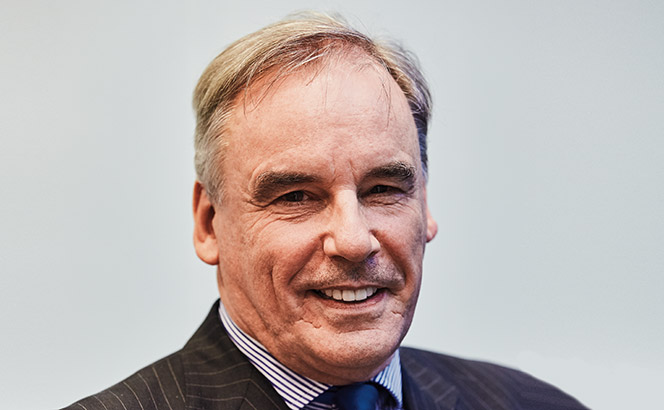
Life during law: Ian Bagshaw

Ian Bagshaw

I’m less Marmite than I was. Never been deferential. Having a Mancunian directness, I was brought up by people who called a spade a spade. Helps me with clients massively. Sometimes it’s not what other lawyers want. I could be more political and in the past, I’ve tried. You can only be yourself.

I was the first person in my family to go to university. I didn’t grow up dreaming of being a solicitor. I still think football coaching was my true calling. Continue reading “Life during law: Ian Bagshaw”

Start-ups in India – Reaping what you sow

Start-up culture

2018 was a good year for Indian entrepreneurs. The world’s third-largest start-up ecosystem saw its base expand by 12-15% and investor funding grow by 108% year-on-year, as well as a rise in late-stage funding, according to a 2018 report by industry association NASSCOM and consultants Zinnov. This boom was last year enough to hand unicorn status – valuations on young tech companies of more than $1bn – to more than eight Indian companies.

But just a few years ago, things were not quite so rosy. Despite the success of e-commerce wunderkind Flipkart (sold last year to Walmart for $16bn) and its ilk, investment plummeted from $1.42bn to $583m between Q1 and Q2 2016 (according to CB Insights, October 2016) and businesses started to go under. Continue reading “Start-ups in India – Reaping what you sow”

The in-house debate: Run the risk

Manu Chopra

Is the job of the legal function to be the ringmaster and cheerleader, managing risk and compliance effectively within an organisation? Should it have to win over the hearts and minds of the board just as much as those on the front line? These were the main discussion points of a recent panel debate between nearly 20 in-house lawyers and private practice risk management specialists gathered at Mayer Brown’s London offices this summer.

***

David Harrison, Mayer Brown: A common challenge across practice areas is how to move away from historical perceptions of compliance and risk – that this is for the lawyers and could get in the way of the business, with the result that it’s underfunded. It often takes a crisis, typically an investigation or a major breach, for significant resources to be deployed. Continue reading “The in-house debate: Run the risk”

Project India – Meet the GCs charged with building on a vast scale

infra planning process

As the world’s second most populous country, India accounts for 17.5% of the world’s population. And it is rapidly catching up with the number one, China. On an annual basis, India’s population growth rate of 1.2% is more than double that of its Asian neighbour.

But while population growth is largely seen as a means of economic development, it comes with costs. The burden on cities and infrastructure of a rapidly-growing population must be addressed if the country is to reach its full potential. The need is such that the infrastructure question was a cornerstone of this year’s election. The Bharatiya Janata Party, led by returning Prime Minister Narendra Modi, pledged $1.44trn towards infrastructure – a stark contrast to its main opponent, the Congress Party, which instead focused on alleviating poverty and job creation. Continue reading “Project India – Meet the GCs charged with building on a vast scale”

Deal View: Five years on – How Akin Gump’s Bingham acquisition turned bust to boom in the City

James Roome

‘Our team was nearly twice the size of Akin Gump’s London team. There was potential for vulnerability on both sides. They didn’t want their entire lives disrupted by a very large cuckoo in the nest.’ Five years on, restructuring partner James Roome reflects on the potential pitfalls of Akin Gump Strauss Hauer & Feld’s 28-partner acquisition of the City arm of his former shop, Boston’s ill-fated Bingham McCutchen.

In contrast to more ostentatious US counterparts, the Texas-bred Akin Gump has since flown under the radar to turn Bingham’s bust into its boom, thanks largely to the trophy restructuring team fronted by Roome. City growth has culminated in a blistering 2018 run as revenue spiked 28% to $123.5m, catapulting it into Legal Business’ Global London top ten firms by revenue. Continue reading “Deal View: Five years on – How Akin Gump’s Bingham acquisition turned bust to boom in the City”

Big pharma, small partners: the key transactional trends in life sciences

panel

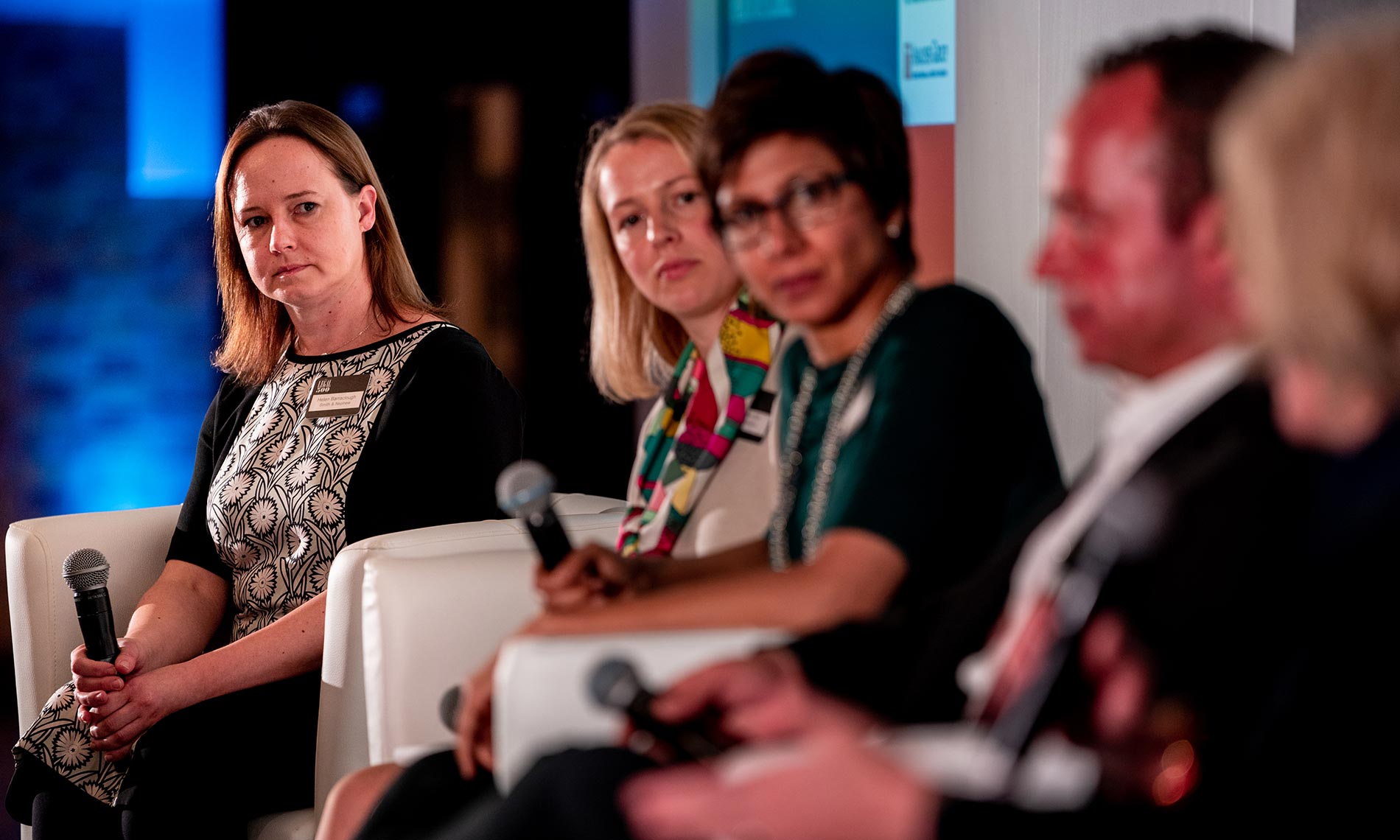
Given that mega mergers coming out of the pharmaceutical and life sciences sector have dominated the corporate agenda for decades, it was fitting that an afternoon session of our inaugural Corporate and M&A Summit focused on transactional trends in this area. Chaired by Laura Anderson, co-chair of Bristows life sciences group, it gathered a collection of in-house experts from big pharma.

Responding to a question posed by Anderson as to whether the spate of significant deals in the sector will continue, Dr Sahar Shepperd, senior legal counsel at Johnson & Johnson, pointed to his company’s recent $30bn acquisition of Actelion as a sign the pipeline for M&A deals in the sector is healthy, along with the recent acquisition of Shire by Takeda. ‘That deal was about accessing Shire’s rare disease portfolio. If you bring in an entire portfolio of assets into the pipeline, you have obviously done the maths and are mindful of the fact that that will generate revenue for the next ten years or so.’ Continue reading “Big pharma, small partners: the key transactional trends in life sciences”

Auctions – how to play the game

panel

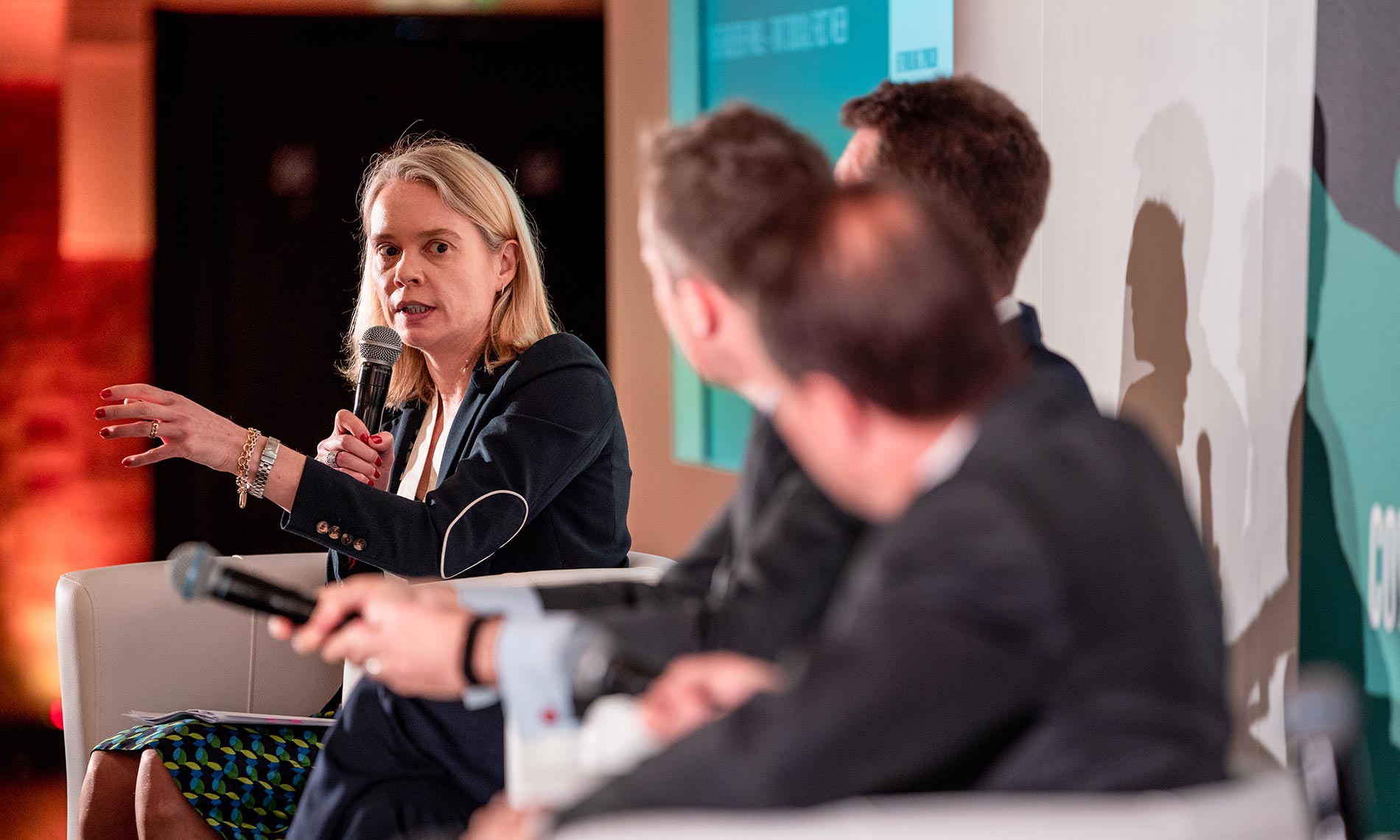
The final session before lunch in our Corporate and M&A Summit looked at the mechanics of auctions and how best to handle the competitive bid process from both the buyer’s and seller’s perspective. The session, moderated by co-chair of Greenberg Traurig’s global corporate practice, Fiona Adams, brought together panellists experienced in the auction process. Joining Adams was colleague Paul Maher, veteran corporate lawyer and vice chair of Greenberg, along with Jessie Gill, head of legal at Stemcor; Chris Hunt, group head of M&A for Rentokil Initial; and Nick Johnston, partner at Perella Weinberg.

Adams kicked off the core of the session by asking the panellists how sellers can successfully handle an auction process, to which Gill stressed the importance of an even-handed approach. Auctions are long processes and there is a need to foster a spirit of compromise: ‘Use up your currency when it matters and do not be a nightmare counterparty.’ Continue reading “Auctions – how to play the game”

The Takeover Panel – that crucial first week

It was fitting that one of the first morning sessions of our inaugural Corporate and M&A Summit dealt with arguably the trickiest period of any public M&A deal – the first week, and specifically critical initial dealings with the Takeover Panel.

Introducing the topic, moderator Simon Wood from Addleshaw Goddard – who spent two years on secondment with the Takeover Panel – said: ‘A bit like with Charles and Diana’s wedding, it sometimes feels in an M&A transaction that there are three parties, and that third party is the Panel.’ However, he stressed it is not a regulator to fear but a well-respected organisation that encourages consultation and is relatively easy to deal with. Continue reading “The Takeover Panel – that crucial first week”

Tougher competition – the growing impact of antitrust marquee deals

Claudio Calcagno

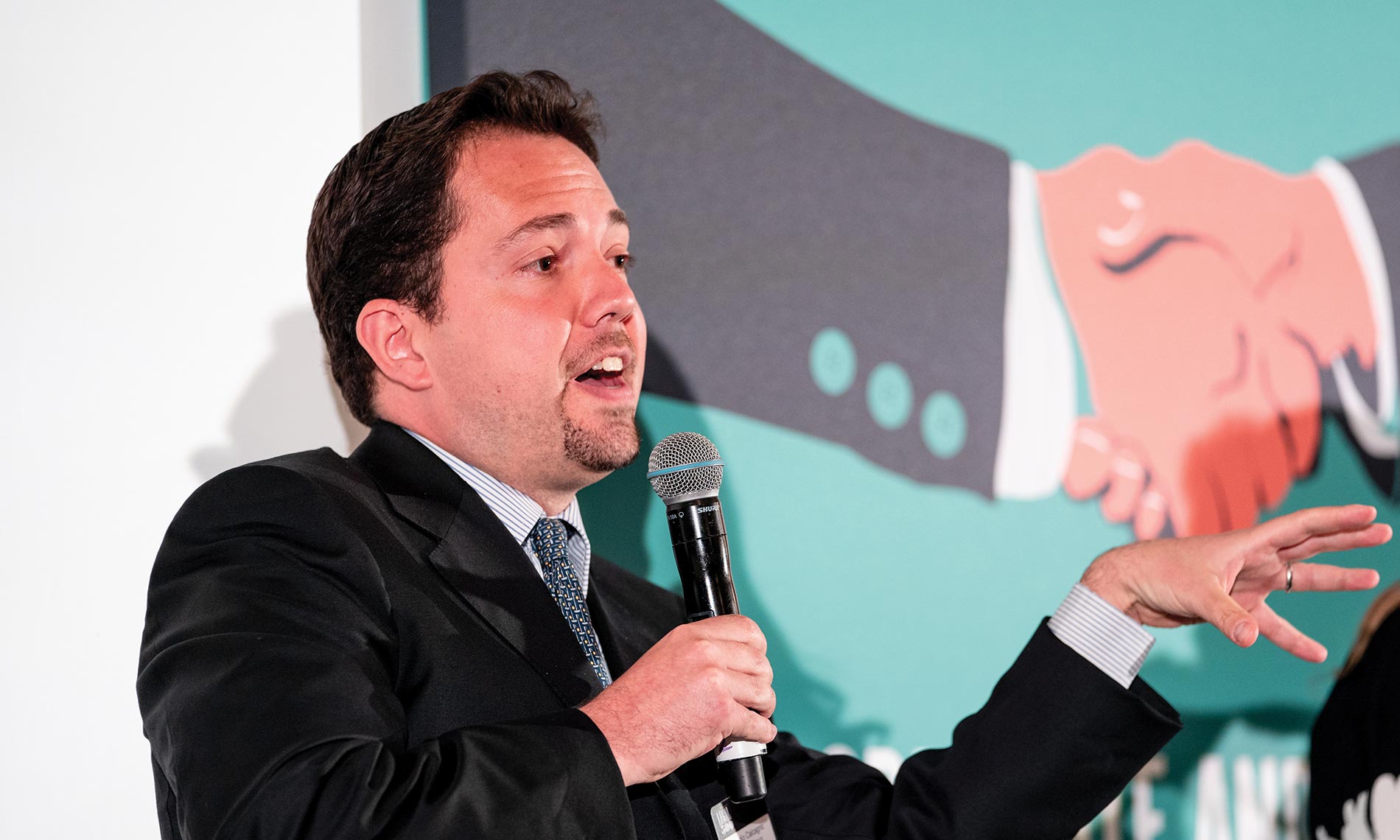
A key morning session of our 2019 Corporate and M&A Summit saw Linklaters London competition head Nicole Kar chair a lively debate on competition law and policy and its effect on M&A. The panel of three featured economist Dr Claudio Calcagno, a vice president at Analysis Group and an expert in the competition arena, and John Gray, partner at Finsbury and head of its competition practice, who focuses on public affairs aspects of merger control cases, both in the UK and the EU.

Kar introduced the topic: ‘If you ask many general counsel what keeps them awake at night on a big deal, they will say: “Whether we are going to get clearance and at what price.”’ Set against this, she observed that competition policy is undergoing an existential crisis. A number of pressure points are causing this, namely a narrative among competition agencies and policymakers that there has been under-enforcement, particularly in the digital sector, and that competition policy should take account of wider social objectives alongside a defining philosophy that big is bad; and the general sense that major corporates wield too much power. Continue reading “Tougher competition – the growing impact of antitrust marquee deals”

Nice problems to have – Where now for Stephenson Harwood as veteran chief hands over?

Sharon White

With longstanding chief executive Sharon White bowing out, Stephenson Harwood can look back on a strong ten years. Thomas Alan assesses its record and prospects

‘My understanding is the Stephenson Harwood of 2002 needed a new strategy because it was doing very badly,’ reflects corporate head Andrew Edge, looking back on the City thoroughbred’s much-publicised problems. ‘It was losing people and the finances were extremely precarious.’ Continue reading “Nice problems to have – Where now for Stephenson Harwood as veteran chief hands over?”

Letter from… Amsterdam: Dutch lawyers find a deft balance amid testing times in cross-border trade

Amsterdam - ABN AMRO

The secret to making your country attractive to foreign investors at a time when populism is reshaping global politics and protectionism is on the march? A stable and business-friendly government, an open society, a well-trained and internationally-minded workforce, and reliable infrastructure are not bad places to start.

And, luckily for Amsterdam’s legal elite, the Netherlands has them all. ‘In these uncertain times, the country has been able to show some stability and that’s appealing,’ says Allen & Overy (A&O)’s local senior partner Brechje van der Velden. ‘Its attractiveness was and still is its reliability – multinationals having security for the future,’ notes Baker McKenzie’s Kim Tan. ‘We know what’s going to happen. The government is co-operative and transparent.’ Continue reading “Letter from… Amsterdam: Dutch lawyers find a deft balance amid testing times in cross-border trade”

The price of everything – Law firm metrics cannot measure broader values that will define their future

Richard Foley

Pinsents senior partner Richard Foley argues the industry needs new benchmarks for success

As Legal Business publishes its LB100, it seems apt to step back and ask ourselves whether the industry is focusing on the right things as it seeks to measure success. It should be uncontroversial to say that if law firms are to work better – for themselves, the wider business community and society – they must be diverse and inclusive of all talents. Measuring that type of success is every bit as important as whether a firm moves up or down a place or two in the financial league table. So, perhaps one measure we should look to in the next year’s LB100 is the progress firms are making in tackling issues of inclusion and diversity? Continue reading “The price of everything – Law firm metrics cannot measure broader values that will define their future”

Ireland: Follow the money

Dublin

Since it exited from an emergency bailout from the European Commission, the European Central Bank and the International Monetary Fund, and began its rapid recovery, Ireland has enjoyed star-performer status in Europe. Ireland’s GDP grew by 6.7% in 2018, making it the region’s fastest-growing economy for the fifth consecutive year. Simultaneously, according to the EY Attractiveness Survey Europe, foreign direct investment (FDI) in Ireland has been reborn, leaping a remarkable 52% compared to 2017 while the EU suffered an overall decline.

Of the 265 new investment projects announced in Ireland last year, 134 featured first-time investors – the highest total in a single year, according to IDA Ireland. ‘The challenge now,’ says the IDA, ‘is to make sure the FDI portfolio grows further’. This is some challenge given the headwinds of Brexit and a broader economic slowdown. Although such external factors may ultimately derail their ambitions, Irish law firms have been making good while they can. Continue reading “Ireland: Follow the money”


The Last Word: Sound methods

Colin Passmore

No-deal Brexit, accountants, Millennials and soothsaying – LB100 leaders give their views on a hazy 12 months ahead

Change is gonna come

‘You cannot continue having 10-15% growth every year – not even the Chinese economy has achieved that! The profession as a whole has had a good year, but the rate of growth has slowed down. The comforting factor is that every single business is in the same place as us. We are all doing our best to protect and predict. Anyone who tells you what’s going to happen… well, that’s just guesswork.’ Continue reading “The Last Word: Sound methods”

LB100 2019: Methodology and notes

LB100 law firms

The firms that appear in the Legal Business 100 (LB100) are the top 100 law firms in the UK (usually LLP partnerships but also some alternative business structures – see footnotes), ranked by gross fee income generated over the financial year 2018/19 – usually 1 May 2018 to 30 April 2019. We call these the 2019 results. Where firms have identical fee incomes, the firms are ranked according to highest profit per equity partner (PEP). Continue reading “LB100 2019: Methodology and notes”

LB100: Partner earnings

Top 50 firms ranked by highest top of equity

1-50* Equity partners:
non-equity partners
% of partners that are equity partners PEP Equity spread
1 Fieldfisher 83:292 22% £800k £250k to £4,300k
2 Slaughter and May 102:7 94% £2,895k £1,780k to £3,650k
3 Hogan Lovells 529:262 67% £1,039k £320k to £3,200k
4 Clifford Chance 394:168 70% £1,617k £740k to £2,800k
5 Freshfields Bruckhaus Deringer 374:0 100% £1,839k £430k to £2,710k
6 Ashurst 238:155 61% £972k £500k to £2,500k
7 Eversheds Sutherland 230:558 29% £886k £415k to £2,425k
8 Allen & Overy 388:148 72% £1,660k £960k to £2,410k
9 DLA Piper 484:778 38% £1,069k £350k to £2,350k
10 Norton Rose Fulbright 681:484 58% £687k £457k to £2,300k
11 Macfarlanes 56:28 67% £1,723k £900k to £2,250k
12 Linklaters 443:21 95% £1,697k £630k to £2,250k
13 Clyde & Co 219:200 52% £690k £300k to £1,725k
14 RPC 74:0 100% £441k £192k to £1,700k
15 CMS 602:440 58% £574k £160k to £1,522k
16 Mishcon de Reya 53:69 43% £1,000k £462k to £1,500k
17 Simmons & Simmons 168:115 59% £710k £400k to £1,500k
18 Bryan Cave Leighton Paisner 281:301 48% £640k £294k to £1,470k
19 Travers Smith 48:31 61% £1,235k £615k to £1,450k
20 Herbert Smith Freehills 323:129 71% £949k £540k to £1,450k
21 Taylor Wessing 255:83 75% £655k £250k to £1,395k
22 Addleshaw Goddard 111:132 46% £730k £296k to £1,285k
23 Stephenson Harwood 92:79 54% £727k £403k to £1,208k
24 Watson Farley & Williams 85:69 55% £559k £250k to £1,200k
25 Kennedys 82:207 28% £439k £210k to £1,200k
26 Pinsent Masons 183:264 41% £611k £331k to £1,076k
27 HFW 90:85 51% £481k £230k to £1,052k
28 Brodies 38:57 40% £708k £370k to £1,000k
29 Gowling WLG 371:180 67% £510k £141k to £984k
30 DAC Beachcroft 91:167 35% £570k £460k to £963k
31 Osborne Clarke 181:85 68% £703k £445k to £946k
32 Bird & Bird 119:190 39% £575k £386k to £929k
33 Freeths 41:105 28% £461k £200k to £750k
34 Charles Russell Speechlys 74:94 44% £400k £240k to £630k
35 Browne Jacobson 20:131 13% £475k £200k to £600k
36 Withers 89:91 49% £354k £173k to £552k
37 Mills & Reeve 82:40 67% £416k £340k to £544k
38 Burges Salmon 65:18 78% £442k £239k to £532k
39 TLT 38:87 30% £350k £220k to £510k
40 Trowers & Hamlins 67:75 47% £354k £188k to £500k
41 Shoosmiths 40:138 22% £453k £170k to £476k
42 Penningtons Manches Cooper 35:79 31% £360k £260k to £460k
43 Hill Dickinson 51:65 44% £371k £212k to £460k
44 Womble Bond Dickinson** 65:55 54% £292k £179k to £398k
45 Weightmans 35:154 19% £289k £183k to £312k
46 BLM 61:142 30% £223k £155k to £304k

* Does not include DWF, Irwin Mitchell, Gateley and Keoghs. See methodology
** Womble Bond Dickinson equity spread based on UK partners only

Go to The Legal Business 100 2019 main menu

LB100 Second 50 – City and Boutique: The adventurers and the settlers

Cuban-style City

While the UK lurches through a Brexit drama entirely of its own making, mid-market and boutique London-based firms have focused on diversifying their services or using their unique offerings to differentiate themselves from the pack.

The combined turnover for the 18 City firms that sit in the second 50 of this year’s Legal Business 100 (LB100) is £839.7m, an increase of 8%. Average revenue increased 15%, reaching £46.7m. But, inevitably, the top-line growth of the firms in this group is distorted by some sizeable merger activity. Two of those firms have seen large jumps in revenue and headcount: Gordon Dadds, which after acquiring a large chunk of Ince & Co in 2018 and following its initial public offering (IPO) in 2017 – has seen turnover jump 68% from £31.2m to £52.6m under its new Ince branding (see case study). Bircham Dyson Bell, which merged with Reading stalwart Pitmans in December 2018, saw turnover climb from £33.7m to £52m as a result – a spike of 54%. With that level of artificial top-line growth, profit levels are hard to sustain. A 4% growth in the number of equity partners across the group has contributed to average profit per equity partner (PEP) only moving up 3% from £416,000 to £427,000. Continue reading “LB100 Second 50 – City and Boutique: The adventurers and the settlers”

Case study: Ince

Nick Goldstone

What a difference a year makes. After an initial public offering, a series of acquisitions – including City institution Ince & Co in October 2018 – and a share price drop earlier this year, Ince Group plc, which previously operated as Gordon Dadds, moves up 23 places in the Legal Business 100 2018/19 following a 69% boost in revenue from £31.2m to £52.6m.

The listed firm added £21.4m to its top line through five acquisitions in 2017 and 2018. The group reported a 73% profit increase from £8.8m to £15.2m, while earnings per share surged by 79% and dividend per share increased by 50%. However, the group reported a £14.3m non-recurring acquisition cost and a debt reduction of £5.5m, bringing the actual figure down to £2.9m. Continue reading “Case study: Ince”

LB100 Overview: Apocalypse soon?

red sky

As Legal Business was unpacking the 2018/19 financial results of the UK’s top 100 law firms, the Office for National Statistics reported that Britain’s economy had shrunk for the first time since 2012. The 0.2% fall in output in the second quarter of 2019 was the latest in a series of ominous signs for a nation that appears, at the time of writing, on course for a cliff-edge exit from the European Union amid a chaotic political landscape and falling currency.

As Legal Business went to press, a row was raging over government moves to prorogue Parliament in the run-up to the 31 October deadline to exit the EU, threatening constitutional wrangles and a no-deal Brexit. A nation famed for exporting democracy, its strong institutions and a stable business environment is looking more Banana Republic than Britannia resurgent by the day. Continue reading “LB100 Overview: Apocalypse soon?”