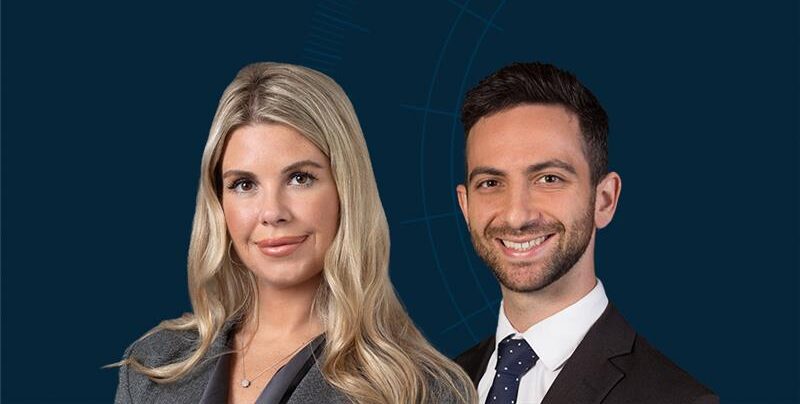
Freshfields has continued its US expansion with a partner hire from Paul Weiss to co-head its artificial intelligence practice.
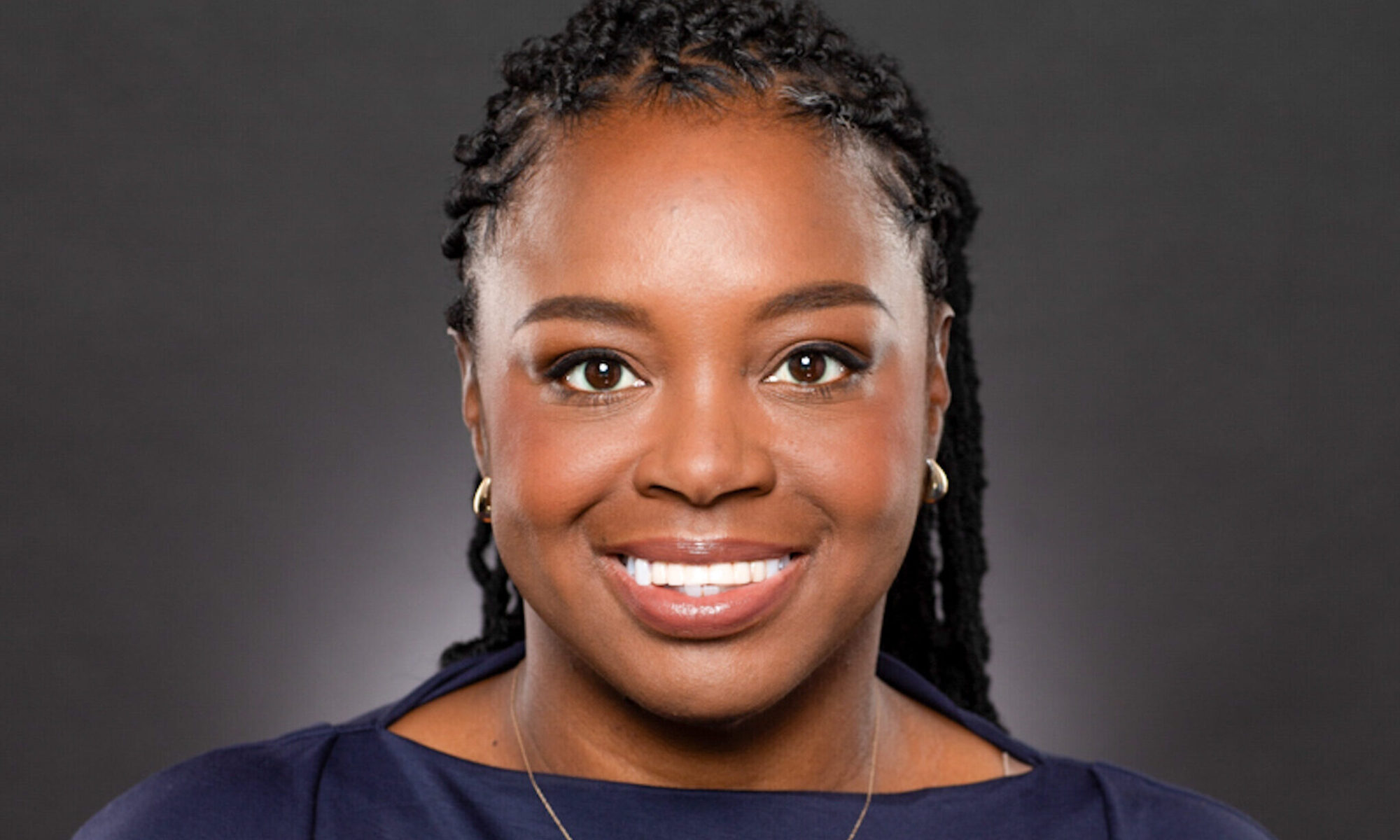
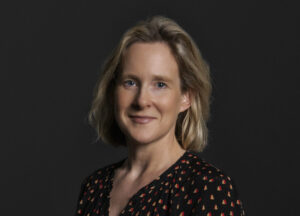
The firm has brought over New York partner Anna Gressel to jointly lead the practice alongside Giles Pratt, the London partner who also heads the firm’s global IP, data and technology practice.
Gressel was promoted to the partnership at Paul Weiss in January this year after joining the firm as a counsel in 2023. She brings experience representing AI labs and tech developers in internal and regulatory investigations and disputes, as well as advising on a wide range of legal, regulatory, and reputational issues relating to AI.
‘AI is a transformative force that is reshaping industry, just as electricity and the internet reshaped industry in prior generations,’ said Freshfields US managing partner Sarah Solum. ‘Anna is one of the most sought-after advisors in the rapidly evolving field of AI regulation, whose deep technical knowledge and experience across sectors further strengthens our industry-leading AI and data practice.’
Gressel added: ‘I am thrilled to join Freshfields’ premier tech team, particularly as the legal, regulatory, and geopolitical risks presented by AI are becoming increasingly complex for global corporations.’
She continued: ‘Our clients’ need for sophisticated AI-focused legal counsel is expanding rapidly, and I am excited to continue supporting companies in innovating while staying ahead of regulatory and reputational risk.’
Elsewhere, Latham & Watkins has bolstered its M&A and private equity practice with its hire of private equity GC Max Klupchak as a partner into its Houston office.
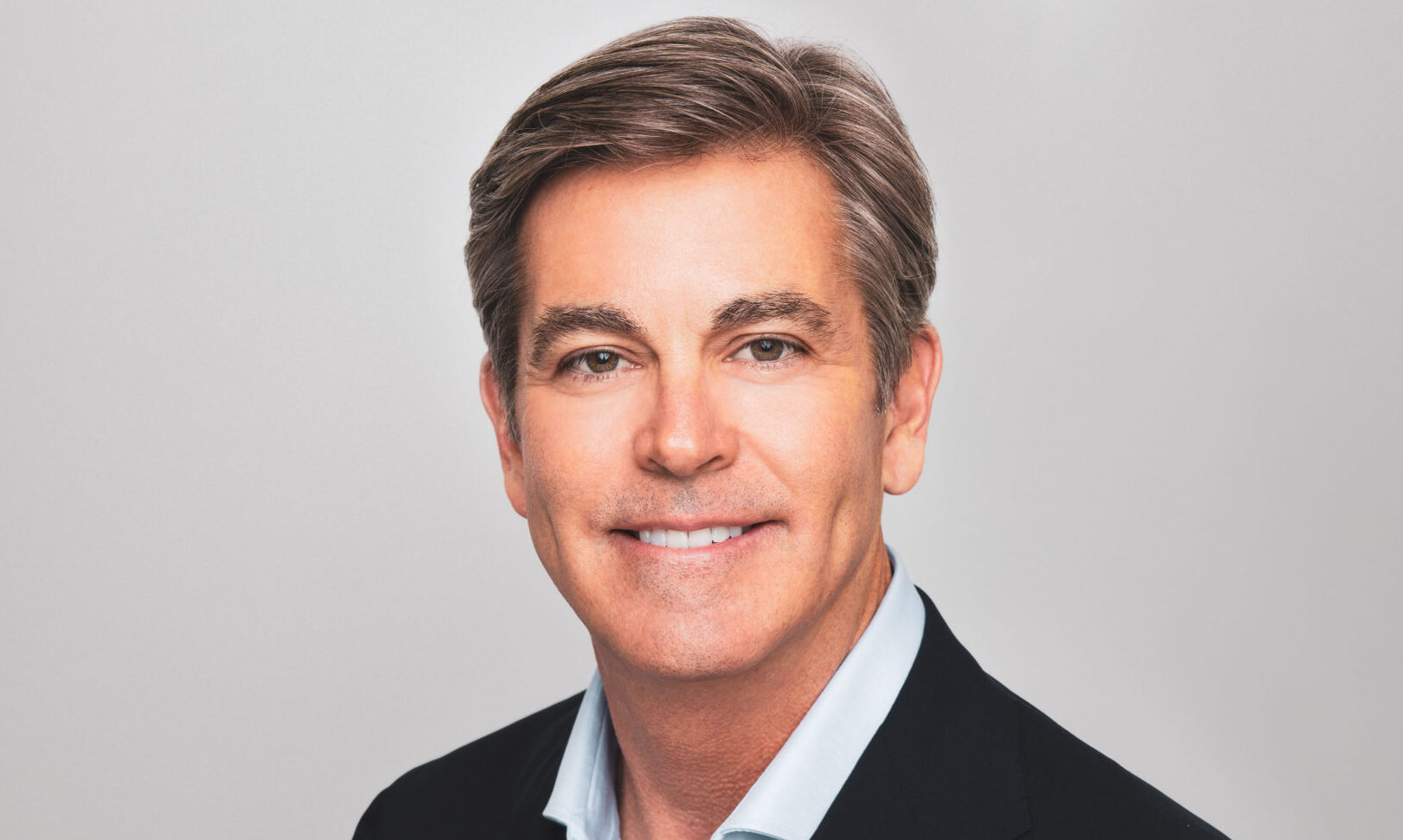
Klupchak joins Latham from mid-market PE firm Sterling Group, where he spent a decade as general counsel after leaving Kirkland & Ellis as an associate in 2015.
Klupchak is ranked in the Legal 500’s 2025 GC Powerlist for Texas, and while at Sterling he was responsible for all fund, GP, compliance and portfolio matters, as well as M&A deals.
‘Max is a dynamic lawyer with a deep understanding of the private equity ecosystem in Texas and throughout the US, and we are thrilled to welcome him to the firm,’ said Latham Houston office managing partner Nick Dhesi. ‘His experience with middle-market deals and the industrials and manufacturing sectors, in particular, enhances our leading private equity practice not only in Texas, but across the firm.’
Klupchak added: ‘Having worked alongside Latham for many years as a client, I have seen how the firm is uniquely positioned to provide a collaborative approach and vast practice that are second to none. I am excited to join the team and look forward to contributing to the firm’s ongoing success and growth.’
In New York, Simpson Thacher has bolstered its banking and credit practice with the hire of Sam Saunders from Kirkland.
Saunders brings particular expertise in the development and financing of energy and infrastructure projects, with experience advising across the full life cycle of projects and assets, from early-stage joint ventures through project development and financing to restructuring and bankruptcy.
He spent nearly two years at Kirkland, joining the firm as a partner in March 2024 after leaving Sullivan & Cromwell as a special counsel after nearly a decade at the firm.
‘Sam’s deep experience in banking and credit as well as energy and infrastructure directly overlaps with sectors where we are actively expanding’, said Simpson Thacher banking and credit practice co-chair Brian Steinhardt. ‘As sponsor and strategic clients increasingly invest in these areas, his arrival will enhance our ability to provide sophisticated, market-leading advice as investors navigate complex financing matters.’
In Chicago, Clyde & Co has hired insurance disputes partners Ronald Ohren and Jonathan Ebner from Baker McKenzie.
Ohren was at Baker McKenzie for more than three decades, and served as chair of the firm’s North America litigation and government enforcement group’s insurance practice, while Ebner spent nearly 20 years at Baker McKenzie, making partner in 2014.
The hires are the latest in a spate of stateside expansion for Clydes, which saw the firm open in Texas in January, with North American board chair Eilieen King Bower telling Legal Business at the time that disputes would be a key focus for US growth.
Commenting on the latest additions, Bower said: ‘These hires reflect our ongoing commitment to strengthening our insurance capabilities in the US. Ronald and Jon bring a wealth of global legal experience and a proven record of success that will directly benefit our clients.’
Boies Schiller Flexner has hired a pair of partners in New York, bringing over restructuring partner Robert Gordon from regional firm Herrick Feinstein, as well as IP partner Frederick Lee, who most recently served as vice president and assistant chief counsel at The Walt Disney Company.
Lee plans to eventually relocate to BSF’s Los Angeles office, the firm said in a statement.
Earlier in his career, Lee spent seven years as an associate at the firm’s New York office. He went on to take a string of in-house roles, including at blockchain tech company Hiro Systems, where he led the first ever offering of a digital token to be qualified by the US Securities and Exchange Commission in 2019. At Disney, he served as global head of product legal for the company’s streaming offices, building on his earlier experience as global head of legal for artificial intelligence work at Amazon’s Prime Video.
Gordon, meanwhile, has wide-ranging experience across complex and high-value restructurings, including representing the Official Retiree Committee in the restructuring of the Commonwealth of Puerto Rico – the largest public sector debt restructuring in US history.
‘We are excited to welcome Bob and Freddie to the firm,’ said chair Matthew Schwartz in a statement. ‘Bob strengthens our offering for clients involved with investment disputes, particularly in the distressed debt and restructuring space; and Freddie returns to BSF with deeply relevant experience in the issues impacting technology, media, and entertainment companies today.’
In Houston, Vinson & Elkins has made a pair of lateral hires, bringing over corporate partner Chris Bennett and funds partner Samara Shepherd.
Bennett joins from Weil after moving to the firm from Simpson Thacher in 2023, while Shepherd joins from Kirkland, where she made partner in 2021.
Meanwhile in the Midwest, Cozen O’Connor has announced plans to merge with Minneapolis firm Moss & Barnett, adding more than 50 lawyers in a combination set to go live on 1 January 2026.
Finally, the co-chairs of Seyfarth Shaw’s immigration practice have led a team of nearly 30 lawyers and staff to Vialto Law, the legal arm of UK-headquartered immigration firm Vialto Partners.
The team includes two partners, Mahsa Aliaskari and Jacob Cherry, who co-chaired Seyfarth’s immigration practice from Los Angeles and New York respectively, with new hires joining Vialto in cities around the country including Atlanta and Boston.
‘This integration underscores Vialto’s investment in defining the future of global work.’ said Vialto global immigration practice head Sharan Kundi. ‘By bringing in some of the best people in the profession, we’re better positioned than ever to help clients navigate change, manage risk, and unlock the opportunities of working across borders.’






 The factors behind Hong Kong’s rise
 ‘Any active players in the market at present are being selective in terms of deals they’re taking on because there’s a real demand out there,’ Emsley says, ‘and only so much capacity in the market.’ This naturally raises the question of whether firms are looking to expand. Emsley believes that many firms will be looking to recruit, but acknowledges the challenges: ‘Deal flow has ramped up so quickly that inevitably there are only so many people in the market who can do this work – it’s quite specialised,’ he adds.
 The biggest Hong Kong IPOs of 2025 to date: international advisers