‘Its scope is almost limitless’ – the in-house view on AI

‘The scope of AI is almost limitless. There is no part of our operations in 40 countries that cannot be touched by an AI tool.’

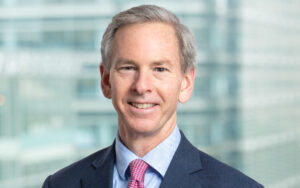
Speaking at the Legal Business AI Summit this March, Alex Galtieri, deputy GC at Colt Technology Services, highlighted AI’s huge potential for disruption.

A statement like this would have seemed like hyperbole to most prior to the launch of ChatGPT in 2022, but that platform’s accessibility has had a democratising effect that has pushed AI beyond the tech department and into every part of the business, from comms to the boardroom.

But with accessibility comes complexity. ‘We’ve been using AI for a long time, but the risks are being discussed a lot more now due to the prevalence of generative AI. It’s a step change from the previous predictive AI, and therefore amplifies the risks,’ said Daisy Godfrey, head of legal, group digital and data protection at Aviva – underscoring the fundamental shift in business operations and legal oversight that gen AI has caused.

A map to success

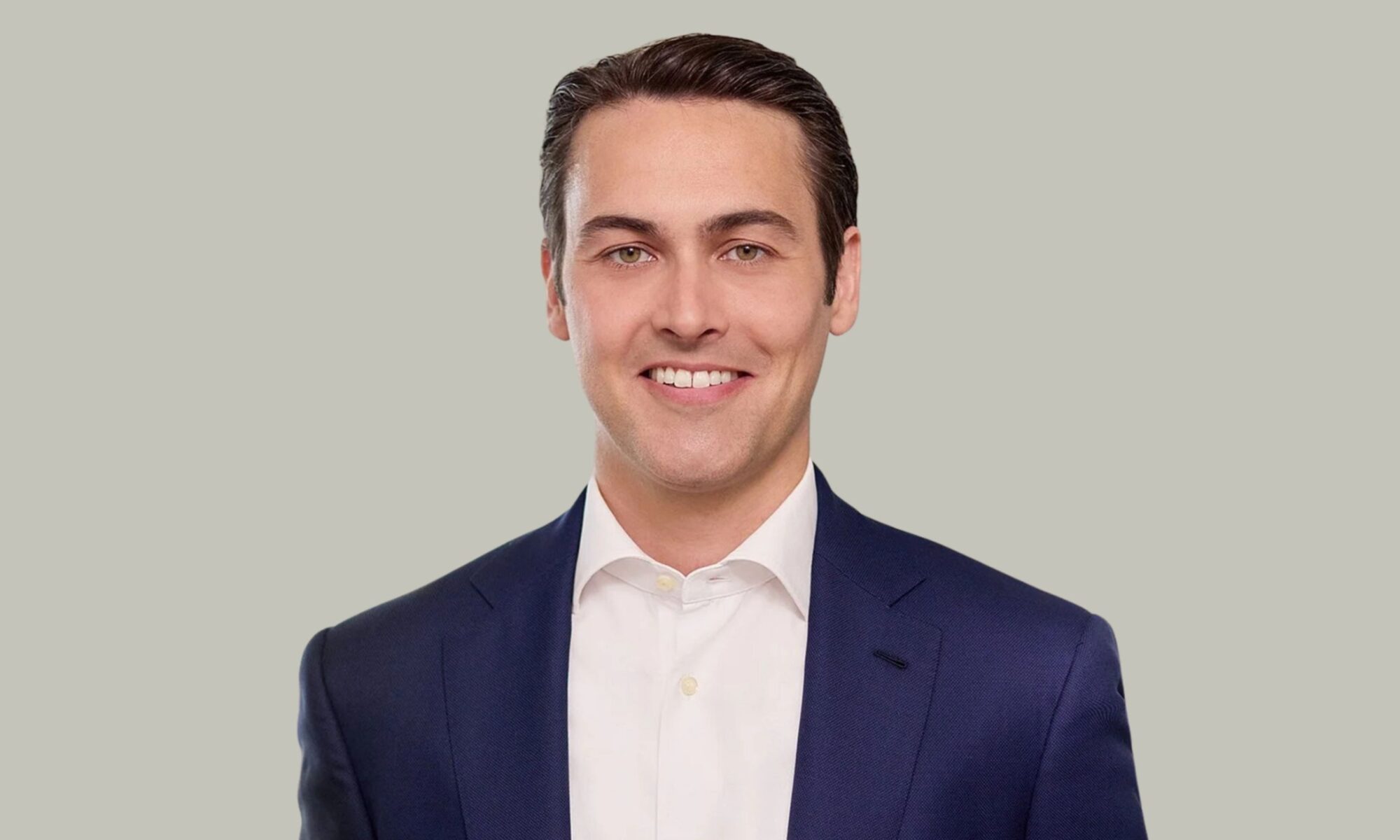
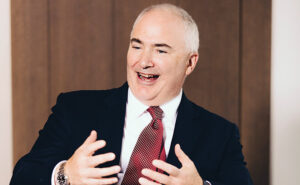
Other speakers at the summit highlighted the importance of clearly mapping out the different ways AI is being used within organisations, as noted by Informa AI governance manager Federico Marengo (pictured right): ‘If you don’t know how it is being used, you can’t consider the risk.’

Meanwhile, Crafty Counsel founder Ben White observed that while AI can help navigate governance, such as identifying who is responsible for signing a contract in a large organisation, it doesn’t let you off the hook when it comes to setting up clear and effective guidance in the first place.

‘If AI is, in the short term, going to replace 50% or more of what your lawyers are doing today, you probably aren’t set up right’

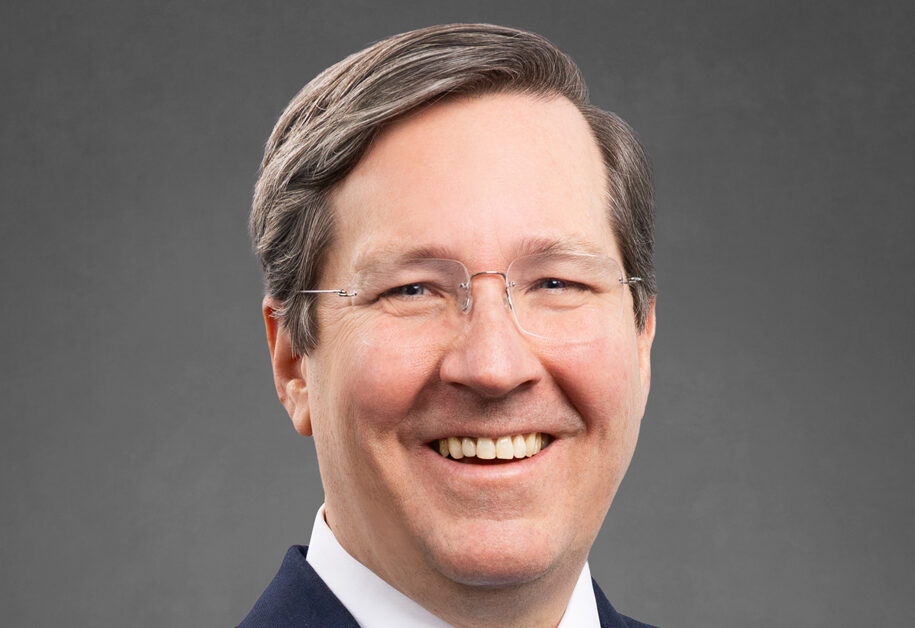
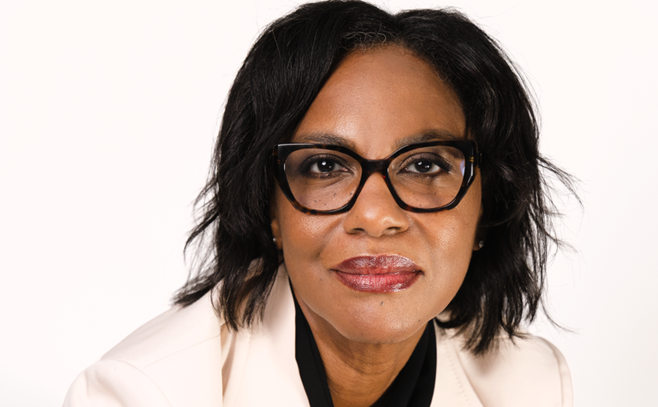
Barbara Zapisetskaya, principal counsel (technology) at the European Bank for Reconstruction and Development (pictured right), also underlined the need for clarity when defining who has responsibility for driving AI adoption and implementing AI strategy, as opposed to the people responsible for ensuring AI use adheres to governance frameworks.

Not so Wild West?

Another key point of discussion was the consequences of the current lack of cohesive AI law and signposts as to where future AI regulations might be heading

Simon McDougall, chief strategist for privacy and AI at ZoomInfo, pushed back against the suggestion that the UK is a ‘Wild West’ for AI, noting that much of AI is already covered by existing regulations such as GDPR, even if it was not originally drafted with AI in mind.

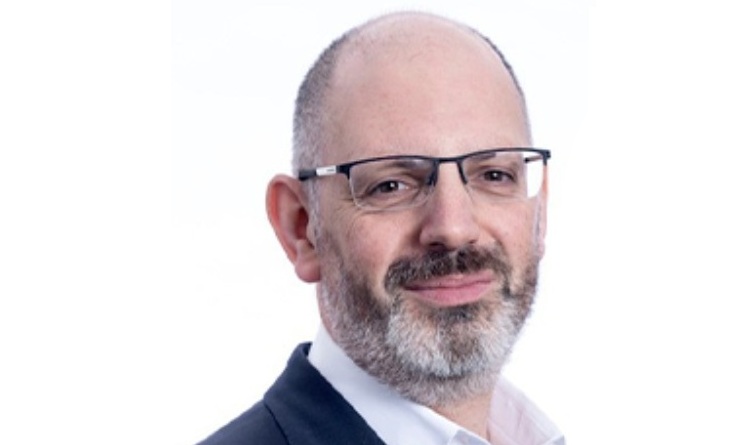
In terms of the future direction of travel, Fountain Court barrister Jacob Turner (pictured right) – the author of Robot Rules: Regulating Artificial Intelligence – highlighted recent statements from Chancellor of the Exchequer Rachel Reeves and Prime Minister Sir Keir Starmer emphasising economic growth in discussions with regulators, and asked whether this implied a tension between regulatory scrutiny and productivity, while also noting that the strength of the heavily regulated financial industry shows that high regulation does not have to be synonymous with low growth.

Quantifying the benefits

On the unexpected consequences of AI, Boston Consulting Group managing legal counsel Luis de Freitas gave the example of an automated tool with a human in the loop that his firm had introduced for NDAs.

As 80% of the review process was accurate, it freed up 50% more time for lawyers. The company ran a survey and found an 85% satisfaction score on the results and also an increase in job satisfaction for the lawyers using the tool.

There was, unsurprisingly, general agreement that the ability to automate routine tasks will enable lawyers to offer more value. Shanthini Satyendra, vice-chair of the AI Committee at the Society for Computers and Law, suggested strategy as one such area. ‘Lawyers are called in once strategy is set, but they can add a lot in terms of problem definition and clarifying key issues vital to success,’ she said.

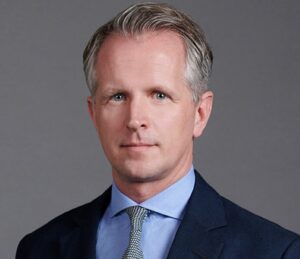
Matthew Wilson, chief legal officer at Fremantle (pictured right) pointed out that as AI’s impact is constantly evolving, lawyers are well-positioned within businesses to help navigate its uncertainties, including regulatory changes and ethical concerns. Alluding to the wider role that lawyers can and should play, he said:  ‘If AI is, in the short term, going to replace 50% or more of what your lawyers are doing today, you probably aren’t set up right, and are not getting the right value from the team.’

A final piece of food for thought was provided by White, who speculated that the growing financial firepower in legal technology would lead to a legal tech acquiring a meaningful-sized law firm within the next two years.

And while not everyone at the summit was convinced, one thing that AI’s rapid growth has surely shown us is the danger of discounting the improbable.

[email protected]

‘It’s beyond competitive advantage, it’s existential’ – Lex Mundi on how AI is reshaping the global legal market

As vice president of global markets at law firm network Lex Mundi, Eric Staal is in a privileged position to observe the global impact of AI from a front row seat.

At last October’s Lex Mundi General Counsel Summit, which saw more than 50 senior in-house lawyers at bluechip multinationals gather in Milan, AI was identified as one element of a ‘trifecta of disruption’, alongside geopolitics and energy transition.

Legal Business recently caught up with Staal to get his take on how AI is disrupting the legal profession, starting with its impact on due diligence.

‘The AI aspect of diligence in transactions is one of the most expensive,’ says Staal. ‘It’s crucial to assess issues such as whether the target company understood the risks when using AI in product development, or if they used open-source code and might lack ownership of their products.’

This wave of change is reshaping the role of in-house legal teams, as Staal explains: ‘AI due diligence is causing in-house counsel to do a lot of extra work and to develop new skillsets.’

‘There are major concerns around issues such as consumer violations and bias built into algorithms – how the machine decides what it does is something that keeps many general counsel up at night.’

The widespread implementation of AI presents particular challenges for sophisticated companies with multinational operations, as Staal points out. ‘The complexity of tech transfer controls, especially as AI’s importance increases, means that companies are having to make difficult decisions on where they’re doing business, who they’re doing business with and what type of business they are doing.’

Meanwhile, as regulatory bodies improve their own AI capabilities, Staal sees a potential shift in the relationship between the regulator and the regulated. ‘On the compliance side, if regulatory authorities use algorithms, they might end up knowing more about the company, its operations, and liabilities than in-house counsel, which is not a good position for them to be in.’

In a world where AI is increasingly fundamental, Staal has also witnessed the shift in mindset. ‘Companies are realising that building integrated AI capabilities is a matter of survival. It’s beyond gaining a competitive advantage – it’s existential.’

And all of this is happening against a backdrop of unprecedented complexity. ‘The combination of the energy transition, AI disruption, and geopolitics is creating a risk vortex for major companies, and GCs are being called upon to help navigate it.’

With his Lex Mundi leadership hat on, Staal believes the network offers a potential solution for companies seeking to navigate that ‘risk vortex’, by providing access to trusted local expertise across jurisdictions and engaging with GCs around the world, given Lex Mundi’s ‘box seat view’ of the trends shaping the market around the world.

As such, Staal believes it is ‘well placed to help members navigate a much more diverse and complicated landscape – for the business they are trying to do in different parts of the world.’

[email protected]

A&O Shearman rehires M&A partner after six-year Skadden stint as Ashurst and BCLP make laterals

A&O Shearman has rehired M&A lawyer George Knighton from Skadden, Arps, Slate, Meagher & Flom six years after he departed.

Knighton, who co-headed Skadden’s UK corporate practice, joined the New York-headquartered firm, alongside corporate partner Simon Toms, in 2019. In the wake of the magic circle firm confirming the collapse of its merger talks with US firm O’Melveny & Myers.

A leading partner in Legal 500’s upper midmarket M&A and corporate governance tables, Knighton joined legacy Allen & Overy as a trainee in 1997, becoming a partner in 2008. He returns with almost 30 years of experience advising on public and private M&A, joint ventures, board advisory mandates, restructurings and corporate governance.

A&O Shearman announced plans to cut 10% of its partnership by the end of April 2025, a few months after the merger went live in May last year, and the firm has seen a raft of departures.

This month, corporate trust partner Tim Beech joined Reed Smith’s Singapore office, tax partner Simon Letherman decamped to BCLP, while digital infrastructure partner and Legal 500 IT and telecoms leading partner Tom Levine and restructuring partner Nick Charlwood moved to Paul Weiss.

The firm has also hired partners, including Sidley private equity duo Dan Graham and Paul Dunbar, debt finance partners Parisa Clovis and Filippo Crosara from Kirkland & Ellis and Barclays investment bank, respectively, and Travers Smith incentives head Mahesh Varia.

David Broadley, global co-head of M&A at A&O Shearman, hailed the hire: ‘Continued investment in our M&A bench strength is a strategic priority for the firm and bringing George, one of the top dealmakers in the market, back to the firm underscores our elite M&A offering in the U.K. George’s expertise and proven track record across a range of core products key to the M&A market, paired with his strong client relationships, will further enhance our offering.’

Elsewhere in the City, Ashurst tapped Mishcon de Reya real estate partner Todd Wu, BCLP welcomed Taylor Wessing finance partner Lerika Le Grange, and Greenberg Traurig hired private equity counsel Tom Rodzoch from Weil as a shareholder in a vertical move.

Across the Atlantic, Simpson Thacher & Bartlett hired Anat Holtzman from Carlyle Group as a funds partner in Washington DC. Holtzman joins after an eight-year stint at Carlyle where she was head of fund formation for global PE, senior counsel, and managing director. 

Meanwhile Akin added real estate funds partner Wendy Dodson Gallegos and infrastructure M&A partner Jason Wagenmaker from Mayer Brown in Chicago. Gallegos co-led the global private funds and investment management practice at Mayer Brown.

Former UK prime minister Lord David Cameron is in discussions with DLA Piper about joining the firm as a consultant.

The talks, first reported in the Financial Times, would see Cameron advise on geopolitical risk.

Should he join, Cameron would be reunited with his former UK Parliament sparring partner Lord David Blunkett. The Labour peer joined the firm last year as an adviser in DLA Piper’s government affairs practice.

Additional members of the government affairs team include former US Republican senators Saxby Chambliss and Richard Burr.  DLA Piper declined to comment when approached by LB.

[email protected]

Simmons’ new head puts clients and AI at core of plans to steer firm between legacy and leadership 

‘Why would I rip up an amazing strategy that’s put us in such a strong position?’ asks Simmons & Simmons new managing partner Emily Monastiriotis.  

Previously international disputes head before replacing veteran leader Jeremy Hoyland in the top job earlier this month, Monastiriotis is trying to balance her commitment to the firm’s longstanding strategy with a desire to put her own stamp on things. 

Her immediate solution is to enhance what is already there rather than start again. Short-term aims include growing and globalising client relationships, leading the pack when it comes to AI and tech, and addressing global gaps in the firm’s sector focus, including a new push on energy & infrastructure. 

As it stands, the firm’s sector focus is built around four pillars: asset management and investment funds (AMIF), financial institutions (FI), healthcare and life sciences (HLS), and TMT, which, between them, account for more than 80% of Simmons’ firm-wide revenue. 

Now Monastiriotis, a specialist in construction disputes, is mulling the potenial of adding a new fifth sector, either formally or informally. Such a move would  ‘bring together the skillsets’ of recent hires in the energy, construction, and infrastructure industries, following the additions of partners including non-contentious construction partner Marianne Toghill from Clifford Chance, and private equity infrastructure specialist Waltter Kulvik from Eversheds Sutherland, in October 2024. 

 ‘If you ask clients what they associate with Simmons, they would [already] say that HLS, AMIF, FI, energy, construction and infrastructure and TMT are our core sectors,’ she says of the firm’s areas of focus. 

For all sectors the focus is to leverage relationships across practices and offices.  ‘Institutionalising clients is where the big prize is,’ Monastiriotis notes, adding: ‘I’m looking to really grow those client relationships, deliver on our clients’ most complex problems and make full use of our global network. We need to ask ourselves why do people come to Simmons?’ 

Globalising client relationships and boosting revenue will be key if the firm is to retain its position in LB’s global 100 revenue ranking, where it currently sits at number 87 between Gowling WLG and Lewis Brisbois. It’s a goal that Monastiriotis describes as ‘absolutely key’ for the firm, despite insisting that chasing specific targets is ‘not the way to go’.  

During her predecessor’s 15-year tenure, he oversaw revenue growth of 136% from £243m in 2011 to £574m in 2024 against a 141% increase in PEP from £445,000 in 2011 to £1.07m, having taken up the managing partner post in the wake of a failed merger with Mayer Brown, a host of partner departures and a drop in both revenue and profits. 

Monastiriotis is effusive about Hoyland, who is set to take up a new role in Italy: ‘He’s got this incredible intuition. He sees a problem before it even turns into one and already knows the solution. And he’s great at bringing you into the conversation and making you feel part of the decision-making process.’ 

While Hoyland was at the helm, Simmons opted out of pursuing large US mergers and Monastiriotis is clear that a ‘big mega merger’ is not something she has any appetite for either.  

This does not mean she wouldn’t consider a smaller US tie-up though. She describes the recent HSF Kramer Levin combination as an ‘interesting’ model and ‘one that makes sense from the outside looking in’. ‘There’s an interesting piece around niche mergers with the US firms. I think that could potentially be interesting,’ she adds. 

Her focus for now though is squarely on building and strengthening Simmons’ current offering: ‘Making sure that we’re capitalising on our strengths is far more important than trying to add some revenue in the US,’ she insists. 

As part of her role, Monastiriotis will be working closely with Penny Miller, the firm’s global financial services regulatory head, who will take up a newly created position as UK head in September.

The move will bring the UK in line with the rest of Simmons’ global network, as it was previously the only country without a local head, with Hoyland combining the duties. Monastiriotis believes splitting the role will enable her to take a more global approach.   

Just as important to Monastiriotis’s plans as globalising clients is making use of new technology.  Simmons acquired the regulated legal engineering firm Wavelength in 2019 and, more recently in 2023, launched Percy, a generative AI tool developed and used internally.  

Describing fostering a deeper and broader use of AI at the firm as ‘maybe my number one priority’ she is bullish in her tech ambition: ‘I’m told we’re market-leading, but that’s not enough for me. I want to be way ahead of the market.’ 

Simmons in a nutshell  

Number of offices: 22 (including Riyadh office set to open summer 2025)  

Asia:  Hong Kong, Tokyo, Shanghai, Beijing, Shenzhen, Singapore 

Europe: Frankfurt, Düsseldorf, Munich, Dublin, Milan, Luxembourg, Madrid, Amsterdam, London, Bristol, Cambridge 

Middle East: Dubai, Saudi Arabia 

US: San Francisco 

 Financial results 2023-24   

Turnover: $719.2m; PEP  $1.35m  

Sectors as % of turnover (LB estimates): 

Financial institutions: 32%;  

Asset management and investment funds: 28%;  

Healthcare and life sciences: 10%;  

TMT 10% 

 L500 Rankings:  

Total number of L500 rankings global – 156 

Total number of L500 rankings UK – 54 

Total number of T1 rankings UK – 5 

Number of ranked individual lawyers: UK and global  – 160 

[email protected]

Global London data highlights City split as half retrench while Paul Weiss and others soar

Almost half of the 50 largest international law firms in London saw lawyer count in the capital decrease or stay the same last year, with a divide emerging between those making ambitious strides and those taking a more circumspect approach to a competitive City market.

The total number of lawyers working across LB‘s Global London ranking – which features the 50 largest non-UK-based firms in the capital – increased by just 3% during 2024, with 22 of the group seeing London lawyer count decrease or remain static.

While the 3% increase for the group a whole is slightly up on the 2% recorded in the survey last year, it remains well below both 2022’s equivalent figure of 9%, as well as the double-digit growth seen before the pandemic.

Of the other 28 firms to have increased London lawyer headcount in 2024, 11 saw modest growth of less than 5%, with the 3% total increase being driven in large part by a select band making bold moves in the capital, including 10 which grew by 10% or more.

In total, 19 firms increased both their lawyer and partner numbers during 2024, while 12 firms saw decreases on both metrics.

‘It was not an easy year in London last year’, says Mark Beeley, global international arbitration leader and London office head at Orrick. ‘A lot of people were fighting over the same work.’

Top five firms by year-on-year headcount increase

Firm % headcount change on 2023
Paul Weiss +283.9%
King & Spalding +25.9%
Simpson Thacher +17.1%
Haynes Boone +17.1%
Wikborg Rein +16.7%

While overall growth across the group was relatively slow, some firms nonetheless made notable moves – none more so than Paul Weiss, which continued the dramatic march through the London market it began with its 2023 raid on Kirkland & Ellis.

The ambitious Wall Street firm raised the pace of its hiring during 2024, with lawyer numbers up 284% to 215, including partner numbers up 208% to 40, catapulting it up from 45th place in last year’s table to 13th place this year.

Indeed, if the 159 lawyers added by that firm during 2024 are disregarded, overall growth for the Global London group falls to just 1%.

Other firms to have set their stall out in London during 2024 include King & Spalding, which increased headcount by 26% and Simpson Thacher & Bartlett, which increased partner headcount by 35% to 54, with hires from Linklaters, Sidley, Weil, White & Case and Skadden. Proskauer, meanwhile, increased its City partnership by 28% to 50, centred around an ambitious finance buildout including the additions of legacy Allen & Overy banking head Philip Bowden and Cahill capital markets heavyweight Jake Keaveny.

King & Spalding London managing partner Tom Sprange KC comments: ‘The London market has grown substantially over the last 20 years or so and law firms too have needed to scale up to match demand. Firms not only need larger headcounts but broader, more diverse practices and specialities if they want to be competitive in London, at least outside of niches.’

‘The growth of the market as a whole has slowed, but a few of us are still very much in growth mode’, adds Sidley London managing partner Tom Thesing (pictured right), whose firm placed 14th following a year in which it made headlines with the hire of a team of leveraged finance partners from Latham & Watkins led by Sam Hamilton and Jay Sadanandan.

Two new firms have entered the rankings this year – the Texas-based Haynes Boone and Norway’s Wikborg Rein, at 46th and 45th place respectively.

Haynes Boone has continued its expansion into 2025, bringing over an eight-strong team from the now-defunct Memery Crystal, while Wikborg has also recently benefited from a high-profile collapse, building its London presence with several hires from Axiom Ince, which was shuttered in October 2023.

Bottom five firms by year-on-year headcount decrease

Firm % headcount change on 2023
Morrison Foerster -24.2%
Jones Day -14.4% (estimated)
Dechert -12.8%
Orrick -11.2%
Cadwalader -10.5%

Relatively few firms experienced dramatic falls in headcount. With the exception of Armstrong Teasdale, which dropped off the list this year after the US firm pulled the plug on its London office, stragglers have tended to come down to earth gradually.

Of the five firms that experienced the biggest headcount decreases in 2024, only Morrison Foerster is also among the bottom five performers on a five-year basis, with a 19% decline in total lawyer numbers since 2020. Notable departures during 2024 include leveraged finance partners Chris Kandel and John Burge, who left for McDermott last May.

‘When firms slow down, it’s often because they don’t have enough business going through their network to drive hiring activity’, says Thesing. ‘When it works, it’s a virtuous cycle. But when you can’t grow your business and you start to see things stagnate, you’re then at risk of having talent picked off.’

At Orrick, Beeley puts the firm’s dip in headcount down to ‘natural attrition’, and says that growth in London remains part of the firm’s strategy.

Top five firms by five-year headcount increase

Firm % five-year headcount change
Paul Weiss +696.3%
Simpson Thacher +144.4%
Wikborg Rein +122.7%
Goodwin +92.4%
Proskauer +78.3%

Competition for talent at the top means that to continue to grow in a market like London has become ever-more expensive, with Paul Weiss debuting at the top of the market with a £180,000 salary for newly qualified lawyers while Orrick pays a mid-Atlantic rate of £160,000 for an NQ.

Thesing, whose firm pays NQs £175,000, is clear about the upshot of this: ‘None of us gets to make the market. Getting the best talent through the door is the lifeblood of the business. The reward is you get the best clients and the best work. And you have to pay market rates if you want to get the talent.’

Skadden London office head Rich Youle echoes this point: ‘We participate in the market, but we don’t set it,’ he says. ‘Our success relies on our ability to attract and keep the very best people. Clients come to us expecting exceptional lawyers, so it’s essential that we recruit the best.’

[email protected]

wdt_ID wdt_created_by wdt_created_at wdt_last_edited_by wdt_last_edited_at Ranking Firm London lawyers Lawyers change YOY London partners Partners change YOY
2 aryan 20/05/2025 11:34 AM aryan 20/05/2025 11:34 AM 1 (1) Latham & Watkins 594 -1.8% 131 -1.5%
4 aryan 20/05/2025 11:34 AM aryan 20/05/2025 11:34 AM 2 (3) Kirkland & Ellis 546 9.0% 231 13.2%
6 aryan 20/05/2025 11:34 AM aryan 20/05/2025 11:34 AM 3 (2) Baker McKenzie 536 -2.5% 118 -2.5%
8 aryan 20/05/2025 11:34 AM aryan 20/05/2025 11:34 AM 4 (4) White & Case 497 3.1% 135 -0.7%
10 aryan 20/05/2025 11:34 AM aryan 20/05/2025 11:34 AM 5 (6) Dentons 417 8.0% 111 6.7%
12 aryan 20/05/2025 11:34 AM aryan 20/05/2025 11:34 AM 6 (5) BCLP 386 -7.9% 115 -4.2%
14 aryan 20/05/2025 11:34 AM aryan 20/05/2025 11:34 AM 7 (7) Reed Smith 332 -5.4% 120 -1.6%
16 aryan 20/05/2025 11:34 AM aryan 20/05/2025 11:34 AM 8 (8) Mayer Brown 280 -3.4% 88 -7.9%
18 aryan 20/05/2025 11:34 AM aryan 20/05/2025 11:34 AM 9 (11) Simpson Thacher 254 17.1% 54 34.8%
20 aryan 20/05/2025 11:34 AM aryan 20/05/2025 11:34 AM 10 (10) Skadden 254 11.9% 35 9.4%
22 aryan 20/05/2025 11:34 AM aryan 20/05/2025 11:34 AM 11 (9) Weil 235 -0.4% 50 -2.0%
24 aryan 20/05/2025 11:34 AM aryan 20/05/2025 11:34 AM 12 (12) Goodwin 227 4.6% 68 0.0%
26 aryan 20/05/2025 11:34 AM aryan 20/05/2025 11:34 AM 13 (45) Paul Weiss 215 283.9% 40 207.7%
28 aryan 20/05/2025 11:34 AM aryan 20/05/2025 11:34 AM 14 (13) Sidley Austin 206 -1.4% 50 8.7%
30 aryan 20/05/2025 11:34 AM aryan 20/05/2025 11:34 AM 15 (14) Milbank** 203 1.5% 40 5.3%
32 aryan 20/05/2025 11:34 AM aryan 20/05/2025 11:34 AM 16 (16) Paul Hastings* 172 1.2% 53 -1.9%
34 aryan 20/05/2025 11:34 AM aryan 20/05/2025 11:34 AM 17 (15) Jones Day* 166 -14.4% 54 5.9%
36 aryan 20/05/2025 11:34 AM aryan 20/05/2025 11:34 AM 18 (19) Squire Patton Boggs 164 6.5% 57 9.6%
38 aryan 20/05/2025 11:34 AM aryan 20/05/2025 11:34 AM 19 (21) Debevoise & Plimpton 164 10.1% 30 25.0%
40 aryan 20/05/2025 11:34 AM aryan 20/05/2025 11:34 AM 20 (18) Ropes & Gray 163 1.9% 29 -12.1%
42 aryan 20/05/2025 11:34 AM aryan 20/05/2025 11:34 AM 21 (20) Akin 157 3.3% 44 0.0%
44 aryan 20/05/2025 11:34 AM aryan 20/05/2025 11:34 AM 22 (24) Greenberg 156 10.6% 55 27.9%
46 aryan 20/05/2025 11:34 AM aryan 20/05/2025 11:34 AM 23 (23) Cleary Gottlieb 152 6.3% 34 13.3%
48 aryan 20/05/2025 11:34 AM aryan 20/05/2025 11:34 AM 24 (26) Proskauer 148 13.8% 50 28.2%
50 aryan 20/05/2025 11:34 AM aryan 20/05/2025 11:34 AM 25 (22) Gibson Dunn 144 -0.1% 37 -8.0%
52 aryan 20/05/2025 11:34 AM aryan 20/05/2025 11:34 AM 26 (17) Dechert 143 -12.8% 46 -09.8%
54 aryan 20/05/2025 11:34 AM aryan 20/05/2025 11:34 AM 27 (27) Covington 140 9.0% 32 6.9%
56 aryan 20/05/2025 11:34 AM aryan 20/05/2025 11:34 AM 28 (25) Willkie Farr & Gallagher 136 0.7% 36 -2.7%
58 aryan 20/05/2025 11:34 AM aryan 20/05/2025 11:34 AM 29 (31) Fried Frank 121 10.0% 29 -6.5%
60 aryan 20/05/2025 11:34 AM aryan 20/05/2025 11:34 AM 30 (28) K&L Gates* 121 -5.5% 47 -11.3%
62 aryan 20/05/2025 11:34 AM aryan 20/05/2025 11:34 AM 31 (29) Morgan Lewis 118 -3.3% 42 -4.5%
64 aryan 20/05/2025 11:34 AM aryan 20/05/2025 11:34 AM 32 (30) Quinn Emanuel 117 1.7% 32 10.3%
66 aryan 20/05/2025 11:34 AM aryan 20/05/2025 11:34 AM 33 (32) Cooley 103 -5.5% 35 9.4%
68 aryan 20/05/2025 11:34 AM aryan 20/05/2025 11:34 AM 34 (39) King & Spalding 102 25.9% 39 25.8%
70 aryan 20/05/2025 11:34 AM aryan 20/05/2025 11:34 AM 35 (34) Fragomen 100 -4.8% 12 0.0%
72 aryan 20/05/2025 11:34 AM aryan 20/05/2025 11:34 AM 36 (33) Orrick 95 -11.2% 32 3.2%
74 aryan 20/05/2025 11:34 AM aryan 20/05/2025 11:34 AM 37 (37) McDermott 89 1.1% 32 10.3%
76 aryan 20/05/2025 11:34 AM aryan 20/05/2025 11:34 AM 38 (36) Sullivan & Cromwell 88 -6.4% 18 20.0%
78 aryan 20/05/2025 11:34 AM aryan 20/05/2025 11:34 AM 39 (38) WilmerHale 77 -7.2% 13 0.0%
80 aryan 20/05/2025 11:34 AM aryan 20/05/2025 11:34 AM 40 (35) Morrison Foerster 75 -24.2% 17 -34.6%
82 aryan 20/05/2025 11:34 AM aryan 20/05/2025 11:34 AM 41 (42) Vinson & Elkins 70 7.7% 17 0.0%
84 aryan 20/05/2025 11:34 AM aryan 20/05/2025 11:34 AM 42 (43) Davis Polk 69 9.5% 10 11.1%
86 aryan 20/05/2025 11:34 AM aryan 20/05/2025 11:34 AM 43 (40) Cadwalader 68 -10.5% 22 -12.0%
88 aryan 20/05/2025 11:34 AM aryan 20/05/2025 11:34 AM 44 (44) Arnold & Porter 55 -5.2% 19 0.0%
90 aryan 20/05/2025 11:34 AM aryan 20/05/2025 11:34 AM 45 (n/a) Wikborg Rein 49 16.7% 13 62.5%
92 aryan 20/05/2025 11:34 AM aryan 20/05/2025 11:34 AM 46 (n/a) Haynes Boone*** 48 17.1% 25 39%
94 aryan 20/05/2025 11:34 AM aryan 20/05/2025 11:34 AM 46 (46) Katten 48 4.3% 17 0.0%
96 aryan 20/05/2025 11:34 AM aryan 20/05/2025 11:34 AM 48 (48) Brown Rudnick 44 4.8% 26 13.0%
98 aryan 20/05/2025 11:34 AM aryan 20/05/2025 11:34 AM 49 (47) Baker Botts 41 -8.9% 15 0.0%
100 aryan 20/05/2025 11:34 AM aryan 20/05/2025 11:34 AM 50 (50) Steptoe* 39 0.0% 18 -5.3%
Ranking Firm London lawyers Lawyers change YOY London partners Partners change YOY

Global London 2025: the largest international firms in London by headcount

The full table of stats and data from the 2025 Global London report, which ranks the top 50 international law firms (firms headquartered outside of the UK) by London lawyer count. 

Click on the headers to sort the table by partner numbers, lawyer numbers, and percentage changes, and sort by lawyer number to reset the table.

Check out our Global London 2025 overview for our analysis of the data, and see which firms stand out from the crowd in our feature on top performers.

Note: All figures refer to London offices only.

wdt_ID wdt_created_by wdt_created_at wdt_last_edited_by wdt_last_edited_at 2025 ranking 2024 rank 2025 rank (2024) Firm London lawyers Total number of London lawyers on 1 January 2024 YOY change 5-yr growth Year on year change London partners Total number of London partners on 1 January 2024 YOY change Year on year change London fee-earners five years ago London partners five years ago 5-yr growth Global partner promotions in most recent round London promos % of global London promotions as % of global
106 admin 29/05/2025 01:32 PM admin 29/05/2025 01:32 PM 1 1 1 (1) Latham & Watkins 594 605 -1.8 33.0 -1.8% 131 133 -1.5 -1.5 448 98 33.7 24 7 29.2 29.0
108 admin 29/05/2025 01:32 PM admin 29/05/2025 01:32 PM 2 3 2 (3) Kirkland & Ellis 546 501 9.0 61.0 9.0% 231 204 13.2 13.2 340 127 81.9 204 25 12.3 12.0
110 admin 29/05/2025 01:32 PM admin 29/05/2025 01:32 PM 3 2 3 (2) Baker McKenzie 536 550 -2.5 -2.0 -2.5% 118 121 -2.5 -2.5 548 119 -0.8 66 6 9.1 9.0
112 admin 29/05/2025 01:32 PM admin 29/05/2025 01:32 PM 4 4 4 (4) White & Case 497 482 3.1 20.0 3.1% 135 136 -0.7 -0.7 415 118 14.4 37 3 8.1 8.0
114 admin 29/05/2025 01:32 PM admin 29/05/2025 01:32 PM 5 6 5 (6) Dentons 417 386 8.0 -5.0 8.0% 111 104 6.7 6.7 438 127 -12.6 91 9 9.9 10.0
116 admin 29/05/2025 01:32 PM admin 29/05/2025 01:32 PM 6 5 6 (5) BCLP 386 419 -7.9 -21.0 -7.9% 115 120 -4.2 -4.2 490 143 -19.6 24 6 25.0 25.0
118 admin 29/05/2025 01:32 PM admin 29/05/2025 01:32 PM 7 7 7 (7) Reed Smith 332 351 -5.4 -13.0 -5.4% 120 122 -1.6 -1.6 380 118 1.7 24 5 20.8 21.0
120 admin 29/05/2025 01:32 PM admin 29/05/2025 01:32 PM 8 8 8 (8) Mayer Brown 280 290 -3.4 7.0 -3.4% 88 96 -8.3 -7.9 261 85 4.1 39 3 7.7 8.0
122 admin 29/05/2025 01:32 PM admin 29/05/2025 01:32 PM 9 11 9 (11) Simpson Thacher 254 217 17.1 144.0 17.1% 54 40 35.0 34.8 104 22 145.0 44 7 15.9 16.0
124 admin 29/05/2025 01:32 PM admin 29/05/2025 01:32 PM 10 10 10 (10) Skadden 254 227 11.9 76.0 11.9% 35 32 9.4 9.4 144 28 25.0 21 2 9.5 10.0
126 admin 29/05/2025 01:32 PM admin 29/05/2025 01:32 PM 11 9 11 (9) Weil, Gotshal & Manges 235 236 -0.4 21.0 -0.4% 50 51 -2.0 -2.0 195 40 25.0 18 2 11.1 11.0
128 admin 29/05/2025 01:32 PM admin 29/05/2025 01:32 PM 12 12 12 (12) Goodwin 227 217 4.6 92.0 4.6% 68 68 0.0 0.0 118 31 119.4 35 4 11.4 11.0
130 admin 29/05/2025 01:32 PM admin 29/05/2025 01:32 PM 13 45 13 (45) Paul Weiss 215 56 283.9 696.0 283.9% 40 13 207.7 207.7 27 5 700.0 34 5 14.7 15.0
132 admin 29/05/2025 01:32 PM admin 29/05/2025 01:32 PM 14 13 14 (13) Sidley Austin 206 209 -1.4 35.0 -1.4% 50 46 8.7 8.7 153 44 13.6 38 3 7.9 8.0
134 admin 29/05/2025 01:32 PM admin 29/05/2025 01:32 PM 15 14 15 (14) Milbank 203 200 1.5 28.0 1.5% 40 38 5.3 5.3 159 31 29.0 17 3 17.6 18.0
136 admin 29/05/2025 01:32 PM admin 29/05/2025 01:32 PM 16 16 16 (16) Paul Hastings 172 170 1.2 50.0 1.2% 53 54 -1.9 -1.9 115 30 76.7 0 0 0.0 0.0
138 admin 29/05/2025 01:32 PM admin 29/05/2025 01:32 PM 17 15 17 (15) Jones Day 166 194 -14.4 -8.0 -14.4% 54 51 5.9 5.9 181 49 10.2 37 3 8.1 8.0
140 admin 29/05/2025 01:32 PM admin 29/05/2025 01:32 PM 18 19 18 (19) Squire Patton Boggs 164 154 6.5 12.0 6.5% 57 52 9.6 9.6 147 43 32.6 17 3 17.6 18.0
142 admin 29/05/2025 01:32 PM admin 29/05/2025 01:32 PM 19 21 19 (21) Debevoise & Plimpton 164 149 10.1 33.0 10.1% 30 24 25.0 25.0 123 23 30.4 8 2 25.0 25.0
144 admin 29/05/2025 01:32 PM admin 29/05/2025 01:32 PM 20 18 20 (18) Ropes & Gray 163 160 1.9 33.0 1.9% 29 33 -12.1 -12.1 123 23 26.1 12 0 0.0 0.0
146 admin 29/05/2025 01:32 PM admin 29/05/2025 01:32 PM 21 20 21 (20) Akin 157 152 3.3 16.0 3.3% 44 44 0.0 0.0 135 47 -6.4 22 4 18.2 18.0
148 admin 29/05/2025 01:32 PM admin 29/05/2025 01:32 PM 22 24 22 (24) Greenberg 156 141 10.6 75.0 10.6% 55 43 27.9 27.9 89 31 77.4 59 4 6.8 7.0
150 admin 29/05/2025 01:32 PM admin 29/05/2025 01:32 PM 23 23 23 (23) Cleary Gottlieb 152 143 6.3 26.0 6.3% 34 30 13.3 13.3 121 19 78.9 26 4 15.4 15.0
152 admin 29/05/2025 01:32 PM admin 29/05/2025 01:32 PM 24 26 24 (26) Proskauer 148 130 13.8 78.0 13.8% 50 39 28.2 28.2 83 28 78.6 15 3 20.0 20.0
154 admin 29/05/2025 01:32 PM admin 29/05/2025 01:32 PM 25 22 25 (22) Gibson Dunn 143 144 -0.7 55.0 -0.7% 37 40 -7.5 -8.0 92 31 18.7 35 2 5.7 6.0
156 admin 29/05/2025 01:32 PM admin 29/05/2025 01:32 PM 26 17 26 (17) Dechert 143 164 -12.8 -11.0 -12.8% 46 51 -9.8 -9.8 161 45 2.2 13 2 15.4 15.0
158 admin 29/05/2025 01:32 PM admin 29/05/2025 01:32 PM 27 27 27 (27) Covington 139 128 8.6 26.0 8.6% 32 30 6.7 6.9 110 29 10.6 14 2 14.3 14.0
160 admin 29/05/2025 01:32 PM admin 29/05/2025 01:32 PM 28 25 28 (25) Willkie 136 135 0.7 77.0 0.7% 36 37 -2.7 -2.7 77 25 44.0 19 1 5.3 5.0
162 admin 29/05/2025 01:32 PM admin 29/05/2025 01:32 PM 29 31 29 (31) Fried Frank 121 110 10.0 46.0 10.0% 29 31 -6.5 -6.5 83 21 38.1 10 3 30.0 30.0
164 admin 29/05/2025 01:32 PM admin 29/05/2025 01:32 PM 30 28 30 (28) K&L Gates 121 128 -5.5 -9.0 -5.5% 47 53 -11.3 -11.3 133 49 -4.1 27 2 7.4 7.0
166 admin 29/05/2025 01:32 PM admin 29/05/2025 01:32 PM 31 29 31 (29) Morgan Lewis 118 122 -3.3 14.0 -3.3% 42 44 -4.5 -4.5 104 36 16.7 26 0 0.0 0.0
168 admin 29/05/2025 01:32 PM admin 29/05/2025 01:32 PM 32 30 32 (30) Quinn Emanuel 117 115 1.7 32.0 1.7% 32 29 10.3 10.3 89 21 52.4 11 2 18.2 18.0
170 admin 29/05/2025 01:32 PM admin 29/05/2025 01:32 PM 33 32 33 (32) Cooley 103 109 -5.5 3.0 -5.5% 35 32 9.4 9.4 100 30 16.7 20 3 15.0 15.0
172 admin 29/05/2025 01:32 PM admin 29/05/2025 01:32 PM 34 39 34 (39) King & Spalding 102 81 25.9 62.0 25.9% 39 31 25.8 25.8 63 22 77.3 37 2 5.4 5.0
174 admin 29/05/2025 01:32 PM admin 29/05/2025 01:32 PM 35 34 35 (34) Fragomen 100 105 -4.8 0.0 -4.8% 12 12 0.0 0.0 n/d 5 2 40.0 40.0
176 admin 29/05/2025 01:32 PM admin 29/05/2025 01:32 PM 36 33 36 (33) Orrick 95 107 -11.2 -4.0 -11.2% 32 31 3.2 3.2 99 30 6.7 20 0 0.0 0.0
178 admin 29/05/2025 01:32 PM admin 29/05/2025 01:32 PM 37 37 37 (37) McDermott 89 88 1.1 19.0 1.1% 32 29 10.3 10.3 75 29 10.3 43 0 0.0 0.0
180 admin 29/05/2025 01:32 PM admin 29/05/2025 01:32 PM 38 36 38 (36) Sullivan & Cromwell 88 94 -6.4 24.0 -6.4% 18 15 20.0 20.0 71 19 -5.3 0 0 0.0 0.0
182 admin 29/05/2025 01:32 PM admin 29/05/2025 01:32 PM 39 38 39 (38) WilmerHale 77 83 -7.2 19.0 -7.2% 13 13 0.0 0.0 65 9 44.4 14 1 7.1 7.0
184 admin 29/05/2025 01:32 PM admin 29/05/2025 01:32 PM 40 35 40 (35) Morrison Foerster 75 99 -24.2 -19.0 -24.2% 17 26 -34.6 -34.6 92 25 -32.0 21 0 0.0 0.0
186 admin 29/05/2025 01:32 PM admin 29/05/2025 01:32 PM 41 42 41 (42) Vinson & Elkins 70 65 7.7 -7.0 7.7% 17 17 0.0 0.0 75 16 6.3 11 0 0.0 0.0
188 admin 29/05/2025 01:32 PM admin 29/05/2025 01:32 PM 42 43 42 (43) Davis Polk 69 63 9.5 35.0 9.5% 10 9 11.1 11.1 51 8 25.0 6 1 16.7 17.0
190 admin 29/05/2025 01:32 PM admin 29/05/2025 01:32 PM 43 40 43 (40) Cadwalader 68 76 -10.5 15.0 -10.5% 22 25 -12.0 -12.0 59 19 15.8 2 0 0.0 0.0
192 admin 29/05/2025 01:32 PM admin 29/05/2025 01:32 PM 44 44 44 (44) Arnold & Porter 55 58 -5.2 6.0 -5.2% 19 19 0.0 0.0 52 19 0.0 8 1 12.5 13.0
194 admin 29/05/2025 01:32 PM admin 29/05/2025 01:32 PM 45 n/a 45 (n/a) Wikborg Rein 49 42 16.7 123.0 16.7% 13 8 62.5 62.5 22 3 1 33.3 33.0
196 admin 29/05/2025 01:32 PM admin 29/05/2025 01:32 PM 46 n/a 46= (n/a) Haynes Boone 48 41 17.1 71.0 17.1% 25 18 38.9 22.2 28 15 0 0.0 0.0
198 admin 29/05/2025 01:32 PM admin 29/05/2025 01:32 PM 46 46 46= (46) Katten 48 46 4.3 7.0 4.3% 17 17 0.0 0.0 45 11 0 0.0 0.0
200 admin 29/05/2025 01:32 PM admin 29/05/2025 01:32 PM 48 48 48 (48) Brown Rudnick 44 42 4.8 -27.0 4.8% 26 23 13.0 13.0 60 30 -13.3 5 0 0.0 0.0
202 admin 29/05/2025 01:32 PM admin 29/05/2025 01:32 PM 49 47 49 (47) Baker Botts 41 45 -8.9 -9.0 -8.9% 15 15 0.0 0.0 45 21 -28.6 12 1 8.3 8.0
204 admin 29/05/2025 01:32 PM admin 29/05/2025 01:32 PM 50 50 50 (50) Steptoe 39 39 0.0 18.0 0.0% 18 19 -5.3 -5.3 33 16 12.5 14 0 0.0 0.0
2025 ranking 2024 rank 2025 rank (2024) Firm London lawyers Total number of London lawyers on 1 January 2024 5-yr growth Year on year change London partners Total number of London partners on 1 January 2024 Year on year change London fee-earners five years ago London partners five years ago 5-yr growth Global partner promotions in most recent round London promos London promotions as % of global
Total: 8,668
Average: 173.4

Global London 2025 - In numbers

wdt_ID wdt_created_by wdt_created_at wdt_last_edited_by wdt_last_edited_at
2 Total no of Lawyers Jan 25 8924
4 % change YOY 3%
6 5-year change 24%
8 Total number of partners 2470
10 % change YOY 4.30%

*lawyer and partner numbers estimated

**partner numbers estimated

***past figures estimated

Hogan Lovells ups City NQ pay to £140,000

Hogan Lovells has increased the salary for its newly qualified solicitors in London to £140,000.

The 4% increase, which took effect at the start of May, is more modest than last year’s 12% rise, when the firm raised its NQ salary from £120,000 to £135,000.

The base salary will be augmented by what the firm refers to as ‘a competitive bonus scheme’ that rewards chargeable work and ‘other contributions to the firm and our values.’

The increase puts the firm on par with Macfarlanes and Baker McKenzie, after both raised their salaries to £140,000 last summer, and just below the magic circle firms, which all moved to £150,000 after Freshfields moved first in May.

It also takes them away from Herbert Smith Freehills and Mayer Brown, with both paying their starters Hogan Lovells’ previous rate of  £135,000. Neither firm has confirmed any change in salaries for this year.

US firms Gibson Dunn and Quinn Emmanuel remain at the top of the table with NQ salaries of £180,000.

The salary hike was not matched in Birmingham, where the firm’s NQs will remain on  £85,000. Trainee pay also remains unchanged across the UK: London rates are £56,000 for the first year and £61,000 for the second year; Birmingham rates are £37,500 for the first year and £41,000 for the second.

In a statement, the firm said it regularly reviews salaries to remain competitive in local markets and, following its latest review, has decided not to raise pay for Birmingham NQs this year.

It added it is ‘committed to attracting and retaining the best talent by offering a comprehensive package that includes high-quality work, career development opportunities, and a supportive working environment in addition to a competitive compensation offering.’

Other firms to announce pay rises this year include Orrick, which increased its NQ salary by 14% from £140,000 to £160,000, leapfrogging the magic circle in the process.

Slaughter and May, meanwhile, has confirmed that its spring pay review resulted in a decision to hold its NQ salary at £150,000. Last year’s increase did not come until September, ahead of a pay review that was originally scheduled for November.

Hogan Lovells’ most recent financials saw UK revenue increase 8% to $577m in 2024 from $534m in 2023,  and the firm has now seen UK turnover rise 22% over the past two years.

[email protected]

Leaders at Paul Weiss, Latham and A&O Shearman named in campaign to remove Trump deal firm partners from board roles

A group of associates who resigned from firms that cut deals with US President Donald Trump to avoid executive orders is campaigning to have the leaders of those firms removed from board roles, with senior partners at firms Paul Weiss, Latham & Watkins and A&O Shearman under the spotlight.

The group, which is led by former Skadden associate Rachel Cohen – whose public resignation made headlines in March – is arguing that ‘bad decisionmakers’ at major firms should not hold board roles at organisations such as charities and education institutions.

Yesterday (14 May) Cohen shared a series of documents, compiled by the group, which lists the executive committee members at firms to have done deals with Trump, alongside the board positions at external organisations that they hold.

The Google Drive also includes draft letters calling on those organisations to remove those partners from their boards.

The list includes Paul Weiss chair Brad Karp, who sits on the board of Legal Action Center, a New York-based non-profit that works to protect the legal rights of individuals with arrest and conviction records, substance use disorders, and HIV and AIDS.

In March, Paul Weiss became the first law firm to make a deal with the Trump administration over his attacks on major law firms, agreeing to provide $40m in pro bono services in return for an executive order against it being dropped.

Also on the list are Latham chair Richard Trobman, who is on the board of Chicago law school Northwestern Pritzker School of Law; Kirkland & Ellis chair Jon Ballis, on the board of the Illinois Holocaust Museum & Education Center, and A&O Shearman US chair Adam Hakki, who is on the board of the Legal Aid Society of New York.

Other individuals named include executive committee members at Cadwalader, Milbank, Simpson Thacher, Skadden, and Willkie Farr & Gallagher.

‘While firms may not care about public outrage, nonprofits and universities just might’, Cohen said. ‘We need bad decisionmakers off those boards, before they can replicate their harmful decisions at other institutions.’

In separate comments to Legal Business, Cohen said: ‘We’re on a mission to continue to think creatively about how to hold individual decision makers appropriately professionally responsible. When you bound your firm to a deal that sold out the country and your employees, you demonstrated poor and corruptible professional judgment at a crucial time.’ 

The campaign calls on participants to prioritise partners at democracy and law-related organizations such as New York’s Legal Aid Society, whose board includes Willkie IP partner and chief inclusion officer Kim Walker as well as Hakki, and the Institute for Policy Integrity at NYU Law, where board members include Skadden antitrust and competition litigator Boris Bershteyn and Willkie chair Matthew Feldman.

No further law firm has agreed to a deal with the Trump administration since April, when a clutch of five firms including A&O Shearman, Kirkland, and Latham agreed to provide a combined total of $600m in pro bono work to causes supported by the administration.

The firms made deals with the administration to provide pro bono work in exchange for protection from executive orders that have suspended security clearances from all firm employees, directed federal agencies to terminate contracts with firms, and bar firm employees from all federal buildings.

Of the firms that made deals with Trump, only Paul Weiss had been on the receiving end of such an order, with the other deals made preemptively. Paul Weiss is also the only firm targeted by an executive order to have made a deal with the administration.

In May, Perkins Coie, one of several firms challenging executive orders issued against them in court, achieved a victory, with US District Judge Beryl Howell striking down the order in a 2 May ruling that declared: ‘in purpose and effect, this action draws from a playbook as old as Shakespeare, who penned the phrase: “The first thing we do, let’s kill all the lawyers.”’

Howell also referenced the firms that cut deals, writing that the fact that Paul Weiss ‘quickly negotiated a deal’ demonstrates ‘the coercive power of such targeting’.

More than 500 firms supported Perkins Coie in its case, with firms including Freshfields, Covington & Burling, Arnold & Porter, and Crowell & Moring all signing an amicus brief filed by Munger, Tolles & Olson and litigation boutique Elmer Stahl in April.

Later that month, more than 700 partners at top firms signed another amicus brief backing Susman Godfrey’s litigation against the administration, submitted by Law Firm Partners United (LFPU), an organization established by Goodwin partners Neel Chatterjee and David Cross. At time of publication, LFPU has more than 850 members on LinkedIn.

Cohen is now strategic and external affairs coordinator at Lowell & Associates, a new firm established by former Winston & Strawn government investigations, enforcement, and compliance practice co-chair Abbe Lowell, which aims to represent clients targeted by the administration. She is joined at Lowell by fellow Skadden alum Brenna Trout Frey, who also resigned in protest at the firm’s deal with Trump, and who joins Lowell as counsel.

[email protected]

‘I realised how much difference it makes to have solid advice and real connections’ – Linklaters and Norton Rose Fulbright join Slaughters in social mobility initiative

Linklaters and Norton Rose Fulbright have joined Slaughter and May as corporate members of 93% Professionals – a social mobility network aimed at boosting the careers of state school educated professionals.

The pair will follow Slaughters’ lead in offering all state-educated staff membership of the network, which looks to offer support and networking opportunities in order to improve soft skills and boost career development.

Slaughters became one of the network’s founding corporate members when it launched in 2023, as the professional arm of former Herbert Smith Freehills associate Sophie Pender’s social impact not-for-profit the 93% Club. The news is the latest example of the legal sector’s social mobility ambitions.

Twenty-five law firms placed in the top 75 of the 2024 Social Mobility Employer Index, a benchmarking tool that recognises organisations for their work improving access for those from less advantaged backgrounds. Slaughters, Linklaters and Norton Rose Fulbright all sit within the top 10.

Commenting on the firm’s decision to commit to 93% Professionals, Paul Lewis – the state-educated managing partner of Linklaters – said: ‘The importance of getting out there, networking and making connections in business cannot be understated. It can open doors and lead to opportunities you might not otherwise have had access to. Having had no exposure to the corporate world when I was starting out, I know just how difficult it can be. Wish [93% Professionals] had been around when I was in the early stages of my career.’

Peter Scott, managing partner at Norton Rose Fulbright, echoed this sentiment, saying: ‘We‘re excited to build on our existing social mobility programme by joining the 93% Club. This will provide another avenue for our colleagues to connect further with both professionals and students from state-educated backgrounds.’

Both Linklaters and Norton Rose Fulbright already have a number of existing strategies in place to improve social mobility. Linklaters is involved in a number of outreach and mentoring programmes aimed at widening access to the legal profession, including the Get Ahead development programme and the Making Links Scholarship. Norton Rose Fulbright, meanwhile, has partnered with schools and charities to help improve the representation of underrepresented groups in law, alongside its development of pre-recruitment initiatives including Scholars, the firm’s university bursary programme, and the RISE programme aimed at year 12 students with an interest in commercial law.

Andrew Jolly, head of corporate group at Slaughter and May, said: ‘We are delighted that Linklaters and Norton Rose Fulbright have also now joined. We aim to ensure that everyone, no matter their background, can access opportunities to enter the profession and thrive throughout their careers.’

Sophie Pender (pictured top – fourth from left), founder of The 93% Club, said the addition of the two firms adds momentum to the movement.

‘We’re excited to welcome two of the City’s biggest firms to 93% Professionals. It means even more knowing they’re offering access to the kind of network I really needed when I was starting out in law. I realised how much difference it makes to have solid advice, real connections and senior people backing your growth. That kind of support matters.’

[email protected]

Meal Deal Maker: LB lunches with top City partners – Skadden’s Rich Youle

In the latest in Legal Business’s Meal Deal Maker series, Skadden private equity co-head and London managing partner Rich Youle discusses the best things about being a deal lawyer, the most influential deals of his career, and his go-to snacks to get him through a long negotiation.

He also talks up the the value of relationship-building in private equity, reminisces about the legendary deal-closing celebrations of old, and reveals why he opted against pursuing a career as a spy.

Check back in for more Meal Deal Maker interviews in the coming weeks – and please do get in touch* if you’re interested in taking part. You can also check out our previous interviews with Weil’s Tom Richards, CC’s Melissa Fogarty and Willkie’s Gavin Gordon.

*top dealmakers only

Sidley London hiring spree continues with Weil funds trio as Paul Weiss takes two more A&O partners

Sidley Austin has continued its recent London recruitment spree with the hire of a trio of funds partners from Weil, including private funds head Ed Gander (pictured).

Gander, a Legal 500 Hall of Famer for private funds who also co-headed the global group, will now head up the private funds practice at Sidley, working alongside fellow partners Peter Boulle and Steven Fox, who are joining him in the move from Weil.

The trio will become part of a six-partner cross-practice London-based
funds team, which includes EU/UK financial services and regulatory funds
head Leonard Ng, Oren Gertner and Blake Fillion.

The moves are the latest in a stream of lateral hires for Sidley in London, including last month’s recruitment of Latham corporate co-chair David Stewart and capital markets partner Vladimir Mikhailovsky, as well as eight leveraged finance partners led by Jay Sadanandan and Sam Hamilton.

In a statement, Sidley London managing partner Tom Thesing said he was excited to welcome ‘market-leader’ Gander to the firm.

‘The experience and deep sector knowledge of the team are highly synergetic with our recent arrivals as we look to unlock new opportunities for our clients,’ Thesing added. ‘Our firm works with more than 200 of the leading global sponsors and by adding Ed, Steve, and Peter, we are continuing our transformational growth in London to service our clients legal needs.’

Elsewhere, Linklaters has also made a clutch of hires, bringing over Matthew Hodgson from A&O Shearman as head of public international law, as well as leveraged finance duo Angel Quek from Latham and Peter Hayes from Paul Hastings, the latter a Legal 500 leading partner in investment-grade debt and syndicated loans.

Paul Weiss has continued its London build-out with a duo of A&O Shearman hires including digital infrastructure partner and Legal 500 IT and telecoms leading partner Tom Levine, as well as restructuring partner Nick Charlwood, expanding the City practice it launched last July with its hire of Akin’s Liz Osborne, who joined as head of European restructuring.

Also hiring from A&O Shearman was McDermott, newly set to merge with US firm Schulte Roth, which hired financing and restructuring transactions specialist Kathleen Wong into its transactions practice group in London.

Meanwhile in London, Freshfields brought energy and infrastructure partner Alistair McKechnie over from Paul Hastings. McKechnie’s move reunites him with his Paul Hastings colleagues Jessamy Gallagher and Stuart Rowson, who moved to Freshfields in February after just two years at Paul Hastings.

Private equity partners David D’Souza and Ambarish Dash left Herbert Smith Freehils for Morrison Foerster. The moves mark the third and fourth London departures from HSF since the firm voted through its transatlantic merger with Kramer Levin at the start of April, with fellow PE partner Joseph Dennis set to join Dechert and product liability partner Philip Pfeffer moving to Jones Day in New York.

White & Case hired antitrust partner and Legal 500 EU and competition Hall of Famer Euan Barrows from Ashurst, where he was global head of the antitrust, regulation, and trade team.

At the same time, White & Case also saw two departures in London, with corporate trustee partner Kevin Ng heading to Mayer Brown, and energy-focused international arbitration partner Jonathan Brierley jumping to Akin, where he reunites with international arbitration head Mark Clarke, who left White & Case as London commercial disputes head in February 2023 and joined Akin in January after a stint in-house at Proman. Akin also hired Orrick tech and IP partner Natasha Ahmed.

Browne Jacobson was also active in the international arbitration space, bringing over Bernhard Maier from Signature Litigation as arbitration practice head. The firm also hired a new commercial dispute resolution head, welcoming Danielle Carr from Rosenblatt, which relaunched as an independent firm in January amid the collapse of RBG Holdings, former parent company of both Rosenblatt and Memery Crystal.

Jones Day made three hires in London, bringing over DLA Piper corporate partner Piero Carbone and Kennedys product liability litigators Samantha Silver and Nathalie Smyth. Carbone is a Legal 500 leading partner for midmarket PE deals, while Silver headed the products law and life sciences team at Kennedys.

Real estate was a focus for Bird & Bird and Travers Smith, with Bird & Bird hiring commercial real estate partner Simon Price from Mayer Brown, and Travers hiring CMS senior associate Robert Payne as a senior counsel to head its property litigation team.

Meanwhile, Temple Bright and Pinsent Masons each made hires in pensions, bringing over Clifford Chance London pensions head and Legal 500 noncontentious pensions leading partner Hywel Robinson, and Linklaters special counsel Anna Taylor respectively.

Taylor Wessing hired financial services regulatory partner William Garner from Charles Russell Speechlys, while Jenner & Block hired Hill Dickinson partner Will Jones into its London public law and crisis management practice as a special counsel.

Finally in London, Morgan Lewis and Fladgate each made tax hires, bringing over Milbank special counsel Andrew Callaghan, who joins Milbank as a partner, and Stephenson Harwood private client tax partner Emily Osborne respectively.

Across the Atlantic, Cahill hired a three-partner IP team from King & Spalding, bringing over Britton Davis, Alfonso Garcia Chan, and K&S innovation protection group leader Chris Campbell, who joins Cahill as tech IP litigation chair.

Meanwhile in New York, Simpson Thacher hired Laura Brett as head of its advertising advisory and litigation practice. Brett joins from industry self-regulation nonprofit BBB National Programs, where she was vice president of the national advertising division from 2019 to February this year.

Finally in the United States, Ashurst expanded its projects practice with the hire of Norton Rose Fulbright senior counsel Rhodri Evans. Evans becomes the fourth partner in the firm’s Los Angeles office, according to the firm’s website.

Elsewhere, HFW hired energy disputes partner Shaun Leong from Withers in Singapore, while Bird & Bird hired corporate partners Sebastian Weller from ADVANT Beiten in Düsseldorf, Shahin Foroughian in Singapore, and Matthijs van Leeuwen from in Amsterdam. Foroughian and van Leeuwen both join from NRF, where they were a counsel and a legal consultant respectively.

Eversheds Sutherland was also active in Amsterdam, hiring DLA Piper M&A partner and Netherlands energy and natural resources practice cohead Pieter Paul Terpstra. DLA also saw Spain real estate head Orson Alcocer depart for Hogan Lovells in Madrid, where he will lead the firm’s real estate practice.

Finally, Paul Hastings picked up its fourth infrastructure partner from White & Case, bringing over Ibaad Hakim, following its March hires of George Kazakov and Din Eshanov and its April hire of Zavier Pettet in Paris. Hakim is a Legal 500 next-generation partner for construction in the UAE, and joins the firm’s new Abu Dhabi office, established and co-led by Kazakov and Eshanov.

[email protected]

HSF reappoints senior partner as firm gears up for US merger

Herbert Smith Freehills has reappointed Rebecca Maslen-Stannage as chair and senior partner as the firm prepares for its transatlantic merger with Kramer Levin this June.

Sydney corporate lawyer Maslen-Stannage’s new four-year term means that she will play a key role in integrating the two firms in their transatlantic and transpacific union, which was given the green light by partners last month.

Her success, in the face of competition from London partners Gavin Davies and Malcolm Lombers, means she will continue to lead alongside HSF’s global CEO Justin D’Agostino when the two firms come together as Herbert Smith Freehills Kramer in a financially integrated merger set to go live on 1 June.

While HSF brings the larger global footprint and revenue, with 2024 fee income standing at £1.3bn, Kramer Levin’s significant US presence will see it represented on the combined firm’s global executive and partnership council. The merged firm is set to house around 2,700 lawyers, with more than $2bn in revenue, based on last year’s financial results.

Partners at both firms voted overwhelmingly in favour of the tie-up, with management now in the process of finalising internal alignment ahead union.

The deal cements a long-term strategy for HSF, which has openly set its sights on the US market as a pillar of its global growth ambitions.

At the time the deal was announced, D’Agostino hailed the proposed merger as a ‘winning trifecta,’ highlighting ‘global disputes and global transactions on day one…. a high-quality US law firm, and alignment over ambitions for growth.’

Leaders confirmed plans to ramp up lateral recruitment across the US over the next two years, with a particular focus on practices including energy.

‘This is not just a vague aspiration,’ D’Agostino told Legal Business in the wake of the merger vote.  ‘We have a solid commitment to each other, focused on expanding in specific areas and adding high-quality resources to the existing HSF Kramer team.’

Other than Paris, where Kramer Levin’s office has spun off to join Morgan Lewis,  New York is the only location with overlapping offices, with management confirming that there is a process in place for bringing the two teams together.

The combination is expected to create fresh opportunities for partners and clients alike. Mike Flockhart, global head of corporate at HSF, said: ‘Our ability to now offer global service, particularly in the US, is something we haven’t been able to do before on the transactional side.’

Roughly 120 of the merged firm’s more than 600 partners are in the US, instantly gifting HSF an opportunity to capitalise on growing market pressure for international firms to secure a foothold in the US. ‘

‘Any firm that does not have a significant presence in the US legal market but has global aspirations will be reflecting on what the A&O-Shearman merger and the HSF-Kramer combination mean for them,’ Flockhart stressed.

‘The US is such a compelling market to be in, and given the sheer size of the market, I’m sure there will be two or three other significant firms that will feel this puts them at a disadvantage, increasing their need to act with urgency.’

Looking ahead, the firm is taking a phased approach to integration, with early milestones centred on immediate client opportunities.

‘This will be a multi-year project,’ Flockhart concluded. ‘We’re creating something greater than the sum of its parts. The opportunities that emerge from a combination like this will fully unfold over time.’

Despite the positive reaction from the majority of partners, there has already been a handful of exits in London. Private equity partners David D’Souza and Ambarish Dash are set to join Morrison Foerster in the City, while product liability disputes partner Philip Pfeffer is moving to New York to join Jones Day’s business & tort litigation practice.

One partner inside the firm warned success wouldn’t be instant. They said: ‘We were losing clients due to not having a US operation, so this is good news – but there’s a lot of hard work ahead in executing a successful integration, and it will take many years to know if it’s a success.’

McDermott and Schulte Roth merger set to create near-$3bn firm

merger

McDermott Will & Emery is set to combine with fellow US firm Schulte Roth & Zabel, in a deal that would create a combined firm with more than $2.8bn in revenue – big enough to place it on the brink of the top ten largest law firms in the world.

The deal will bring together Chicago-headquartered McDermott, which has 24 offices across the US and Europe and revenues of more than $2.2bn, with the $620m Schulte, a New York-bred firm with a presence in Washington DC and London and a strong reputation in the funds market.

In a statement, McDermott said that the firms ‘anticipate an official combination in the coming months’.

A spokesperson said: ‘McDermott Will & Emery and Schulte Roth & Zabel are actively finalizing a transformative combination. Schulte, the nation’s preeminent private capital law firm, is excited to align with McDermott, the firm that has achieved the strongest upward trajectory in Big Law over the past eight years. When complete, this will mark one of the most strategic and high-performing legal combinations in the industry’s history.’

McDermott, which already ranks 28th in the Global 100, posted a 16% bump to its topline revenue in its most recent financial results to $2.23bn, while profits per equity partner (PEP) jumped 21% to $4.8m.

Schulte also enjoyed double-digit financial growth in 2024, with revenues rising 13.5% to $618.8m and PEP up nearly 24% to $4.1m

Schulte has 365 lawyers and 78 equity partners, compared to McDermott’s 1,336 and 211.

In terms of Legal 500 rankings, McDermott boasts a total of 120 around the world, including six top-tier rankings in the US –  health insurers, life sciences, outsourcing, service providers, and contentious and noncontentious tax.

Schulte has a smaller footprint, with a total of 21 rankings, comprising 17 in the US – including top-tier rankings for alternative/hedge funds, financial services regulation: broker dealers, and shareholder activism: advice to shareholders, as well as four in the UK, where it is tier one for hedge funds.

The deal marks the latest example of consolidation in the legal industry, with two other recent mergers of top 100 firms combining a larger and more international outfit with a smaller, more US-focused one. Herbert Smith Freehills and Kramer Levin partners recently voted through the two firms’ combination in April in a deal set to go live on 1 June, while A&O Shearman completed its merger on 1 May last year.

McDermott and Schulte Legal 500 rankings

Firm Legal 500 guide Total rankings
McDermott United Kingdom 19
United States 34
Deutschland 17
EMEA 48
Latin America 2
Schulte United Kingdom 4
United States 17

McDermott and Schulte: combined revenues ($m)


[email protected]

The top firms for value, billing and efficiency – and how they do it

Persistent pressure on clients to keep a lid on costs means obtaining value for money from external advisers is more important than ever – so which firms are doing the best job delivering on value?

Data collected by the Legal 500 has found that just one in three clients believe their external counsel provided better value for money over the past 12 months.

The data, compiled from responses from hundreds of thousands of clients during the annual Legal 500 research, also reveals the individual firms that are most highly rated across a host of client service metrics, including value, billing and efficiency, amongst many others.

Looking at client scores across value, billing and efficiency as a whole, the top-scoring firms in the top half of the Global 100 by revenue are Davis Polk, Wilson Sonsini, Paul Weiss, Goodwin and Paul Hastings.

Breaking down the data into sub-categories highlights other firms that are highly rated for more specific metrics such as resourcing, communication and billing transparency.

For this article, LB spoke to some of the top-rated UK-heritage firms in the Global 100 to find out the factors behind their high scores.

Bang for your buck

Communication & case/matter management:
top-scoring UK firms in the Global 100
Herbert Smith Freehills – 81.2
Eversheds Sutherland – 81.1
Ashurst – 80.9
CMS – 80.8
Hogan Lovells – 80.7

Under the value, billing and efficiency umbrella, the five metrics that Legal 500 referees are asked to score their law firms on are: billing transparency; value for work done; communication & case/matter management; appropriate resourcing; and efficiency in delivering the legal product.

Of those five metrics, Herbert Smith Freehills ranks top among UK-heritage firms (of which there are 18 in the Global 100) for both appropriate resourcing and communication & case/matter management.

HSF director of global workforce planning strategy and implementation Helen Hopkin attributes this in part to the firm’s commitment to building a dedicated team to handle delivery.

‘The original business case was to build out a team of 20 over three years’, she says. ‘We’re two years into that three-year plan now. We have resource managers in all our bigger practice groups now, and we’re still on a journey of rolling out resourcing across all practice groups.’

Hopkin’s team has access to a wealth of information on clients, finances, and staff, and they use that data to identify opportunities to streamline resourcing.

She explains: ‘We look for people who are highly utilised or underutilised, and make sure we’re actively supporting them to ensure they can be deployed onto matters when they have capacity, and conversely provide them with support if their workload is unsustainable’.

As well as ensuring continuity of service to clients, this data also enables the team to keep tabs on staff wellbeing. ‘Resource managers monitor the utilization of staff throughout a client matter – if they can see a lawyer is highly utilized week after week, they’ll arrange a check-in meeting with them,’ Hopkin explains.

Appropriate resourcing:
top-scoring UK firms in the Global 100
HSF – 77.2
CMS – 76.8
Eversheds Sutherland – 76.3
Freshfields – 76.1
Linklaters – 76.0

As with other firms, HSF also has a global alumni network which enables it to draw on former employees on an ad hoc basis to meet client demand, with the firm also outsourcing some work to preferred suppliers through contracts with two prominent alternative legal service providers.

Since opening a support base in Northern Ireland in 2011, the firm has also built up a global network of alternative legal services centres providing round-the-clock support on large-scale work. That network now spans 10 locations across Beijing, Belfast Brisbane, Johannesburg, London, Melbourne, New York, Perth, Shanghai and Sydney, which between them house more than 350 lawyers, technologists and legal analysts.

As Hopkin explains: ‘We use external support on the really big matters, where we’ve got ten, twenty, or thirty people working, as well as to help manage ebbs and flows in the intensity of work.’

Resource managers sit in on practice group resourcing meetings, usually held weekly, working alongside practice managers, legal project managers and partners. ‘We’re trying to remove some of the work allocation burden from our partners’, says Hopkin. ‘Client partners understandably don’t always have transparency of talent available outside their team, so providing that information is very helpful.’

In addition, the firm has a strong focus on client feedback. UK and EMEA client director Chris Edwards comments: ‘We place great importance on understanding how our clients interpret every aspect of our performance, as it directly informs our strategy’.

Value-added service

Value for work done:
top-scoring UK firms in the Global 100
Ashurst – 75.1
Eversheds Sutherland – 75.0
CMS – 74.5
Pinsent Masons – 73.8
Gowling WLG – 73.8

Ashurst, meanwhile, has the highest score for value for work done among the UK heritage firms in the Global 100.

As with HSF, the firm has been building out a resourcing team, on the back of the arrival of practice resource manager Russ Martin from PwC in 2016.

Internal communication is key, says Martin. ‘The first thing we do is sit down with every partner and associate in the practice group and say, “How are things working?”‘, he explains. ‘Feedback from this consultation phase is anonymised, and it helps us get an honest feel for how things work in the group. We then feed back to the divisional head and work from there.’

Martin, a mental health first aid instructor, agrees that wellbeing is a core element of resourcing: ‘As far as I’m concerned, the two roles go hand in hand – the idea is that everybody is treated the same. We don’t want any preferential treatment,’ he says. ‘For example, from a wellbeing perspective, it’s about ensuring everyone gets a balance in terms of workload. What the resource manager can do is step in and make sure that’s followed as much as possible.’

‘We need to try to get as many fungible people in the team as possible’, Martin adds. ‘You might have someone who has spent their entire career in one subgroup. The ideal is, yes we have people who specialise in a subgroup, but if that subgroup goes quiet, we know they can turn their hands to one of the other subgroups. Don’t put all your eggs in one basket, and don’t fish from a shallow pool.’

He also emphasises that building strong working relationships with partners is crucial: ‘Partner X, who always works with one particular associate, will walk out of their office and choose that associate whenever a new piece of work comes in – that’s one of the biggest challenges. We’re not there to say no to that, but to challenge that. It’s about planting the seed, too. The partner might not go with our alternative suggestion this time, but they’ll think about that person next time around.’

Ashurst also makes use of its Ashurst Advance legal service delivery offering, which operates via three global delivery centres in Glasgow, Krakow and Brisbane. This allows the firm to provide what Ashurst Advance partner and advanced solutions head Nathan Bellgrove calls a ‘follow-the-sun delivery model’, and ensure consistent service around the clock.

Resource of inspiration

Efficiency in delivering the legal product:
top-scoring UK firms in the Global 100
BCLP – 80.6
HSF – 80.4
CMS – 80.0
Eversheds Sutherland – 79.9
Linklaters – 79.6

At CMS, which scores highly for appropriate resourcing among its UK heritage peers in the Global 100, the firm has clearly defined strategies for resourcing and billing, devised via what chief finance officer Andrew Richards calls a ‘consultative approach’, engaging with clients as well as commercial financial, legal operations, and project management business partners aligned to practice groups.

‘We have adopted a principle of ‘Control, Clarity and Certainty’ to ensure that throughout the matter process we provide our clients with control over their matter, clarity around delivery and certainty around billing’, says Richards. ‘Open communication about deliverables and billing transparency is key.’

While the billable hour remains ‘a key measure of productivity’, says Richards, the firm uses alternative fee arrangements on a ‘substantial’ number of matters.

‘Matters are projects’, he explains. ‘They are live and evolve. Billing discussions need to be an open and collaborative process. If clients understand the value of the work, we aim to have conversations that are focused on expectations, value and deliverables rather than purely around price-cutting.’

Billing transparency:
top-scoring UK firms in the Global 100
Eversheds Sutherland – 76.4
HSF – 75.7
Ashurst – 75.0
CMS – 74.9
Bird & Bird – 74.7

While Ashurst’s Martin acknowledges that practice and resource management is still relatively underdeveloped within law firms, the adoption of more sophisticated techniques is on the increase as more firms ramp up their use of both technology and data in relation to client service.

‘The Big Four and the major consultancy houses have all had resource management for decades,’ he explains. ‘It is still quite juvenile in the legal industry, but more and more firms realise they need to have it.’

[email protected]


All of the scores in this article are compiled from referee responses collected during Legal 500 research. Benchmark scoring for our other criteria (lawyer/team quality, and sector and industry knowledge) and other sub-criteria is also available – we can provide data on a worldwide, jurisdictional, country-by-country, office or practice area perspective, with the option to select comparator firms. If you would like to know more, please contact [email protected] – we welcome all feedback on our data and what insights you would like to see.

‘We think we’re undersold’ – Reed Smith London leaders set sights on challenging opinion

‘Our brand is not currently the most distinguishable. Becoming better known for the things we’re great at is definitely a goal for us. We think we’re undersold.’

Gregor Pryor, Reed Smith’s managing partner for Europe and the Middle East, and Brigid North, who took up the London managing partner role in January,  are on a mission to change perceptions about the firm in London.

The pair maintain that Reed Smith is under-appreciated in the City and needs to boost its profile.

Key to their plans is focusing on key industry sectors for the firm as a whole, like media – a sector in which Reed Smith is understood to have advised Sony Music on the $1bn acquisition of  Queen’s publishing and recorded music rights.

‘We’re not the number one private equity shop or perhaps natural first choice for M&A,’ says Pryor, ‘but our media and energy M&A work stands out. The job for Brigid and I is to see those industry groups drive more market-leading deals over the next three to five years.’

Alongside media & entertainment, Reed Smith’s other key industry sectors are:  energy and natural resources; financial services; healthcare & life sciences; and transportation.

North is clear about the advantages this industry focus brings, stating that the generations of expertise built up in these key industries helps retain and recruit talent attracted to interesting work for well-known clients.

As Pryor puts it, the firm’s aim is to be ‘the best in certain areas’ rather than across the board, with recruitment expected to focus on the same sectors.

The City arm’s most recent financial results saw revenue climb 15% in from $214m to $247m in 2024, against global revenue climbing by 5% to cross the $1.5bn mark for the first time. In contrast, over the last two years, London headcount has dropped slightly, with the office housing 332 lawyers, including 120 partners, in January 2025 compared with 365 lawyers, including 128 partners, in January 2023 – a drop of around 9%.

Now though, the pair are gearing up for modest growth in London, targeting  a headcount increase of between 5% and 8% over the next two years.

They maintain that there is firepower ready to be deployed should the right partners emerge in practices like private equity, corporate and disputes who align with Reed Smith’s sector focus.

Recent moves back this up, with the City office adding hiring capital markets partner Mark Drury from Linklaters, private equity partner Tom Whelan from McDermott, Will & Emery, corporate energy partner Nina Howell from King and Spalding and, most recently, capital markets partner Samantha Myers from Gowling WLG since December 2023.

The two leaders have no intention of joining pay wars at either associate or partner level to compete for talent though.

As Pryor explains: ‘It’s hard to add people if you’re not paying absolute top dollar, and we aren’t prepared to overpay.’

At £125,000 the firm’s NQ salary rate is the same as Ashurst’s and slightly behind Hogan Lovells and Herbert Smith Freehills, which both currently pay £135,000.

‘We aren’t going to get involved in the salary arms race — that’s crazy talk’, he says. ‘Neither are we a lifestyle firm. You have to find something in between that plays to our strengths — a  non-hierarchical culture, a warm and supportive environment, and training and development that turns people into much better lawyers.’

The culture point is also important to North. Still adapting to life as London head after taking over from Andrew Jenkinson in January, she is candid about her initial fears about the role, admitting:  ‘If I’m being honest, it comes with a certain amount of daunt and impostor syndrome.’

One of the first things she has done since taking up the post is embark on a listening exercise, speaking to associates, new joiners and the business development team to hear their views on the firm where she’s worked for 20 years.

The conversations helped her  ‘crystallise that we have a culture that is worth preserving’.

Boosting the bottom line

Outside London, Reed Smith has had a busy few months. In September last year it closed its Beijing office, reducing its Chinese footprint to Shanghai and Hong Kong. Meanwhile, in January, it launched an Atlanta office with a 15-partner private equity, M&A, finance and technology team from Atlanta law firm Morris, Manning & Martin and Greenberg Traurig. This was quickly followed by a February office opening in Denver with the addition of an 11-partner team focused on private equity, finance and technology from firms including Denver outfit Brownstein.

The firm also obtained a license from Saudi Arabia’s Ministry of Justice earlier this year and plans to open an office to consolidate its longstanding presence in the Kingdom.

Despite this recent international expansion, according to Pryor the longer term goal is to grow the bottom line more than extend geographic reach, with Pryor predicting that the firm’s investment in technology will play a role in this.

‘Barring a combination, we’re not going to grow that much in terms of global lawyer numbers, but I think there’s a legitimate path to us becoming a much more profitable business,’ he explains.

[email protected]

BCLP sheds 8% of global business services team as firm cites investment in tech

BCLP office

BCLP is cutting around 8% of its global business services function, marking the third time in two years that the firm has made cutbacks across its support teams.

In a statement, the firm said it was undertaking a ‘business modernisation programme’, and that ‘the proposed changes will impact approximately 8% of the firm’s global business services population.’

The news comes after Trevor Varnes was appointed as global COO last month, having joined from Perkins Coie as global chief financial officer last year.

Varnes said that the firm’ was ‘embracing new ways of working, including investing in technology capabilities’, adding that the firm is ‘leveraging digital solutions and market-leading technology to modernise processes.’

BCLP CEO Steve Baumer said that the move was part of an effort to build ‘a stronger, more agile firm’ and ‘ensure our operations are fit to support our growth ambitions and client focus.’

We recognize the impact changes like these can have on our people, and we do not take these decisions lightly,’ Baumer added. ‘Our people remain at the heart of BCLP, and we are fully committed to supporting affected colleagues with care, fairness and transparency throughout.’

The latest cuts come after the firm let go of 47 business services professionals in May 2023, while last March the firm shed around 50 support staff across its US and UK operations.

BCLP had looked to be on a steadier footing of late, following a period of upheaval after the 2018 merger that created the firm. The firm saw six City partners depart in 2024, sharply down from 2022 when there were 15 exits.

The firm also posted revenue growth of 2.3% to $860m in its 2024 financials, while profit per equity partner rose 12% to $1.1m, marking a modest return to form after two years of declining turnover.

However, the wider context shows BCLP being overtaken by peers – in 2020, the firm placed 57th in LB’s Global 100; while by 2024, the firm had dropped 19 places to 76th

Speaking to LB last year, global senior partner Segun Osuntokun acknowledged that the firm had suffered challenges following the combination of Bryan Cave and Berwin Leighton Paisner, but added that it was now now ‘a fully merged firm with its own identity’.

For more, see Marking a merger: how is BCLP’s transatlantic tie-up faring?

[email protected]

Enterprise GC 2025: tackling burnout, managing board relations and future proofing in-house legal teams

What does it take to run an effective corporate legal team in a world that is constantly changing amid economic and geopolitical uncertainty, increasing regulatory burdens and the advent of new technology and AI?

Whatever individual challenge you’re looking at, the answer most certainly involves an open mind, a large dose of resilience and an equal portion of commitment.

Earlier this week more than 150 GCs and senior in-house lawyers from organisations including Starbucks, Reach, Jefferies, Amey, NatWest and Citi came together to discuss some of the biggest challenges facing in-house leaders at Legal Business’s flagship Enterprise GC event.

Held over two days at the Hilton London Wembley on 28-29 April, main stage sessions and breakout workshops were focused on managing in-house teams against the backdrop of two key themes: ever-increasing uncertainty and pressure.

Expertly helping the audience navigate these challenges were two performance coaches. Day one saw homeless runaway turned rally driving champion, TV presenter and author Penny Mallory teach the audience how mental toughness can be the difference between success and failure.

Meanwhile, Day two saw psychologist Jamil Qureshi set out how to turn ambition into achievement by making bold decisions, changing mindsets and bringing the team with you.

Trowers & Hamlins partner Jamie De Souza kicked off the panel sessions on day one with a mainstage session centred on every corporate’s biggest fear, particularly in the wake of the crisis at M&S – a cyber attack. He was joined on stage by Amey general counsel Jayne Bowie, Zscaler EMEA commercial legal head Chris O’Connell and Gary Kinsley, director at Cyber Group.

This was followed by a session led by Walker Morris on ESG and supply chains, which included Shiv Sibal, chief legal officer at Marshalls plc, as well as Ahead Partnership ESG consultant Steven Webb.

The afternoon sessions saw Laura Field, managing director at SSQ, lead Nicki Schroeder, Group GC at Reach, Stephanie Lopes, chief legal officer at Volt, and Latham & Watkins financial services litigation partner Nell Perks through an open and personal discussion around burnout and how to tackle wellbeing in the in-house legal team.

Fried Frank corporate partner Ian Lopez then led a panel of speakers including EG Group’s Lida Khanverdi, Jefferies head of EMEA and APAC M&A, Tariq Hussain, ArcelorMittal group M&A legal counsel Gideon French and Ricardo general counsel Harpreet Sagoo through a session on how GCs are managing to drive M&A deals in a fracturing world.

Day two was no less challenging, with DAC Beachcroft starting the day with a session on how to deal with internal issues effectively in the face of external scrutiny from regulators, police or courts, with partner Angela Hayes leading a panel that included Charlie Potter, co-head of global litigation and disputes at Brunswick. CIBC Europe head of legal Meghan Foreman-Purves and fellow DACB partner David Speakman.

Delegates then heard from legal AI experts Luminance, before a dynamic discussion about what in-house lawyers really think of their law firms, led by Legal Business’s Alex Ryan and Ben Wheway, who were joined by Lisa Lischak, divisional GC at DCC Technology, Evelyn Bueno at SumUp and Chris Ghazarian, COO and GC at DreamHost.

Grant Thornton’s Steve Holt steered IQVIA deputy GC Simon White and UK Debt Management Office GC Sharman Takin through a discussion around geopolitical uncertainty and regulatory change, before the Eagle Club’s Lesley Wan, Ofgem’s Sinead Murray and Legal & General GC (group corporate) Harriet Gallagher-Powell came together to discuss the relationship between GCs and the board, spanning everything from what the board want, to how to build relationships through to the impact of the Post Office scandal on the GC role.

Finally, First 100 Years founder Dana Denis-Smith and Jefferies EMEA and Asia GC Daniel Winterfeldt closed the event with a session on how in-house lawyers are navigating the post-Trump DE&I landscape.

Throughout the event, delegates had the opportunity to attend breakout sessions focusing on specific areas, such as Latham’s roundtable on class actions, a Legal Business session looking at how in-house teams can stay competitive against ever-increasing private practice salaries and a session on how to get involved in non-legal pro bono with Fifth Day.

Thanks to all sponsors and to everyone who attended. Please do get in touch with ideas for next year’s event!

‘We need to remember how well we’ve been doing’ – new Eversheds chief Froud on leadership, tech and global goals

keith froud

‘What we need to remember is how well we’ve been doing’, says new Eversheds Sutherland chief Keith Froud, reflecting on a period that has seen the firm’s international revenue grow by 70% since his predecessor Lee Ranson took the helm in 2016-17.

With revenues rising from £438.6m during Ranson’s tenure to £749.4m for last financial year, Froud – who officially took over as global co-CEO and international chief executive on 1 May – is keen to emphasise that the current approach is paying off.

‘The firm’s global strategy has served us very well,’ he says. ‘I was very clear with the partners when I was elected that my focus will be to accelerate that to the next stage.’

Froud is a firm lifer, starting his career at legacy Eversheds in 1993, and served as international head of company and commercial from 2011 to 2017. He became international managing partner when Ranson became chief executive in 2017, and has worked closely with Ranson throughout his tenure.

‘For all the major strategic initiatives that we’ve had as a firm, I’ve been involved in the core team, and on most occasions working very closely with Lee’, he says.

‘Lee and I are great friends,’ he adds. ‘We worked together not only as chief executive and managing partner, but for six years before that when Lee was the managing partner and I headed our company and commercial group.’

Ranson has now taken on a new Dubai-based mandate to drive international growth in the Middle East and Asia, and Froud also points to specific opportunities in India, where liberalisation has been long-expected.

‘As a global law firm, India is a very important location,’ he says. ‘It’s the fastest growing economy in the world, and is expected to become the third biggest economy in the world. It’s part of the changing world order from a trading perspective – and the legal sector is opening up.’

As co-CEO, Froud will operate in tandem with his US counterpart Lino Mendiola, the firm’s former co-head of global energy. As US chief exec, Mendiola has succeeded Mark Wasserman, who led legacy firm Sutherland Asbill & Brennan into its transatlantic merger with Eversheds in 2017.

The firm’s new leadership is due to circulate an updated strategy plan internally in the summer, after a global consultation earlier in the year and a global partner conference in March.

‘We want to focus on the things that will give us the ability to be powerful globally and strong locally’, says Froud. ‘The world is full of clients and potential clients who will need our help, and those clients will need our help all around the world, both on multijurisdictional matters and in local markets.’

Also in focus for the firm is increasing collaboration across its international and US arms. ‘We don’t have any immediate plans for full financial integration’, says Froud. ‘But a big part of the next stage will be how we further align, come together, and share approaches, with systems integration a big part of that. We want to make sure we reduce operational friction as much as we can.’

This will involve integration across technology as well as areas like marketing and staffing. ‘No one knows when or how, but technology will present a huge change’, says Froud. ‘We want to be at the forefront of that. During Lee’s tenure, it was led from the absolute top, and it will continue to be.’

The firm has also announced a new broader leadership line-up (details below), with the international managing partner and international head of company and commercial roles split into two new positions.

Former global company commercial co-head Keri Rees will now serve as managing partner for practice groups and regions, with former European managing partner Helen Thomas becoming managing partner for clients and business delivery.

Froud explains: ‘My old role was very broad by the end. The structure that we set up in 2017 worked then, but as the business has become larger and more complex, it began to make sense to reconsider the remit of each role. The new structure allows each individual to give their full attention to each area.’

Former global energy co-head Stephen Hill is now corporate finance practice group head and global co-head of corporate finance, while former technology group head Simon Gamlin has stepped into a role as commercial advisory practice group head and global co-head of commercial advisory.

‘Our old company and commercial practice group included corporate, finance, and commercial, as well as tax, competition, and funds’, says Froud. ‘With each of those areas so important to the strategy moving forwards, we’ve split that up, into corporate finance on the one hand and commercial advisory on the other.’

Again, this change will allow leaders to give more dedicated attention to each area as the firm continues to grow.

‘You’ve got to be imaginative’, says Froud, pointing to the firm’s 2023 cooperation agreement with King & Wood Mallesons as an example. ‘In a disrupted world, you need to be able to think creatively to focus on how you can do the best for your clients. It’s all about the clients.’

[email protected]

Eversheds Sutherland (International) leadership – all roles UK-based unless specified

Position Name
Executive
Chief executive officer Keith Froud
Managing partner – practice groups and regions Keri Rees
Managing partner – clients and business delivery Helen Thomas
Chief people officer Lorraine Kilborn
Chief financial officer Julian Lee
Practice group leaders
Corporate finance Stephen Hill
Commercial advisory Simon Gamlin
Regional leaders
European managing partner and managing partner, Germany Alexander Niethammer (Munich)
Deputy managing partner, Germany Joos Hellert (Munich)
Paris senior officer and consumer sector group lead Catherine Detalle (Paris)
Netherlands senior office partner Natascha Geraedts (Amsterdam)
Dubai senior office partner Rebecca Copley (Dubai)
Product group heads
Corporate Antony Walsh
Commercial Peter McCormack
Employment Paul Fontes
Sector group leaders
Energy Jubilee Easo
Industrials Adam Fisher


More than 100 jobs at risk as DWF looks to make cuts

20 Fenchurch Street (aka the Walkie Talkie)

More than 100 DWF staff are at risk of redundancy as the firm looks to cut costs in its commercial services and central services divisions.

The firm is conducting a consultation with 108 employees in the two divisions, with a spokesperson confirming that the firm expects a ‘proportion of these roles to be made redundant’.

In its statement, DWF cited its strategy of ‘long-term, sustainable growth’, which required it to be ‘responsive to the economic environment and ensuring our teams reflect the changing needs of our clients’.

The firm’s statement added: ‘We understand that this is a very difficult situation for those colleagues involved and we are committed to a meaningful consultation and responding to questions or concerns raised.’

In the event that cuts are confirmed, this would not the first time in recent years that DWF has made headcount reductions. In 2021, the firm closed three offices in Australia, leading to around 100 job losses, while in 2020, it closed its Singapore and Brussels offices, resulting in around 60 job losses, while also that year cutting around 15 UK staff support positions.

DWF is the largest UK firm owned by private equity, after it was taken private by specialist mid-market PE firm Inflexion in October 2023. The deal came after an underwhelming four years as a listed firm in which shares listed at 122p and dropped to a low of 53p in June 2020.

In its most recent accounts, DWF reported 8% organic growth for its commercial division, which combines its legal advisory arm with business services, adding that that growth came ‘despite a challenging transactional environment’.

The global transactional environment continues to be challenging, with managing partners and M&A leaders predicting a ‘period of relative caution’ in the wake of US President Donald Trump’s recent actions regarding tariffs and trade.

[email protected]


Top lawyers in Boston, Miami, Charlotte revealed in latest Legal 500 US elite rankings

Miami, Florida, US

Legal 500 has unveiled the latest in its US elite rankings – naming some of the leading partners across key practice areas in Boston, Miami and Charlotte.

A total of 188 lawyers from 101 firms have been selected in the new rankings, which spotlight the top lawyers working at firms outside the global elite firms.

The series launched in February with rankings for New York, Chicago, and Washington DC.

The latest city rankings cover two practice areas in each location: commercial litigation and corporate and M&A in Boston; commercial and international disputes and international corporate and M&A in Miami; and commercial litigation and intellectual property in Charlotte.

The practice areas were selected to focus on the most important and high-value work in each city, highlighting the strengths of each individual market. Seventy six of the firms ranked across all practice areas have not been previously recognised by the Legal 500 in any capacity, including as a firm to watch.

Eight of the 101 firms have four or more lawyers ranked, with North Carolina full-service firm Moore & Van Allen in the lead with a total of eight ranked lawyers in Charlotte, four each in commercial litigation and IP.

Three firms are in joint second place by number of rankings.

Birmingham, Alabama-headquartered Bradley Arant Boult Cummings has six ranked lawyers in Charlotte, including four in commercial litigation and two in IP.

The tally ties it with Florida full-service firm Shutts & Bowen, with six ranked lawyers in Miami – four in international disputes and two in international commercial law.

The final firm with six ranked lawyers is Stearns Weaver Miller Alhadeff & Sitterson, which also has four lawyers ranked in international disputes and two in international commercial law in Miami.

Most individual lawyer rankings by firm

Firm Rankings Details
Moore & Van Allen 8 Charlotte: commercial litigation (4), IP (4)
Bradley Arant Boult Cummings 6 Charlotte: commercial litigation (4), IP (2)
Shutts & Bowen 6 Miami: international commercial law (2), international disputes (4)
Stearns Weaver Miller 6 Miami: international commercial law (2), international disputes (4)
Brown Rudnick 4 Boston: commercial litigation (1), corporate and M&A (3)
Choate, Hall & Stewart 4 Boston: commercial litigation (2), corporate and M&A (2)
Gunster Law Firm 4 Miami: international commercial law (3), international disputes (1)
Robinson Bradshaw 4 Charlotte: commercial litigation (3), IP (1)

Looking only at tier one rankings, four firms have three lawyers each in the top tier.  Miami’s Avila Rodriguez Hernandez Mena and Garro and Jun Avila each have three top-tier rankings in international commercial law, while Brown Rudnick has three T1 rankings in Boston (one in commercial litigation and two in corporate and M&A), and Moore & Van Allen has three in Charlotte (one in commercial litigation and two in IP).

Firms with at least three tier 1 individual rankings

Firm Lawyer name Ranking
Avila Rodriguez Hernandez Mena and Garro Carlos Abarca Miami: international commercial law
Avila Rodriguez Hernandez Mena and Garro Eugenio Hernandez Miami: international commercial law
Avila Rodriguez Hernandez Mena and Garro Manuel Rodriguez Miami: international commercial law
Brown Rudnick Wayne Dennison Boston: commercial litigation
Brown Rudnick John Cushing Boston: corporate and M&A
Brown Rudnick Samuel Williams Boston: corporate and M&A
Jun Avila Jose Avila Miami: international commercial law
Jun Avila Andrew Jun Miami: international commercial law
Jun Avila Paul Jun Miami: international commercial law
Moore & Van Allen Thomas Myrick Charlotte: commercial litigation
Moore & Van Allen Kathryn Cole Charlotte: intellectual property
Moore & Van Allen Michele Glessner Charlotte: intellectual property

As Legal 500 continues to grow its US elite rankings, it will cover markets from Philadelphia and Atlanta to Texas and Ohio, and many more. For updates on release and research deadlines, check the US elite page.

[email protected]